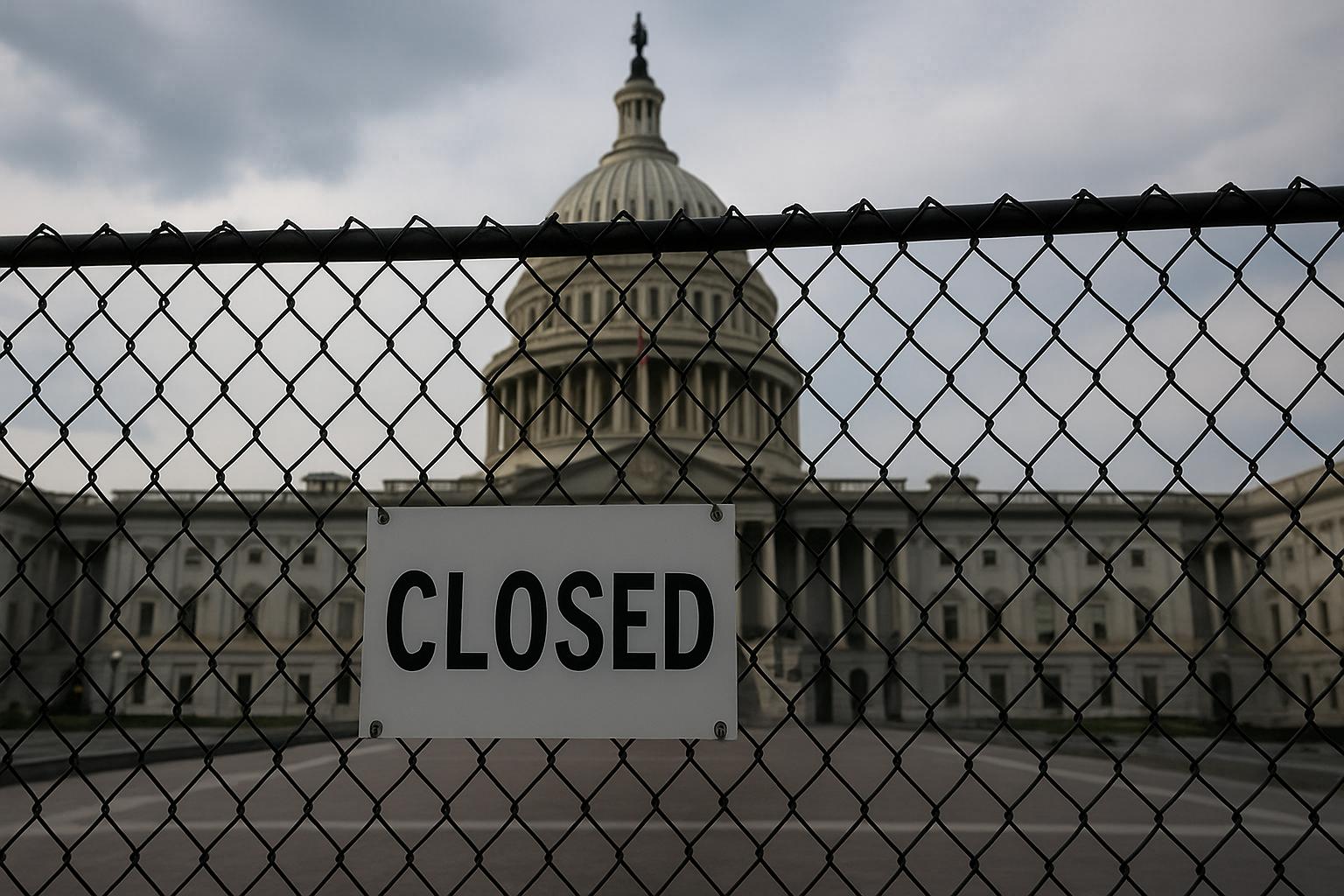
When the shutdown ended, there was a visible sense of relief across the country. Thousands of federal workers who had gone without paychecks began to hope for normalcy. Yet the relief is overshadowed by the scale of damage caused by the prolonged funding lapse. It disrupted vital services, weakened public trust in government institutions, and stalled data crucial for policy decisions. Analysts suggest that the shutdown’s effects could drag down growth and employment figures for months to come, as many small businesses and federal contractors continue to struggle with backlogs and unpaid invoices.
One of the most visible sectors hit by the shutdown has been air travel. The Federal Aviation Administration had to enforce emergency measures, cutting flight operations by nearly ten percent across more than forty airports. Many air traffic controllers and aviation staff either stopped reporting to duty or left their jobs entirely due to frozen paychecks. For those who remained, salaries have yet to be fully cleared, and it could take several more weeks for back pay to reach all affected employees. Reports indicate that some controllers are considering career shifts, unwilling to remain in positions vulnerable to political gridlock. Airlines that grounded planes for maintenance during the shutdown now face extended delays in restoring normal schedules. Industry insiders estimate that flight operations might not return to full capacity until the Thanksgiving holiday period, or even later, if new funding uncertainties arise.
The economic toll extends far beyond airports. Billions of dollars in output were lost during the shutdown as federal contracts were halted and consumer confidence dropped sharply. Many small businesses dependent on federal spending have seen their revenues collapse, while food assistance programs were left underfunded for weeks, raising questions about the government’s ability to safeguard vulnerable citizens. The Trump administration’s handling of aid distribution during the crisis has drawn significant criticism, eroding public confidence in its commitment to social welfare.
Moreover, the delay in releasing key economic indicators such as jobs data, inflation reports, and trade numbers has created significant uncertainty for markets. Investors and policymakers have been forced to operate without timely information, which complicates economic forecasting and planning. Experts caution that even with the government reopened, the data gap will take several months to fill, leading to inconsistencies in economic analysis for the remainder of the fiscal year.
Political divisions have also deepened as a result of the shutdown. Bipartisan mistrust has reached new heights, and the gridlock in Congress remains unresolved. The contentious atmosphere in Washington has raised fears that another funding impasse could emerge as early as January 30, potentially triggering a new shutdown that would further harm the fragile recovery. With public approval ratings for both major parties dipping, citizens are growing weary of repeated political brinkmanship that directly affects their livelihoods.
Beyond the statistics and politics, the shutdown has left a psychological mark on millions of Americans. Families of federal employees endured weeks of financial uncertainty, with many relying on loans, community kitchens, and emergency savings. The sense of insecurity among public workers has been profound, and morale across multiple agencies has plunged. Rebuilding trust and stability within the federal workforce will likely take considerable time and effort.
As the country slowly recovers from this unprecedented episode, the broader question remains whether the United States can prevent such large-scale disruptions in the future. Many policy experts have urged lawmakers to consider automatic continuing resolutions that would keep the government funded even during political disputes. Without such safeguards, the risk of another shutdown will always hang over the nation’s economy and public services.
For now, the government is back in operation, but the path to full recovery will be long and uncertain. The longest shutdown in US history may be over, yet the scars it left—economic, institutional, and emotional—will continue to define the nation’s political and social landscape for years to come.