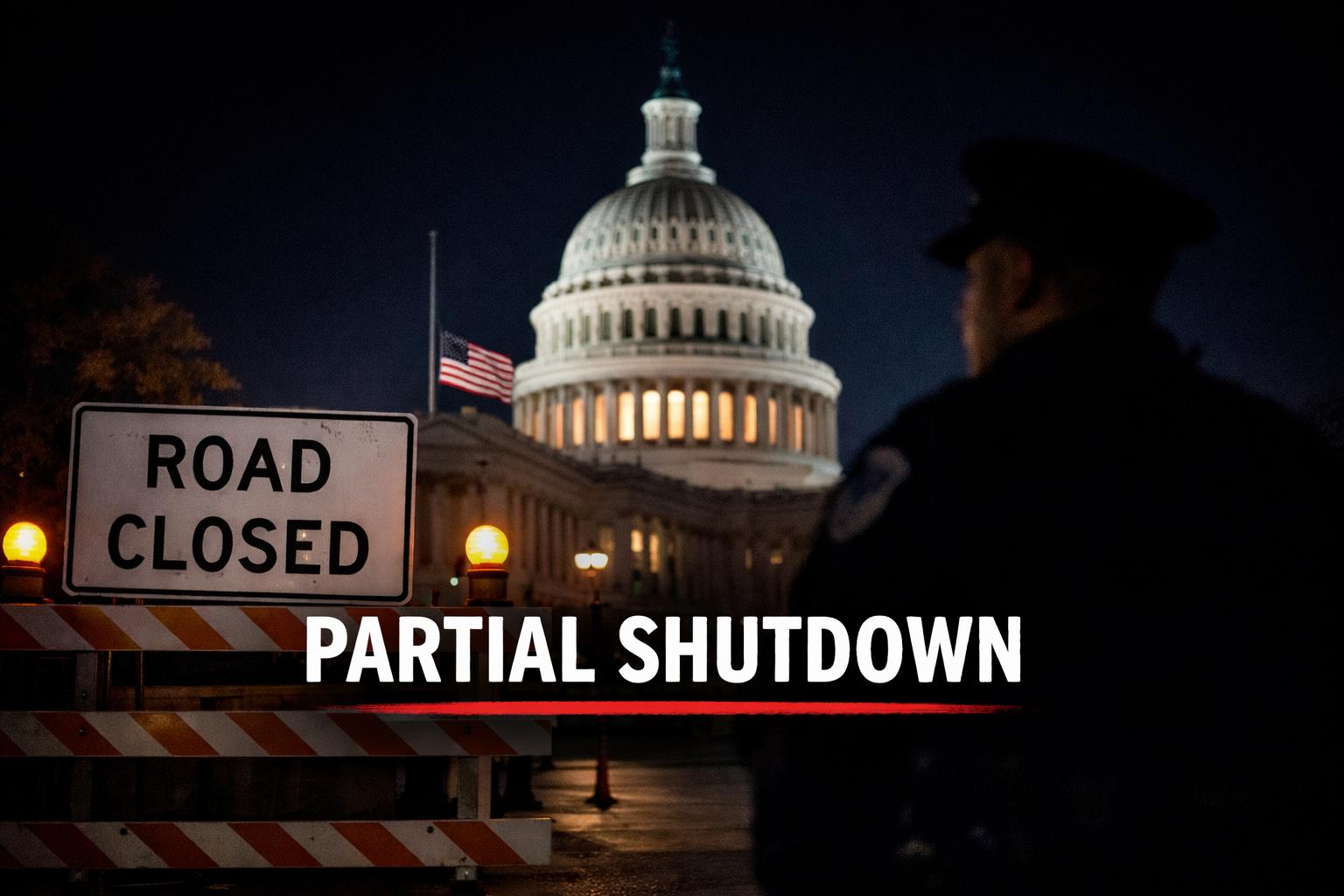
As a result of the missed deadline, an estimated three quarters of federal operations are technically affected. Agencies began implementing contingency plans overnight, placing certain programs on hold and preparing for potential furloughs if funding is not restored promptly. Despite the scale of the shutdown on paper, lawmakers suggested the situation is unlikely to develop into a prolonged crisis if legislative action proceeds as anticipated.
The immediate cause of the shutdown stemmed less from budgetary disagreements and more from a breakdown in negotiations over funding for the Department of Homeland Security. Talks collapsed after Democratic lawmakers withdrew support following the killing of two protesters in Minneapolis by federal immigration agents deployed under orders from President Donald Trump. The incident sparked sharp criticism and intensified opposition to additional DHS funding without further accountability measures.
Senate Democratic Minority Whip Dick Durbin accused the administration of misdirecting federal resources and undermining public safety. In a statement posted on social media, he said the administration was targeting peaceful protesters instead of focusing on drug smuggling, human trafficking, and child exploitation. Durbin argued that the current approach had made the country less safe and contributed directly to the collapse of budget negotiations.
The shutdown has the potential to affect a broad range of government functions, including education, healthcare, housing, and defense, should it extend beyond the next few days. Federal employees could face furloughs or be required to continue working without pay, while government contractors may experience delays in payments. Essential services would continue, but many routine operations could be disrupted if the funding lapse persists.
Late Friday, the Senate approved a legislative package clearing five outstanding appropriations bills, ensuring continued funding for most federal agencies through September. In addition, senators passed a two-week stopgap measure to temporarily fund the Department of Homeland Security, allowing time for further negotiations on immigration policy and enforcement practices.
However, the House of Representatives was not in session when the deadline expired and is not scheduled to reconvene until Monday. Until the House ratifies the Senate-approved measures, the partial shutdown will remain in effect. Congressional leaders expressed confidence that once the House returns, the deal will be approved quickly, restoring funding within days and limiting the real-world impact of the shutdown.
If the agreement passes as expected, the shutdown is likely to be largely symbolic. If negotiations stall, however, the consequences could escalate rapidly, affecting tens of thousands of federal workers and disrupting services nationwide.