









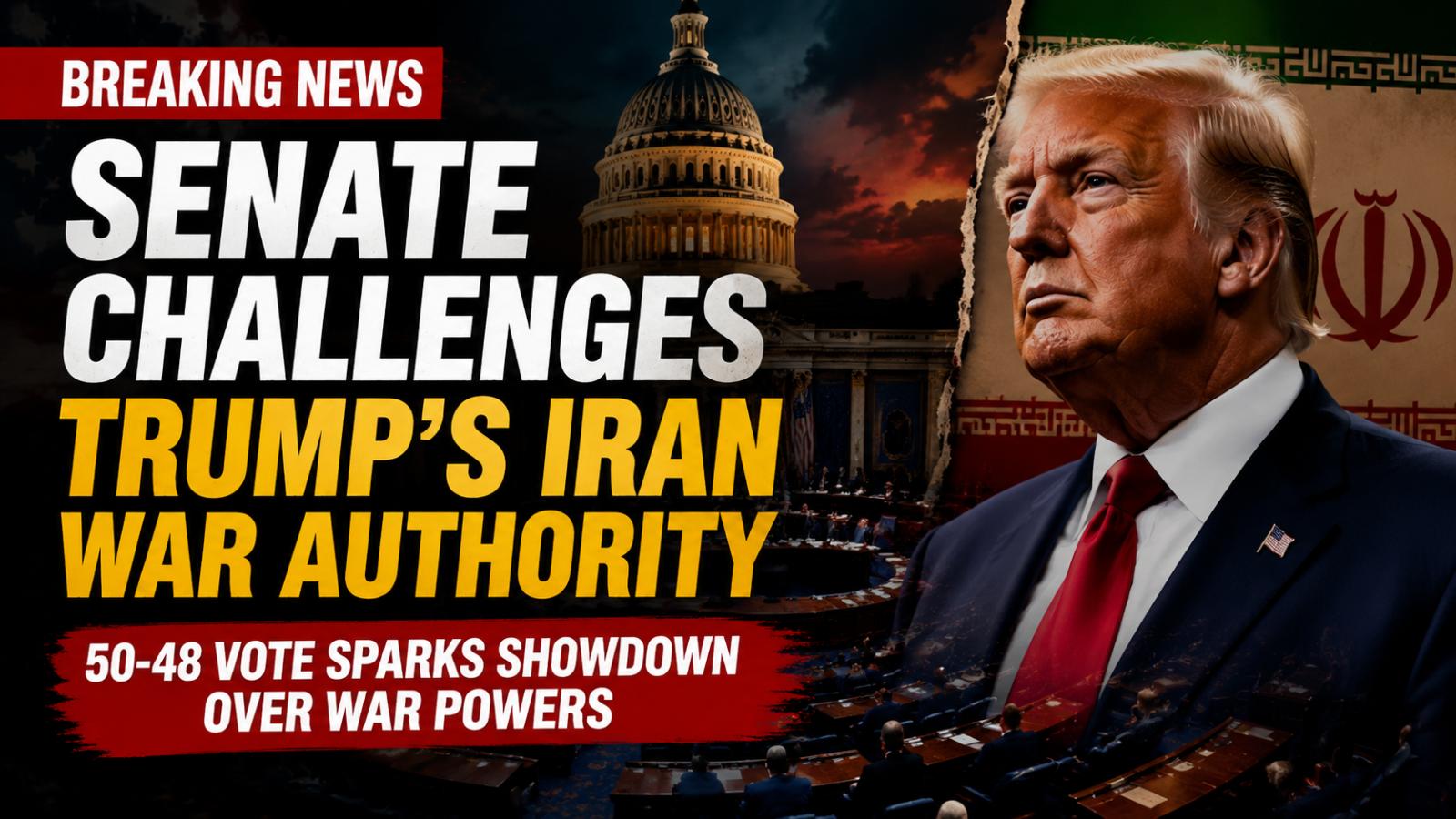















US Senate votes 50-48 to limit Iran conflict authority
Senate challenges executive war authority The US Senate has approved a resolution opposing continued military involvement tied to Iran, signaling widening friction between Congress and the executive branch over war powers. The measure passed narrowly at 50–48 and had already cleared the House, reflecting rare bipartisan concern over the direction of US military engagement in the region. Although the resol
US Senate votes 50-48 to limit Iran conflict authority
Senate challenges executive war authority The US Senate has approved a resolution opposing continued military involvement tied to Iran, signaling widening friction between Congress and the executive branch over war powers. The measure passed narrowly at 50–48 and had already cleared the House, reflecting rare bipartisan concern over the direction of US military engagement in the region. Although the resol
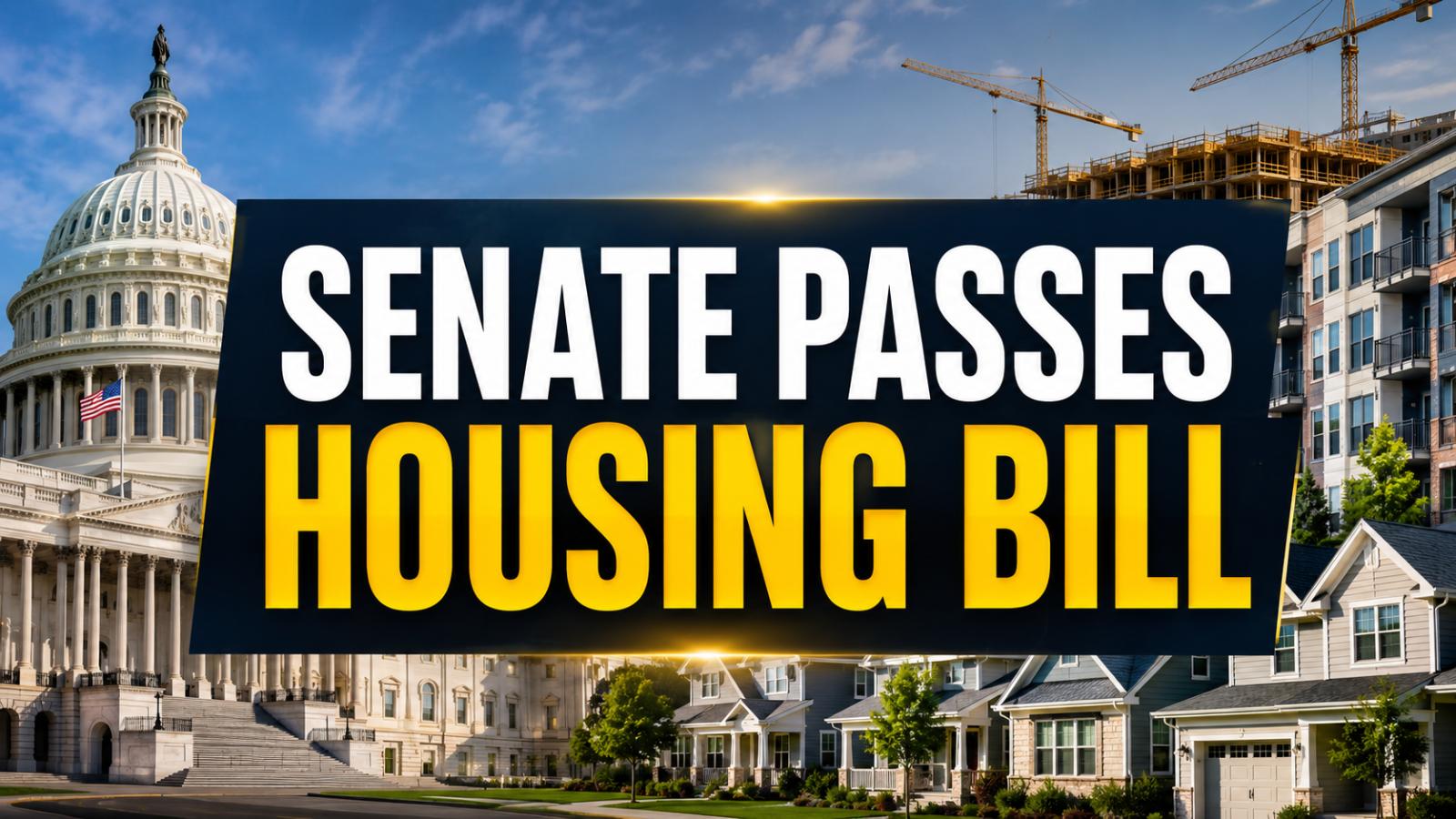
Senate passes housing bill to lower home costs
Senate approves housing affordability bill The US Senate on Monday, June 22, approved a bipartisan housing bill aimed at lowering housing costs by encouraging new construction, easing permitting rules and limiting the role of large investors in the single-family housing market. The measure, called the 21st Century ROAD to Housing Act, passed in an 85 to 5 vote and now heads to the House of Representatives. If approved there, it will be sent t
Senate passes housing bill to lower home costs
Senate approves housing affordability bill The US Senate on Monday, June 22, approved a bipartisan housing bill aimed at lowering housing costs by encouraging new construction, easing permitting rules and limiting the role of large investors in the single-family housing market. The measure, called the 21st Century ROAD to Housing Act, passed in an 85 to 5 vote and now heads to the House of Representatives. If approved there, it will be sent t
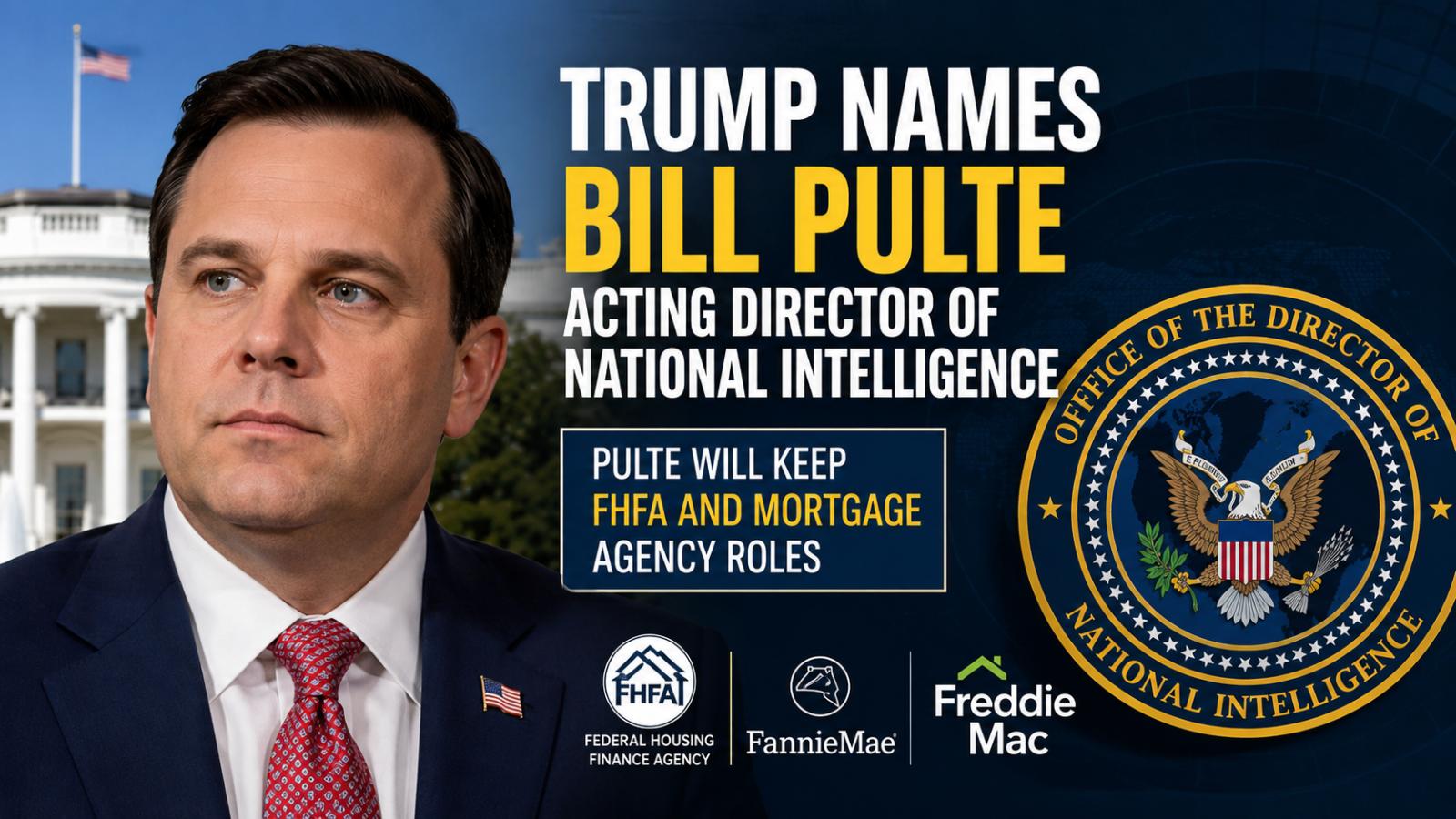
Trump Names Bill Pulte Acting Intelligence Chief
Bill Pulte acting DNI duties will begin after President Donald Trump named the Federal Housing Finance Agency director to temporarily lead the U.S. intelligence community. The announcement, made on Tuesday, June 2, 2026, places Pulte in a Cabinet-level national security role while he continues overseeing major federal housing responsibilities. Pulte currently leads the FHFA and serves as chair of Fannie Mae and Freddie Mac. Trump said Pulte would remain in those hou
Trump Names Bill Pulte Acting Intelligence Chief
Bill Pulte acting DNI duties will begin after President Donald Trump named the Federal Housing Finance Agency director to temporarily lead the U.S. intelligence community. The announcement, made on Tuesday, June 2, 2026, places Pulte in a Cabinet-level national security role while he continues overseeing major federal housing responsibilities. Pulte currently leads the FHFA and serves as chair of Fannie Mae and Freddie Mac. Trump said Pulte would remain in those hou
Trump-Backed Ken Paxton Defeats John Cornyn In Texas Runoff
Paxton Wins Texas Republican Runoff US President Donald Trump strengthened his influence inside the Republican Party after his endorsed candidate, Ken Paxton, defeated incumbent Senator John Cornyn in the Texas Republican Senate primary runoff on May 26. The result marked a major political setback for Cornyn, a four-term senator who had served since 2002 and was backed by many traditional Republican figures.
Trump-Backed Ken Paxton Defeats John Cornyn In Texas Runoff
Paxton Wins Texas Republican Runoff US President Donald Trump strengthened his influence inside the Republican Party after his endorsed candidate, Ken Paxton, defeated incumbent Senator John Cornyn in the Texas Republican Senate primary runoff on May 26. The result marked a major political setback for Cornyn, a four-term senator who had served since 2002 and was backed by many traditional Republican figures.
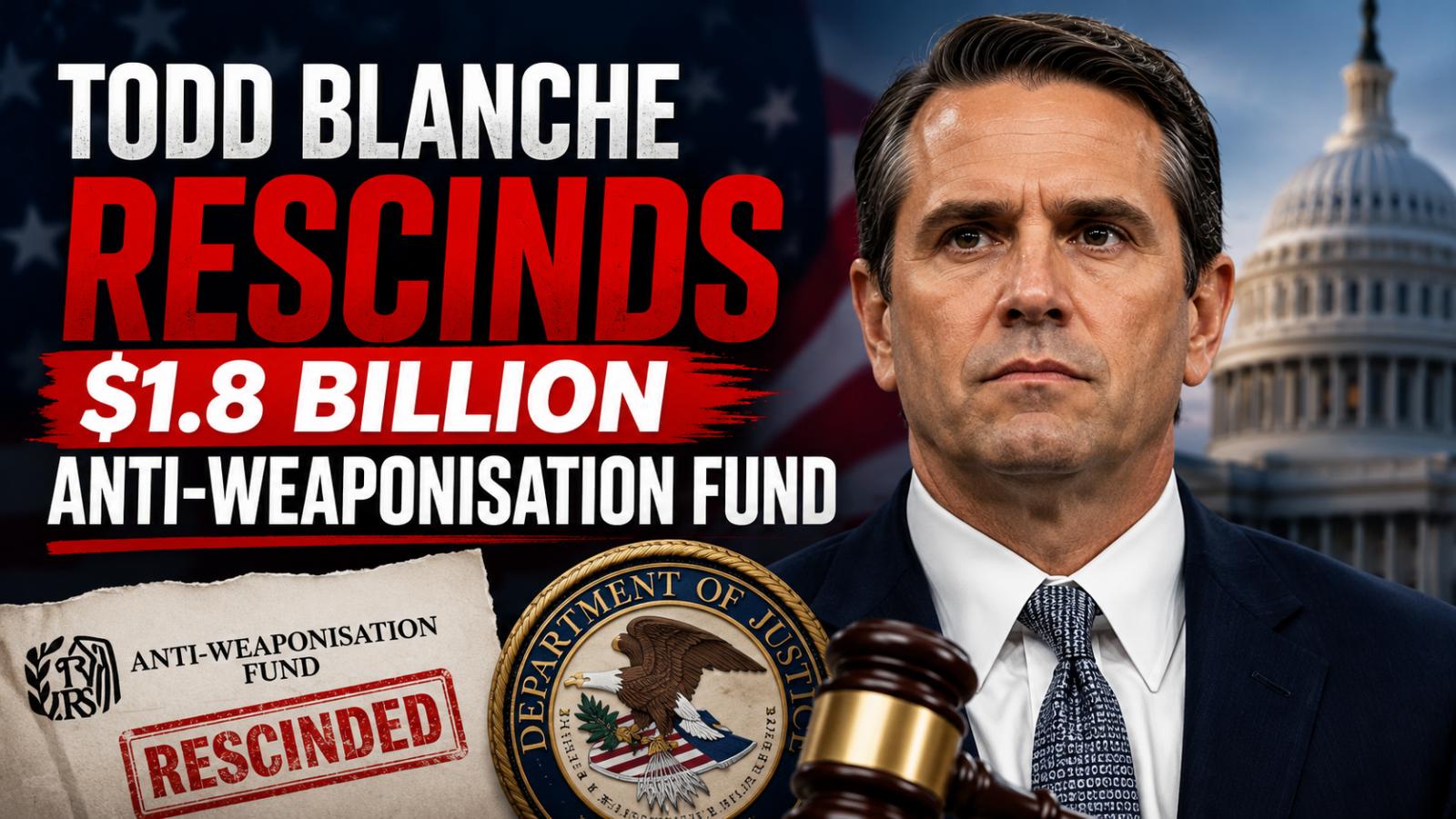
Trump’s $1.8 Billion Settlement Fund Faces GOP Senate Pushback
GOP Pushback Delays Immigration Funding Vote Senate Republicans broke with President Donald Trump on Thursday,May 22,2026 over a proposed $1.8 billion settlement fund for individuals claiming political persecution, forcing lawmakers to delay a major immigration-enforcement funding vote. The proposed anti-weaponisation fund has become a priority for Trump, who has argued that his supporters, including some people prosecuted
Trump’s $1.8 Billion Settlement Fund Faces GOP Senate Pushback
GOP Pushback Delays Immigration Funding Vote Senate Republicans broke with President Donald Trump on Thursday,May 22,2026 over a proposed $1.8 billion settlement fund for individuals claiming political persecution, forcing lawmakers to delay a major immigration-enforcement funding vote. The proposed anti-weaponisation fund has become a priority for Trump, who has argued that his supporters, including some people prosecuted
Trump loses $1b white house ballroom funding in senate bill
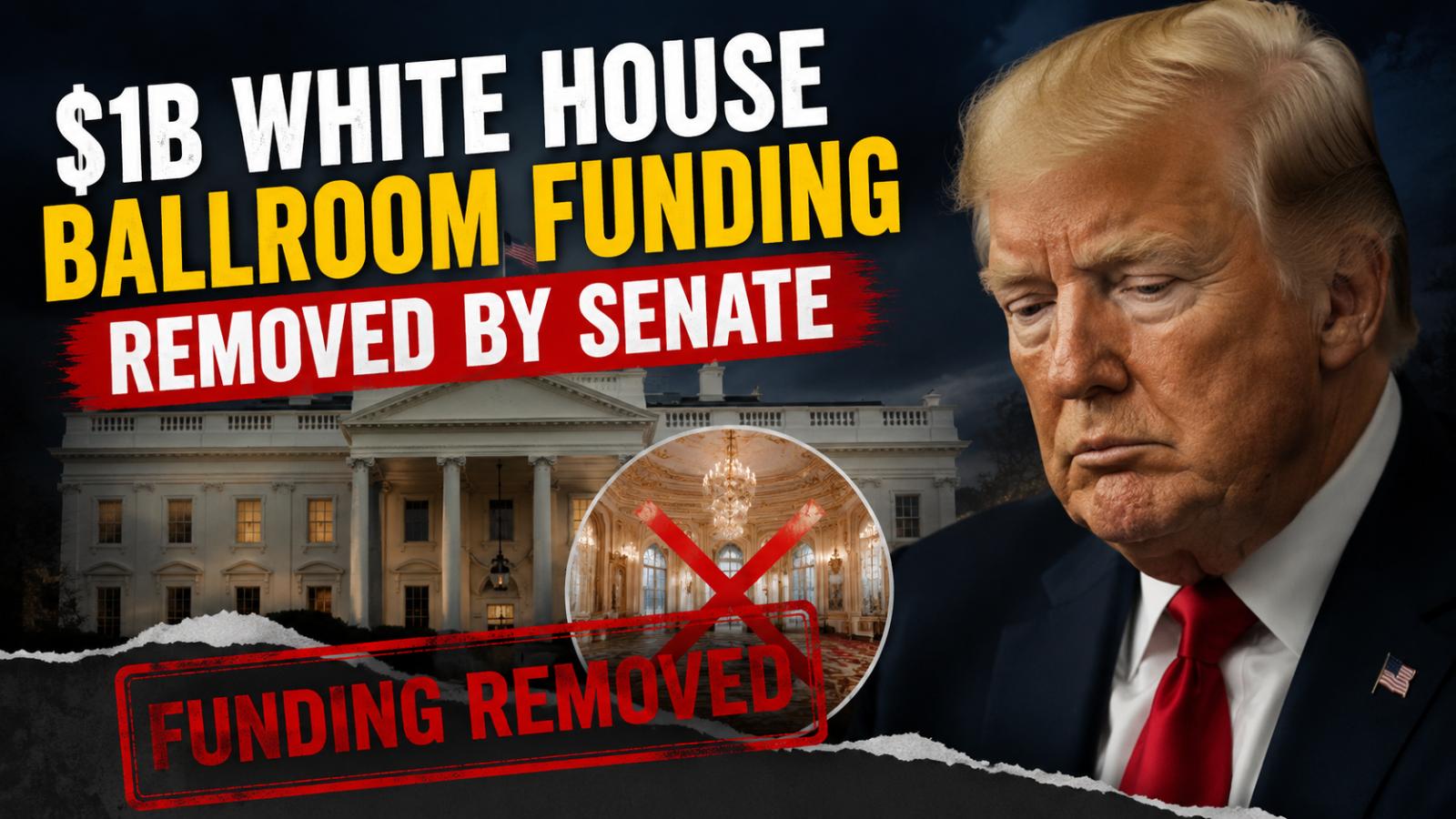
On May 20, the Senate removed $1 billion in funding for the White House ballroom project from a larger immigration bill, marking a notable political setback for former President Donald Trump. The funding was intended to cover Secret Service security upgrades for the East Wing, including modernized infrastructure and underground enhancements. The decision followed guidance from Senate Parliamentarian Elizabeth MacDonough, who flagged the allocation as incompatible with budget reconciliation ru
Trump loses $1b white house ballroom funding in senate bill
On May 20, the Senate removed $1 billion in funding for the White House ballroom project from a larger immigration bill, marking a notable political setback for former President Donald Trump. The funding was intended to cover Secret Service security upgrades for the East Wing, including modernized infrastructure and underground enhancements. The decision followed guidance from Senate Parliamentarian Elizabeth MacDonough, who flagged the allocation as incompatible with budget reconciliation ru
Senate Votes To Limit Trump’s Military Action in Iran
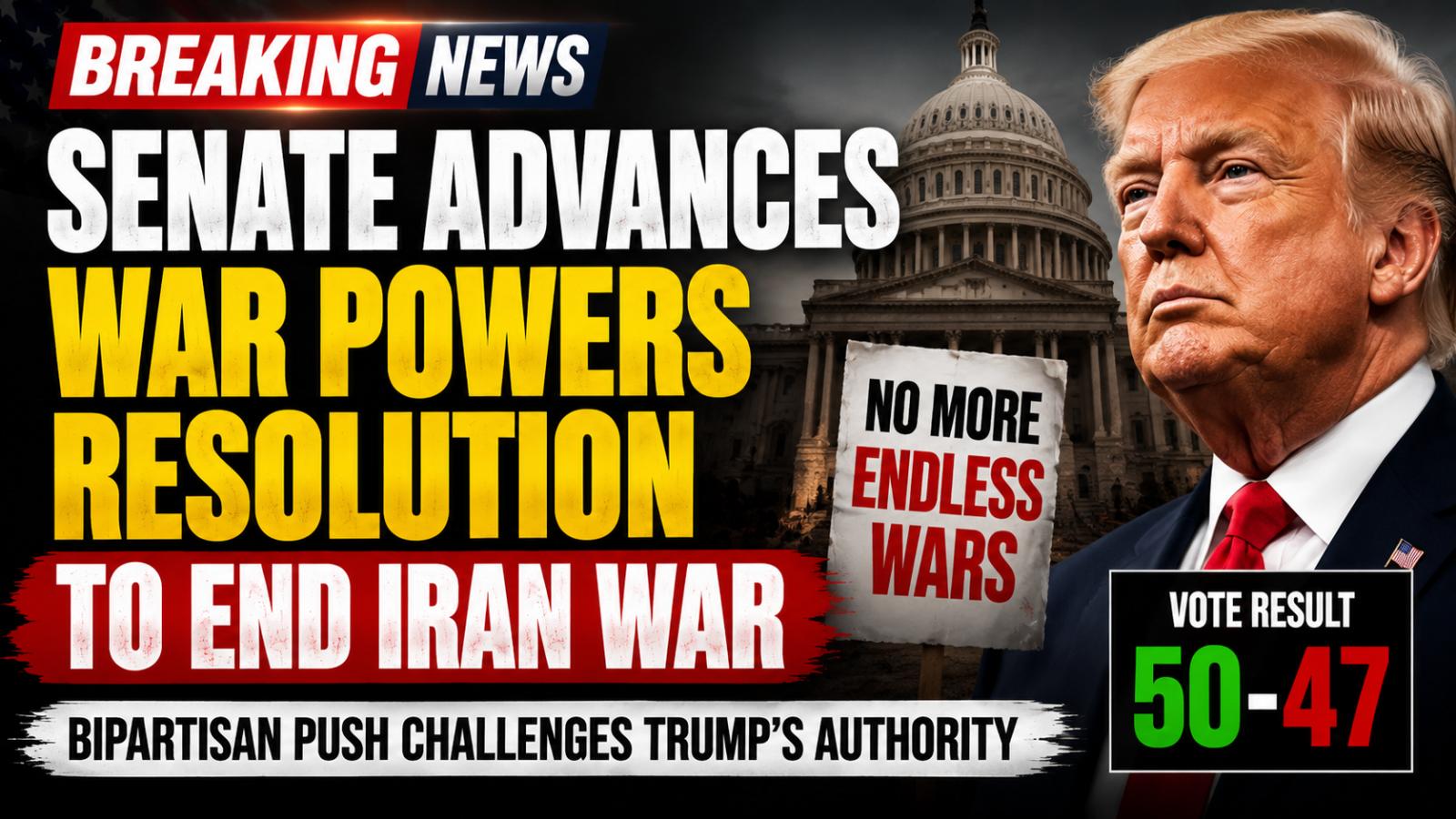
Senate Votes To Advance War Powers Resolution On Tuesday, May 19, the US Senate voted 50-47 to advance a war powers resolution that seeks to compel President Donald Trump to end military operations in Iran unless Congress authorizes continuation. This procedural victory marks the first time a resolution of this type has progressed after seven previous failed attempts since the conflict began in February. Four Republicans joi
Senate Votes To Limit Trump’s Military Action in Iran
Senate Votes To Advance War Powers Resolution On Tuesday, May 19, the US Senate voted 50-47 to advance a war powers resolution that seeks to compel President Donald Trump to end military operations in Iran unless Congress authorizes continuation. This procedural victory marks the first time a resolution of this type has progressed after seven previous failed attempts since the conflict began in February. Four Republicans joi
Trump-Backed Challenger Defeats Kentucky Rep Thomas Massie
Massie Defeated By Trump-Backed Challenger Representative Thomas Massie of Kentucky, a vocal critic of President Donald Trump, lost his re-election bid to a Trump-endorsed challenger, Ed Gallrein, on May 18,2026. Trump targeted Massie over his criticism on issues like the Iran war and the Epstein files. Gallrein, a former Navy SEAL, benefited from an aggressive campaign that included Defense Secre
Trump-Backed Challenger Defeats Kentucky Rep Thomas Massie
Massie Defeated By Trump-Backed Challenger Representative Thomas Massie of Kentucky, a vocal critic of President Donald Trump, lost his re-election bid to a Trump-endorsed challenger, Ed Gallrein, on May 18,2026. Trump targeted Massie over his criticism on issues like the Iran war and the Epstein files. Gallrein, a former Navy SEAL, benefited from an aggressive campaign that included Defense Secre
Do Senators Get Paid During Shutdowns? New Senate Rule Explained
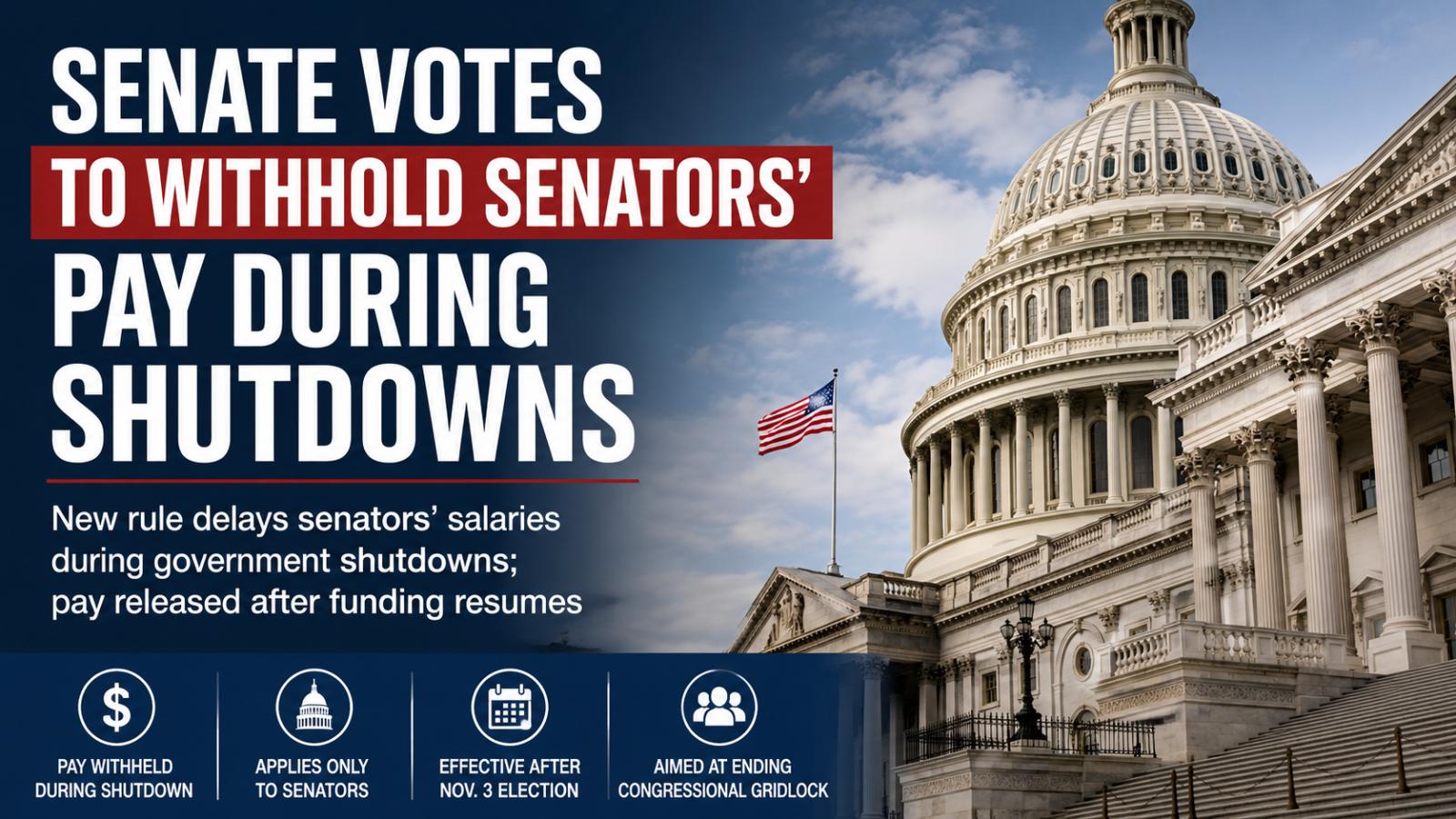
WASHINGTON — Do senators get paid during government shutdowns? A new Senate rule would delay their salaries during future federal funding lapses, but the money would still be released after the shutdown ends. The U.S. Senate voted unanimously on Thursday, May 14, 2026, to withhold senators’ pay whenever a government shutdown affects one or more federal agencies. Senate Shutdown Pay Rule Explained The measure, sponsored by Sen. John Kennedy,
Do Senators Get Paid During Shutdowns? New Senate Rule Explained
WASHINGTON — Do senators get paid during government shutdowns? A new Senate rule would delay their salaries during future federal funding lapses, but the money would still be released after the shutdown ends. The U.S. Senate voted unanimously on Thursday, May 14, 2026, to withhold senators’ pay whenever a government shutdown affects one or more federal agencies. Senate Shutdown Pay Rule Explained The measure, sponsored by Sen. John Kennedy,
Satellite images fuel concerns over Pakistan's role in US-Iran diplomacy
Fresh satellite imagery has sparked renewed scrutiny over Pakistan's involvement in the ongoing US-Iran diplomatic talks, with reports suggesting that Islamabad may be housing at least one Iranian military aircraft at the strategically important Nur Khan Airbase, located near Islamabad. These developments come amid heightened tensions between Washington and Tehran, as Pakistan continues to position itself as a mediator between the two nations. The satellite images, which are believe
Satellite images fuel concerns over Pakistan's role in US-Iran diplomacy
Fresh satellite imagery has sparked renewed scrutiny over Pakistan's involvement in the ongoing US-Iran diplomatic talks, with reports suggesting that Islamabad may be housing at least one Iranian military aircraft at the strategically important Nur Khan Airbase, located near Islamabad. These developments come amid heightened tensions between Washington and Tehran, as Pakistan continues to position itself as a mediator between the two nations. The satellite images, which are believe
GOP’s $1B White House Security Bill Fuels Trump Ballroom Fight
GOP Bill Seeks $1B for White House Security Upgrades Senate Republicans are pushing a $1 billion White House security funding plan tied to President Donald Trump’s proposed ballroom project, setting up a sharp fight in Congress. The money would go to the U.S. Secret Service for “security adjustments and upgrades” around the White House complex, including above-ground and below-ground protections. Officials said the funding is meant for security work, not bal
GOP’s $1B White House Security Bill Fuels Trump Ballroom Fight
GOP Bill Seeks $1B for White House Security Upgrades Senate Republicans are pushing a $1 billion White House security funding plan tied to President Donald Trump’s proposed ballroom project, setting up a sharp fight in Congress. The money would go to the U.S. Secret Service for “security adjustments and upgrades” around the White House complex, including above-ground and below-ground protections. Officials said the funding is meant for security work, not bal
Hegseth says Iran ceasefire pauses war powers clock amid congressional concerns
The Trump war powers debate took center stage in Washington as Defense Secretary Pete Hegseth told lawmakers that a ceasefire with Iran pauses the legal clock under the War Powers Resolution, a claim that has triggered strong political and legal reactions. The dispute comes just before the 60-day deadline that typically requires the president to seek approval from Congress to continue military action, raising questions about how the law should be applied during a ceasefire. Speaking before the Senate Armed Services Committee, Hegseth argued that ongoing ceasefire conditions mean the countdown does not apply in the usual way. Under the War Powers Resolution, introduced in 1973, presidents must inform Congress within 48 hours of military action and must withdraw troops within 60 days unless lawmakers approve continued engagement. Lawmakers had expected this deadline to expire on May 1, but Hegseth’s interpretation suggests otherwise. Hegseth avoided giving a clear answer when asked if the administration of Donald Trump would seek formal authorization. Instead, he defended the administration’s actions and criticized opponents, saying that internal political disagreements weaken the country’s position. His remarks came during discussions on the Pentagon’s proposed $1.45 trillion budget, though much of the focus shifted to the Iran conflict and its legal implications. Several lawmakers from both parties expressed concern. Senator Tim Kaine warned that the situation raises serious constitutional questions, while some Republicans also indicated they may oppose continuing military operations without approval. Others supported a more flexible interpretation, especially during active negotiations or ceasefire periods. Legal experts, however, strongly rejected the argument that a ceasefire pauses the law. Analysts pointed out that US naval forces remain active in the region, including operations in the Strait of Hormuz, suggesting that hostilities have not fully stopped. Scholars emphasized that the law does not include any provision for pausing the timeline. The conflict has already had wider consequences, including rising energy prices and increased tensions in the region. Critics have also accused the administration of starting the conflict without a clear immediate threat. During the hearing, Senator Elissa Slotkin questioned whether the administration could truly claim progress while key trade routes remain unstable. The exchange grew tense at times, reflecting deep divisions over the handling of the situation. While military officials maintained a more measured tone, political leaders continued to clash over strategy, legality, and communication with the public. As the deadline passes, the debate over war powers, presidential authority, and congressional oversight is expected to intensify further.
Hegseth says Iran ceasefire pauses war powers clock amid congressional concerns
The Trump war powers debate took center stage in Washington as Defense Secretary Pete Hegseth told lawmakers that a ceasefire with Iran pauses the legal clock under the War Powers Resolution, a claim that has triggered strong political and legal reactions. The dispute comes just before the 60-day deadline that typically requires the president to seek approval from Congress to continue military action, raising questions about how the law should be applied during a ceasefire. Speaking before the Senate Armed Services Committee, Hegseth argued that ongoing ceasefire conditions mean the countdown does not apply in the usual way. Under the War Powers Resolution, introduced in 1973, presidents must inform Congress within 48 hours of military action and must withdraw troops within 60 days unless lawmakers approve continued engagement. Lawmakers had expected this deadline to expire on May 1, but Hegseth’s interpretation suggests otherwise. Hegseth avoided giving a clear answer when asked if the administration of Donald Trump would seek formal authorization. Instead, he defended the administration’s actions and criticized opponents, saying that internal political disagreements weaken the country’s position. His remarks came during discussions on the Pentagon’s proposed $1.45 trillion budget, though much of the focus shifted to the Iran conflict and its legal implications. Several lawmakers from both parties expressed concern. Senator Tim Kaine warned that the situation raises serious constitutional questions, while some Republicans also indicated they may oppose continuing military operations without approval. Others supported a more flexible interpretation, especially during active negotiations or ceasefire periods. Legal experts, however, strongly rejected the argument that a ceasefire pauses the law. Analysts pointed out that US naval forces remain active in the region, including operations in the Strait of Hormuz, suggesting that hostilities have not fully stopped. Scholars emphasized that the law does not include any provision for pausing the timeline. The conflict has already had wider consequences, including rising energy prices and increased tensions in the region. Critics have also accused the administration of starting the conflict without a clear immediate threat. During the hearing, Senator Elissa Slotkin questioned whether the administration could truly claim progress while key trade routes remain unstable. The exchange grew tense at times, reflecting deep divisions over the handling of the situation. While military officials maintained a more measured tone, political leaders continued to clash over strategy, legality, and communication with the public. As the deadline passes, the debate over war powers, presidential authority, and congressional oversight is expected to intensify further.
Trump names Markwayne Mullin as homeland security secretary starting March 31
US President Donald Trump on Thursday announced that Senator Markwayne Mullin will become the next United States Secretary of Homeland Security, with the appointment set to take effect on March 31, 2026. The announcement was made through a post on Truth Social, where Trump also revealed that the current secretary, Kristi Noem, will transition to a new role as special envoy for a forthcoming regional security initiative known as “The Shield of the Americas.” According to the pres
Trump names Markwayne Mullin as homeland security secretary starting March 31
US President Donald Trump on Thursday announced that Senator Markwayne Mullin will become the next United States Secretary of Homeland Security, with the appointment set to take effect on March 31, 2026. The announcement was made through a post on Truth Social, where Trump also revealed that the current secretary, Kristi Noem, will transition to a new role as special envoy for a forthcoming regional security initiative known as “The Shield of the Americas.” According to the pres
Trump to visit Texas as GOP Senate primary race intensifies
WASHINGTON — President Donald Trump is expected to travel to Texas on Friday, timing his visit with the final day of early voting and just days before the state’s closely watched Republican primary. The trip, confirmed by a White House official, will take place in Corpus Christi, although specific details about the event have not yet been publicly released. State Representative Stan Gerdes said the announcement prompted him to move a previously scheduled campaign appearance with
Trump to visit Texas as GOP Senate primary race intensifies
WASHINGTON — President Donald Trump is expected to travel to Texas on Friday, timing his visit with the final day of early voting and just days before the state’s closely watched Republican primary. The trip, confirmed by a White House official, will take place in Corpus Christi, although specific details about the event have not yet been publicly released. State Representative Stan Gerdes said the announcement prompted him to move a previously scheduled campaign appearance with
Republicans fear midterm losses as democratic momentum grows in senate races
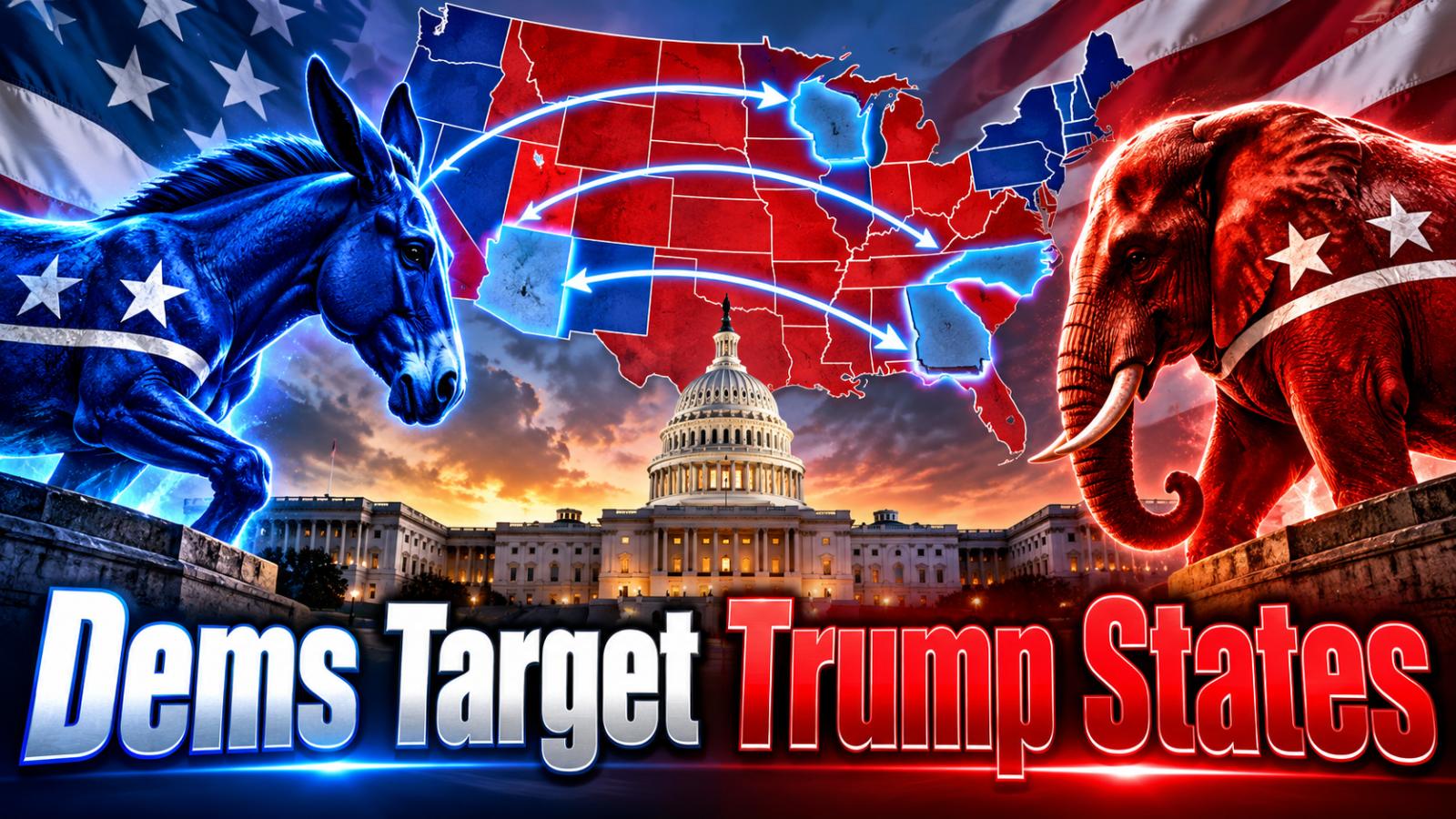
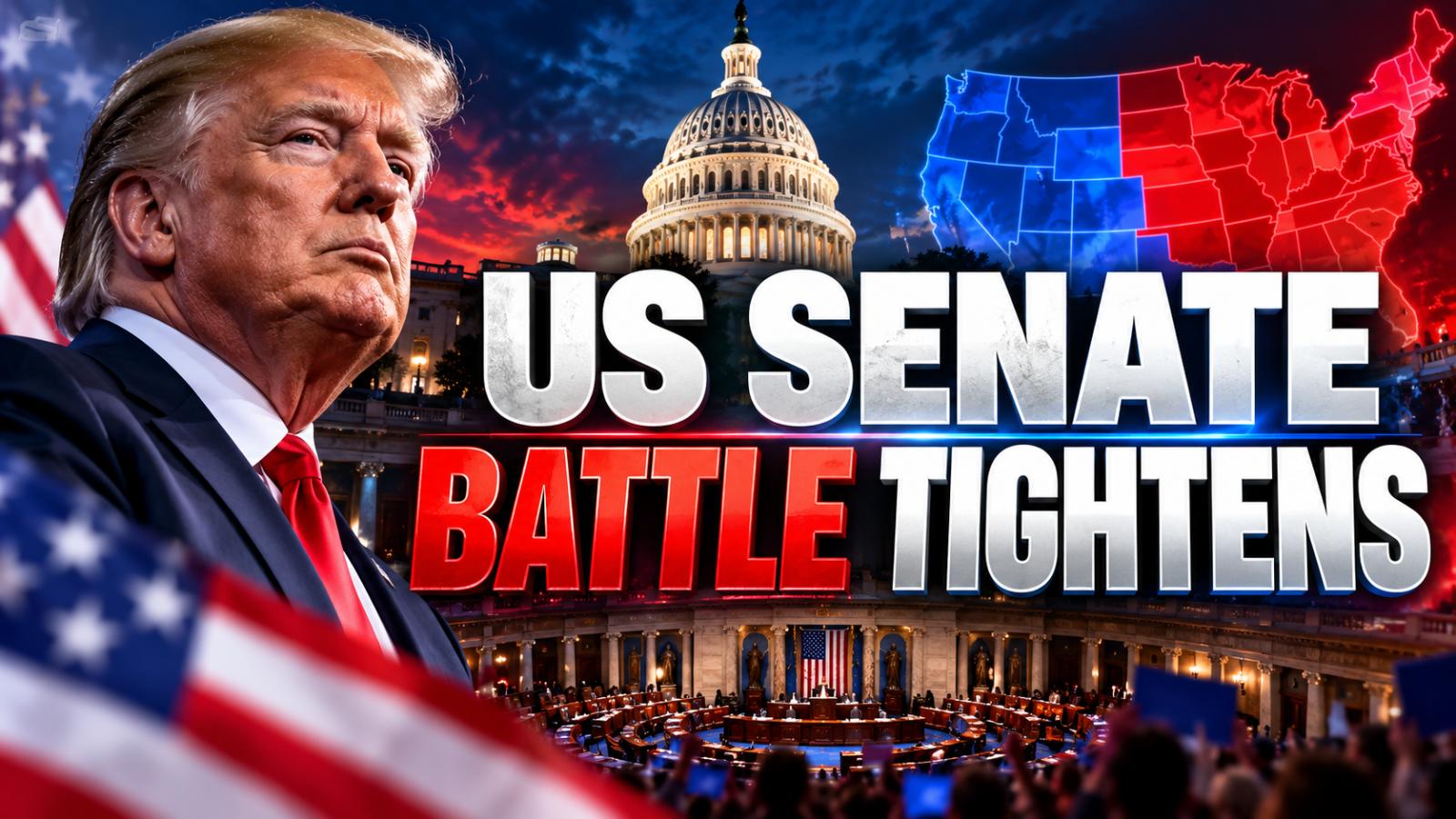
Senior Republicans are expressing growing concern about the political landscape ahead of the upcoming midterm elections, as internal polling and recent contests suggest that Democrats could make significant gains in both chambers of Congress. Party strategists warn that a surge in Democratic voter enthusiasm could threaten not only control of the House but also the party’s narrow hold on the Senate, raising the stakes for an election cycle already viewed as pivotal for President Donald Trump’s final years in office. According to lawmakers and advisers familiar with the data, private surveys indicate that voter sentiment has shifted in several competitive states, with independents and moderate voters increasingly critical of the administration’s handling of economic conditions and immigration enforcement. While Republicans currently maintain a 53-47 advantage in the Senate, even a modest swing could erase that margin. With Democrats needing a net gain of four seats to reclaim control, strategists say several Republican-leaning states are now firmly in play. President Trump has cautioned allies that losing the House could open the door to renewed investigations and the possibility of another impeachment effort. Party leaders also acknowledge that a Democratic takeover of the Senate would dramatically limit the administration’s legislative agenda, judicial confirmations, and broader influence over federal policy. As a result, the midterms are increasingly being framed within Republican circles as a referendum not only on Congress but on the president’s governing approach. Recent electoral setbacks have intensified these worries. A closely watched special election in North Texas saw a Democratic candidate capture a state Senate seat in a district Trump had previously won comfortably. The upset has been described by several GOP senators as a warning sign that traditional strongholds may no longer be secure. Party officials view the result as evidence that turnout dynamics and shifting voter priorities could reshape races once considered safe. Battleground-state senators have also raised alarms during internal discussions. Lawmakers from Maine and North Carolina, among others, have cautioned colleagues that dissatisfaction with rising costs of living and strict border policies is resonating beyond the Democratic base. They argue that without a clear economic message and improved outreach to independents, the party risks losing ground in suburban and swing districts that often determine control of Congress. Republican leaders are now emphasizing the importance of mobilizing their core supporters. In Texas, Sen. Ted Cruz characterized the recent defeat in Tarrant County as a difficult outcome and stressed that strong turnout will be critical in November. Still, many strategists concede that enthusiasm gaps and evolving demographics could complicate those efforts. With control of the House, Senate seats, and the broader balance of power at stake, both parties are preparing for an intensely competitive campaign season. For Republicans, the coming months may determine whether they can preserve their congressional majority or face a political shift that reshapes the final stretch of the Trump presidency.
Republicans fear midterm losses as democratic momentum grows in senate races
Senior Republicans are expressing growing concern about the political landscape ahead of the upcoming midterm elections, as internal polling and recent contests suggest that Democrats could make significant gains in both chambers of Congress. Party strategists warn that a surge in Democratic voter enthusiasm could threaten not only control of the House but also the party’s narrow hold on the Senate, raising the stakes for an election cycle already viewed as pivotal for President Donald Trump’s final years in office. According to lawmakers and advisers familiar with the data, private surveys indicate that voter sentiment has shifted in several competitive states, with independents and moderate voters increasingly critical of the administration’s handling of economic conditions and immigration enforcement. While Republicans currently maintain a 53-47 advantage in the Senate, even a modest swing could erase that margin. With Democrats needing a net gain of four seats to reclaim control, strategists say several Republican-leaning states are now firmly in play. President Trump has cautioned allies that losing the House could open the door to renewed investigations and the possibility of another impeachment effort. Party leaders also acknowledge that a Democratic takeover of the Senate would dramatically limit the administration’s legislative agenda, judicial confirmations, and broader influence over federal policy. As a result, the midterms are increasingly being framed within Republican circles as a referendum not only on Congress but on the president’s governing approach. Recent electoral setbacks have intensified these worries. A closely watched special election in North Texas saw a Democratic candidate capture a state Senate seat in a district Trump had previously won comfortably. The upset has been described by several GOP senators as a warning sign that traditional strongholds may no longer be secure. Party officials view the result as evidence that turnout dynamics and shifting voter priorities could reshape races once considered safe. Battleground-state senators have also raised alarms during internal discussions. Lawmakers from Maine and North Carolina, among others, have cautioned colleagues that dissatisfaction with rising costs of living and strict border policies is resonating beyond the Democratic base. They argue that without a clear economic message and improved outreach to independents, the party risks losing ground in suburban and swing districts that often determine control of Congress. Republican leaders are now emphasizing the importance of mobilizing their core supporters. In Texas, Sen. Ted Cruz characterized the recent defeat in Tarrant County as a difficult outcome and stressed that strong turnout will be critical in November. Still, many strategists concede that enthusiasm gaps and evolving demographics could complicate those efforts. With control of the House, Senate seats, and the broader balance of power at stake, both parties are preparing for an intensely competitive campaign season. For Republicans, the coming months may determine whether they can preserve their congressional majority or face a political shift that reshapes the final stretch of the Trump presidency.
US government enters partial shutdown after Congress misses 2026 budget deadline
The United States government entered a partial shutdown early Saturday after Congress failed to approve a full federal budget for fiscal year 2026 before the midnight deadline. While the lapse in funding has triggered formal shutdown procedures across several federal departments, congressional leaders from both parties indicated the disruption is likely to be brief, with a Senate-backed agreement expected to move through the House early next week. As a result of the missed deadline, an estim
US government enters partial shutdown after Congress misses 2026 budget deadline
The United States government entered a partial shutdown early Saturday after Congress failed to approve a full federal budget for fiscal year 2026 before the midnight deadline. While the lapse in funding has triggered formal shutdown procedures across several federal departments, congressional leaders from both parties indicated the disruption is likely to be brief, with a Senate-backed agreement expected to move through the House early next week. As a result of the missed deadline, an estim
Senate Democrats threaten DHS funding block as shutdown risk rises
Senate Democrats signaled they are prepared to block a sweeping federal spending measure that includes funding for the Department of Homeland Security, escalating a budget standoff that could bring the federal government closer to a partial shutdown by the end of the week. The dispute centers on Democratic demands for new limits on the administration’s expanded immigration enforcement operations, which Republicans and the White House have so far resisted. The legislation, scheduled for a key procedural vote Thursday morning, would finance Homeland Security along with several other federal agencies. Without Democratic support, the bill lacks the votes needed to advance, setting the stage for a lapse in funding at midnight Friday. Democrats have made clear that unless changes are made to immigration enforcement practices, they will withhold their backing even if it means triggering a shutdown. Late Wednesday, there were indications that negotiations could still yield a temporary solution. According to a person familiar with the private discussions, the White House expressed openness to separating Homeland Security funding from the broader spending package. Under the idea being explored, Homeland Security would receive short-term funding while negotiations continue on Democratic demands, while other agencies covered by the bill would be funded through the end of September. The source spoke on condition of anonymity due to the sensitive nature of the talks. The confrontation has intensified following the deaths of two protesters in Minneapolis, who were fatally shot during encounters with federal agents. The incident has sharpened Democratic criticism of immigration enforcement tactics and added urgency to their push for new restrictions. In response, Senate Democrats outlined specific conditions they want included before allowing the funding bill to move forward. These include requirements for officers to remove face coverings, clearly identify themselves, and obtain warrants before making arrests. Democratic leaders argue that these measures are necessary to restore public trust and ensure accountability. They say support for border security and law enforcement does not extend to practices they describe as excessive or opaque. Without agreement on these points, Democrats insist they are willing to block the bill, even as the deadline to keep the government open approaches. Republicans counter that tying immigration enforcement conditions to must-pass funding legislation risks unnecessary disruption and uncertainty for federal agencies. They maintain that existing laws already provide appropriate oversight and warn that a shutdown would have far-reaching consequences, including delayed services and furloughed workers. The current impasse recalls a government shutdown earlier this year, when lawmakers failed to reach consensus over expiring federal health care subsidies. That standoff resulted in a 43-day shutdown after negotiations collapsed. Although a small group of moderates eventually brokered a deal to reopen the government, party leaders acknowledge that the political dynamics are different this time. Democrats appear more unified, galvanized by recent events and determined to force changes to immigration policy through the budget process. With hours remaining before the funding deadline, the outcome remains uncertain. Negotiators on both sides continue to weigh whether a short-term compromise can avert another shutdown or whether the standoff will once again disrupt federal operations nationwide.
Senate Democrats threaten DHS funding block as shutdown risk rises
Senate Democrats signaled they are prepared to block a sweeping federal spending measure that includes funding for the Department of Homeland Security, escalating a budget standoff that could bring the federal government closer to a partial shutdown by the end of the week. The dispute centers on Democratic demands for new limits on the administration’s expanded immigration enforcement operations, which Republicans and the White House have so far resisted. The legislation, scheduled for a key procedural vote Thursday morning, would finance Homeland Security along with several other federal agencies. Without Democratic support, the bill lacks the votes needed to advance, setting the stage for a lapse in funding at midnight Friday. Democrats have made clear that unless changes are made to immigration enforcement practices, they will withhold their backing even if it means triggering a shutdown. Late Wednesday, there were indications that negotiations could still yield a temporary solution. According to a person familiar with the private discussions, the White House expressed openness to separating Homeland Security funding from the broader spending package. Under the idea being explored, Homeland Security would receive short-term funding while negotiations continue on Democratic demands, while other agencies covered by the bill would be funded through the end of September. The source spoke on condition of anonymity due to the sensitive nature of the talks. The confrontation has intensified following the deaths of two protesters in Minneapolis, who were fatally shot during encounters with federal agents. The incident has sharpened Democratic criticism of immigration enforcement tactics and added urgency to their push for new restrictions. In response, Senate Democrats outlined specific conditions they want included before allowing the funding bill to move forward. These include requirements for officers to remove face coverings, clearly identify themselves, and obtain warrants before making arrests. Democratic leaders argue that these measures are necessary to restore public trust and ensure accountability. They say support for border security and law enforcement does not extend to practices they describe as excessive or opaque. Without agreement on these points, Democrats insist they are willing to block the bill, even as the deadline to keep the government open approaches. Republicans counter that tying immigration enforcement conditions to must-pass funding legislation risks unnecessary disruption and uncertainty for federal agencies. They maintain that existing laws already provide appropriate oversight and warn that a shutdown would have far-reaching consequences, including delayed services and furloughed workers. The current impasse recalls a government shutdown earlier this year, when lawmakers failed to reach consensus over expiring federal health care subsidies. That standoff resulted in a 43-day shutdown after negotiations collapsed. Although a small group of moderates eventually brokered a deal to reopen the government, party leaders acknowledge that the political dynamics are different this time. Democrats appear more unified, galvanized by recent events and determined to force changes to immigration policy through the budget process. With hours remaining before the funding deadline, the outcome remains uncertain. Negotiators on both sides continue to weigh whether a short-term compromise can avert another shutdown or whether the standoff will once again disrupt federal operations nationwide.
Rubio says he couldn’t make a deal with maduro at senate hearing on venezuela policy
United States Secretary of State Marco Rubio testified before the Senate Foreign Relations Committee on Wednesday, marking his first public appearance since the capture of Venezuelan leader Nicolás Maduro earlier this month. Rubio outlined the administration’s approach toward Venezuela, defended the operation that led to Maduro’s detention, and emphasized the strategic concerns the United States has regarding the region. His testimony came amid scrutiny from senators on both sides of the ai
Rubio says he couldn’t make a deal with maduro at senate hearing on venezuela policy
United States Secretary of State Marco Rubio testified before the Senate Foreign Relations Committee on Wednesday, marking his first public appearance since the capture of Venezuelan leader Nicolás Maduro earlier this month. Rubio outlined the administration’s approach toward Venezuela, defended the operation that led to Maduro’s detention, and emphasized the strategic concerns the United States has regarding the region. His testimony came amid scrutiny from senators on both sides of the ai
Trump warns Republicans must win 2026 midterms or face impeachment threat
US President Donald Trump on Tuesday warned Republican lawmakers that failure to secure victories in the 2026 congressional midterm elections could lead to renewed impeachment efforts by Democrats. Speaking at a closed-door Republican retreat in Washington, Trump emphasized the political stakes of the upcoming vote, telling party members that maintaining control of Congress was critical to protecting his presidency. He said Democrats would seek grounds for impeachment if Republicans lost thei
Trump warns Republicans must win 2026 midterms or face impeachment threat
US President Donald Trump on Tuesday warned Republican lawmakers that failure to secure victories in the 2026 congressional midterm elections could lead to renewed impeachment efforts by Democrats. Speaking at a closed-door Republican retreat in Washington, Trump emphasized the political stakes of the upcoming vote, telling party members that maintaining control of Congress was critical to protecting his presidency. He said Democrats would seek grounds for impeachment if Republicans lost thei
Ohio Senate approves major changes to recreational marijuana laws in new bill
Ohio lawmakers advanced significant revisions to the state’s recreational marijuana framework on Tuesday as the Senate approved Senate Bill 56 following months of debate. The measure passed with a 22-7 vote and now awaits consideration from the governor. The legislation introduces new limits on public consumption, transportation, and permissible equipment while maintaining the foundation of the voter-approved recreational cannabis system. These changes come less than a year after Ohio resid
Ohio Senate approves major changes to recreational marijuana laws in new bill
Ohio lawmakers advanced significant revisions to the state’s recreational marijuana framework on Tuesday as the Senate approved Senate Bill 56 following months of debate. The measure passed with a 22-7 vote and now awaits consideration from the governor. The legislation introduces new limits on public consumption, transportation, and permissible equipment while maintaining the foundation of the voter-approved recreational cannabis system. These changes come less than a year after Ohio resid


