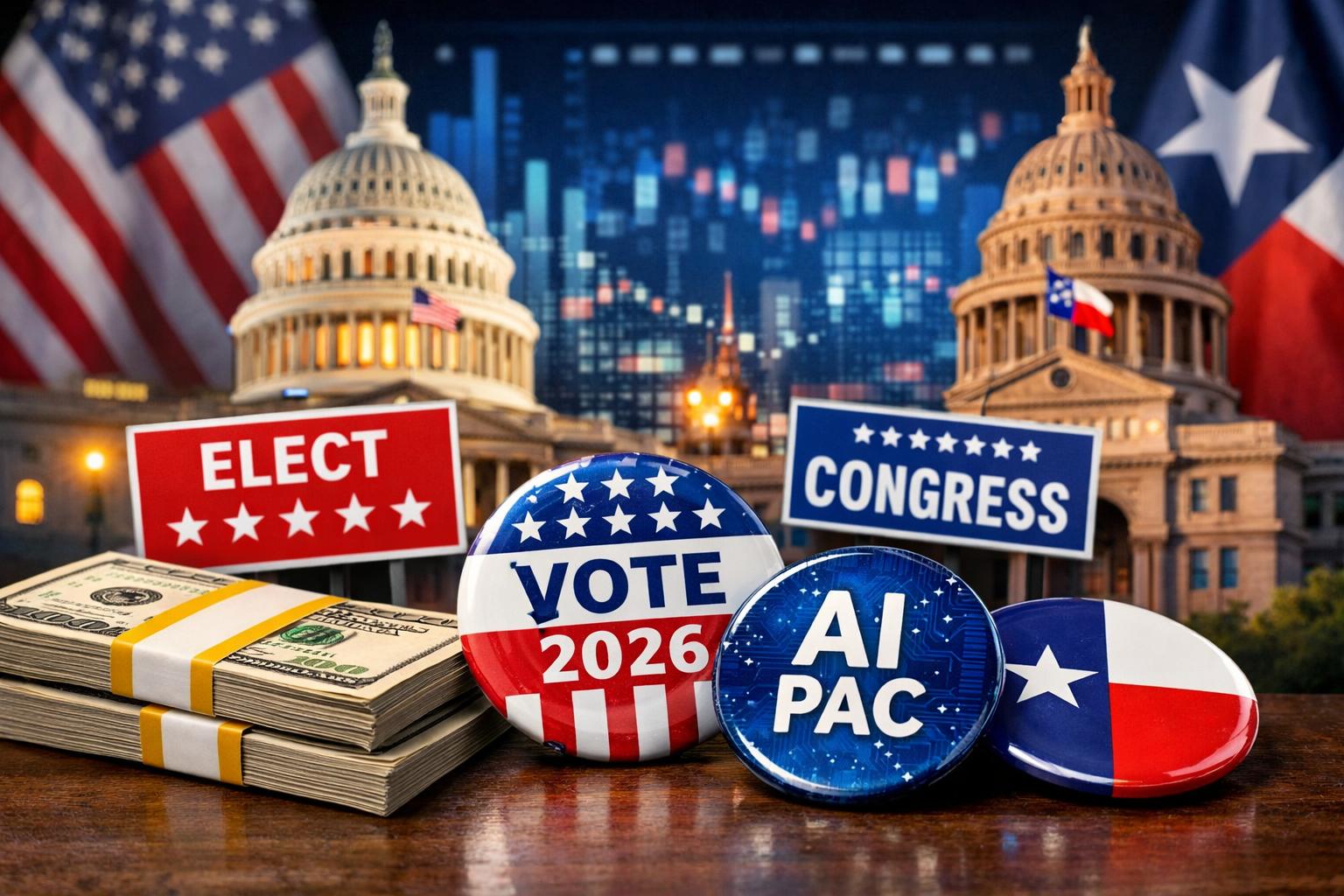
The advertisement, funded by American Mission, is part of a broader network of super PACs known as Leading the Future, which emerged in 2025 with financial support from prominent technology figures, including OpenAI co-founder Greg Brockman and investor Joe Lonsdale. According to media tracking data, American Mission spent approximately $372,000 to air ads supporting Gober, contributing to his successful bid for the Republican nomination to replace retiring Rep. Michael McCaul.
Gober, an Austin-based attorney with prior ties to political organizations connected to Elon Musk, is among at least seven Texas congressional candidates who have collectively received more than $2.8 million from AI-affiliated political action committees, based on Federal Election Commission filings. These groups often operate under neutral-sounding names and typically avoid mentioning artificial intelligence in campaign messaging, even as they are largely funded by technology executives.
The influx of funding comes as lawmakers in Washington debate how to regulate rapidly advancing AI technologies, while Texas experiences significant growth in data center infrastructure that demands substantial energy and water resources. Most of the spending has supported candidates favoring limited regulation of the AI industry, though some organizations are backing efforts to impose stronger safeguards.
American Mission has accounted for the majority of AI-related political spending in Texas as of mid-March 2026, representing more than three-quarters of such expenditures in congressional races. Meanwhile, other groups aligned with Public First Action, a nonprofit backed in part by AI company Anthropic, have supported candidates advocating for transparency and oversight in AI development.
The competing investments reflect a broader national divide over how artificial intelligence should be governed. Some organizations favor a unified federal framework to encourage innovation, while others emphasize state-level authority and stricter accountability measures for technology companies. Analysts say the growing presence of AI funding in political campaigns is likely to influence legislative priorities and voting behavior in Congress as the United States navigates the future of AI policy.