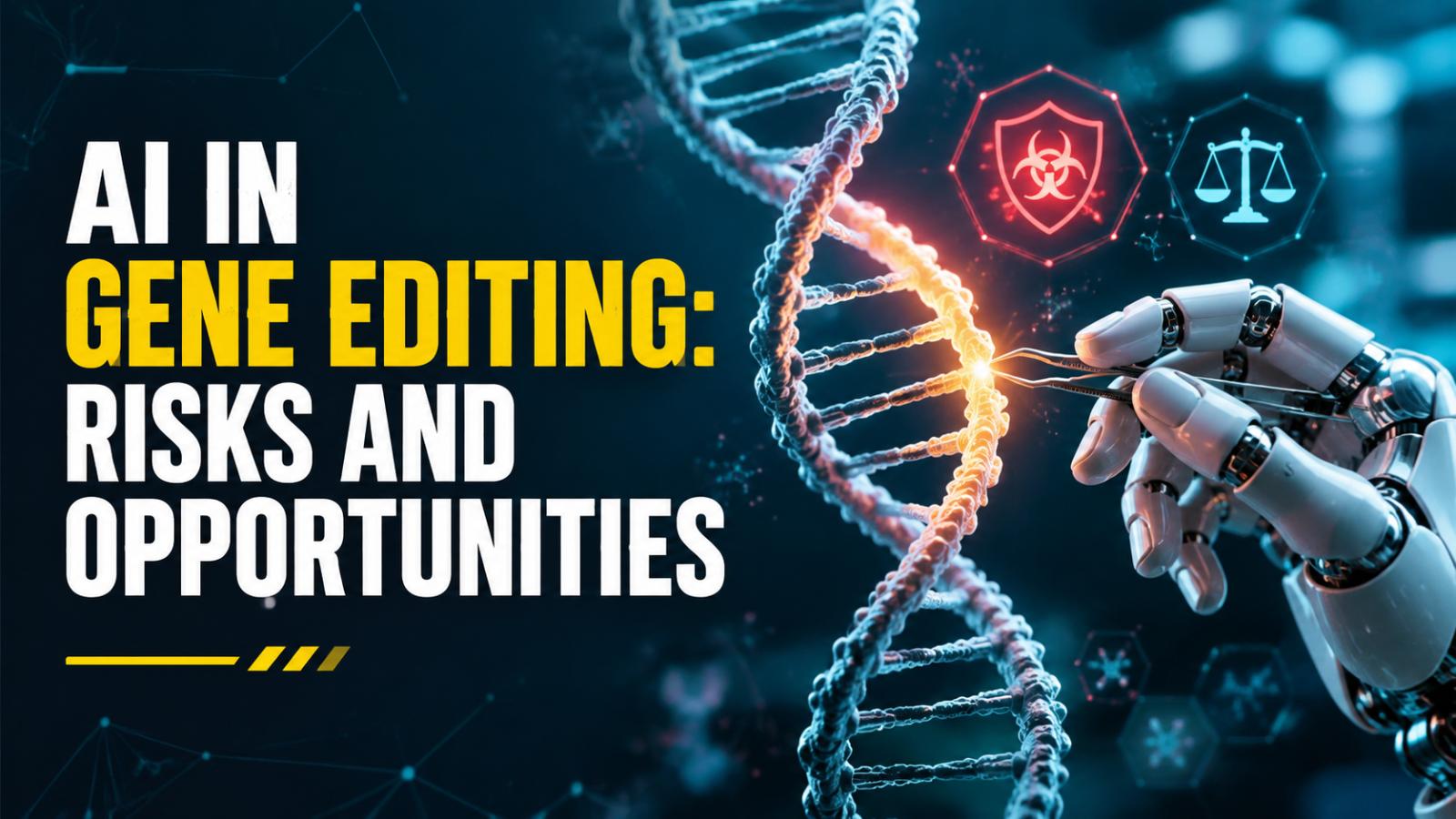
Artificial intelligence is reshaping gene editing, offering unprecedented opportunities for medical research. AI models accelerate genome studies, enabling faster development of therapies for diseases previously considered untreatable. Yet, these tools also introduce complex biosecurity challenges that require careful oversight.
Cutting-Edge AI Genome Tools
Advanced AI platforms, including OpenCRISPR, utilize large language models trained on extensive Cas9 protein data to design precise DNA modifications. Predictive models like ABEdeepoff and CBEdeepoff enhance the accuracy of gene edits, allowing scientists to explore new therapeutic possibilities. However, the rapid capability to alter genomes raises ethical questions, particularly regarding embryo editing and experimental applications.
Potential Biosecurity Threats
AI’s dual-use potential has caught the attention of biosecurity experts. While AI can optimize genetic research, it could theoretically assist in creating harmful biological agents. The risk is amplified by easy access to synthetic DNA suppliers and insufficient safety monitoring, highlighting the urgent need for comprehensive regulations and mandatory DNA screening protocols.
Regulatory Measures and Ethical Guidelines
Experts recommend strict oversight for AI-driven gene editing, including mandatory screening of all synthetic DNA and RNA orders, detailed record-keeping, and international collaboration to monitor emerging risks. Ethical frameworks must guide research to ensure innovation does not compromise global health and safety. Proactive measures can allow the field to advance responsibly while minimizing potential threats.
Balancing Innovation and Safety
AI is accelerating medical breakthroughs, offering hope for faster cures and precision treatments. However, unregulated use could introduce severe risks. Coordinated action by scientists, regulators, and AI developers is crucial to harness AI’s power in genome research safely, ensuring that technological progress aligns with ethical responsibility.