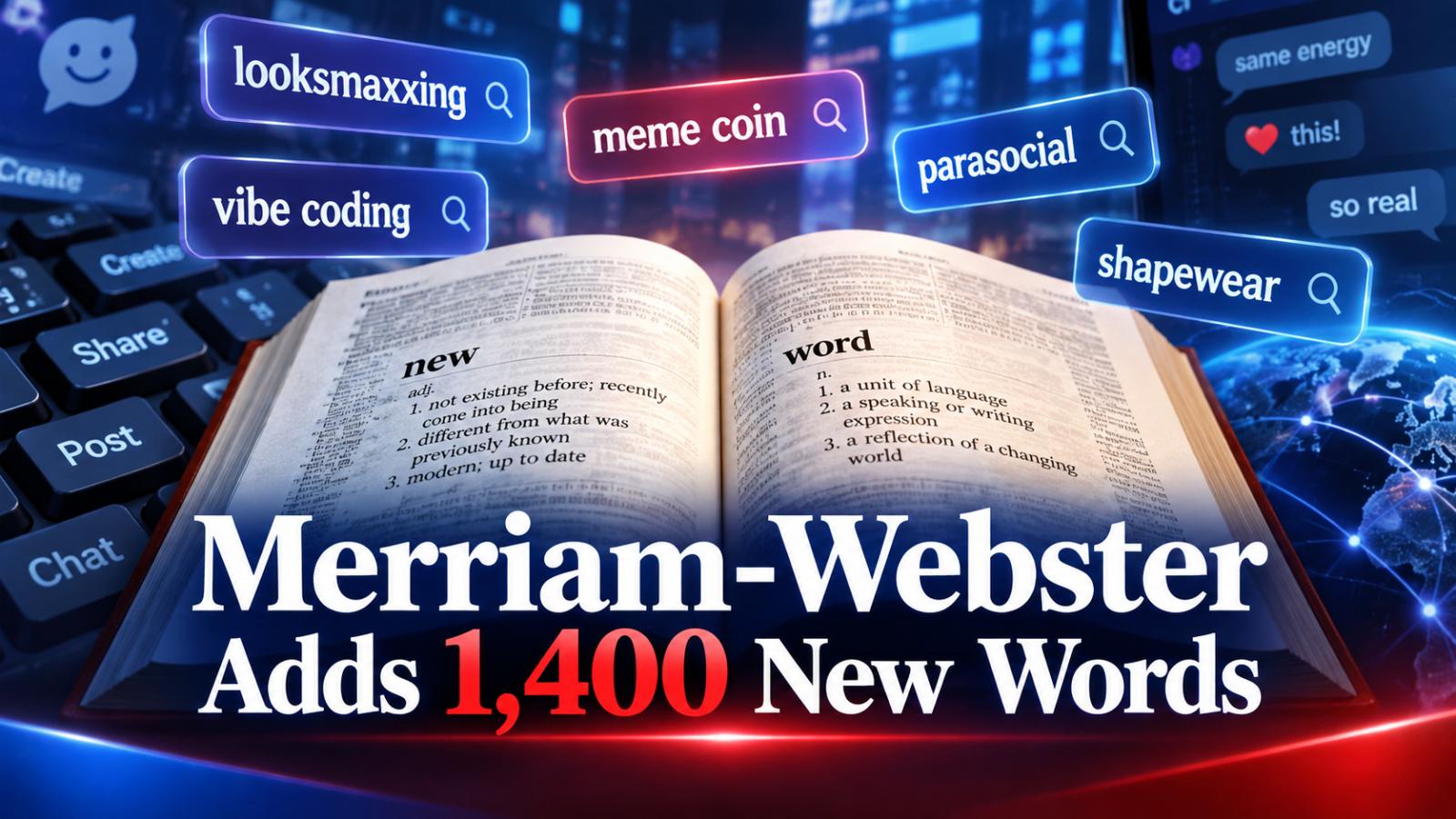
Merriam-Webster has added 1,400 new words and definitions in its latest dictionary update, bringing terms such as looksmaxxing, vibe coding, meme coin and parasocial into its online collection as internet culture, AI and everyday speech continue to reshape English.
Merriam-Webster new words reflect changing English
Merriam-Webster announced the update on September 15, saying the new entries represent words and meanings that have demonstrated widespread use over time. The publisher said its role is to record how English changes rather than decide which new expressions people should or should not use.
The latest additions range from social media slang and technology terms to food, fashion, music and relationships. Shapewear, superfood, yacht rock, cuffing season and Mandela Effect are among the expressions included in the broader update.
The move shows how quickly vocabulary can move from niche communities into everyday conversation. A phrase that begins on a social platform, in a developer community or among fans can eventually become common enough for lexicographers to document it.
Looksmaxxing and parasocial enter the dictionary
Internet culture has had a particularly visible impact on the Merriam-Webster new words list. Looksmaxxing now describes efforts, sometimes involving extreme measures, to increase physical attractiveness. Parasocial refers to a one-sided emotional connection with someone such as a celebrity or fictional character whom the person does not personally know.
Meme coin and Rickroll have also been added. Their inclusion reflects how online communities have created expressions that now appear well beyond the platforms or subcultures where they first became popular.
This does not mean a term becomes permanent simply because it trends for a few weeks. Merriam-Webster says dictionary entries require evidence of established use, a distinction that separates lasting vocabulary from short-lived viral slang.
Vibe coding and AI language gain ground
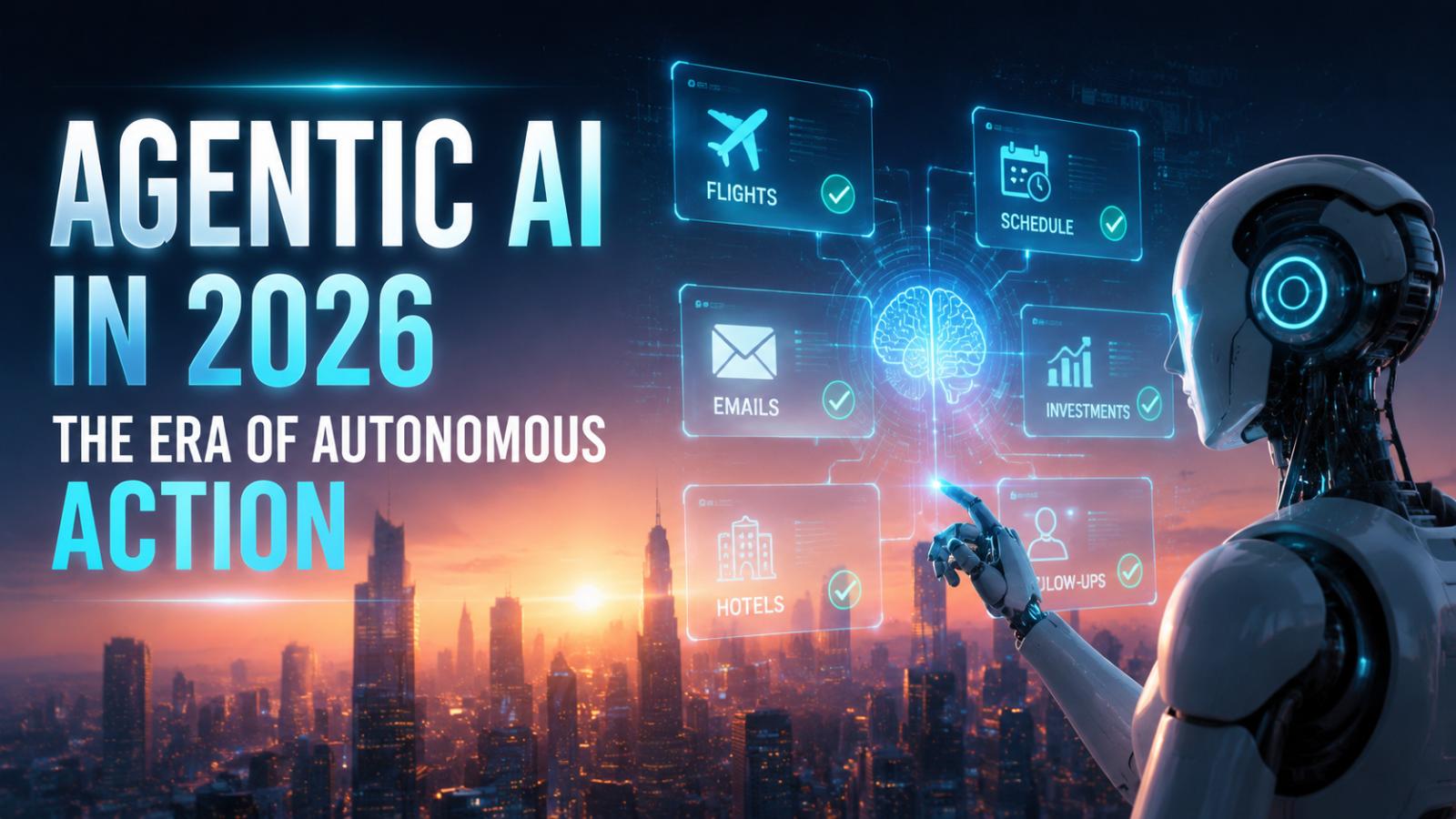
Technology is another major source of new vocabulary. Vibe coding, a term associated with using artificial intelligence to help generate software through natural-language instructions, is among the latest additions.
Merriam-Webster has also recognized compute as a noun referring to computational resources such as memory and processing power. Terms such as AGI and uncanny valley further show how technology and artificial intelligence are influencing everyday English.
The shift is significant because many technical expressions no longer stay inside specialist industries. AI tools, cryptocurrencies and social media increasingly bring once-niche terminology into workplaces, schools and ordinary conversations.
How Merriam-Webster decides which words qualify
Merriam-Webster does not add a word simply because it is new or popular online. Its editors track real-world usage and look for substantial evidence that a term has become an established part of the language.
The publisher has long said dictionary entries are supported by documented use rather than personal preference. That evidence-based process helps explain why some expressions enter the dictionary years after people first encounter them.
For readers, the 1,400-word expansion offers more than a collection of trendy expressions. It provides a snapshot of how social media, relationships, technology, food and digital culture are changing the words people use to describe modern life.
Relevant internal links could point to Technology, Artificial Intelligence, Lifestyle and Social Media sections, along with previous coverage of AI terminology, internet trends and Word of the Year stories.