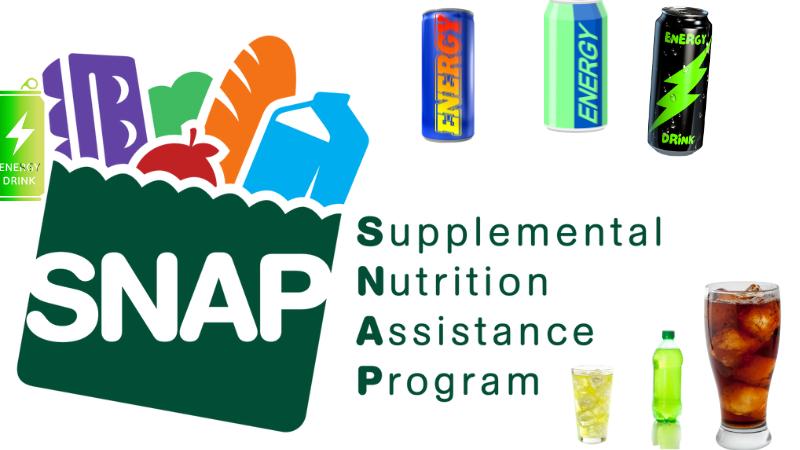
Starting January 1, 2026, Nebraska will become the first state in the nation to restrict the use of Supplemental Nutrition Assistance Program (SNAP) benefits for the purchase of soda, soft drinks, and energy drinks. This policy change will be implemented as part of a two-year pilot program introduced jointly by Governor Jim Pillen and U.S. Secretary of Agriculture Brooke Rollins. Announced during a news conference in Fremont, Nebraska, the pilot program aims to test the impact of limiting sugary beverage purchases on public health and nutrition among low-income households.
Governor Pillen emphasized that the program is a step toward encouraging healthier choices among SNAP recipients. He explained that the pilot is intended to support individuals in lower socioeconomic groups by steering them away from nutritionally empty foods and drinks. Pillen stated that taxpayer dollars should not be used to subsidize products that contribute to poor health outcomes, noting that promoting nutritious food options is a priority for his administration. The Nebraska Department of Health and Human Services submitted a waiver request to the USDA in April seeking to exclude sweetened beverages from the list of SNAP-eligible items, and that waiver has now been approved.
U.S. Secretary of Agriculture Brooke Rollins confirmed that Nebraska is the first state in the nation to receive approval for such a restriction. During the announcement, Rollins praised Nebraska’s leadership and proactive stance in public health policy. She held up the signed USDA waiver as a historic moment, stating that it allows Nebraska to lead a national conversation on improving SNAP nutrition standards. Rollins noted that billions of taxpayer dollars annually are spent on foods with little or no nutritional value, and this pilot allows for a real-time evaluation of whether removing access to sugary beverages helps recipients make better food decisions.
The pilot program will apply to all SNAP recipients in Nebraska, which includes approximately 75,000 households or around 152,000 individuals. The restrictions will affect beverages like sodas, soft drinks, and energy drinks, which are often high in added sugars and offer minimal nutritional benefits. The pilot will be closely monitored over the two-year period, with findings used to inform future food policy decisions both at the state and national levels.
While Nebraska is the first to implement such a program, other states are showing interest in similar restrictions. Iowa has submitted a waiver request to exclude not only soft drinks but also artificially or naturally sweetened waters and low-juice content punches from SNAP eligibility. Arkansas has proposed a ban on candy and soft drinks and has also asked to allow rotisserie chicken as an eligible food item under SNAP. These moves suggest a growing momentum among states to re-evaluate how federal food assistance funds are used and to push for reforms that align with public health goals.
Following the SNAP announcement in Fremont, Secretary Rollins, Governor Pillen, and U.S. Representative Adrian Smith traveled to Valparaiso to discuss upcoming changes to the Farm Service Agency loan program. Rollins highlighted in an op-ed that small family farmers face significant challenges in maintaining or starting new agricultural operations. As part of USDA’s broader reform efforts, Rollins announced a shift in funding priorities, including reducing federal incentives for solar panel installations on farmland and increasing access to long-term leases for underused federal land to support small farms.
Nebraska's SNAP pilot marks a bold step in shaping nutrition-focused food policy, setting a precedent that other states may soon follow. It reflects a broader commitment by state and federal leaders to reevaluate existing programs and policies through the lens of long-term public health and sustainability. As the pilot unfolds, all eyes will be on Nebraska to determine whether such restrictions have measurable impacts on dietary habits and overall health outcomes among SNAP recipients.