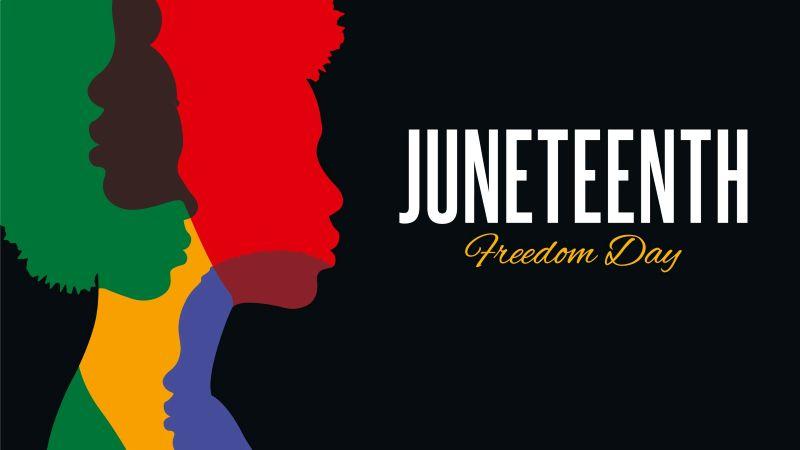
Juneteenth is a combination of “June” and “nineteenth,” commemorating June 19, 1865, the day Union General Gordon Granger arrived in Galveston, Texas, to inform enslaved people they were free two and a half years after the Emancipation Proclamation was signed by President Abraham Lincoln. This delay in enforcement in remote Confederate states made the announcement life-changing for thousands who remained enslaved well beyond the official declaration.
Texas became the first state to recognize Juneteenth as a holiday in 1980. In 2021, following the global protests sparked by the death of George Floyd, the U.S. officially made it a federal holiday under President Joe Biden.
Why Juneteenth Is Especially Significant in 2025
The 2025 observance of Juneteenth comes during a politically divided time in the United States. President Donald Trump’s administration has rolled back several diversity and inclusion initiatives, eliminated racial equity programs, and signed executive orders restricting how race and history are taught in schools.
Civil rights groups are raising concerns over what they describe as a growing push to erase or distort Black history. There are also reports that historical content related to African American communities has been removed or altered on government websites.
Unlike previous years when the White House hosted public events there are no formal federal Juneteenth celebrations planned for 2025, and it is unclear if President Trump will attend any observance events. Still, many states, cities, and local organizations are taking the lead in honoring the day.
How Americans Are Celebrating
Across the country, Juneteenth 2025 is being observed through parades, concerts, book readings, and “freedom walks.” People are also using the day to support Black-owned businesses, reflect on African American heritage, and engage in community service.
While Juneteenth is a celebration of liberation, it also serves as a call to action. Events include voter registration drives, youth education programs, and public discussions on ongoing racial injustice and social inequality.
As debates over race, civil rights, and historical education continue across the U.S., Juneteenth remains a deeply symbolic date. It honors the past, confronts present challenges, and inspires future generations to continue the journey toward equality and justice for all Americans. Whether marked by joy or solemn remembrance, Juneteenth 2025 is a reminder that freedom is not just declared it must be protected, recognized, and renewed.