Edit
Trump Announces Steep 25 Percent Tariffs on 14 Nations Including Japan and South Korea Ask ChatGPT
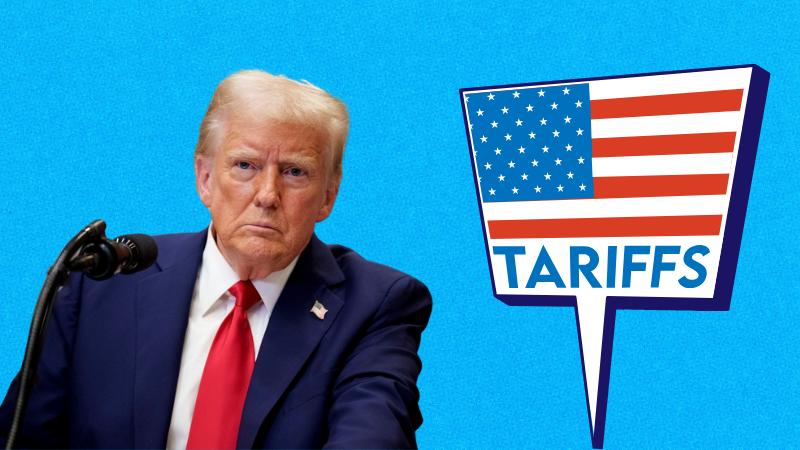
The announcement, made during a recent press briefing, confirmed that Trump signed letters to all 14 governments, outlining the new tariff structure and warning that failure to comply with US demands would result in automatic implementation. The list includes countries with longstanding trade relationships with the United States. The administration’s decision to penalize even close allies has sparked concern among economic analysts and global markets, especially given the wide scope of sectors involved, from electronics and apparel to auto parts and industrial goods. Trump justified the move as necessary to level the playing field and to combat what he described as unfair trade advantages exploited by foreign producers.
In comparison to earlier threats issued earlier this year, the newly confirmed tariffs show slight changes. Japan's proposed duty has risen from 24 percent to 25 percent. Malaysia’s rate increased by one point from 24 to 25 percent, while countries like Cambodia and Laos saw reductions—Cambodia from 49 to 36 percent and Laos from 48 to 40 percent. Bangladesh and Serbia are now each facing 35 percent duties. Other affected nations include Indonesia, South Africa, Tunisia, Kazakhstan, Myanmar, and Bosnia and Herzegovina. The administration clarified that these new duties would replace the earlier tariff framework announced in April if trade deals are not finalized by July 31.
While Trump and his advisers argue that the measures are designed to stimulate a new era of economic growth within the United States, critics argue that the abrupt hike in import duties may hurt American consumers and businesses, especially in industries that rely heavily on foreign supply chains. Retailers, automotive companies, and electronics manufacturers have warned of inevitable price increases that could affect inflation rates and reduce competitiveness in the global marketplace. Economists also fear that the strategy may invite retaliatory tariffs and lead to isolation of the US from key international trade networks.
The policy has also caused diplomatic discomfort. Japan, one of the United States’ most trusted strategic allies in Asia, has requested urgent discussions to reconsider the tariff inclusion. South Korea, another key defense and trade partner, has expressed its disappointment and called the move counterproductive. Several Southeast Asian countries are reportedly reviewing their export policies and may consider aligning with regional alternatives to reduce dependency on the US market. The inclusion of countries such as Tunisia, Kazakhstan, and Serbia—economies that do not account for a significant portion of the US trade deficit—has raised questions about the consistency and strategic thinking behind the tariff list.
Trump’s initial “90 deals in 90 days” campaign aimed at renegotiating trade terms has so far shown limited success, with few concrete agreements announced despite months of talks. Administration officials continue to claim that discussions are underway, but tangible progress appears minimal. The new tariffs are being positioned as a necessary push to speed up negotiations. Whether this tactic will yield the intended results or deepen resistance remains uncertain, especially as the deadline draws closer.
With August 1 set as the day of enforcement, global stakeholders are now racing against time. Export-heavy economies are scrambling to initiate emergency trade dialogues with Washington, while US-based importers prepare for potential supply chain disruptions. There is also speculation that countries could challenge the tariffs through global legal frameworks or seek alternative markets and regional trade pacts that exclude the United States altogether.
President Trump remains firm in his stance, repeating that the new tariffs are not merely penalties but tools to protect American interests, jobs, and long-term economic stability. However, the ripple effect on international diplomacy and market performance cannot be ignored. As the world watches this development unfold, the consequences of Trump’s intensified tariff strategy will likely shape the future of global trade for years to come.