


















Panama Canal Control Sparks Fresh Political Controversy in US Discourse
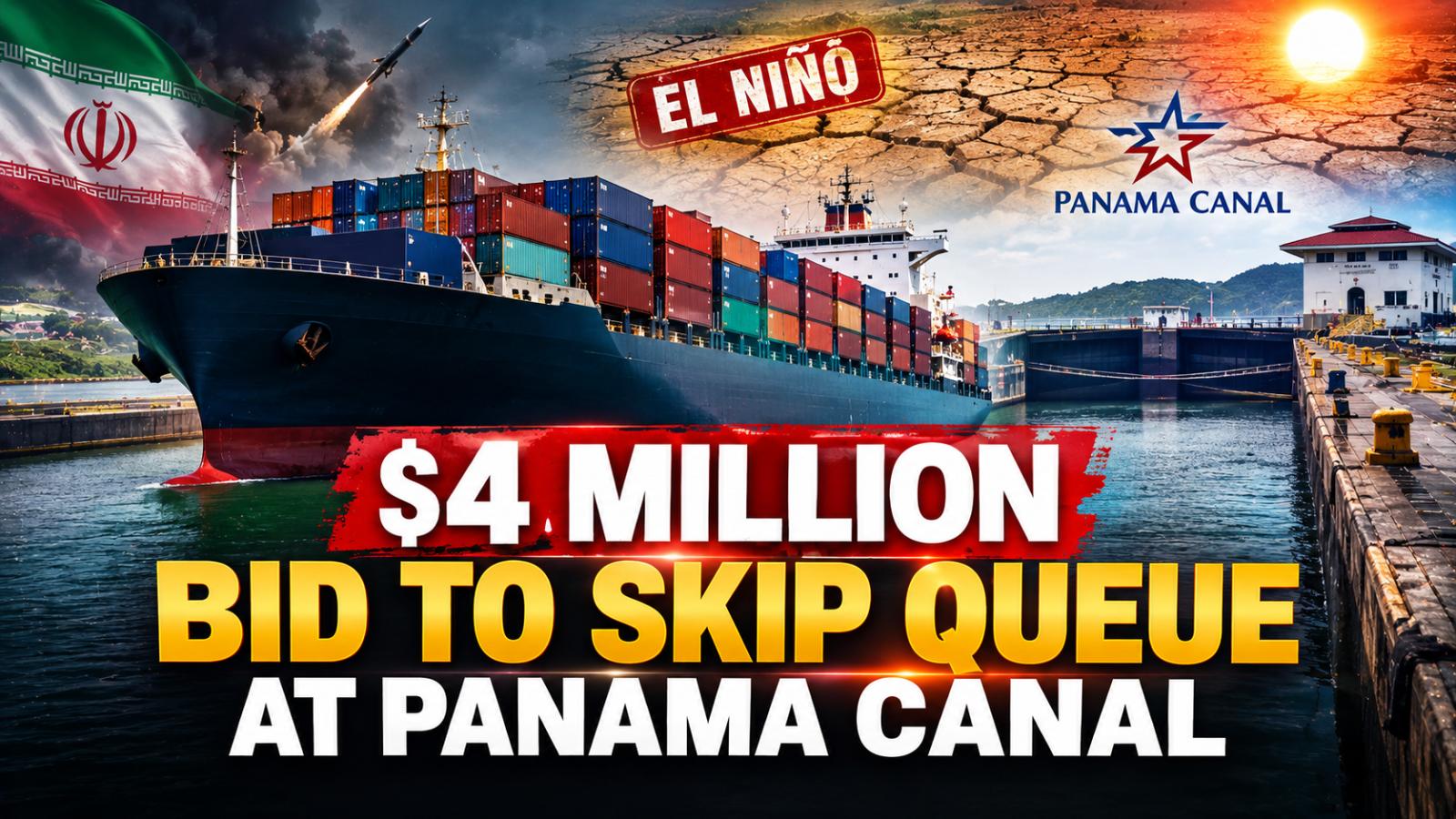
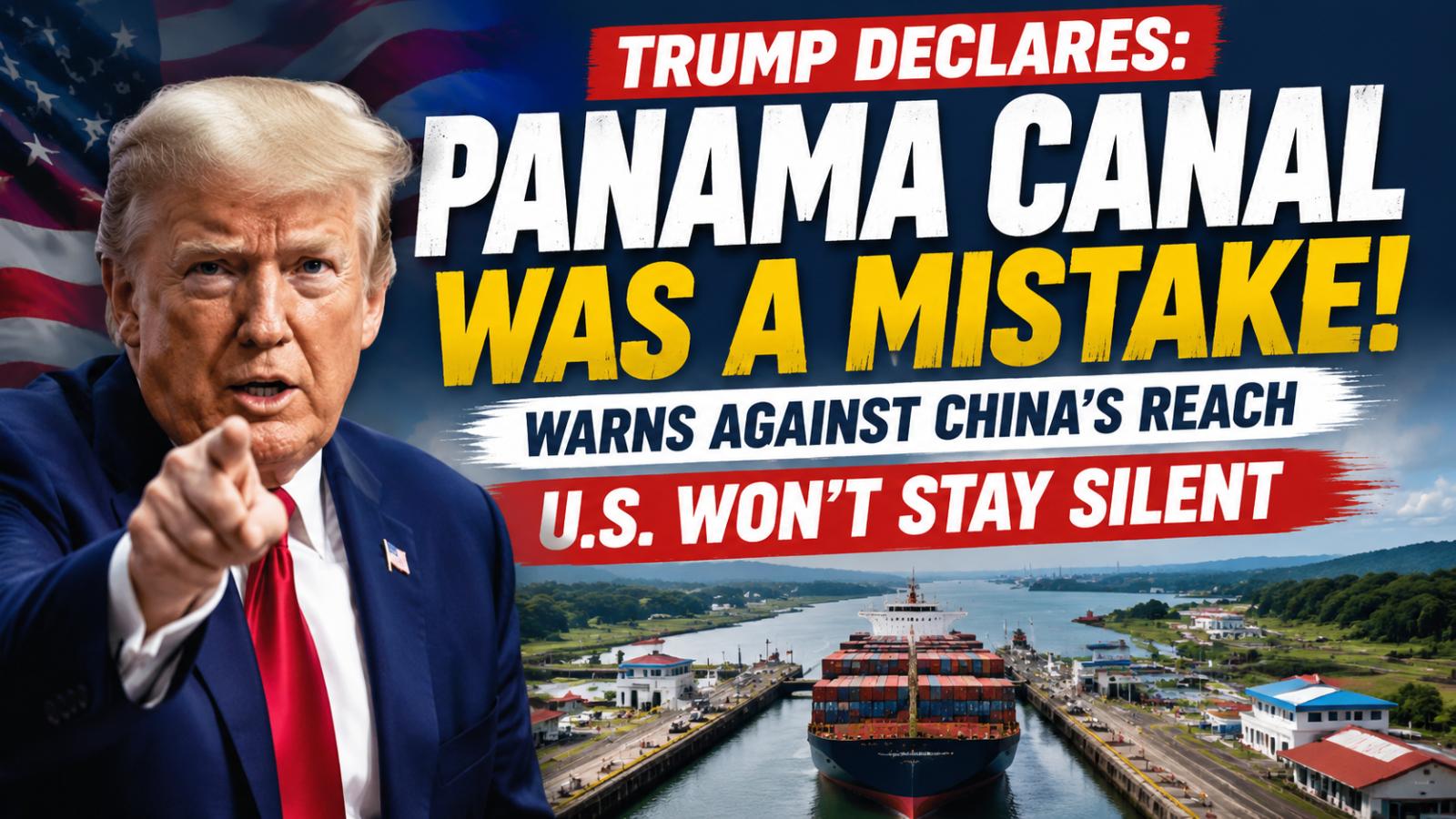
Trump revisits Panama Canal transfer decision President Donald Trump has stated that the United States should never have transferred control of the Panama Canal to Panama, arguing that the decision has led to rising transit fees and potential geopolitical risks. Speaking at the opening of the Theodore Roosevelt Presidential Library in Medora, he criticised the 1977 agreement that eventually led to the full handover of the canal in 1999.
Panama Canal Control Sparks Fresh Political Controversy in US Discourse
Trump revisits Panama Canal transfer decision President Donald Trump has stated that the United States should never have transferred control of the Panama Canal to Panama, arguing that the decision has led to rising transit fees and potential geopolitical risks. Speaking at the opening of the Theodore Roosevelt Presidential Library in Medora, he criticised the 1977 agreement that eventually led to the full handover of the canal in 1999.
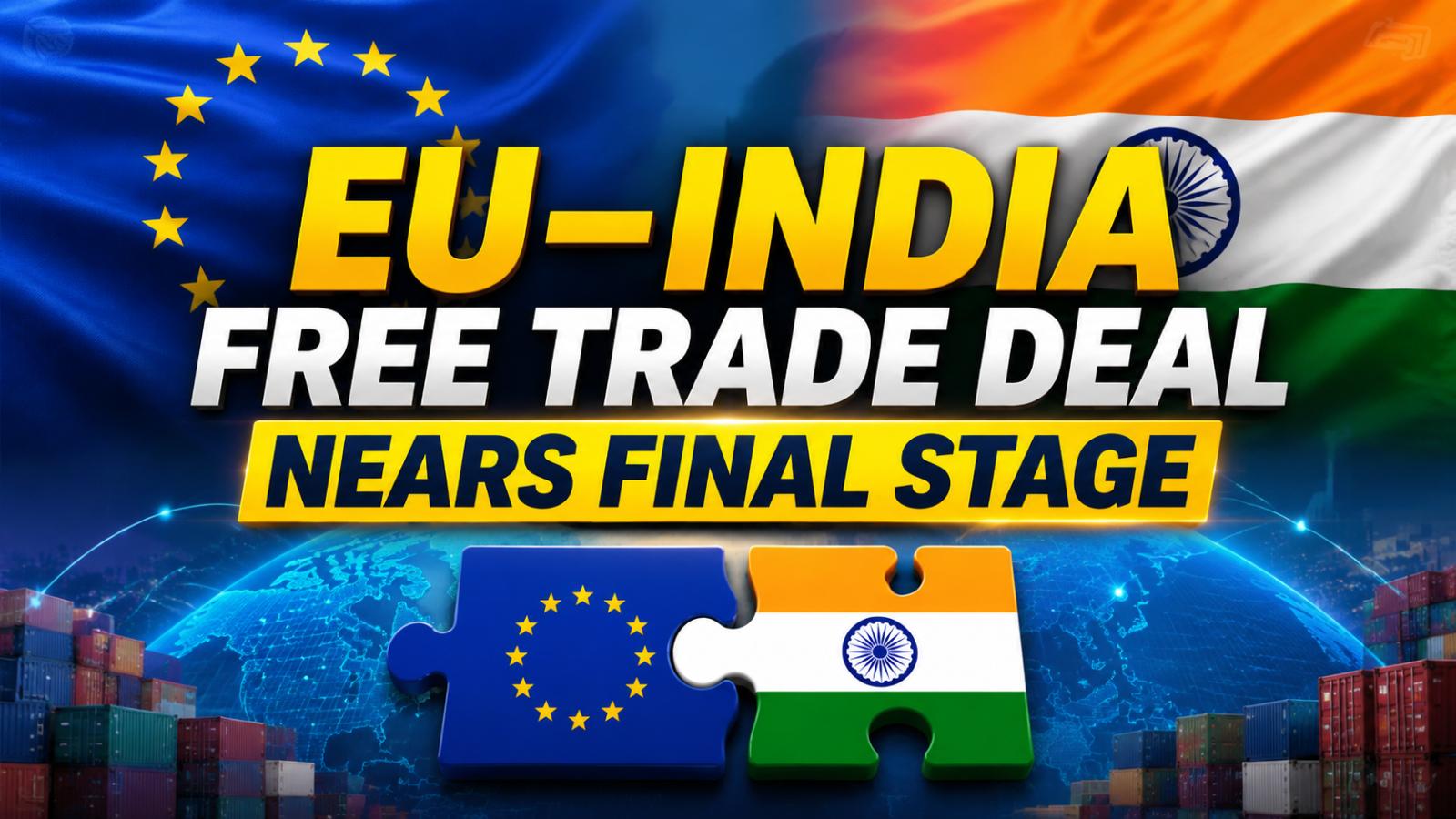
EU India trade talks near final approval stage
The proposed free trade agreement between the European Union and India has moved into its last procedural stage after years of negotiation. Both sides have already agreed on the core framework, and the current focus is on legal refinement and institutional clearance before formal approval. Officials describe this phase as technical but decisive, as even small wording changes can affect implementation across sectors. The agreement is being revi
EU India trade talks near final approval stage
The proposed free trade agreement between the European Union and India has moved into its last procedural stage after years of negotiation. Both sides have already agreed on the core framework, and the current focus is on legal refinement and institutional clearance before formal approval. Officials describe this phase as technical but decisive, as even small wording changes can affect implementation across sectors. The agreement is being revi
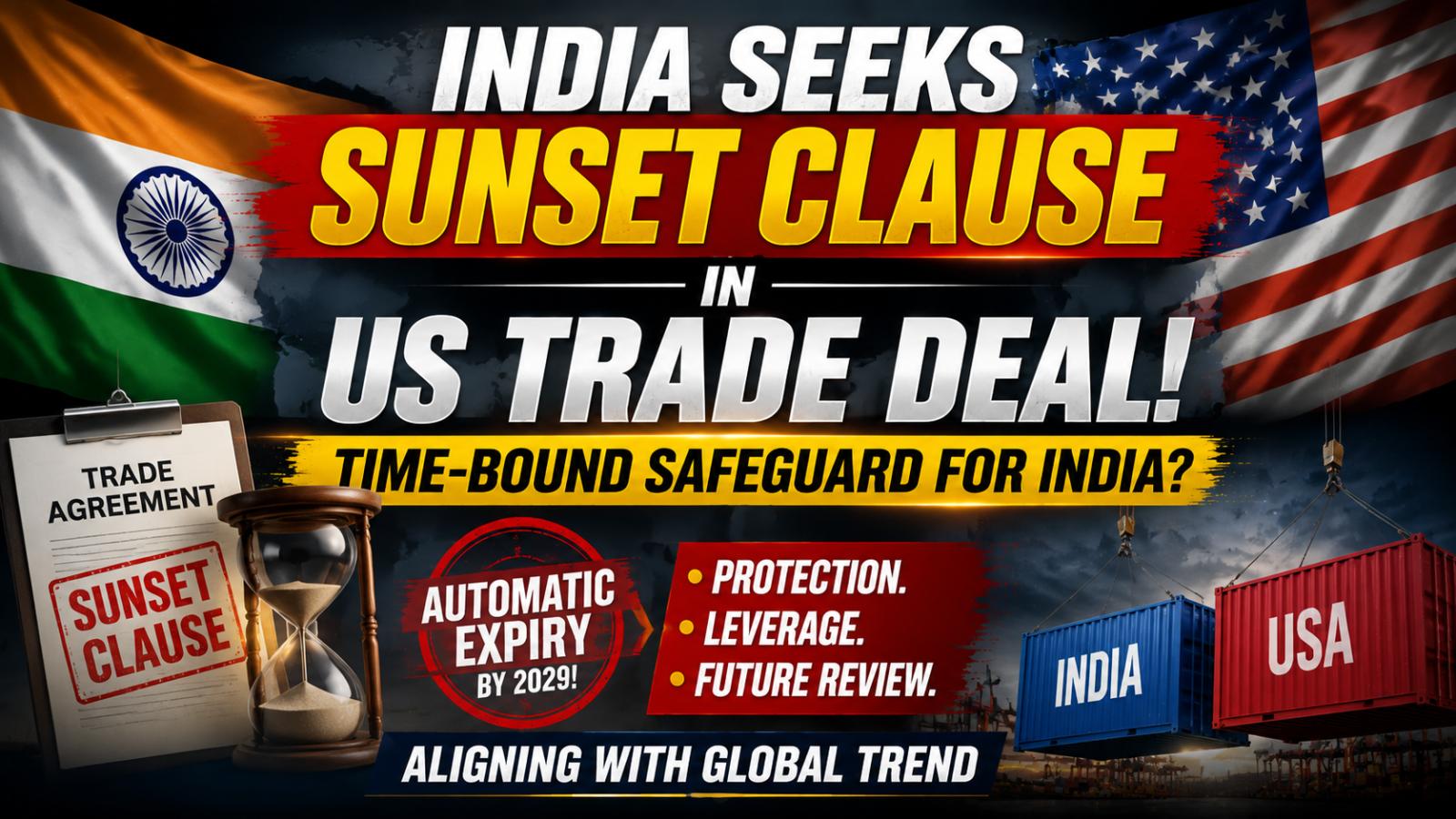
India pushes sunset clause in proposed US trade deal
India considers expiry safeguard in US trade talks India is reportedly preparing to seek a sunset clause in its proposed interim trade agreement with the United States, reflecting a growing global trend among trading partners to build expiry mechanisms into major economic deals. The move aligns closely with recent developments in European Union–US trade arrangements, where similar provisions have been introduced to limit long-term exposure
India pushes sunset clause in proposed US trade deal
India considers expiry safeguard in US trade talks India is reportedly preparing to seek a sunset clause in its proposed interim trade agreement with the United States, reflecting a growing global trend among trading partners to build expiry mechanisms into major economic deals. The move aligns closely with recent developments in European Union–US trade arrangements, where similar provisions have been introduced to limit long-term exposure
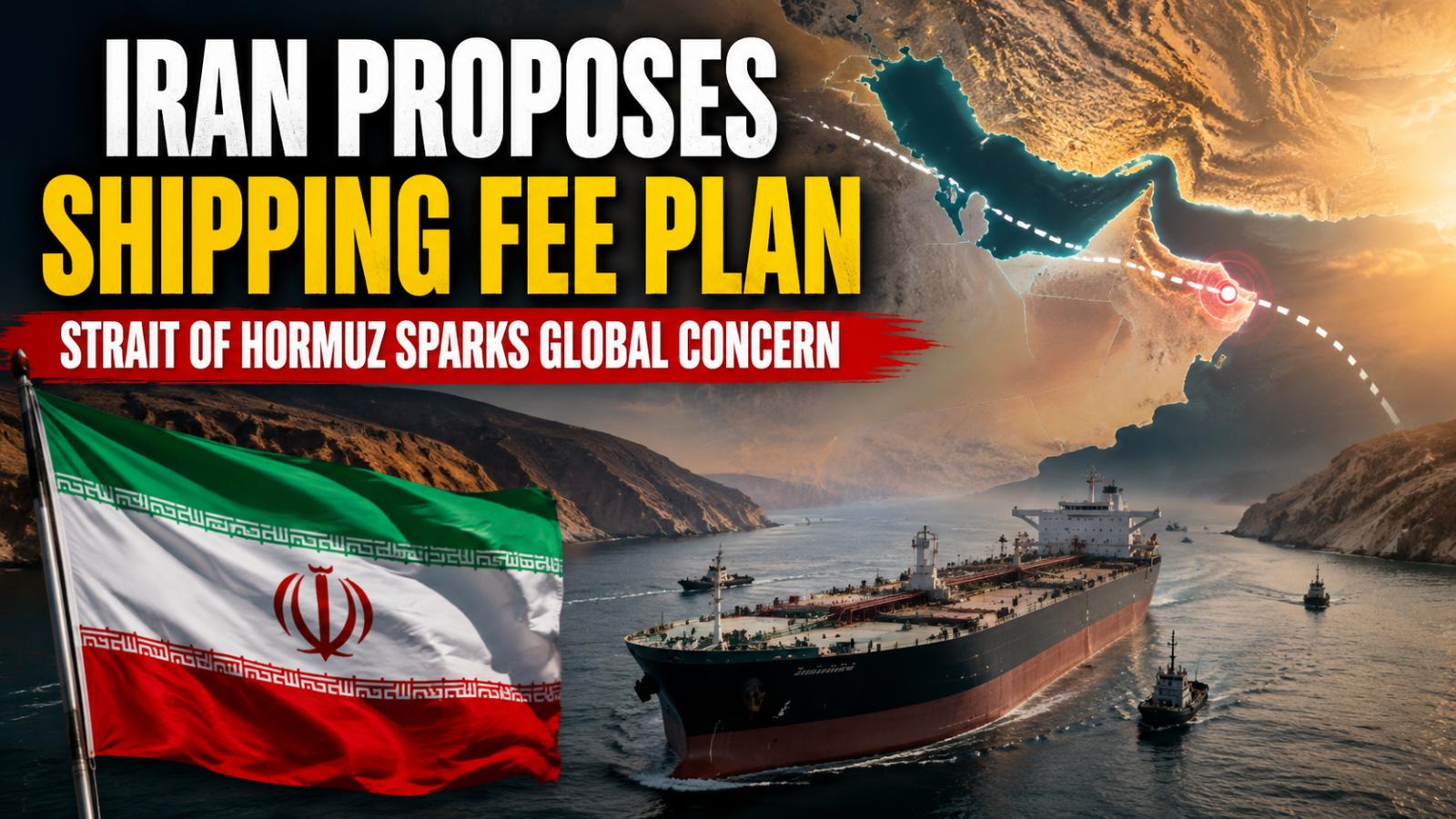
Iran proposal on shipping charges draws US criticism
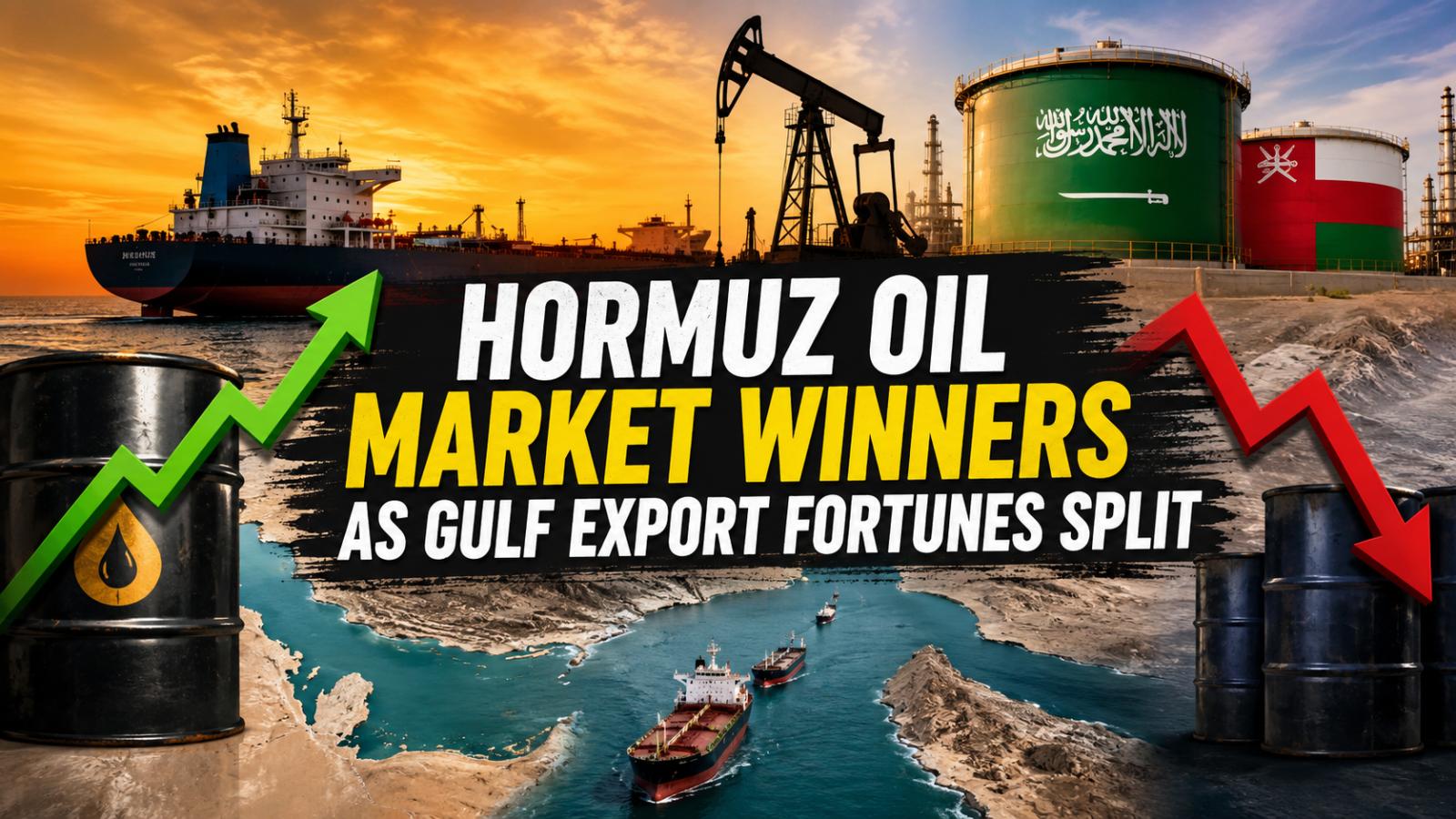
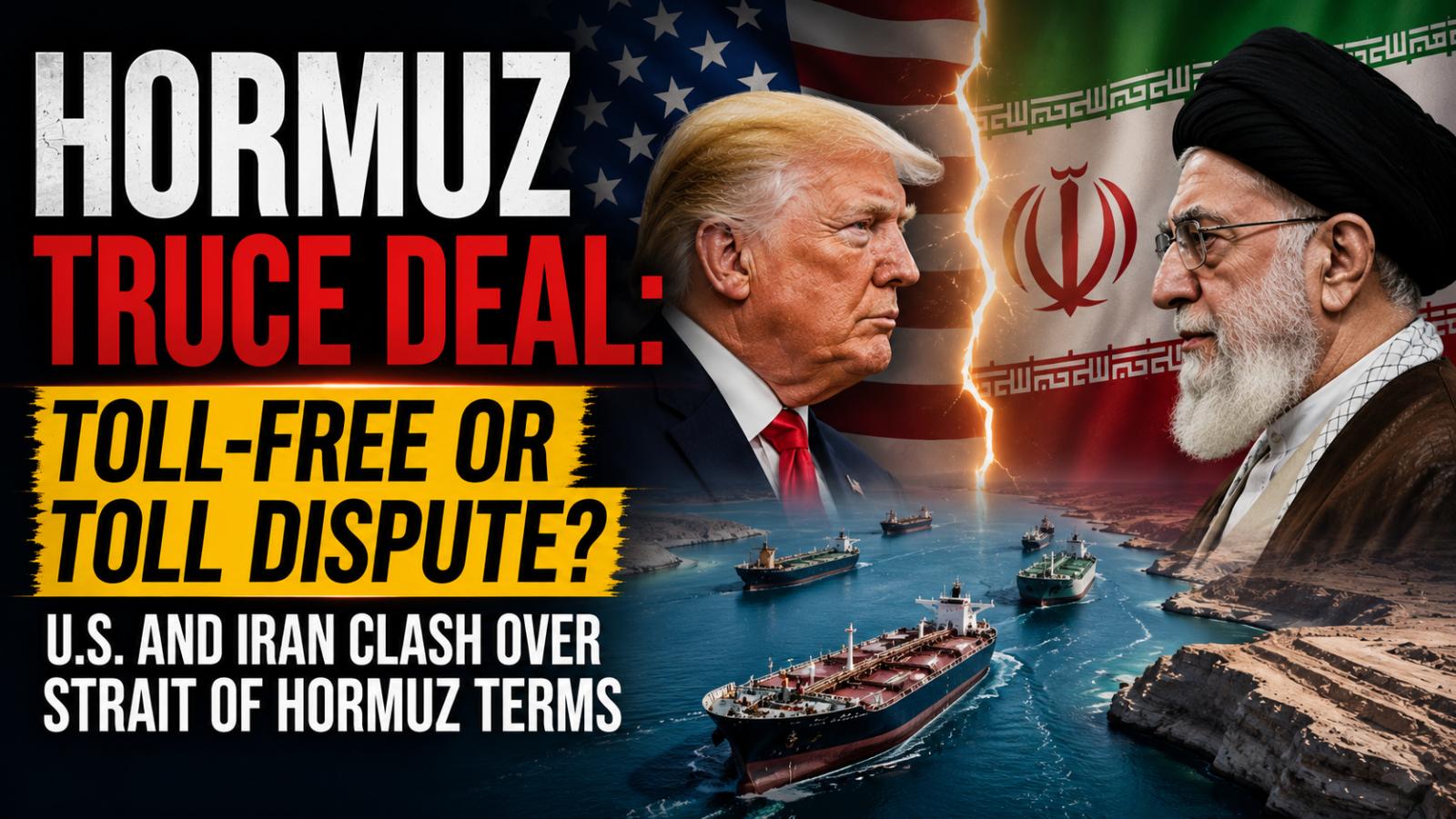
A proposal linked to Iran suggesting charges on vessels passing through the Strait of Hormuz has triggered renewed international attention on one of the world’s most sensitive maritime corridors. The passage connects the Persian Gulf to open oceans and handles a major share of global crude oil shipments, making even minor policy changes capable of influencing energy markets. Proposed fee structure and stated objectives The idea under discussion involves introducing a structured fee system for ships using the route. The proposal frames the charges as payments for services such as navigation safety, maritime monitoring, and environmental management. Early estimates circulating in policy discussions suggest the mechanism could generate substantial annual revenue if implemented at scale. However, the concept also raises immediate legal and operational questions, particularly regarding jurisdiction over international waters and the practicality of enforcing such a system on heavily trafficked global shipping lanes. Regional outreach and diplomatic positioning Reports indicate that discussions around the proposal have included outreach to several regional and global stakeholders, including major energy-importing nations. The objective appears to be building support for a shared governance or cost-sharing model for maritime traffic management in the region. Some interpretations suggest the plan is part of a broader effort to increase regional leverage over strategic trade routes. Others view it as an attempt to formalize compensation mechanisms for security responsibilities in a highly militarized shipping corridor. International reaction and US opposition The proposal has drawn clear resistance from the United States, which maintains that key international waterways must remain free for unrestricted commercial passage. US officials argue that introducing toll-like systems could disrupt global supply chains and increase volatility in energy pricing. Concerns have also been raised by other maritime stakeholders who rely heavily on stable passage through the Strait of Hormuz for crude oil and liquefied natural gas transport. Any change in cost structure or transit policy is seen as having a direct impact on insurance premiums and shipping routes. Wider implications for global energy markets The debate comes at a time when global energy markets remain highly sensitive to geopolitical developments in the Gulf region. Even the perception of restricted access or added transit costs can influence oil price expectations and shipping risk assessments. Analysts note that the discussion highlights ongoing tensions between strategic control of critical chokepoints and the principle of open international navigation. The outcome of such proposals could shape future frameworks governing global energy transport corridors.
Iran proposal on shipping charges draws US criticism
A proposal linked to Iran suggesting charges on vessels passing through the Strait of Hormuz has triggered renewed international attention on one of the world’s most sensitive maritime corridors. The passage connects the Persian Gulf to open oceans and handles a major share of global crude oil shipments, making even minor policy changes capable of influencing energy markets. Proposed fee structure and stated objectives The idea under discussion involves introducing a structured fee system for ships using the route. The proposal frames the charges as payments for services such as navigation safety, maritime monitoring, and environmental management. Early estimates circulating in policy discussions suggest the mechanism could generate substantial annual revenue if implemented at scale. However, the concept also raises immediate legal and operational questions, particularly regarding jurisdiction over international waters and the practicality of enforcing such a system on heavily trafficked global shipping lanes. Regional outreach and diplomatic positioning Reports indicate that discussions around the proposal have included outreach to several regional and global stakeholders, including major energy-importing nations. The objective appears to be building support for a shared governance or cost-sharing model for maritime traffic management in the region. Some interpretations suggest the plan is part of a broader effort to increase regional leverage over strategic trade routes. Others view it as an attempt to formalize compensation mechanisms for security responsibilities in a highly militarized shipping corridor. International reaction and US opposition The proposal has drawn clear resistance from the United States, which maintains that key international waterways must remain free for unrestricted commercial passage. US officials argue that introducing toll-like systems could disrupt global supply chains and increase volatility in energy pricing. Concerns have also been raised by other maritime stakeholders who rely heavily on stable passage through the Strait of Hormuz for crude oil and liquefied natural gas transport. Any change in cost structure or transit policy is seen as having a direct impact on insurance premiums and shipping routes. Wider implications for global energy markets The debate comes at a time when global energy markets remain highly sensitive to geopolitical developments in the Gulf region. Even the perception of restricted access or added transit costs can influence oil price expectations and shipping risk assessments. Analysts note that the discussion highlights ongoing tensions between strategic control of critical chokepoints and the principle of open international navigation. The outcome of such proposals could shape future frameworks governing global energy transport corridors.
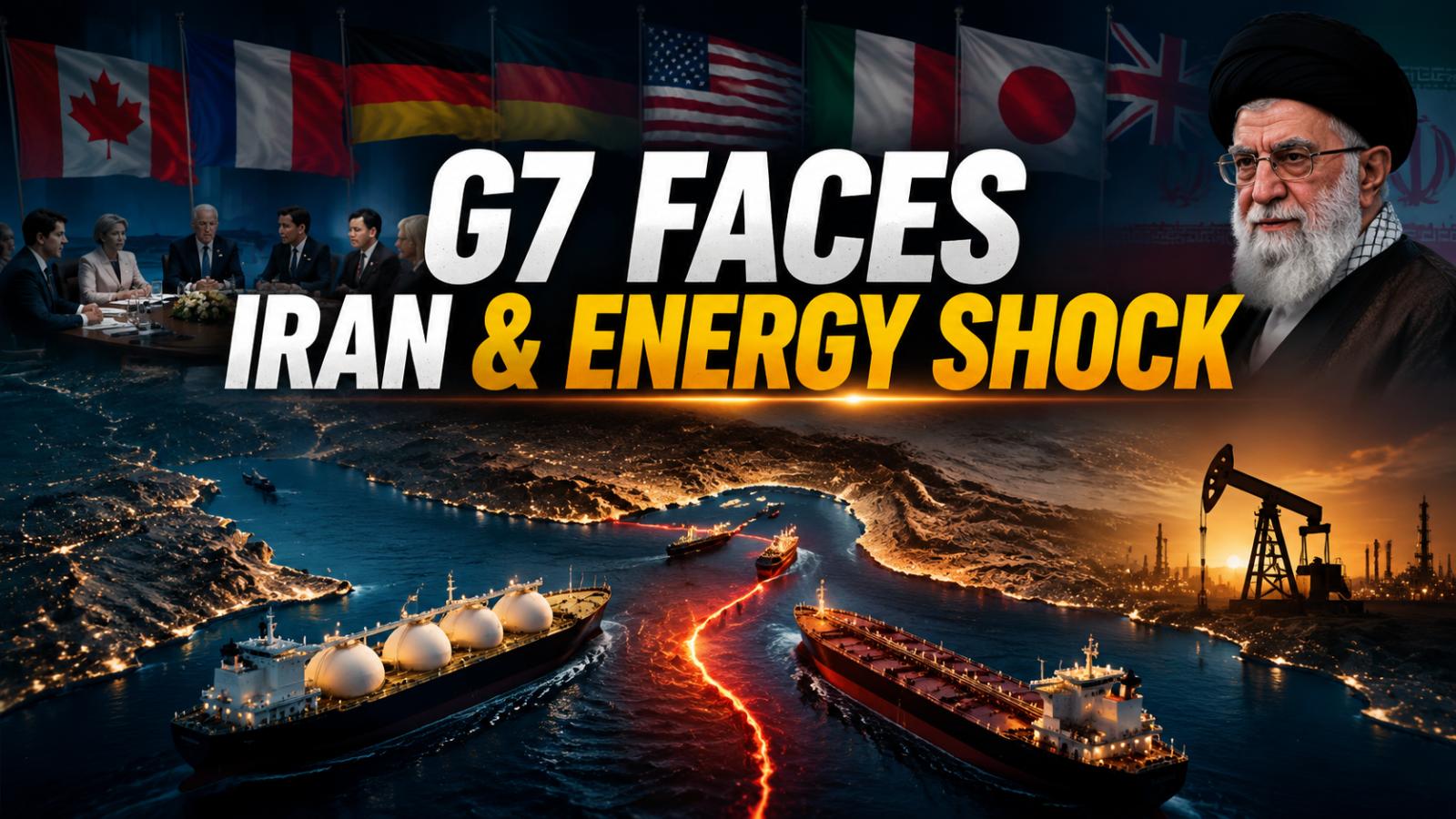
G7 leaders confront iran conflict and global energy shock
The G7 summit in France unfolded under the shadow of growing instability linked to tensions involving Iran and wider regional security concerns. While political disagreements remained in the background, the more immediate concern for leaders was the economic impact spreading across global energy markets. Rising uncertainty around shipping routes and oil supply quickly turned the discussions toward inflation, fuel pricing, and trade resilience.
G7 leaders confront iran conflict and global energy shock
The G7 summit in France unfolded under the shadow of growing instability linked to tensions involving Iran and wider regional security concerns. While political disagreements remained in the background, the more immediate concern for leaders was the economic impact spreading across global energy markets. Rising uncertainty around shipping routes and oil supply quickly turned the discussions toward inflation, fuel pricing, and trade resilience.
Strait of Hormuz Peace Deal Raises Questions Over Fees
Peace in the Strait of Hormuz Following a peace agreement between the United States and Iran, hostilities that lasted over 100 days have officially paused. The memorandum of understanding, signed electronically on Sunday by US President Donald Trump, Vice President JD Vance, and Iranian Parliament Speaker Mohammad Bagher Ghalibaf, created a temporary framework for reopening negotiations. While Washington maintains that ves
Strait of Hormuz Peace Deal Raises Questions Over Fees
Peace in the Strait of Hormuz Following a peace agreement between the United States and Iran, hostilities that lasted over 100 days have officially paused. The memorandum of understanding, signed electronically on Sunday by US President Donald Trump, Vice President JD Vance, and Iranian Parliament Speaker Mohammad Bagher Ghalibaf, created a temporary framework for reopening negotiations. While Washington maintains that ves
India-US Trade Talks June 23-24: First BTA Phase Nears Completion
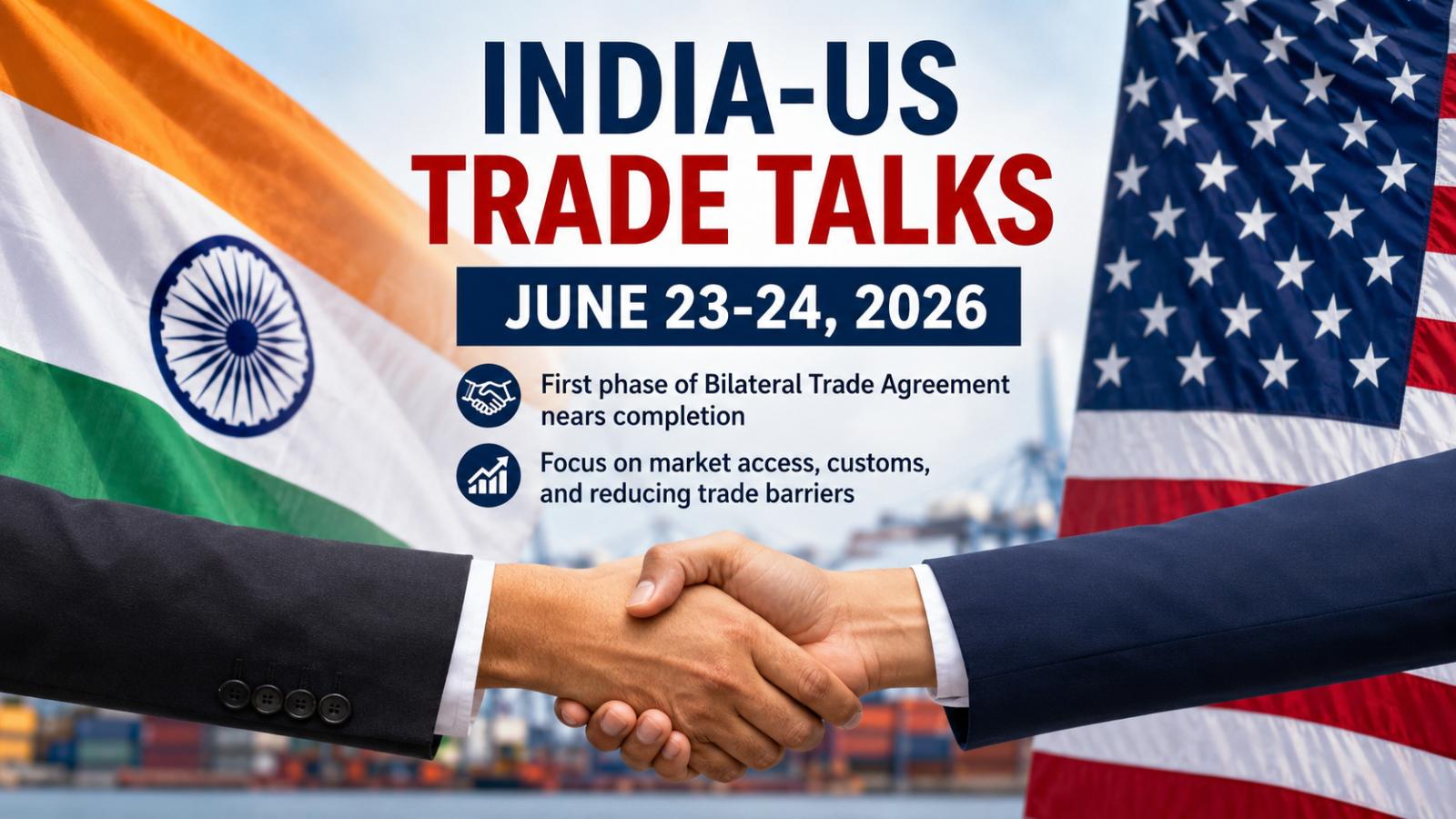
India-US bilateral trade agreement talks will resume in India on Tuesday, June 23, 2026, and continue through Wednesday, June 24, 2026, as officials seek to complete the first phase of a proposed trade pact. A delegation from the Office of the United States Trade Representative is scheduled to meet Commerce and Industry Minister Piyush Goyal and other Indian officials. Commerce Secretary Rajesh Agrawal said the two sides expect to give final touches to the first tranche while contin
India-US Trade Talks June 23-24: First BTA Phase Nears Completion
India-US bilateral trade agreement talks will resume in India on Tuesday, June 23, 2026, and continue through Wednesday, June 24, 2026, as officials seek to complete the first phase of a proposed trade pact. A delegation from the Office of the United States Trade Representative is scheduled to meet Commerce and Industry Minister Piyush Goyal and other Indian officials. Commerce Secretary Rajesh Agrawal said the two sides expect to give final touches to the first tranche while contin
G7 Summit 2026: India, Brazil, Kenya Join Strategic Outreach
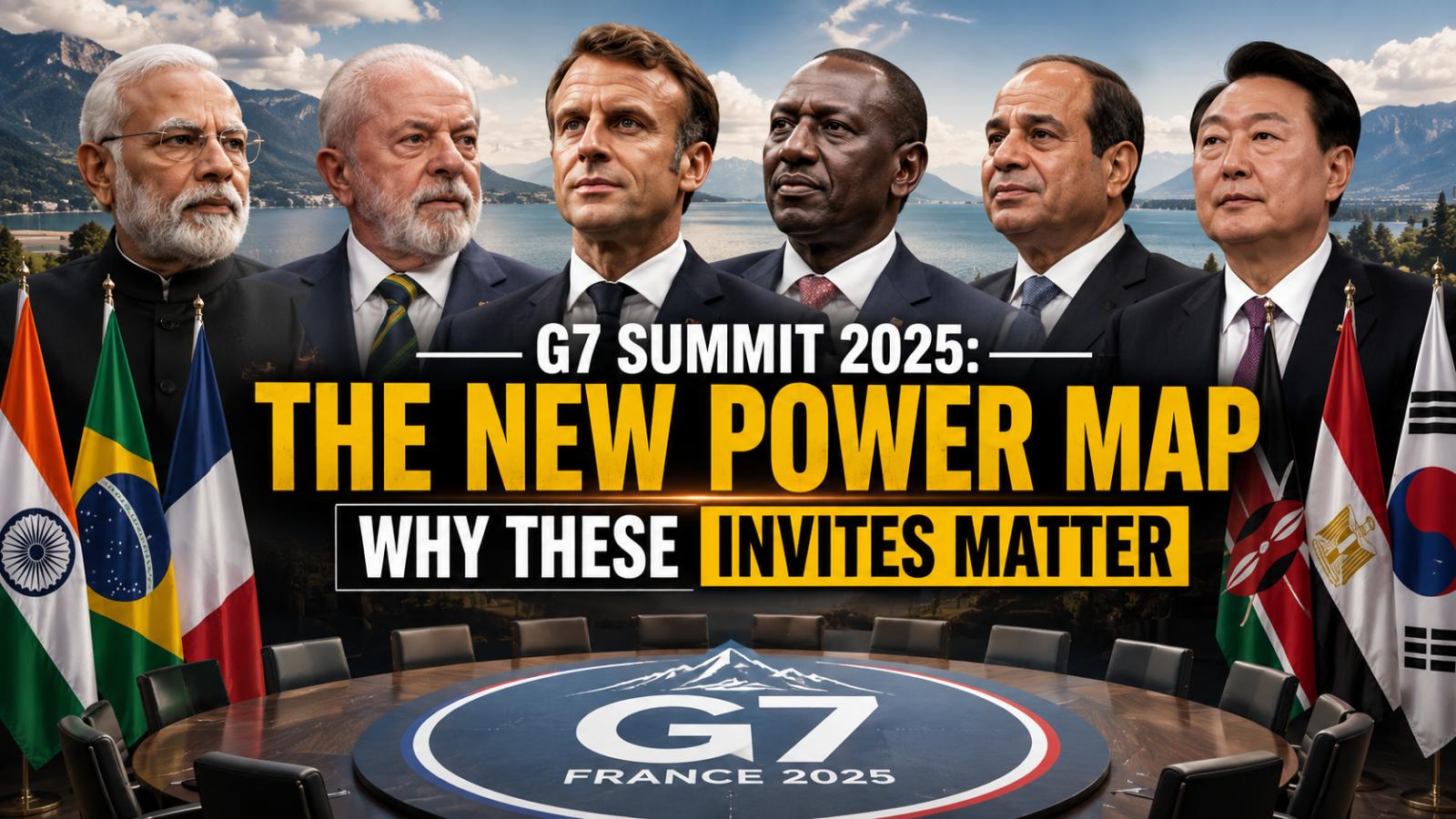
The 52nd G7 Summit, convened on the shores of Lake Geneva, demonstrates the West’s recognition of a shifting global order. French President Emmanuel Macron’s strategic outreach list included influential non-members—India, Brazil, Kenya, Egypt, and South Korea—acknowledging that traditional Western powers can no longer navigate economic or security crises alone. Prime Minister Narendra Modi and President Luiz Inácio Lula da Silva are now pivotal participants, bridging the Global South
G7 Summit 2026: India, Brazil, Kenya Join Strategic Outreach
The 52nd G7 Summit, convened on the shores of Lake Geneva, demonstrates the West’s recognition of a shifting global order. French President Emmanuel Macron’s strategic outreach list included influential non-members—India, Brazil, Kenya, Egypt, and South Korea—acknowledging that traditional Western powers can no longer navigate economic or security crises alone. Prime Minister Narendra Modi and President Luiz Inácio Lula da Silva are now pivotal participants, bridging the Global South
UK GCC Trade Deal Could Add £3.7 Billion as Tariffs Fall
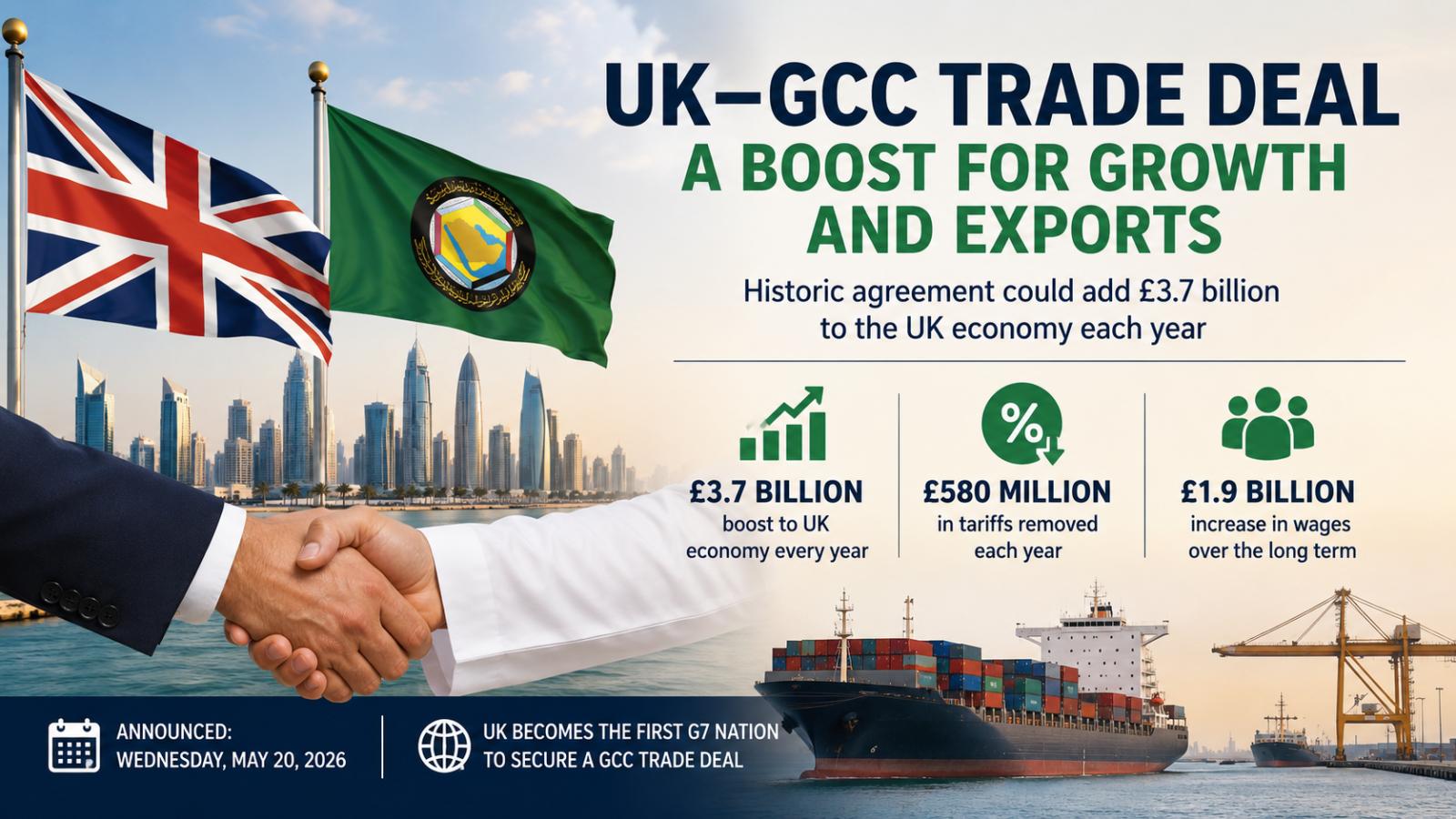
The UK GCC trade deal could add an estimated £3.7 billion a year to Britain’s economy in the long run, while cutting tariffs for exporters selling into Gulf markets. The U.K. Department for Business and Trade announced the agreement on Wednesday, May 20, 2026, calling it a major step in economic ties with the Gulf Cooperation Council, which includes Bahrain, Kuwait, Oman, Qatar, Saudi Arabia and the United Arab Emirates. The gove
UK GCC Trade Deal Could Add £3.7 Billion as Tariffs Fall
The UK GCC trade deal could add an estimated £3.7 billion a year to Britain’s economy in the long run, while cutting tariffs for exporters selling into Gulf markets. The U.K. Department for Business and Trade announced the agreement on Wednesday, May 20, 2026, calling it a major step in economic ties with the Gulf Cooperation Council, which includes Bahrain, Kuwait, Oman, Qatar, Saudi Arabia and the United Arab Emirates. The gove
Trump meets Xi Jinping in Beijing for key trade talks
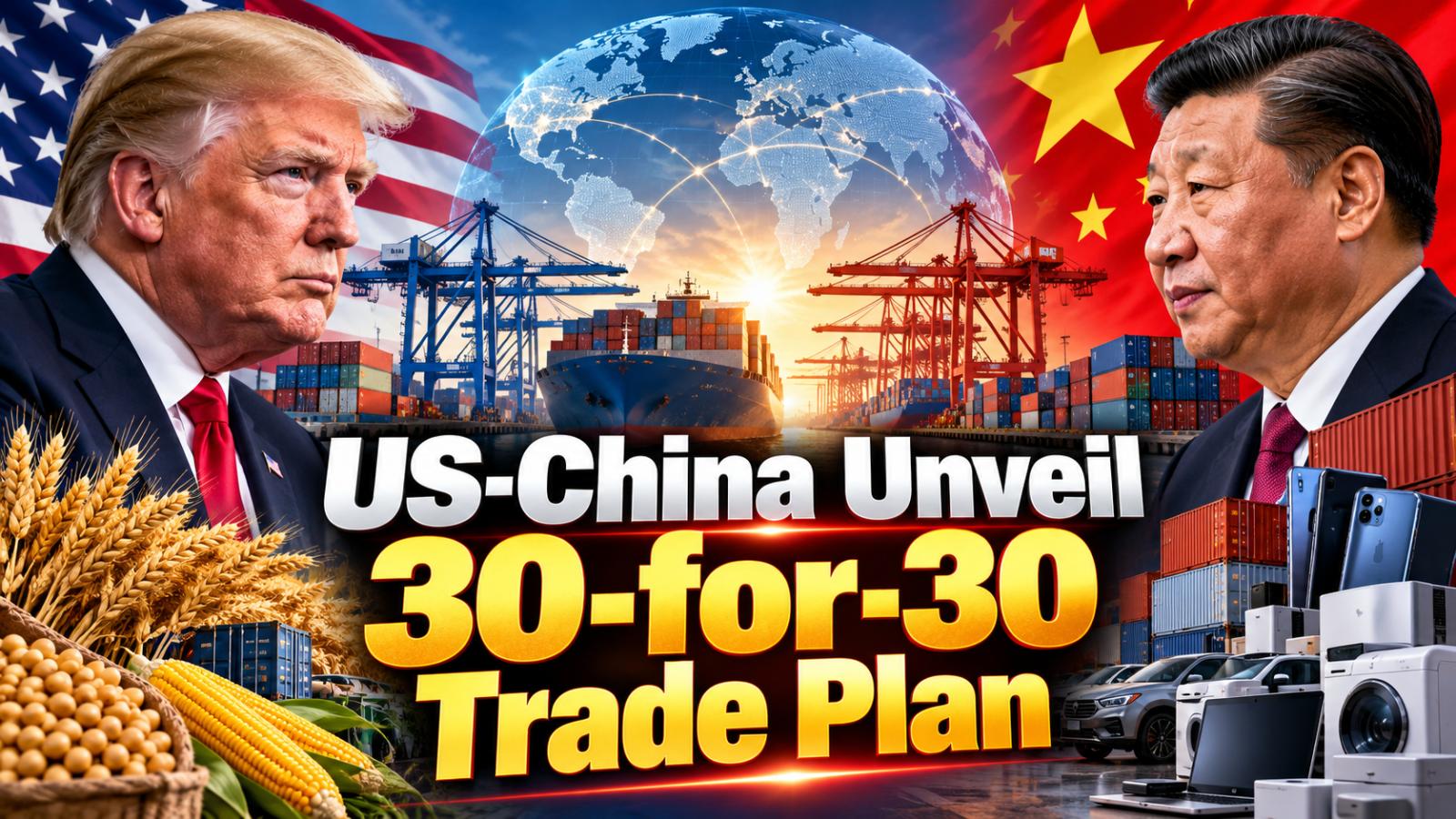
Donald Trump held a second round of meetings with Chinese President Xi Jinping on Friday, May 15, in Beijing, focusing on advancing trade agreements and strengthening US-China relations. The discussions, held aboard Air Force One and at Zhongnanhai, centered on economic cooperation, trade negotiations, and diplomatic engagement between the United States and China. Trump highlighted Xi’s recognition of the US economic recovery under his administration, emphasizing strategies to boost the US eco
Trump meets Xi Jinping in Beijing for key trade talks
Donald Trump held a second round of meetings with Chinese President Xi Jinping on Friday, May 15, in Beijing, focusing on advancing trade agreements and strengthening US-China relations. The discussions, held aboard Air Force One and at Zhongnanhai, centered on economic cooperation, trade negotiations, and diplomatic engagement between the United States and China. Trump highlighted Xi’s recognition of the US economic recovery under his administration, emphasizing strategies to boost the US eco
Trump-Xi meeting to focus on tariffs, Iran crisis and global stability
China on Monday confirmed that US President Donald Trump will visit Beijing from May 13 to May 15 for high-level talks with Chinese President Xi Jinping. The Trump China visit will be the first trip to China during Trump’s second term and is expected to focus on improving strained trade relations between the world’s two largest economies. The meeting comes at a time when global tensions, tariff disputes and concerns over economic stability continue to affect international markets and poli
Trump-Xi meeting to focus on tariffs, Iran crisis and global stability
China on Monday confirmed that US President Donald Trump will visit Beijing from May 13 to May 15 for high-level talks with Chinese President Xi Jinping. The Trump China visit will be the first trip to China during Trump’s second term and is expected to focus on improving strained trade relations between the world’s two largest economies. The meeting comes at a time when global tensions, tariff disputes and concerns over economic stability continue to affect international markets and poli
EU-India FTA Could Start Within A Year: What The Landmark Trade Deal Means For Exporters
EU-India FTA May Begin Within A Year The EU-India FTA could come into force within a year, potentially by early 2027, after both sides concluded negotiations on January 27, 2026. European Union Ambassador to India Hervé Delphin said the landmark free trade agreement is now moving through legal and procedural steps before ratification. The process includes legal vetting of the final text, followed by approvals in India and the European Union.
EU-India FTA Could Start Within A Year: What The Landmark Trade Deal Means For Exporters
EU-India FTA May Begin Within A Year The EU-India FTA could come into force within a year, potentially by early 2027, after both sides concluded negotiations on January 27, 2026. European Union Ambassador to India Hervé Delphin said the landmark free trade agreement is now moving through legal and procedural steps before ratification. The process includes legal vetting of the final text, followed by approvals in India and the European Union.
Strait of Hormuz Crisis Deepens as U.S. Navy Pushes to Reopen Key Oil Shipping Route
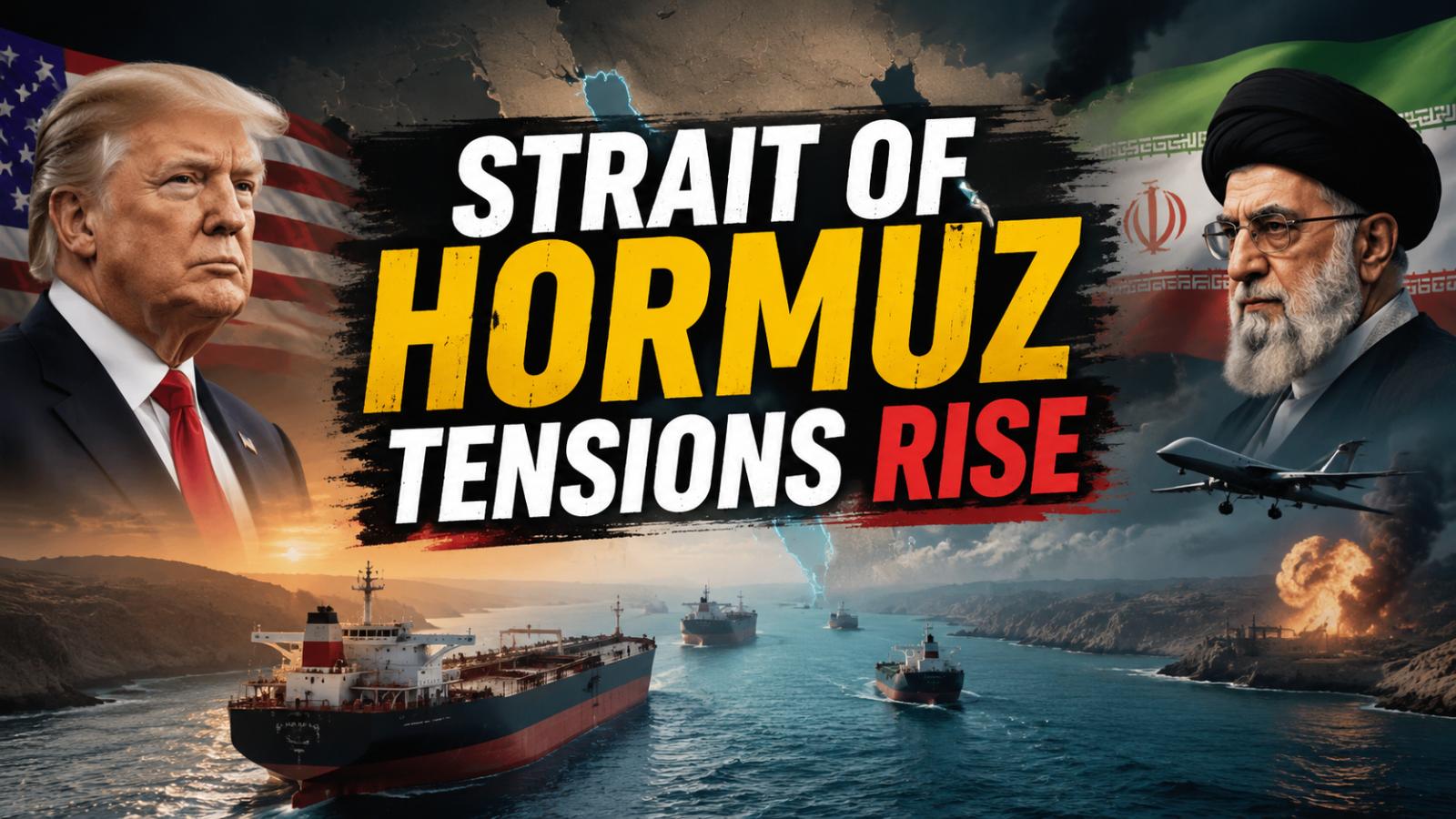
Strait of Hormuz Shipping Still Restricted Strait of Hormuz shipping remains severely limited despite new U.S. efforts to reopen one of the world’s most important oil trade routes. Vessel movement stayed subdued Monday as carriers awaited clearer safety guarantees amid Iran tensions. U.S. Navy Pushes to Restore Transit U.S. Central Command said its forces are assisting efforts to restore commercial navigation, with Navy destroyers and two U.S.-flagged merchant ships reportedly crossing the waterway. Officials described the mission as defensive, aimed at protecting freedom of navigation while pressure remains on Iranian ports. But the wider shipping industry is still cautious. Tracking data showed only scattered vessel movement, with no major return of oil tankers or large commercial ships through the narrow Gulf chokepoint. Carriers Await Clear Safety Rules German shipping firm Hapag-Lloyd said its vessels still cannot transit the Strait of Hormuz because safety procedures remain unclear. BIMCO has also warned that shipping companies need firm guidance and credible security assurances before resuming normal routes. The Joint Maritime Information Center continues to rate the regional threat as “critical,” advising vessels to consider safer routing through Omani waters where possible. Why the Strait Matters The Strait of Hormuz is a vital passage for global oil and gas shipments, making any disruption a direct risk to energy markets, freight costs and seafarer safety. Hundreds of ships and thousands of crew members remain affected by the crisis. Iran has warned foreign naval forces to stay away and said commercial vessels must coordinate transit with its military. Until both security risks and operating rules are resolved, global shipping through the Strait of Hormuz is likely to remain slow, uncertain and highly vulnerable.
Strait of Hormuz Crisis Deepens as U.S. Navy Pushes to Reopen Key Oil Shipping Route
Strait of Hormuz Shipping Still Restricted Strait of Hormuz shipping remains severely limited despite new U.S. efforts to reopen one of the world’s most important oil trade routes. Vessel movement stayed subdued Monday as carriers awaited clearer safety guarantees amid Iran tensions. U.S. Navy Pushes to Restore Transit U.S. Central Command said its forces are assisting efforts to restore commercial navigation, with Navy destroyers and two U.S.-flagged merchant ships reportedly crossing the waterway. Officials described the mission as defensive, aimed at protecting freedom of navigation while pressure remains on Iranian ports. But the wider shipping industry is still cautious. Tracking data showed only scattered vessel movement, with no major return of oil tankers or large commercial ships through the narrow Gulf chokepoint. Carriers Await Clear Safety Rules German shipping firm Hapag-Lloyd said its vessels still cannot transit the Strait of Hormuz because safety procedures remain unclear. BIMCO has also warned that shipping companies need firm guidance and credible security assurances before resuming normal routes. The Joint Maritime Information Center continues to rate the regional threat as “critical,” advising vessels to consider safer routing through Omani waters where possible. Why the Strait Matters The Strait of Hormuz is a vital passage for global oil and gas shipments, making any disruption a direct risk to energy markets, freight costs and seafarer safety. Hundreds of ships and thousands of crew members remain affected by the crisis. Iran has warned foreign naval forces to stay away and said commercial vessels must coordinate transit with its military. Until both security risks and operating rules are resolved, global shipping through the Strait of Hormuz is likely to remain slow, uncertain and highly vulnerable.
Trump signals tariff rollback to boost Scotland–Kentucky whiskey trade
President Donald Trump announced plans on Thursday, April 30, 2026, to remove tariffs affecting whiskey trade between Scotland and Kentucky, aiming to boost US-UK trade ties and support the Scotch whisky and bourbon industries. Trump signals tariff rollback to boost Scotland–Kentucky whiskey trade — Donald Trump announced on Thursday, April 30, 2026, that he intends t
Trump signals tariff rollback to boost Scotland–Kentucky whiskey trade
President Donald Trump announced plans on Thursday, April 30, 2026, to remove tariffs affecting whiskey trade between Scotland and Kentucky, aiming to boost US-UK trade ties and support the Scotch whisky and bourbon industries. Trump signals tariff rollback to boost Scotland–Kentucky whiskey trade — Donald Trump announced on Thursday, April 30, 2026, that he intends t
US pushes global coalition for Strait of Hormuz as Iran conflict disrupts oil trade
The United States is accelerating efforts to form a global coalition to secure the Strait of Hormuz, as the ongoing US-Iran conflict continues to disrupt critical shipping routes and drive volatility in global oil trade. The initiative, known as the Maritime Freedom Construct, aims to coordinate international maritime security, sanctions policy, and intelligence sharing to ensure safe navigation through one of the world’s most strategic waterways. The Strait of Hormuz, a narrow pa
US pushes global coalition for Strait of Hormuz as Iran conflict disrupts oil trade
The United States is accelerating efforts to form a global coalition to secure the Strait of Hormuz, as the ongoing US-Iran conflict continues to disrupt critical shipping routes and drive volatility in global oil trade. The initiative, known as the Maritime Freedom Construct, aims to coordinate international maritime security, sanctions policy, and intelligence sharing to ensure safe navigation through one of the world’s most strategic waterways. The Strait of Hormuz, a narrow pa
India, Iran discuss ceasefire stability and Strait of Hormuz security
India and Iran held talks on April 29, 2026, on ceasefire stability, Strait of Hormuz security, and trade impact. Both stressed diplomacy and continued coordination as regional tensions remain high despite the fragile truce. India, Iran discuss ceasefire stability and Strait of Hormuz security as External Affairs Minister Dr. S. Jaishankar and Iranian Foreign Minister Abbas Araghchi held talks on Wednesday, April 29, 2026, focusing on the evolving security situation in Tehran and across the region. The discussion comes at a critical moment as the international community monitors a fragile two-week ceasefire involving Iran and a U.S.-Israel coalition, brokered earlier in April. According to an official statement, both leaders exchanged views on recent developments related to the ceasefire while also reviewing bilateral relations and broader regional security concerns. A central issue in the dialogue was the stability of the Strait of Hormuz, a key global shipping route through which nearly 90% of India’s liquefied petroleum gas imports pass, underscoring its economic significance for New Delhi. Officials familiar with the talks indicated that both sides emphasized the need to ensure uninterrupted freedom of navigation in the region. Iran reportedly shared updates on its proposed 10-point peace framework, while India reiterated its longstanding position that de-escalation, sustained dialogue, and diplomatic engagement remain essential to achieving lasting stability in West Asia. Beyond immediate security concerns, the ministers also reviewed ongoing bilateral initiatives, including the development of Chabahar Port. The project remains strategically important for India as it provides access to Central Asian markets, even as regional tensions pose logistical and security challenges. The conversation also addressed the broader impact of the conflict on global trade networks. Jaishankar highlighted concerns over prolonged instability, noting its disruptive effects on supply chains and economic activity. He emphasized that India continues to engage with multiple stakeholders in an effort to prevent escalation and support regional stability. The diplomatic exchange follows a period of heightened pressure from the administration of Donald Trump, which had issued strong warnings to Tehran over maritime disruptions. Although a ceasefire was implemented on Tuesday, April 8, 2026, tensions persist, with continued rhetoric from various factions raising concerns about its durability. As the ceasefire enters a sensitive phase, both ministers agreed to remain in close and frequent contact to monitor developments. For India, maintaining stability in the region is not only a strategic priority but also a critical economic necessity tied to energy security and trade continuity.
India, Iran discuss ceasefire stability and Strait of Hormuz security
India and Iran held talks on April 29, 2026, on ceasefire stability, Strait of Hormuz security, and trade impact. Both stressed diplomacy and continued coordination as regional tensions remain high despite the fragile truce. India, Iran discuss ceasefire stability and Strait of Hormuz security as External Affairs Minister Dr. S. Jaishankar and Iranian Foreign Minister Abbas Araghchi held talks on Wednesday, April 29, 2026, focusing on the evolving security situation in Tehran and across the region. The discussion comes at a critical moment as the international community monitors a fragile two-week ceasefire involving Iran and a U.S.-Israel coalition, brokered earlier in April. According to an official statement, both leaders exchanged views on recent developments related to the ceasefire while also reviewing bilateral relations and broader regional security concerns. A central issue in the dialogue was the stability of the Strait of Hormuz, a key global shipping route through which nearly 90% of India’s liquefied petroleum gas imports pass, underscoring its economic significance for New Delhi. Officials familiar with the talks indicated that both sides emphasized the need to ensure uninterrupted freedom of navigation in the region. Iran reportedly shared updates on its proposed 10-point peace framework, while India reiterated its longstanding position that de-escalation, sustained dialogue, and diplomatic engagement remain essential to achieving lasting stability in West Asia. Beyond immediate security concerns, the ministers also reviewed ongoing bilateral initiatives, including the development of Chabahar Port. The project remains strategically important for India as it provides access to Central Asian markets, even as regional tensions pose logistical and security challenges. The conversation also addressed the broader impact of the conflict on global trade networks. Jaishankar highlighted concerns over prolonged instability, noting its disruptive effects on supply chains and economic activity. He emphasized that India continues to engage with multiple stakeholders in an effort to prevent escalation and support regional stability. The diplomatic exchange follows a period of heightened pressure from the administration of Donald Trump, which had issued strong warnings to Tehran over maritime disruptions. Although a ceasefire was implemented on Tuesday, April 8, 2026, tensions persist, with continued rhetoric from various factions raising concerns about its durability. As the ceasefire enters a sensitive phase, both ministers agreed to remain in close and frequent contact to monitor developments. For India, maintaining stability in the region is not only a strategic priority but also a critical economic necessity tied to energy security and trade continuity.
US Marines board commercial vessel in Arabian Sea over suspected Iran route
US Marines boarded a commercial ship in the Arabian Sea over suspected Iran-bound travel but released it after confirming it was headed to Oman, highlighting strict enforcement of the Iran blockade. US Marines board commercial vessel in Arabian Sea over suspected Iran route as forces enforced Washington’s blockade of Iranian ports on Tuesday, April 28, 2026. The vessel, identified as M/V Blue Star III, is a container ship sailing under the flag of Comoros and was
US Marines board commercial vessel in Arabian Sea over suspected Iran route
US Marines boarded a commercial ship in the Arabian Sea over suspected Iran-bound travel but released it after confirming it was headed to Oman, highlighting strict enforcement of the Iran blockade. US Marines board commercial vessel in Arabian Sea over suspected Iran route as forces enforced Washington’s blockade of Iranian ports on Tuesday, April 28, 2026. The vessel, identified as M/V Blue Star III, is a container ship sailing under the flag of Comoros and was
How is U.S. pressure on Iran intensifying? It combines sanctions, blockade, and enforcement
How is U.S. pressure on Iran intensifying? It combines sanctions, blockade, and enforcement as economic and geopolitical forces converge to place unprecedented strain on Tehran, according to a former U.S. Treasury sanctions expert who described the current moment as a rare alignment of leverage. Converging tools create peak economic pressure Miad Maleki, a former Treasury Department sanctions specialist, said the United States is applying multiple pressu
How is U.S. pressure on Iran intensifying? It combines sanctions, blockade, and enforcement
How is U.S. pressure on Iran intensifying? It combines sanctions, blockade, and enforcement as economic and geopolitical forces converge to place unprecedented strain on Tehran, according to a former U.S. Treasury sanctions expert who described the current moment as a rare alignment of leverage. Converging tools create peak economic pressure Miad Maleki, a former Treasury Department sanctions specialist, said the United States is applying multiple pressu
Why is India exiting Chabahar port? Government plans divestment amid US sanctions
Sanctions pressure drives India’s planned exit from Chabahar port Why is India exiting Chabahar port? Government plans divestment amid US sanctions as New Delhi prepares to step back from the strategic Iranian port ahead of the expiration of a US sanctions waiver on Sunday, April 26, 2026. The move is expected to transfer operational control to a local Iranian entity while preserving the possibility of India’s return if sanctions are lifted or a new waiver is g
Why is India exiting Chabahar port? Government plans divestment amid US sanctions
Sanctions pressure drives India’s planned exit from Chabahar port Why is India exiting Chabahar port? Government plans divestment amid US sanctions as New Delhi prepares to step back from the strategic Iranian port ahead of the expiration of a US sanctions waiver on Sunday, April 26, 2026. The move is expected to transfer operational control to a local Iranian entity while preserving the possibility of India’s return if sanctions are lifted or a new waiver is g
“Butter Chicken Tsunami” Comment Triggers Debate Over Immigration and Trade
Comments by New Zealand lawmaker Shane Jones have sparked criticism from the Indian community and political leaders, highlighting tensions within the ruling coalition over immigration and a proposed trade agreement with India. Jones referred to the potential deal as a “butter chicken tsunami” during a radio interview, a remark that quickly drew backlash across political and community circles. Prime Minister Christopher Luxon described the statement as unhelpful but stopped short of labeling it discriminatory. The proposed agreement between New Zealand and India is already facing political hurdles, as Jones’s party, New Zealand First, has voiced opposition. This stance could force the governing party to seek support from the opposition Labour Party to secure parliamentary approval. Jones defended his position by raising concerns about immigration, arguing that unrestricted inflows could impact wages, infrastructure, and public services. His remarks have reignited broader debates about immigration policy and economic priorities, especially as the country navigates its trade relationships. Community leaders expressed strong concern over the tone of the comments. Representatives from Indian associations emphasized the contributions of Indians, who form one of the largest ethnic groups in the country. They argued that such rhetoric risks undermining social cohesion and creating unnecessary divisions within a multicultural society. The controversy has also drawn reactions from political opponents. Labour leader Chris Hipkins criticized the remarks, calling for more responsible discourse from public officials. Business representatives echoed similar sentiments, suggesting that policymakers should focus on constructive dialogue rather than rhetoric that could damage bilateral ties. Jones later acknowledged that colleagues had advised him to moderate his language, though he maintained that his comments were intended to emphasize concerns. As debate continues, the episode underscores the challenges facing New Zealand’s leadership in balancing trade ambitions, immigration policy, and maintaining unity within a diverse population.
“Butter Chicken Tsunami” Comment Triggers Debate Over Immigration and Trade
Comments by New Zealand lawmaker Shane Jones have sparked criticism from the Indian community and political leaders, highlighting tensions within the ruling coalition over immigration and a proposed trade agreement with India. Jones referred to the potential deal as a “butter chicken tsunami” during a radio interview, a remark that quickly drew backlash across political and community circles. Prime Minister Christopher Luxon described the statement as unhelpful but stopped short of labeling it discriminatory. The proposed agreement between New Zealand and India is already facing political hurdles, as Jones’s party, New Zealand First, has voiced opposition. This stance could force the governing party to seek support from the opposition Labour Party to secure parliamentary approval. Jones defended his position by raising concerns about immigration, arguing that unrestricted inflows could impact wages, infrastructure, and public services. His remarks have reignited broader debates about immigration policy and economic priorities, especially as the country navigates its trade relationships. Community leaders expressed strong concern over the tone of the comments. Representatives from Indian associations emphasized the contributions of Indians, who form one of the largest ethnic groups in the country. They argued that such rhetoric risks undermining social cohesion and creating unnecessary divisions within a multicultural society. The controversy has also drawn reactions from political opponents. Labour leader Chris Hipkins criticized the remarks, calling for more responsible discourse from public officials. Business representatives echoed similar sentiments, suggesting that policymakers should focus on constructive dialogue rather than rhetoric that could damage bilateral ties. Jones later acknowledged that colleagues had advised him to moderate his language, though he maintained that his comments were intended to emphasize concerns. As debate continues, the episode underscores the challenges facing New Zealand’s leadership in balancing trade ambitions, immigration policy, and maintaining unity within a diverse population.


