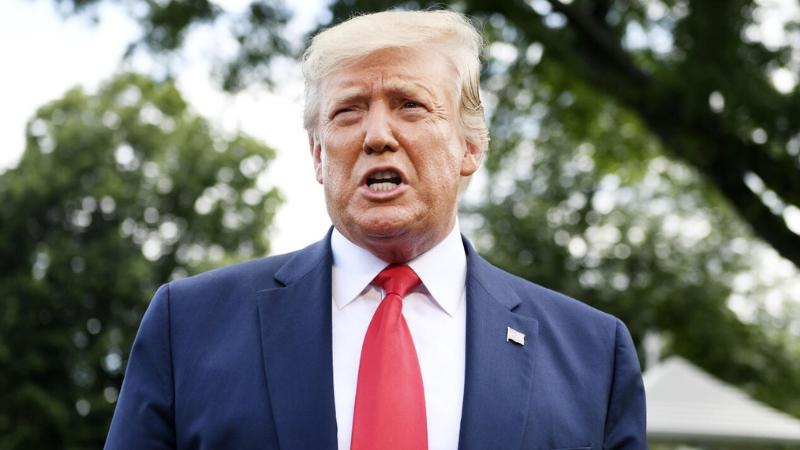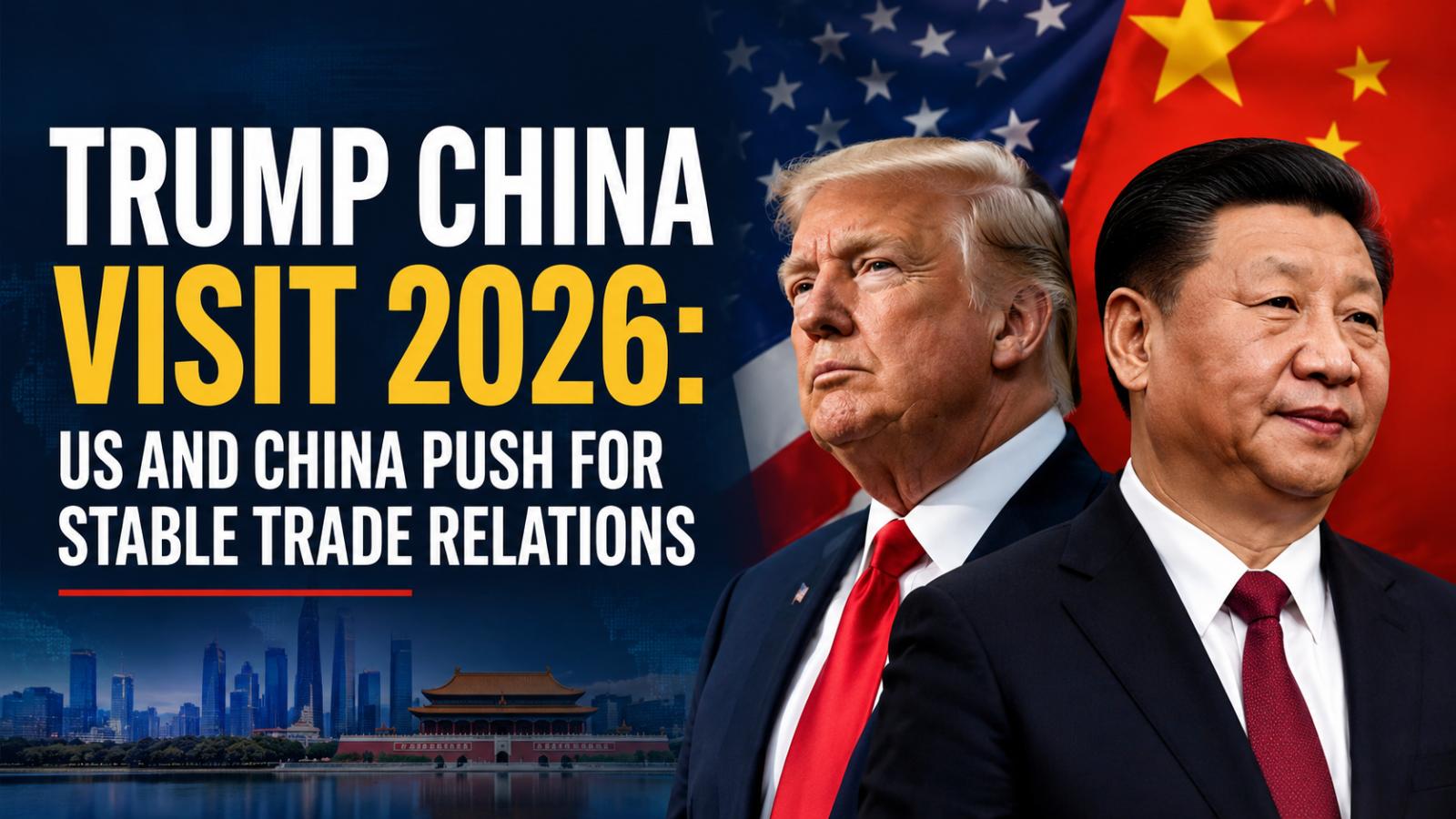
China on Monday confirmed that US President Donald Trump will visit Beijing from May 13 to May 15 for high-level talks with Chinese President Xi Jinping. The Trump China visit will be the first trip to China during Trump’s second term and is expected to focus on improving strained trade relations between the world’s two largest economies. The meeting comes at a time when global tensions, tariff disputes and concerns over economic stability continue to affect international markets and political relations.
Chinese foreign ministry spokesman Guo Jiakun said both countries are ready to work together to bring “more stability and certainty” to the world. He stated that top-level diplomacy plays an important role in guiding China-US relations and added that China is willing to cooperate with the United States with equality, respect and mutual benefit. The announcement signals a possible effort by both nations to reduce tensions that have increased because of tariffs, trade restrictions and political disagreements in recent years.
What will Trump and Xi discuss?
The upcoming Trump-Xi meeting is expected to cover major issues linked to trade, security and international cooperation. Reports suggest the leaders may discuss reducing tariff disputes, improving market access for Chinese companies such as BYD, and increasing trade involving Boeing aircraft and US agricultural products. Access to China’s rare earth minerals, which are critical for technology and manufacturing industries, is also expected to be part of the discussions.
Will Taiwan and security issues be discussed?
Yes. Taiwan and nuclear security concerns are likely to feature prominently during the talks. Both countries are also expected to explore ways to improve educational exchanges, business cooperation and cultural ties in an effort to stabilise long-term US-China relations.
How is Iran connected to the visit?
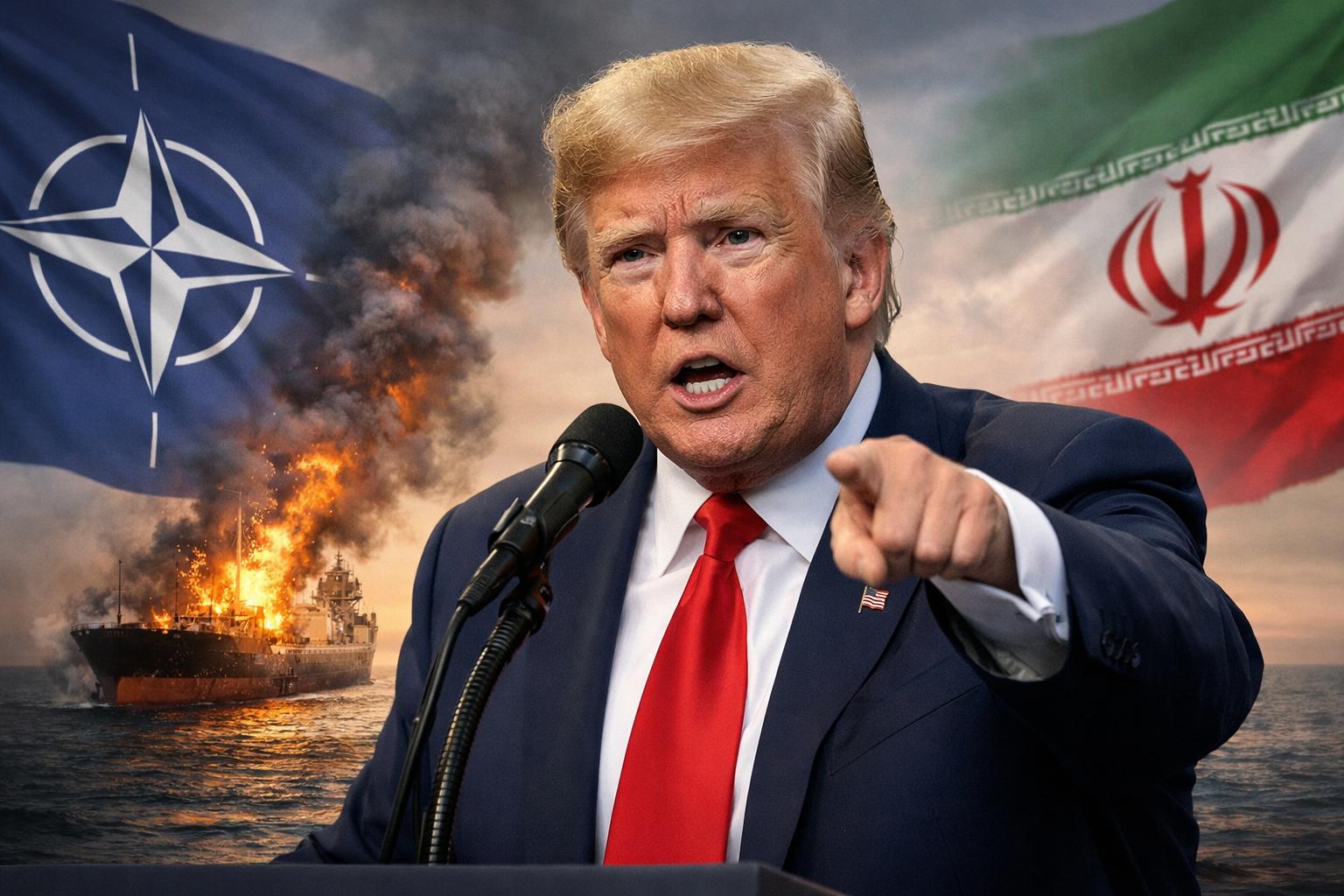
Trump’s China visit was reportedly delayed because of the conflict involving Iran. China has been linked to diplomatic efforts aimed at encouraging Iran to return to negotiations, although Beijing has not officially confirmed a direct mediation role. Chinese officials have repeatedly stated that the country has been working “tirelessly for peace.” Last week, Iranian Foreign Minister Abbas Araghchi visited China and met Chinese Foreign Minister Wang Yi to discuss regional developments, bilateral relations and international tensions. China remains a major buyer of Iranian oil despite US sanctions on Tehran, making Iran an important factor in ongoing US-China diplomatic discussions.