#uschinarelations
Trump Campaign Deletes TikTok After ‘President Zi’ Typo
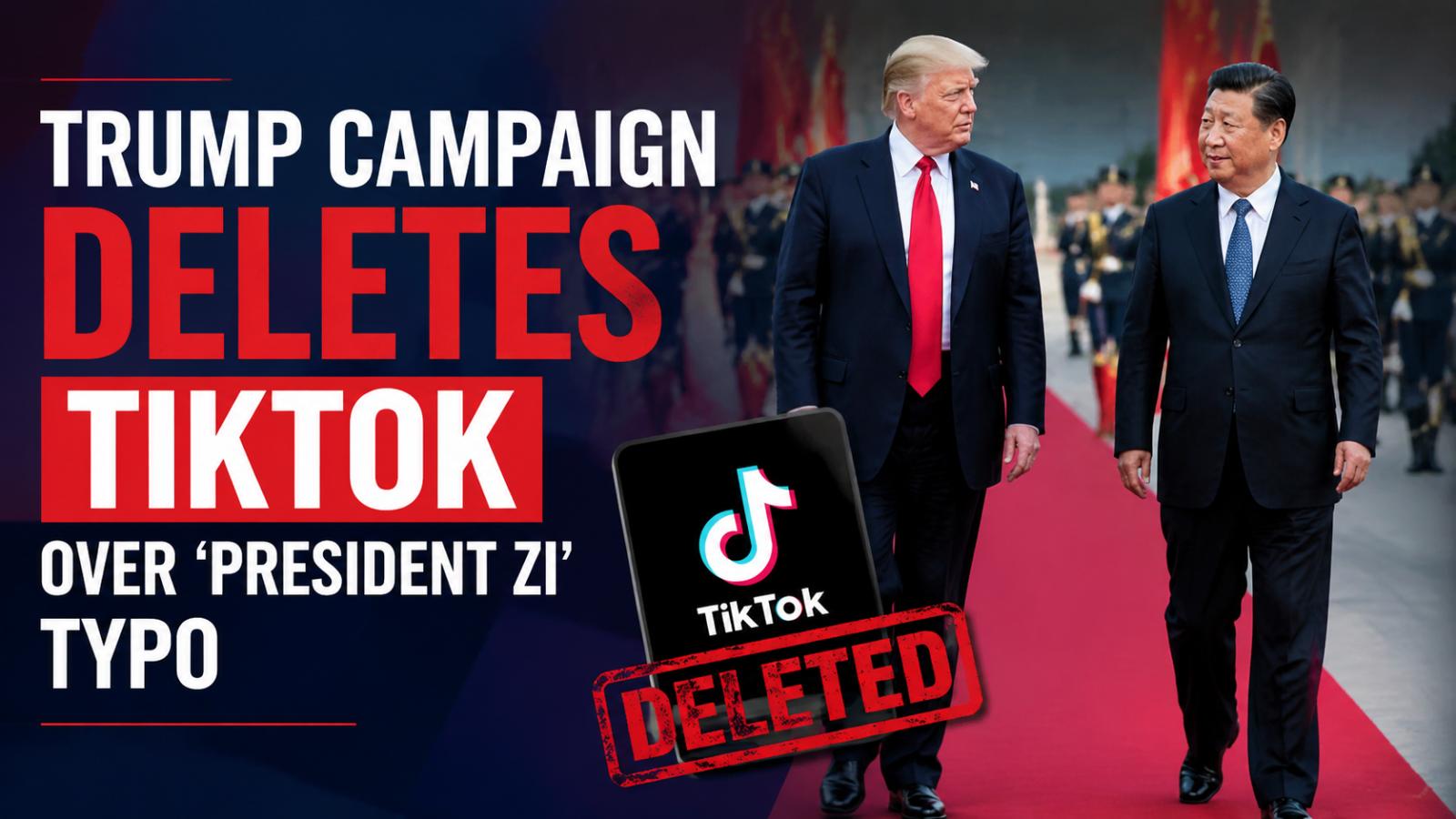
A TikTok video posted by the Donald Trump campaign was quickly deleted after viewers noticed a glaring spelling error. The clip, showing Donald Trump and Chinese President Xi Jinping walking on a red carpet during Trump’s state visit to China, mislabelled Xi as “President Zi” while Trump’s name appeared correctly. Screenshots of the post circulated rapidly across social media, amplifying the mistake. Public Reaction: Criticism and H
Trump Campaign Deletes TikTok After ‘President Zi’ Typo
A TikTok video posted by the Donald Trump campaign was quickly deleted after viewers noticed a glaring spelling error. The clip, showing Donald Trump and Chinese President Xi Jinping walking on a red carpet during Trump’s state visit to China, mislabelled Xi as “President Zi” while Trump’s name appeared correctly. Screenshots of the post circulated rapidly across social media, amplifying the mistake. Public Reaction: Criticism and H
Trump Highlights Xi Meeting as Key Diplomatic Win
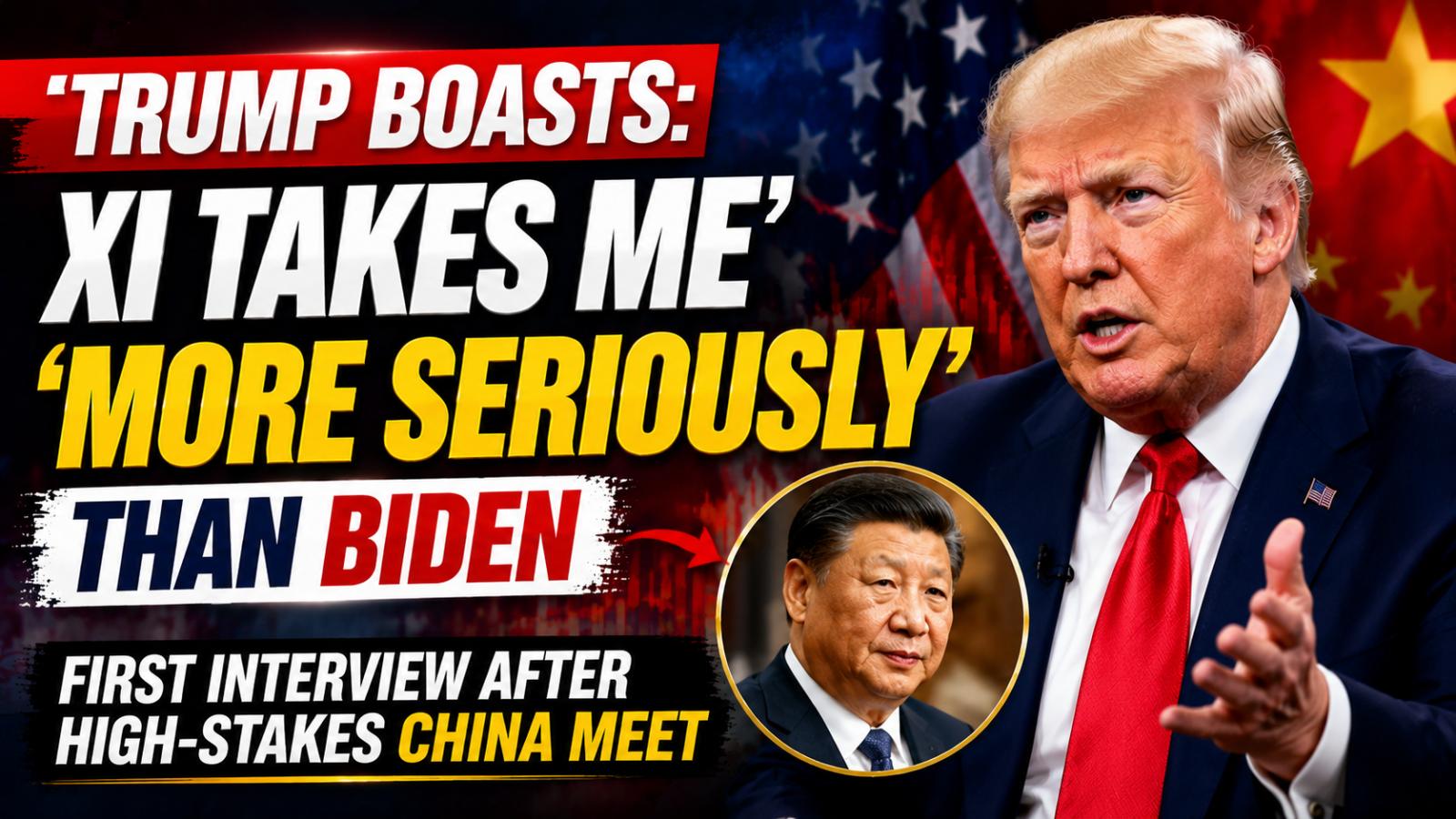
Trump Discusses Meeting with Xi Jinping US President Donald Trump spoke on Thursday, May 14, in his first interview following a high-stakes meeting with Chinese President Xi Jinping. The President described the discussion as a significant diplomatic achievement, asserting that his administration is treated with a heightened level of seriousness by the Chinese leadership. He contrasted his approach to foreign relations with
Trump Highlights Xi Meeting as Key Diplomatic Win
Trump Discusses Meeting with Xi Jinping US President Donald Trump spoke on Thursday, May 14, in his first interview following a high-stakes meeting with Chinese President Xi Jinping. The President described the discussion as a significant diplomatic achievement, asserting that his administration is treated with a heightened level of seriousness by the Chinese leadership. He contrasted his approach to foreign relations with
Global Stocks Rally on Tech Gains
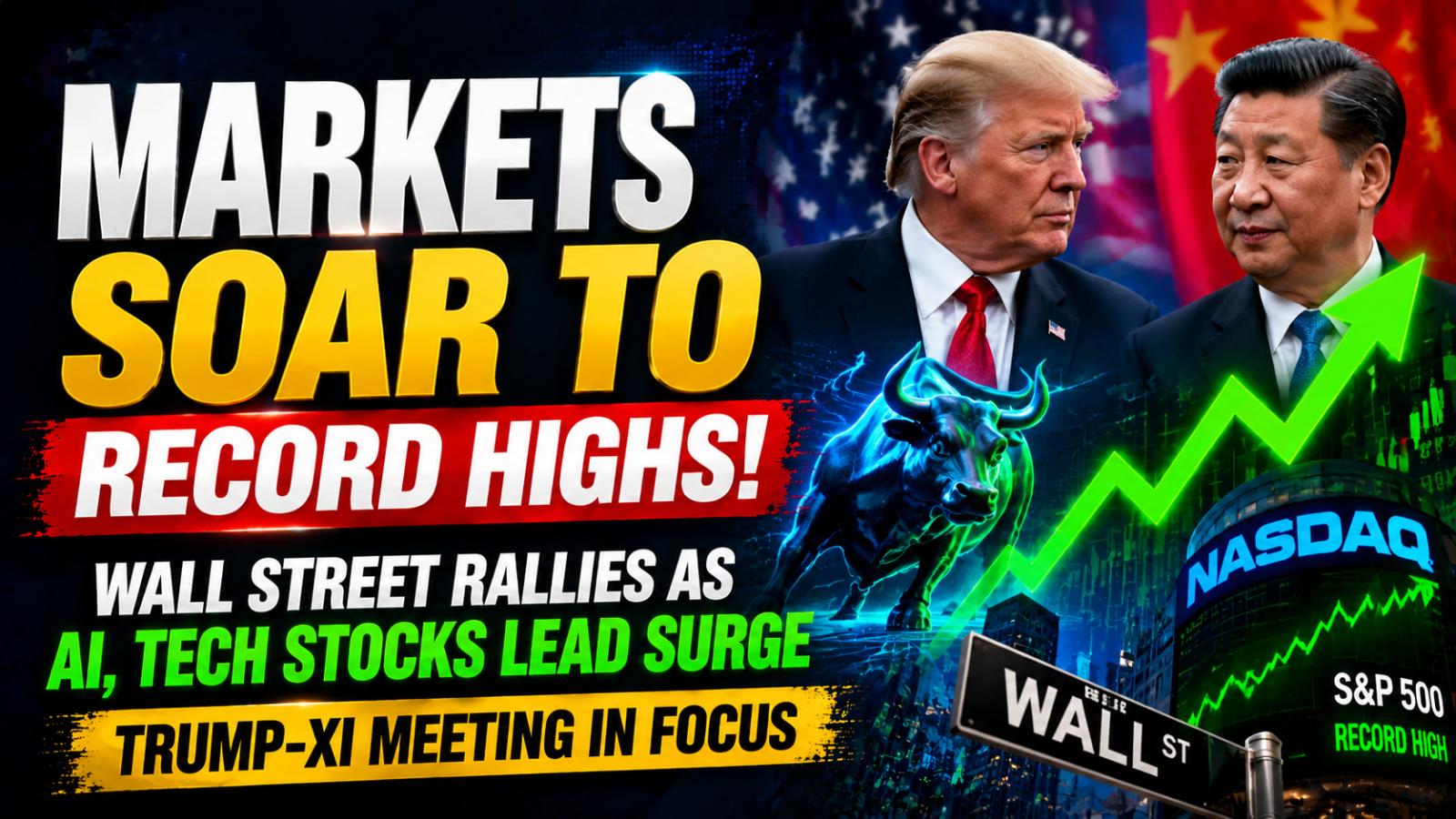
Wall Street Surges on Tech Strength Global stock markets climbed on Thursday, May 14, 2026, with major Wall Street indices reaching new record highs. Investor enthusiasm centered on technology shares, including Cisco Systems, which soared 13.4 percent following an upward earnings revision. Semiconductor startup Cerebras Systems made a strong Nasdaq debut, rising 68.2 percent on its first day of trading. The S&P 500 and N
Global Stocks Rally on Tech Gains
Wall Street Surges on Tech Strength Global stock markets climbed on Thursday, May 14, 2026, with major Wall Street indices reaching new record highs. Investor enthusiasm centered on technology shares, including Cisco Systems, which soared 13.4 percent following an upward earnings revision. Semiconductor startup Cerebras Systems made a strong Nasdaq debut, rising 68.2 percent on its first day of trading. The S&P 500 and N
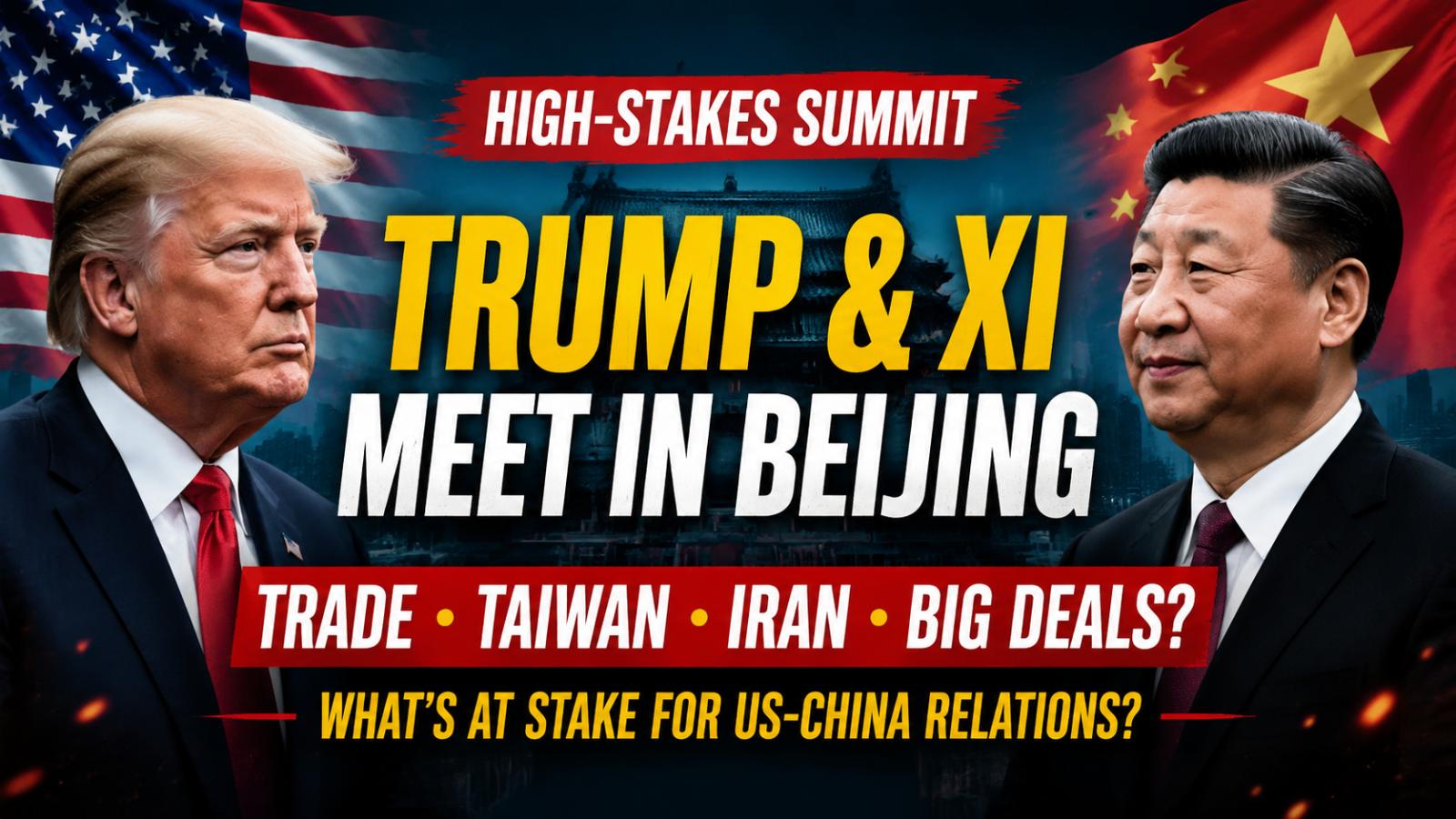
US-China Summit: Trump and Xi Discuss Trade, Taiwan, and Iran
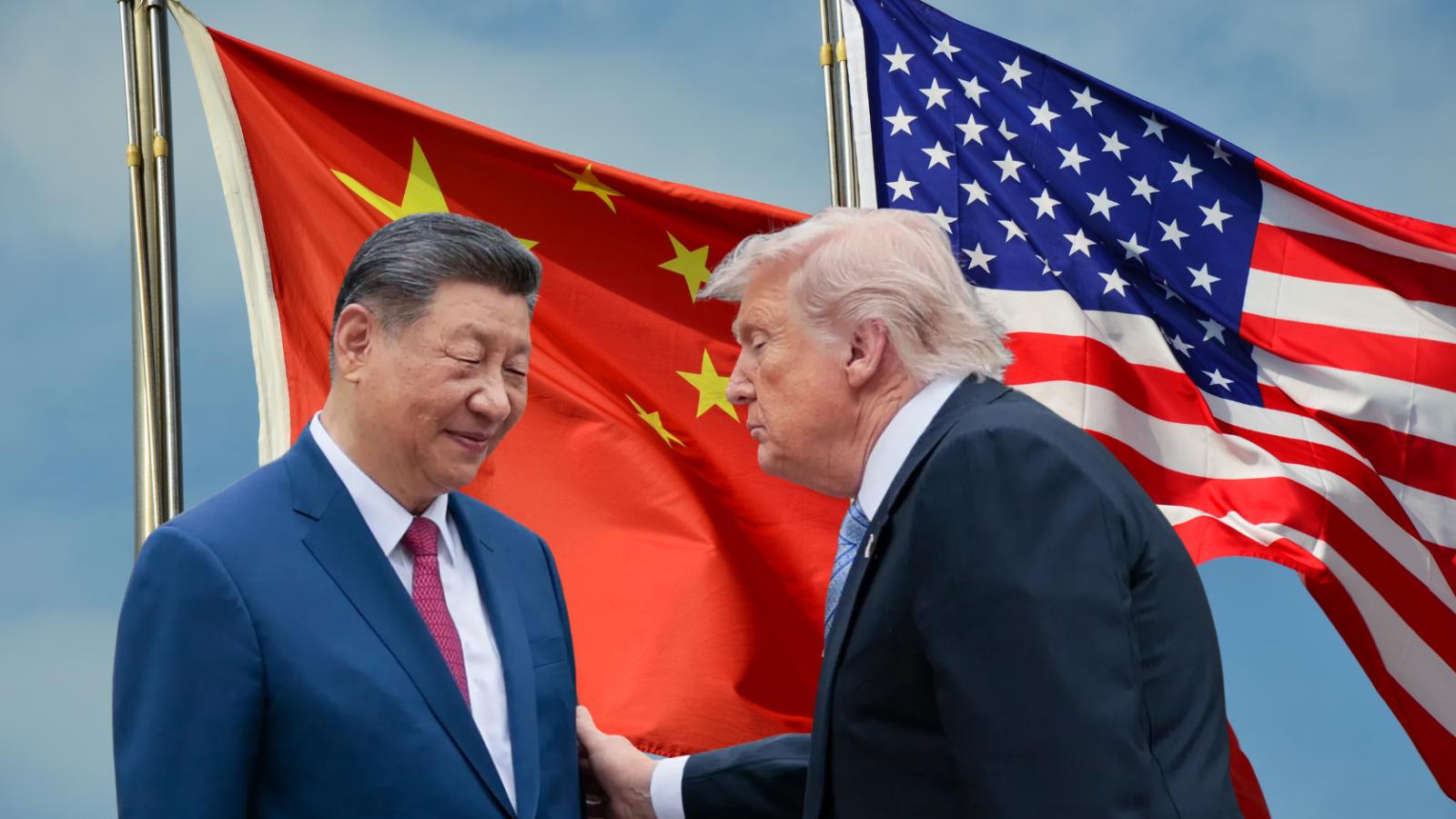
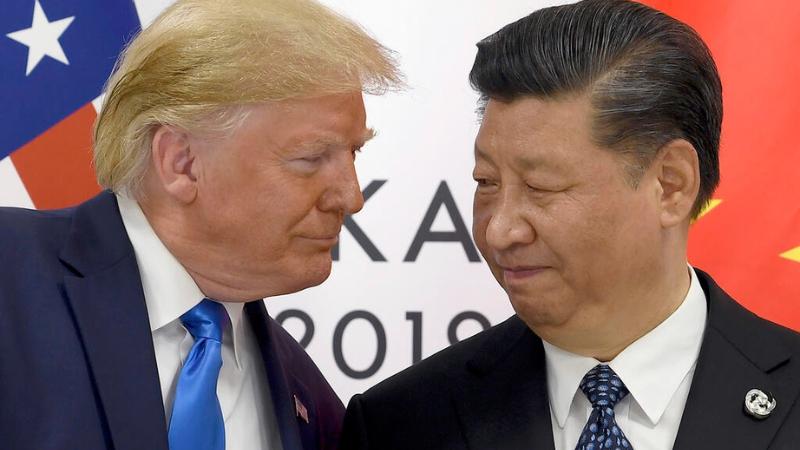
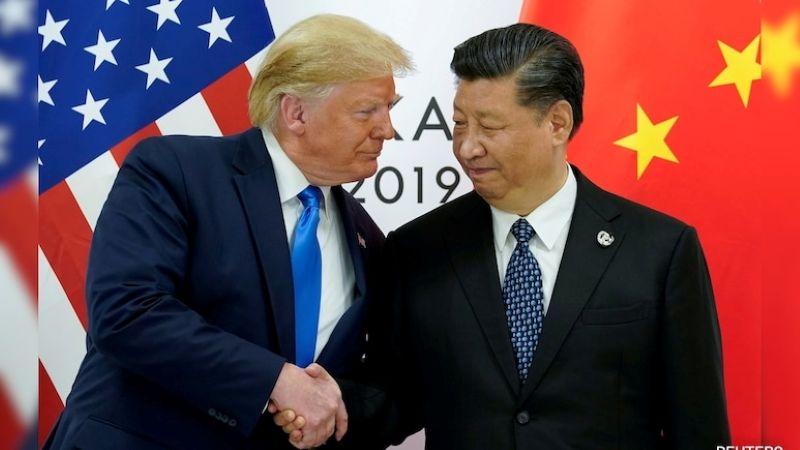
On May 14, US President Donald Trump will meet Chinese President Xi Jinping in Beijing for an important summit that could reshape the US-China relationship. This high-level meeting comes after years of trade disputes, rising tensions over Taiwan, and concerns about Iran’s nuclear ambitions. The two leaders are expected to tackle these critical issues head-on, with major global implications. This marks Trump’s first visit to China since 2017, and the atmosphere surrounding the trip is tense, yet optimistic. Alongside the president, top business leaders, including Nvidia’s Jensen Huang and Tesla’s Elon Musk, will be part of the delegation, emphasizing the US’s desire to push for commercial deals that strengthen trade ties with China. The summit is taking place against the backdrop of escalating tensions, including the ongoing trade war between the two powers, China’s rare earth restrictions, and the fierce competition in artificial intelligence (AI). Trade Tensions: A Fragile Truce One of the central issues on the table is trade. The US and China have been at odds for years, with both countries imposing tariffs on each other's goods. While last year saw a brief period of truce, many unresolved issues remain. President Trump is expected to press China for further trade reforms and better deals for American businesses, especially in the face of high tariffs and economic uncertainty.Both sides are aware that the trade dynamics have far-reaching consequences for the global economy, so finding common ground will be critical. Taiwan: A Stubborn Point of Contention Another major issue will be Taiwan, which has long been a flashpoint between the two nations. China views Taiwan as an inseparable part of its territory, while the US has shown strong support for the island’s autonomy. With tensions rising, especially after China increased military activity near Taiwan, the US's stance on Taiwan remains a key area of friction. Trump’s administration has been vocal about its support for Taiwan, and it remains to be seen how this will affect the overall talks. How the two leaders address this issue will set the tone for future interactions between the two countries, especially considering the delicate balance the US must strike between its relationship with China and its support for Taiwan. Iran: A Strategic Challenge Trump is also expected to address the situation in Iran, seeking China’s cooperation on curbing Iran’s nuclear ambitions. With China’s significant economic ties to Iran, Trump hopes Beijing can use its influence to help rein in Tehran’s nuclear program and reduce instability in the Middle East. China’s role in global diplomacy has been growing, and this summit could serve as a turning point for its involvement in international peace efforts. The Stakes of the Summit Both leaders face high stakes at this summit. Trump’s goal is clear: to secure deals that will benefit American businesses and address concerns about China’s rising influence in global trade and AI. For China, maintaining its geopolitical power while ensuring economic growth is paramount. Despite the challenging topics, both leaders know the importance of maintaining a functional relationship for global stability. As the summit unfolds, eyes will be on whether the two leaders can navigate their differences and strike a deal that addresses the critical issues of trade, Taiwan, and Iran. The outcome will not just shape US-China relations, but could influence global geopolitics for years to come. This meeting is more than just diplomacy; it's a chance to shape the future of international relations, with consequences that reach far beyond the negotiating table.
US-China Summit: Trump and Xi Discuss Trade, Taiwan, and Iran
On May 14, US President Donald Trump will meet Chinese President Xi Jinping in Beijing for an important summit that could reshape the US-China relationship. This high-level meeting comes after years of trade disputes, rising tensions over Taiwan, and concerns about Iran’s nuclear ambitions. The two leaders are expected to tackle these critical issues head-on, with major global implications. This marks Trump’s first visit to China since 2017, and the atmosphere surrounding the trip is tense, yet optimistic. Alongside the president, top business leaders, including Nvidia’s Jensen Huang and Tesla’s Elon Musk, will be part of the delegation, emphasizing the US’s desire to push for commercial deals that strengthen trade ties with China. The summit is taking place against the backdrop of escalating tensions, including the ongoing trade war between the two powers, China’s rare earth restrictions, and the fierce competition in artificial intelligence (AI). Trade Tensions: A Fragile Truce One of the central issues on the table is trade. The US and China have been at odds for years, with both countries imposing tariffs on each other's goods. While last year saw a brief period of truce, many unresolved issues remain. President Trump is expected to press China for further trade reforms and better deals for American businesses, especially in the face of high tariffs and economic uncertainty.Both sides are aware that the trade dynamics have far-reaching consequences for the global economy, so finding common ground will be critical. Taiwan: A Stubborn Point of Contention Another major issue will be Taiwan, which has long been a flashpoint between the two nations. China views Taiwan as an inseparable part of its territory, while the US has shown strong support for the island’s autonomy. With tensions rising, especially after China increased military activity near Taiwan, the US's stance on Taiwan remains a key area of friction. Trump’s administration has been vocal about its support for Taiwan, and it remains to be seen how this will affect the overall talks. How the two leaders address this issue will set the tone for future interactions between the two countries, especially considering the delicate balance the US must strike between its relationship with China and its support for Taiwan. Iran: A Strategic Challenge Trump is also expected to address the situation in Iran, seeking China’s cooperation on curbing Iran’s nuclear ambitions. With China’s significant economic ties to Iran, Trump hopes Beijing can use its influence to help rein in Tehran’s nuclear program and reduce instability in the Middle East. China’s role in global diplomacy has been growing, and this summit could serve as a turning point for its involvement in international peace efforts. The Stakes of the Summit Both leaders face high stakes at this summit. Trump’s goal is clear: to secure deals that will benefit American businesses and address concerns about China’s rising influence in global trade and AI. For China, maintaining its geopolitical power while ensuring economic growth is paramount. Despite the challenging topics, both leaders know the importance of maintaining a functional relationship for global stability. As the summit unfolds, eyes will be on whether the two leaders can navigate their differences and strike a deal that addresses the critical issues of trade, Taiwan, and Iran. The outcome will not just shape US-China relations, but could influence global geopolitics for years to come. This meeting is more than just diplomacy; it's a chance to shape the future of international relations, with consequences that reach far beyond the negotiating table.
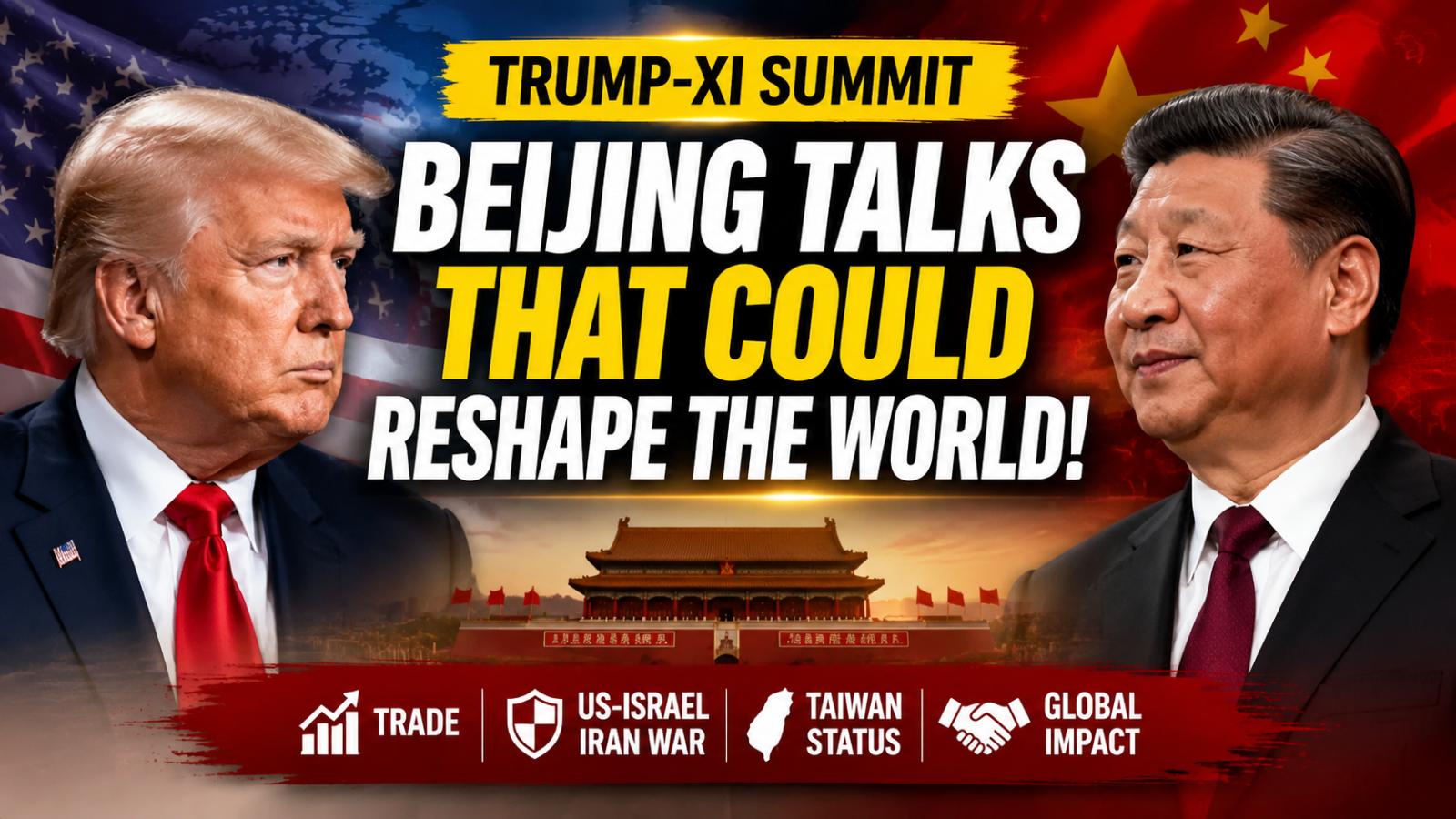
Historic US-China Summit: Trump and Xi Discuss Iran, Trade, and Taiwan in Beijing
Trump and Xi Jinping Meet in Beijing for Key Summit US President Donald Trump and Chinese President Xi Jinping are set to meet in Beijing for a highly anticipated three-day summit. This is Trump’s first visit to China in nearly a decade, making the meeting particularly significant. The summit is expected to focus on critical global issues, including the ongoing US-Israel war on Iran, trade relations between the two nations, and the status of Taiw
Historic US-China Summit: Trump and Xi Discuss Iran, Trade, and Taiwan in Beijing
Trump and Xi Jinping Meet in Beijing for Key Summit US President Donald Trump and Chinese President Xi Jinping are set to meet in Beijing for a highly anticipated three-day summit. This is Trump’s first visit to China in nearly a decade, making the meeting particularly significant. The summit is expected to focus on critical global issues, including the ongoing US-Israel war on Iran, trade relations between the two nations, and the status of Taiw
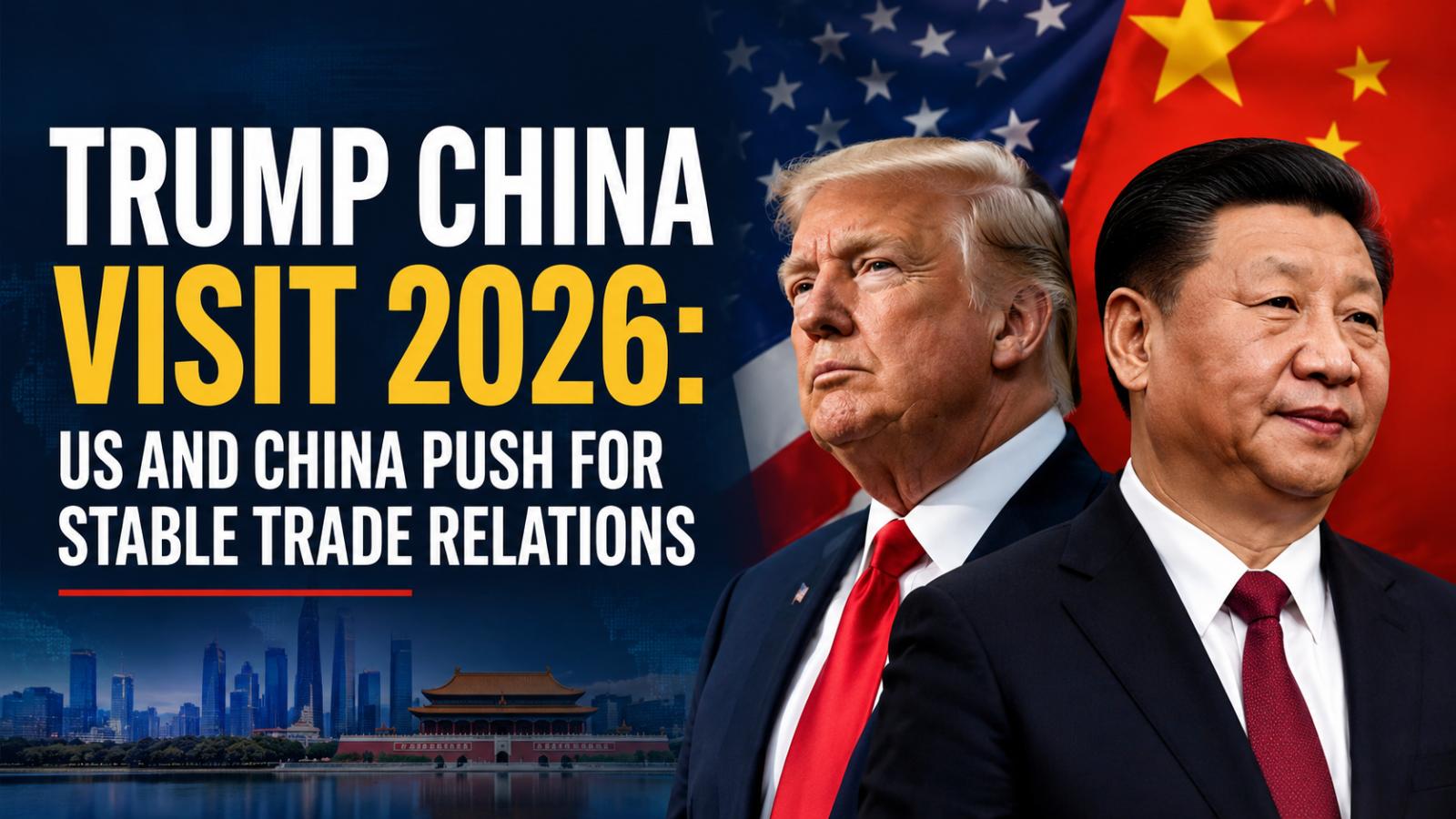
Trump-Xi meeting to focus on tariffs, Iran crisis and global stability
China on Monday confirmed that US President Donald Trump will visit Beijing from May 13 to May 15 for high-level talks with Chinese President Xi Jinping. The Trump China visit will be the first trip to China during Trump’s second term and is expected to focus on improving strained trade relations between the world’s two largest economies. The meeting comes at a time when global tensions, tariff disputes and concerns over economic stability continue to affect international markets and poli
Trump-Xi meeting to focus on tariffs, Iran crisis and global stability
China on Monday confirmed that US President Donald Trump will visit Beijing from May 13 to May 15 for high-level talks with Chinese President Xi Jinping. The Trump China visit will be the first trip to China during Trump’s second term and is expected to focus on improving strained trade relations between the world’s two largest economies. The meeting comes at a time when global tensions, tariff disputes and concerns over economic stability continue to affect international markets and poli
Trump warns China of 50% tariffs over alleged Iran military support
U.S. President Donald Trump on Sunday, April 12, 2026, warned that the United States could impose steep new tariffs on China if Beijing is found to be providing military assistance to Iran during the ongoing West As
Trump warns China of 50% tariffs over alleged Iran military support
U.S. President Donald Trump on Sunday, April 12, 2026, warned that the United States could impose steep new tariffs on China if Beijing is found to be providing military assistance to Iran during the ongoing West As
US and China leaders hold extensive talks on oil, agriculture, and Taiwan issues
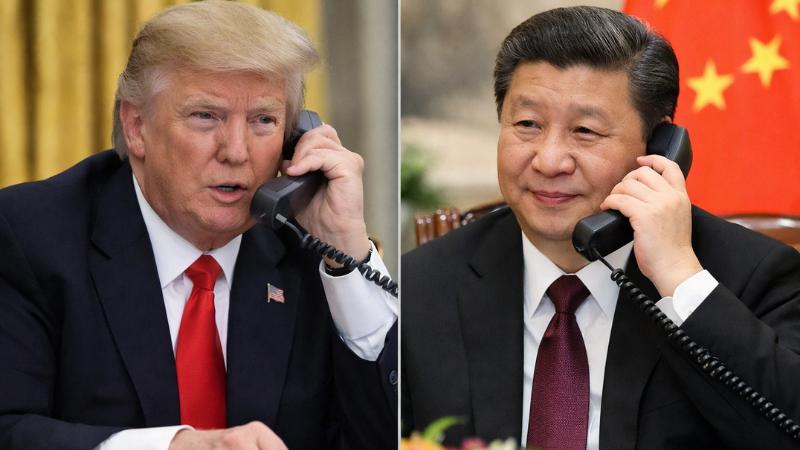
US President Donald Trump held an extended telephone conversation with Chinese President Xi Jinping on Wednesday, engaging in wide-ranging discussions that touched on trade ties, energy cooperation, agricultural purchases, and several pressing geopolitical concerns, according to remarks shared by the American leader. Posting about the exchange on his social media platform, Trump described the dialogue as “excellent,” emphasizing that the call was both lengthy and substantive. He

US and China leaders hold extensive talks on oil, agriculture, and Taiwan issues
US President Donald Trump held an extended telephone conversation with Chinese President Xi Jinping on Wednesday, engaging in wide-ranging discussions that touched on trade ties, energy cooperation, agricultural purchases, and several pressing geopolitical concerns, according to remarks shared by the American leader. Posting about the exchange on his social media platform, Trump described the dialogue as “excellent,” emphasizing that the call was both lengthy and substantive. He

US-China chip war deepens in 2025 as export controls reshape global semiconductor industry
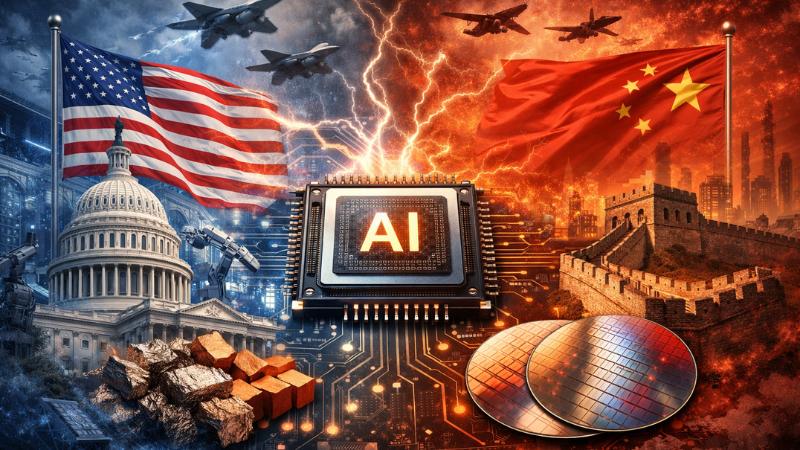
The strategic rivalry between the United States and China in the semiconductor sector continued to intensify throughout 2025, with export controls remaining a central instrument in what has come to be known as the global chip war. The dispute, rooted in concerns over national security, technological leadership and economic influence, significantly affected the semiconductor industry, global supply chains and investment decisions during the year. At the start of 2025, the United States maintained restrictions on the export of advanced artificial intelligence chips and related technologies to China. These controls were designed to limit Beijing’s access to cutting-edge computing capabilities that could be applied to military and surveillance technologies. US officials defended the measures as necessary to protect national security interests, but the restrictions had immediate commercial consequences for American chipmakers with strong exposure to the Chinese market. Companies producing high-performance AI chips, including industry leaders such as Nvidia, reported revenue pressures linked to reduced access to Chinese customers. The curbs also led to higher compliance costs and uncertainty over long-term market strategies. Industry executives warned that prolonged restrictions could weaken the global competitiveness of US firms while accelerating China’s efforts to develop independent semiconductor capabilities. Policy signals shifted after Donald Trump assumed the US presidency in January. His administration moved to ease certain export controls on advanced AI chips for what were described as approved customers in China. Under the revised framework, sales of Nvidia’s H200 chip were permitted, subject to conditions that included profit-sharing arrangements with the US government. The adjustments were widely interpreted as an attempt to balance national security concerns with the commercial interests of American technology companies. China responded to the US measures by criticising what it described as discriminatory semiconductor policies and urging Washington to reverse the controls. Beijing argued that the restrictions were disrupting global supply chains and undermining fair competition in the semiconductor industry. At the same time, Chinese authorities accelerated domestic initiatives aimed at strengthening the country’s chip manufacturing ecosystem and reducing reliance on foreign suppliers. As part of its response, China imposed export controls on several rare earth elements, materials that are essential for semiconductor production and advanced electronics. China holds a dominant position in the global rare earth supply, making these measures a powerful lever in the broader technology competition. The restrictions heightened concerns among manufacturers worldwide about material availability and supply chain resilience. The prolonged US-China chip war had ripple effects across global markets. American and allied semiconductor firms experienced volatility in revenues and share prices as companies reassessed exposure to geopolitical risk. Investment patterns shifted as manufacturers sought to diversify production and sourcing to reduce dependence on any single market. Chinese technology firms increasingly turned to domestic suppliers, accelerating efforts to replace restricted foreign components with locally developed alternatives. In parallel, the United States expanded its focus on strengthening domestic semiconductor production through subsidy programmes under the CHIPS Act. The initiative supported the construction of new fabrication plants and aimed to secure long-term technological leadership by rebuilding advanced manufacturing capacity within the country. By late 2025, both Washington and Beijing took limited steps to ease tensions, agreeing to suspend certain rare earth export controls. While the move signalled a willingness to manage escalation, the underlying competition in advanced chip technologies remained unresolved. The year underscored how deeply the semiconductor rivalry has become embedded in global trade, industrial policy and national security calculations, with lasting implications for the future of the technology sector.
US-China chip war deepens in 2025 as export controls reshape global semiconductor industry
The strategic rivalry between the United States and China in the semiconductor sector continued to intensify throughout 2025, with export controls remaining a central instrument in what has come to be known as the global chip war. The dispute, rooted in concerns over national security, technological leadership and economic influence, significantly affected the semiconductor industry, global supply chains and investment decisions during the year. At the start of 2025, the United States maintained restrictions on the export of advanced artificial intelligence chips and related technologies to China. These controls were designed to limit Beijing’s access to cutting-edge computing capabilities that could be applied to military and surveillance technologies. US officials defended the measures as necessary to protect national security interests, but the restrictions had immediate commercial consequences for American chipmakers with strong exposure to the Chinese market. Companies producing high-performance AI chips, including industry leaders such as Nvidia, reported revenue pressures linked to reduced access to Chinese customers. The curbs also led to higher compliance costs and uncertainty over long-term market strategies. Industry executives warned that prolonged restrictions could weaken the global competitiveness of US firms while accelerating China’s efforts to develop independent semiconductor capabilities. Policy signals shifted after Donald Trump assumed the US presidency in January. His administration moved to ease certain export controls on advanced AI chips for what were described as approved customers in China. Under the revised framework, sales of Nvidia’s H200 chip were permitted, subject to conditions that included profit-sharing arrangements with the US government. The adjustments were widely interpreted as an attempt to balance national security concerns with the commercial interests of American technology companies. China responded to the US measures by criticising what it described as discriminatory semiconductor policies and urging Washington to reverse the controls. Beijing argued that the restrictions were disrupting global supply chains and undermining fair competition in the semiconductor industry. At the same time, Chinese authorities accelerated domestic initiatives aimed at strengthening the country’s chip manufacturing ecosystem and reducing reliance on foreign suppliers. As part of its response, China imposed export controls on several rare earth elements, materials that are essential for semiconductor production and advanced electronics. China holds a dominant position in the global rare earth supply, making these measures a powerful lever in the broader technology competition. The restrictions heightened concerns among manufacturers worldwide about material availability and supply chain resilience. The prolonged US-China chip war had ripple effects across global markets. American and allied semiconductor firms experienced volatility in revenues and share prices as companies reassessed exposure to geopolitical risk. Investment patterns shifted as manufacturers sought to diversify production and sourcing to reduce dependence on any single market. Chinese technology firms increasingly turned to domestic suppliers, accelerating efforts to replace restricted foreign components with locally developed alternatives. In parallel, the United States expanded its focus on strengthening domestic semiconductor production through subsidy programmes under the CHIPS Act. The initiative supported the construction of new fabrication plants and aimed to secure long-term technological leadership by rebuilding advanced manufacturing capacity within the country. By late 2025, both Washington and Beijing took limited steps to ease tensions, agreeing to suspend certain rare earth export controls. While the move signalled a willingness to manage escalation, the underlying competition in advanced chip technologies remained unresolved. The year underscored how deeply the semiconductor rivalry has become embedded in global trade, industrial policy and national security calculations, with lasting implications for the future of the technology sector.
China suspends extra US tariffs for one year after Xi-Trump meeting
In a major development for global trade, China has announced that it will suspend an additional 24 percent tariff on United States goods for a period of one year, while maintaining a 10 percent levy on imports from the US. The announcement, made by the State Council Tariff Commission, signals a cautious step by Beijing toward easing long-standing trade tensions with Washington. The suspension is effective immediately and will remain in place for twelve months. The decision follows a
China suspends extra US tariffs for one year after Xi-Trump meeting
In a major development for global trade, China has announced that it will suspend an additional 24 percent tariff on United States goods for a period of one year, while maintaining a 10 percent levy on imports from the US. The announcement, made by the State Council Tariff Commission, signals a cautious step by Beijing toward easing long-standing trade tensions with Washington. The suspension is effective immediately and will remain in place for twelve months. The decision follows a
US Navy helicopter and jet crash in South China Sea amid Indo-Pacific tensions
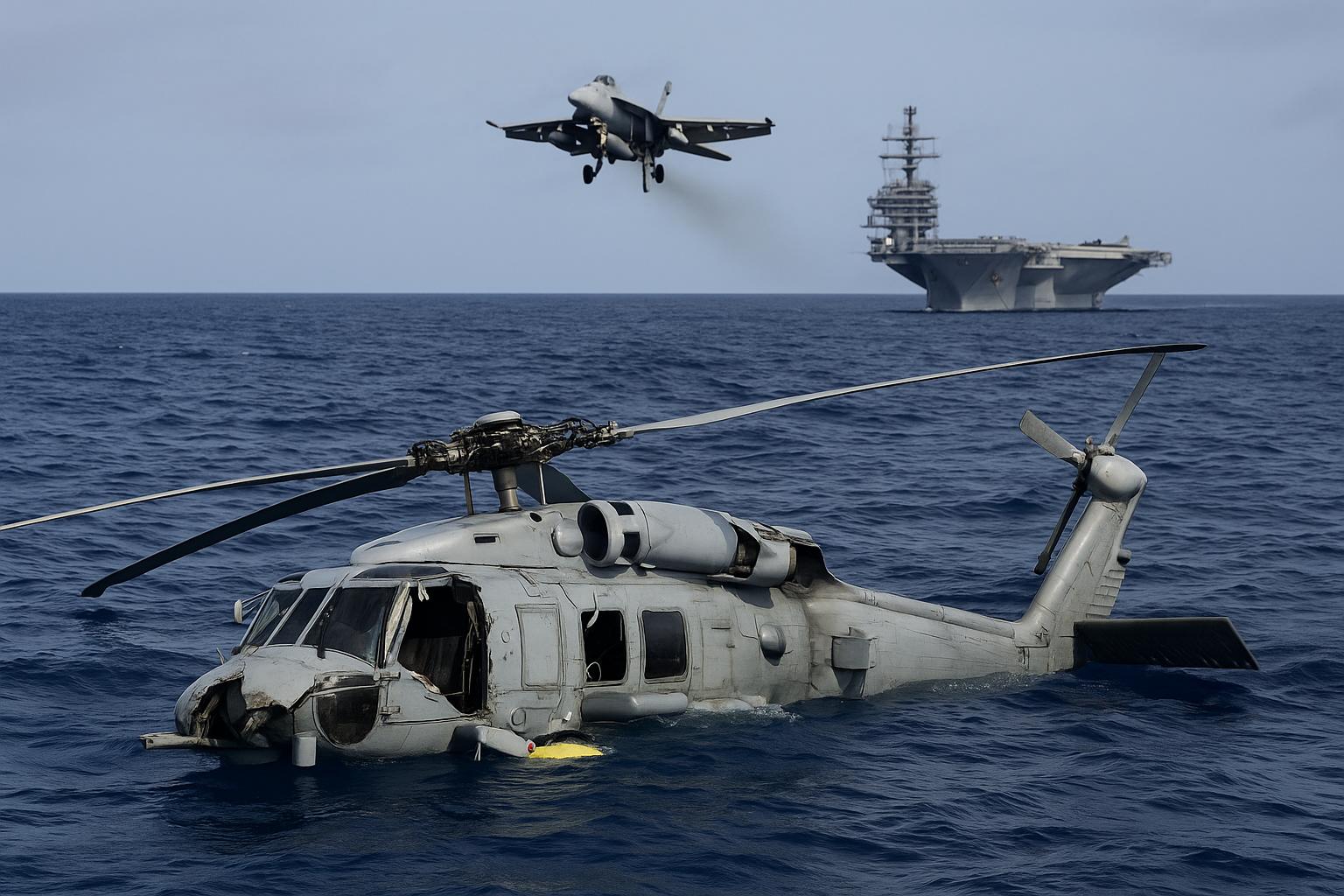
Amid heightened tensions in the Indo-Pacific, two separate US Navy aircraft — a helicopter and a fighter jet — crashed into the South China Sea on Sunday during routine operations. The incidents have reignited regional security concerns as the United States continues its strategic presence in the disputed waters, where China maintains sweeping territorial claims. According to a statement from the US Pacific Fleet, the first incident involved an MH-60R Seahawk helicopter assigned
US Navy helicopter and jet crash in South China Sea amid Indo-Pacific tensions
Amid heightened tensions in the Indo-Pacific, two separate US Navy aircraft — a helicopter and a fighter jet — crashed into the South China Sea on Sunday during routine operations. The incidents have reignited regional security concerns as the United States continues its strategic presence in the disputed waters, where China maintains sweeping territorial claims. According to a statement from the US Pacific Fleet, the first incident involved an MH-60R Seahawk helicopter assigned
Donald Trump defends tariff policy, claims U.S. economy is thriving
United States President Donald Trump has once again defended his administration’s tariff policies, claiming that the strategy has played a major role in strengthening the U.S. economy and boosting the stock market. Since returning to office for his second term, Trump has emphasized a renewed focus on economic nationalism, arguing that countries trading with the United States must pay tariffs determined by the government to protect American interests. In his latest remarks, Trump a
Donald Trump defends tariff policy, claims U.S. economy is thriving
United States President Donald Trump has once again defended his administration’s tariff policies, claiming that the strategy has played a major role in strengthening the U.S. economy and boosting the stock market. Since returning to office for his second term, Trump has emphasized a renewed focus on economic nationalism, arguing that countries trading with the United States must pay tariffs determined by the government to protect American interests. In his latest remarks, Trump a
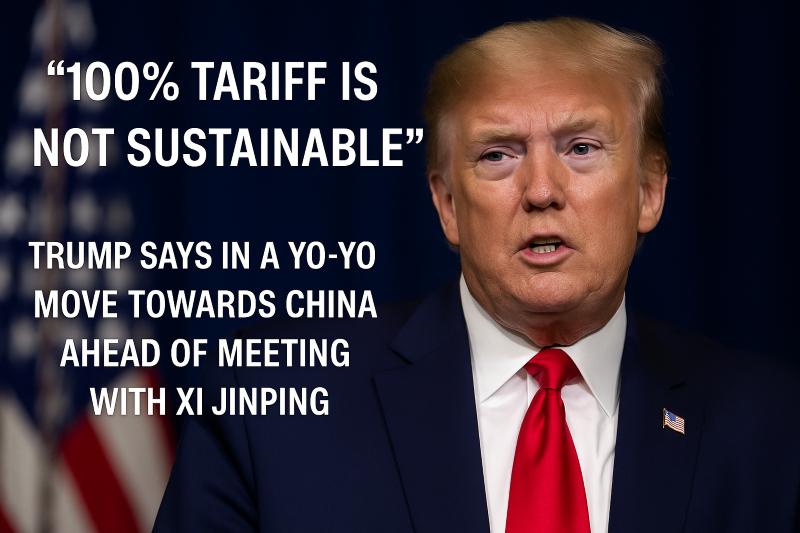
Trump Admits 100% Tariff “Not Sustainable” Ahead of Xi Meeting
U.S. President Donald Trump conceded in a recent interview that imposing a 100% tariff on Chinese imports would not be a lasting policy, saying, “It’s not sustainable, but that’s what the number is.” He asserted that Beijing “forced me to do that,” pointing to China’s tighter export controls—especially on rare earth elements—as justification for the heightened measur
Trump Admits 100% Tariff “Not Sustainable” Ahead of Xi Meeting
U.S. President Donald Trump conceded in a recent interview that imposing a 100% tariff on Chinese imports would not be a lasting policy, saying, “It’s not sustainable, but that’s what the number is.” He asserted that Beijing “forced me to do that,” pointing to China’s tighter export controls—especially on rare earth elements—as justification for the heightened measur
Trump warns China of 100% tariffs amid escalating rare earth dispute
The United States has warned that steep tariffs could soon be imposed on China if Beijing proceeds with its newly announced restrictions on rare earth exports, heightening concerns of another trade confrontation between the two largest economies in the world. U.S. Trade Representative Jamieson Greer said Tuesday that the decision now rests largely on China’s next actions, suggesting that the situation remains fluid in the run-up to a crucial diplomatic meeting later this month. Pr
Trump warns China of 100% tariffs amid escalating rare earth dispute
The United States has warned that steep tariffs could soon be imposed on China if Beijing proceeds with its newly announced restrictions on rare earth exports, heightening concerns of another trade confrontation between the two largest economies in the world. U.S. Trade Representative Jamieson Greer said Tuesday that the decision now rests largely on China’s next actions, suggesting that the situation remains fluid in the run-up to a crucial diplomatic meeting later this month. Pr
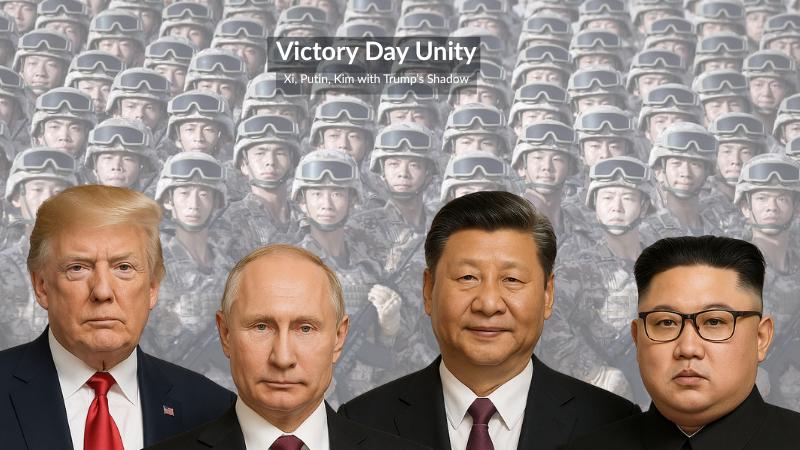
Trump message on China Victory Day sparks global attention amid tensions
US President Donald Trump extended greetings to China on its Victory Day celebrations and sent what he described as warm regards to world leaders Vladimir Putin and Kim Jong Un. His message came in the form of a statement where he linked historical sacrifices made by American soldiers during China’s wartime struggle to present-day global politics. The statement sparked widespread attention, not only because of the sensitive timing of the message but also because of the leaders he specif
Trump message on China Victory Day sparks global attention amid tensions
US President Donald Trump extended greetings to China on its Victory Day celebrations and sent what he described as warm regards to world leaders Vladimir Putin and Kim Jong Un. His message came in the form of a statement where he linked historical sacrifices made by American soldiers during China’s wartime struggle to present-day global politics. The statement sparked widespread attention, not only because of the sensitive timing of the message but also because of the leaders he specif
Trump Opens US to 6 Lakh Chinese Students, Faces Fierce MAGA Backlash
In a dramatic policy turn, US President Donald Trump announced that 600,000 Chinese students will be allowed to study in American universities, describing the move as vital to Washington’s relationship with Beijing. Speaking from the Oval Office, Trump said, “We’re going to allow their students to come in. It’s very important, 600,000 students. But we’re going to get along with China.”
Trump Opens US to 6 Lakh Chinese Students, Faces Fierce MAGA Backlash
In a dramatic policy turn, US President Donald Trump announced that 600,000 Chinese students will be allowed to study in American universities, describing the move as vital to Washington’s relationship with Beijing. Speaking from the Oval Office, Trump said, “We’re going to allow their students to come in. It’s very important, 600,000 students. But we’re going to get along with China.”
Trump Confirms China Deal on Rare Earths, Student Visas
US President Donald Trump has announced a major breakthrough in trade relations with China, confirming that a new deal includes guaranteed upfront delivery of rare earth elements to the United States and a renewed visa pathway for Chinese students. Posting on Truth Social, Trump declared the agreement “done,” pending final approval from Chinese President Xi Jinping and himself. He emphasized that under the terms, the US would receive “full ma
Trump Confirms China Deal on Rare Earths, Student Visas
US President Donald Trump has announced a major breakthrough in trade relations with China, confirming that a new deal includes guaranteed upfront delivery of rare earth elements to the United States and a renewed visa pathway for Chinese students. Posting on Truth Social, Trump declared the agreement “done,” pending final approval from Chinese President Xi Jinping and himself. He emphasized that under the terms, the US would receive “full ma