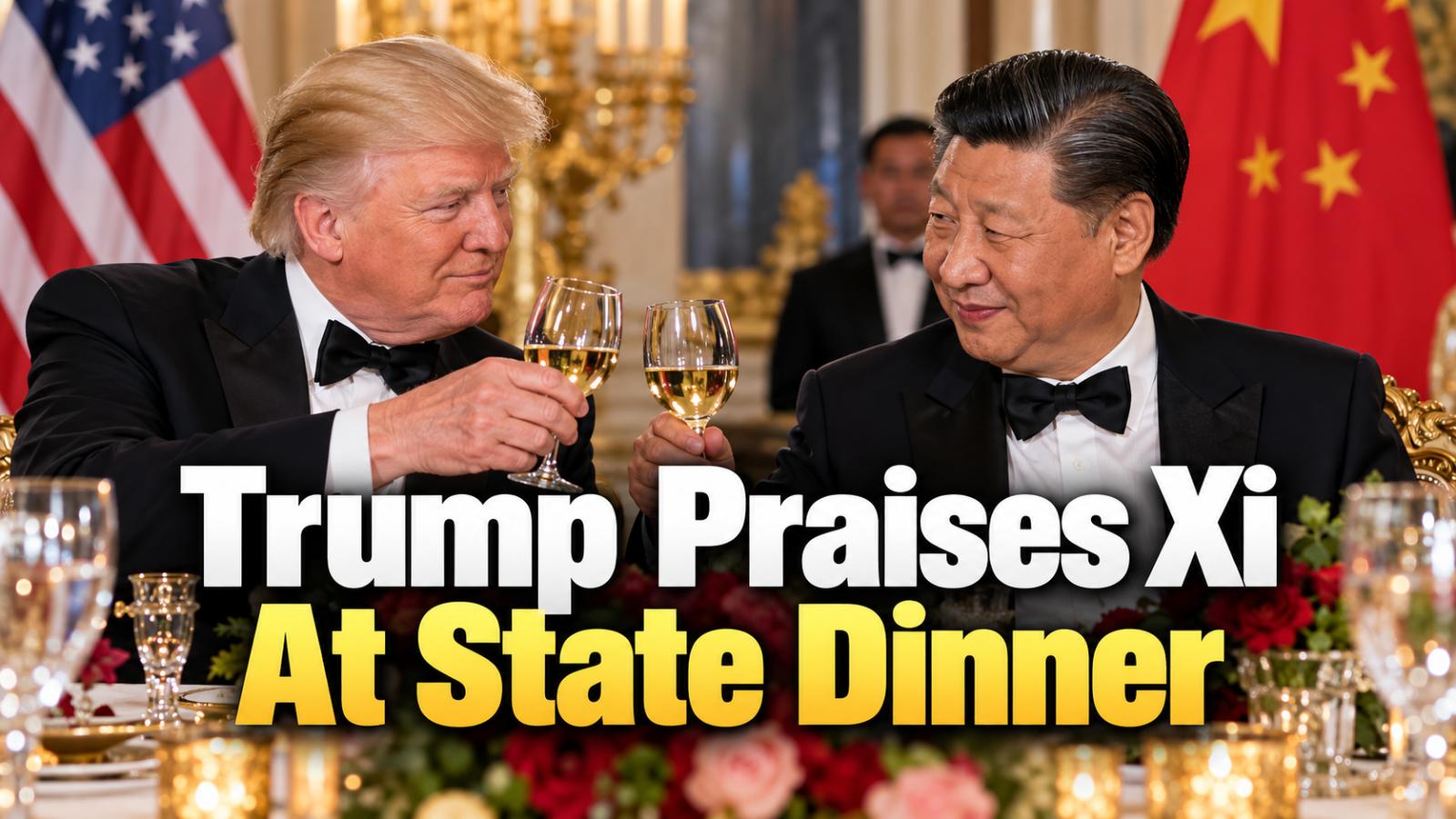
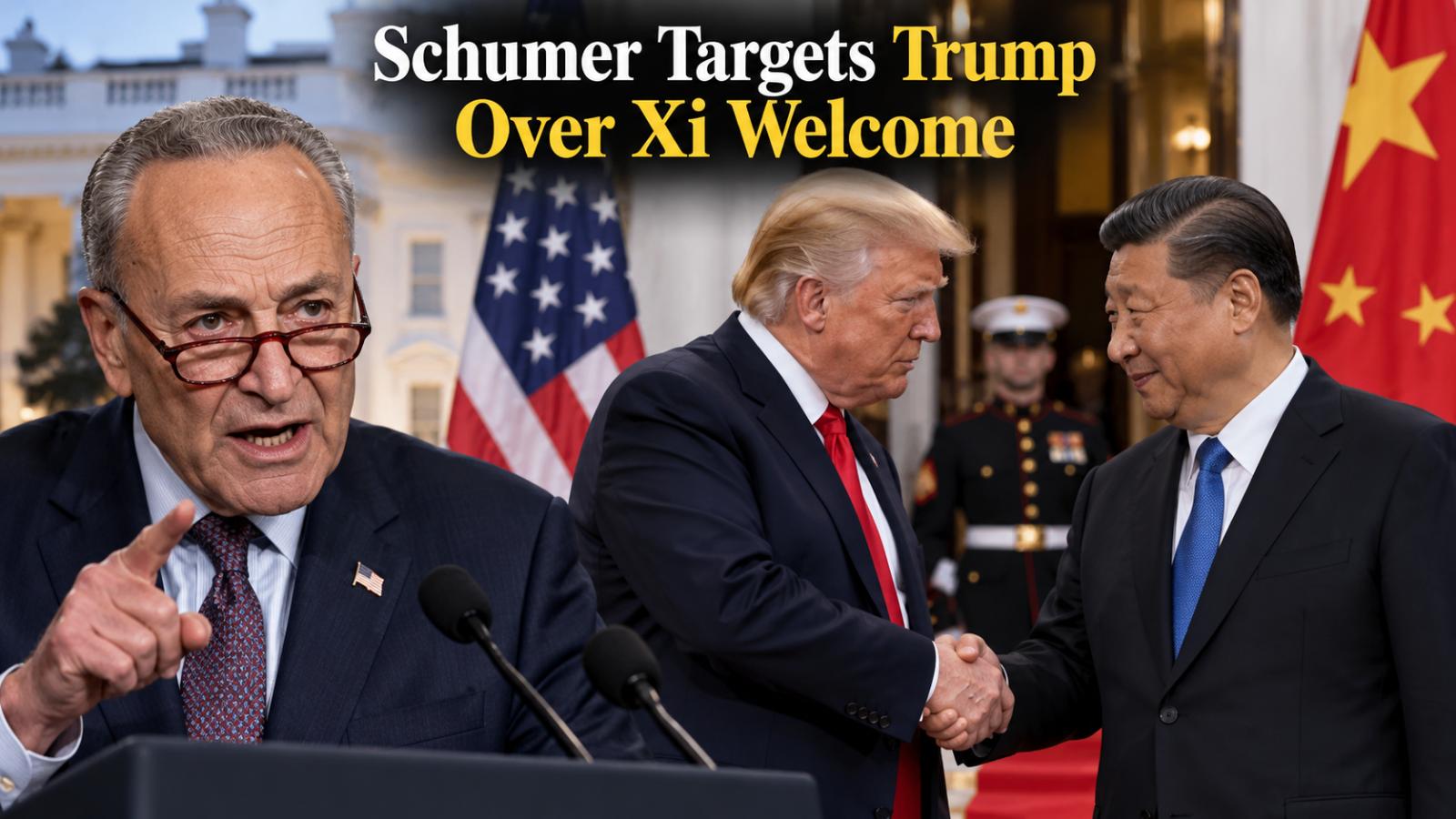
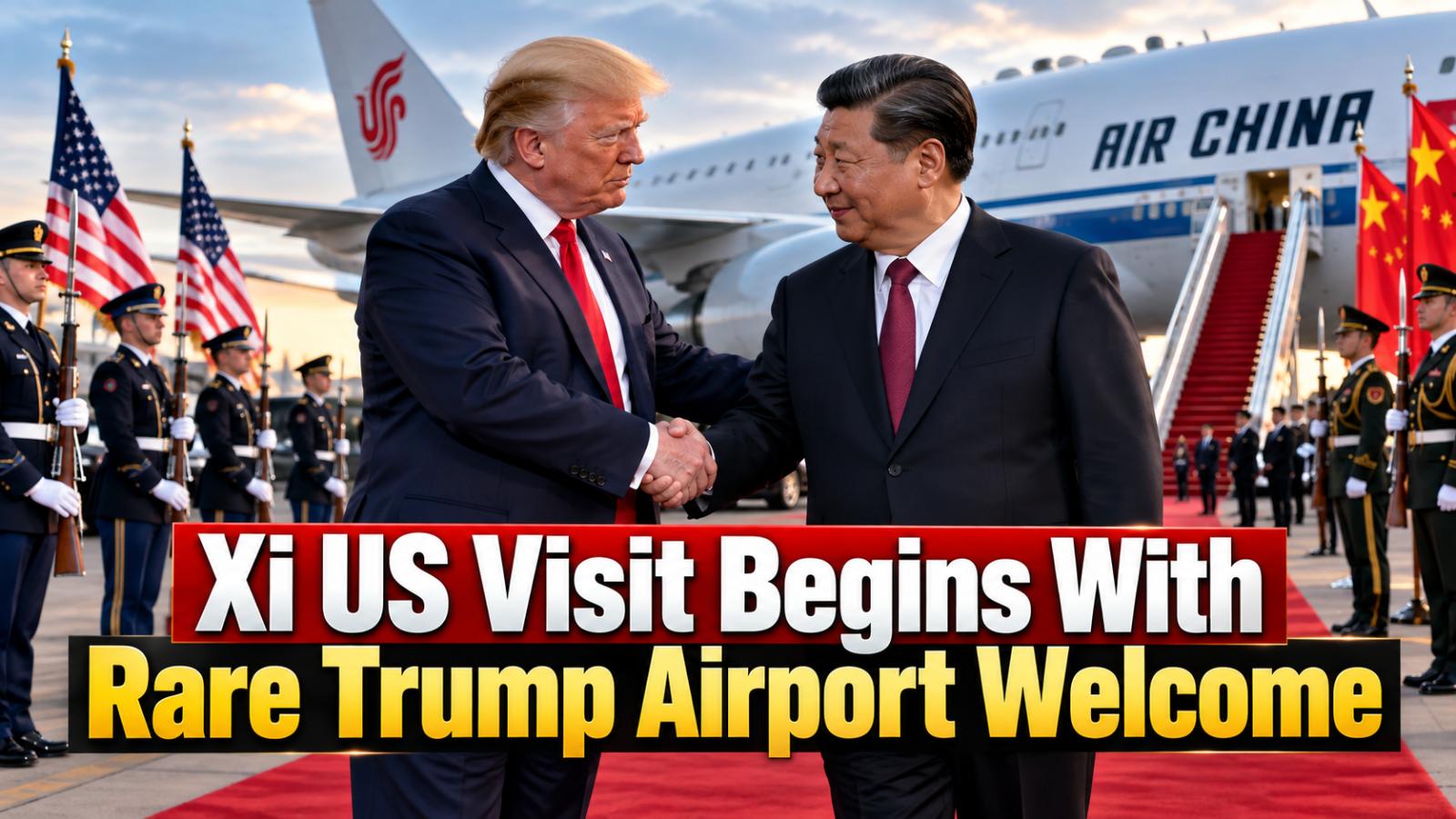
Trump calls Modi and Xi strong global leaders in interview
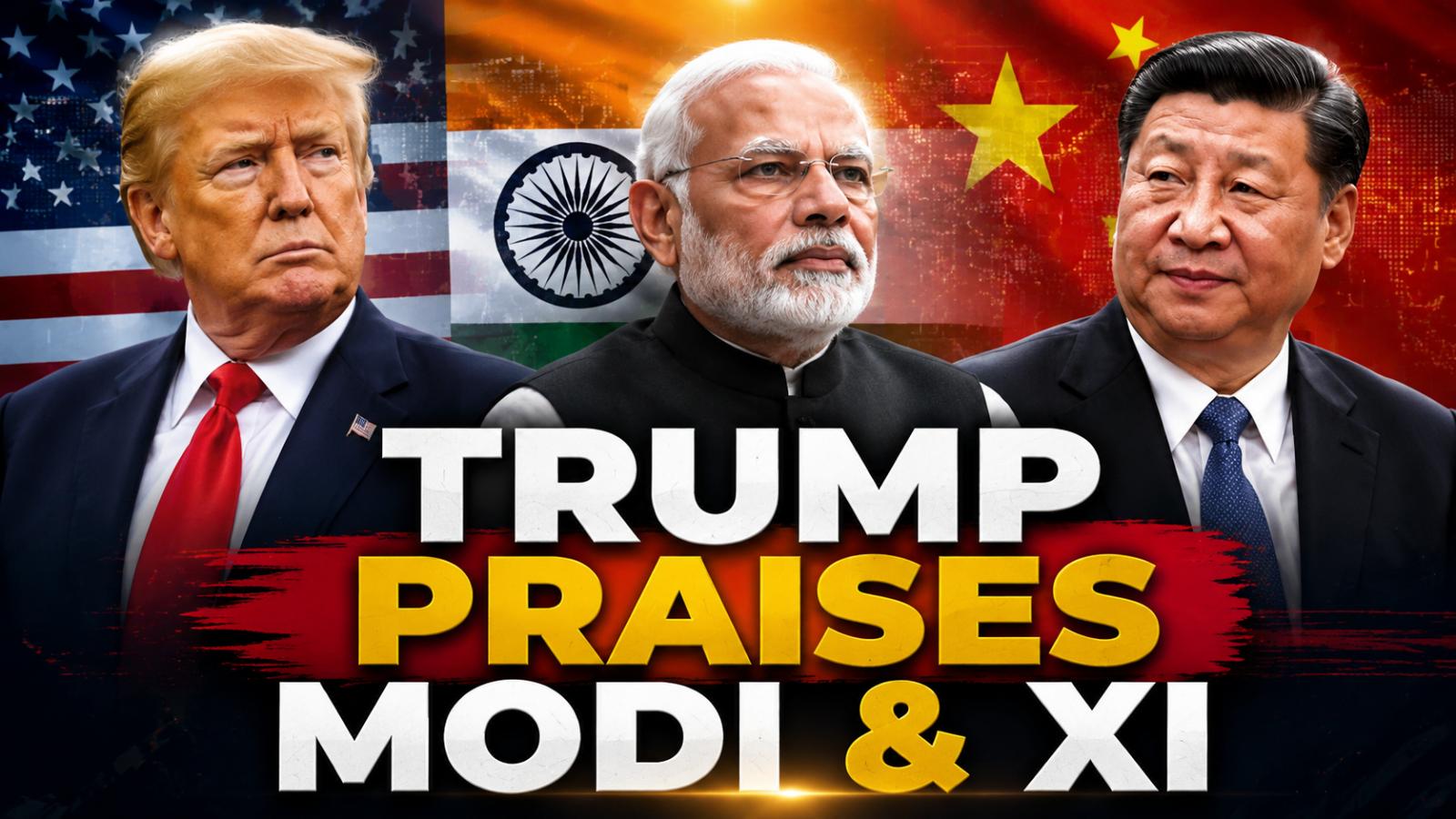
Trump’s remarks draw attention on global stage US President Donald Trump recently made notable comments about global leadership while speaking in an Axios interview. During the conversation, he referred to Indian Prime Minister Narendra Modi and Chinese President Xi Jinping as influential figures shaping international politics and economic direction. The remarks come at a time when global allianc
Trump calls Modi and Xi strong global leaders in interview
Trump’s remarks draw attention on global stage US President Donald Trump recently made notable comments about global leadership while speaking in an Axios interview. During the conversation, he referred to Indian Prime Minister Narendra Modi and Chinese President Xi Jinping as influential figures shaping international politics and economic direction. The remarks come at a time when global allianc
Trump-Xi meeting video sparks height debate in Beijing
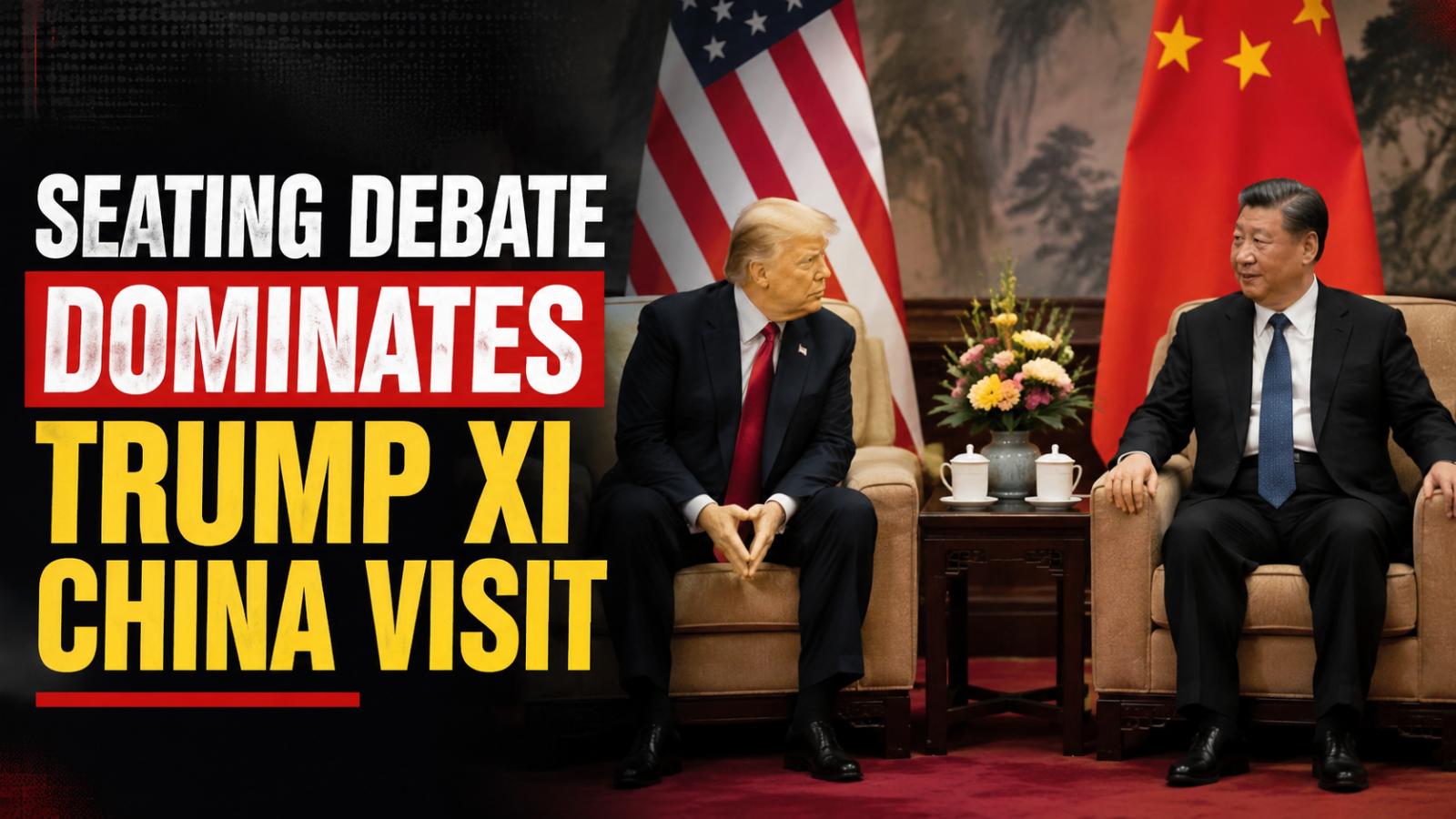
A viral video from the official meeting between US President Donald Trump and Chinese President Xi Jinping in Beijing has sparked intense discussion over seating arrangements. The clip, widely circulated on social media, shows Xi seated on a sofa that appears slightly taller than Trump’s. Observers noted that Trump is taller than Xi, prompting speculation that the seating was designed to make the US president appear shorter. The footage emerged during Trump’s three-day China visit, markin
Trump-Xi meeting video sparks height debate in Beijing
A viral video from the official meeting between US President Donald Trump and Chinese President Xi Jinping in Beijing has sparked intense discussion over seating arrangements. The clip, widely circulated on social media, shows Xi seated on a sofa that appears slightly taller than Trump’s. Observers noted that Trump is taller than Xi, prompting speculation that the seating was designed to make the US president appear shorter. The footage emerged during Trump’s three-day China visit, markin
Trump Campaign Deletes TikTok After ‘President Zi’ Typo
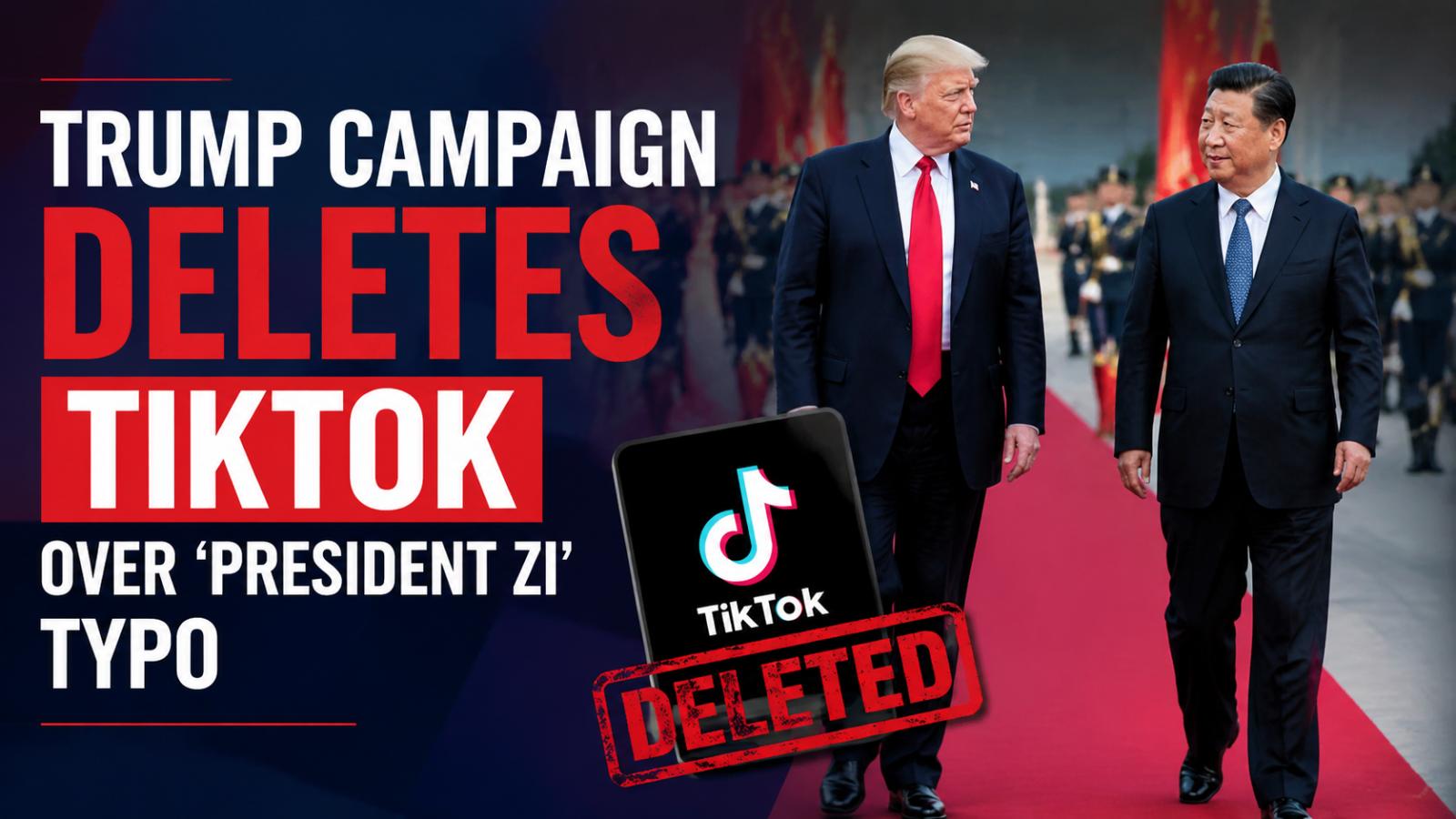
A TikTok video posted by the Donald Trump campaign was quickly deleted after viewers noticed a glaring spelling error. The clip, showing Donald Trump and Chinese President Xi Jinping walking on a red carpet during Trump’s state visit to China, mislabelled Xi as “President Zi” while Trump’s name appeared correctly. Screenshots of the post circulated rapidly across social media, amplifying the mistake. Public Reaction: Criticism and H
Trump Campaign Deletes TikTok After ‘President Zi’ Typo
A TikTok video posted by the Donald Trump campaign was quickly deleted after viewers noticed a glaring spelling error. The clip, showing Donald Trump and Chinese President Xi Jinping walking on a red carpet during Trump’s state visit to China, mislabelled Xi as “President Zi” while Trump’s name appeared correctly. Screenshots of the post circulated rapidly across social media, amplifying the mistake. Public Reaction: Criticism and H
US-China Talks Show Progress During Beijing Summit
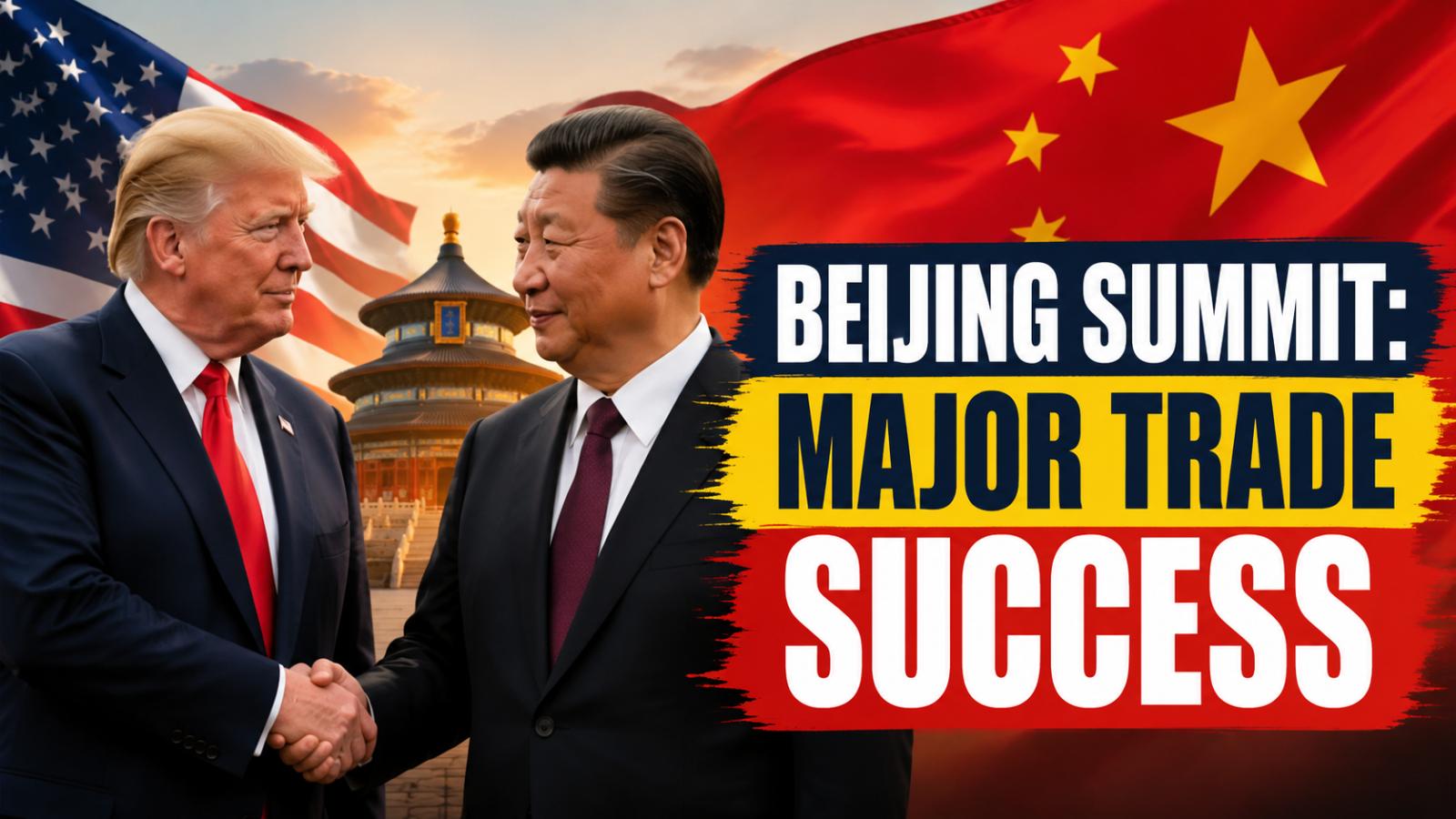
US President Donald Trump returned to Washington after a two-day BeijingSummit with Chinese President XiJinping, calling the meetings a major success for TradeProgress and DiplomaticTalks. Trump told reporters that the summit produced agreements in key sectors including AgricultureDeals, BoeingOrders, and AITrade. He stated, “We made strong trade deals and strengthened our relationship with China. This summit was a clear success for TradeGrowth.” Progress in US-China
US-China Talks Show Progress During Beijing Summit
US President Donald Trump returned to Washington after a two-day BeijingSummit with Chinese President XiJinping, calling the meetings a major success for TradeProgress and DiplomaticTalks. Trump told reporters that the summit produced agreements in key sectors including AgricultureDeals, BoeingOrders, and AITrade. He stated, “We made strong trade deals and strengthened our relationship with China. This summit was a clear success for TradeGrowth.” Progress in US-China
Trump Highlights Xi Meeting as Key Diplomatic Win
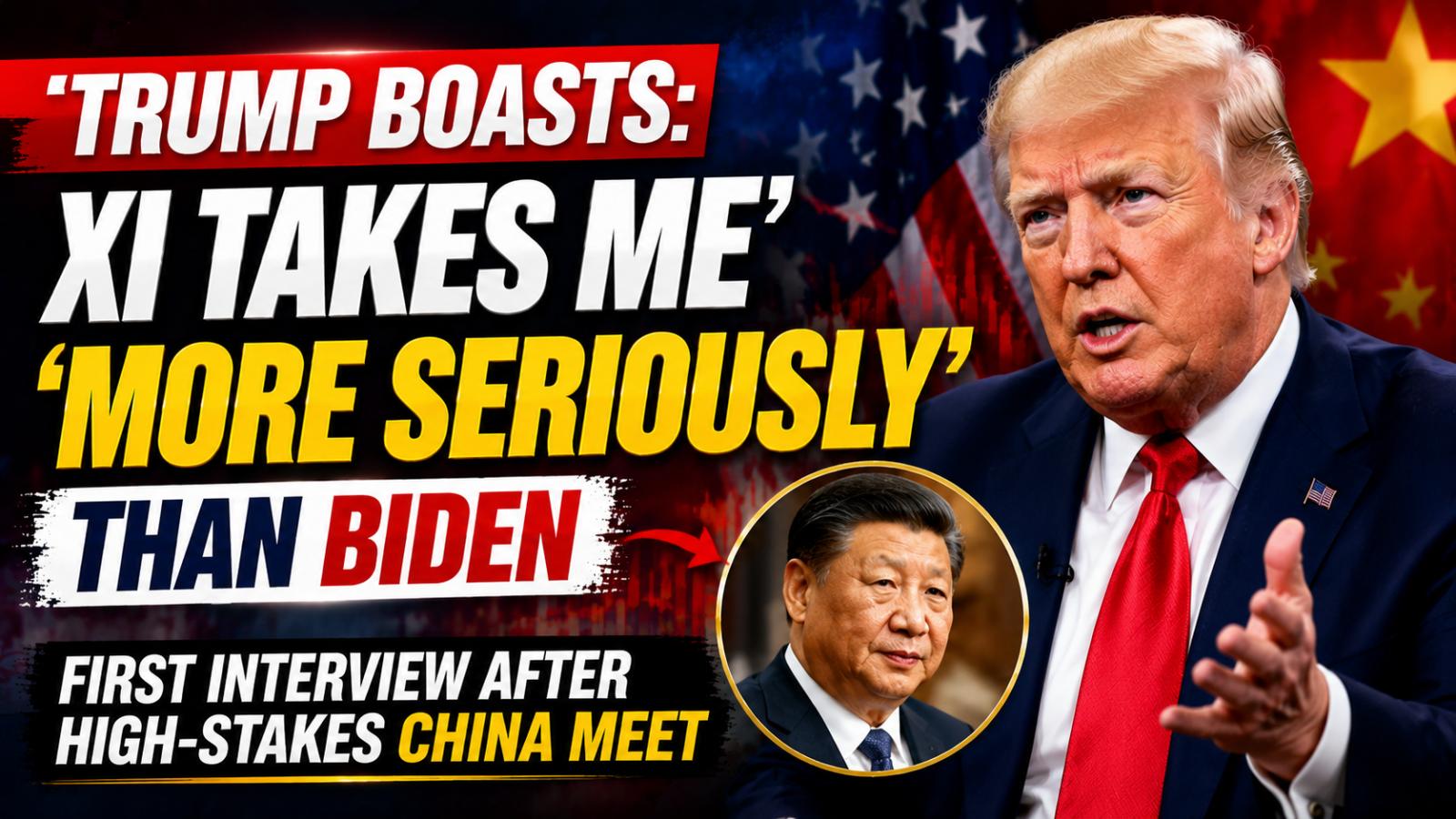
Trump Discusses Meeting with Xi Jinping US President Donald Trump spoke on Thursday, May 14, in his first interview following a high-stakes meeting with Chinese President Xi Jinping. The President described the discussion as a significant diplomatic achievement, asserting that his administration is treated with a heightened level of seriousness by the Chinese leadership. He contrasted his approach to foreign relations with
Trump Highlights Xi Meeting as Key Diplomatic Win
Trump Discusses Meeting with Xi Jinping US President Donald Trump spoke on Thursday, May 14, in his first interview following a high-stakes meeting with Chinese President Xi Jinping. The President described the discussion as a significant diplomatic achievement, asserting that his administration is treated with a heightened level of seriousness by the Chinese leadership. He contrasted his approach to foreign relations with
Trump Says China Will Buy 200 Boeing Jets After Xi Talks
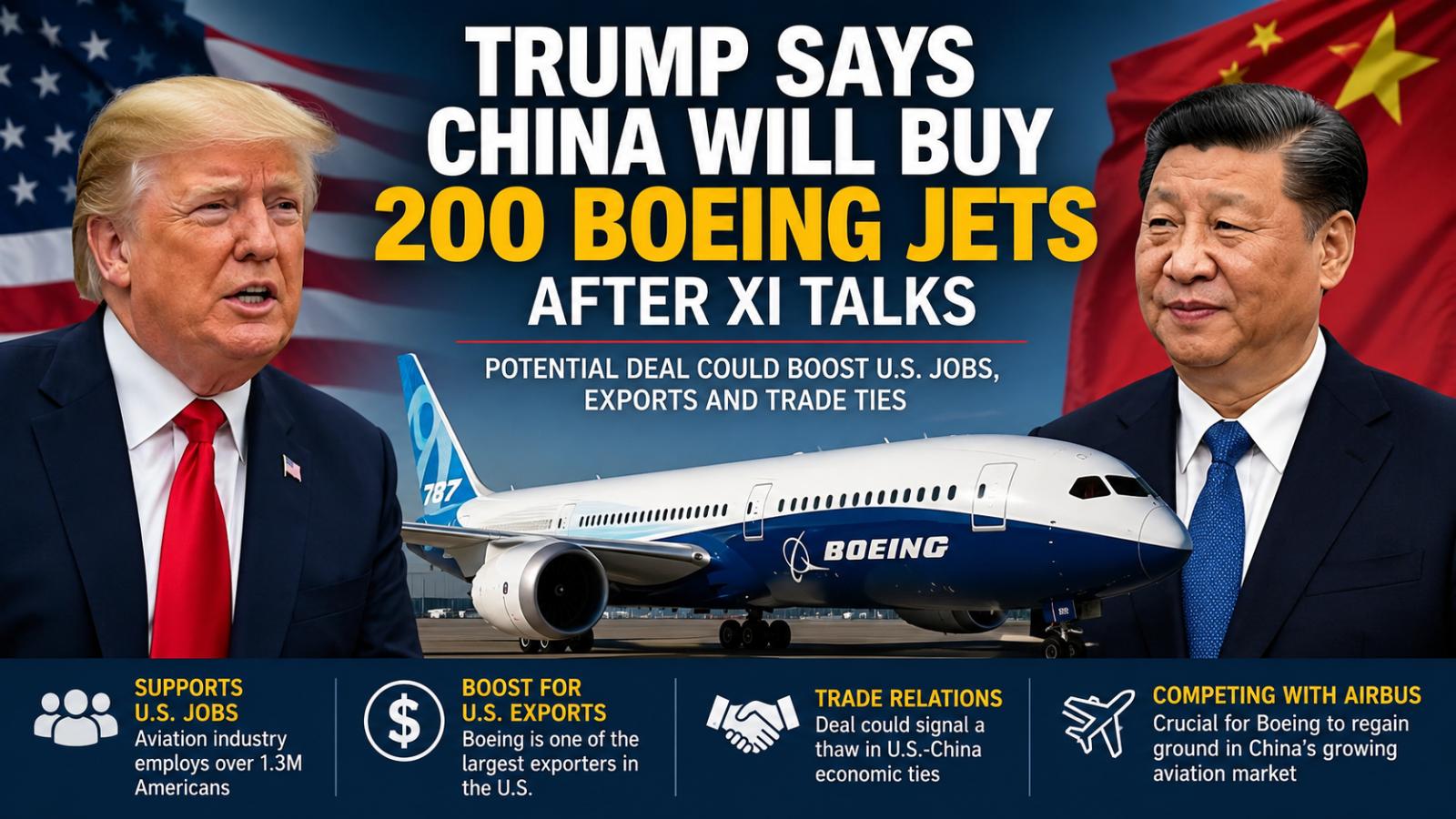
President Donald Trump said China agreed to buy 200 Boeing jets after talks with Chinese President Xi Jinping, a potential aircraft order that could bring Boeing back into a major role in U.S.-China trade discussions. Trump made the comments during a Fox News interview on Thursday, May 14, 2026, saying China had agreed to order 200 Boeing aircraft. He described the deal as a commitment, though the specific aircraft models were not immediately confirmed.
Trump Says China Will Buy 200 Boeing Jets After Xi Talks
President Donald Trump said China agreed to buy 200 Boeing jets after talks with Chinese President Xi Jinping, a potential aircraft order that could bring Boeing back into a major role in U.S.-China trade discussions. Trump made the comments during a Fox News interview on Thursday, May 14, 2026, saying China had agreed to order 200 Boeing aircraft. He described the deal as a commitment, though the specific aircraft models were not immediately confirmed.
US-China Summit: Trump and Xi Discuss Trade, Taiwan, and Iran
On May 14, US President Donald Trump will meet Chinese President Xi Jinping in Beijing for an important summit that could reshape the US-China relationship. This high-level meeting comes after years of trade disputes, rising tensions over Taiwan, and concerns about Iran’s nuclear ambitions. The two leaders are expected to tackle these critical issues head-on, with major global implications. This marks Trump’s first visit to China since 2017, and the atmosphere surrounding the trip is tense, yet optimistic. Alongside the president, top business leaders, including Nvidia’s Jensen Huang and Tesla’s Elon Musk, will be part of the delegation, emphasizing the US’s desire to push for commercial deals that strengthen trade ties with China. The summit is taking place against the backdrop of escalating tensions, including the ongoing trade war between the two powers, China’s rare earth restrictions, and the fierce competition in artificial intelligence (AI). Trade Tensions: A Fragile Truce One of the central issues on the table is trade. The US and China have been at odds for years, with both countries imposing tariffs on each other's goods. While last year saw a brief period of truce, many unresolved issues remain. President Trump is expected to press China for further trade reforms and better deals for American businesses, especially in the face of high tariffs and economic uncertainty.Both sides are aware that the trade dynamics have far-reaching consequences for the global economy, so finding common ground will be critical. Taiwan: A Stubborn Point of Contention Another major issue will be Taiwan, which has long been a flashpoint between the two nations. China views Taiwan as an inseparable part of its territory, while the US has shown strong support for the island’s autonomy. With tensions rising, especially after China increased military activity near Taiwan, the US's stance on Taiwan remains a key area of friction. Trump’s administration has been vocal about its support for Taiwan, and it remains to be seen how this will affect the overall talks. How the two leaders address this issue will set the tone for future interactions between the two countries, especially considering the delicate balance the US must strike between its relationship with China and its support for Taiwan. Iran: A Strategic Challenge Trump is also expected to address the situation in Iran, seeking China’s cooperation on curbing Iran’s nuclear ambitions. With China’s significant economic ties to Iran, Trump hopes Beijing can use its influence to help rein in Tehran’s nuclear program and reduce instability in the Middle East. China’s role in global diplomacy has been growing, and this summit could serve as a turning point for its involvement in international peace efforts. The Stakes of the Summit Both leaders face high stakes at this summit. Trump’s goal is clear: to secure deals that will benefit American businesses and address concerns about China’s rising influence in global trade and AI. For China, maintaining its geopolitical power while ensuring economic growth is paramount. Despite the challenging topics, both leaders know the importance of maintaining a functional relationship for global stability. As the summit unfolds, eyes will be on whether the two leaders can navigate their differences and strike a deal that addresses the critical issues of trade, Taiwan, and Iran. The outcome will not just shape US-China relations, but could influence global geopolitics for years to come. This meeting is more than just diplomacy; it's a chance to shape the future of international relations, with consequences that reach far beyond the negotiating table.

US-China Summit: Trump and Xi Discuss Trade, Taiwan, and Iran
On May 14, US President Donald Trump will meet Chinese President Xi Jinping in Beijing for an important summit that could reshape the US-China relationship. This high-level meeting comes after years of trade disputes, rising tensions over Taiwan, and concerns about Iran’s nuclear ambitions. The two leaders are expected to tackle these critical issues head-on, with major global implications. This marks Trump’s first visit to China since 2017, and the atmosphere surrounding the trip is tense, yet optimistic. Alongside the president, top business leaders, including Nvidia’s Jensen Huang and Tesla’s Elon Musk, will be part of the delegation, emphasizing the US’s desire to push for commercial deals that strengthen trade ties with China. The summit is taking place against the backdrop of escalating tensions, including the ongoing trade war between the two powers, China’s rare earth restrictions, and the fierce competition in artificial intelligence (AI). Trade Tensions: A Fragile Truce One of the central issues on the table is trade. The US and China have been at odds for years, with both countries imposing tariffs on each other's goods. While last year saw a brief period of truce, many unresolved issues remain. President Trump is expected to press China for further trade reforms and better deals for American businesses, especially in the face of high tariffs and economic uncertainty.Both sides are aware that the trade dynamics have far-reaching consequences for the global economy, so finding common ground will be critical. Taiwan: A Stubborn Point of Contention Another major issue will be Taiwan, which has long been a flashpoint between the two nations. China views Taiwan as an inseparable part of its territory, while the US has shown strong support for the island’s autonomy. With tensions rising, especially after China increased military activity near Taiwan, the US's stance on Taiwan remains a key area of friction. Trump’s administration has been vocal about its support for Taiwan, and it remains to be seen how this will affect the overall talks. How the two leaders address this issue will set the tone for future interactions between the two countries, especially considering the delicate balance the US must strike between its relationship with China and its support for Taiwan. Iran: A Strategic Challenge Trump is also expected to address the situation in Iran, seeking China’s cooperation on curbing Iran’s nuclear ambitions. With China’s significant economic ties to Iran, Trump hopes Beijing can use its influence to help rein in Tehran’s nuclear program and reduce instability in the Middle East. China’s role in global diplomacy has been growing, and this summit could serve as a turning point for its involvement in international peace efforts. The Stakes of the Summit Both leaders face high stakes at this summit. Trump’s goal is clear: to secure deals that will benefit American businesses and address concerns about China’s rising influence in global trade and AI. For China, maintaining its geopolitical power while ensuring economic growth is paramount. Despite the challenging topics, both leaders know the importance of maintaining a functional relationship for global stability. As the summit unfolds, eyes will be on whether the two leaders can navigate their differences and strike a deal that addresses the critical issues of trade, Taiwan, and Iran. The outcome will not just shape US-China relations, but could influence global geopolitics for years to come. This meeting is more than just diplomacy; it's a chance to shape the future of international relations, with consequences that reach far beyond the negotiating table.


Nvidia CEO Joins Trump’s China Trip as AI Chip Stakes Rise
Nvidia CEO Jensen Huang joined President Donald Trump’s China trip on Wednesday, May 13, 2026, as AI chip exports and market access moved to the center of U.S.-China talks. His presence matters because Nvidia’s powerful GPUs sit at the heart of AI development, while U.S. export controls have limited high-end chip sales to China. Why Huang’s Role Matters Huang was added after earlier indications he was not in the U.S. business delegation,
Nvidia CEO Joins Trump’s China Trip as AI Chip Stakes Rise
Nvidia CEO Jensen Huang joined President Donald Trump’s China trip on Wednesday, May 13, 2026, as AI chip exports and market access moved to the center of U.S.-China talks. His presence matters because Nvidia’s powerful GPUs sit at the heart of AI development, while U.S. export controls have limited high-end chip sales to China. Why Huang’s Role Matters Huang was added after earlier indications he was not in the U.S. business delegation,
Trump-Xi Summit 2026: 6 Past Meetings That Explain US-China Tensions
Trump-Xi Summit Puts US-China Tensions Back in Focus US President Donald Trump arrived in Beijing on Wednesday, May 13, 2026, for a high-stakes summit with Chinese President Xi Jinping, bringing tariffs, rare earth exports, AI chips, Taiwan and global security back to the center of US-China relations. The summit is expected to mark another major test for the world’s two largest economies after six previous Trump-Xi meetings shaped trade disputes, tariff pauses and fragile diplomatic resets since 2017. For Washington, the key questions include trade access, technology restrictions, agriculture purchases, Taiwan and supply-chain stability. For Beijing, the meeting is a chance to push back against US tariffs and technology controls while protecting China’s position in global trade. Why the Trump-Xi Summit Matters in 2026 The 2026 Trump-Xi summit matters because the issues are no longer limited to trade. The talks now include rare earth minerals, artificial intelligence, agriculture, Taiwan, nuclear concerns and broader geopolitical tensions. Reuters reported that Trump and Xi are expected to discuss trade, AI, agriculture, rare earths and global security issues during the summit period. Rare earth exports are especially important because China plays a major role in minerals used in defense systems, electric vehicles, electronics and clean-energy technology. Any movement on export controls could affect global supply chains and US manufacturers. AI chips are another major pressure point. Trump’s Beijing visit also drew attention because Nvidia CEO Jensen Huang joined the mission as US companies seek broader access to China’s technology market. Taiwan remains one of the most sensitive security issues. Beijing strongly opposes US arms sales to Taiwan, while Washington continues to maintain political and security ties with Taipei. AP reported that US arms sales to Taiwan are among the issues surrounding the summit. Trump-Xi Meetings Timeline Meeting Date Location Main Focus Why It Matters Now First Trump-Xi meeting Thursday, April 6, 2017 Mar-a-Lago, Florida Trade, diplomacy, North Korea Opened direct leader-level communication G20 meeting Saturday, July 8, 2017 Hamburg, Germany North Korea and economic ties Came before stronger US trade action Trump China visit Wednesday, November 8, 2017 to Friday, November 10, 2017 Beijing, China Business deals and trade imbalance Warm diplomacy did not stop tariff tensions G20 dinner Saturday, December 1, 2018 Buenos Aires, Argentina Tariffs, intellectual property and cyber concerns Opened temporary negotiations during the trade war Osaka G20 meeting Saturday, June 29, 2019 Osaka, Japan Tariff pause and farm purchases Restarted trade talks after escalation APEC meeting Thursday, October 30, 2025 Busan, South Korea Tariffs, rare earths and farm exports Created a temporary pause before the 2026 summit How Six Meetings Shaped US-China Relations Trump and Xi first met at Mar-a-Lago in Florida on Thursday, April 6, 2017. The meeting created a personal channel between the two leaders, but it did not resolve deeper US concerns over China’s trade practices, market access and industrial policy. Their second meeting came on Saturday, July 8, 2017, during the G20 summit in Hamburg, Germany. North Korea was a major topic, but trade tensions were already rising. Soon after, Washington moved toward stronger action over alleged Chinese intellectual property theft and unfair trade practices. Trump visited Beijing from Wednesday, November 8, 2017, to Friday, November 10, 2017. The visit included ceremonial events and business announcements, but the friendly tone did not prevent the two countries from moving toward a wider trade confrontation. By Saturday, December 1, 2018, when Trump and Xi met at the G20 summit in Buenos Aires, both countries had already imposed tariffs. The dinner opened temporary negotiations on trade imbalances, intellectual property and cyber concerns. The next major pause came at the G20 summit in Osaka on Saturday, June 29, 2019. Trump and Xi agreed to restart trade talks and delay new tariffs. China also pledged to buy more US agricultural goods. Their sixth meeting came after a six-year gap on Thursday, October 30, 2025, during the APEC summit in Busan, South Korea. That meeting helped create a temporary pause in parts of the trade dispute, including movement on tariffs, rare earth exports and US farm purchases. What the 2026 Trump-Xi Meeting Could Decide The Beijing summit could decide whether Washington and Beijing extend a period of limited stability or return to sharper confrontation. For the United States, the main goals include tariff relief, stronger export access for farmers, rare earth supply stability, technology safeguards and progress on broader security issues. American companies are also watching whether the talks create more space for business access in China. For China, the summit is about reducing pressure from tariffs and technology restrictions while showing that Beijing can negotiate from strength. Rare earths give China leverage, while its large consumer and technology market remains important for US companies. The six previous Trump-Xi meetings show a clear pattern: personal diplomacy can slow escalation, but it rarely solves the deeper disputes. Mar-a-Lago and Beijing created warmth but did not prevent the trade war. Buenos Aires and Osaka produced temporary pauses. Busan again showed that both sides could step back from escalation, but only for a limited period. That makes the 2026 summit more than another diplomatic event. It is a test of whether the United States and China can manage competition without allowing tariffs, AI chip restrictions, rare earth controls and Taiwan tensions to trigger another major crisis.
Trump-Xi Summit 2026: 6 Past Meetings That Explain US-China Tensions
Trump-Xi Summit Puts US-China Tensions Back in Focus US President Donald Trump arrived in Beijing on Wednesday, May 13, 2026, for a high-stakes summit with Chinese President Xi Jinping, bringing tariffs, rare earth exports, AI chips, Taiwan and global security back to the center of US-China relations. The summit is expected to mark another major test for the world’s two largest economies after six previous Trump-Xi meetings shaped trade disputes, tariff pauses and fragile diplomatic resets since 2017. For Washington, the key questions include trade access, technology restrictions, agriculture purchases, Taiwan and supply-chain stability. For Beijing, the meeting is a chance to push back against US tariffs and technology controls while protecting China’s position in global trade. Why the Trump-Xi Summit Matters in 2026 The 2026 Trump-Xi summit matters because the issues are no longer limited to trade. The talks now include rare earth minerals, artificial intelligence, agriculture, Taiwan, nuclear concerns and broader geopolitical tensions. Reuters reported that Trump and Xi are expected to discuss trade, AI, agriculture, rare earths and global security issues during the summit period. Rare earth exports are especially important because China plays a major role in minerals used in defense systems, electric vehicles, electronics and clean-energy technology. Any movement on export controls could affect global supply chains and US manufacturers. AI chips are another major pressure point. Trump’s Beijing visit also drew attention because Nvidia CEO Jensen Huang joined the mission as US companies seek broader access to China’s technology market. Taiwan remains one of the most sensitive security issues. Beijing strongly opposes US arms sales to Taiwan, while Washington continues to maintain political and security ties with Taipei. AP reported that US arms sales to Taiwan are among the issues surrounding the summit. Trump-Xi Meetings Timeline Meeting Date Location Main Focus Why It Matters Now First Trump-Xi meeting Thursday, April 6, 2017 Mar-a-Lago, Florida Trade, diplomacy, North Korea Opened direct leader-level communication G20 meeting Saturday, July 8, 2017 Hamburg, Germany North Korea and economic ties Came before stronger US trade action Trump China visit Wednesday, November 8, 2017 to Friday, November 10, 2017 Beijing, China Business deals and trade imbalance Warm diplomacy did not stop tariff tensions G20 dinner Saturday, December 1, 2018 Buenos Aires, Argentina Tariffs, intellectual property and cyber concerns Opened temporary negotiations during the trade war Osaka G20 meeting Saturday, June 29, 2019 Osaka, Japan Tariff pause and farm purchases Restarted trade talks after escalation APEC meeting Thursday, October 30, 2025 Busan, South Korea Tariffs, rare earths and farm exports Created a temporary pause before the 2026 summit How Six Meetings Shaped US-China Relations Trump and Xi first met at Mar-a-Lago in Florida on Thursday, April 6, 2017. The meeting created a personal channel between the two leaders, but it did not resolve deeper US concerns over China’s trade practices, market access and industrial policy. Their second meeting came on Saturday, July 8, 2017, during the G20 summit in Hamburg, Germany. North Korea was a major topic, but trade tensions were already rising. Soon after, Washington moved toward stronger action over alleged Chinese intellectual property theft and unfair trade practices. Trump visited Beijing from Wednesday, November 8, 2017, to Friday, November 10, 2017. The visit included ceremonial events and business announcements, but the friendly tone did not prevent the two countries from moving toward a wider trade confrontation. By Saturday, December 1, 2018, when Trump and Xi met at the G20 summit in Buenos Aires, both countries had already imposed tariffs. The dinner opened temporary negotiations on trade imbalances, intellectual property and cyber concerns. The next major pause came at the G20 summit in Osaka on Saturday, June 29, 2019. Trump and Xi agreed to restart trade talks and delay new tariffs. China also pledged to buy more US agricultural goods. Their sixth meeting came after a six-year gap on Thursday, October 30, 2025, during the APEC summit in Busan, South Korea. That meeting helped create a temporary pause in parts of the trade dispute, including movement on tariffs, rare earth exports and US farm purchases. What the 2026 Trump-Xi Meeting Could Decide The Beijing summit could decide whether Washington and Beijing extend a period of limited stability or return to sharper confrontation. For the United States, the main goals include tariff relief, stronger export access for farmers, rare earth supply stability, technology safeguards and progress on broader security issues. American companies are also watching whether the talks create more space for business access in China. For China, the summit is about reducing pressure from tariffs and technology restrictions while showing that Beijing can negotiate from strength. Rare earths give China leverage, while its large consumer and technology market remains important for US companies. The six previous Trump-Xi meetings show a clear pattern: personal diplomacy can slow escalation, but it rarely solves the deeper disputes. Mar-a-Lago and Beijing created warmth but did not prevent the trade war. Buenos Aires and Osaka produced temporary pauses. Busan again showed that both sides could step back from escalation, but only for a limited period. That makes the 2026 summit more than another diplomatic event. It is a test of whether the United States and China can manage competition without allowing tariffs, AI chip restrictions, rare earth controls and Taiwan tensions to trigger another major crisis.
Trump and Xi Meet in Beijing Amid Rising US-China Trade Tensions
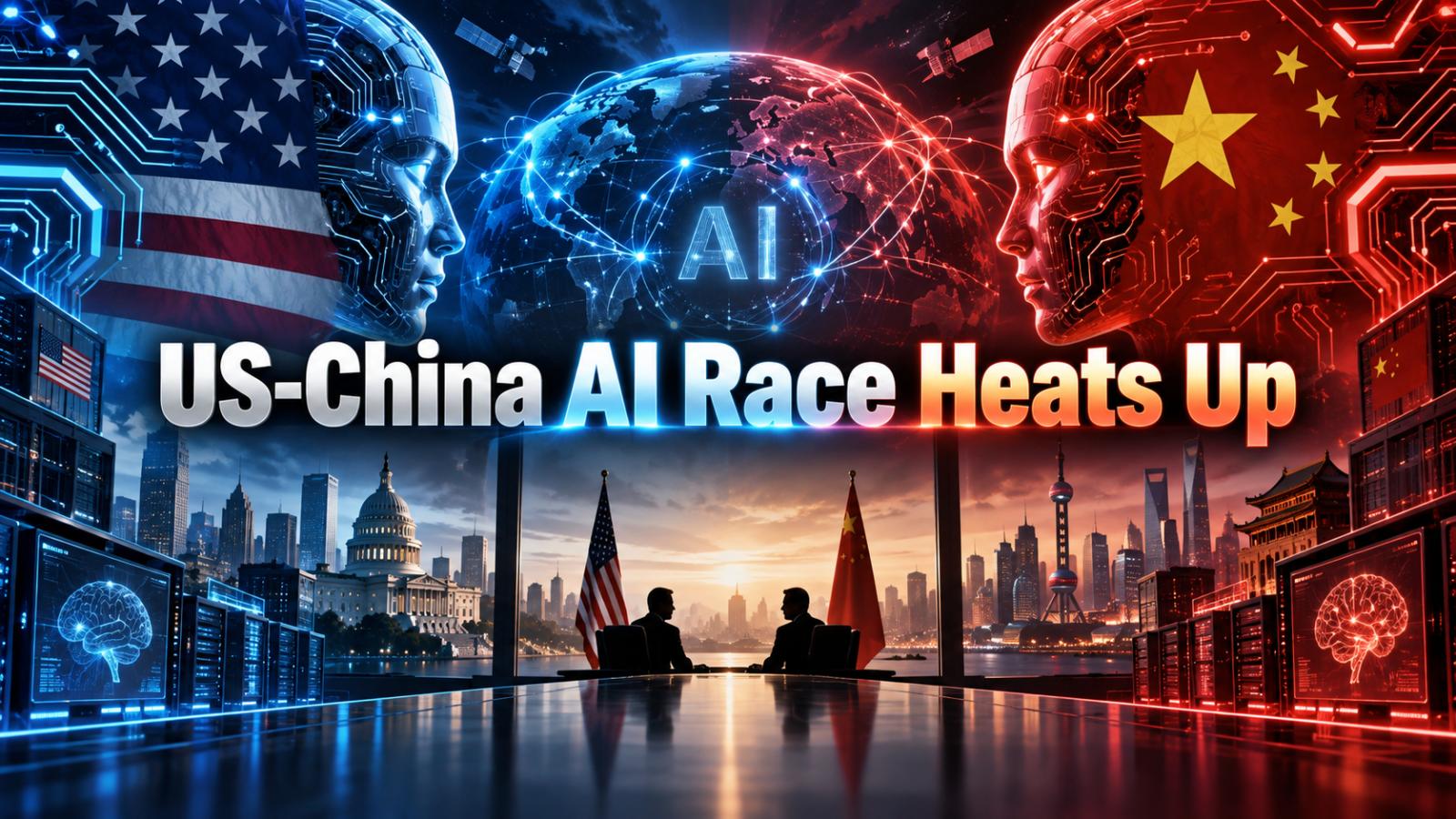
US President Donald Trump and Chinese President Xi Jinping are meeting in Beijing amid renewed efforts to prevent escalating tensions between the world’s two largest economies. The summit follows months of friction over tariffs, semiconductors, artificial intelligence, supply chains, and Taiwan, all of which have intensified competition between Washington and Beijing despite a temporary stabilisation agreement reached during the APEC summit in Busan, South Korea, in October 2025.
Trump and Xi Meet in Beijing Amid Rising US-China Trade Tensions
US President Donald Trump and Chinese President Xi Jinping are meeting in Beijing amid renewed efforts to prevent escalating tensions between the world’s two largest economies. The summit follows months of friction over tariffs, semiconductors, artificial intelligence, supply chains, and Taiwan, all of which have intensified competition between Washington and Beijing despite a temporary stabilisation agreement reached during the APEC summit in Busan, South Korea, in October 2025.
Trump Heads to Beijing as Iran-China Oil Trade Tests US Pressure
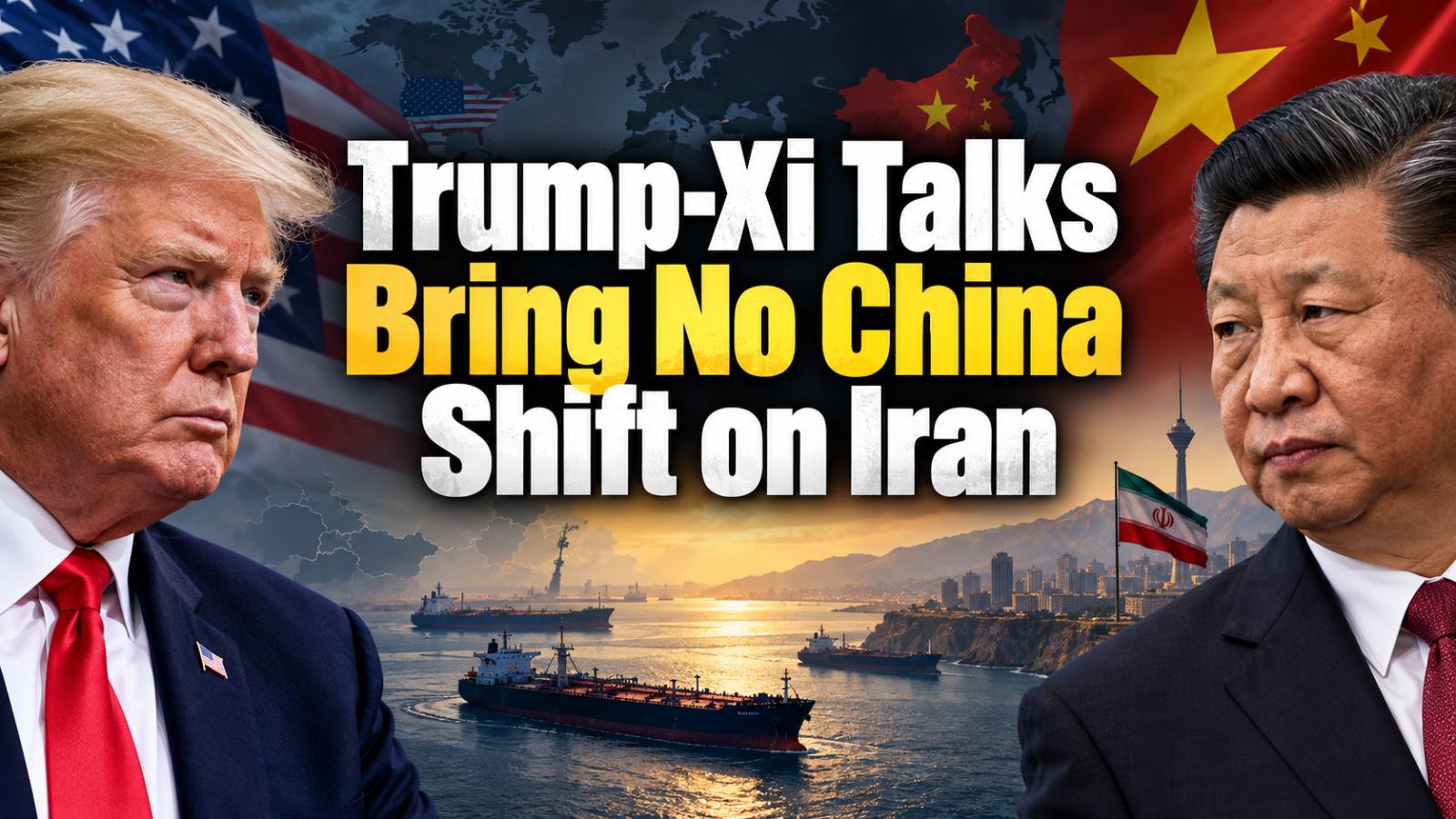
President Donald Trump is scheduled to arrive in Beijing on Wednesday, May 13, 2026, for high-level talks with Chinese President Xi Jinping as tensions over Iran, oil trade and regional stability continue to grow.
Trump Heads to Beijing as Iran-China Oil Trade Tests US Pressure
President Donald Trump is scheduled to arrive in Beijing on Wednesday, May 13, 2026, for high-level talks with Chinese President Xi Jinping as tensions over Iran, oil trade and regional stability continue to grow.
Trump-Xi meeting to focus on tariffs, Iran crisis and global stability
China on Monday confirmed that US President Donald Trump will visit Beijing from May 13 to May 15 for high-level talks with Chinese President Xi Jinping. The Trump China visit will be the first trip to China during Trump’s second term and is expected to focus on improving strained trade relations between the world’s two largest economies. The meeting comes at a time when global tensions, tariff disputes and concerns over economic stability continue to affect international markets and poli
Trump-Xi meeting to focus on tariffs, Iran crisis and global stability
China on Monday confirmed that US President Donald Trump will visit Beijing from May 13 to May 15 for high-level talks with Chinese President Xi Jinping. The Trump China visit will be the first trip to China during Trump’s second term and is expected to focus on improving strained trade relations between the world’s two largest economies. The meeting comes at a time when global tensions, tariff disputes and concerns over economic stability continue to affect international markets and poli
Xi Jinping urges Hormuz reopening: What it means for global oil and China’s strategy
The Xi Jinping Hormuz statement has drawn global attention as China’s leader called for the reopening of the critical Strait of Hormuz. The move comes amid rising tensions in the Middle East and highlights China’s delicate balancing act between strategic alliances and economic interests. What happened and why it matters On Monday, April 20, 2026, Chin
Xi Jinping urges Hormuz reopening: What it means for global oil and China’s strategy
The Xi Jinping Hormuz statement has drawn global attention as China’s leader called for the reopening of the critical Strait of Hormuz. The move comes amid rising tensions in the Middle East and highlights China’s delicate balancing act between strategic alliances and economic interests. What happened and why it matters On Monday, April 20, 2026, Chin
Trump warns China of 50% tariffs over alleged Iran military support
U.S. President Donald Trump on Sunday, April 12, 2026, warned that the United States could impose steep new tariffs on China if Beijing is found to be providing military assistance to Iran during the ongoing West As
Trump warns China of 50% tariffs over alleged Iran military support
U.S. President Donald Trump on Sunday, April 12, 2026, warned that the United States could impose steep new tariffs on China if Beijing is found to be providing military assistance to Iran during the ongoing West As
China signals support for India’s UNSC bid amid renewed diplomatic engagement
China has said it understands and respects India’s aspiration for permanent membership of the United Nations Security Council, marking a notable shift in tone as the two Asian powers work to stabilise relations after several years of tension. The statement came during high-level diplomatic talks in New Delhi and is being viewed as a cautious but significant gesture aimed at rebuilding trust between the neighbours. China’s Executive Vice Foreign Minister Ma Zhaoxu conveyed the po
China signals support for India’s UNSC bid amid renewed diplomatic engagement
China has said it understands and respects India’s aspiration for permanent membership of the United Nations Security Council, marking a notable shift in tone as the two Asian powers work to stabilise relations after several years of tension. The statement came during high-level diplomatic talks in New Delhi and is being viewed as a cautious but significant gesture aimed at rebuilding trust between the neighbours. China’s Executive Vice Foreign Minister Ma Zhaoxu conveyed the po
US and China leaders hold extensive talks on oil, agriculture, and Taiwan issues
US President Donald Trump held an extended telephone conversation with Chinese President Xi Jinping on Wednesday, engaging in wide-ranging discussions that touched on trade ties, energy cooperation, agricultural purchases, and several pressing geopolitical concerns, according to remarks shared by the American leader. Posting about the exchange on his social media platform, Trump described the dialogue as “excellent,” emphasizing that the call was both lengthy and substantive. He
US and China leaders hold extensive talks on oil, agriculture, and Taiwan issues
US President Donald Trump held an extended telephone conversation with Chinese President Xi Jinping on Wednesday, engaging in wide-ranging discussions that touched on trade ties, energy cooperation, agricultural purchases, and several pressing geopolitical concerns, according to remarks shared by the American leader. Posting about the exchange on his social media platform, Trump described the dialogue as “excellent,” emphasizing that the call was both lengthy and substantive. He
China seeks stronger yuan as Xi Jinping outlines push for global reserve currency
Amid continuing global economic uncertainty and renewed debate over the stability of major reserve currencies, Chinese President Xi Jinping has reiterated China’s ambition to build a “strong currency” and gradually elevate the yuan’s status in the global financial system. Xi said China aims to expand the use of the yuan in international trade, investment, and foreign exchange markets, underscoring a long-standing policy goal to strengthen the country’s financial influence worldwide. Xi’s remarks were outlined in a speech delivered in 2024 to senior provincial and ministerial officials and later published on Saturday in Qiushi, the Communist Party’s leading theoretical journal. The publication of excerpts from the address comes at a time of heightened volatility in global markets and growing scrutiny of the dominance of the US dollar, adding significance to Beijing’s renewed emphasis on currency strength and financial resilience. In the speech, Xi set out what he described as the essential characteristics of a global financial powerhouse. These included a solid economic foundation, world-leading technological and industrial capabilities, and a widely accepted and credible currency. He argued that currency strength was inseparable from broader national competitiveness and institutional capacity, noting that financial influence must be supported by real economic and technological power rather than short-term market movements. Xi also stressed the importance of a capable and independent central bank able to implement effective monetary policy and macroprudential management. He said globally competitive financial institutions, along with influential international financial centres, were necessary to attract global capital and exert pricing power in international markets. According to Xi, these elements must be matched with strong regulation, a reliable legal framework, and a deep pool of skilled financial professionals to ensure long-term stability and credibility. While acknowledging China’s scale in global finance, Xi noted that the country still faced structural limitations. He said China ranked among the world’s largest economies in terms of banking assets, foreign exchange reserves, and capital market size, but remained “big but not strong” overall. Transforming China into a true global financial powerhouse, he added, would be a gradual and long-term undertaking rather than an immediate achievement. Beijing has promoted the internationalisation of the yuan for more than a decade, with measurable progress in its use for cross-border trade settlement. The currency’s role in global markets, however, remains limited when compared with established reserve currencies. China’s Cross-Border Interbank Payment System currently clears an average of about 700 billion yuan, or roughly 100 billion US dollars, in transactions each day. This figure remains well below the nearly 2 trillion US dollars cleared daily through the dollar-based Clearing House Interbank Payments System. Yuan-denominated debt issuance in international markets also accounts for a small share of global activity, representing less than one percent of total issuance. These figures highlight the gap between China’s ambitions and the yuan’s current global footprint, despite steady domestic financial expansion. In recent months, the yuan has generally held firm against the US dollar, even amid trade tensions and uneven global growth. This stability contrasts with the sharper depreciation seen during former US President Donald Trump’s first term, when market observers speculated that Chinese authorities tolerated a weaker currency to offset the impact of tariffs. International investment banks continue to argue that the yuan remains below its long-term fair value, reflecting both policy controls and cautious foreign investor sentiment. The republication of Xi’s speech signals continuity in China’s financial strategy rather than a sudden shift. As global markets navigate uncertainty and reassess existing monetary structures, Beijing appears intent on steadily advancing its vision of a stronger yuan and a more influential role in the international financial system over the long term.
China seeks stronger yuan as Xi Jinping outlines push for global reserve currency
Amid continuing global economic uncertainty and renewed debate over the stability of major reserve currencies, Chinese President Xi Jinping has reiterated China’s ambition to build a “strong currency” and gradually elevate the yuan’s status in the global financial system. Xi said China aims to expand the use of the yuan in international trade, investment, and foreign exchange markets, underscoring a long-standing policy goal to strengthen the country’s financial influence worldwide. Xi’s remarks were outlined in a speech delivered in 2024 to senior provincial and ministerial officials and later published on Saturday in Qiushi, the Communist Party’s leading theoretical journal. The publication of excerpts from the address comes at a time of heightened volatility in global markets and growing scrutiny of the dominance of the US dollar, adding significance to Beijing’s renewed emphasis on currency strength and financial resilience. In the speech, Xi set out what he described as the essential characteristics of a global financial powerhouse. These included a solid economic foundation, world-leading technological and industrial capabilities, and a widely accepted and credible currency. He argued that currency strength was inseparable from broader national competitiveness and institutional capacity, noting that financial influence must be supported by real economic and technological power rather than short-term market movements. Xi also stressed the importance of a capable and independent central bank able to implement effective monetary policy and macroprudential management. He said globally competitive financial institutions, along with influential international financial centres, were necessary to attract global capital and exert pricing power in international markets. According to Xi, these elements must be matched with strong regulation, a reliable legal framework, and a deep pool of skilled financial professionals to ensure long-term stability and credibility. While acknowledging China’s scale in global finance, Xi noted that the country still faced structural limitations. He said China ranked among the world’s largest economies in terms of banking assets, foreign exchange reserves, and capital market size, but remained “big but not strong” overall. Transforming China into a true global financial powerhouse, he added, would be a gradual and long-term undertaking rather than an immediate achievement. Beijing has promoted the internationalisation of the yuan for more than a decade, with measurable progress in its use for cross-border trade settlement. The currency’s role in global markets, however, remains limited when compared with established reserve currencies. China’s Cross-Border Interbank Payment System currently clears an average of about 700 billion yuan, or roughly 100 billion US dollars, in transactions each day. This figure remains well below the nearly 2 trillion US dollars cleared daily through the dollar-based Clearing House Interbank Payments System. Yuan-denominated debt issuance in international markets also accounts for a small share of global activity, representing less than one percent of total issuance. These figures highlight the gap between China’s ambitions and the yuan’s current global footprint, despite steady domestic financial expansion. In recent months, the yuan has generally held firm against the US dollar, even amid trade tensions and uneven global growth. This stability contrasts with the sharper depreciation seen during former US President Donald Trump’s first term, when market observers speculated that Chinese authorities tolerated a weaker currency to offset the impact of tariffs. International investment banks continue to argue that the yuan remains below its long-term fair value, reflecting both policy controls and cautious foreign investor sentiment. The republication of Xi’s speech signals continuity in China’s financial strategy rather than a sudden shift. As global markets navigate uncertainty and reassess existing monetary structures, Beijing appears intent on steadily advancing its vision of a stronger yuan and a more influential role in the international financial system over the long term.
China and Canada cut tariffs and signal reset in bilateral relations after Beijing talks
China and Canada have announced a significant reduction in tariffs and signalled a broader reset in their bilateral relationship following high-level talks in Beijing, marking a notable shift after years of strained diplomatic and trade ties. The agreement was confirmed after a meeting on Friday between Chinese President Xi Jinping and Canadian Prime Minister Mark Carney, the first Canadian leader to visit China in nearly a decade. Under the deal, China is expected to reduce tariffs on Canad
China and Canada cut tariffs and signal reset in bilateral relations after Beijing talks
China and Canada have announced a significant reduction in tariffs and signalled a broader reset in their bilateral relationship following high-level talks in Beijing, marking a notable shift after years of strained diplomatic and trade ties. The agreement was confirmed after a meeting on Friday between Chinese President Xi Jinping and Canadian Prime Minister Mark Carney, the first Canadian leader to visit China in nearly a decade. Under the deal, China is expected to reduce tariffs on Canad
Xi renews vow to reunify Taiwan after China’s largest military drills of the year
Chinese President Xi Jinping used his annual New Year’s Eve address to reaffirm Beijing’s long-standing position on Taiwan, declaring that reunification with the self-governing island was inevitable. Speaking in Beijing on Wednesday, Xi said that bringing Taiwan under China’s control was “a trend of the times” that could not be stopped, reiterating a pledge that has become a central pillar of his leadership. The speech came just one day after the conclusion of large-scale
Xi renews vow to reunify Taiwan after China’s largest military drills of the year
Chinese President Xi Jinping used his annual New Year’s Eve address to reaffirm Beijing’s long-standing position on Taiwan, declaring that reunification with the self-governing island was inevitable. Speaking in Beijing on Wednesday, Xi said that bringing Taiwan under China’s control was “a trend of the times” that could not be stopped, reiterating a pledge that has become a central pillar of his leadership. The speech came just one day after the conclusion of large-scale
China suspends extra US tariffs for one year after Xi-Trump meeting
In a major development for global trade, China has announced that it will suspend an additional 24 percent tariff on United States goods for a period of one year, while maintaining a 10 percent levy on imports from the US. The announcement, made by the State Council Tariff Commission, signals a cautious step by Beijing toward easing long-standing trade tensions with Washington. The suspension is effective immediately and will remain in place for twelve months. The decision follows a
China suspends extra US tariffs for one year after Xi-Trump meeting
In a major development for global trade, China has announced that it will suspend an additional 24 percent tariff on United States goods for a period of one year, while maintaining a 10 percent levy on imports from the US. The announcement, made by the State Council Tariff Commission, signals a cautious step by Beijing toward easing long-standing trade tensions with Washington. The suspension is effective immediately and will remain in place for twelve months. The decision follows a