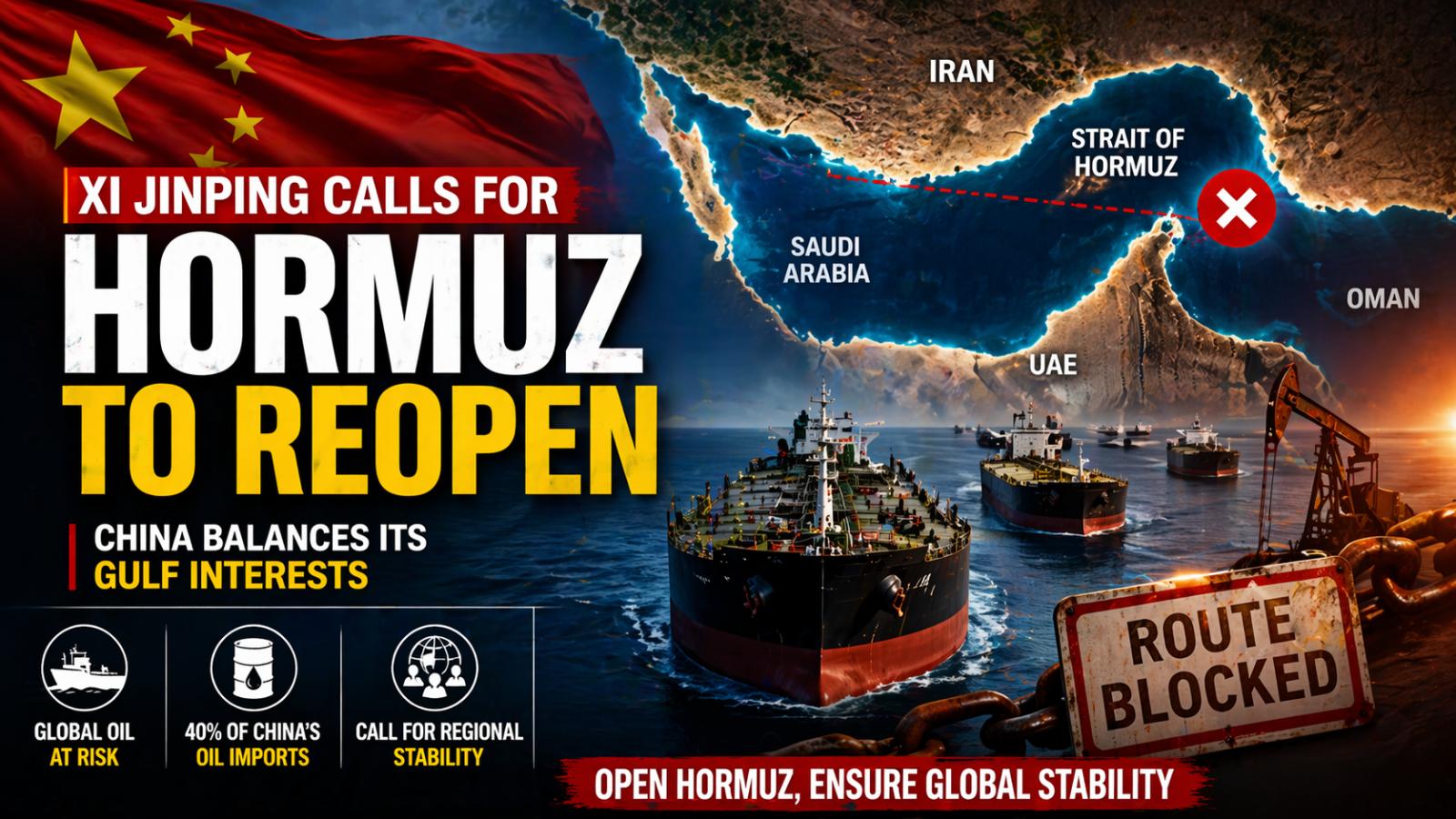
The Xi Jinping Hormuz statement has drawn global attention as China’s leader called for the reopening of the critical Strait of Hormuz. The move comes amid rising tensions in the Middle East and highlights China’s delicate balancing act between strategic alliances and economic interests.
What happened and why it matters
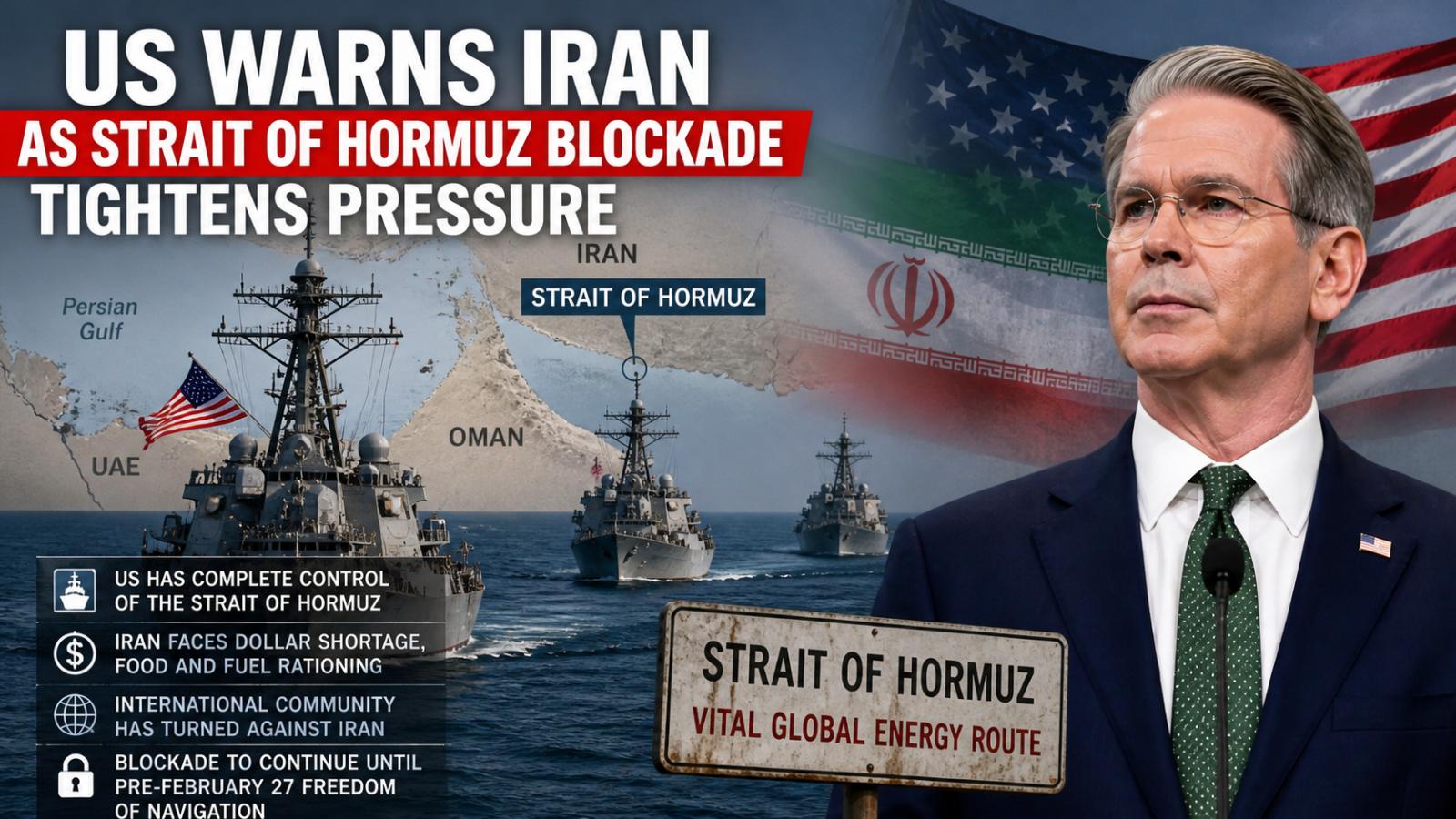
On Monday, April 20, 2026, Chinese President Xi Jinping urged that the Strait of Hormuz remain open for normal navigation during a call with Saudi Crown Prince Mohammed bin Salman. His statement marked the first time China publicly addressed the closure of the waterway since Iran restricted access following recent US-Israeli military actions. Xi emphasized that keeping the strait open is in the shared interest of regional countries and the global community. The statement signals China’s concern over disruptions in one of the world’s most important shipping routes. The Strait of Hormuz is a key passage for global oil shipments, making its closure a major geopolitical and economic issue.
Why this matters globally
The Strait of Hormuz handles a significant portion of the world’s oil supply. Any disruption in this route can immediately affect global energy markets, pushing oil prices higher and creating economic instability. China, as one of the largest importers of oil, is particularly vulnerable. Nearly 40 percent of its oil imports pass through this route, making uninterrupted access crucial for its economy. A prolonged closure could impact industries worldwide, increase fuel costs, and slow economic growth across multiple regions.
Key details and background
Xi Jinping’s statement reflects China’s complex position in the Middle East. While Iran remains a key strategic partner, China also maintains strong economic ties with Gulf nations such as Saudi Arabia and the United Arab Emirates. In recent years, China has attempted to position itself as a neutral mediator in regional conflicts. In 2023, Beijing played a role in restoring diplomatic relations between Iran and Saudi Arabia, strengthening its influence in the region. Experts believe Xi’s message is not only directed at global audiences but also subtly aimed at Iran, signaling the need to avoid further escalation. China’s leadership is also concerned about the broader impact of geopolitical tensions on global trade, which is central to its economic growth.
What happens next
Looking ahead, the situation remains uncertain. Both Iran and Saudi Arabia have expressed interest in China playing a larger role in mediation, but it is unclear whether Beijing will take on a more active position. If tensions continue, the Strait of Hormuz could remain a flashpoint, affecting global markets and political stability. However, diplomatic efforts may help ease the situation if all parties agree to de-escalate. China is likely to continue pushing for stability while avoiding direct involvement in military or political conflicts.
Expert insight
From a broader perspective, China’s stance highlights its growing role as a global economic power that prioritizes stability over confrontation. By calling for the reopening of the Strait of Hormuz, Beijing is protecting its economic interests while maintaining diplomatic neutrality. This approach reflects a shift in global geopolitics, where economic influence increasingly shapes international relations. In conclusion, the Xi Jinping Hormuz statement underscores the importance of keeping global trade routes open amid rising tensions. As China navigates its relationships in the Middle East, its call for stability may play a key role in shaping the region’s future. The coming weeks will determine whether diplomatic efforts succeed or if tensions continue to disrupt one of the world’s most critical energy corridors.