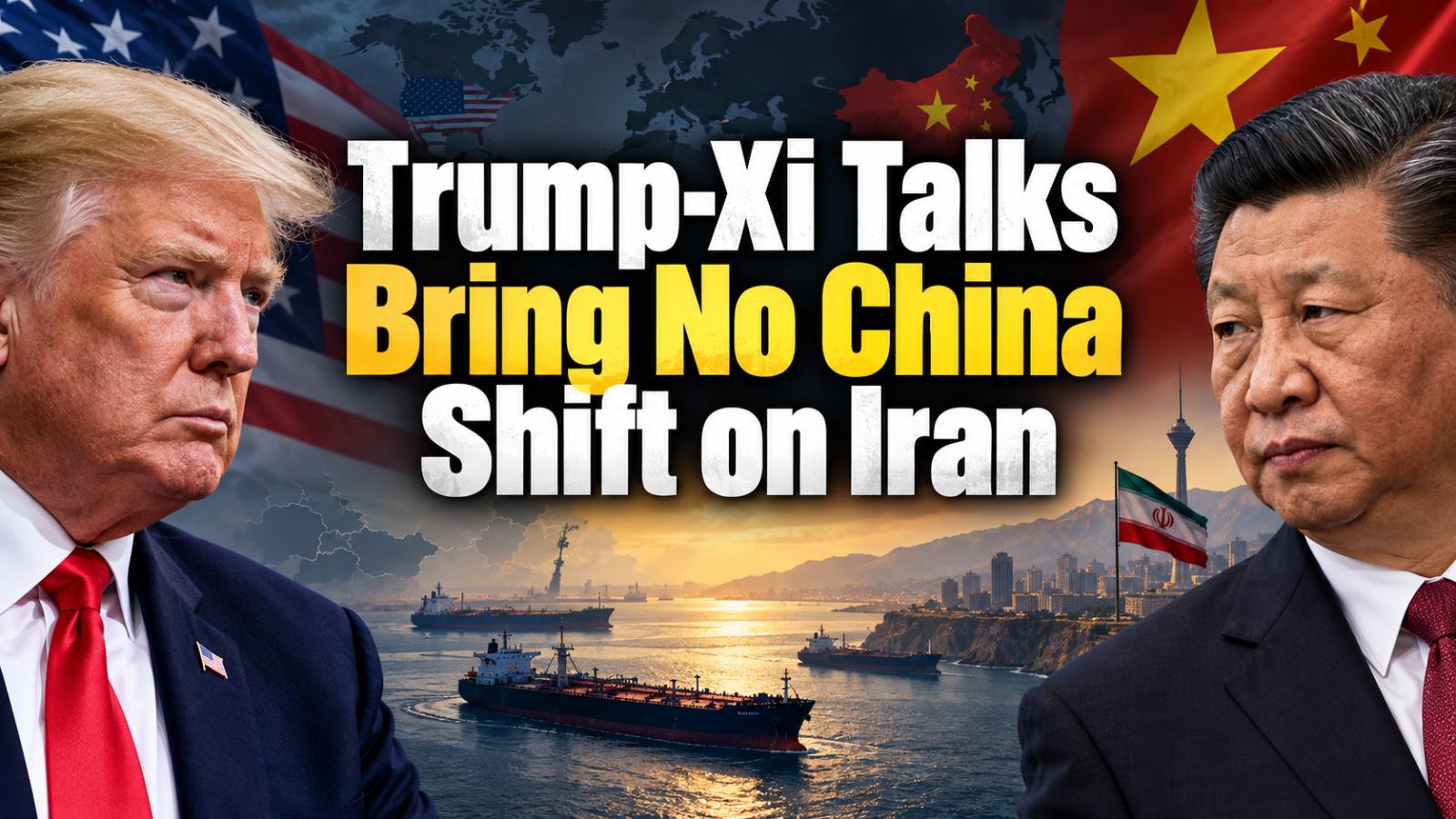
Trump Xi Iran talks have again highlighted the limits of Washington’s ability to secure Chinese cooperation over Tehran. The September summit produced agreement on Iran’s nuclear program and international waterways, but no public Chinese commitment to halt oil trade, impose economic pressure or change Beijing’s broader Iran policy.
China Iran
President Donald Trump and Chinese President Xi Jinping met in Washington during Xi’s Se
Trump Xi Iran talks have again highlighted the limits of Washington’s ability to secure Chinese cooperation over Tehran. The September summit produced agreement on Iran’s nuclear program and international waterways, but no public Chinese commitment to halt oil trade, impose economic pressure or change Beijing’s broader Iran policy.
China Iran
President Donald Trump and Chinese President Xi Jinping met in Washington during Xi’s Se
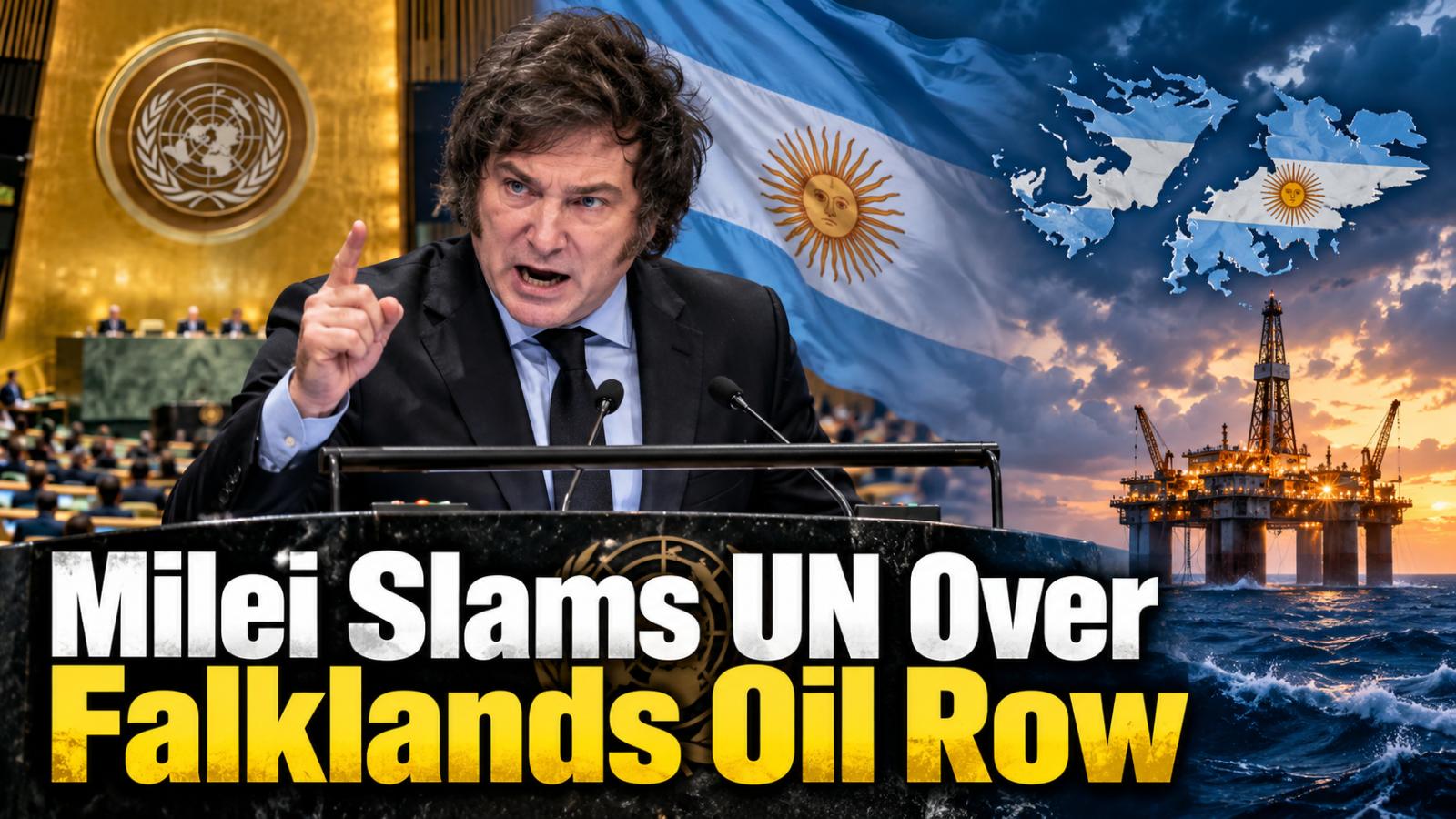
Argentine President Javier Milei has sharply criticised the United Nations over the Falkland Islands sovereignty dispute, accusing the organisation of failing to enforce its own resolutions as Buenos Aires increases pressure on companies involved in offshore oil development near the islands.
Speaking at the UN General Assembly in New York on September 23, Milei said Argentina would no longer simply wait for international institutions to act. He argued that t
Argentine President Javier Milei has sharply criticised the United Nations over the Falkland Islands sovereignty dispute, accusing the organisation of failing to enforce its own resolutions as Buenos Aires increases pressure on companies involved in offshore oil development near the islands.
Speaking at the UN General Assembly in New York on September 23, Milei said Argentina would no longer simply wait for international institutions to act. He argued that t
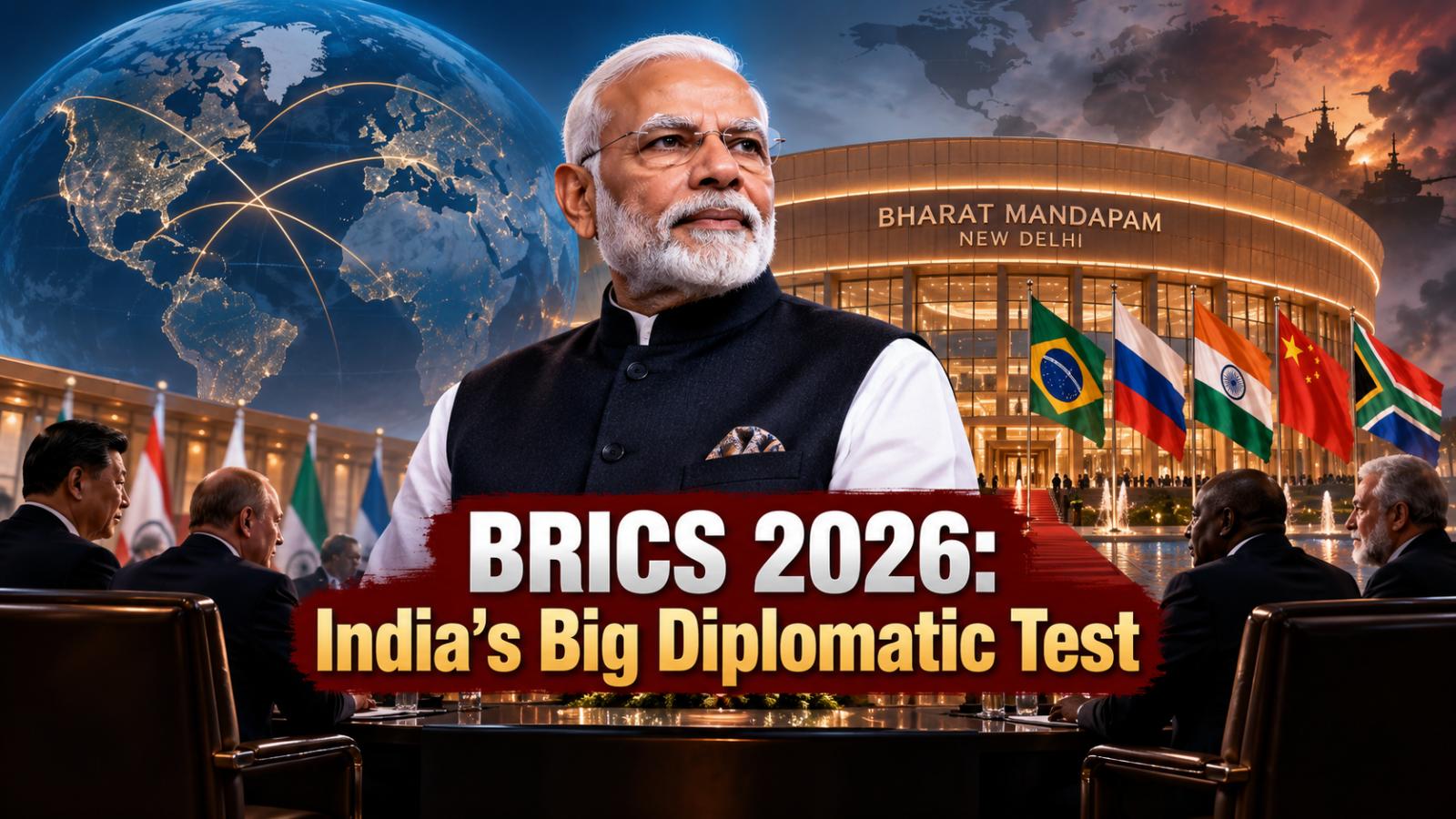
BRICS Summit 2026 arrives at a moment of unusual geopolitical pressure, placing India's chairmanship under a global spotlight. Wars, tariff threats, energy risks and India-China tensions will test New Delhi's ability to preserve BRICS unity while protecting strategic autonomy.
SCO 2026 Sets the Stage for BRICS
India will host the 18th BRICS Summit at Bharat Mandapam in New Delhi on September 12
BRICS Summit 2026 arrives at a moment of unusual geopolitical pressure, placing India's chairmanship under a global spotlight. Wars, tariff threats, energy risks and India-China tensions will test New Delhi's ability to preserve BRICS unity while protecting strategic autonomy.
SCO 2026 Sets the Stage for BRICS
India will host the 18th BRICS Summit at Bharat Mandapam in New Delhi on September 12
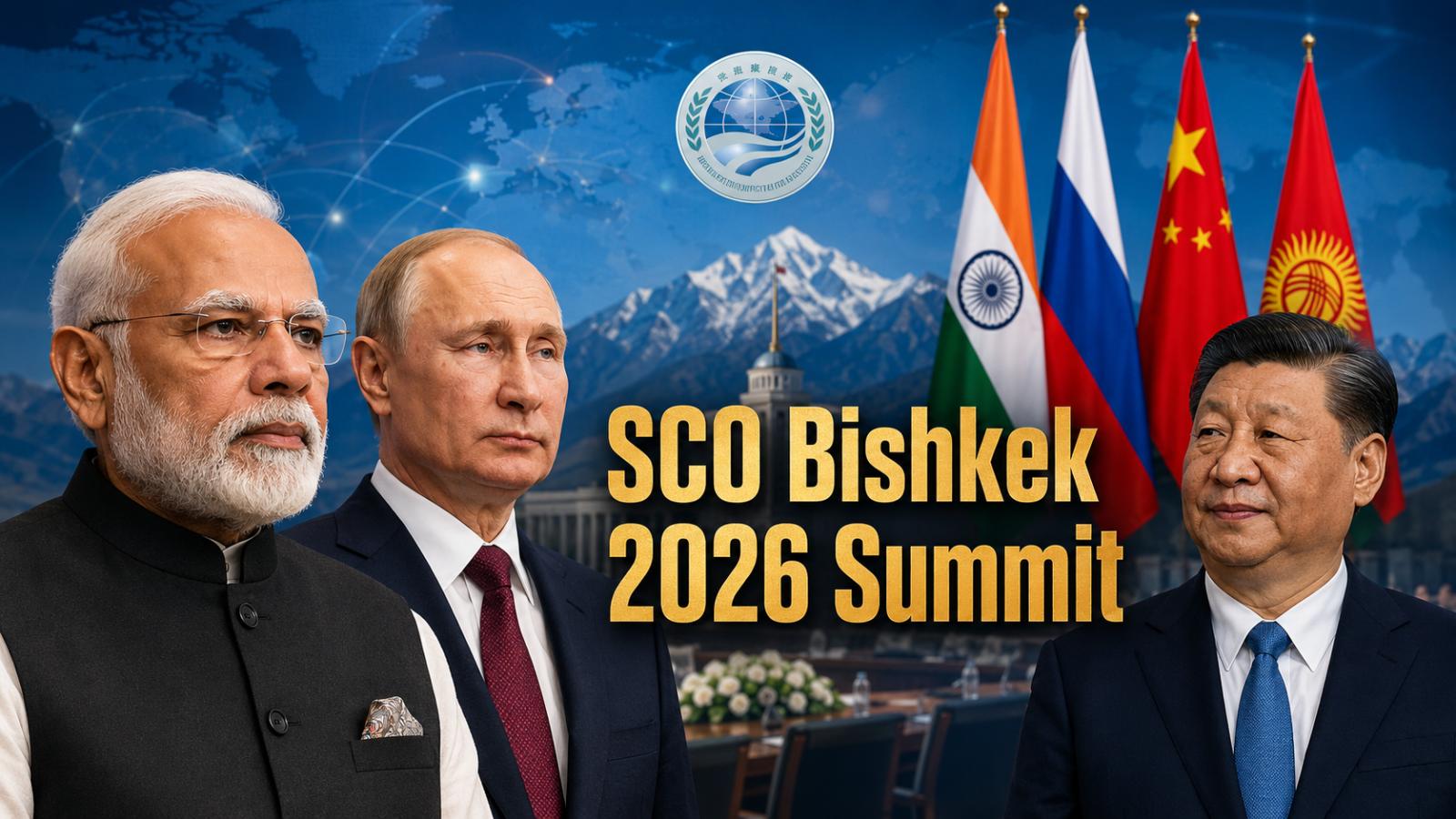
The SCO Bishkek 2026 summit will bring Prime Minister Narendra Modi, Russian President Vladimir Putin, Chinese President Xi Jinping and other leaders to Kyrgyzstan as the organisation marks its 25th anniversary. Modi-Putin talks and wider regional security issues are expected to draw particular attention.
Bishkek Summit
The Shanghai Cooperation Organisation will hold its Council of Heads of Sta
The SCO Bishkek 2026 summit will bring Prime Minister Narendra Modi, Russian President Vladimir Putin, Chinese President Xi Jinping and other leaders to Kyrgyzstan as the organisation marks its 25th anniversary. Modi-Putin talks and wider regional security issues are expected to draw particular attention.
Bishkek Summit
The Shanghai Cooperation Organisation will hold its Council of Heads of Sta
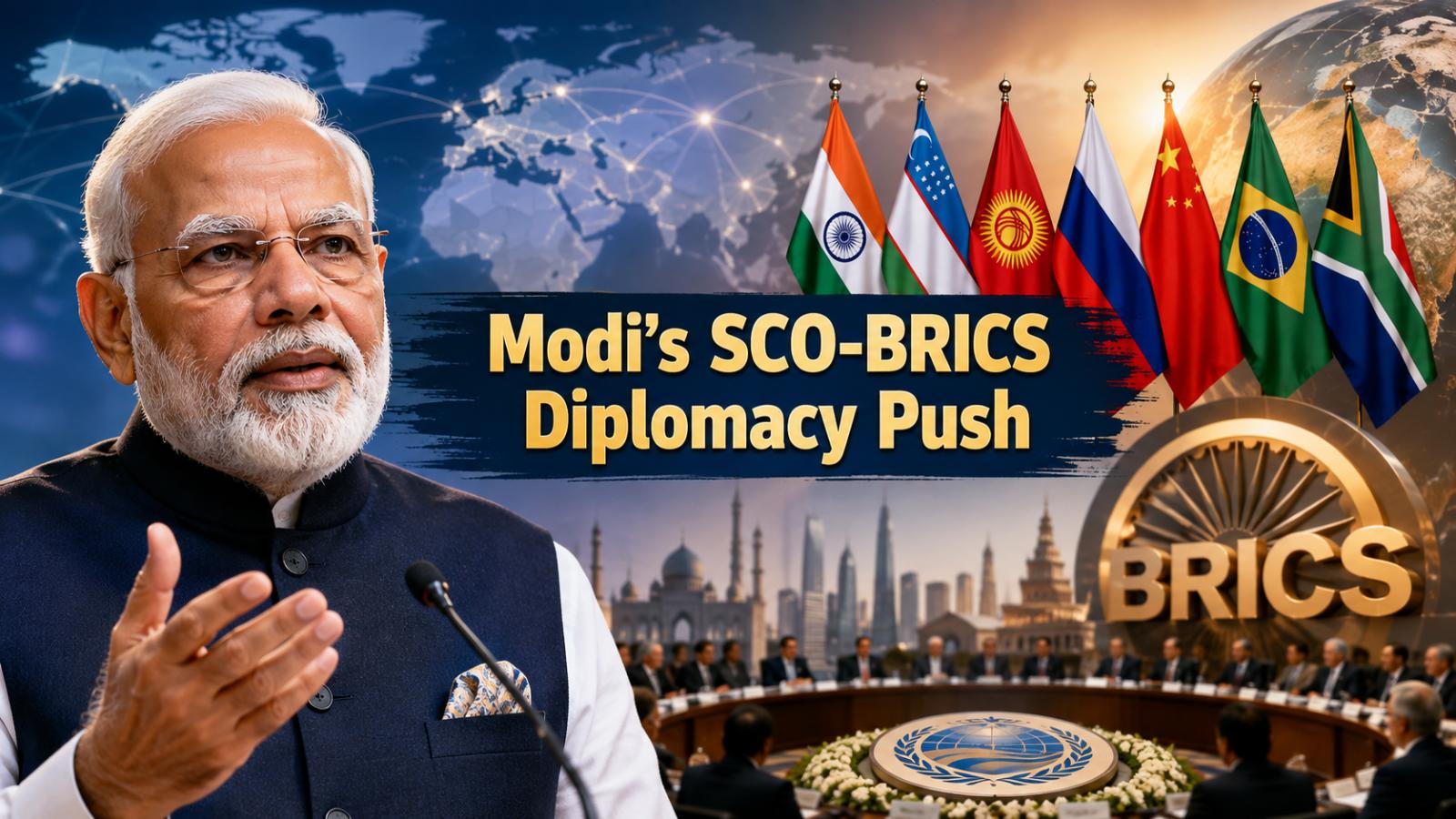
Prime Minister Narendra Modi is beginning a significant diplomatic stretch with visits to Uzbekistan and Kyrgyzstan ahead of India's BRICS Summit in September. The Modi SCO BRICS diplomacy agenda places security, connectivity, bilateral relations and wider Global South cooperation at the centre of India's engagement.
Modi Tashkent Visit
Prime Minister Modi will visit Tashkent on August 29 and 3
Prime Minister Narendra Modi is beginning a significant diplomatic stretch with visits to Uzbekistan and Kyrgyzstan ahead of India's BRICS Summit in September. The Modi SCO BRICS diplomacy agenda places security, connectivity, bilateral relations and wider Global South cooperation at the centre of India's engagement.
Modi Tashkent Visit
Prime Minister Modi will visit Tashkent on August 29 and 3
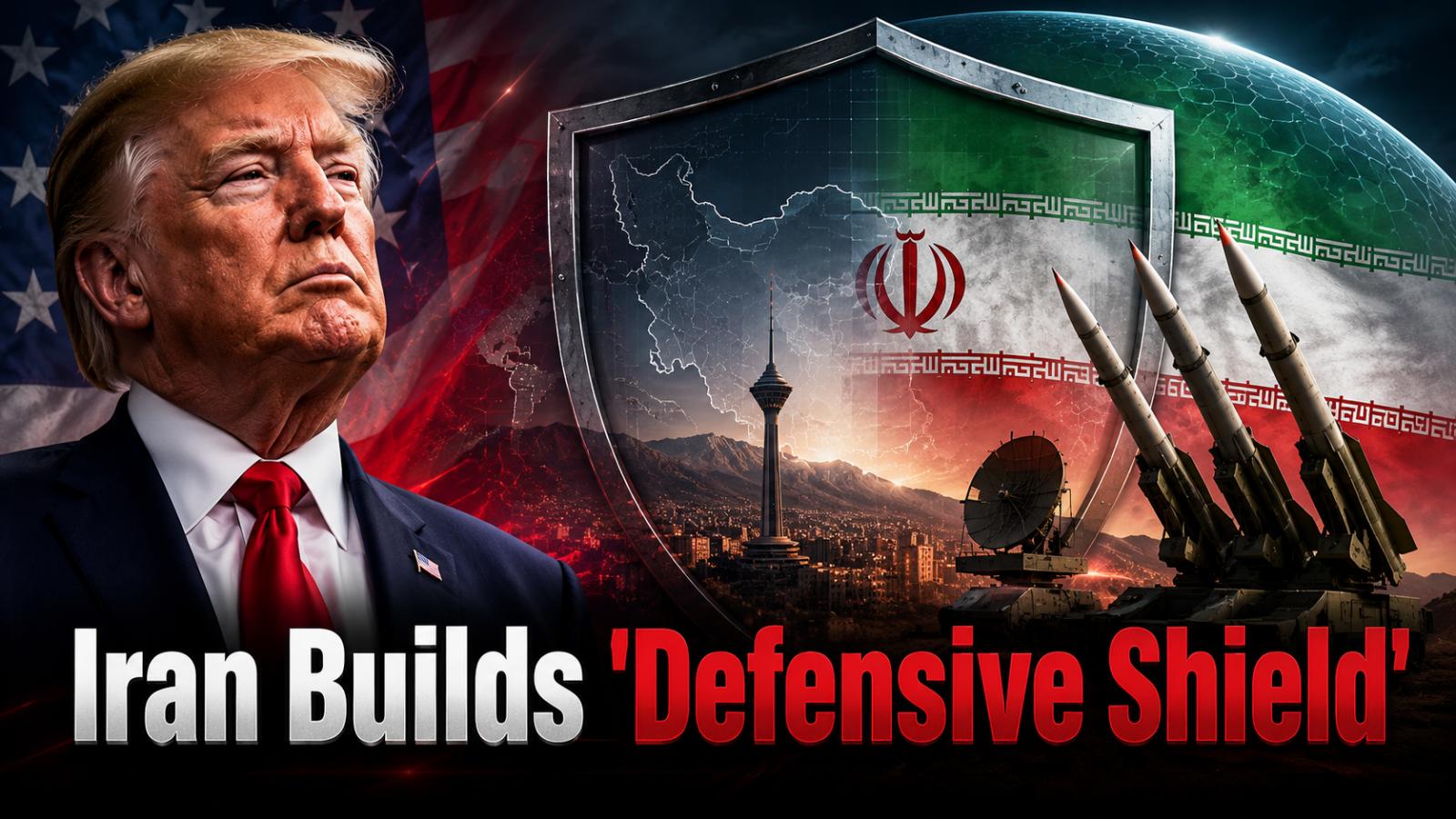
Iran has sharpened its defence rhetoric as pressure from Washington intensifies, with Islamic Revolutionary Guard Corps chief Ahmad Vahidi saying the country has built a “solid defensive shield” against external threats. His remarks come as President Donald Trump expands economic pressure on Tehran.
Vahidi plan
In a message marking National Defence Industry Day, Vahidi said Iran was confron
Iran has sharpened its defence rhetoric as pressure from Washington intensifies, with Islamic Revolutionary Guard Corps chief Ahmad Vahidi saying the country has built a “solid defensive shield” against external threats. His remarks come as President Donald Trump expands economic pressure on Tehran.
Vahidi plan
In a message marking National Defence Industry Day, Vahidi said Iran was confron
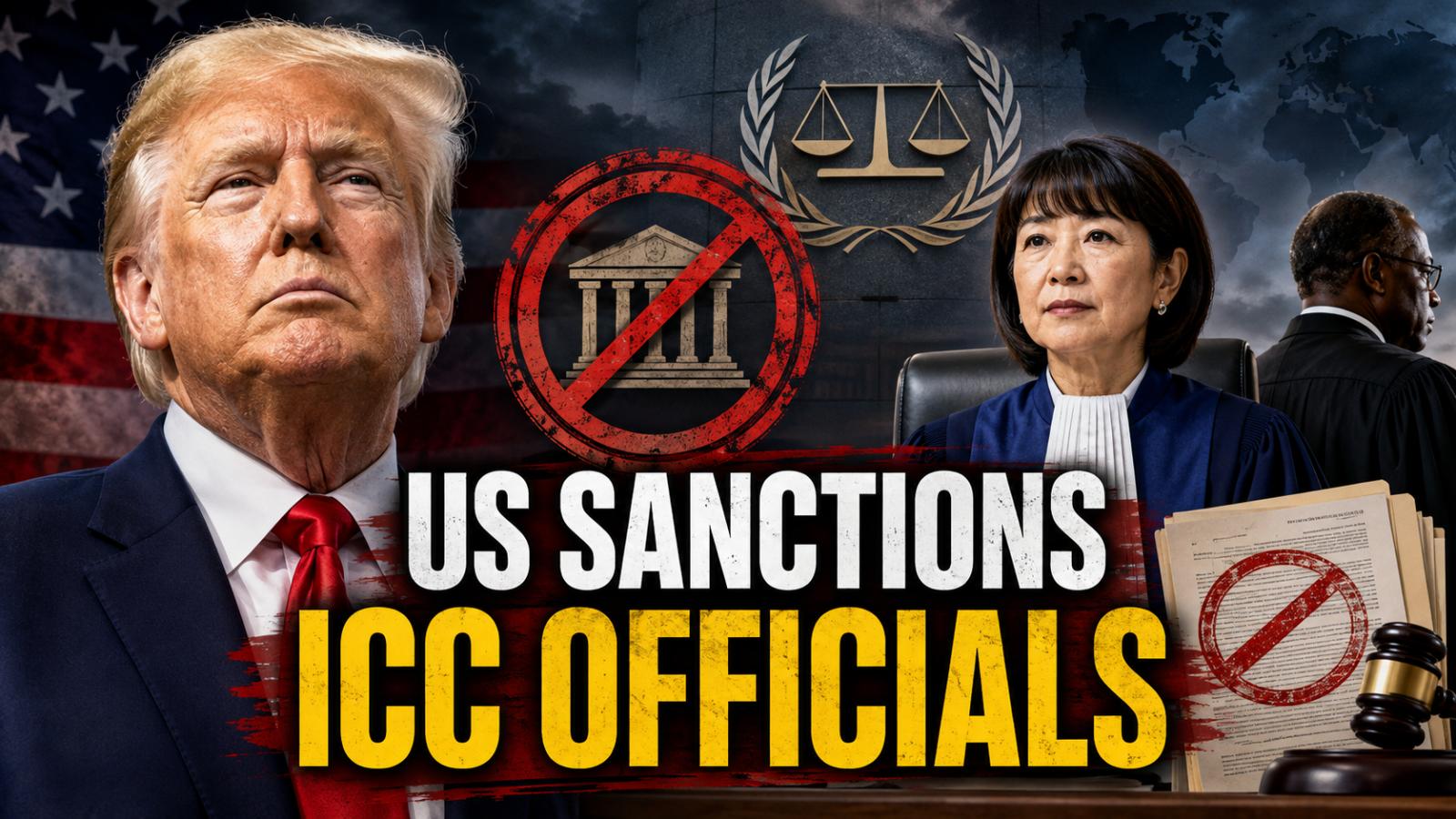
US ICC sanctions have intensified Washington's dispute with the International Criminal Court. The Trump administration has designated ICC President Tomoko Akane and senior trial lawyer Abdoulaye Seye, escalating the ICC jurisdiction row and its campaign over national sovereignty.
US ICC sanctions
The United States announced sanctions against two senior International Criminal Court officials on
US ICC sanctions have intensified Washington's dispute with the International Criminal Court. The Trump administration has designated ICC President Tomoko Akane and senior trial lawyer Abdoulaye Seye, escalating the ICC jurisdiction row and its campaign over national sovereignty.
US ICC sanctions
The United States announced sanctions against two senior International Criminal Court officials on
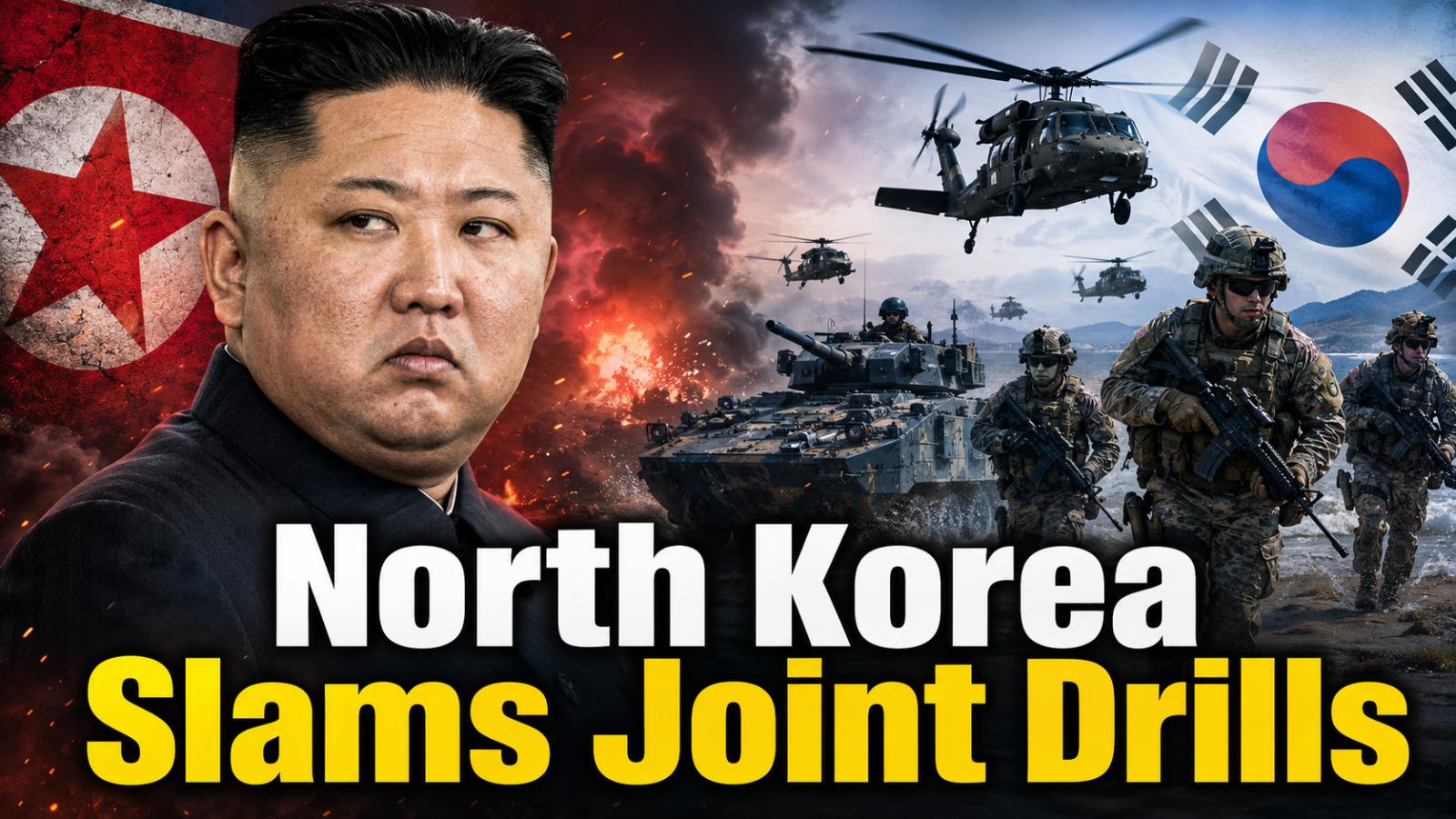
North Korea has sharply criticized the latest US-South Korea military drills, calling them an open threat to its security even after President Donald Trump ordered a reduction in their scale. The response from Pyongyang shows that the deeper dispute on the Korean Peninsula remains unchanged, with mistrust still shaping every military and diplomatic move.
Trump drill cut
Pyongyang’s reaction c
North Korea has sharply criticized the latest US-South Korea military drills, calling them an open threat to its security even after President Donald Trump ordered a reduction in their scale. The response from Pyongyang shows that the deeper dispute on the Korean Peninsula remains unchanged, with mistrust still shaping every military and diplomatic move.
Trump drill cut
Pyongyang’s reaction c
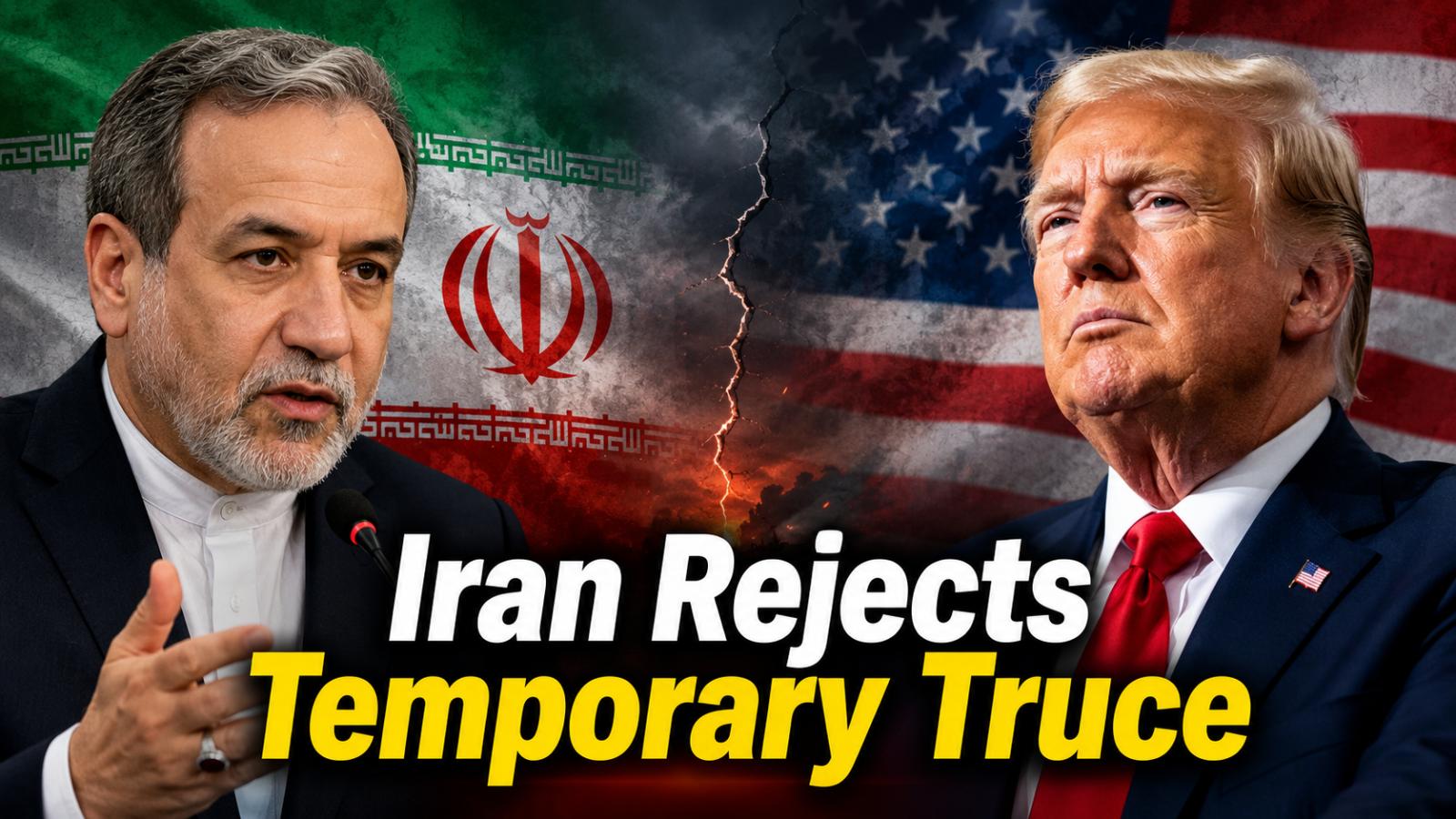
Iran is demanding a permanent end to its conflict with the United States rather than another temporary ceasefire. Foreign Minister Abbas Araghchi says Tehran wants lasting guarantees, even as the US-Iran deal stalls, Trump Iran talks remain off the table and Gulf security concerns grow.
Iran permanent peace
Iranian Foreign Minister Abbas Araghchi has rejected the idea of another temporary truce
Iran is demanding a permanent end to its conflict with the United States rather than another temporary ceasefire. Foreign Minister Abbas Araghchi says Tehran wants lasting guarantees, even as the US-Iran deal stalls, Trump Iran talks remain off the table and Gulf security concerns grow.
Iran permanent peace
Iranian Foreign Minister Abbas Araghchi has rejected the idea of another temporary truce
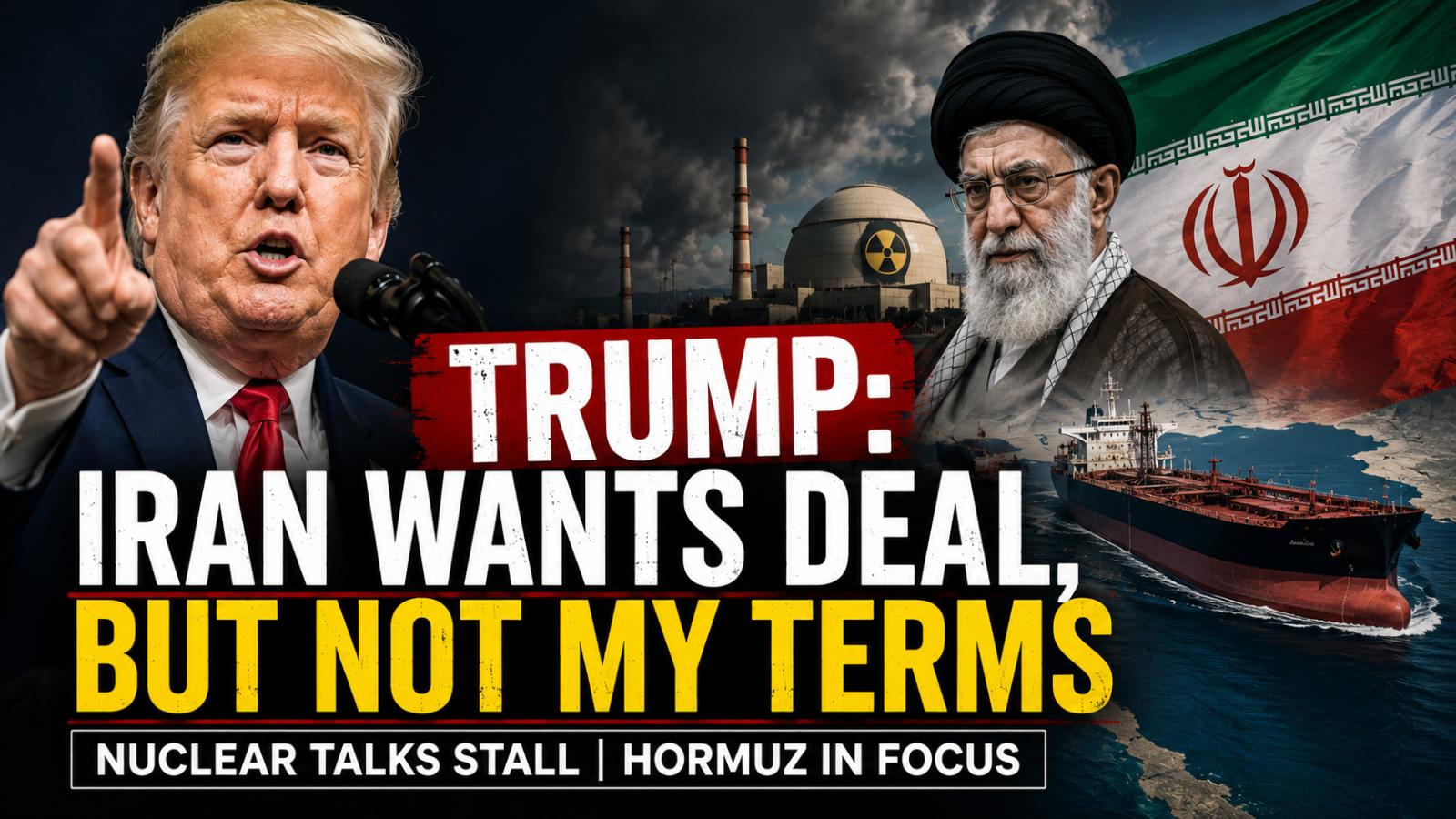
President Donald Trump says Iran wants an agreement with the United States, but the Trump Iran deal remains out of reach because Tehran is not prepared to accept the terms Washington considers necessary. His comments come as Iran nuclear talks remain stalled and tensions around the Strait of Hormuz continue.
Iran nuclear talks remain stalled
Speaking to reporters in the Oval Office on Monday, T
President Donald Trump says Iran wants an agreement with the United States, but the Trump Iran deal remains out of reach because Tehran is not prepared to accept the terms Washington considers necessary. His comments come as Iran nuclear talks remain stalled and tensions around the Strait of Hormuz continue.
Iran nuclear talks remain stalled
Speaking to reporters in the Oval Office on Monday, T
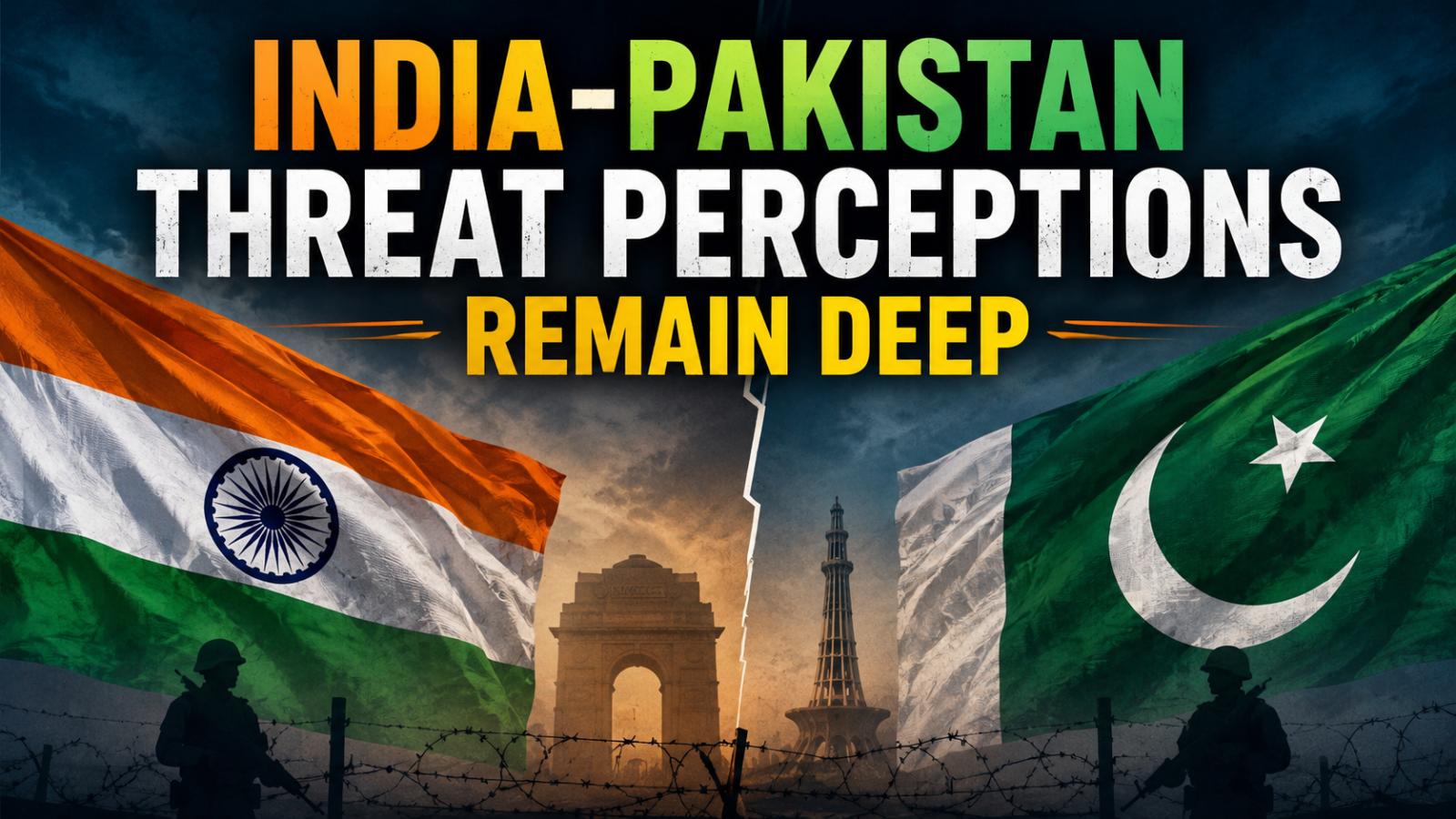
A new Pew Research Center survey shows the India-Pakistan threat perception remains deeply rooted. Rivalry, China’s role, Russia ties, mistrust and public opinion reveal how decades of tension continue to shape South Asia despite major changes in the global order.
Rivalry
India and Pakistan continue to see each other as their biggest geopolitical threat nearly eight decades after Partition. A
A new Pew Research Center survey shows the India-Pakistan threat perception remains deeply rooted. Rivalry, China’s role, Russia ties, mistrust and public opinion reveal how decades of tension continue to shape South Asia despite major changes in the global order.
Rivalry
India and Pakistan continue to see each other as their biggest geopolitical threat nearly eight decades after Partition. A
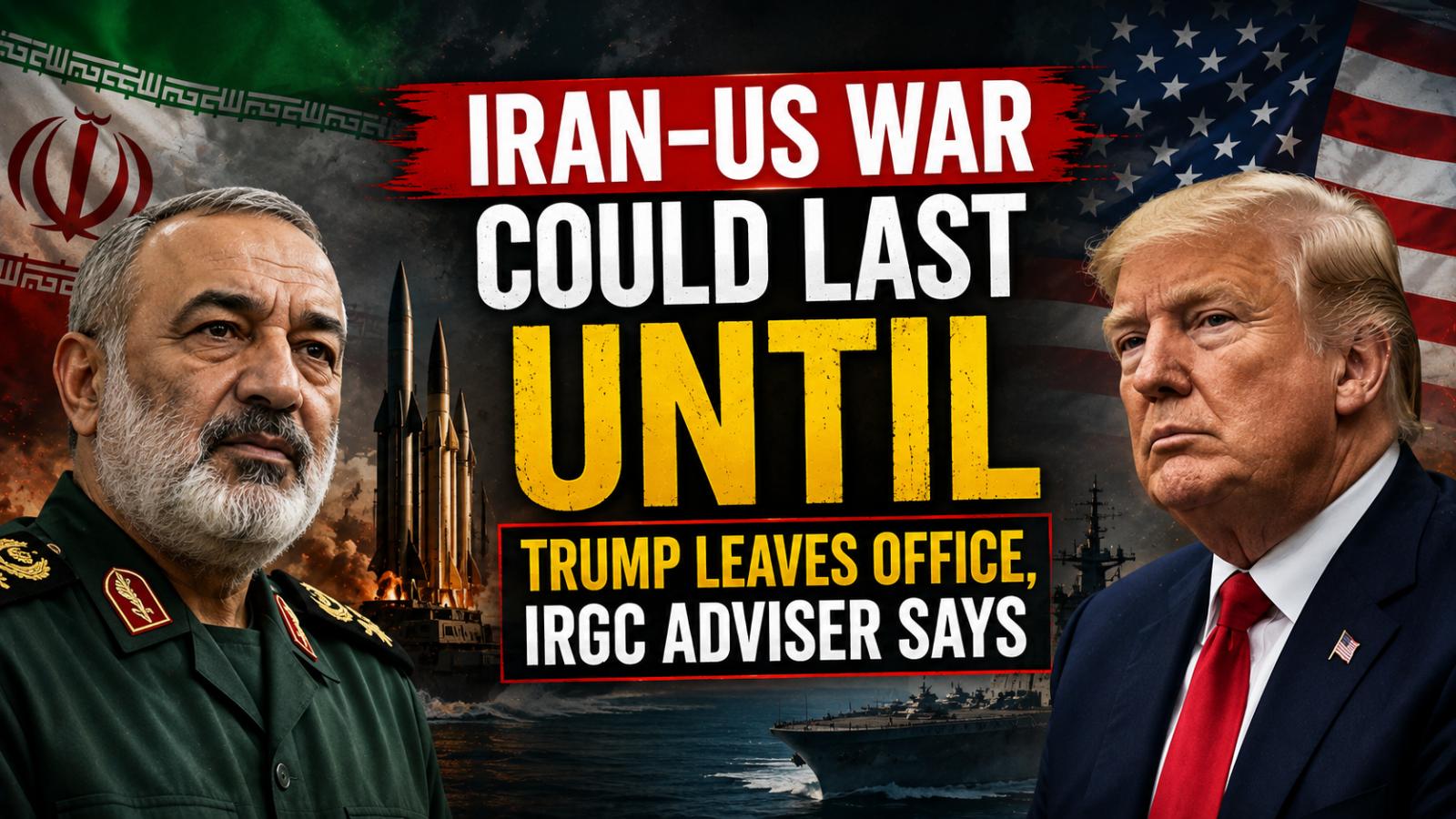
A senior adviser to Iran's Islamic Revolutionary Guard Corps has suggested Tehran could prolong the Iran-US war until President Donald Trump leaves office, framing a lengthy conflict as a strategy to impose costs on Washington and strengthen Iranian deterrence. Mohammad Reza Naqdi made the remarks during an interview with PBS.
IRGC adviser outlines war attriti
A senior adviser to Iran's Islamic Revolutionary Guard Corps has suggested Tehran could prolong the Iran-US war until President Donald Trump leaves office, framing a lengthy conflict as a strategy to impose costs on Washington and strengthen Iranian deterrence. Mohammad Reza Naqdi made the remarks during an interview with PBS.
IRGC adviser outlines war attriti
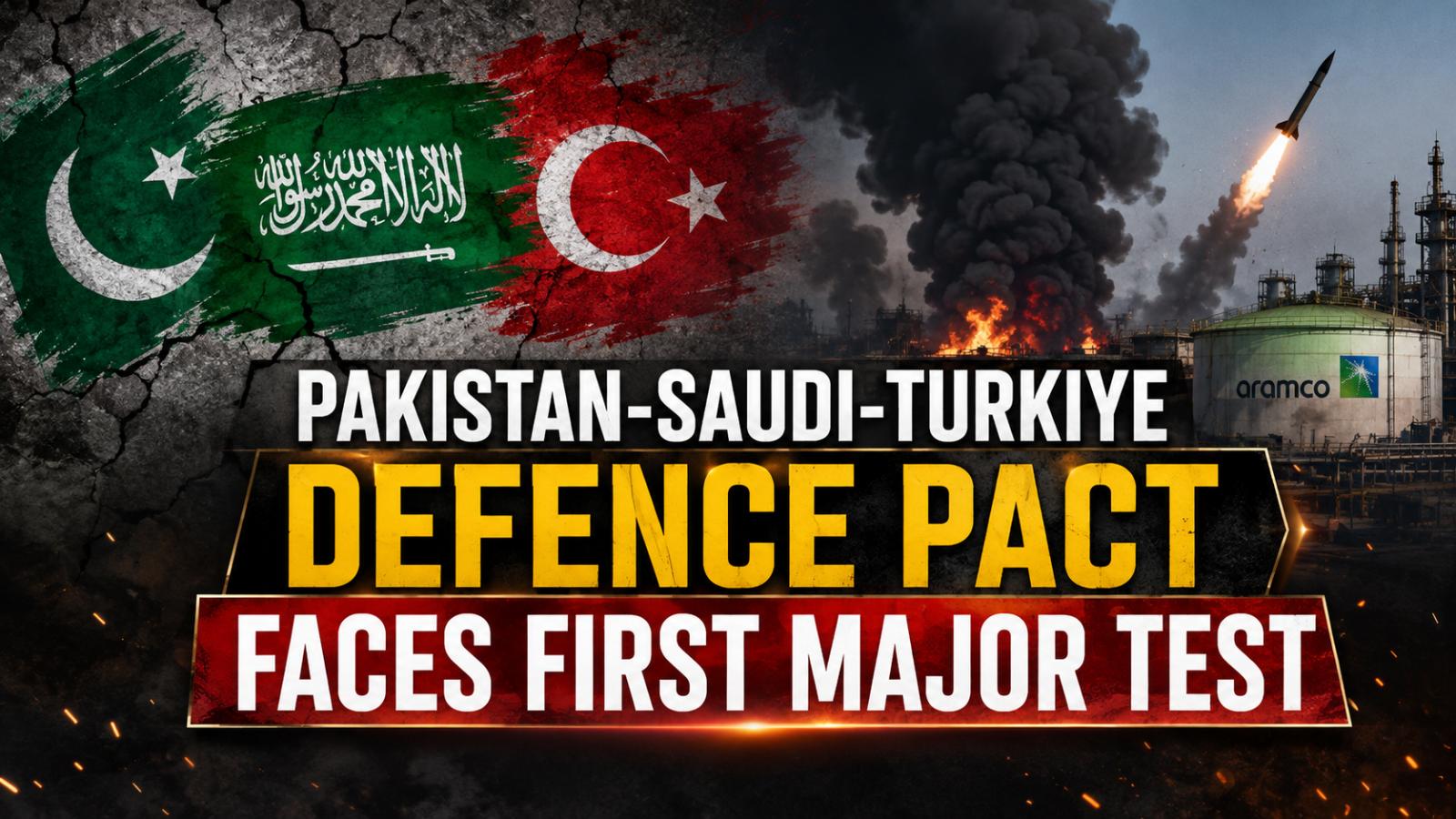
The Pakistan Saudi Turkiye defence pact is facing scrutiny only days after its signing in Makkah. A Houthi strike on a Saudi Aramco facility has raised an immediate question: what does the agreement's collective-defence commitment require when one member comes under attack? The answer is more complicated than simply expecting Pakistan or Turkiye to enter a war.
The Pakistan Saudi Turkiye defence pact is facing scrutiny only days after its signing in Makkah. A Houthi strike on a Saudi Aramco facility has raised an immediate question: what does the agreement's collective-defence commitment require when one member comes under attack? The answer is more complicated than simply expecting Pakistan or Turkiye to enter a war.
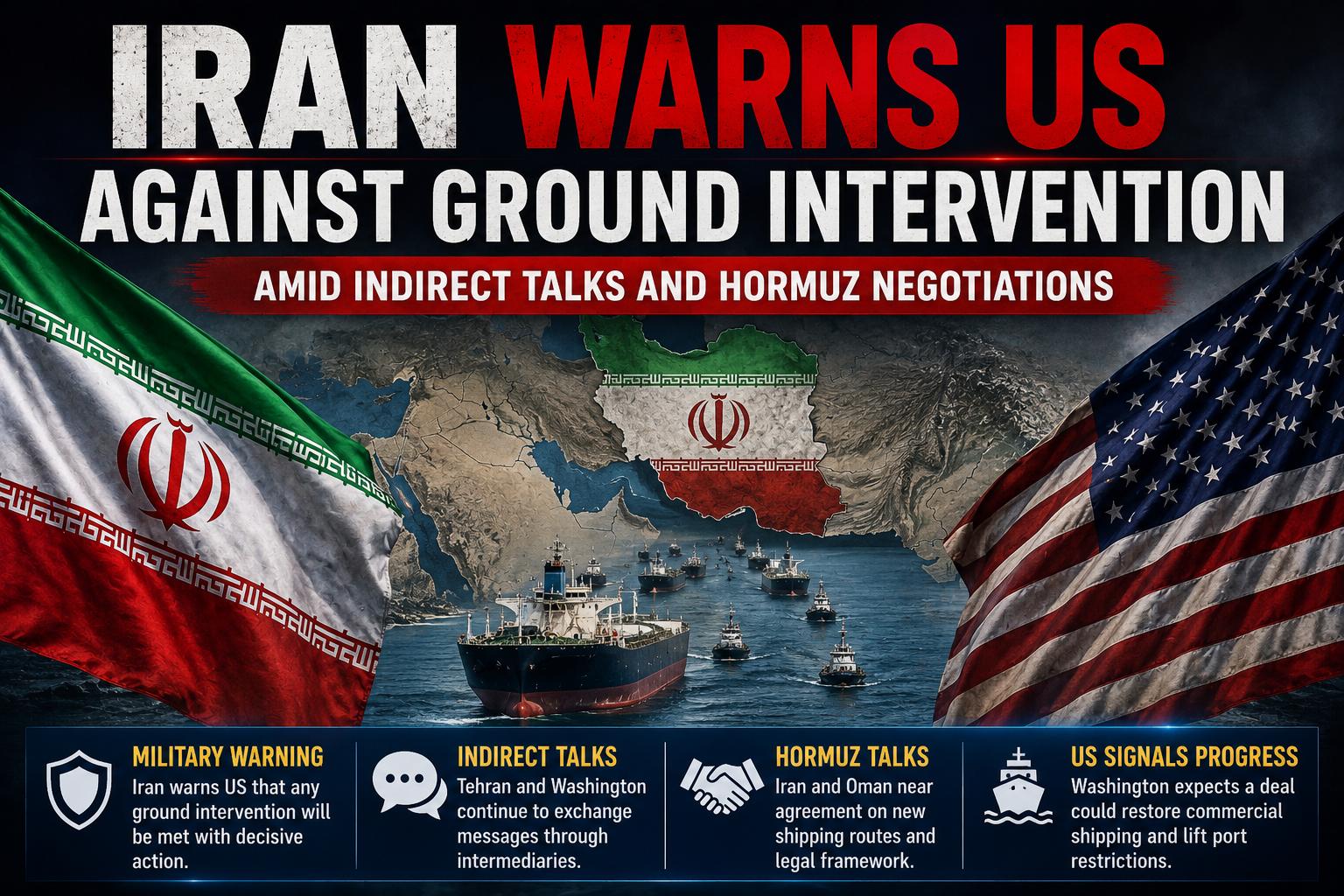
Iran has issued a fresh warning against any possible US ground intervention, while diplomatic communication between Tehran and Washington continues through intermediaries.
The commander of Iran’s army ground forces, Brigadier General Ali Jahanshahi, warned that any foreign military intrusion would face a strong response.
“If any US military personnel set foot in Iran, we will cut them off,” Jahanshahi said, according to Iranian state media.
He said Iranian
Iran has issued a fresh warning against any possible US ground intervention, while diplomatic communication between Tehran and Washington continues through intermediaries.
The commander of Iran’s army ground forces, Brigadier General Ali Jahanshahi, warned that any foreign military intrusion would face a strong response.
“If any US military personnel set foot in Iran, we will cut them off,” Jahanshahi said, according to Iranian state media.
He said Iranian
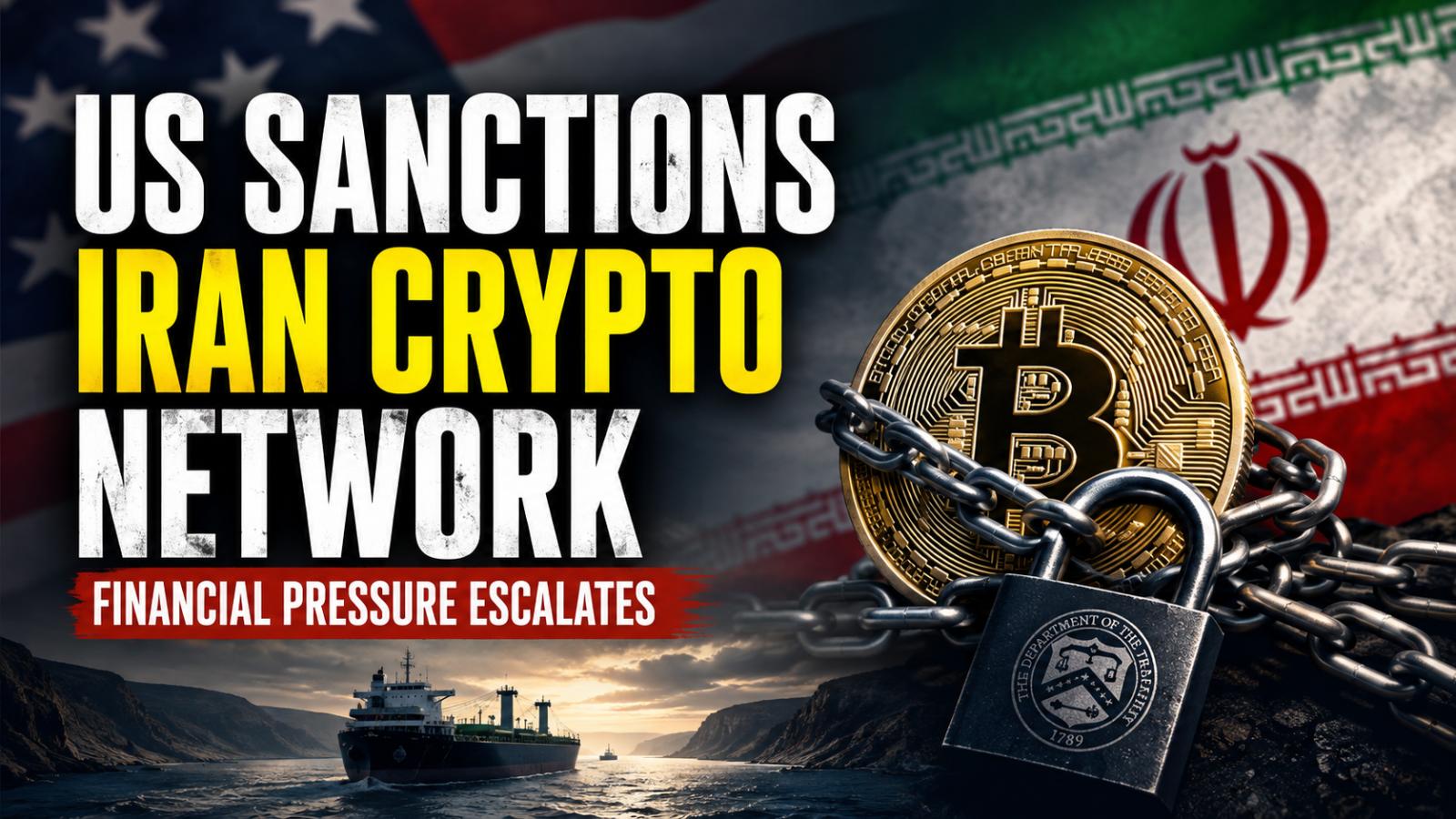
The United States is intensifying pressure on Iran’s financial networks, focusing increasingly on cryptocurrency exchanges and digital assets that Washington says have helped Tehran move money internationally and bypass sanctions. The action comes as tensions remain high over commercial shipping and negotiations involving the Strait of Hormuz. U.S. authorities have previously targeted Iranian exchanges and individuals accused of facilitating transactions connected to t
The United States is intensifying pressure on Iran’s financial networks, focusing increasingly on cryptocurrency exchanges and digital assets that Washington says have helped Tehran move money internationally and bypass sanctions. The action comes as tensions remain high over commercial shipping and negotiations involving the Strait of Hormuz. U.S. authorities have previously targeted Iranian exchanges and individuals accused of facilitating transactions connected to t
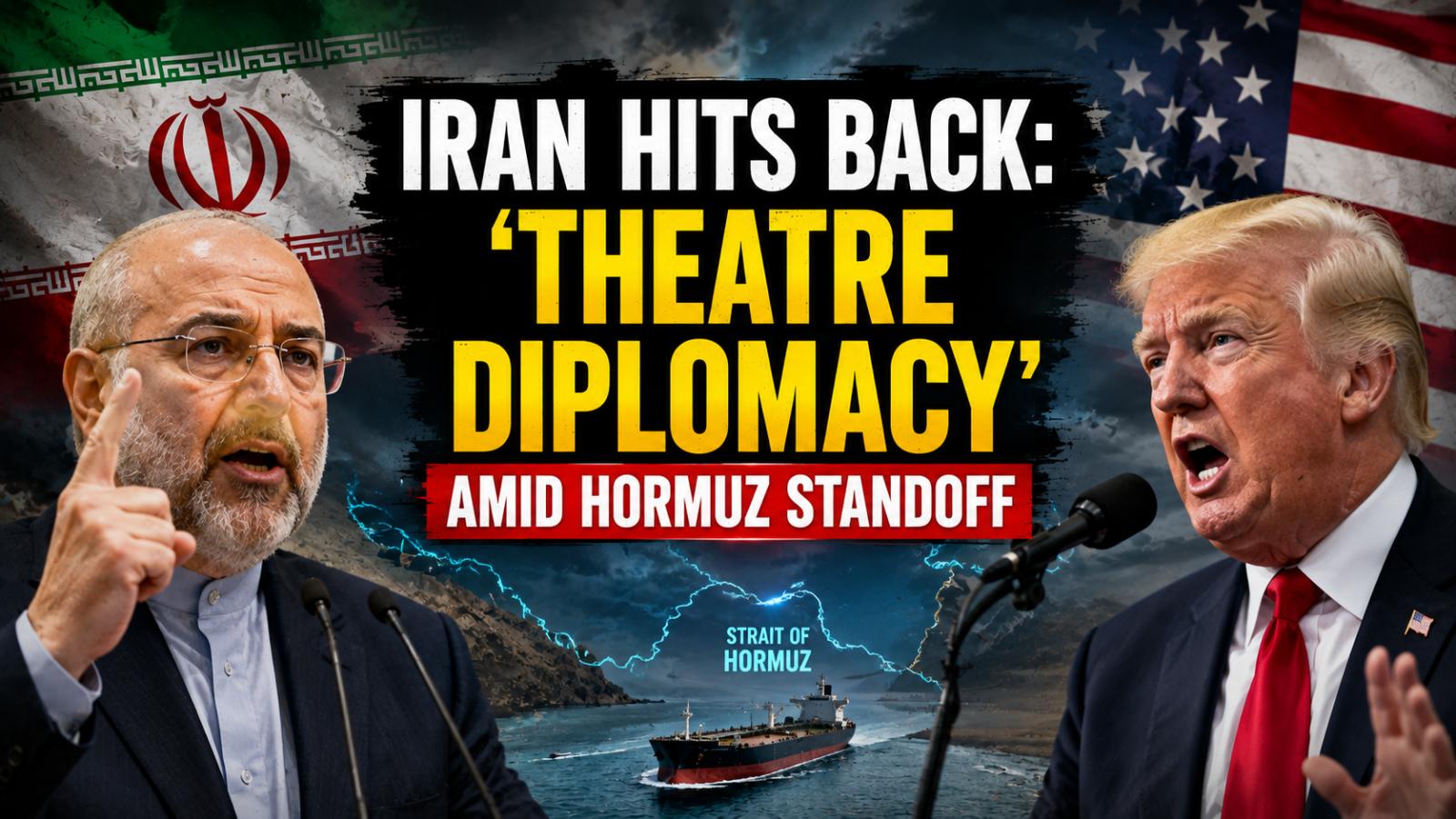
Iran has sharply criticised Washington’s handling of the latest Iran-US tensions, with Parliament Speaker and chief negotiator Mohammad Bagher Ghalibaf accusing the United States of practising “theatre diplomacy.” His remarks came as President Donald Trump expressed optimism about negotiations while Tehran continued to dispute Washington’s account of direct talks.
The conflicting statements highlight the de
Iran has sharply criticised Washington’s handling of the latest Iran-US tensions, with Parliament Speaker and chief negotiator Mohammad Bagher Ghalibaf accusing the United States of practising “theatre diplomacy.” His remarks came as President Donald Trump expressed optimism about negotiations while Tehran continued to dispute Washington’s account of direct talks.
The conflicting statements highlight the de
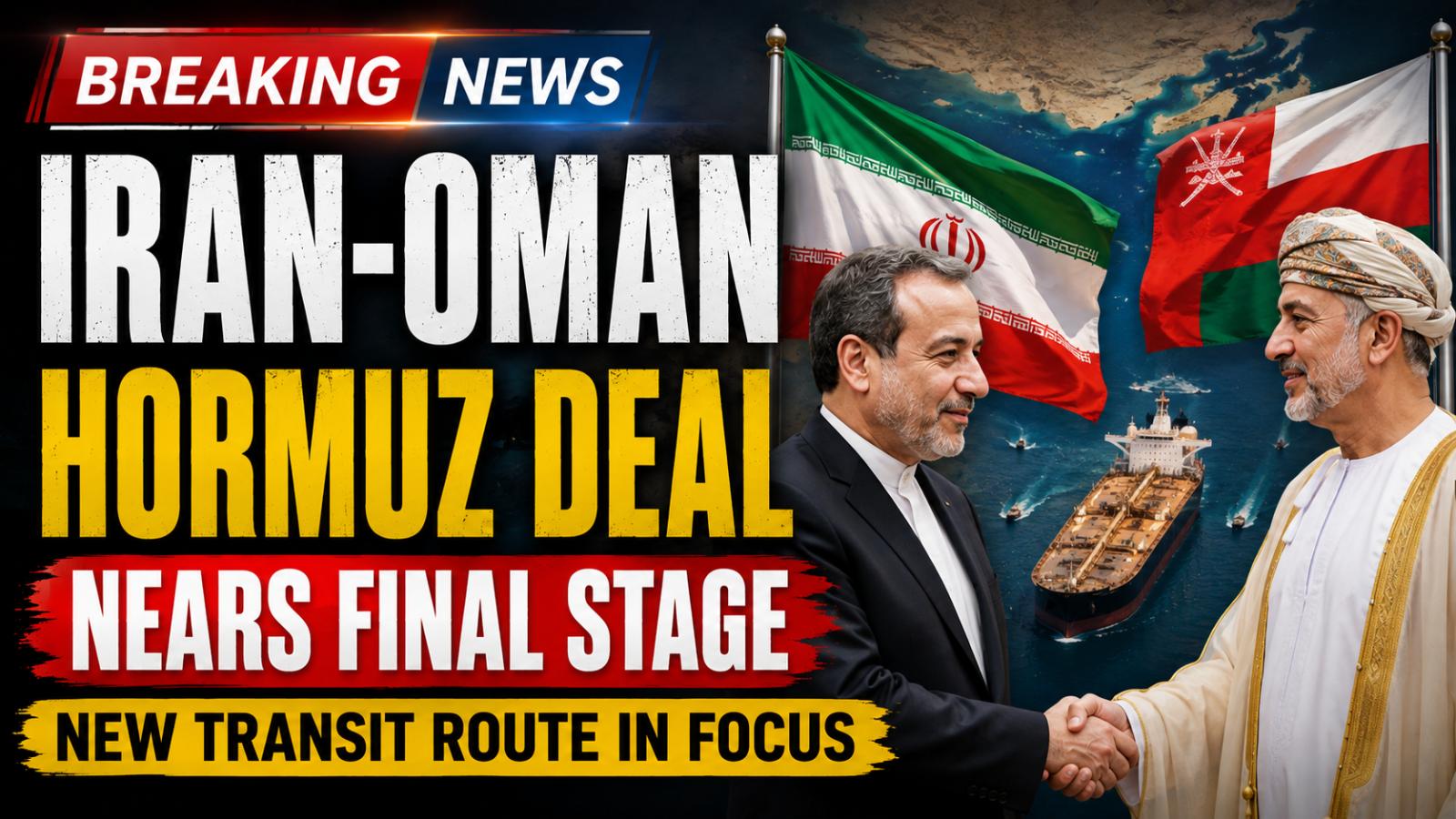
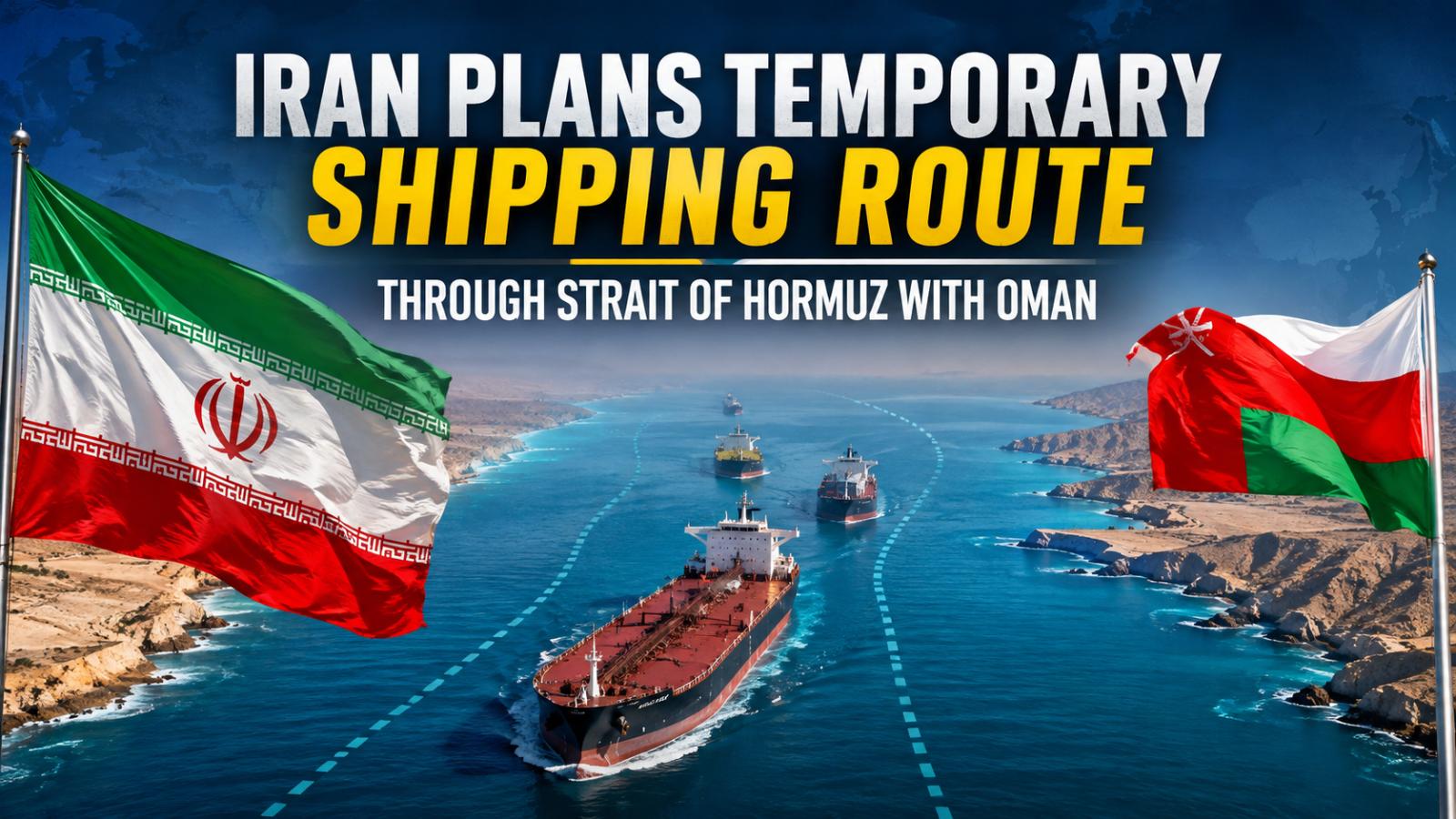
Iran Strait of Hormuz shipping route discussions with Oman are aimed at ensuring safe maritime navigation through one of the world's busiest waterways. Tehran says the proposed temporary corridor is designed to protect shipping while denying reports of direct negotiations with the United States.
Oman Maritime Corridor
Iran has confirmed that it is working with Oman to establish a temporary shipping route through the Strait of Hormuz to support safe navigation for commercial vessels. Speaking during a weekly press briefing on August 3, Iranian Foreign Ministry spokesperson Esmaeil Baghaei said the discussions with Muscat are focused exclusively on creating an interim maritime corridor that can maintain the uninterrupted movement of ships through the strategic waterway.
According to Baghaei, the proposal combines the southern route passing through Omani waters with the northern route inside Iranian territorial waters into a single two-way navigation corridor. He explained that both countries are attempting to develop a practical arrangement that serves the interests of the two coastal states while protecting international shipping until a permanent framework is agreed upon. The statement was attributed to Iran's semi-official Fars News Agency.
Strait of Hormuz Navigation
The Strait of Hormuz remains one of the world's most important energy transit routes, carrying a significant share of global oil and liquefied natural gas exports. Any disruption in the waterway can quickly influence global energy prices, shipping costs and international trade.
Iran says the temporary corridor is intended to improve safety and reduce uncertainty for vessels operating in the region. Officials stressed that the proposal involves one integrated two-way transit system rather than multiple separate routes, making navigation simpler while addressing the operational concerns of both Iran and Oman.
Iran US Relations
Baghaei also dismissed reports suggesting that Tehran had resumed negotiations with the United States. He stated that Iran is not holding talks with Washington, directly contradicting comments made by US President Donald Trump, who said discussions with Iran were expected to begin and expressed optimism about reaching an understanding on both the Strait of Hormuz and Iran's denuclearisation.
The Iranian spokesperson maintained that Oman is serving as a regional partner for navigation discussions rather than a channel for broader negotiations with the United States. He emphasized that Iran's current diplomatic efforts are limited to ensuring maritime safety in cooperation with Muscat.
Regional Security Concerns
Despite the progress in discussions with Oman, Iran cautioned that the proposed arrangement alone would not restore normal shipping conditions. Baghaei argued that broader regional tensions continue to affect maritime security and claimed the situation would remain unchanged as long as what Tehran describes as US aggression and blockade policies continue.
The latest developments highlight the strategic importance of the Strait of Hormuz for global commerce. While the proposed temporary corridor could improve confidence for shipping operators in the short term, its long-term success will depend on wider regional stability and continued diplomatic engagement between the countries bordering the waterway. The statements reflect Iran's current position and have been attributed to remarks by Foreign Ministry spokesperson Esmaeil Baghaei during an official press briefing, as reported by Fars News Agency.
Iran Strait of Hormuz shipping route discussions with Oman are aimed at ensuring safe maritime navigation through one of the world's busiest waterways. Tehran says the proposed temporary corridor is designed to protect shipping while denying reports of direct negotiations with the United States.
Oman Maritime Corridor
Iran has confirmed that it is working with Oman to establish a temporary shipping route through the Strait of Hormuz to support safe navigation for commercial vessels. Speaking during a weekly press briefing on August 3, Iranian Foreign Ministry spokesperson Esmaeil Baghaei said the discussions with Muscat are focused exclusively on creating an interim maritime corridor that can maintain the uninterrupted movement of ships through the strategic waterway.
According to Baghaei, the proposal combines the southern route passing through Omani waters with the northern route inside Iranian territorial waters into a single two-way navigation corridor. He explained that both countries are attempting to develop a practical arrangement that serves the interests of the two coastal states while protecting international shipping until a permanent framework is agreed upon. The statement was attributed to Iran's semi-official Fars News Agency.
Strait of Hormuz Navigation
The Strait of Hormuz remains one of the world's most important energy transit routes, carrying a significant share of global oil and liquefied natural gas exports. Any disruption in the waterway can quickly influence global energy prices, shipping costs and international trade.
Iran says the temporary corridor is intended to improve safety and reduce uncertainty for vessels operating in the region. Officials stressed that the proposal involves one integrated two-way transit system rather than multiple separate routes, making navigation simpler while addressing the operational concerns of both Iran and Oman.
Iran US Relations
Baghaei also dismissed reports suggesting that Tehran had resumed negotiations with the United States. He stated that Iran is not holding talks with Washington, directly contradicting comments made by US President Donald Trump, who said discussions with Iran were expected to begin and expressed optimism about reaching an understanding on both the Strait of Hormuz and Iran's denuclearisation.
The Iranian spokesperson maintained that Oman is serving as a regional partner for navigation discussions rather than a channel for broader negotiations with the United States. He emphasized that Iran's current diplomatic efforts are limited to ensuring maritime safety in cooperation with Muscat.
Regional Security Concerns
Despite the progress in discussions with Oman, Iran cautioned that the proposed arrangement alone would not restore normal shipping conditions. Baghaei argued that broader regional tensions continue to affect maritime security and claimed the situation would remain unchanged as long as what Tehran describes as US aggression and blockade policies continue.
The latest developments highlight the strategic importance of the Strait of Hormuz for global commerce. While the proposed temporary corridor could improve confidence for shipping operators in the short term, its long-term success will depend on wider regional stability and continued diplomatic engagement between the countries bordering the waterway. The statements reflect Iran's current position and have been attributed to remarks by Foreign Ministry spokesperson Esmaeil Baghaei during an official press briefing, as reported by Fars News Agency.
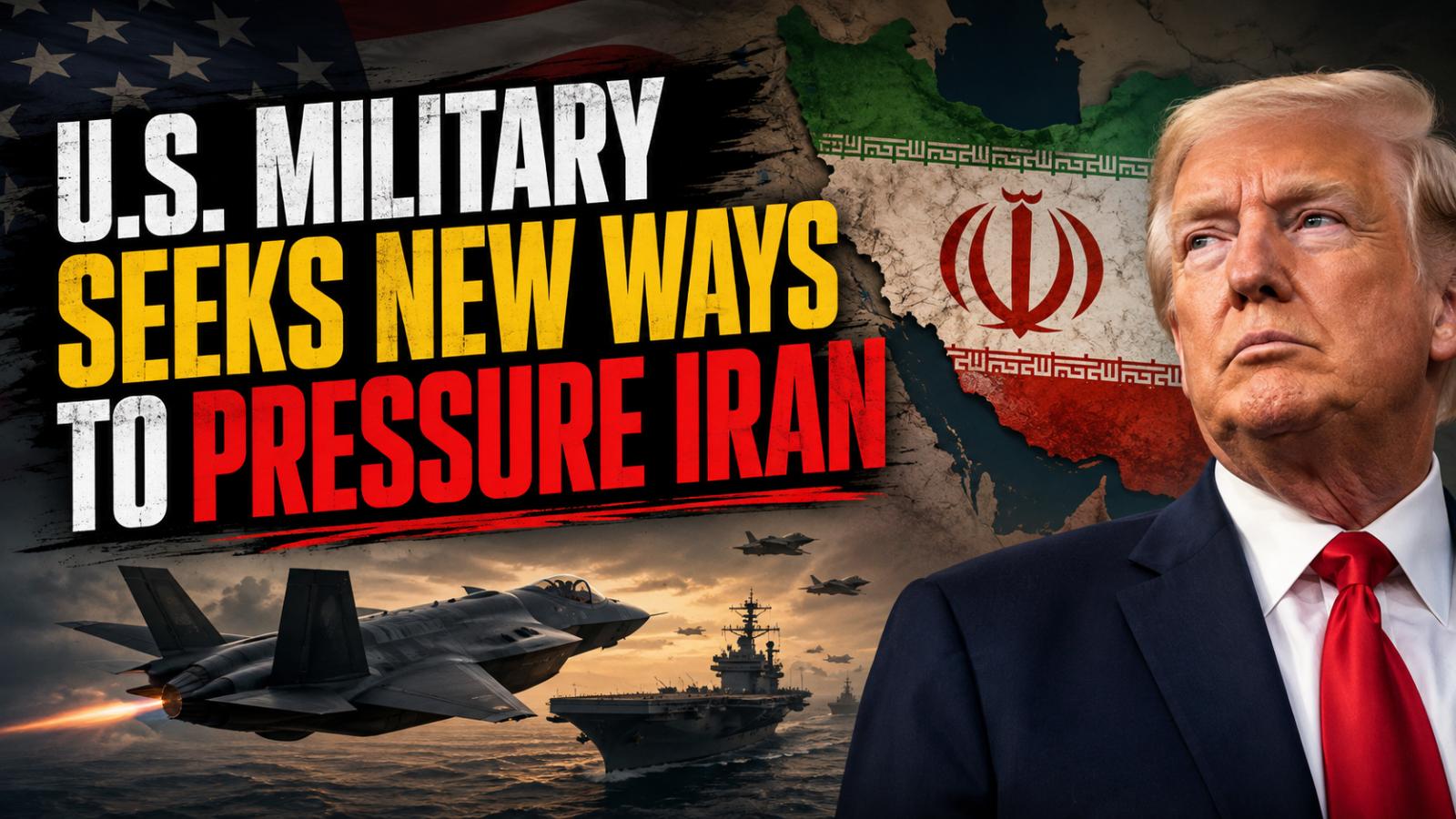
The Trump Iran pressure strategy has entered a new phase after reports that US Central Command asked military analysts for unconventional ideas to increase pressure on Tehran. The move comes amid continued military operations, stalled negotiations and renewed efforts to reshape US policy toward Iran.
CENTCOM Email Requests New Ideas
A senio
The Trump Iran pressure strategy has entered a new phase after reports that US Central Command asked military analysts for unconventional ideas to increase pressure on Tehran. The move comes amid continued military operations, stalled negotiations and renewed efforts to reshape US policy toward Iran.
CENTCOM Email Requests New Ideas
A senio
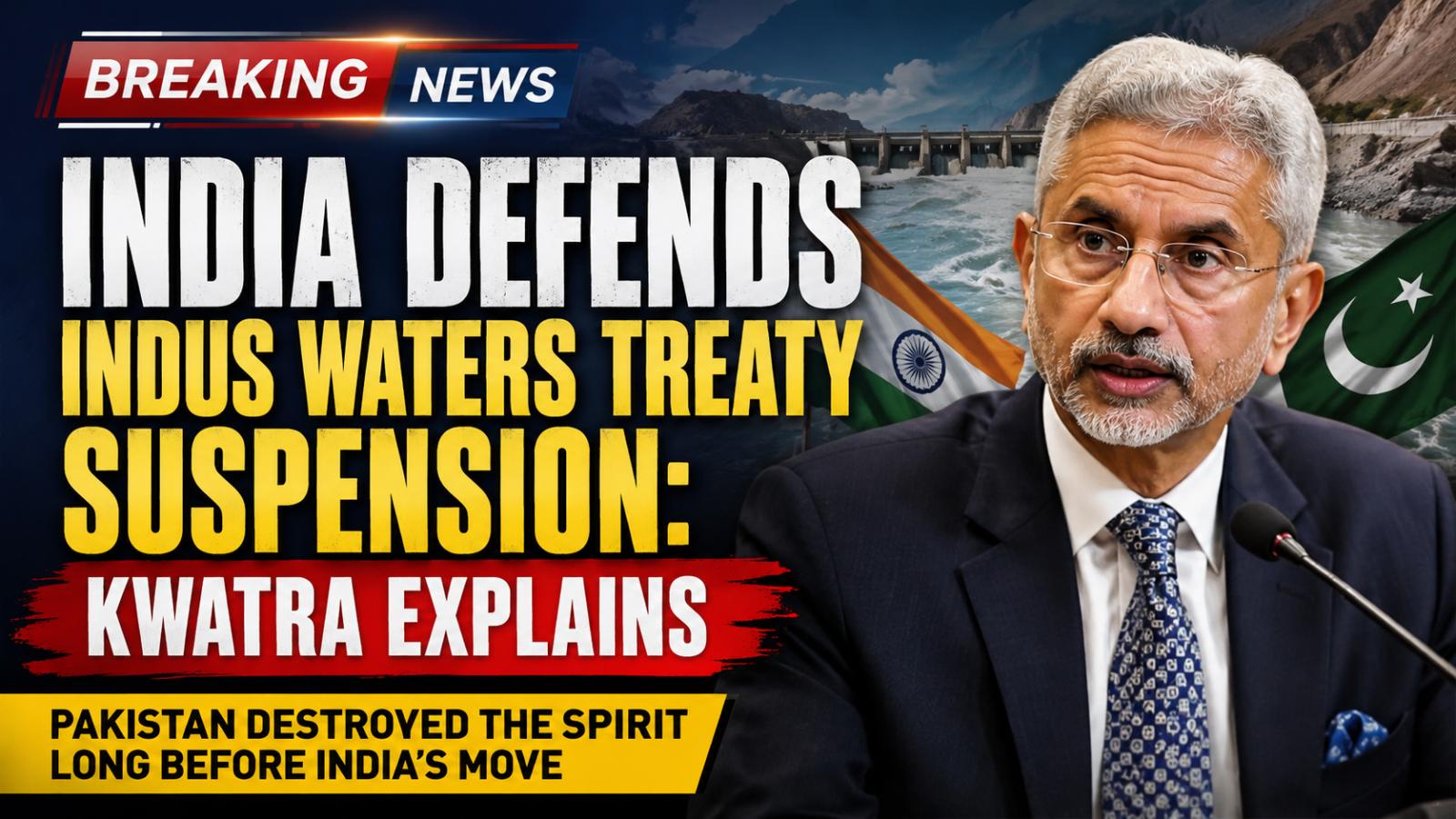
India defends Indus Waters Treaty suspension as Ambassador Vinay Mohan Kwatra says Pakistan gradually destroyed the agreement's spirit through terrorism, conflict and repeated treaty disputes. The decision follows the 2025 Pahalgam terror attack and reflects New Delhi's security concerns and long-standing objections.
India Defends Indus Waters Treaty Suspen
India defends Indus Waters Treaty suspension as Ambassador Vinay Mohan Kwatra says Pakistan gradually destroyed the agreement's spirit through terrorism, conflict and repeated treaty disputes. The decision follows the 2025 Pahalgam terror attack and reflects New Delhi's security concerns and long-standing objections.
India Defends Indus Waters Treaty Suspen
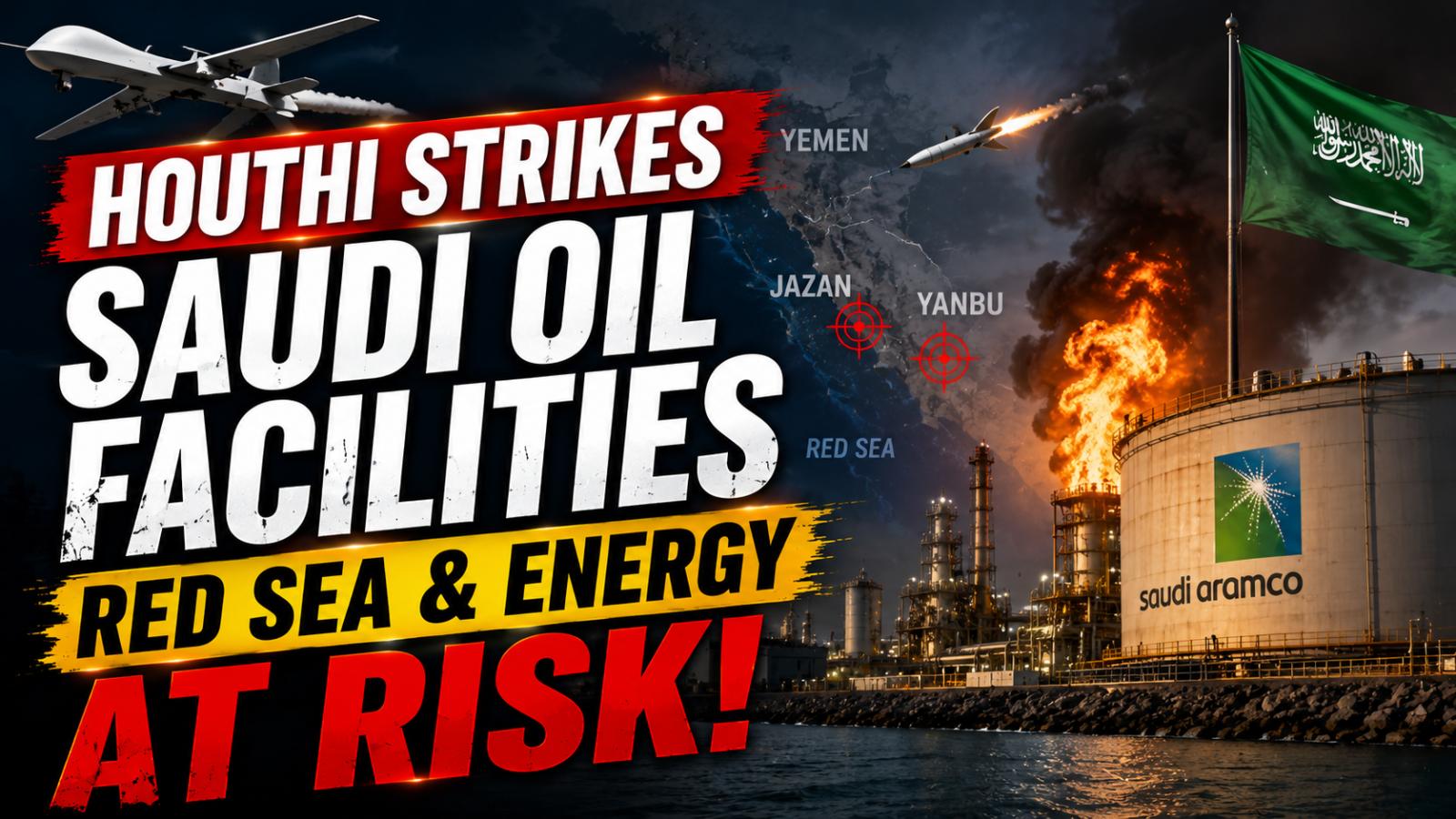
Houthi Saudi Aramco attack claims have intensified concerns over Middle East stability after the Iran-backed group said it targeted key Saudi oil facilities in Jazan and Yanbu. The reported strikes, coupled with claims of downing a Saudi drone and Iran's announcement that it has paused retaliatory operations, have added fresh uncertainty to regional security and global energy markets.
Houthi Saudi Aramco attack claims have intensified concerns over Middle East stability after the Iran-backed group said it targeted key Saudi oil facilities in Jazan and Yanbu. The reported strikes, coupled with claims of downing a Saudi drone and Iran's announcement that it has paused retaliatory operations, have added fresh uncertainty to regional security and global energy markets.