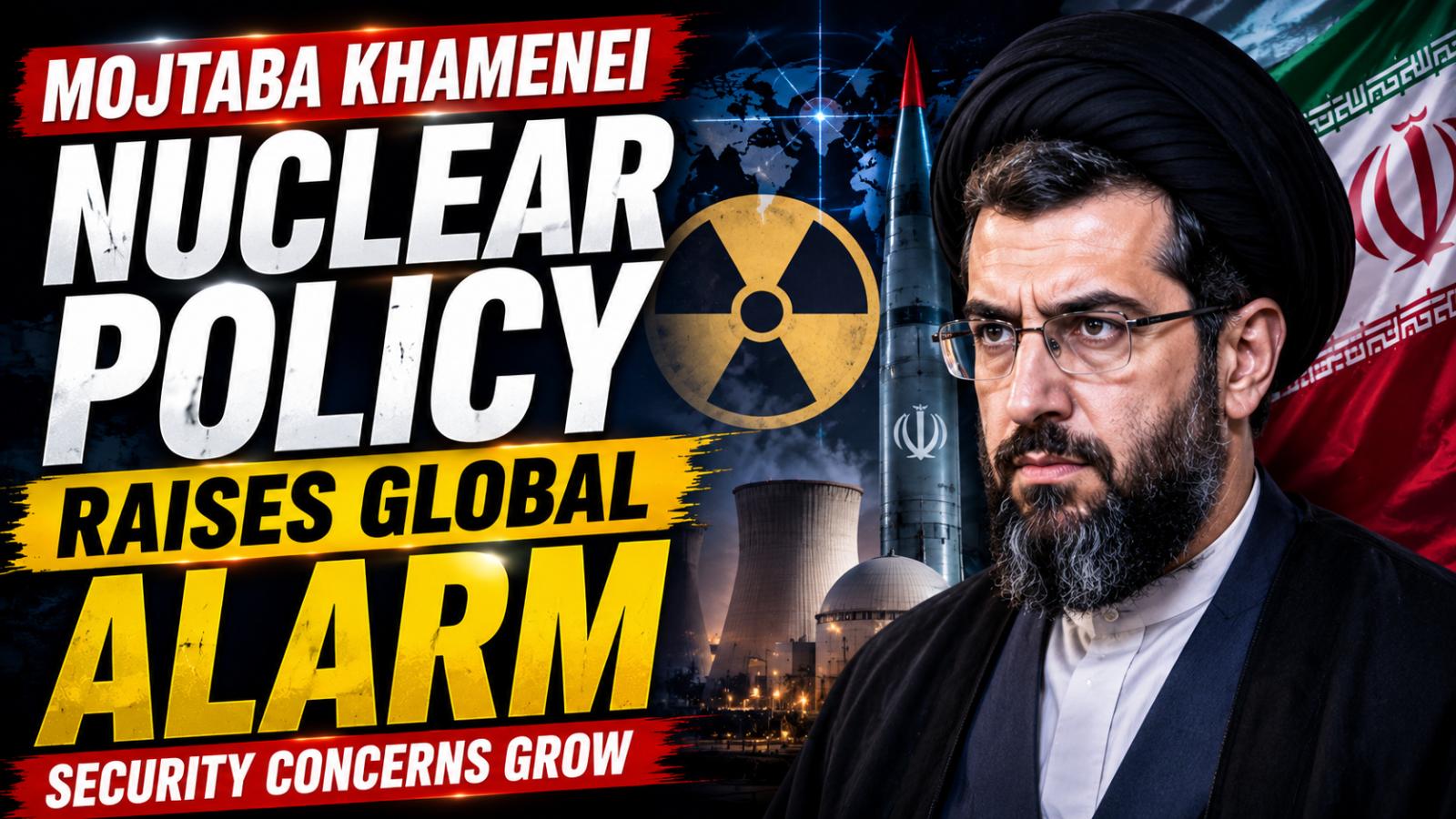
Mojtaba Khamenei's nuclear policy has come under renewed focus after a recent US intelligence assessment suggested Iran's new supreme leader may be more open to developing nuclear weapons than his father. While no official policy change has been announced, analysts say the assessment highlights growing concerns over Iran's nuclear threshold status, regional security and the future of diplomacy.
Mojtaba Khamenei's nuclear policy has come under renewed focus after a recent US intelligence assessment suggested Iran's new supreme leader may be more open to developing nuclear weapons than his father. While no official policy change has been announced, analysts say the assessment highlights growing concerns over Iran's nuclear threshold status, regional security and the future of diplomacy.
China Coast Guard Deploys Water Cannons
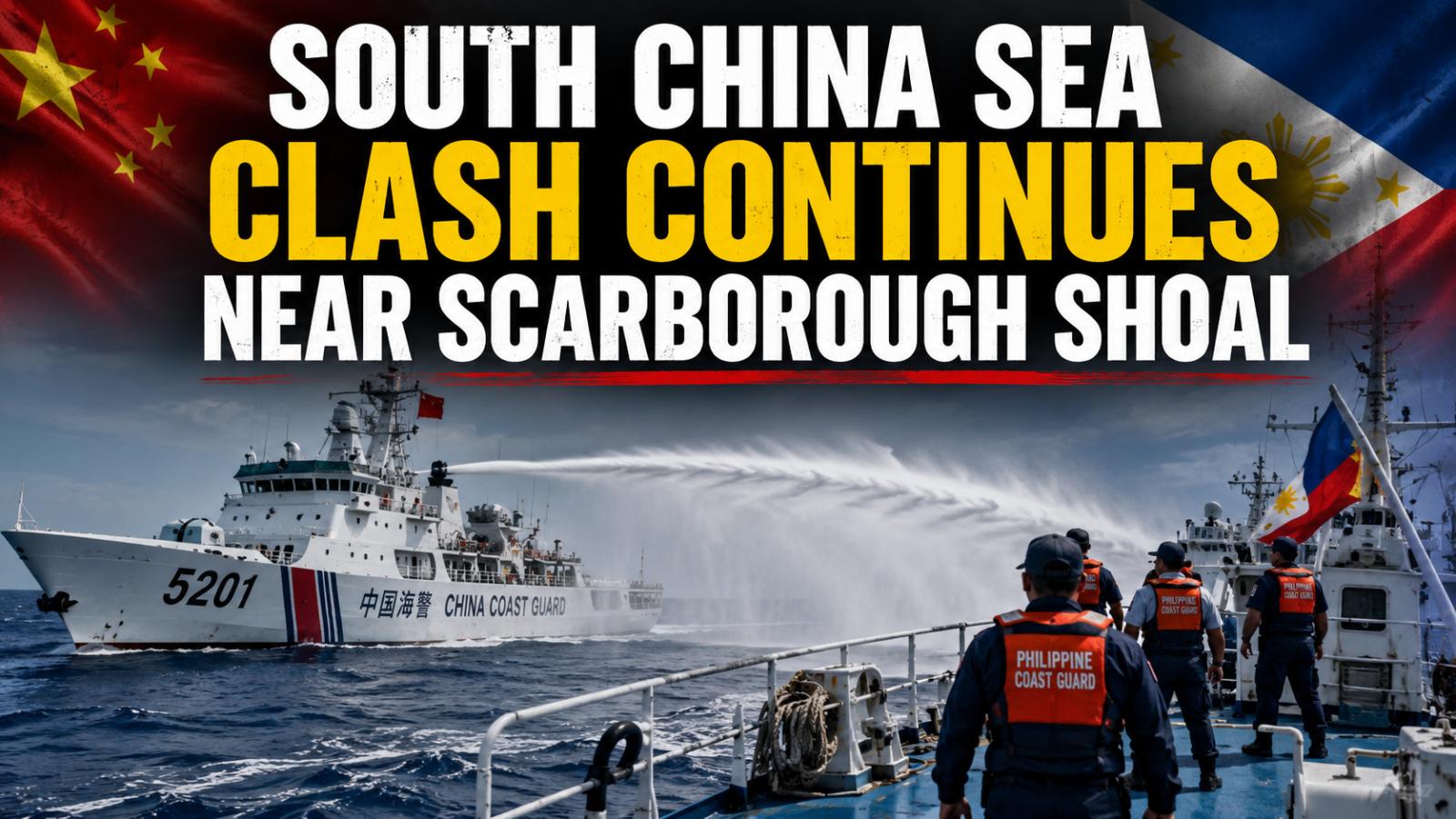
The South China Sea clash near Scarborough Shoal intensified for a second consecutive day after the China Coast Guard used water cannons and carried out what Philippine authorities described as dangerous blocking maneuvers against government and fisheries vessels. The latest confrontation highlights the continuing maritime dis
China Coast Guard Deploys Water Cannons
The South China Sea clash near Scarborough Shoal intensified for a second consecutive day after the China Coast Guard used water cannons and carried out what Philippine authorities described as dangerous blocking maneuvers against government and fisheries vessels. The latest confrontation highlights the continuing maritime dis
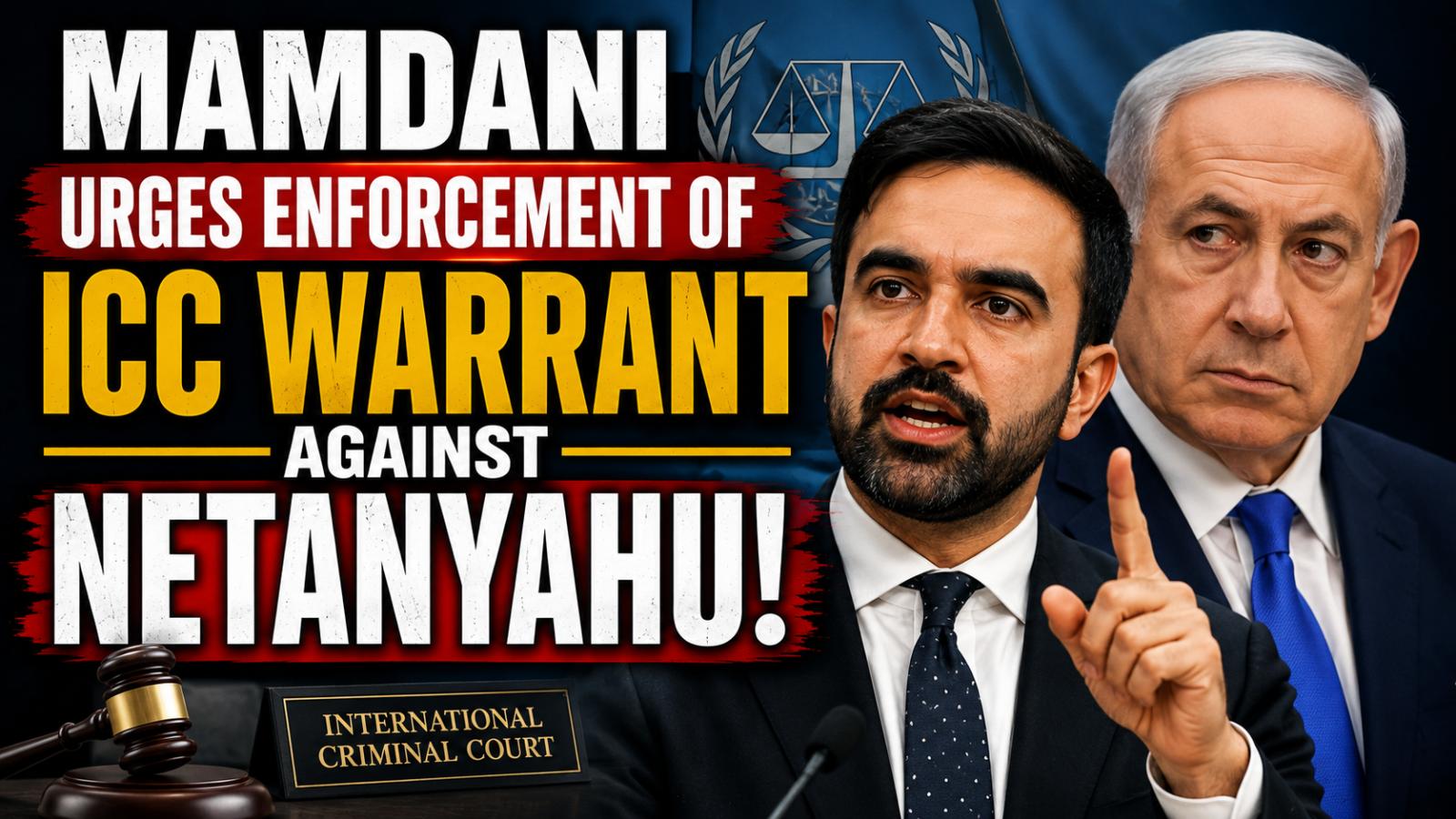
New York Mayor Zohran Mamdani has renewed his call for the ICC arrest warrant against Israeli Prime Minister Benjamin Netanyahu to be enforced, following President Donald Trump's statement that Netanyahu would not be arrested if he visits the United States. The remarks have intensified debate over international law and US policy.
Mamdani Urges ICC Warrant Against Netanyahu Be Enforced
Mamdani Calls for ICC Arrest Wa
New York Mayor Zohran Mamdani has renewed his call for the ICC arrest warrant against Israeli Prime Minister Benjamin Netanyahu to be enforced, following President Donald Trump's statement that Netanyahu would not be arrested if he visits the United States. The remarks have intensified debate over international law and US policy.
Mamdani Urges ICC Warrant Against Netanyahu Be Enforced
Mamdani Calls for ICC Arrest Wa
US military readiness for a possible wider Iran conflict is facing increased scrutiny as officials and defence experts warn about shrinking missile stockpiles, operational challenges and Pentagon concerns. The debate comes as President Donald Trump signals that US military objectives in Iran remain incomplete.
US Military Readiness for Iran War Faces Growing Concerns
US military readiness for a possible wider Iran conflict is facing increased scrutiny as officials and defence experts warn about shrinking missile stockpiles, operational challenges and Pentagon concerns. The debate comes as President Donald Trump signals that US military objectives in Iran remain incomplete.
US Military Readiness for Iran War Faces Growing Concerns
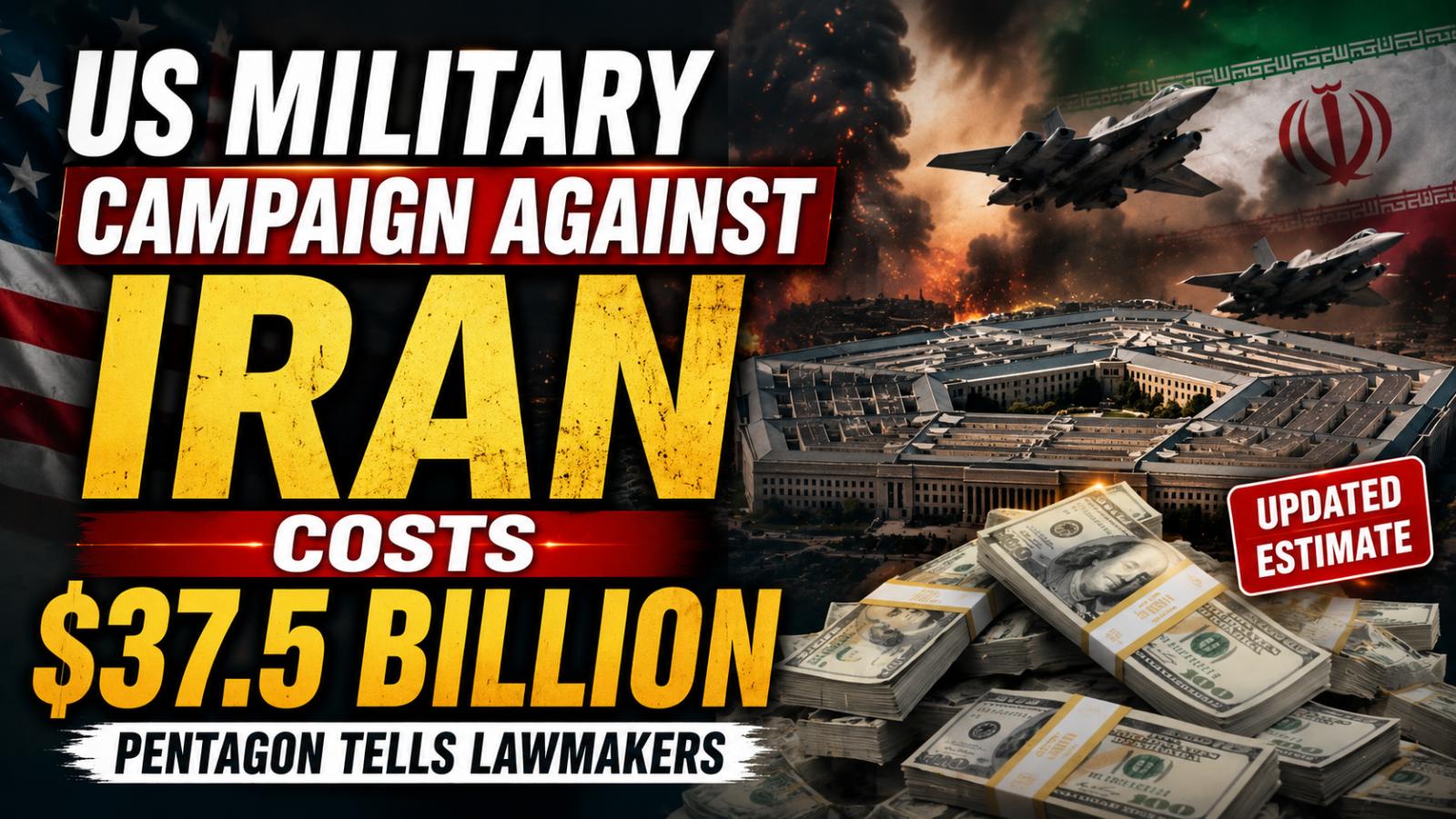
The US military campaign against Iran now carries an estimated cost of $37.5 billion, according to Defence Secretary Pete Hegseth. The updated figure includes projected expenses through September as the Pentagon seeks additional funding while defending the effectiveness of operations against Iran before Congress.
US Military Campaign Against Iran Costs $37.5 Billion
The US military campaign against Iran now carries an estimated cost of $37.5 billion, according to Defence Secretary Pete Hegseth. The updated figure includes projected expenses through September as the Pentagon seeks additional funding while defending the effectiveness of operations against Iran before Congress.
US Military Campaign Against Iran Costs $37.5 Billion
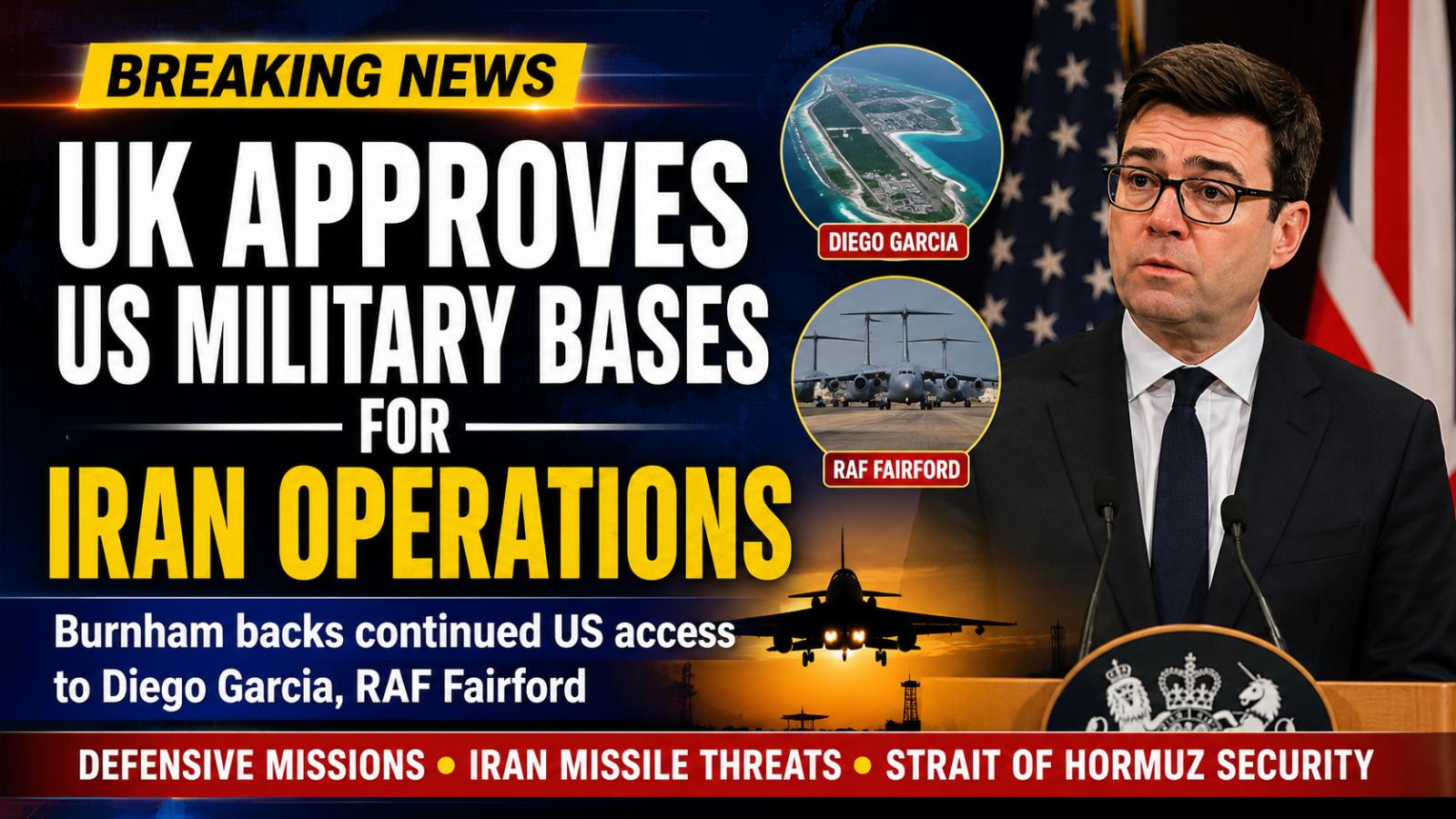
The UK approves US military bases for Iran operations under Prime Minister Andy Burnham, continuing Britain's defense cooperation with Washington. The decision allows US aircraft to operate from Diego Garcia and RAF Fairford for defensive missions linked to Iran missile threats and Strait of Hormuz security, while raising political and legal debate within the UK.
UK
The UK approves US military bases for Iran operations under Prime Minister Andy Burnham, continuing Britain's defense cooperation with Washington. The decision allows US aircraft to operate from Diego Garcia and RAF Fairford for defensive missions linked to Iran missile threats and Strait of Hormuz security, while raising political and legal debate within the UK.
UK
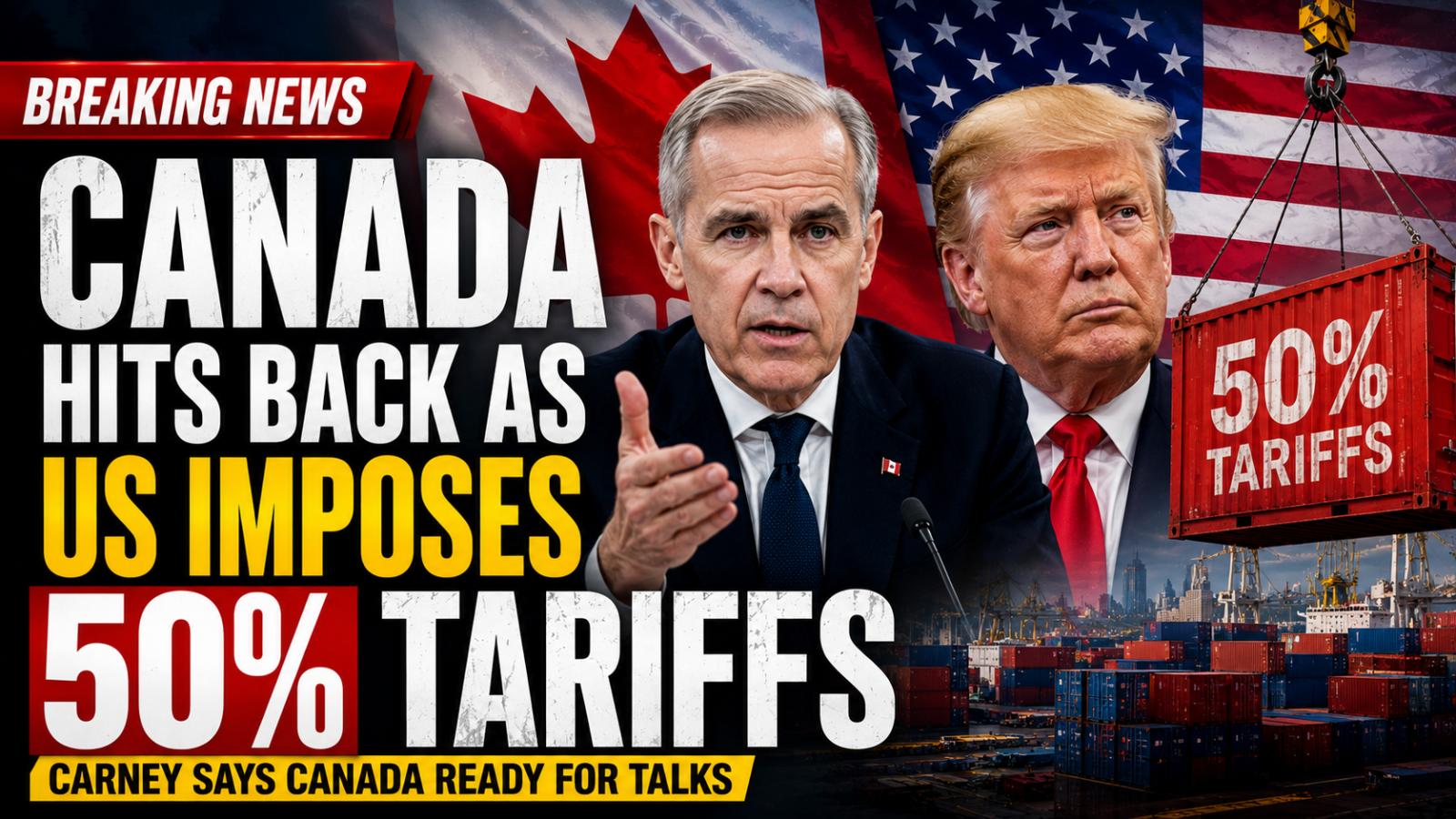
Mark Carney responds to US 50% tariffs by reaffirming Canada's commitment to free and fair trade while expressing readiness for negotiations with Washington. The Canadian prime minister says Ottawa will continue supporting workers, businesses and families as trade tensions escalate over dairy, automobiles and alcoholic beverages.
Mark Carney Responds to US 50% Tariff
Mark Carney responds to US 50% tariffs by reaffirming Canada's commitment to free and fair trade while expressing readiness for negotiations with Washington. The Canadian prime minister says Ottawa will continue supporting workers, businesses and families as trade tensions escalate over dairy, automobiles and alcoholic beverages.
Mark Carney Responds to US 50% Tariff
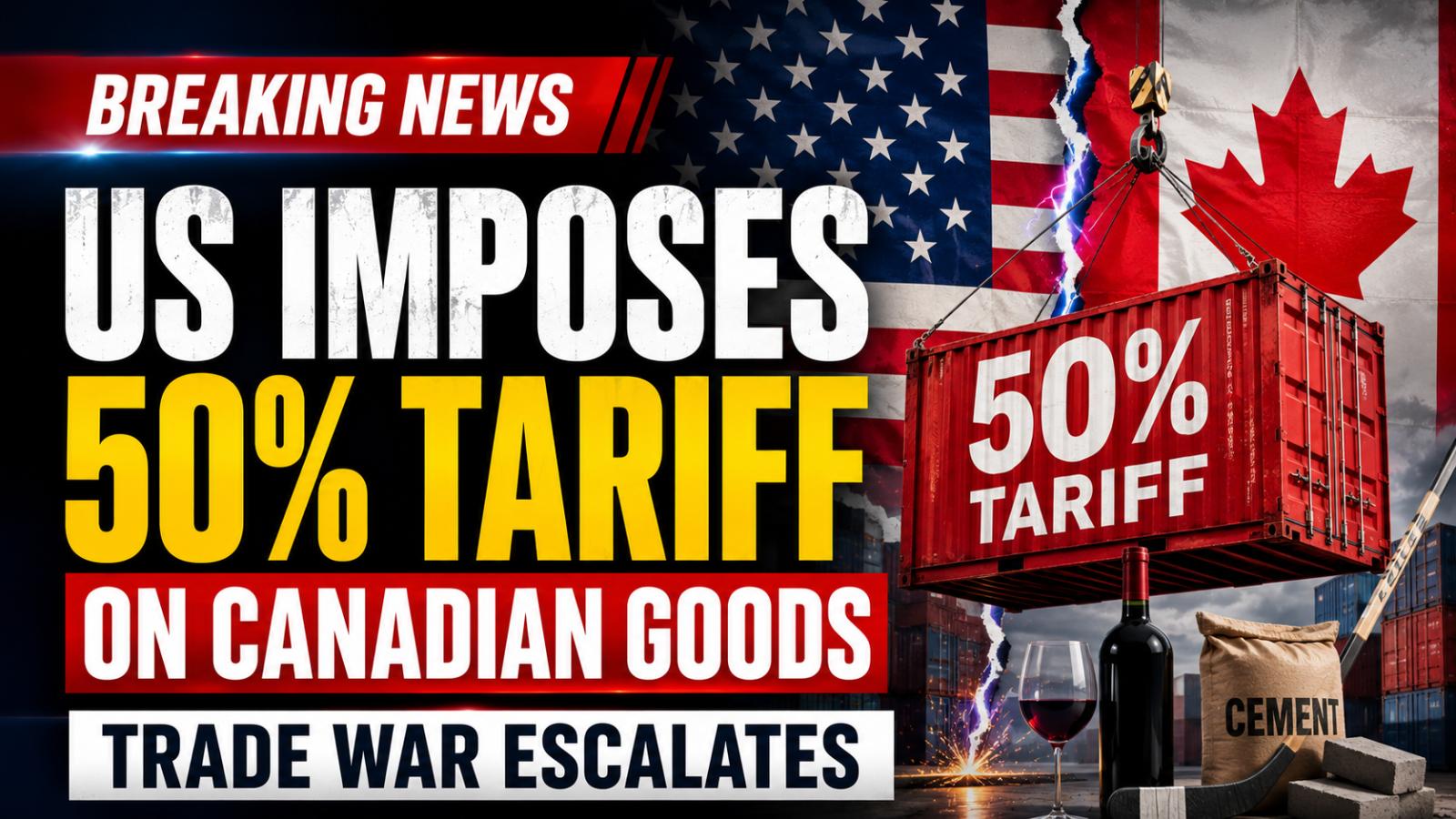
US imposes 50% tariff on Canadian goods as the Trump administration escalates trade tensions with its northern neighbour. The new duties target products including hockey sticks, wine and cement, while Washington cites unfair trade practices and retaliatory Canadian policies as the reason for the move.
US Imposes 50% Tariff on Canadian Goods Amid Trade Dispute
&n
US imposes 50% tariff on Canadian goods as the Trump administration escalates trade tensions with its northern neighbour. The new duties target products including hockey sticks, wine and cement, while Washington cites unfair trade practices and retaliatory Canadian policies as the reason for the move.
US Imposes 50% Tariff on Canadian Goods Amid Trade Dispute
&n
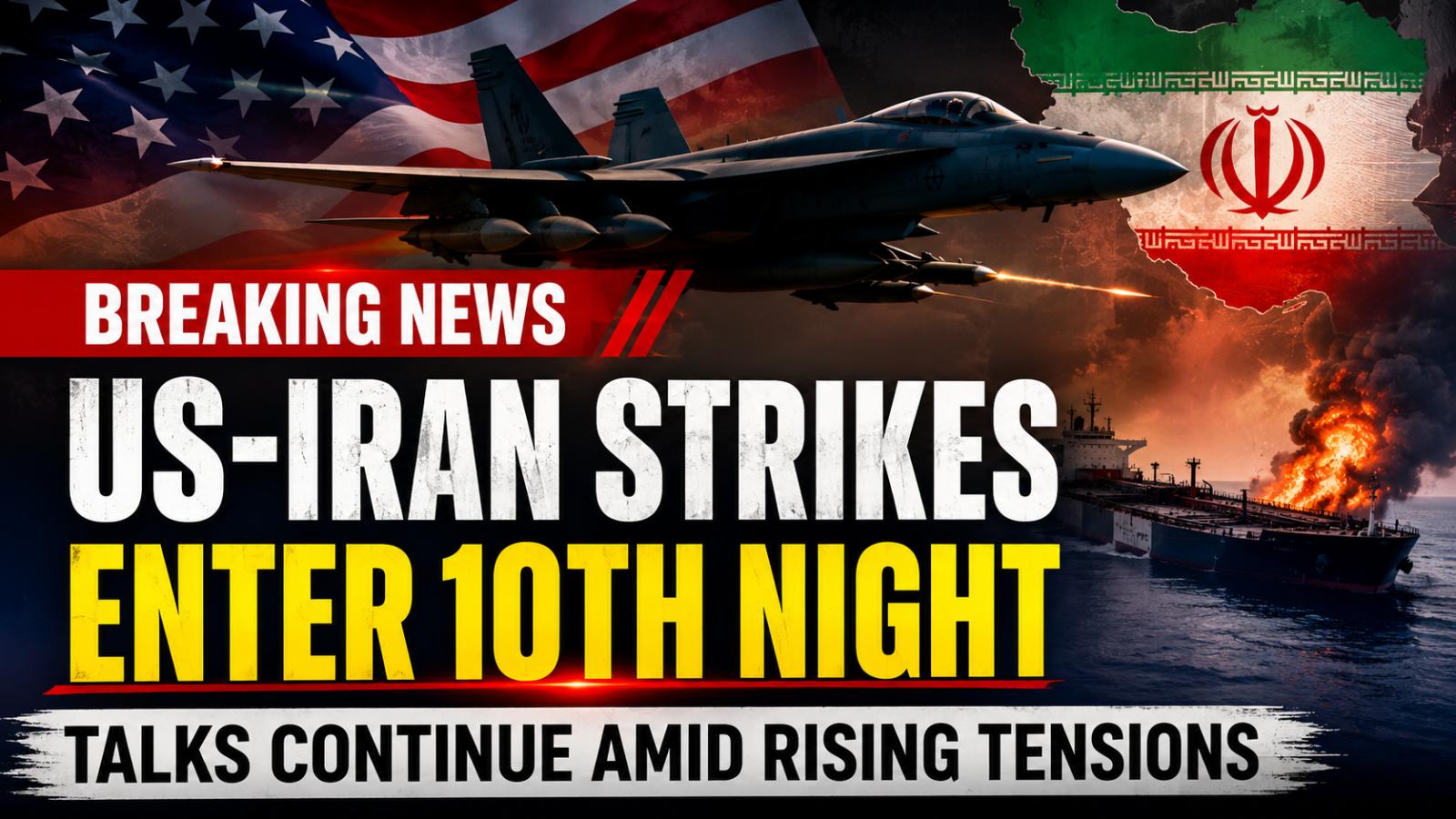
US Iran strikes enter 10th night as Washington continues military operations targeting Iranian capabilities linked to the Strait of Hormuz while diplomatic talks between both countries remain active. The latest developments highlight a dual strategy of military pressure and continued negotiations amid rising regional tensions.
US Iran Strikes Enter 10th Night as Talk
US Iran strikes enter 10th night as Washington continues military operations targeting Iranian capabilities linked to the Strait of Hormuz while diplomatic talks between both countries remain active. The latest developments highlight a dual strategy of military pressure and continued negotiations amid rising regional tensions.
US Iran Strikes Enter 10th Night as Talk
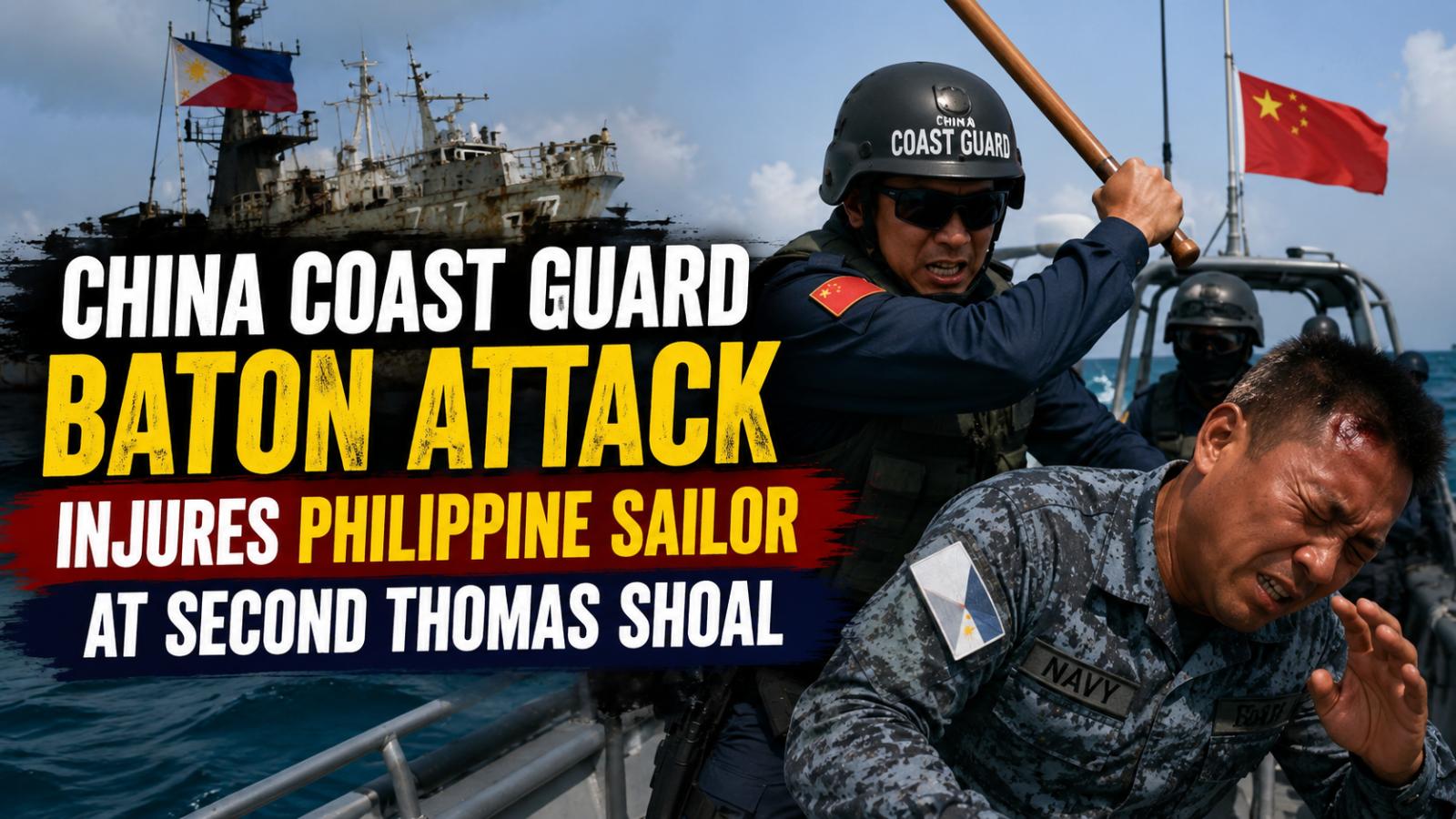
A China Coast Guard baton attack during a Philippine resupply mission at Second Thomas Shoal has further heightened tensions in the South China Sea. Philippine military officials said a sailor suffered a serious head injury during the confrontation, adding to a series of incidents involving disputed waters claimed by both Manila and Beijing.
Second Thomas Shoal confrontation
The Armed Forces of the Philippines (AFP) said the incident occurred near the BRP Sierra Madre, a decommissioned Philippine Navy vessel grounded at Ayungin Shoal since 1999 to maintain the country's presence in the disputed area. According to the AFP, a China Coast Guard rigid-hull inflatable boat carrying several personnel approached the outpost, circled the vessel and recorded photos and videos before the confrontation escalated.
Philippine officials alleged that one China Coast Guard member struck a Philippine Navy sailor on the head with a wooden baton during the encounter. Medical personnel immediately treated the injured sailor before he was evacuated for further medical care. The reported incident took place during a routine presence-maintenance and resupply operation.
China Coast Guard activities
The latest confrontation adds to a growing list of maritime incidents involving Chinese and Philippine vessels in the South China Sea. Philippine authorities have repeatedly accused the China Coast Guard of blocking, ramming, boarding and using water cannons against Philippine boats operating within what Manila considers its Exclusive Economic Zone (EEZ).
China maintains that its coast guard is enforcing Chinese sovereignty against what it describes as unlawful incursions by Philippine vessels. Beijing continues to assert broad claims across most of the South China Sea despite objections from neighbouring countries.
South China Sea dispute
Second Thomas Shoal remains one of the region's most sensitive flashpoints. The Philippines argues that the shoal lies within its EEZ under the United Nations Convention on the Law of the Sea (UNCLOS), while China insists it has historical sovereignty over the surrounding waters.
Throughout this year, both sides have reported multiple stand-offs around Second Thomas Shoal, Scarborough Shoal and Sabina Shoal. Philippine officials have also raised concerns over increased China Coast Guard patrols, maritime militia activity and research vessels operating near disputed features. Earlier this year, Manila accused Chinese fishing vessels of causing environmental damage near the shoal, while Beijing rejected those allegations.
China-Philippines tensions
Security concerns have continued to grow as China carried out military exercises in parts of the South China Sea and the Philippines expanded defence cooperation with the United States, Japan and several ASEAN partners through joint military drills. Diplomatic protests have also increased following disputes over floating structures, fishing access and maritime patrols.
The broader dispute remains unresolved despite the 2016 ruling by the Permanent Court of Arbitration in The Hague, which found that China's expansive claims had no legal basis under UNCLOS. The Philippines continues to cite the ruling as the foundation of its maritime rights, while China rejects the decision and refuses to recognise its legal validity.
The latest reported injury marks another serious escalation in the long-running maritime dispute. Although neither side has indicated an intention to pursue military conflict, analysts continue to warn that repeated close encounters between vessels increase the risk of miscalculation. Philippine authorities said they remain committed to protecting their personnel and maintaining their presence in the disputed waters, while Beijing continues to defend its actions as lawful enforcement of its territorial claims.
A China Coast Guard baton attack during a Philippine resupply mission at Second Thomas Shoal has further heightened tensions in the South China Sea. Philippine military officials said a sailor suffered a serious head injury during the confrontation, adding to a series of incidents involving disputed waters claimed by both Manila and Beijing.
Second Thomas Shoal confrontation
The Armed Forces of the Philippines (AFP) said the incident occurred near the BRP Sierra Madre, a decommissioned Philippine Navy vessel grounded at Ayungin Shoal since 1999 to maintain the country's presence in the disputed area. According to the AFP, a China Coast Guard rigid-hull inflatable boat carrying several personnel approached the outpost, circled the vessel and recorded photos and videos before the confrontation escalated.
Philippine officials alleged that one China Coast Guard member struck a Philippine Navy sailor on the head with a wooden baton during the encounter. Medical personnel immediately treated the injured sailor before he was evacuated for further medical care. The reported incident took place during a routine presence-maintenance and resupply operation.
China Coast Guard activities
The latest confrontation adds to a growing list of maritime incidents involving Chinese and Philippine vessels in the South China Sea. Philippine authorities have repeatedly accused the China Coast Guard of blocking, ramming, boarding and using water cannons against Philippine boats operating within what Manila considers its Exclusive Economic Zone (EEZ).
China maintains that its coast guard is enforcing Chinese sovereignty against what it describes as unlawful incursions by Philippine vessels. Beijing continues to assert broad claims across most of the South China Sea despite objections from neighbouring countries.
South China Sea dispute
Second Thomas Shoal remains one of the region's most sensitive flashpoints. The Philippines argues that the shoal lies within its EEZ under the United Nations Convention on the Law of the Sea (UNCLOS), while China insists it has historical sovereignty over the surrounding waters.
Throughout this year, both sides have reported multiple stand-offs around Second Thomas Shoal, Scarborough Shoal and Sabina Shoal. Philippine officials have also raised concerns over increased China Coast Guard patrols, maritime militia activity and research vessels operating near disputed features. Earlier this year, Manila accused Chinese fishing vessels of causing environmental damage near the shoal, while Beijing rejected those allegations.
China-Philippines tensions
Security concerns have continued to grow as China carried out military exercises in parts of the South China Sea and the Philippines expanded defence cooperation with the United States, Japan and several ASEAN partners through joint military drills. Diplomatic protests have also increased following disputes over floating structures, fishing access and maritime patrols.
The broader dispute remains unresolved despite the 2016 ruling by the Permanent Court of Arbitration in The Hague, which found that China's expansive claims had no legal basis under UNCLOS. The Philippines continues to cite the ruling as the foundation of its maritime rights, while China rejects the decision and refuses to recognise its legal validity.
The latest reported injury marks another serious escalation in the long-running maritime dispute. Although neither side has indicated an intention to pursue military conflict, analysts continue to warn that repeated close encounters between vessels increase the risk of miscalculation. Philippine authorities said they remain committed to protecting their personnel and maintaining their presence in the disputed waters, while Beijing continues to defend its actions as lawful enforcement of its territorial claims.
Iran claims US used ceasefire to strengthen its military capabilities while continuing diplomatic talks, according to senior adviser Mohsen Rezaei. The allegations include rebuilding forces, revising the Islamabad MoU and imposing conditions on the release of frozen Iranian assets.
Iran Claims US Used Ceasefire to Rebuild Military Strength
&nbs
Iran claims US used ceasefire to strengthen its military capabilities while continuing diplomatic talks, according to senior adviser Mohsen Rezaei. The allegations include rebuilding forces, revising the Islamabad MoU and imposing conditions on the release of frozen Iranian assets.
Iran Claims US Used Ceasefire to Rebuild Military Strength
&nbs
US airstrikes on Iran continue into a seventh consecutive night as CENTCOM expands its military campaign against Iranian targets. The latest strikes, ordered by the US commander-in-chief, targeted military infrastructure while escalating tensions between Washington and Tehran amid warnings of wider regional instability.
US Airstrikes on Iran Continue for Seven
US airstrikes on Iran continue into a seventh consecutive night as CENTCOM expands its military campaign against Iranian targets. The latest strikes, ordered by the US commander-in-chief, targeted military infrastructure while escalating tensions between Washington and Tehran amid warnings of wider regional instability.
US Airstrikes on Iran Continue for Seven
Oil prices jump as US-Iran conflict intensifies, raising fears of disruptions to global energy supplies through the Strait of Hormuz and the Red Sea. Brent crude and WTI posted strong weekly gains as traders priced in growing geopolitical risks while the International Energy Agency warned that prolonged instability could threaten energy security.
Oil Prices J
Oil prices jump as US-Iran conflict intensifies, raising fears of disruptions to global energy supplies through the Strait of Hormuz and the Red Sea. Brent crude and WTI posted strong weekly gains as traders priced in growing geopolitical risks while the International Energy Agency warned that prolonged instability could threaten energy security.
Oil Prices J
Qatar intercepts missile attack after the country's armed forces successfully stopped an incoming threat, according to the Ministry of Defence. The incident comes as military tensions continue to rise across the Gulf, keeping regional defence forces on heightened alert.
Qatar Intercepts Missile Attack
Qatar's Ministry of Defence announced
Qatar intercepts missile attack after the country's armed forces successfully stopped an incoming threat, according to the Ministry of Defence. The incident comes as military tensions continue to rise across the Gulf, keeping regional defence forces on heightened alert.
Qatar Intercepts Missile Attack
Qatar's Ministry of Defence announced
US airstrikes hit Iran bridge airport according to Iranian state-linked reports describing strikes on transport infrastructure in southern Iran. Officials also reported explosions near Qeshm as military tensions between Washington and Tehran continued to escalate across the region.
US Airstrikes Hit Iran Bridge Airport
Fresh reports from Ir
US airstrikes hit Iran bridge airport according to Iranian state-linked reports describing strikes on transport infrastructure in southern Iran. Officials also reported explosions near Qeshm as military tensions between Washington and Tehran continued to escalate across the region.
US Airstrikes Hit Iran Bridge Airport
Fresh reports from Ir
An Iraqi armed group has reportedly announced a $10 million bounty targeting US President Donald Trump, according to reports carried by Iran's IRNA and Russia's RT. The claim has not been independently verified, and US officials had not publicly responded at the time of publication.
Iraqi Group Claims Trump Bounty
An armed group identifying itself as the Islamic Resistance in
An Iraqi armed group has reportedly announced a $10 million bounty targeting US President Donald Trump, according to reports carried by Iran's IRNA and Russia's RT. The claim has not been independently verified, and US officials had not publicly responded at the time of publication.
Iraqi Group Claims Trump Bounty
An armed group identifying itself as the Islamic Resistance in
Trump weighs strike on Iran Pickaxe Mountain as reports say the White House is reviewing military options against Tehran's underground nuclear facility near Natanz. The site is believed to play a future role in Iran's nuclear programme, while international inspectors continue seeking access.
Trump Weighs Strike on Iran Pickaxe Mountain
Trump weighs strike on Iran Pickaxe Mountain as reports say the White House is reviewing military options against Tehran's underground nuclear facility near Natanz. The site is believed to play a future role in Iran's nuclear programme, while international inspectors continue seeking access.
Trump Weighs Strike on Iran Pickaxe Mountain
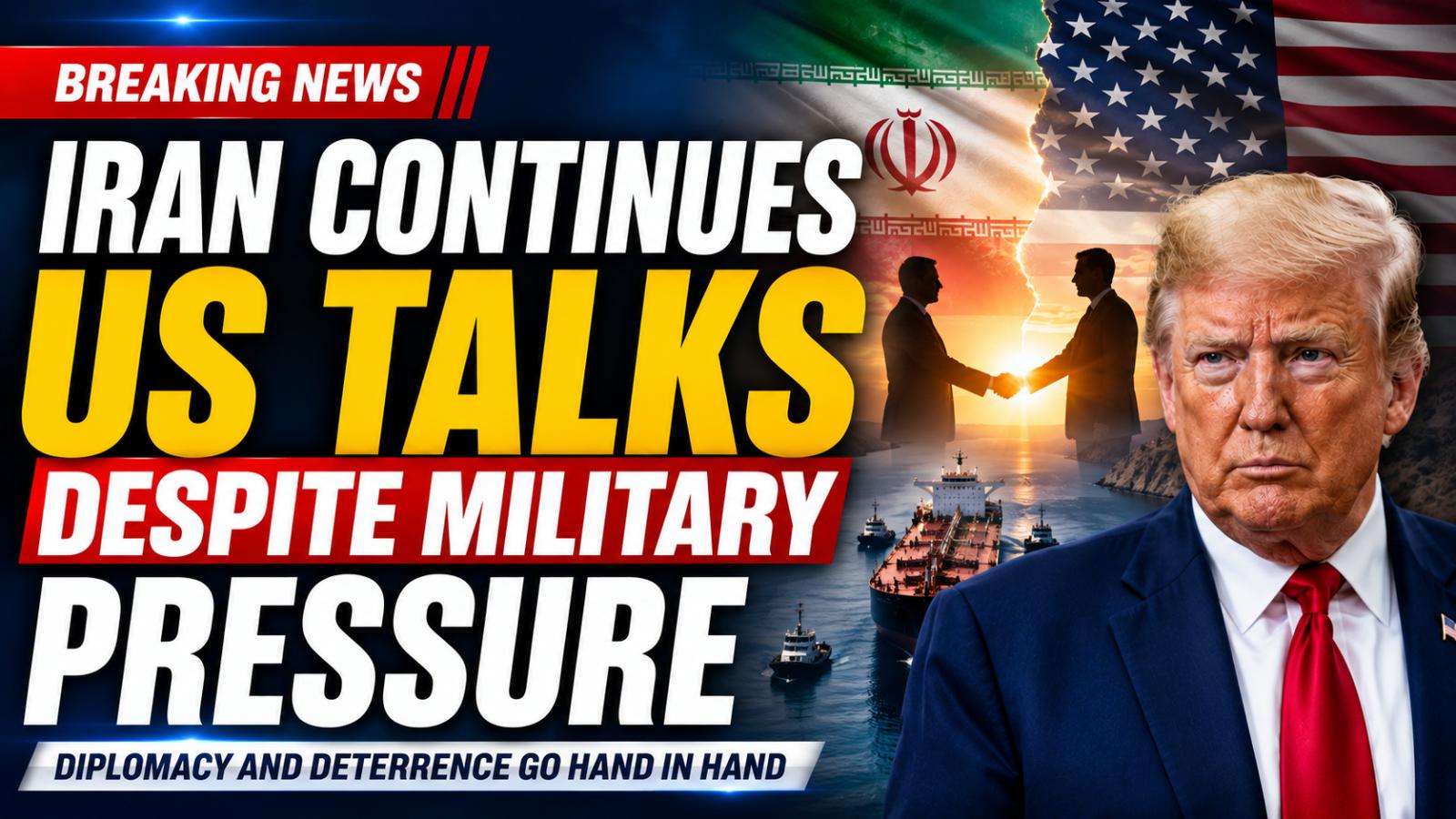
Iran continues US talks despite military pressure, according to the White House, which says Tehran remains interested in reaching an agreement with Washington. Officials also stressed that the Trump administration will continue protecting international shipping while pursuing diplomacy alongside military deterrence.
Iran Continues US Talks Despite Military Pre
Iran continues US talks despite military pressure, according to the White House, which says Tehran remains interested in reaching an agreement with Washington. Officials also stressed that the Trump administration will continue protecting international shipping while pursuing diplomacy alongside military deterrence.
Iran Continues US Talks Despite Military Pre
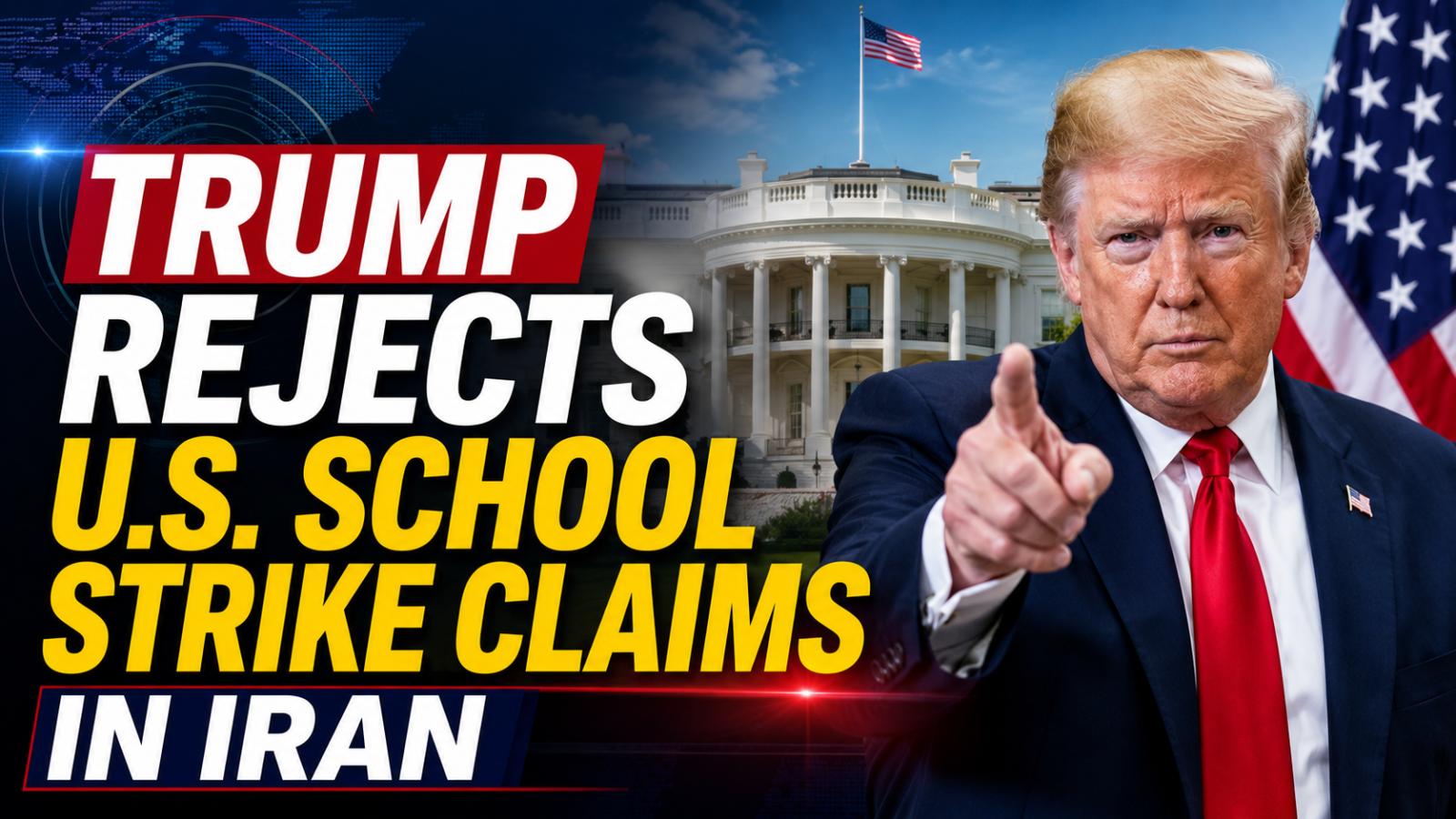
Trump rejects US school strike claims Iran as the White House defends military actions and says American forces do not intentionally target civilians. Officials also discussed Iran-US negotiations, regional tensions, and security in the Strait of Hormuz following recent military exchanges.
Trump Rejects Allegations Over Iran School Strike
Trump rejects US school strike claims Iran as the White House defends military actions and says American forces do not intentionally target civilians. Officials also discussed Iran-US negotiations, regional tensions, and security in the Strait of Hormuz following recent military exchanges.
Trump Rejects Allegations Over Iran School Strike
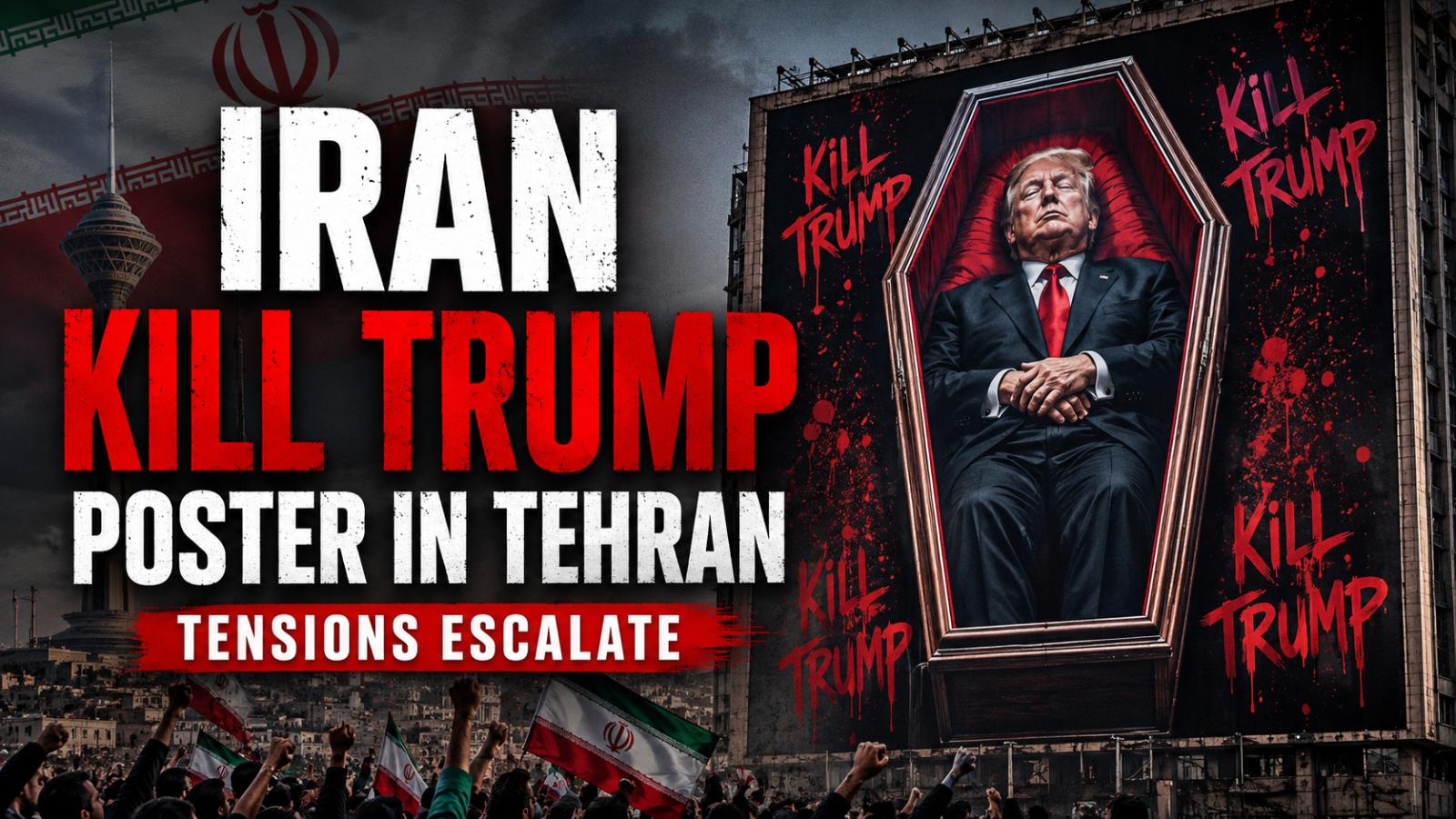
A massive Iran kill trump poster Tehran displayed in the capital has intensified concerns over US-Iran relations. The development follows renewed revenge threats, a public funeral procession, and Donald Trump's warning that he has prepared military instructions if harmed.
Iran Displays 'Kill Trump' Poster in Tehran Amid Renewed Threats
Relations between Ira
A massive Iran kill trump poster Tehran displayed in the capital has intensified concerns over US-Iran relations. The development follows renewed revenge threats, a public funeral procession, and Donald Trump's warning that he has prepared military instructions if harmed.
Iran Displays 'Kill Trump' Poster in Tehran Amid Renewed Threats
Relations between Ira