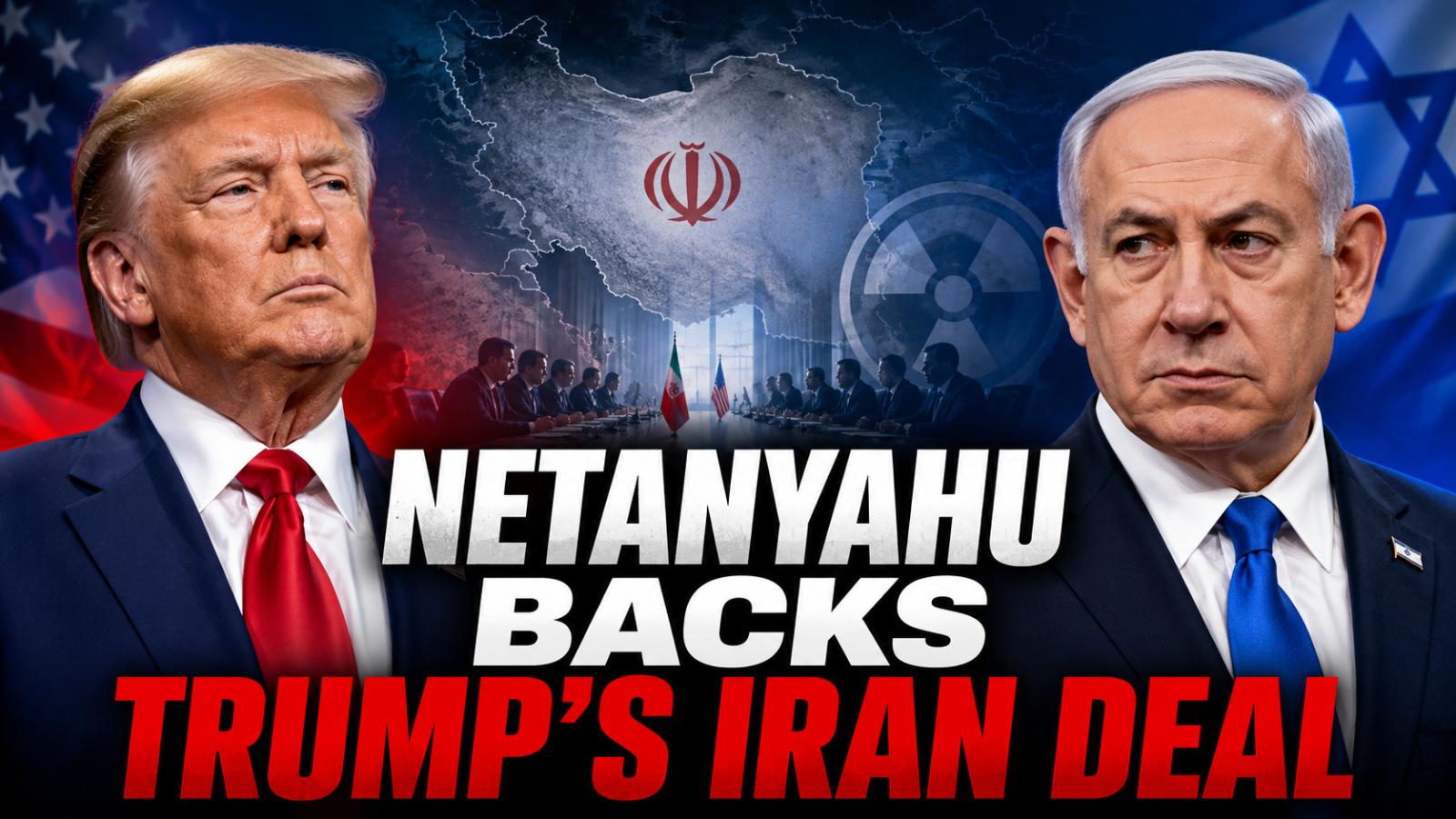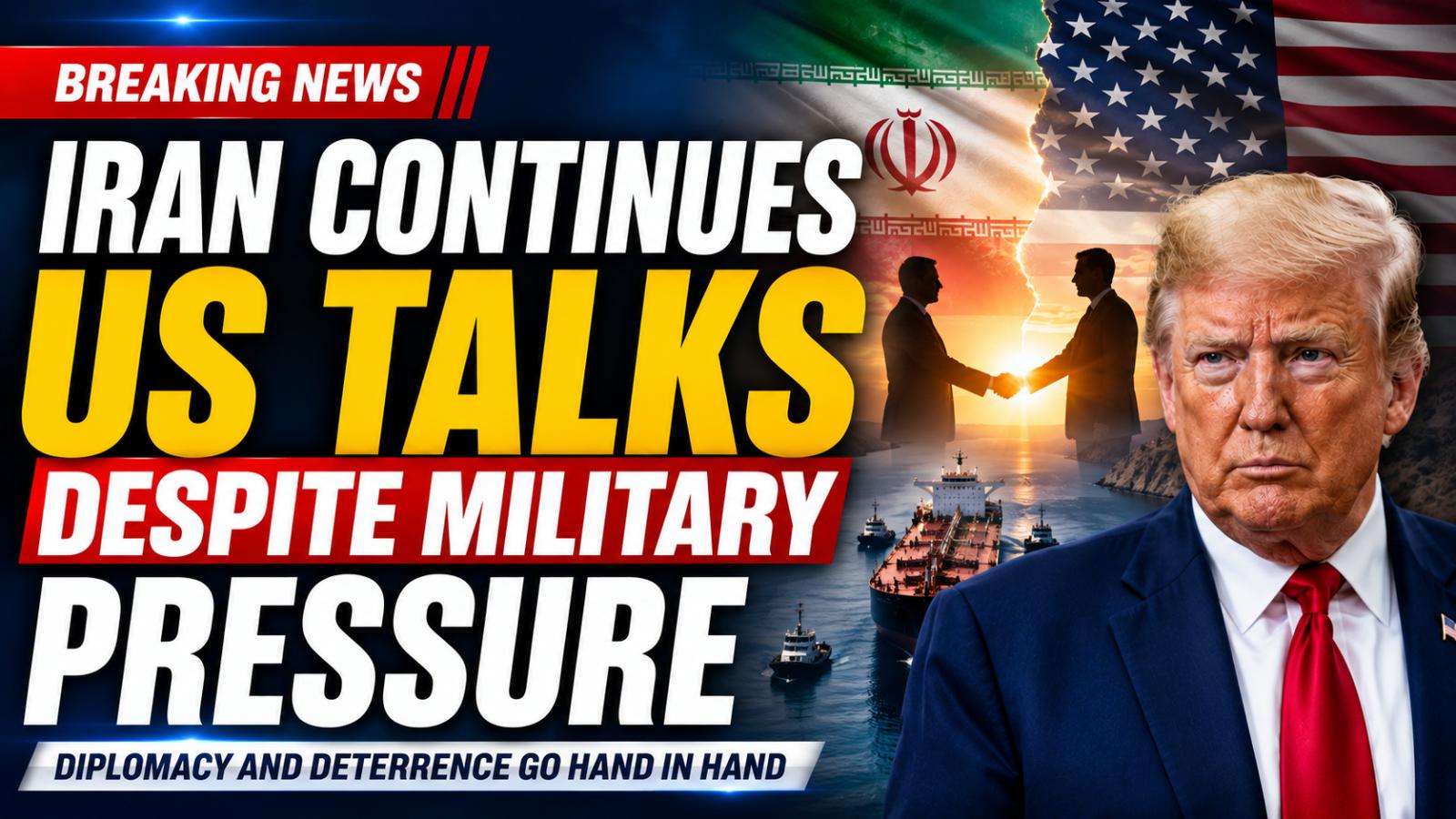
Iran continues US talks despite military pressure, according to the White House, which says Tehran remains interested in reaching an agreement with Washington. Officials also stressed that the Trump administration will continue protecting international shipping while pursuing diplomacy alongside military deterrence.
Iran Continues US Talks Despite Military Pressure
The White House says Iran remains engaged in discussions with the United States despite heightened military tensions between the two countries. During a White House press briefing on Thursday, Press Secretary Karoline Leavitt stated that Tehran has continued communicating with Washington and has indicated its willingness to negotiate a broader agreement even after recent military exchanges.
According to Leavitt, Iranian officials are seeking diplomacy after experiencing significant military setbacks. She told reporters that Iran has expressed interest in making a deal with the United States while acknowledging the pressure created by recent American military operations. The comments reflect the administration's position that diplomatic engagement can continue even during periods of heightened regional conflict.
White House Iran Negotiations Continue
Leavitt said the United States remains open to diplomatic discussions but insists that negotiations must be backed by credible deterrence. She explained that recent US military strikes were launched after Iran allegedly violated an Iran-US memorandum of understanding that Washington says prohibits attacks on commercial vessels traveling through the Strait of Hormuz.
The White House maintains that safeguarding international shipping remains one of the administration's highest priorities. Officials argue that protecting one of the world's busiest maritime trade routes is essential for global economic stability and regional security.
Trump Iran Diplomacy Stance
Leavitt emphasized that President Donald Trump supports diplomatic efforts but will not tolerate attacks on commercial shipping or actions that threaten international trade. She stated that the administration would respond firmly if Iran targets vessels operating in the Strait of Hormuz.
The press secretary also claimed that recent US military operations had significantly weakened Iran's defensive capabilities. According to her remarks, the United States has demonstrated that it can respond rapidly to security threats whenever necessary. She stressed that maintaining military readiness strengthens America's negotiating position while keeping diplomatic channels open.
Related Article: Trump Rejects US School Strike Claims in Iran
Related Article: Trump Weighs Strike on Iran Pickaxe Mountain Nuclear Site
Strait of Hormuz Security Remains Central
The Strait of Hormuz continues to be a major focus of US policy because it serves as a critical passage for global energy supplies and commercial shipping. Any disruption to maritime traffic through the waterway can have immediate effects on international markets and energy prices.
The White House says preventing attacks on commercial vessels remains a central objective of US policy in the region. Officials believe that combining diplomatic engagement with military preparedness offers the strongest approach to maintaining stability while discouraging future attacks.
Although tensions between Washington and Tehran remain high, both governments continue to exchange messages through diplomatic channels. The latest White House briefing suggests that negotiations have not ended despite ongoing disagreements over regional security, military operations, and maritime safety. Whether those discussions eventually produce a formal agreement remains uncertain, but both diplomacy and deterrence continue to shape the current US approach toward Iran.
The information in this article is based on official statements made by White House Press Secretary Karoline Leavitt during a White House press briefing.