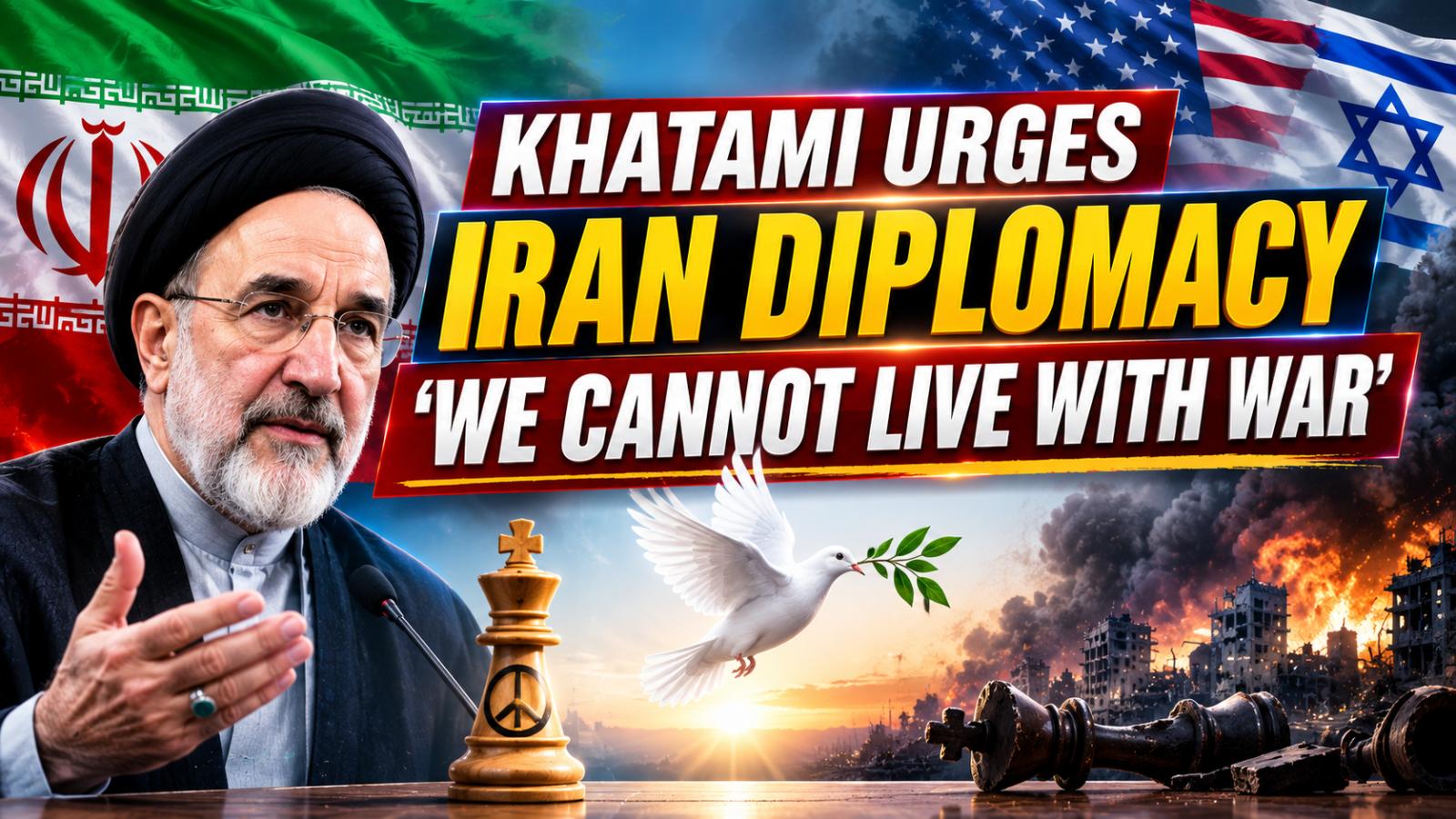
Former Iranian president Mohammad Khatami has urged a more measured diplomatic approach as the Iran war continues to strain daily life, governance and the economy. His remarks add to a widening Iran war debate between hardliners seeking prolonged resistance and officials who see negotiations as part of an eventual exit.
Khatami Iran diplomacy call focuses on cost of war
Khatami warned that Iran cannot function indefinitely under wartime conditions, even if the Islamic Republic has demonstrated that it can survive external pressure.
He said prolonged conflict makes it increasingly difficult to meet public needs and maintain ordinary life. While remaining deeply distrustful of Washington and accusing Israel of seeking continued confrontation, Khatami argued that those threats should still be addressed through caution and diplomacy.
His comments do not amount to support for unconditional talks. Instead, they reflect an argument that military resilience alone cannot provide a sustainable long-term strategy.
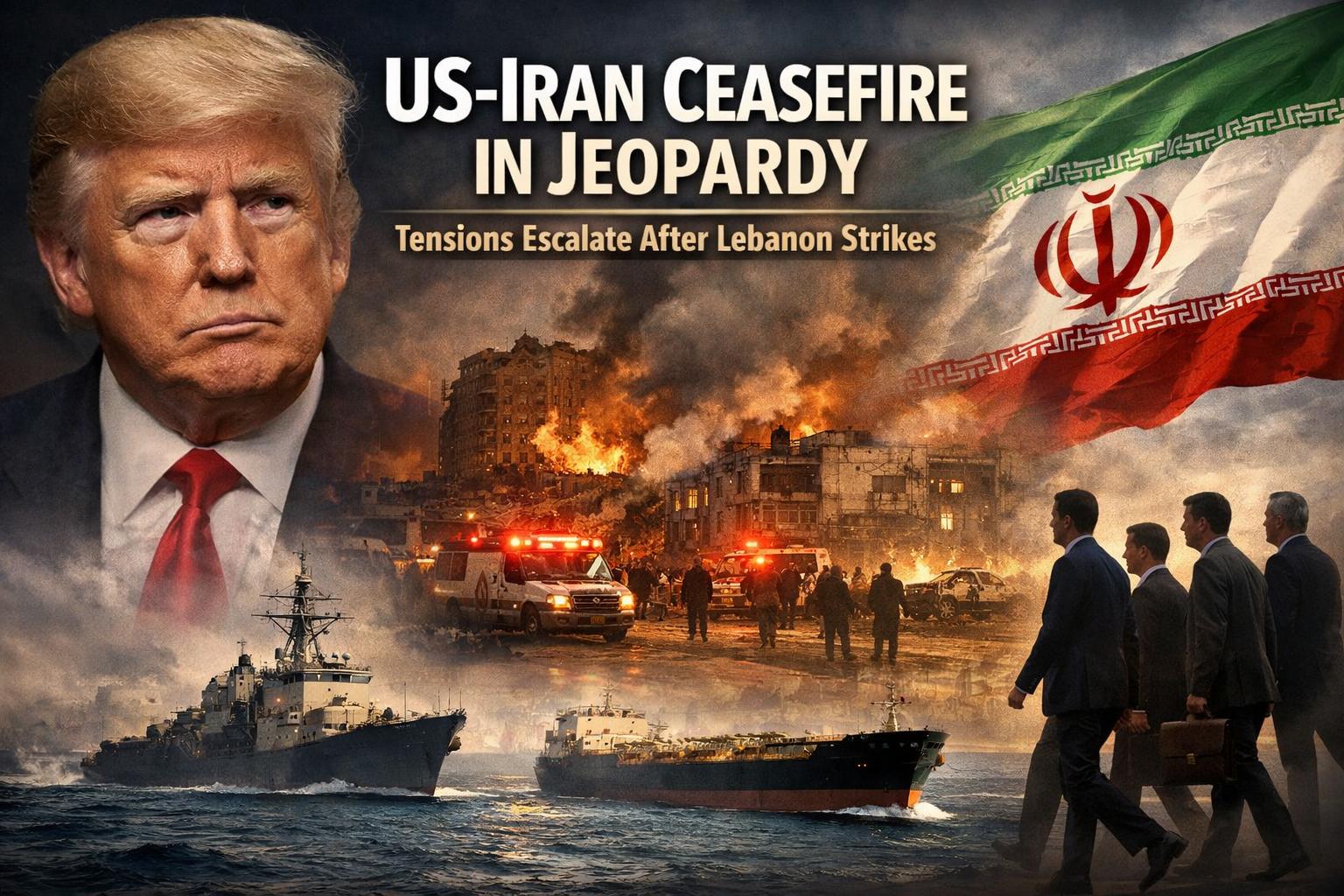
That message comes as efforts to revive an interim understanding between Iran and the United States remain stalled, with both sides continuing to dispute the terms of de-escalation and access through the Strait of Hormuz.
Iran war debate exposes divide over negotiations
The argument over diplomacy is already visible inside Iran's political establishment.
AP has reported that ultra-hardliners associated with the Paydari movement oppose negotiations with the United States and favor continuing military pressure until Iran secures what they describe as victory. Their position treats compromise as a risk to the ideological and strategic objectives of the Islamic Republic.
A more pragmatic camp associated with President Masoud Pezeshkian and Parliament Speaker Mohammad Bagher Ghalibaf takes a different view. It sees Iran's military capability as leverage that can strengthen Tehran's position in negotiations rather than as an end in itself.
Ghalibaf has previously participated directly in Iran-US negotiations and was involved in efforts to formalize an interim agreement aimed at ending hostilities.
Paydari hardliners resist negotiated settlement
The Paydari camp's resistance to negotiations is part of a broader struggle over Iran's post-war direction.
Hardline figures have argued that talks with Washington could weaken Iran's bargaining position or repeat what they see as earlier failed attempts at accommodation. Iran's recent national-security appointments have also strengthened officials known for more confrontational positions toward the United States.
That creates an increasingly difficult environment for officials trying to pursue negotiations. Recent reporting indicates that Iranian diplomats and negotiators have faced domestic criticism even as regional mediators continue trying to find arrangements capable of reducing tensions around Hormuz.
Pezeshkian talks reflect growing economic pressure
The pragmatic case for diplomacy is closely connected to Iran's economic and social pressures.
Extended conflict has disrupted energy routes, increased uncertainty and complicated attempts to stabilize the country's economy. Officials supporting negotiations argue that an indefinite war risks deepening public frustration while making economic recovery more difficult.
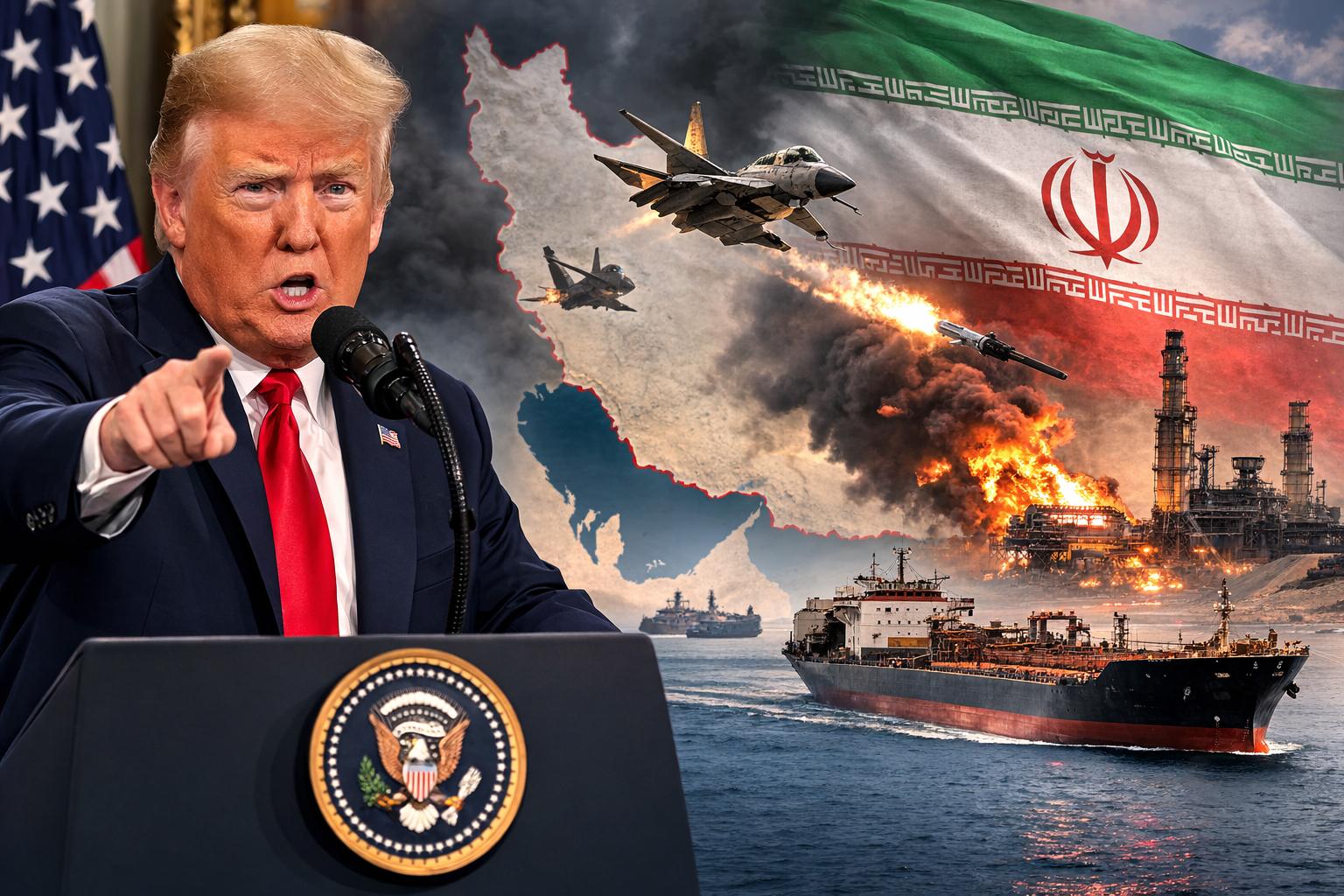
The broader regional consequences are also significant. Shipping disruptions around the Strait of Hormuz have contributed to volatility in global energy markets, while military attacks and counterattacks continue to threaten infrastructure and trade.
Khatami's intervention therefore adds political weight to an argument already developing inside Tehran: Iran may be capable of enduring continued conflict, but endurance is not the same as a viable long-term strategy.
The immediate question is whether that argument gains enough influence to shift policy. With hardliners strengthening their position and talks with Washington still stalled, diplomacy faces substantial resistance. Yet Khatami's warning highlights the growing domestic cost of treating permanent wartime conditions as normal.