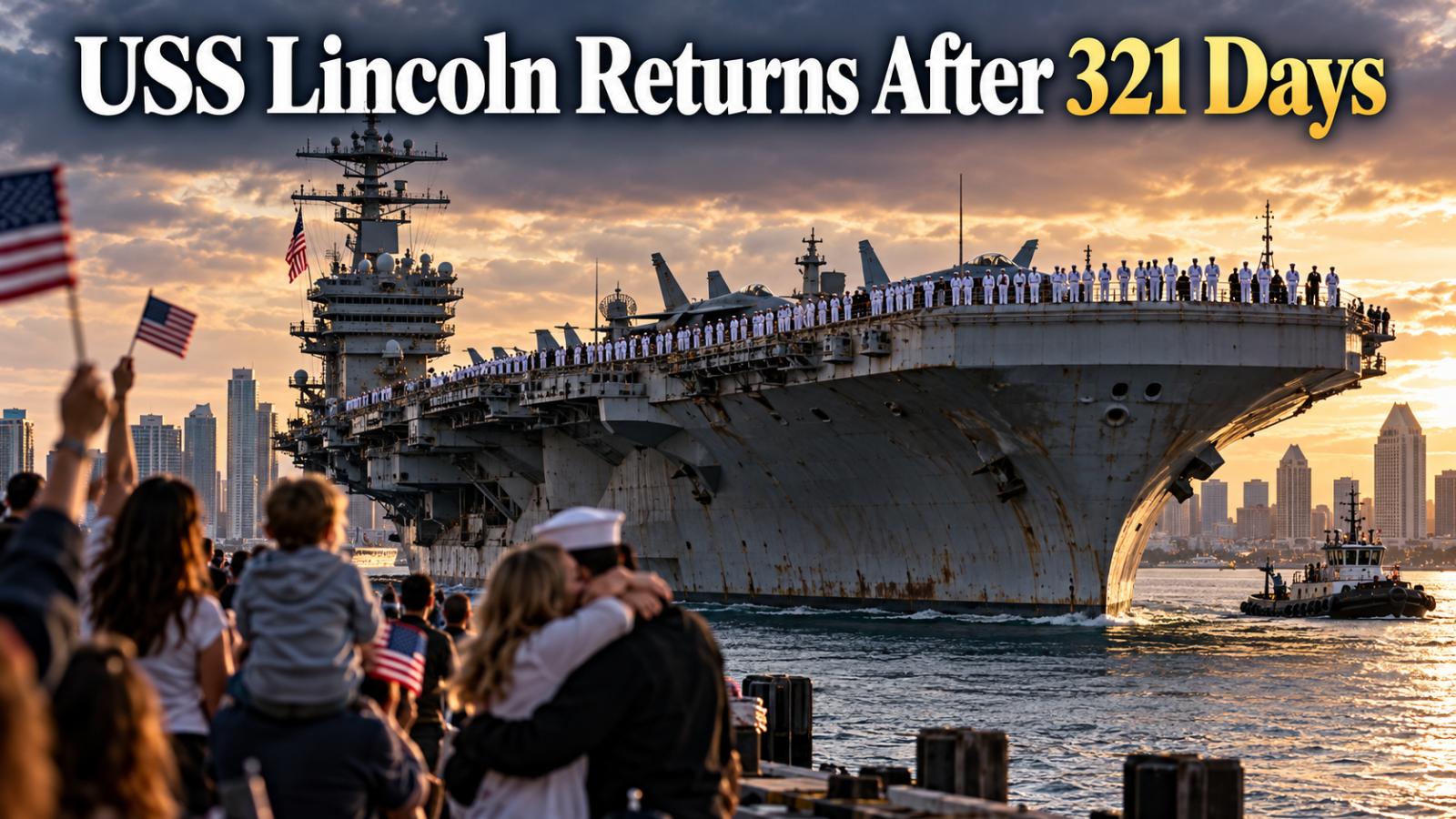
The USS Lincoln 321-day deployment ended in San Diego on October 8, 2026, after months of US military operations against Iran. The homecoming brought relief to families but also renewed concerns over eight reported suicide attempts, food supplies and sailors' mental health.
USS Lincoln Homecoming Ends Record Deployment
The USS Abraham Lincoln returned
The USS Lincoln 321-day deployment ended in San Diego on October 8, 2026, after months of US military operations against Iran. The homecoming brought relief to families but also renewed concerns over eight reported suicide attempts, food supplies and sailors' mental health.
USS Lincoln Homecoming Ends Record Deployment
The USS Abraham Lincoln returned
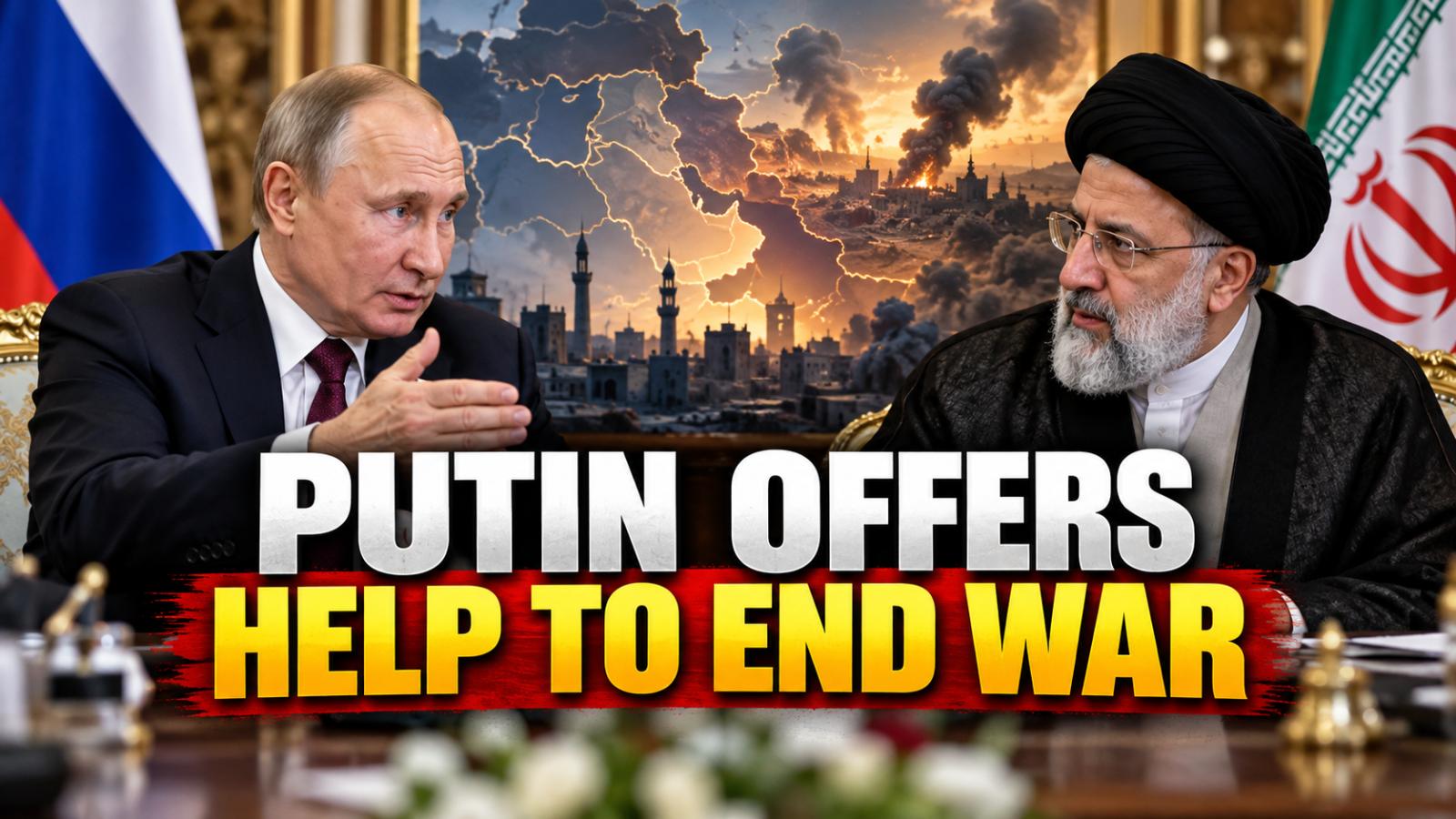
Putin Iran peace talks moved into focus after Vladimir Putin told Masoud Pezeshkian that Russia was ready to help end the Middle East conflict. Their meeting also highlighted stronger Tehran ties, stalled US talks, drone claims and wider diplomacy at the CIS meet.
Putin pledges Russian support to help end Middle East conflict
Russian President Vladimir Putin has told Iranian President Masoud Pezeshkian that Moscow is ready to use its i
Putin Iran peace talks moved into focus after Vladimir Putin told Masoud Pezeshkian that Russia was ready to help end the Middle East conflict. Their meeting also highlighted stronger Tehran ties, stalled US talks, drone claims and wider diplomacy at the CIS meet.
Putin pledges Russian support to help end Middle East conflict
Russian President Vladimir Putin has told Iranian President Masoud Pezeshkian that Moscow is ready to use its i
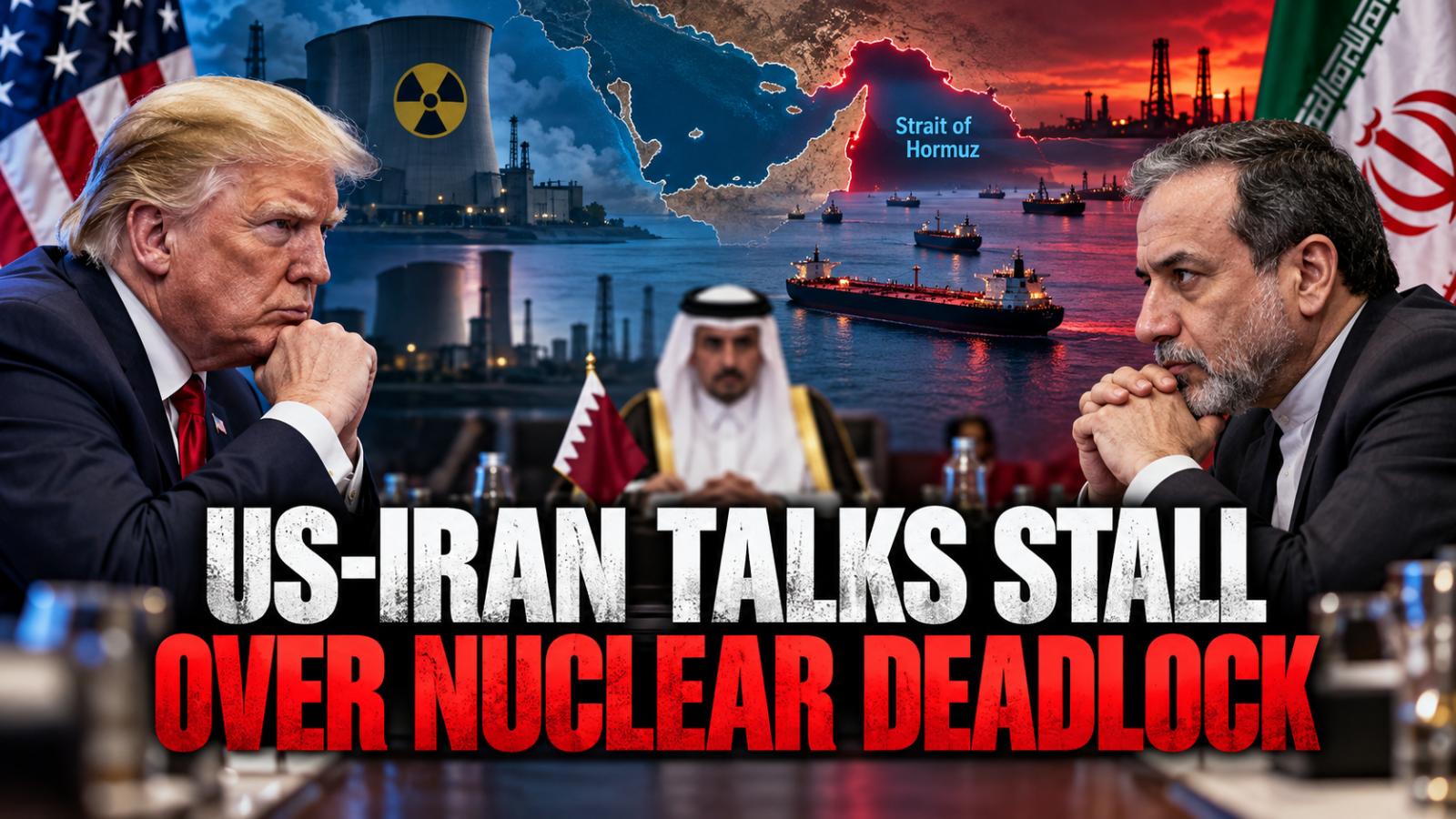
US-Iran peace talks have entered another critical phase as Qatari mediators shuttle messages between Washington and Tehran. Both governments say diplomacy remains possible, but deep disagreements over the Strait of Hormuz, sanctions and Iran’s nuclear programme continue to block a broader settlement.
Qatar mediation
Iranian Foreign Minister Abbas Araghchi has been engaging Qatari mediators while US officials hold separate discussions w
US-Iran peace talks have entered another critical phase as Qatari mediators shuttle messages between Washington and Tehran. Both governments say diplomacy remains possible, but deep disagreements over the Strait of Hormuz, sanctions and Iran’s nuclear programme continue to block a broader settlement.
Qatar mediation
Iranian Foreign Minister Abbas Araghchi has been engaging Qatari mediators while US officials hold separate discussions w
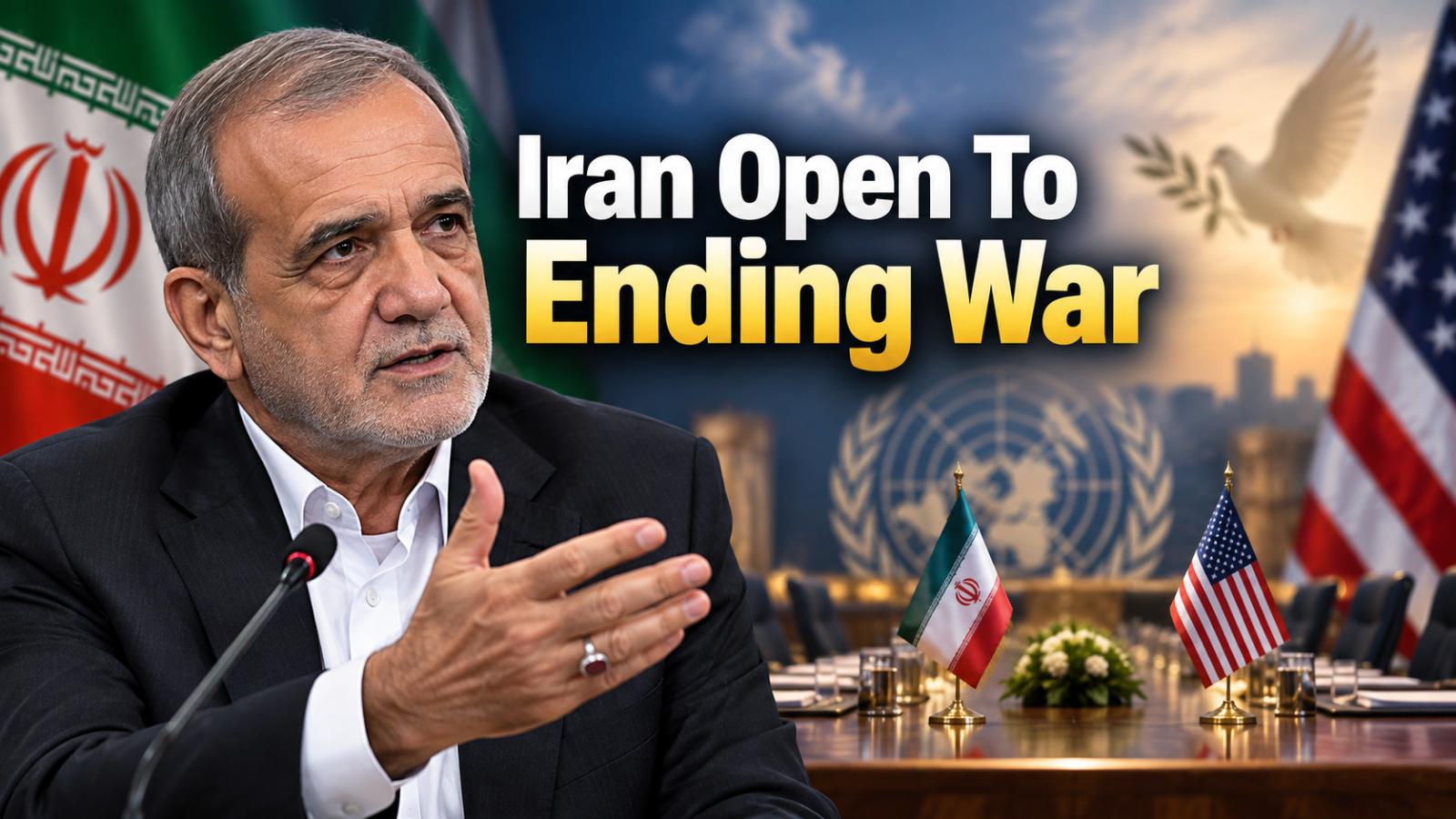
Iranian President Masoud Pezeshkian says Tehran does not want its conflict with the United States to continue and remains open to negotiations. His remarks came as Iranian and US officials held talks in New York, although the discussions produced no immediate breakthrough and major disagreements remain.
US deal remains possible, Pezeshkian says
In an interview aired Thursday, Pezeshkian said di
Iranian President Masoud Pezeshkian says Tehran does not want its conflict with the United States to continue and remains open to negotiations. His remarks came as Iranian and US officials held talks in New York, although the discussions produced no immediate breakthrough and major disagreements remain.
US deal remains possible, Pezeshkian says
In an interview aired Thursday, Pezeshkian said di
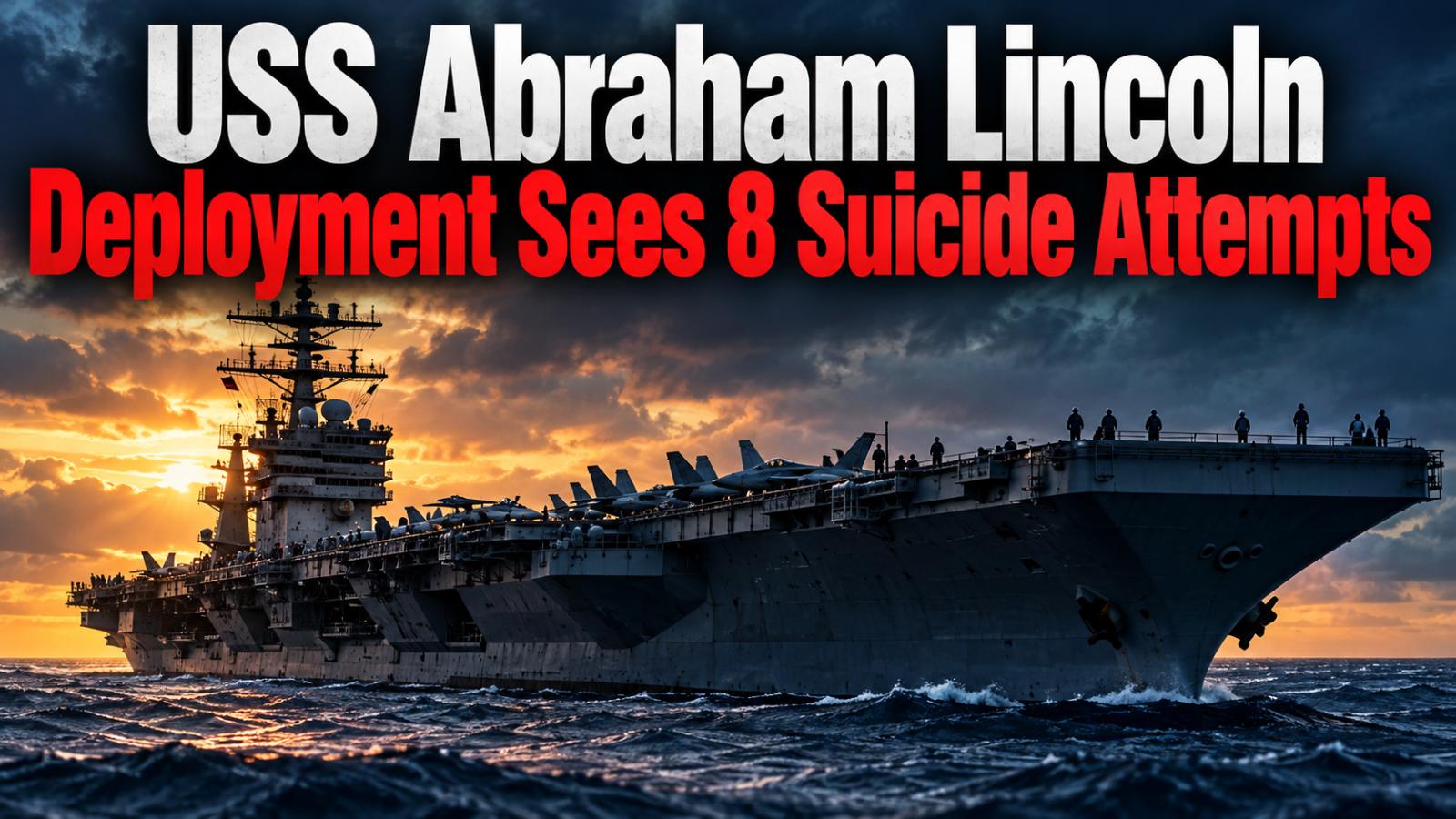
The USS Abraham Lincoln carrier strike group recorded eight suicide attempts during its prolonged deployment, Acting Navy Secretary Hung Cao has told Senator Kirsten Gillibrand. The disclosure has renewed scrutiny of Navy mental health support, crew welfare and the pressures created by an unusually long deployment that included combat operations connected to the Iran war.
Cao said the eight cases involved personnel from across the strike group, including the
The USS Abraham Lincoln carrier strike group recorded eight suicide attempts during its prolonged deployment, Acting Navy Secretary Hung Cao has told Senator Kirsten Gillibrand. The disclosure has renewed scrutiny of Navy mental health support, crew welfare and the pressures created by an unusually long deployment that included combat operations connected to the Iran war.
Cao said the eight cases involved personnel from across the strike group, including the
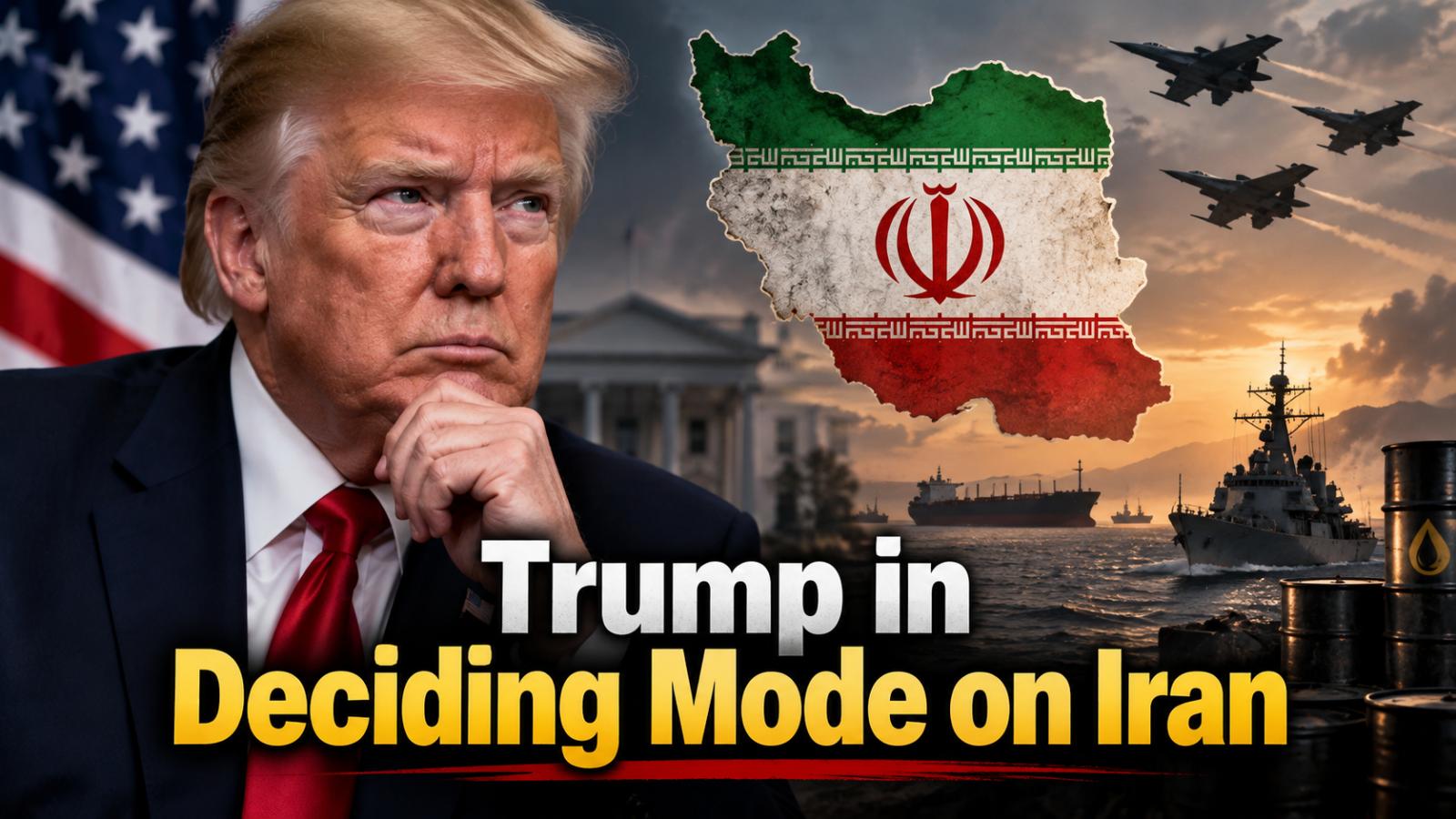
US President Donald Trump says he is in a “deciding mode” over Iran as Washington weighs military action, economic pressure and possible diplomacy. His comments come as Tehran sets conditions for renewed negotiations, Houthi attacks heighten regional tensions and the Strait of Hormuz remains central to the dispute.
Trump weighs Iran m
US President Donald Trump says he is in a “deciding mode” over Iran as Washington weighs military action, economic pressure and possible diplomacy. His comments come as Tehran sets conditions for renewed negotiations, Houthi attacks heighten regional tensions and the Strait of Hormuz remains central to the dispute.
Trump weighs Iran m
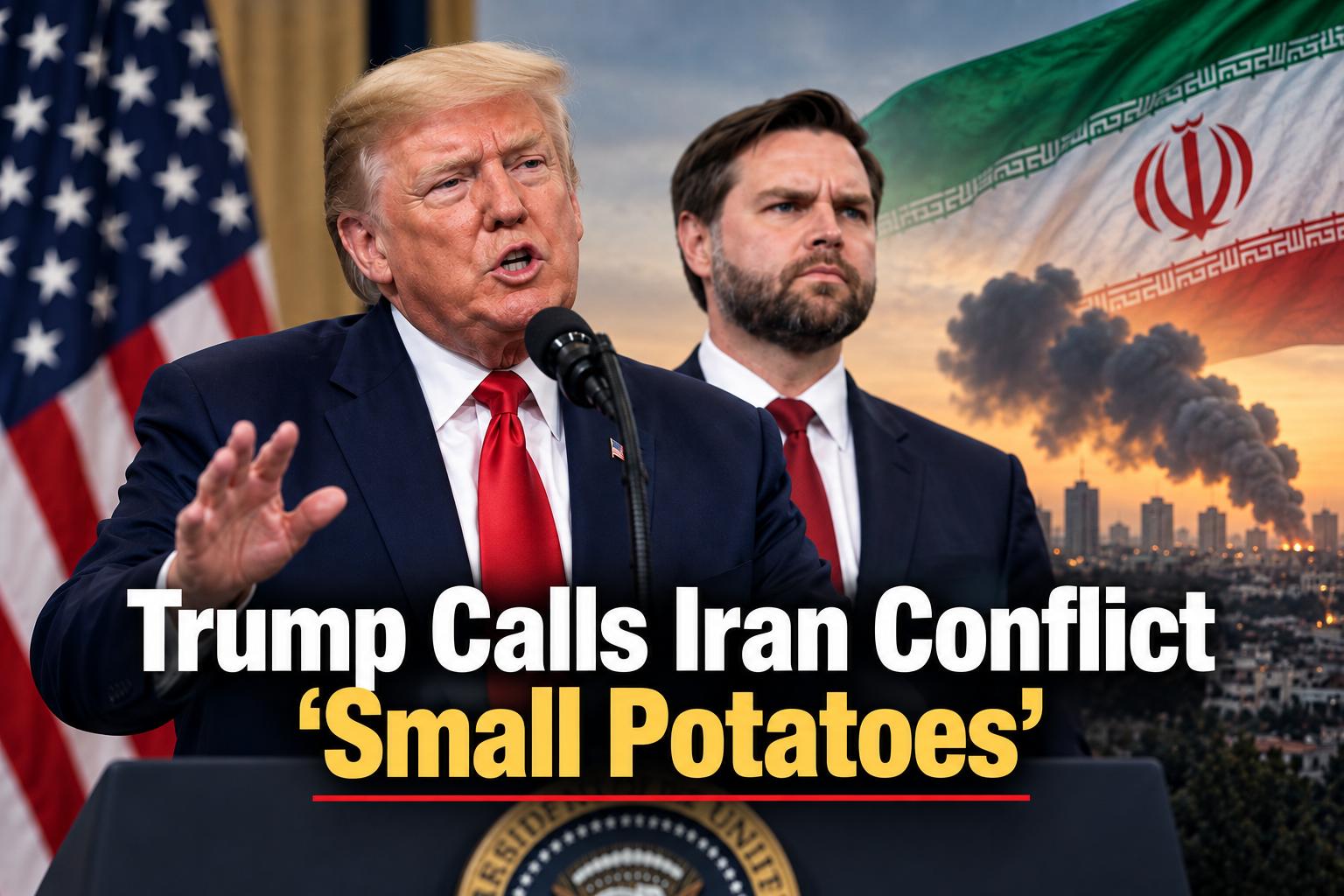
U.S. President Donald Trump has played down the six-month conflict with Iran, calling it “small potatoes” for the United States while backing Vice President JD Vance’s view that the continuing hostilities should not necessarily be described as a war.
Trump Calls Iran Conflict ‘Small Potatoes’
Speaking to reporters in the Oval Office on September 4, Trump said he
U.S. President Donald Trump has played down the six-month conflict with Iran, calling it “small potatoes” for the United States while backing Vice President JD Vance’s view that the continuing hostilities should not necessarily be described as a war.
Trump Calls Iran Conflict ‘Small Potatoes’
Speaking to reporters in the Oval Office on September 4, Trump said he
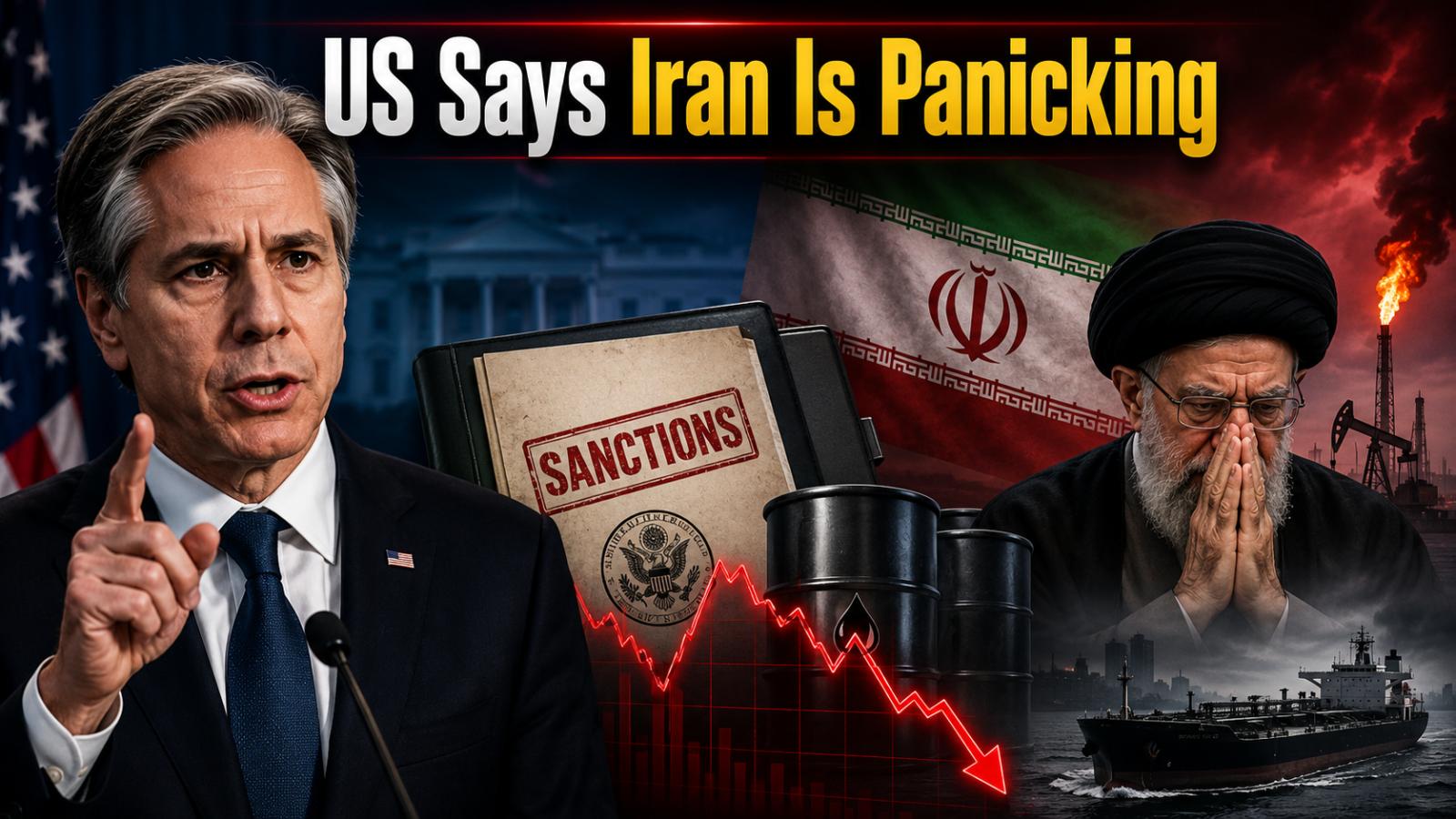
Iran sanctions pressure has intensified after US Treasury Secretary Scott Bessent claimed Tehran’s leadership is showing signs that Washington’s new economic campaign is working. Iranian officials rejected that assessment, while oil prices fell despite continuing US-Iran tensions.
Bessent claim focuses on Iranian leaders
Bessent said on
Iran sanctions pressure has intensified after US Treasury Secretary Scott Bessent claimed Tehran’s leadership is showing signs that Washington’s new economic campaign is working. Iranian officials rejected that assessment, while oil prices fell despite continuing US-Iran tensions.
Bessent claim focuses on Iranian leaders
Bessent said on
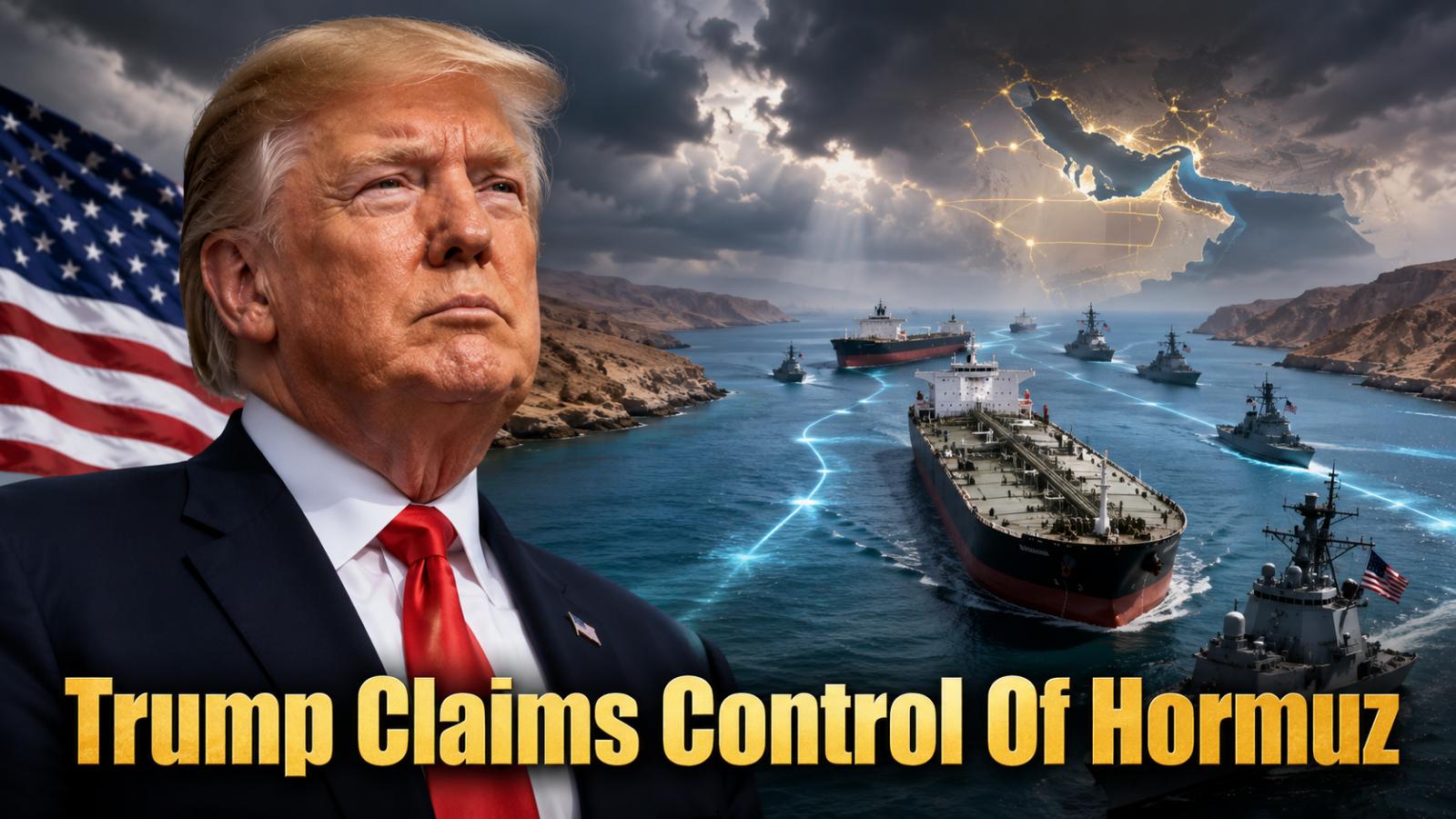
President Donald Trump has renewed his US Hormuz control claim, saying Washington has “complete control” of the Strait of Hormuz as more oil tankers move through the strategic waterway. Shipping remains well below normal levels, however, while Iran continues to dispute American claims of control.
Trump Hormuz claim
Trump told reporters on Wednesday that a large number of vessels had recentl
President Donald Trump has renewed his US Hormuz control claim, saying Washington has “complete control” of the Strait of Hormuz as more oil tankers move through the strategic waterway. Shipping remains well below normal levels, however, while Iran continues to dispute American claims of control.
Trump Hormuz claim
Trump told reporters on Wednesday that a large number of vessels had recentl
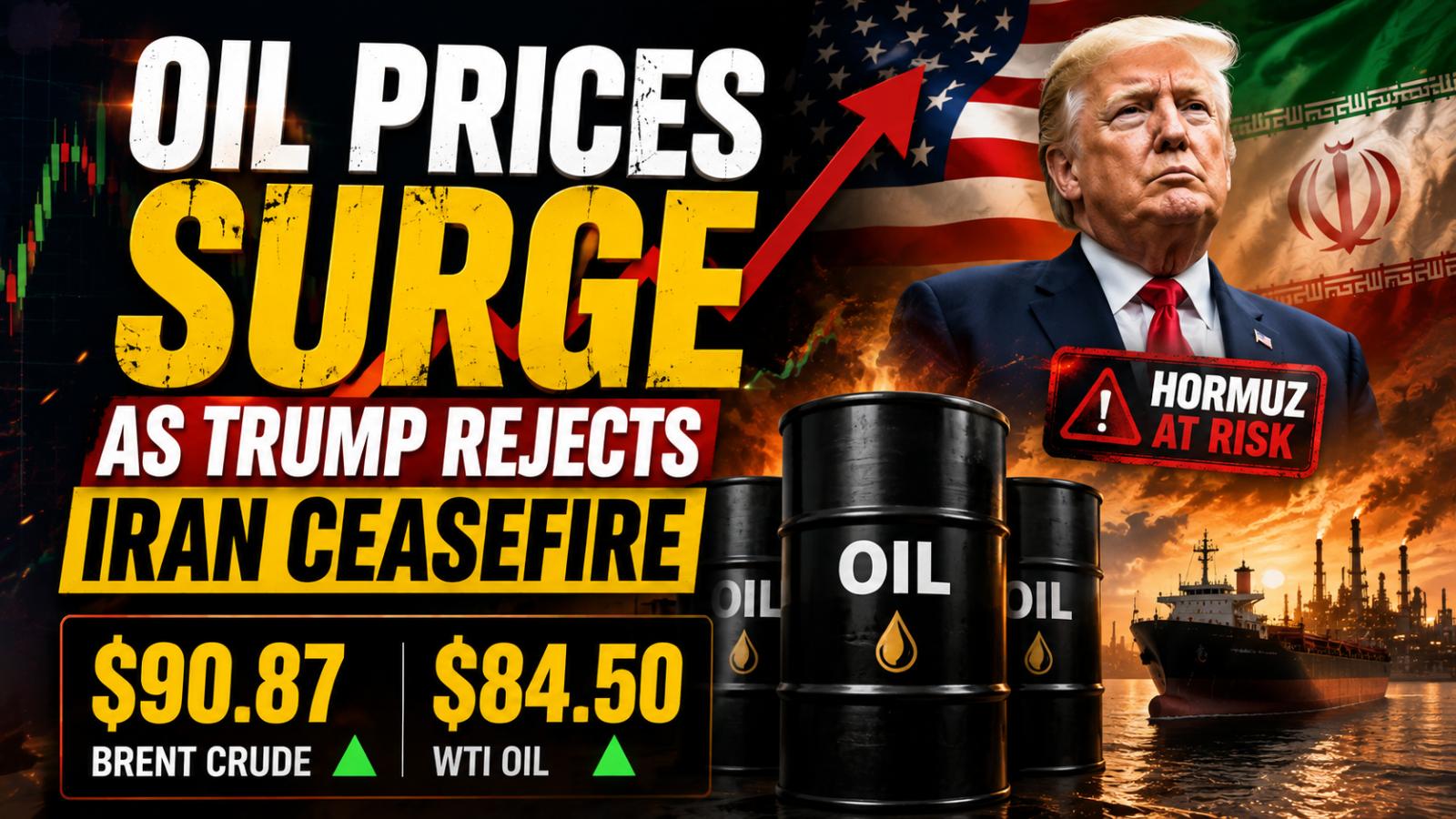
Oil prices surged on Monday as fading hopes for a US-Iran settlement renewed fears of prolonged supply disruptions in the Strait of Hormuz. Brent crude closed above $90 a barrel, while WTI oil also climbed sharply as traders reacted to stalled diplomacy and Iran's warning of possible military escalation.
Brent crude rises as Iran ceasefire hopes fade
Brent crude futures settled $2.22 higher at
Oil prices surged on Monday as fading hopes for a US-Iran settlement renewed fears of prolonged supply disruptions in the Strait of Hormuz. Brent crude closed above $90 a barrel, while WTI oil also climbed sharply as traders reacted to stalled diplomacy and Iran's warning of possible military escalation.
Brent crude rises as Iran ceasefire hopes fade
Brent crude futures settled $2.22 higher at
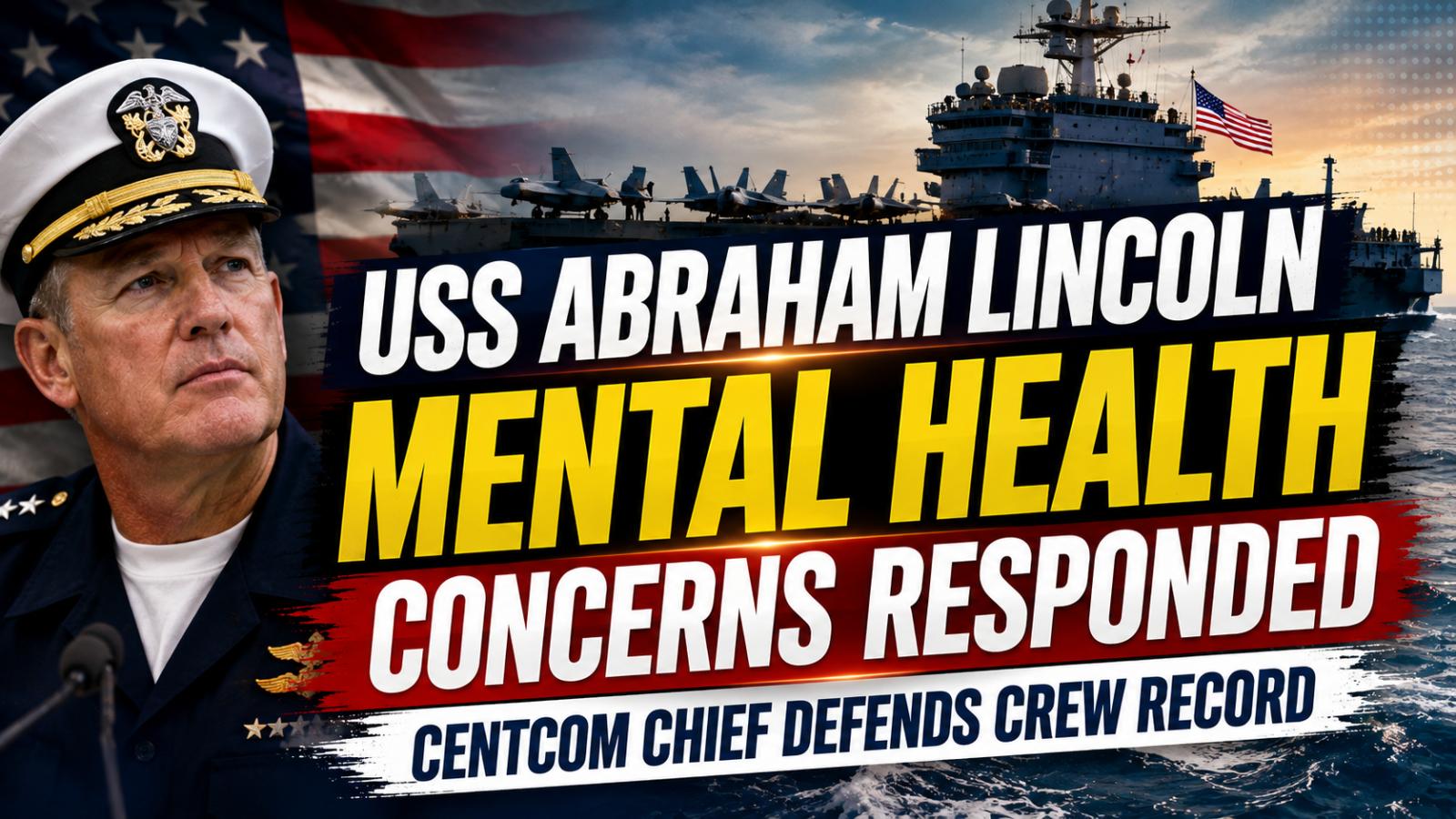
USS Abraham Lincoln mental health concerns are drawing scrutiny after its unusually long deployment, prompting CENTCOM commander Adm. Brad Cooper to defend the crew's resilience. Cooper said the carrier has among the Navy's lowest number of reported mental health cases while acknowledging the strain of prolonged service at sea.
CENTCOM response addresses menta
USS Abraham Lincoln mental health concerns are drawing scrutiny after its unusually long deployment, prompting CENTCOM commander Adm. Brad Cooper to defend the crew's resilience. Cooper said the carrier has among the Navy's lowest number of reported mental health cases while acknowledging the strain of prolonged service at sea.
CENTCOM response addresses menta
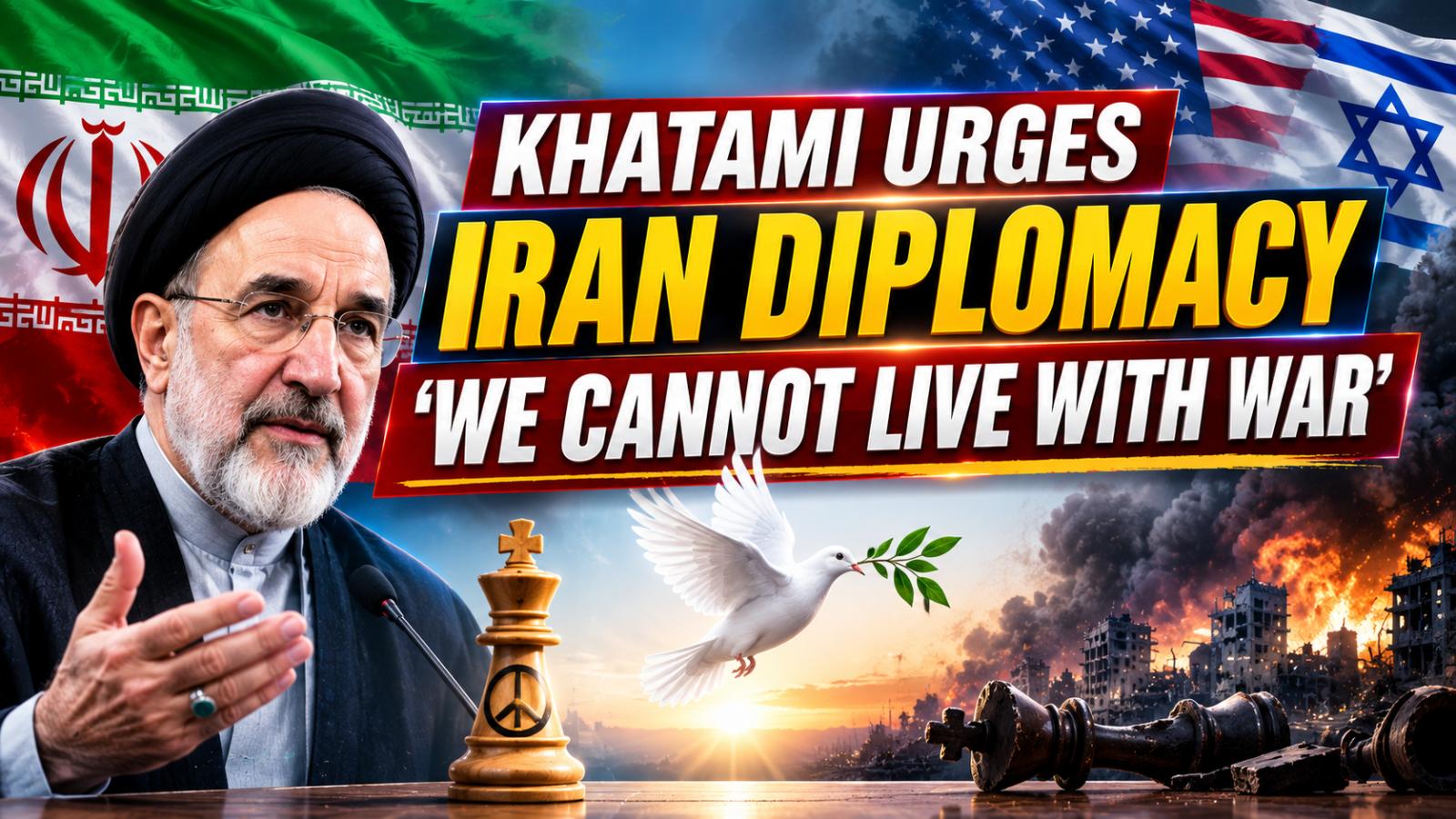
Former Iranian president Mohammad Khatami has urged a more measured diplomatic approach as the Iran war continues to strain daily life, governance and the economy. His remarks add to a widening Iran war debate between hardliners seeking prolonged resistance and officials who see negotiations as part of an eventual exit.
Khatami Iran diplomacy call focuses on cost of war
Khatami warned that Iran
Former Iranian president Mohammad Khatami has urged a more measured diplomatic approach as the Iran war continues to strain daily life, governance and the economy. His remarks add to a widening Iran war debate between hardliners seeking prolonged resistance and officials who see negotiations as part of an eventual exit.
Khatami Iran diplomacy call focuses on cost of war
Khatami warned that Iran
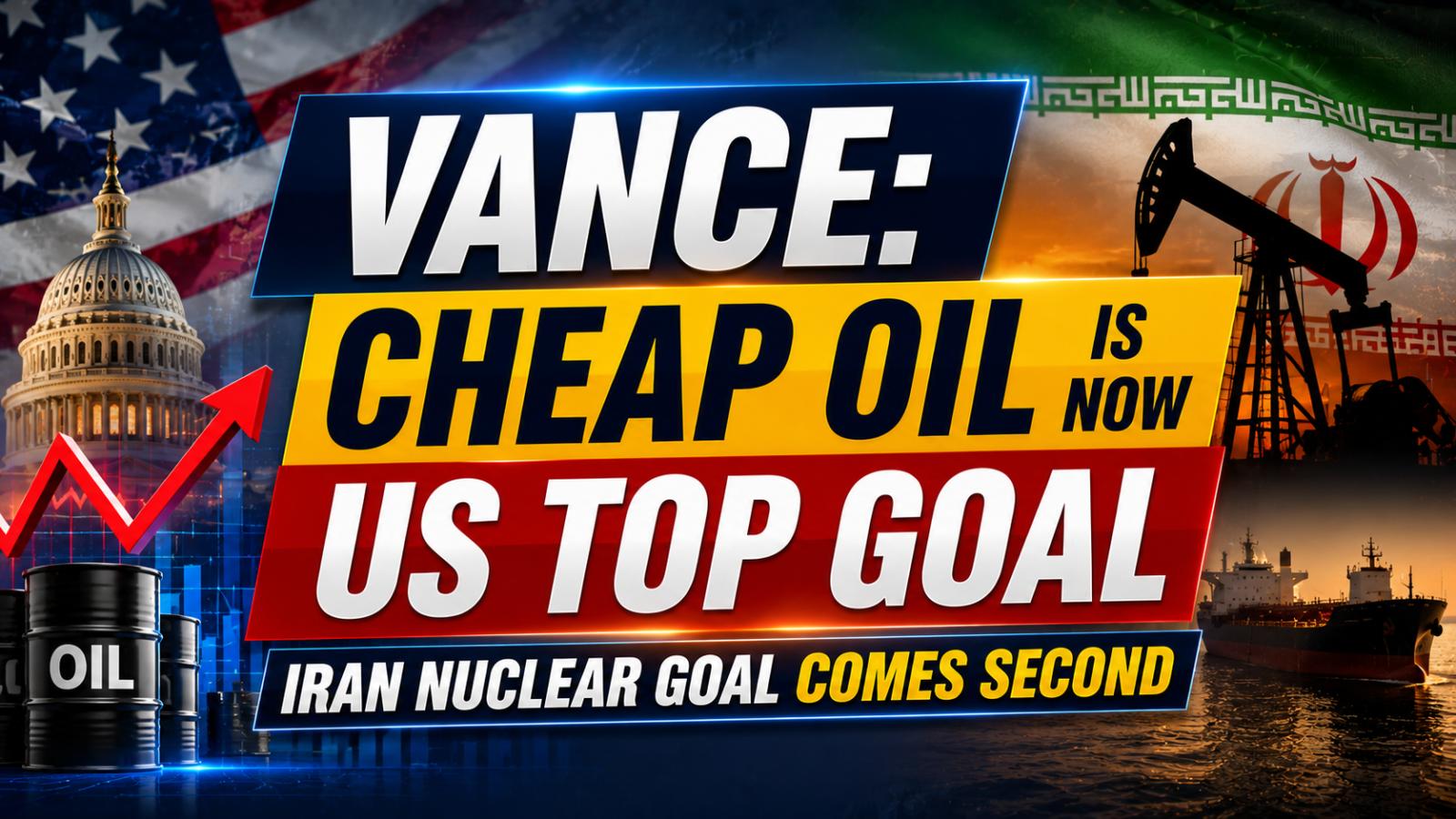
US Vice President JD Vance says Vance Iran war goals now place affordable oil and gasoline for Americans at the top of Washington’s priorities, followed by preventing Iran from acquiring a nuclear weapon. His remarks also put renewed focus on the Strait of Hormuz and its impact on energy markets.
Oil price goal moves to top of Vance’s priorities
Speaking in a Fox News interview on August 13
US Vice President JD Vance says Vance Iran war goals now place affordable oil and gasoline for Americans at the top of Washington’s priorities, followed by preventing Iran from acquiring a nuclear weapon. His remarks also put renewed focus on the Strait of Hormuz and its impact on energy markets.
Oil price goal moves to top of Vance’s priorities
Speaking in a Fox News interview on August 13
Panama Canal shipping costs have surged as global maritime disruption and tighter water conditions squeeze one of the world's most important trade routes. The Seaspan Benefactor reportedly paid about $4 million for priority transit as some vessels faced waits of roughly 10 days.
Canal congestion pushes auction prices sharply higher
The Seaspan Benefactor, a container ship with capacity of roughly 10,000 TEU, reportedly paid about $4 mill
Panama Canal shipping costs have surged as global maritime disruption and tighter water conditions squeeze one of the world's most important trade routes. The Seaspan Benefactor reportedly paid about $4 million for priority transit as some vessels faced waits of roughly 10 days.
Canal congestion pushes auction prices sharply higher
The Seaspan Benefactor, a container ship with capacity of roughly 10,000 TEU, reportedly paid about $4 mill
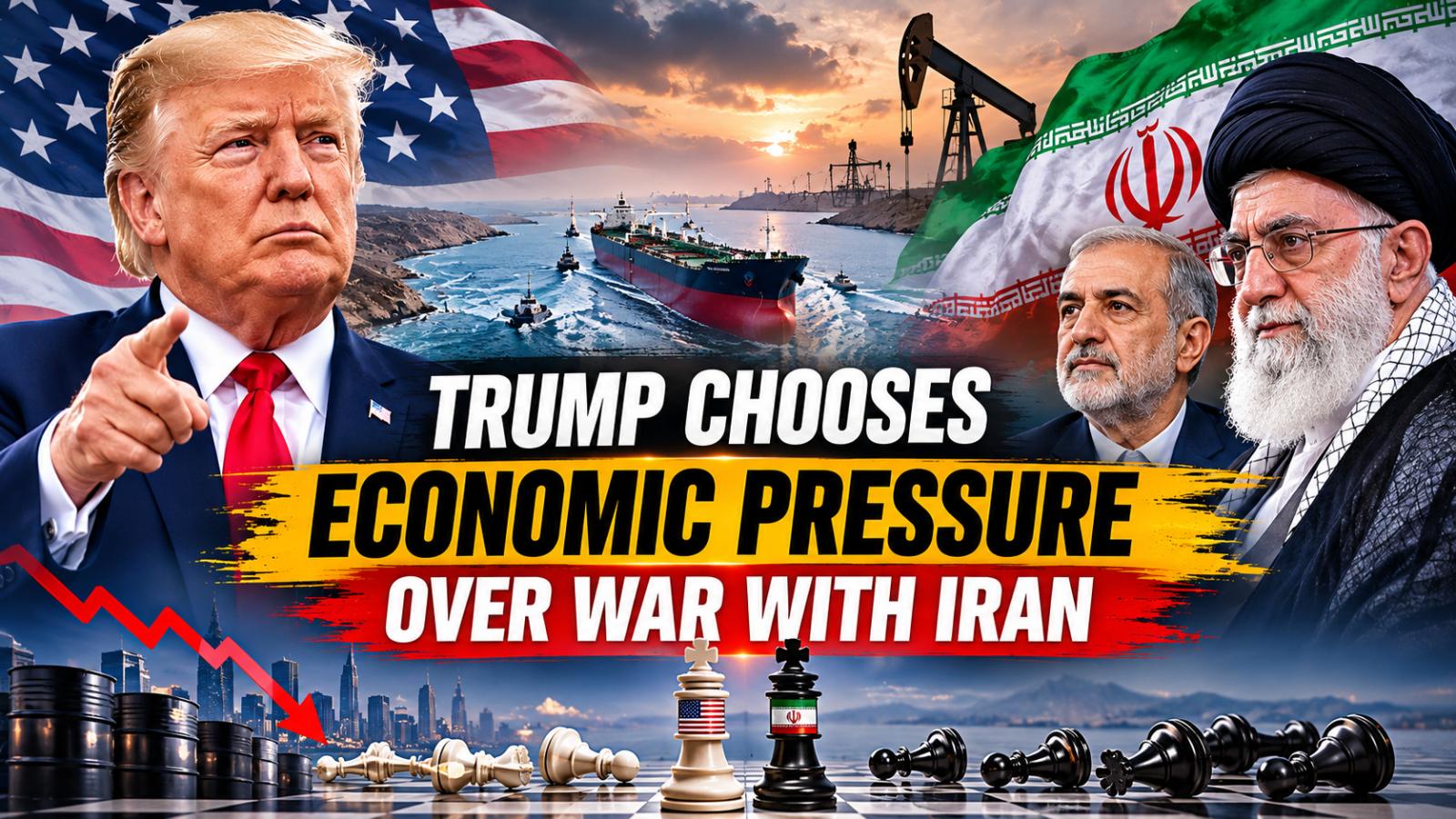
Trump’s Iran economic pressure strategy is currently taking priority over renewed major military action as Washington watches Tehran’s worsening economy. Indirect Iran talks and a possible Strait of Hormuz arrangement continue, but major disagreements remain unresolved.
Trump Iran Economic Pressure Strategy Takes Priority
US President Donald Trump has signaled that Washington is temporarily
Trump’s Iran economic pressure strategy is currently taking priority over renewed major military action as Washington watches Tehran’s worsening economy. Indirect Iran talks and a possible Strait of Hormuz arrangement continue, but major disagreements remain unresolved.
Trump Iran Economic Pressure Strategy Takes Priority
US President Donald Trump has signaled that Washington is temporarily
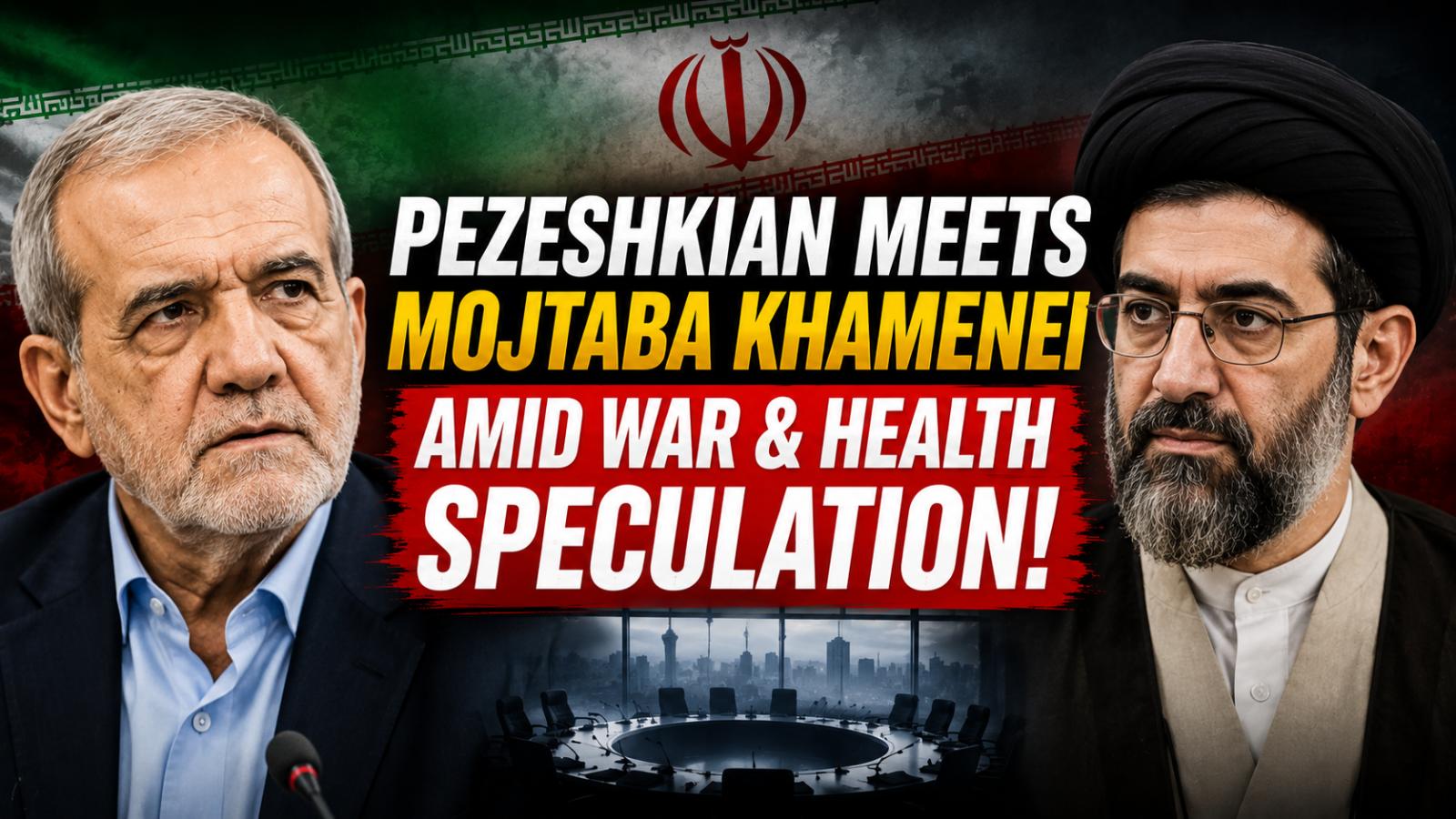
Pezeshkian met Mojtaba Khamenei to discuss Iran’s military situation, economic pressures, currency, energy and public needs. The meeting drew added attention amid continuing speculation over the Supreme Leader’s health and limited public visibility.
Pezeshkian Meets Mojtaba Khamenei
Iranian President Masoud Pezeshkian has met Supreme Leader Ayatollah Seyyed Mojtaba Khamenei for detailed dis
Pezeshkian met Mojtaba Khamenei to discuss Iran’s military situation, economic pressures, currency, energy and public needs. The meeting drew added attention amid continuing speculation over the Supreme Leader’s health and limited public visibility.
Pezeshkian Meets Mojtaba Khamenei
Iranian President Masoud Pezeshkian has met Supreme Leader Ayatollah Seyyed Mojtaba Khamenei for detailed dis
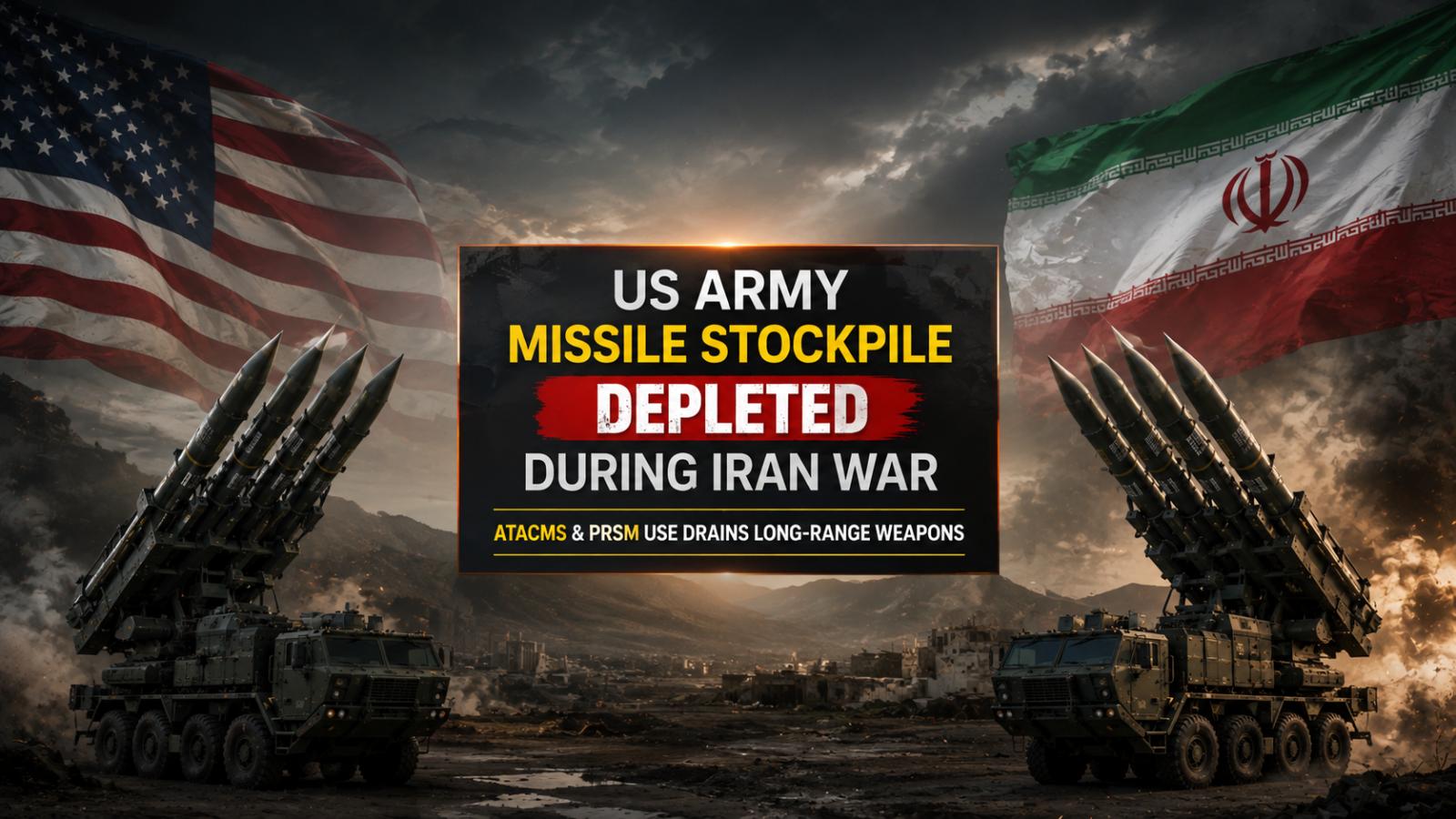
The US Army missile stockpile has reportedly declined after extensive Iran war missile use, raising concerns over the ATACMS stockpile shortage, PrSM missile shortage, and overall US military readiness. Officials are now focused on rebuilding long-range precision missile inventories while maintaining global defense capabilities.
US Army Missile Stockpile Depleted During Iran War
The US Army missile stock
The US Army missile stockpile has reportedly declined after extensive Iran war missile use, raising concerns over the ATACMS stockpile shortage, PrSM missile shortage, and overall US military readiness. Officials are now focused on rebuilding long-range precision missile inventories while maintaining global defense capabilities.
US Army Missile Stockpile Depleted During Iran War
The US Army missile stock
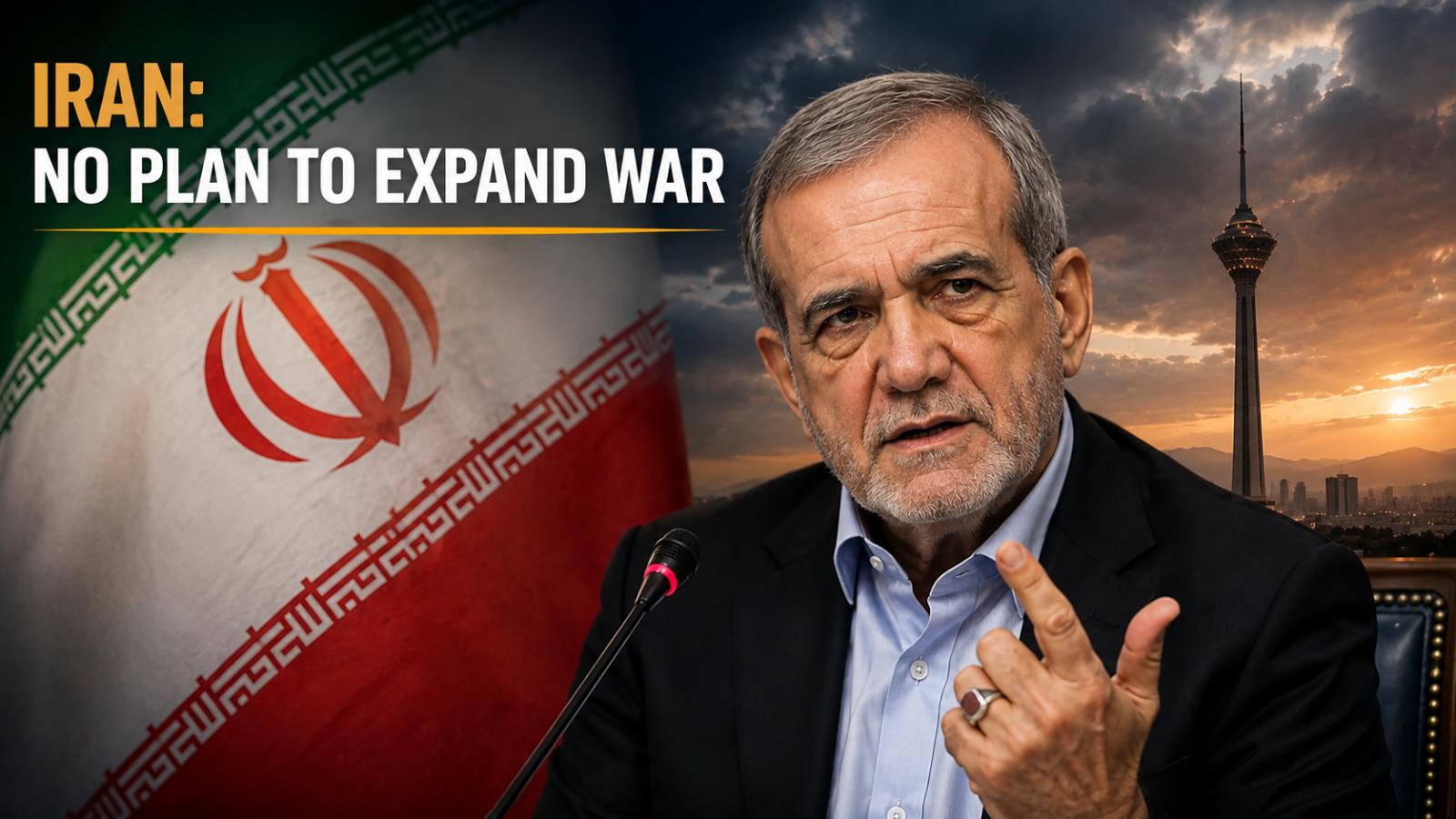
Iranian President Masoud Pezeshkian says Iran will not expand war or prolong the current conflict, but it will defend its borders against threats. He also stressed social unity, national security, military coordination and his commitment to remain in office.
Iran War Policy
Iranian President Masoud Pezeshkian said on Tuesday, August 4, that Tehran was not seeking to continue or expand the ongoi
Iranian President Masoud Pezeshkian says Iran will not expand war or prolong the current conflict, but it will defend its borders against threats. He also stressed social unity, national security, military coordination and his commitment to remain in office.
Iran War Policy
Iranian President Masoud Pezeshkian said on Tuesday, August 4, that Tehran was not seeking to continue or expand the ongoi
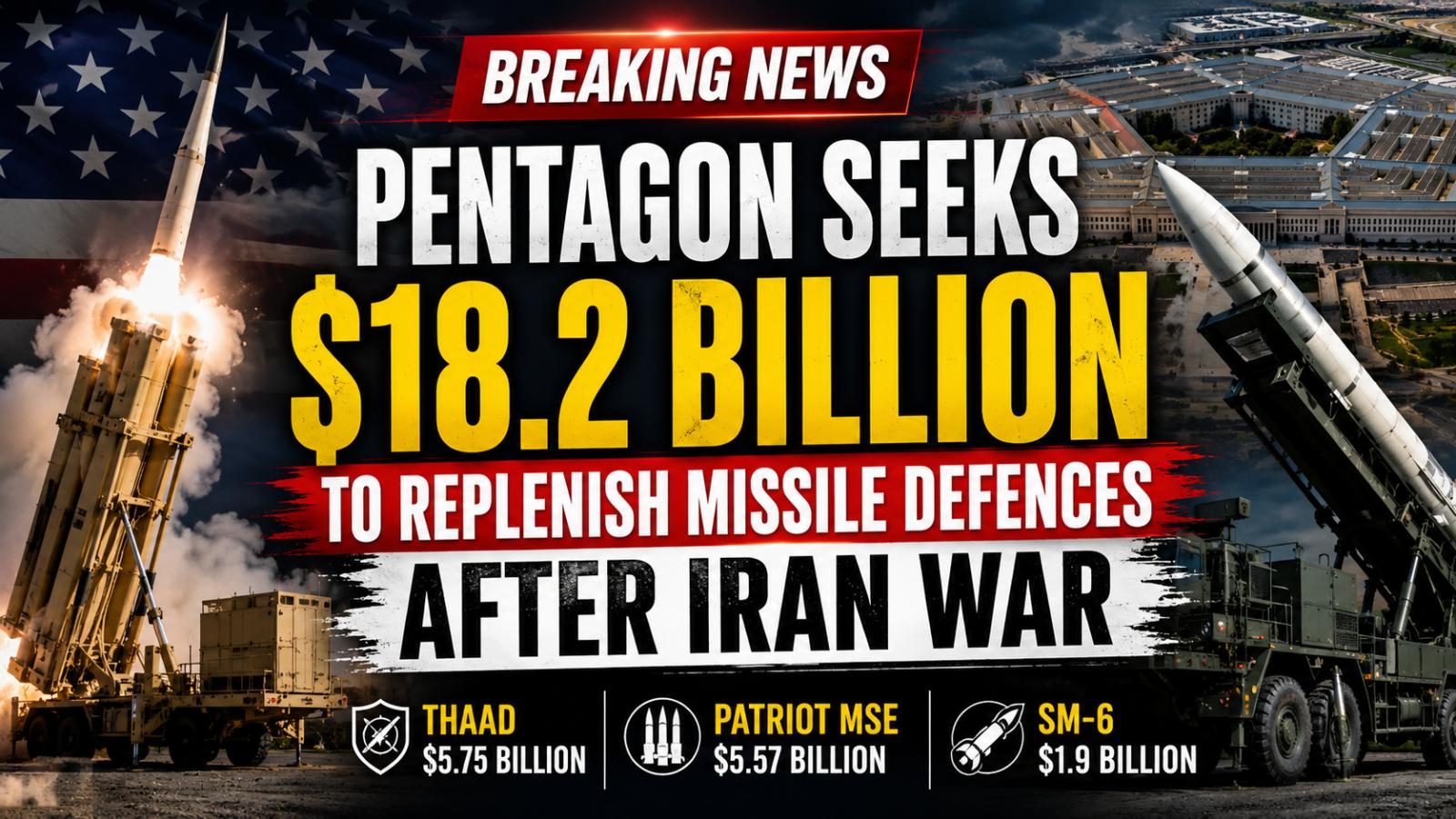
The Pentagon has asked Congress for $18.2 billion in emergency Pentagon missile funding to replenish advanced interceptors used during the war with Iran and subsequent attacks on American bases. The proposal highlights growing concern over US missile stocks as operations in the Middle East continue.
THAAD Restock Receives Largest Funding Share
Pentagon documents submitted to congressional defen
The Pentagon has asked Congress for $18.2 billion in emergency Pentagon missile funding to replenish advanced interceptors used during the war with Iran and subsequent attacks on American bases. The proposal highlights growing concern over US missile stocks as operations in the Middle East continue.
THAAD Restock Receives Largest Funding Share
Pentagon documents submitted to congressional defen
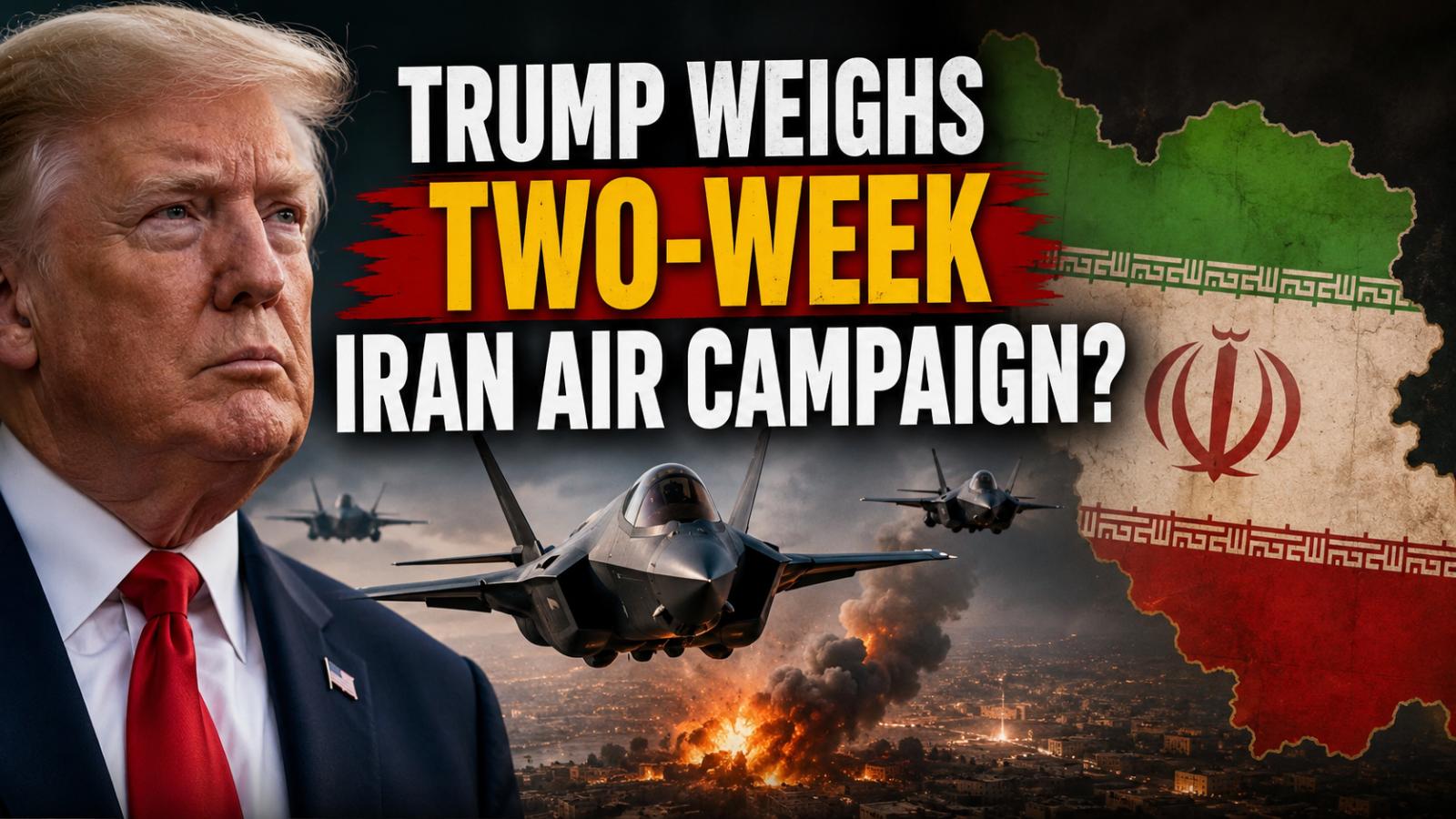
US President Donald Trump is considering a renewed Trump Iran air war as military officials prepare options for a potentially intensive two-week operation. The reported US air plan would focus on Iran’s missile capabilities, although Trump has not announced a final decision.
US air plan
The Wall Street Journal reported that US military planners have developed a two-week air campaign intended to weaken Iran’s ability to produce, store and launch missiles. The proposal would represent a wider and more sustained operation than the limited retaliatory strikes conducted during earlier stages of the confrontation.
People familiar with the discussions told the newspaper that Trump is examining several military choices. One option involves a concentrated campaign against a broader range of Iranian missile facilities. Another would limit the scale of US action and leave greater room for negotiations with Tehran.
The president has not publicly approved the reported campaign. The absence of a final decision remains important because planning by the Pentagon does not automatically mean that military action will take place.
CENTCOM
Admiral Brad Cooper, the commander of US Central Command, reportedly developed the more intensive proposal. CENTCOM oversees American military activity across West Asia and has already directed US operations involving Iran, regional missile defence and maritime security.
According to the report, Cooper believes sustained strikes could severely reduce Iran’s offensive missile capacity and ease pressure on US defensive systems. However, senior officials are also considering the strain that an expanded campaign could place on American interceptor supplies and military resources needed in other regions.
Official CENTCOM material confirms that Cooper currently leads the command and has overseen recent US operations involving Iran. However, CENTCOM has not publicly released the reported two-week proposal.
Iran arms
Iran’s missile infrastructure remains central to Washington’s calculations. Previous US and allied strikes damaged launchers, storage areas and production facilities, but assessments cited in recent reporting suggest that Tehran still retains missiles and can rebuild parts of its military network.
Iran has also continued launching missiles and drones despite months of military pressure. That resilience has raised questions about whether air power alone can permanently remove the threat or merely delay Iran’s ability to restore its arsenal.
A wider campaign could target launch systems, underground facilities, command centres and manufacturing sites. Such an operation would also carry substantial risks, including retaliation against US forces, Gulf partners, energy facilities and commercial shipping routes.
Trump call
The final Trump call will determine whether Washington chooses a major escalation or a narrower response. The president has recently promised strong retaliation following Iranian attacks, but he has also paused military action at different stages to allow diplomatic efforts to continue.
The White House and Pentagon had not publicly confirmed the specific two-week plan when the report emerged. Any article describing the proposal should therefore present it as a reported option under consideration, not as an approved military operation.
Iran talks
Iran talks remain a possible alternative even as military preparations continue. Washington and Tehran remain divided over Iran’s nuclear programme, missile forces, regional activities and support for armed groups.
A limited US response could preserve space for intermediaries to pursue negotiations. A prolonged air campaign, however, could trigger another cycle of Iranian retaliation and American strikes, increasing the danger of a wider regional conflict.
Trump now faces a difficult choice: attempt to reduce Iran’s missile threat through sustained military force or pursue a more restrained response that keeps diplomacy alive. The Pentagon can prepare options, but the political and strategic consequences will depend on the decision made by the White House.
US President Donald Trump is considering a renewed Trump Iran air war as military officials prepare options for a potentially intensive two-week operation. The reported US air plan would focus on Iran’s missile capabilities, although Trump has not announced a final decision.
US air plan
The Wall Street Journal reported that US military planners have developed a two-week air campaign intended to weaken Iran’s ability to produce, store and launch missiles. The proposal would represent a wider and more sustained operation than the limited retaliatory strikes conducted during earlier stages of the confrontation.
People familiar with the discussions told the newspaper that Trump is examining several military choices. One option involves a concentrated campaign against a broader range of Iranian missile facilities. Another would limit the scale of US action and leave greater room for negotiations with Tehran.
The president has not publicly approved the reported campaign. The absence of a final decision remains important because planning by the Pentagon does not automatically mean that military action will take place.
CENTCOM
Admiral Brad Cooper, the commander of US Central Command, reportedly developed the more intensive proposal. CENTCOM oversees American military activity across West Asia and has already directed US operations involving Iran, regional missile defence and maritime security.
According to the report, Cooper believes sustained strikes could severely reduce Iran’s offensive missile capacity and ease pressure on US defensive systems. However, senior officials are also considering the strain that an expanded campaign could place on American interceptor supplies and military resources needed in other regions.
Official CENTCOM material confirms that Cooper currently leads the command and has overseen recent US operations involving Iran. However, CENTCOM has not publicly released the reported two-week proposal.
Iran arms
Iran’s missile infrastructure remains central to Washington’s calculations. Previous US and allied strikes damaged launchers, storage areas and production facilities, but assessments cited in recent reporting suggest that Tehran still retains missiles and can rebuild parts of its military network.
Iran has also continued launching missiles and drones despite months of military pressure. That resilience has raised questions about whether air power alone can permanently remove the threat or merely delay Iran’s ability to restore its arsenal.
A wider campaign could target launch systems, underground facilities, command centres and manufacturing sites. Such an operation would also carry substantial risks, including retaliation against US forces, Gulf partners, energy facilities and commercial shipping routes.
Trump call
The final Trump call will determine whether Washington chooses a major escalation or a narrower response. The president has recently promised strong retaliation following Iranian attacks, but he has also paused military action at different stages to allow diplomatic efforts to continue.
The White House and Pentagon had not publicly confirmed the specific two-week plan when the report emerged. Any article describing the proposal should therefore present it as a reported option under consideration, not as an approved military operation.
Iran talks
Iran talks remain a possible alternative even as military preparations continue. Washington and Tehran remain divided over Iran’s nuclear programme, missile forces, regional activities and support for armed groups.
A limited US response could preserve space for intermediaries to pursue negotiations. A prolonged air campaign, however, could trigger another cycle of Iranian retaliation and American strikes, increasing the danger of a wider regional conflict.
Trump now faces a difficult choice: attempt to reduce Iran’s missile threat through sustained military force or pursue a more restrained response that keeps diplomacy alive. The Pentagon can prepare options, but the political and strategic consequences will depend on the decision made by the White House.