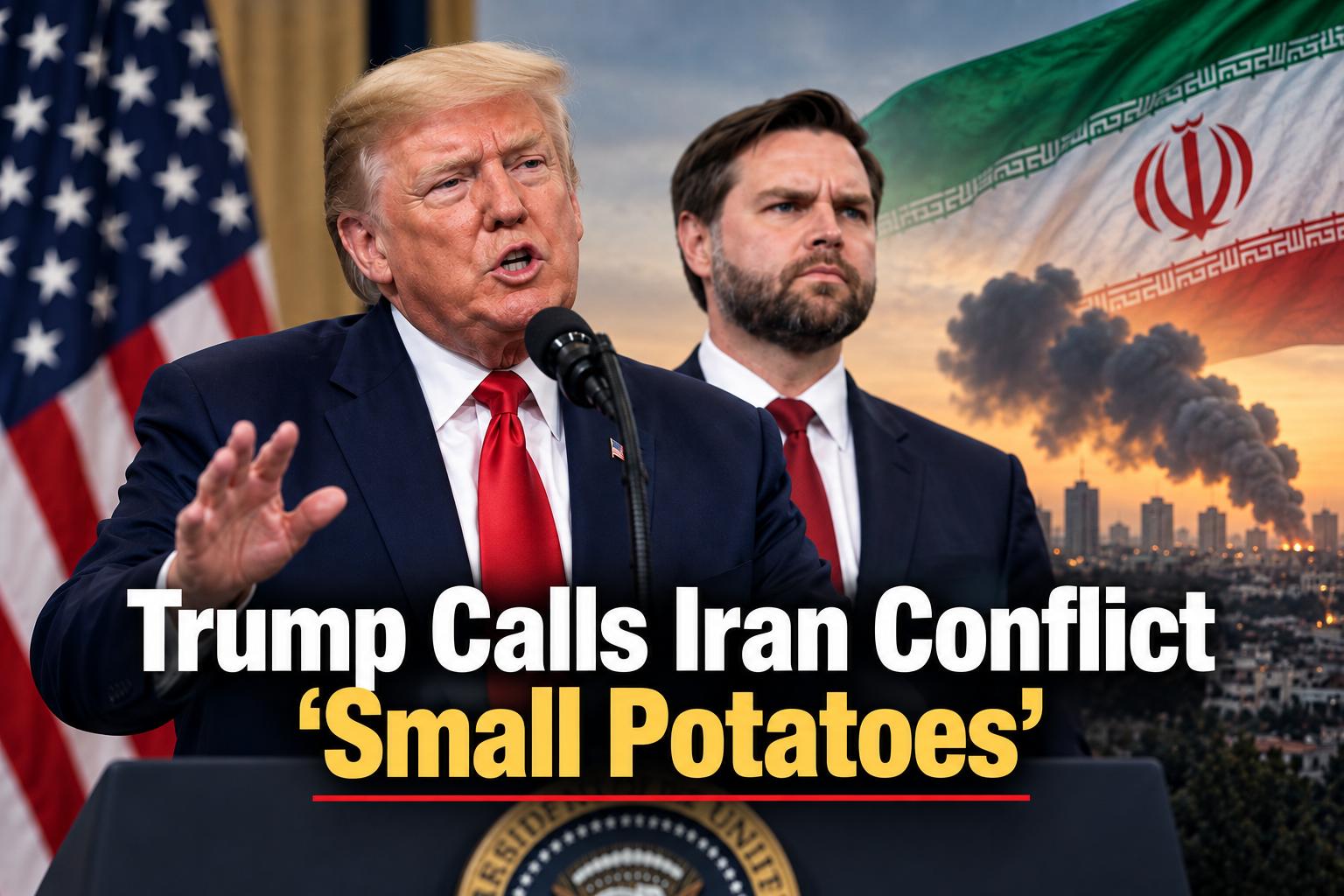
U.S. President Donald Trump has played down the six-month conflict with Iran, calling it “small potatoes” for the United States while backing Vice President JD Vance’s view that the continuing hostilities should not necessarily be described as a war.
Trump Calls Iran Conflict ‘Small Potatoes’
Speaking to reporters in the Oval Office on September 4, Trump said he understood Vance’s position and described the U.S. engagement with Iran as a “military conflict” rather than a full-scale war. He said American strikes had become intermittent and argued that the fighting was limited compared with major U.S. wars.
His remarks followed Vance’s White House briefing, where the Vice President said he would not call the situation a war because there was no active shooting at that moment.
Six-Month Campaign Carries Heavy Costs
The confrontation has nevertheless become a prolonged and expensive military campaign. Fighting began on February 28, with U.S. and Israeli strikes followed by Iranian retaliation across the region. According to Associated Press reporting, the conflict has cost U.S. taxpayers more than $37.5 billion and killed 18 American service members.
Trump defended his description by comparing those losses with casualties in previous U.S. wars and insisting the current operation remains much smaller in scale.
Kuwait Attack Highlights Regional Risk
The administration’s description of the fighting as limited comes amid renewed escalation. Iran fired missiles and drones toward Kuwait, a U.S. Gulf ally, following another round of American strikes on Iranian targets.
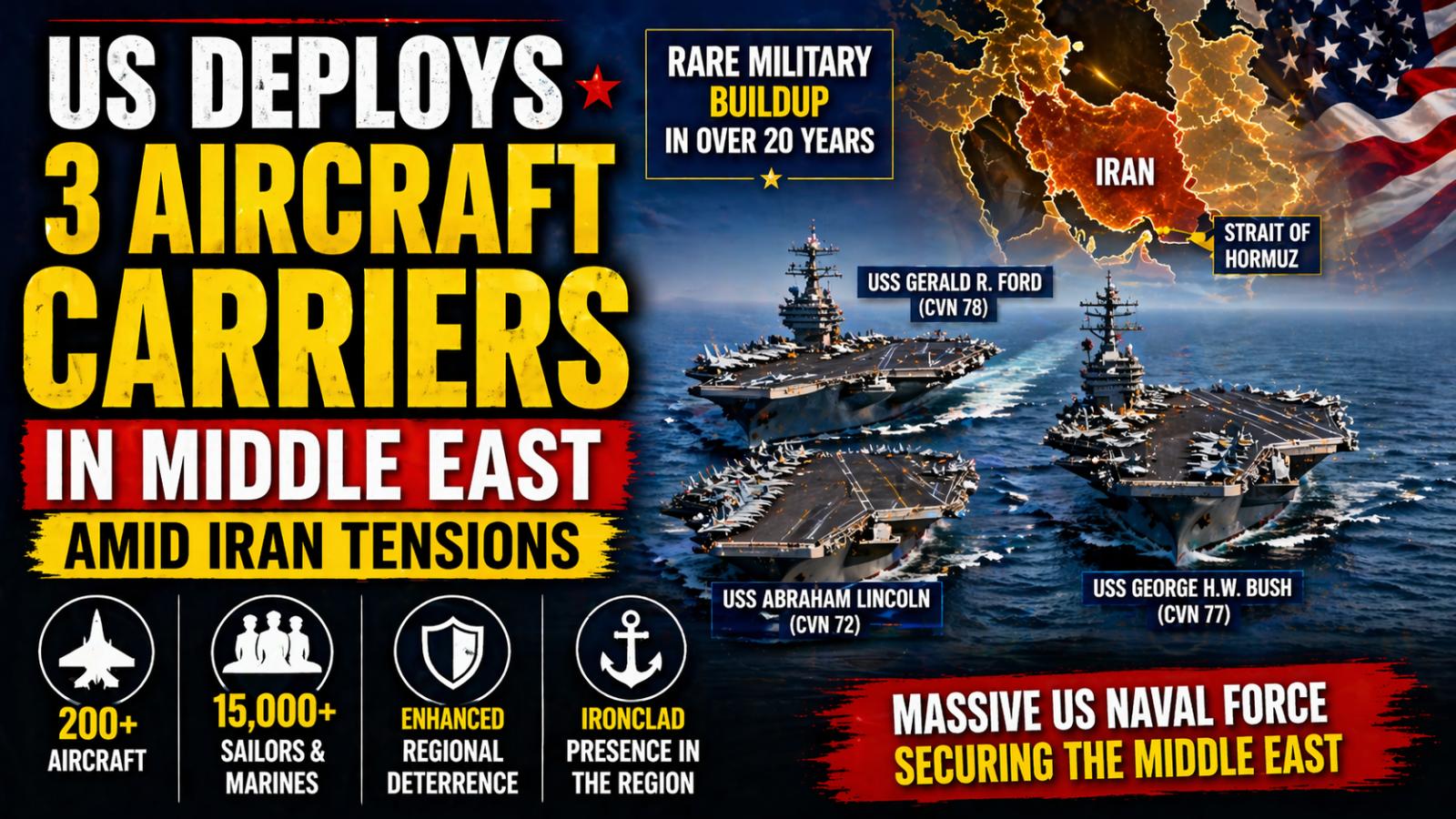
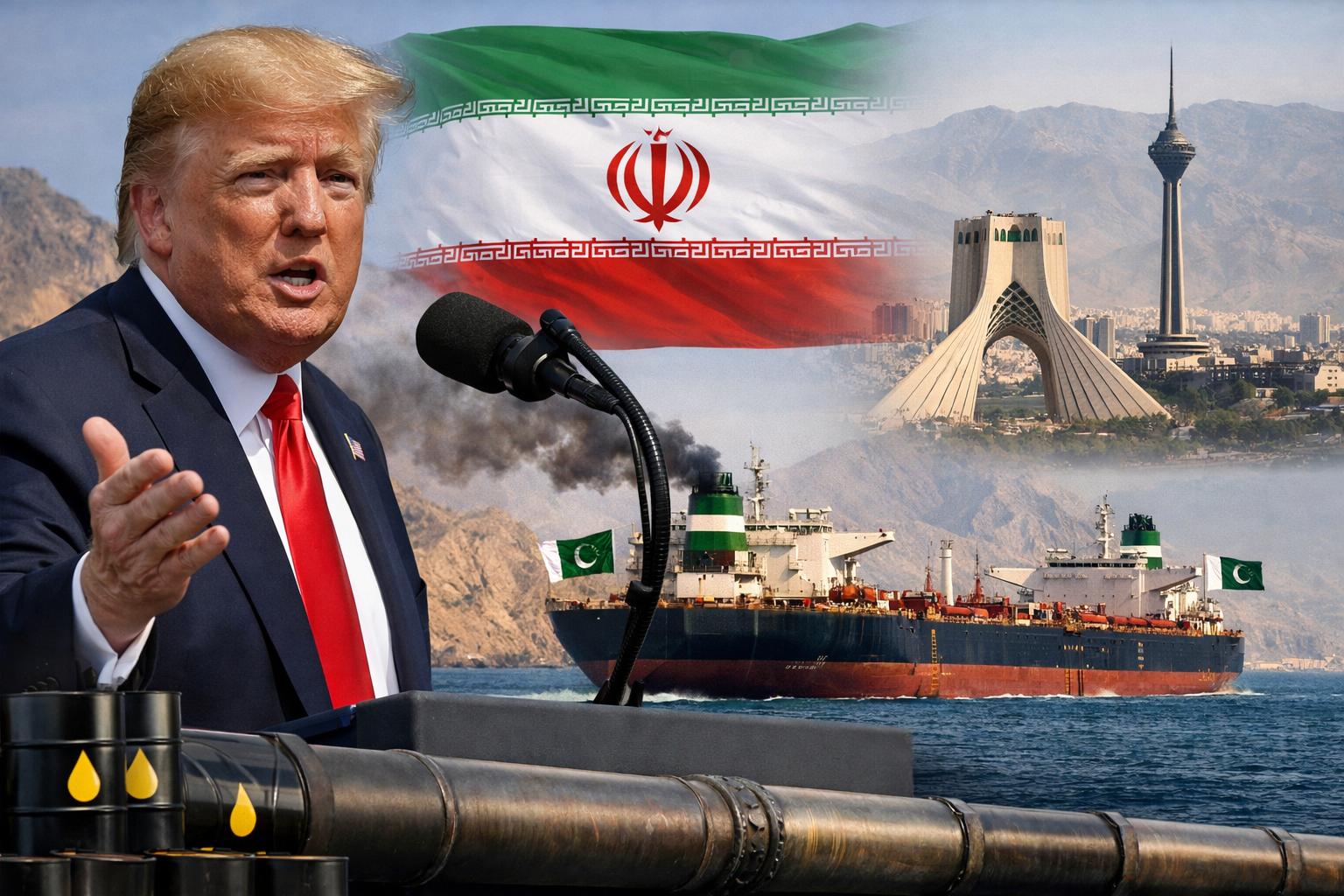
Kuwait said its air defenses intercepted attacks, while the Strait of Hormuz remains a major focus because of its importance to global energy shipments and commercial shipping. The renewed exchanges show that periods without active combat have not removed the risk of a wider regional confrontation.
Trump Defends Pressure on Iran’s Nuclear Program
Trump also defended the campaign by arguing that U.S. military action had weakened Iran’s ability to obtain a nuclear weapon. Tehran has consistently maintained that its nuclear program is peaceful. The wider dispute now combines military pressure, economic measures and shipping-security concerns in the Gulf.
With regional stability and energy markets affected, Trump and Vance’s decision to avoid the word “war” is likely to remain under scrutiny as Washington considers how long the operation may continue and what would constitute an end to the conflict.