Iran says expert delegation to visit Doha for MoU talks with US
Iran clarifies Doha engagement plan Iran has confirmed that an expert delegation will travel to Doha later this week to discuss the implementation of a memorandum of understanding signed earlier this month with the United States. However, Iranian officials firmly denied that any direct meeting with US representatives has been scheduled, stressing that the current phase remains limited to technical discussions on agreed clauses rather than pol
Iran says expert delegation to visit Doha for MoU talks with US
Iran clarifies Doha engagement plan Iran has confirmed that an expert delegation will travel to Doha later this week to discuss the implementation of a memorandum of understanding signed earlier this month with the United States. However, Iranian officials firmly denied that any direct meeting with US representatives has been scheduled, stressing that the current phase remains limited to technical discussions on agreed clauses rather than pol
Iran and Oman open Hormuz talks in Muscat
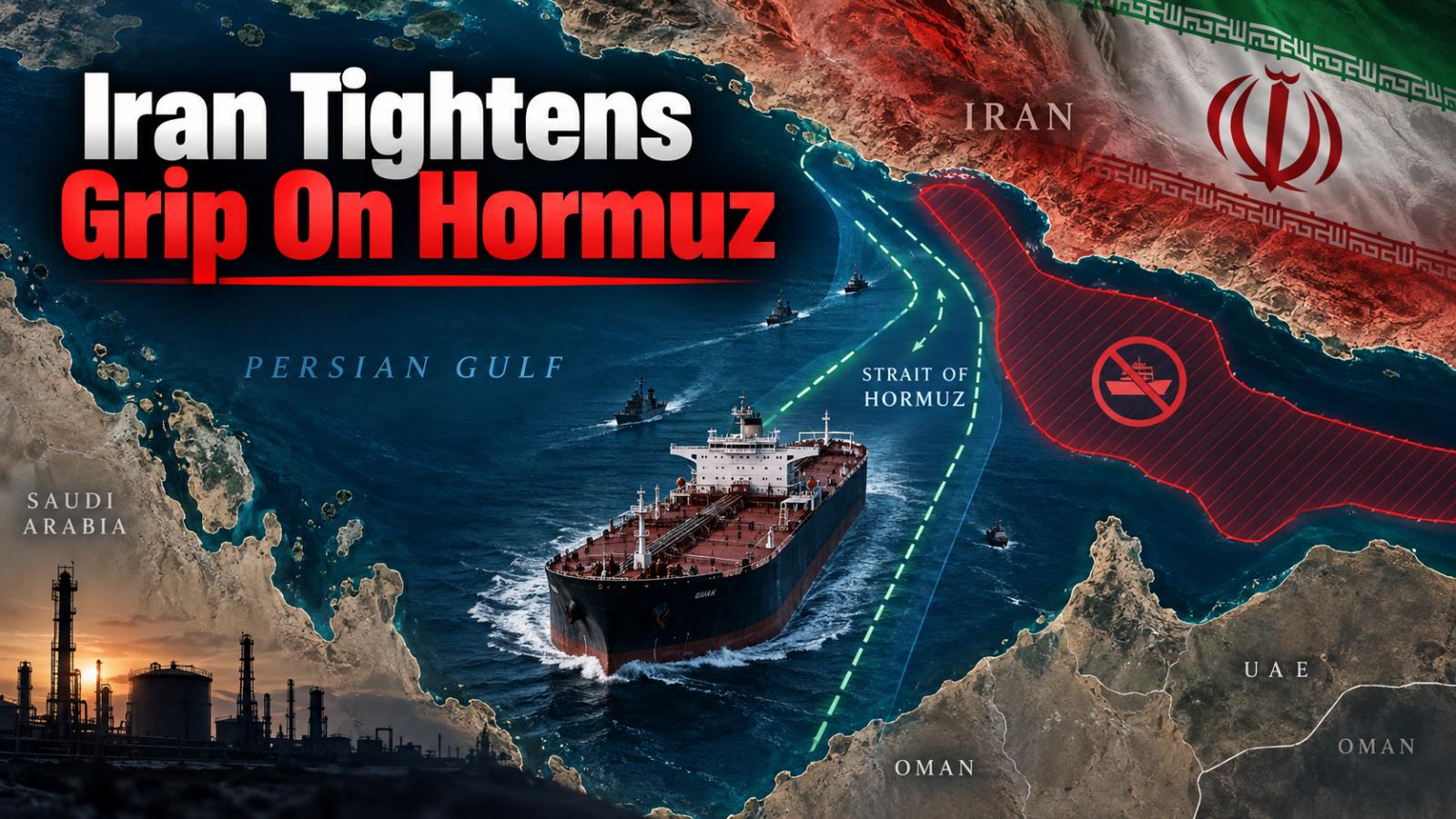
Iran and Oman have opened fresh discussions in Muscat on the future management of the Strait of Hormuz, a key Gulf waterway that remains central to regional trade, energy movement and maritime security. The meeting marked the first formal session of a joint committee formed to discuss navigation, coastal rights and safe passage through one of the world’s most sensitive shipping lanes. The talks were held between senior officials from bot
Iran and Oman open Hormuz talks in Muscat
Iran and Oman have opened fresh discussions in Muscat on the future management of the Strait of Hormuz, a key Gulf waterway that remains central to regional trade, energy movement and maritime security. The meeting marked the first formal session of a joint committee formed to discuss navigation, coastal rights and safe passage through one of the world’s most sensitive shipping lanes. The talks were held between senior officials from bot
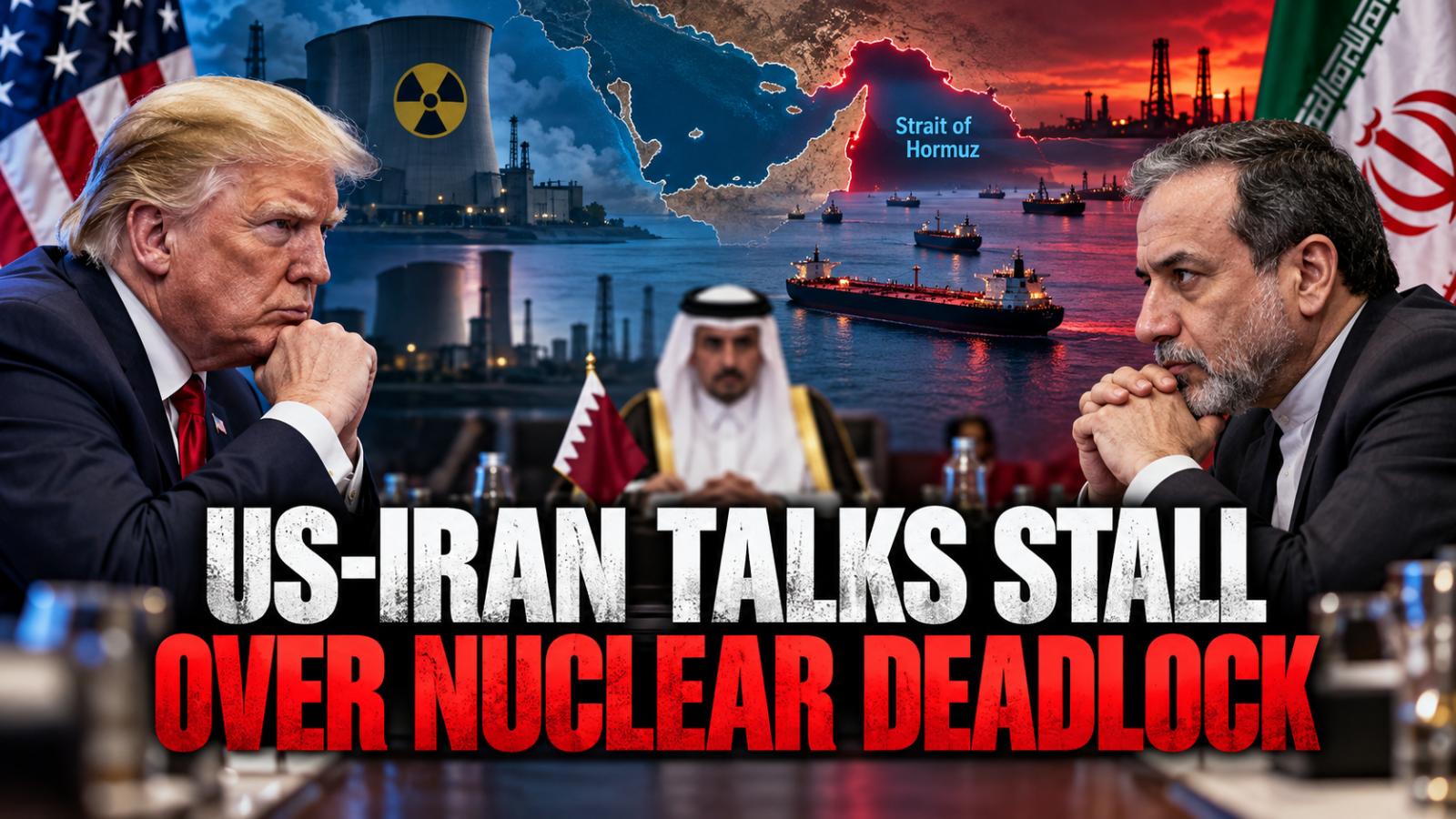
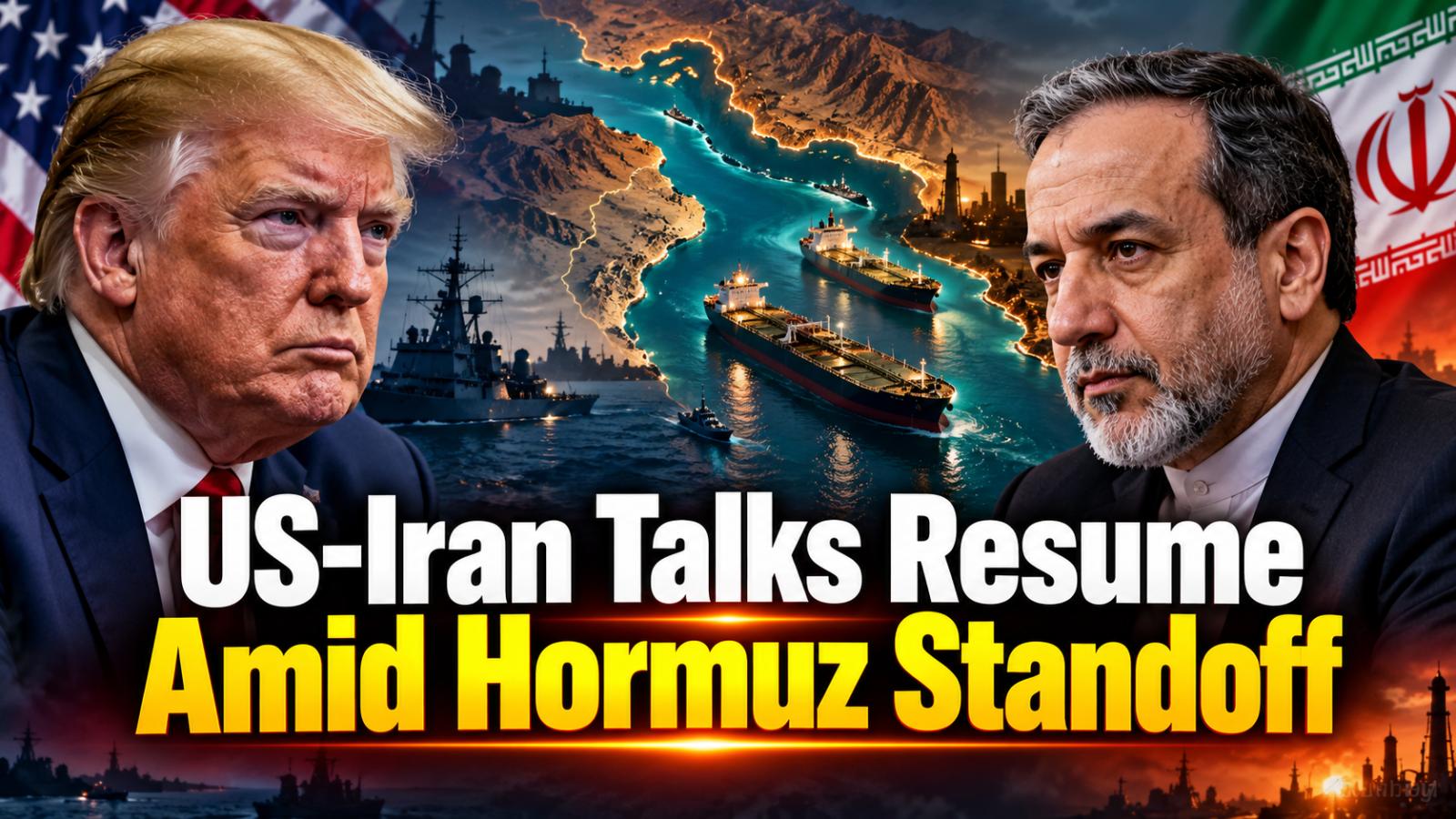
US-Iran talks set to resume despite Strait of Hormuz clashes
Talks to continue after latest clashes The United States and Iran are expected to continue technical talks aimed at ending the wider conflict in the Middle East despite a recent exchange of attacks, according to a US official. The discussions are linked to a fragile June 17 memorandum of understanding intended to reduce hostilities and create a framework for de-escalation after weeks of rising tension. The offi
US-Iran talks set to resume despite Strait of Hormuz clashes
Talks to continue after latest clashes The United States and Iran are expected to continue technical talks aimed at ending the wider conflict in the Middle East despite a recent exchange of attacks, according to a US official. The discussions are linked to a fragile June 17 memorandum of understanding intended to reduce hostilities and create a framework for de-escalation after weeks of rising tension. The offi
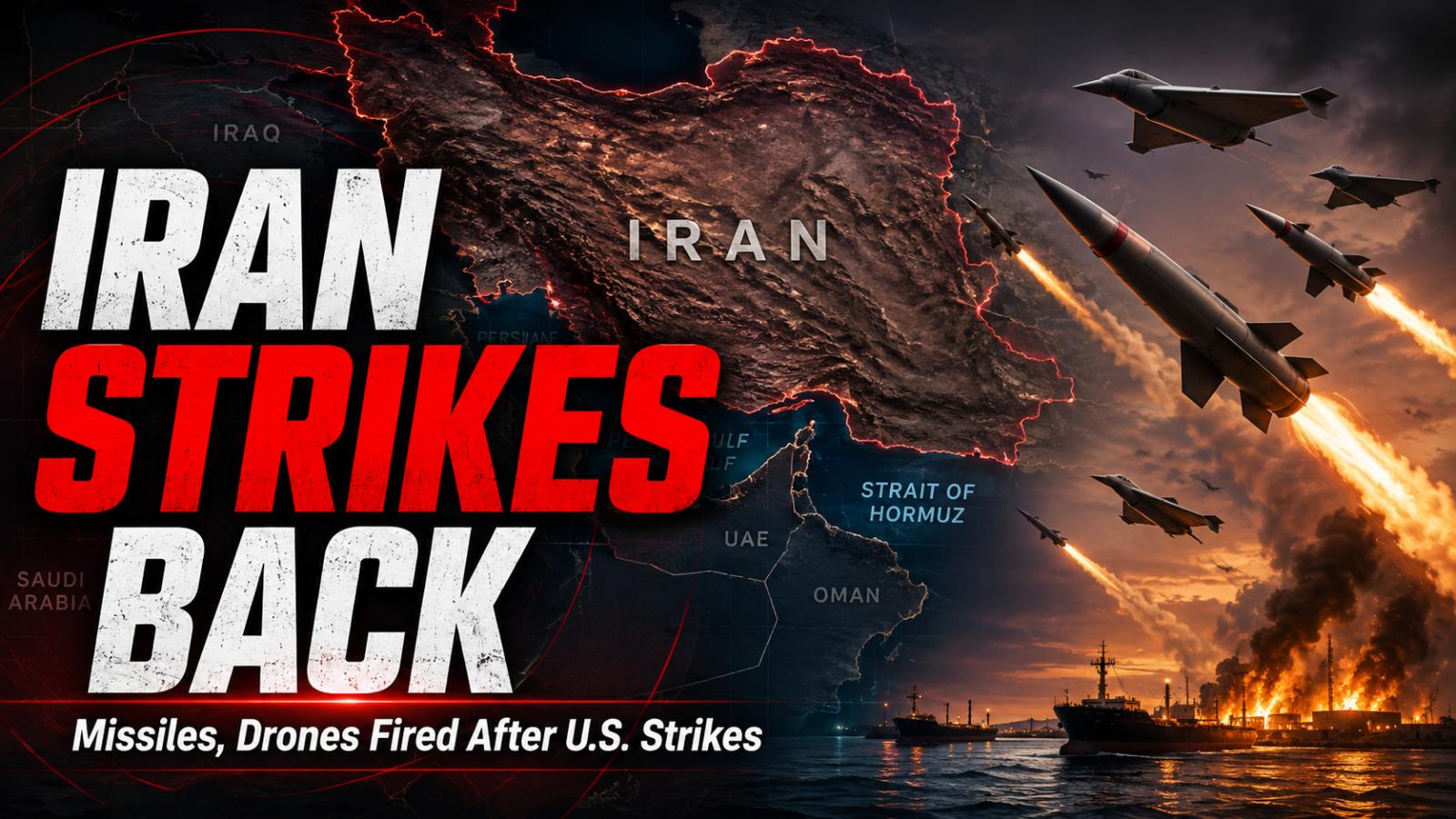
Bahrain Says Iranian Drones Targeted Island as Tanker Hit in Hormuz
DUBAI, United Arab Emirates — Bahrain said Iranian drones targeted the island nation on Saturday, June 27, 2026, while a tanker was struck by an unidentified projectile in the Strait of Hormuz, adding pressure to a fragile U.S.-Iran ceasefire. The incidents followed overnight U.S. airstrikes on Iranian missile and drone facilities and coastal radar sites. U.S. Central Command said the strikes followed an Iranian drone attack on a container ship attempting to leave the strait.
Bahrain Says Iranian Drones Targeted Island as Tanker Hit in Hormuz
DUBAI, United Arab Emirates — Bahrain said Iranian drones targeted the island nation on Saturday, June 27, 2026, while a tanker was struck by an unidentified projectile in the Strait of Hormuz, adding pressure to a fragile U.S.-Iran ceasefire. The incidents followed overnight U.S. airstrikes on Iranian missile and drone facilities and coastal radar sites. U.S. Central Command said the strikes followed an Iranian drone attack on a container ship attempting to leave the strait.
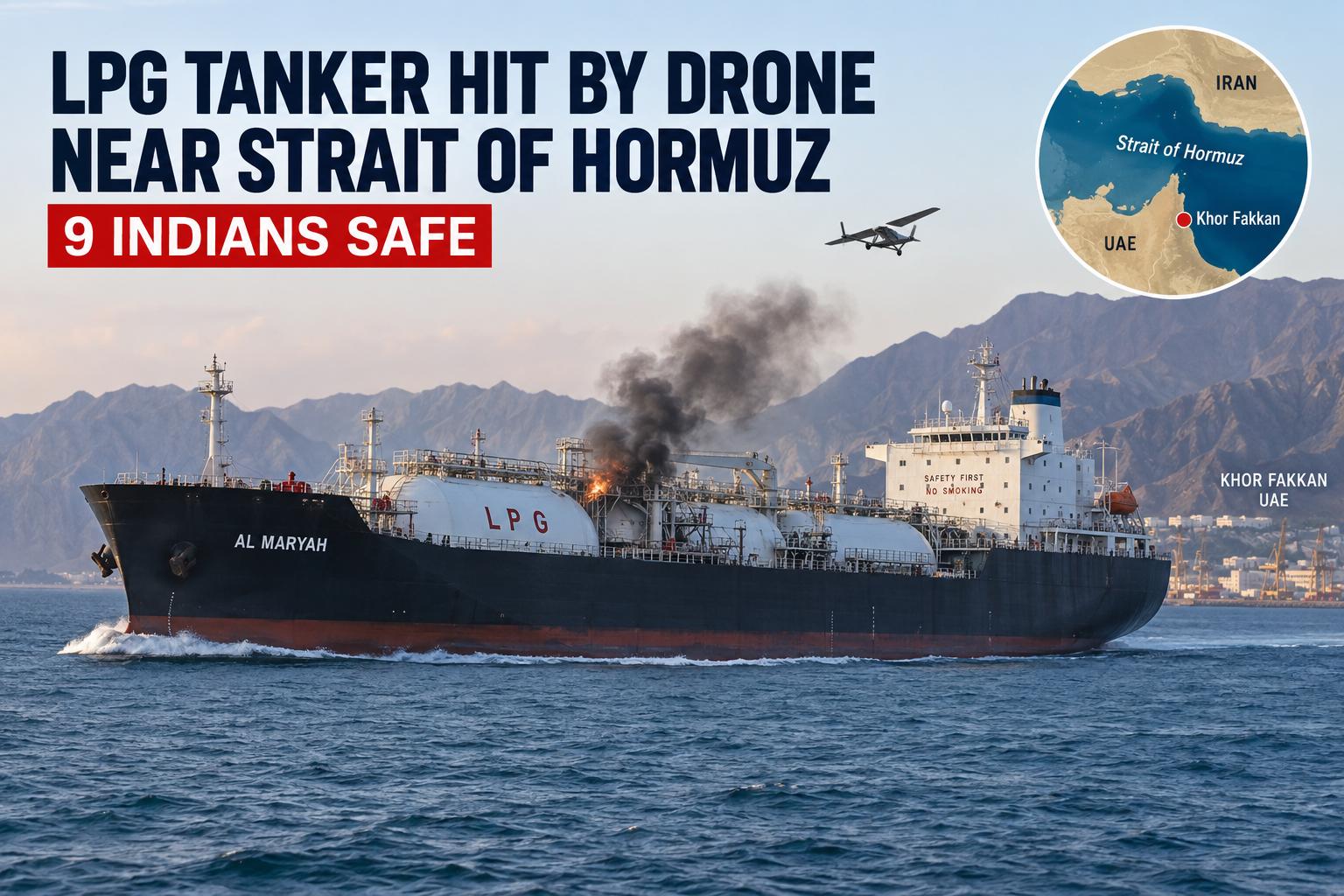
How maritime tensions are affecting LPG transport and fuel prices
Rising concerns around LPG supply and transport Recent disruptions in global shipping routes have sparked renewed public concern about LPG availability and pricing in several markets. While speculation often increases during periods of geopolitical tension, the actual movement of liquefied petroleum gas depends on a tightly controlled logistics system involving specia
How maritime tensions are affecting LPG transport and fuel prices
Rising concerns around LPG supply and transport Recent disruptions in global shipping routes have sparked renewed public concern about LPG availability and pricing in several markets. While speculation often increases during periods of geopolitical tension, the actual movement of liquefied petroleum gas depends on a tightly controlled logistics system involving specia
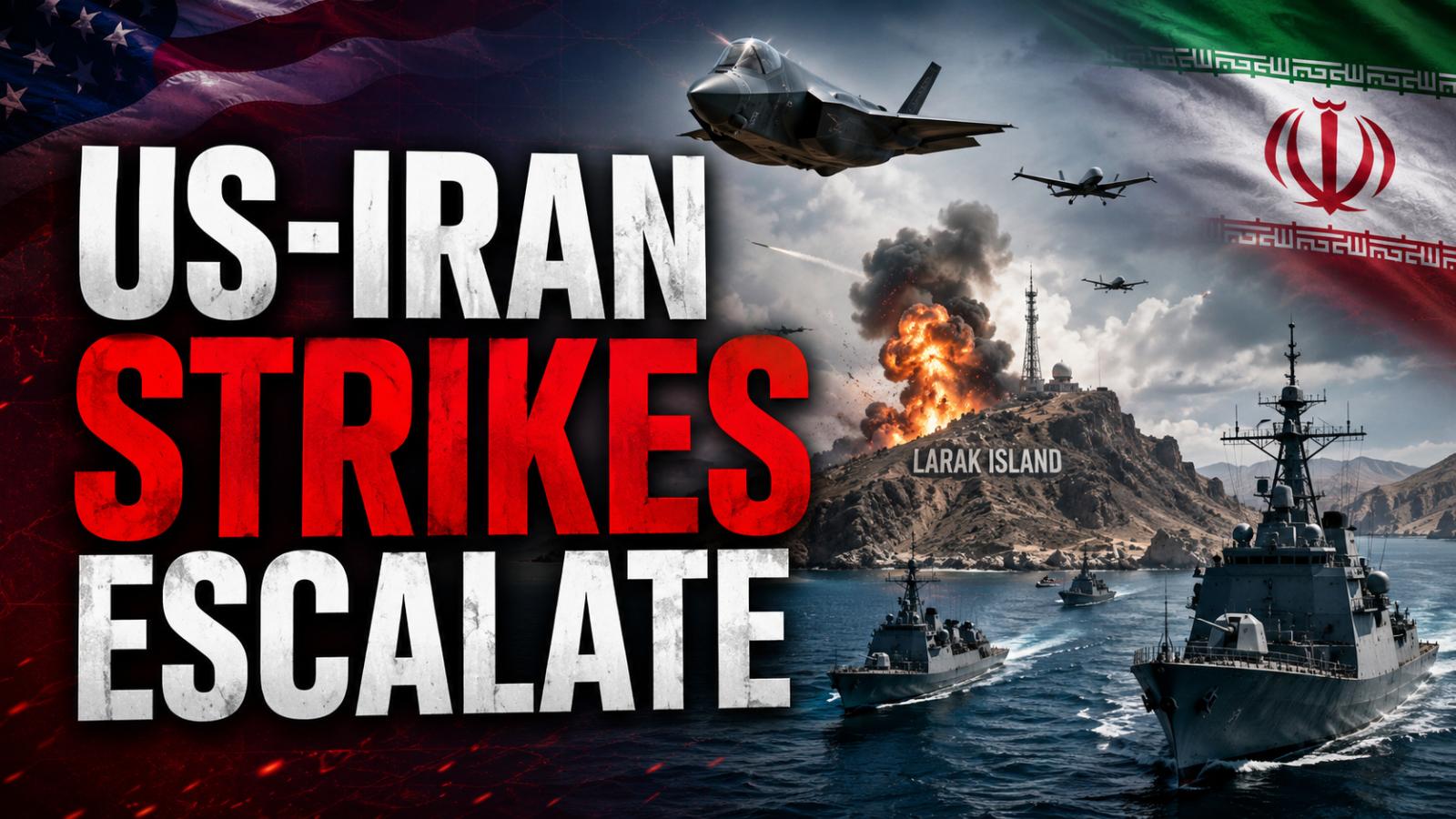
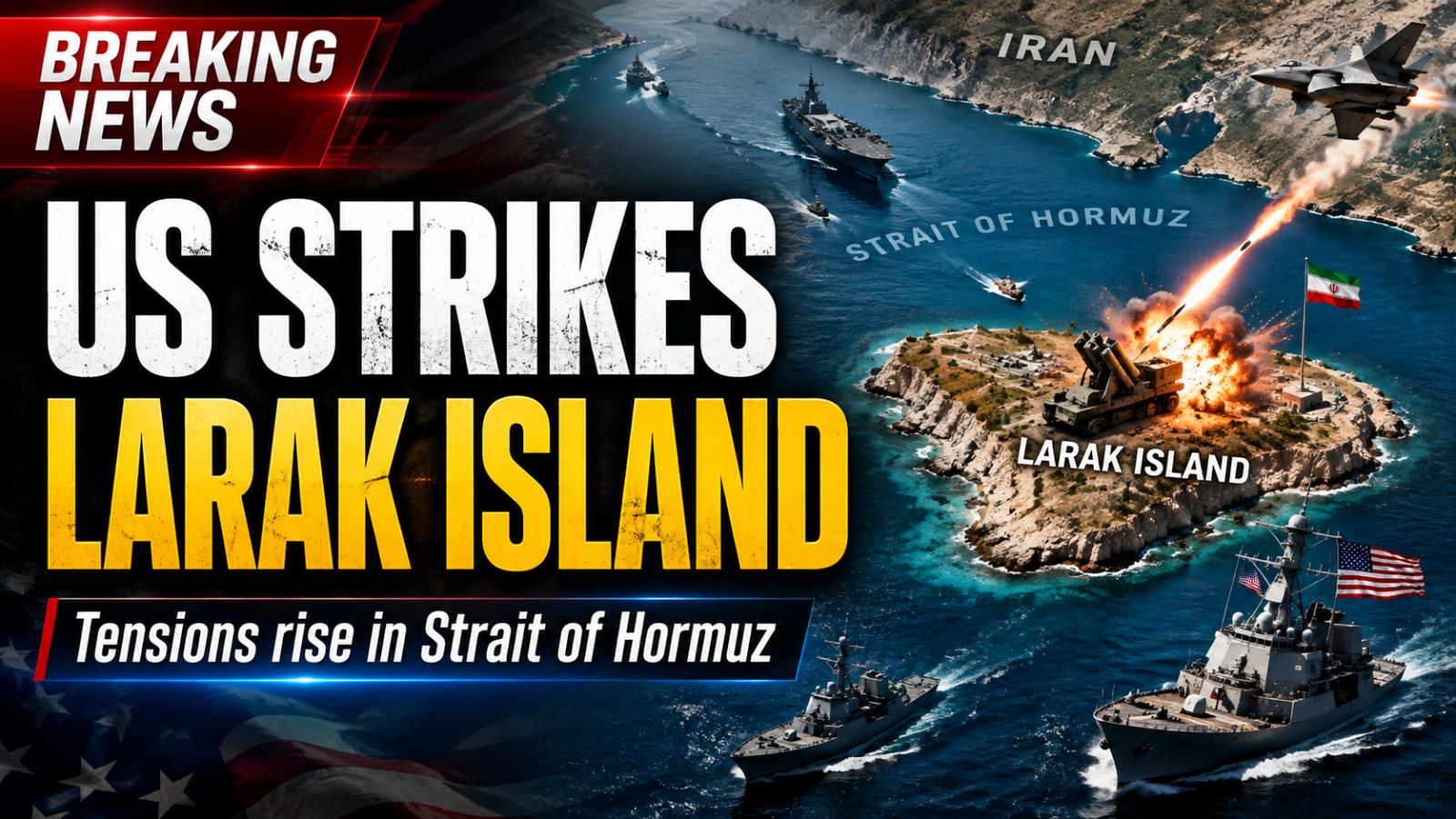
Strait of Hormuz tensions rise as US targets Iranian military locations
US conducts strikes after escalation in Strait of Hormuz The United States military carried out targeted airstrikes on Iranian missile and drone storage facilities, along with coastal radar installations, following what US Central Command described as a drone attack on a commercial vessel in the Strait of Hormuz. The operation was conducted in response to heightened t
Strait of Hormuz tensions rise as US targets Iranian military locations
US conducts strikes after escalation in Strait of Hormuz The United States military carried out targeted airstrikes on Iranian missile and drone storage facilities, along with coastal radar installations, following what US Central Command described as a drone attack on a commercial vessel in the Strait of Hormuz. The operation was conducted in response to heightened t
Gulf US talks focus Gaza rebuild, Iran risks and Hormuz security
A recent round of discussions between the United States and Gulf Cooperation Council members centered on the future of Gaza, with a strong emphasis on preventing forced displacement and prioritizing civilian safety. The participating sides underscored that any population movement must remain voluntary and reversible, rejecting any framework that would permanently alter the demographic structure of the territory. The talks also reflected growin
Gulf US talks focus Gaza rebuild, Iran risks and Hormuz security
A recent round of discussions between the United States and Gulf Cooperation Council members centered on the future of Gaza, with a strong emphasis on preventing forced displacement and prioritizing civilian safety. The participating sides underscored that any population movement must remain voluntary and reversible, rejecting any framework that would permanently alter the demographic structure of the territory. The talks also reflected growin
Strait of Hormuz drone strike damages cargo vessel near Oman
A commercial vessel sailing through waters near the Strait of Hormuz was damaged after being struck by a drone-type projectile, triggering renewed concerns over the safety of one of the world’s most critical maritime trade routes. The Singapore-flagged cargo ship Ever Lovely was affected while transiting close to Oman’s maritime zone after exiting the narrow passage. Authorities confirmed the vessel sustained structural damage, but all crew members
Strait of Hormuz drone strike damages cargo vessel near Oman
A commercial vessel sailing through waters near the Strait of Hormuz was damaged after being struck by a drone-type projectile, triggering renewed concerns over the safety of one of the world’s most critical maritime trade routes. The Singapore-flagged cargo ship Ever Lovely was affected while transiting close to Oman’s maritime zone after exiting the narrow passage. Authorities confirmed the vessel sustained structural damage, but all crew members
Iran proposal on shipping charges draws US criticism
A proposal linked to Iran suggesting charges on vessels passing through the Strait of Hormuz has triggered renewed international attention on one of the world’s most sensitive maritime corridors. The passage connects the Persian Gulf to open oceans and handles a major share of global crude oil shipments, making even minor policy changes capable of influencing energy markets. Proposed fee structure and stated objectives The idea under discussion involves introducing a structured fee system for ships using the route. The proposal frames the charges as payments for services such as navigation safety, maritime monitoring, and environmental management. Early estimates circulating in policy discussions suggest the mechanism could generate substantial annual revenue if implemented at scale. However, the concept also raises immediate legal and operational questions, particularly regarding jurisdiction over international waters and the practicality of enforcing such a system on heavily trafficked global shipping lanes. Regional outreach and diplomatic positioning Reports indicate that discussions around the proposal have included outreach to several regional and global stakeholders, including major energy-importing nations. The objective appears to be building support for a shared governance or cost-sharing model for maritime traffic management in the region. Some interpretations suggest the plan is part of a broader effort to increase regional leverage over strategic trade routes. Others view it as an attempt to formalize compensation mechanisms for security responsibilities in a highly militarized shipping corridor. International reaction and US opposition The proposal has drawn clear resistance from the United States, which maintains that key international waterways must remain free for unrestricted commercial passage. US officials argue that introducing toll-like systems could disrupt global supply chains and increase volatility in energy pricing. Concerns have also been raised by other maritime stakeholders who rely heavily on stable passage through the Strait of Hormuz for crude oil and liquefied natural gas transport. Any change in cost structure or transit policy is seen as having a direct impact on insurance premiums and shipping routes. Wider implications for global energy markets The debate comes at a time when global energy markets remain highly sensitive to geopolitical developments in the Gulf region. Even the perception of restricted access or added transit costs can influence oil price expectations and shipping risk assessments. Analysts note that the discussion highlights ongoing tensions between strategic control of critical chokepoints and the principle of open international navigation. The outcome of such proposals could shape future frameworks governing global energy transport corridors.
Iran proposal on shipping charges draws US criticism
A proposal linked to Iran suggesting charges on vessels passing through the Strait of Hormuz has triggered renewed international attention on one of the world’s most sensitive maritime corridors. The passage connects the Persian Gulf to open oceans and handles a major share of global crude oil shipments, making even minor policy changes capable of influencing energy markets. Proposed fee structure and stated objectives The idea under discussion involves introducing a structured fee system for ships using the route. The proposal frames the charges as payments for services such as navigation safety, maritime monitoring, and environmental management. Early estimates circulating in policy discussions suggest the mechanism could generate substantial annual revenue if implemented at scale. However, the concept also raises immediate legal and operational questions, particularly regarding jurisdiction over international waters and the practicality of enforcing such a system on heavily trafficked global shipping lanes. Regional outreach and diplomatic positioning Reports indicate that discussions around the proposal have included outreach to several regional and global stakeholders, including major energy-importing nations. The objective appears to be building support for a shared governance or cost-sharing model for maritime traffic management in the region. Some interpretations suggest the plan is part of a broader effort to increase regional leverage over strategic trade routes. Others view it as an attempt to formalize compensation mechanisms for security responsibilities in a highly militarized shipping corridor. International reaction and US opposition The proposal has drawn clear resistance from the United States, which maintains that key international waterways must remain free for unrestricted commercial passage. US officials argue that introducing toll-like systems could disrupt global supply chains and increase volatility in energy pricing. Concerns have also been raised by other maritime stakeholders who rely heavily on stable passage through the Strait of Hormuz for crude oil and liquefied natural gas transport. Any change in cost structure or transit policy is seen as having a direct impact on insurance premiums and shipping routes. Wider implications for global energy markets The debate comes at a time when global energy markets remain highly sensitive to geopolitical developments in the Gulf region. Even the perception of restricted access or added transit costs can influence oil price expectations and shipping risk assessments. Analysts note that the discussion highlights ongoing tensions between strategic control of critical chokepoints and the principle of open international navigation. The outcome of such proposals could shape future frameworks governing global energy transport corridors.
Israel Hezbollah clashes raise oil and trade risk for India
The renewed exchange of fire between Israeli forces and Hezbollah-linked positions in southern Lebanon has again drawn attention to an already fragile regional security environment. While both sides continue to frame their actions as targeted and defensive, the situation is increasingly being viewed through a wider geopolitical lens, especially by energy markets and trade-dependent economies. Even limited escalation in this corridor tends to trigger immediate risk recalibration in global markets, not because of direct supply disruption, but due to fear of spillover into wider West Asian conflict zones. Oil markets react to uncertainty, not only disruption Crude oil prices have remained sensitive to developments in the region, with traders closely tracking any sign of expansion beyond localized strikes. Brent crude has shown intermittent swings, reflecting how quickly sentiment shifts when geopolitical risks rise. For import-heavy economies like India, the concern is not only about supply cuts but also price volatility. Even short-lived spikes increase import bills, widen trade deficits, and add pressure on domestic inflation through fuel and transport costs. India remains heavily dependent on imported crude, leaving it exposed to external shocks that originate far from its own borders but quickly reach its economy through global pricing mechanisms. Maritime chokepoints add another layer of risk Beyond oil production zones, shipping routes remain a critical pressure point. The Strait of Hormuz continues to be one of the most strategically sensitive maritime corridors in the world, handling a large share of global crude movement. Any perception of instability in nearby conflict zones tends to increase insurance premiums for tankers and freight operators. This raises shipping costs even when physical disruption does not occur. For trade-dependent economies, the indirect cost of conflict often arrives faster than any actual supply shortage. India’s broader exposure goes beyond energy India’s stake in West Asian stability is not limited to crude imports. A large Indian workforce in Gulf countries supports billions in annual remittances, which play a steady role in foreign exchange stability. At the same time, India maintains layered relationships across the region—energy partnerships with Gulf producers, strategic cooperation with Israel, and connectivity interests linked to Iran and regional ports. This creates a complex policy environment where instability in one corridor can influence multiple economic and diplomatic channels simultaneously. Long-term infrastructure plans face sensitivity risks Large-scale trade and infrastructure initiatives involving West Asia, including proposed trans-regional connectivity corridors, depend heavily on stable political conditions. Projects linked to ports, energy routes, and logistics networks become vulnerable when security risks rise. Even without direct damage, prolonged uncertainty tends to slow investment decisions, delay contracts, and increase financing costs for regional development projects. Conclusion The current Israel–Hezbollah exchange remains geographically contained, but its economic impact is far wider. Oil markets, shipping costs, remittance flows, and long-term trade planning all react quickly to signals of escalation. For India and other import-dependent economies, the primary challenge is not direct involvement in the conflict but exposure to its ripple effects through energy pricing, logistics costs, and regional stability risks.
Israel Hezbollah clashes raise oil and trade risk for India
The renewed exchange of fire between Israeli forces and Hezbollah-linked positions in southern Lebanon has again drawn attention to an already fragile regional security environment. While both sides continue to frame their actions as targeted and defensive, the situation is increasingly being viewed through a wider geopolitical lens, especially by energy markets and trade-dependent economies. Even limited escalation in this corridor tends to trigger immediate risk recalibration in global markets, not because of direct supply disruption, but due to fear of spillover into wider West Asian conflict zones. Oil markets react to uncertainty, not only disruption Crude oil prices have remained sensitive to developments in the region, with traders closely tracking any sign of expansion beyond localized strikes. Brent crude has shown intermittent swings, reflecting how quickly sentiment shifts when geopolitical risks rise. For import-heavy economies like India, the concern is not only about supply cuts but also price volatility. Even short-lived spikes increase import bills, widen trade deficits, and add pressure on domestic inflation through fuel and transport costs. India remains heavily dependent on imported crude, leaving it exposed to external shocks that originate far from its own borders but quickly reach its economy through global pricing mechanisms. Maritime chokepoints add another layer of risk Beyond oil production zones, shipping routes remain a critical pressure point. The Strait of Hormuz continues to be one of the most strategically sensitive maritime corridors in the world, handling a large share of global crude movement. Any perception of instability in nearby conflict zones tends to increase insurance premiums for tankers and freight operators. This raises shipping costs even when physical disruption does not occur. For trade-dependent economies, the indirect cost of conflict often arrives faster than any actual supply shortage. India’s broader exposure goes beyond energy India’s stake in West Asian stability is not limited to crude imports. A large Indian workforce in Gulf countries supports billions in annual remittances, which play a steady role in foreign exchange stability. At the same time, India maintains layered relationships across the region—energy partnerships with Gulf producers, strategic cooperation with Israel, and connectivity interests linked to Iran and regional ports. This creates a complex policy environment where instability in one corridor can influence multiple economic and diplomatic channels simultaneously. Long-term infrastructure plans face sensitivity risks Large-scale trade and infrastructure initiatives involving West Asia, including proposed trans-regional connectivity corridors, depend heavily on stable political conditions. Projects linked to ports, energy routes, and logistics networks become vulnerable when security risks rise. Even without direct damage, prolonged uncertainty tends to slow investment decisions, delay contracts, and increase financing costs for regional development projects. Conclusion The current Israel–Hezbollah exchange remains geographically contained, but its economic impact is far wider. Oil markets, shipping costs, remittance flows, and long-term trade planning all react quickly to signals of escalation. For India and other import-dependent economies, the primary challenge is not direct involvement in the conflict but exposure to its ripple effects through energy pricing, logistics costs, and regional stability risks.
Trump criticizes Democrats amid Iran talks progress
US President Donald Trump intensified political debate around ongoing Iran negotiations while addressing broader security and trade concerns tied to global energy routes. Speaking alongside NATO Secretary General Mark Rutte, he presented the current stage of Iran discussions as advancing, while sharply criticizing domestic political opponents for their foreign policy stance. I
Trump criticizes Democrats amid Iran talks progress
US President Donald Trump intensified political debate around ongoing Iran negotiations while addressing broader security and trade concerns tied to global energy routes. Speaking alongside NATO Secretary General Mark Rutte, he presented the current stage of Iran discussions as advancing, while sharply criticizing domestic political opponents for their foreign policy stance. I
US–Iran tensions rise as Trump demands full IAEA inspection access
Trump signals pressure over nuclear inspections US President Donald Trump has stated that he is prepared to cancel ongoing technical discussions with Iran if Tehran refuses to allow full inspections by the International Atomic Energy Agency. He emphasized that Washington already believes an agreement on inspection access has been reached and dismissed concerns raised about Iran’s willingness to comply with
US–Iran tensions rise as Trump demands full IAEA inspection access
Trump signals pressure over nuclear inspections US President Donald Trump has stated that he is prepared to cancel ongoing technical discussions with Iran if Tehran refuses to allow full inspections by the International Atomic Energy Agency. He emphasized that Washington already believes an agreement on inspection access has been reached and dismissed concerns raised about Iran’s willingness to comply with
Strait of Hormuz crisis and Iran ceasefire spark global political debate
Ceasefire agreement raises human rights concerns The recent ceasefire understanding between the United States and Iran has triggered debate over its wider political and humanitarian implications. While the agreement aims to stabilize relations after months of conflict, critics argue that its language on non-interference could limit external pressure on Iran’s internal human rights situation. The inclusion of sovereignty clauses has been interpreted by analysts as a significant shift in diplomatic posture compared to earlier US positions. Debate over sovereignty and internal affairs The memorandum reportedly emphasizes mutual respect for sovereignty and non-interference in domestic matters. Observers note that this marks a departure from previous rhetoric that supported political change within Iran through public pressure and international condemnation. Human rights groups have expressed concern that such provisions may reduce accountability mechanisms at a time when reports of arrests, executions, and suppression of dissent continue to emerge. Humanitarian impact and ongoing instability Independent reports referenced in international discussions point to continued unrest and a heavy human cost during and after the conflict period. Allegations of mass detentions and restrictions on civil liberties have further intensified scrutiny of the ceasefire framework. Advocacy organizations warn that stabilizing military conditions without parallel human rights safeguards risks entrenching existing governance structures without addressing underlying grievances. Regional conflict and global economic disruption The broader conflict, including disruptions in the Strait of Hormuz, has had significant consequences for global energy flows and maritime trade. Temporary closure of key shipping routes led to economic pressure across multiple regions dependent on oil and liquefied natural gas supplies. While diplomatic mediation involving regional actors helped establish a pathway toward de-escalation, analysts caution that long-term stability will depend on sustained negotiations and enforcement clarity within the agreement framework.
Strait of Hormuz crisis and Iran ceasefire spark global political debate
Ceasefire agreement raises human rights concerns The recent ceasefire understanding between the United States and Iran has triggered debate over its wider political and humanitarian implications. While the agreement aims to stabilize relations after months of conflict, critics argue that its language on non-interference could limit external pressure on Iran’s internal human rights situation. The inclusion of sovereignty clauses has been interpreted by analysts as a significant shift in diplomatic posture compared to earlier US positions. Debate over sovereignty and internal affairs The memorandum reportedly emphasizes mutual respect for sovereignty and non-interference in domestic matters. Observers note that this marks a departure from previous rhetoric that supported political change within Iran through public pressure and international condemnation. Human rights groups have expressed concern that such provisions may reduce accountability mechanisms at a time when reports of arrests, executions, and suppression of dissent continue to emerge. Humanitarian impact and ongoing instability Independent reports referenced in international discussions point to continued unrest and a heavy human cost during and after the conflict period. Allegations of mass detentions and restrictions on civil liberties have further intensified scrutiny of the ceasefire framework. Advocacy organizations warn that stabilizing military conditions without parallel human rights safeguards risks entrenching existing governance structures without addressing underlying grievances. Regional conflict and global economic disruption The broader conflict, including disruptions in the Strait of Hormuz, has had significant consequences for global energy flows and maritime trade. Temporary closure of key shipping routes led to economic pressure across multiple regions dependent on oil and liquefied natural gas supplies. While diplomatic mediation involving regional actors helped establish a pathway toward de-escalation, analysts caution that long-term stability will depend on sustained negotiations and enforcement clarity within the agreement framework.
IMO begins evacuation of 11,000 sailors trapped in Strait of Hormuz crisis
IMO launches coordinated maritime evacuation The International Maritime Organization has announced the start of a large-scale evacuation of more than 11,000 sailors stranded in the Persian Gulf following months of disruption linked to the Strait of Hormuz. The operation is being carried out in coordination with regional coastal states, including Iran and Oman, along with the United States and global shipping
IMO begins evacuation of 11,000 sailors trapped in Strait of Hormuz crisis
IMO launches coordinated maritime evacuation The International Maritime Organization has announced the start of a large-scale evacuation of more than 11,000 sailors stranded in the Persian Gulf following months of disruption linked to the Strait of Hormuz. The operation is being carried out in coordination with regional coastal states, including Iran and Oman, along with the United States and global shipping
US Senate votes 50-48 to limit Iran conflict authority
Senate challenges executive war authority The US Senate has approved a resolution opposing continued military involvement tied to Iran, signaling widening friction between Congress and the executive branch over war powers. The measure passed narrowly at 50–48 and had already cleared the House, reflecting rare bipartisan concern over the direction of US military engagement in the region. Although the resol
US Senate votes 50-48 to limit Iran conflict authority
Senate challenges executive war authority The US Senate has approved a resolution opposing continued military involvement tied to Iran, signaling widening friction between Congress and the executive branch over war powers. The measure passed narrowly at 50–48 and had already cleared the House, reflecting rare bipartisan concern over the direction of US military engagement in the region. Although the resol
Iran UAE row escalates at BRICS NSA meeting in New Delhi
A BRICS National Security Advisers meeting in New Delhi turned tense after Iran and the United Arab Emirates exchanged strong political accusations over regional security concerns. The discussion, chaired by India’s National Security Advisor Ajit Doval, was intended to focus on cooperation in maritime safety and counterterrorism, but quickly exposed deep disagreements within the group on West Asia dynamics. Iran raises concerns over regional strikes and external involvement Iran’s delegation raised allegations linking recent regional strikes to external military coordination, suggesting that operations affecting Iranian interests were enabled through logistical and strategic support networks in the Gulf region. Tehran argued that such developments have increased risks for civilians and undermined stability across key transit zones. Strait of Hormuz remains central pressure point The Strait of Hormuz once again emerged as the most sensitive flashpoint in the discussion. Iranian representatives warned that continued military escalation near the waterway threatens global energy flows and could destabilize shipping routes that carry a significant share of the world’s oil supply. The issue highlighted how maritime security concerns are increasingly tied to broader geopolitical rivalries in the region. UAE pushes back and defends its position The UAE rejected the allegations and reiterated that it does not support or participate in hostile operations against any state. Emirati officials maintained that the country itself remains exposed to regional security threats and emphasized the need for de-escalation rather than blame-based diplomacy. Past BRICS discussions had already seen similar disagreements without consensus outcomes. BRICS unity tested by West Asia fault lines The confrontation underscored growing strain within BRICS as it expands its membership and geopolitical scope. While India has pushed for the bloc to act as a platform for dialogue and stability, persistent conflicts between member and partner states are limiting progress on unified security statements. The Iran–UAE exchange reflected how regional rivalries are increasingly shaping multilateral forums meant for cooperation rather than confrontation.

Iran UAE row escalates at BRICS NSA meeting in New Delhi
A BRICS National Security Advisers meeting in New Delhi turned tense after Iran and the United Arab Emirates exchanged strong political accusations over regional security concerns. The discussion, chaired by India’s National Security Advisor Ajit Doval, was intended to focus on cooperation in maritime safety and counterterrorism, but quickly exposed deep disagreements within the group on West Asia dynamics. Iran raises concerns over regional strikes and external involvement Iran’s delegation raised allegations linking recent regional strikes to external military coordination, suggesting that operations affecting Iranian interests were enabled through logistical and strategic support networks in the Gulf region. Tehran argued that such developments have increased risks for civilians and undermined stability across key transit zones. Strait of Hormuz remains central pressure point The Strait of Hormuz once again emerged as the most sensitive flashpoint in the discussion. Iranian representatives warned that continued military escalation near the waterway threatens global energy flows and could destabilize shipping routes that carry a significant share of the world’s oil supply. The issue highlighted how maritime security concerns are increasingly tied to broader geopolitical rivalries in the region. UAE pushes back and defends its position The UAE rejected the allegations and reiterated that it does not support or participate in hostile operations against any state. Emirati officials maintained that the country itself remains exposed to regional security threats and emphasized the need for de-escalation rather than blame-based diplomacy. Past BRICS discussions had already seen similar disagreements without consensus outcomes. BRICS unity tested by West Asia fault lines The confrontation underscored growing strain within BRICS as it expands its membership and geopolitical scope. While India has pushed for the bloc to act as a platform for dialogue and stability, persistent conflicts between member and partner states are limiting progress on unified security statements. The Iran–UAE exchange reflected how regional rivalries are increasingly shaping multilateral forums meant for cooperation rather than confrontation.



US-Iran talks set 60-day roadmap after Swiss summit
US-Iran talks in Switzerland have ended with cautious progress after senior officials from Washington and Tehran agreed to continue discussions through a 60-day roadmap. The meeting, supported by Pakistan and Qatar as mediators, did not deliver a final agreement, but it gave both sides a structured process to address sanctions, nuclear concerns, regional security and the safety of shipping through the Strait of Hormuz. The talks were held
US-Iran talks set 60-day roadmap after Swiss summit
US-Iran talks in Switzerland have ended with cautious progress after senior officials from Washington and Tehran agreed to continue discussions through a 60-day roadmap. The meeting, supported by Pakistan and Qatar as mediators, did not deliver a final agreement, but it gave both sides a structured process to address sanctions, nuclear concerns, regional security and the safety of shipping through the Strait of Hormuz. The talks were held
Mojtaba Khamenei Approves US-Iran Agreement as Swiss Talks Advance
Iranian Supreme Leader Mojtaba Khamenei approved the U.S.-Iran agreement despite reservations, giving political backing to an interim memorandum as negotiations moved forward in Switzerland. In a written message issued Thursday, June 18, 2026, Khamenei said he authorized the memorandum after President Masoud Pezeshkian and other senior officials assured him that Iran’s rights and the interests of what Tehran calls the “Resistance Front” would be protected.
Mojtaba Khamenei Approves US-Iran Agreement as Swiss Talks Advance
Iranian Supreme Leader Mojtaba Khamenei approved the U.S.-Iran agreement despite reservations, giving political backing to an interim memorandum as negotiations moved forward in Switzerland. In a written message issued Thursday, June 18, 2026, Khamenei said he authorized the memorandum after President Masoud Pezeshkian and other senior officials assured him that Iran’s rights and the interests of what Tehran calls the “Resistance Front” would be protected.
Why Israel Fears the US-Iran Deal Could Leave Key Threats Unresolved
The US-Iran deal has opened a 60-day diplomatic window, but it has also sharpened security concerns in Israel. Israeli officials and analysts worry that Tehran could receive economic relief while decisions on uranium enrichment, ballistic missiles and regional armed groups remain unsettled. The negotiation period began on Thursday, June 18, 2026, under an interim memorandum approved by President Donald Trump and Iranian leaders. The framework seeks to halt hostiliti
Why Israel Fears the US-Iran Deal Could Leave Key Threats Unresolved
The US-Iran deal has opened a 60-day diplomatic window, but it has also sharpened security concerns in Israel. Israeli officials and analysts worry that Tehran could receive economic relief while decisions on uranium enrichment, ballistic missiles and regional armed groups remain unsettled. The negotiation period began on Thursday, June 18, 2026, under an interim memorandum approved by President Donald Trump and Iranian leaders. The framework seeks to halt hostiliti
US Iran talks in Switzerland face fragile diplomatic test
US Iran negotiations in Switzerland have entered a renewed phase, but the environment remains unstable as regional conflicts continue to shape the direction of talks. Diplomatic representatives from both sides are attempting to revive stalled communication lines, with mediation support from regional actors working behind the scenes to prevent another breakdown. The discussions are being positioned as an attempt to rebuild trust after repeated interruptions, though expectations remai
US Iran talks in Switzerland face fragile diplomatic test
US Iran negotiations in Switzerland have entered a renewed phase, but the environment remains unstable as regional conflicts continue to shape the direction of talks. Diplomatic representatives from both sides are attempting to revive stalled communication lines, with mediation support from regional actors working behind the scenes to prevent another breakdown. The discussions are being positioned as an attempt to rebuild trust after repeated interruptions, though expectations remai