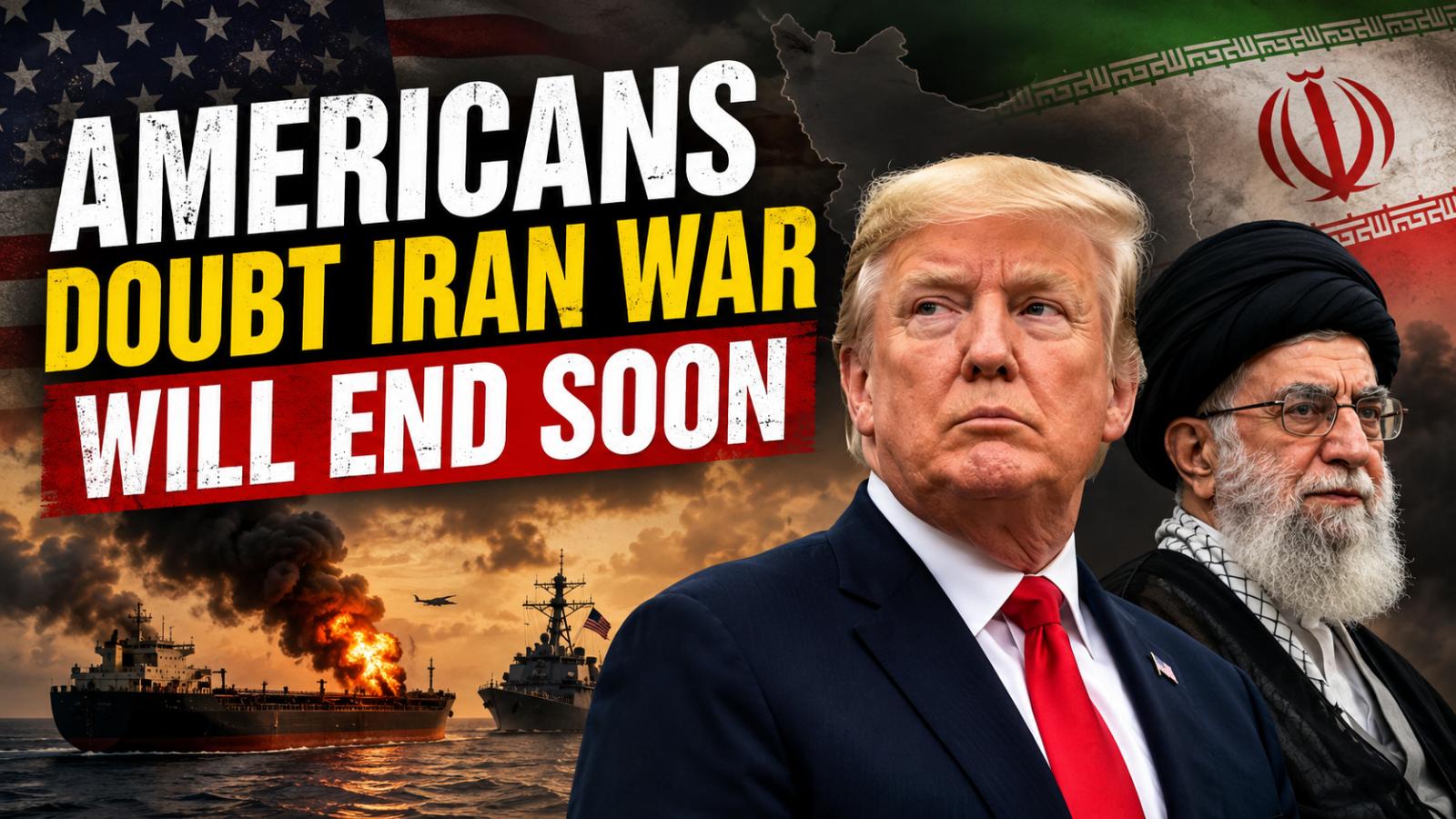
Americans increasingly doubt the Iran war will end soon as diplomacy stalls, Congress debates presidential war powers, shipping risks rise in the Strait of Hormuz and new polling shows voters expect the conflict to continue for months or years rather than weeks.
Timeline remains uncertain
U.S. Ambassador to the United Nations Mike Waltz has declined to place a deadline on the conflict. Waltz said President Donald Trump was giving negotiations “a little bit of room,” while keeping military options available if Iran refuses to reach an agreement.
The diplomatic opening followed 13 consecutive nights of intensified U.S. strikes. However, American and Iranian forces paused attacks during the weekend, and officials have not described the break as a permanent end to the fighting.
A temporary pause may reduce immediate tensions, but it does not settle disputes over Iran’s nuclear program, regional security or navigation through the Strait of Hormuz. The conflict is approaching its fifth month without a comprehensive agreement that defines how hostilities will end.
Diplomacy produces few guarantees
The United States, Iran and regional mediators continue to hold discussions at different levels. Trump has alternated between threatening stronger military action and giving negotiators additional time to produce an acceptable settlement.
Iran has also reduced some attacks while warning that military action could resume if diplomacy fails. These mixed signals have weakened confidence that either side is ready to accept the political and security compromises required for a lasting agreement.
Waltz’s refusal to promise an end date reflects that uncertainty. A pause in bombing should not be reported as the end of the war when major disagreements remain unresolved and both governments continue to retain military options.
War powers divide Congress
Pressure is also growing inside Congress. The House recently approved a War Powers resolution directing Trump to withdraw U.S. forces from the Iran conflict. A comparable Senate measure was blocked, showing that lawmakers remain divided over presidential authority and the future of the military campaign.
Earlier Senate action also demonstrated continuing efforts to limit unauthorized hostilities. Some lawmakers are demanding clearer military objectives, spending estimates and an explanation of what the administration would consider a successful outcome.
Hormuz risks threaten shipping
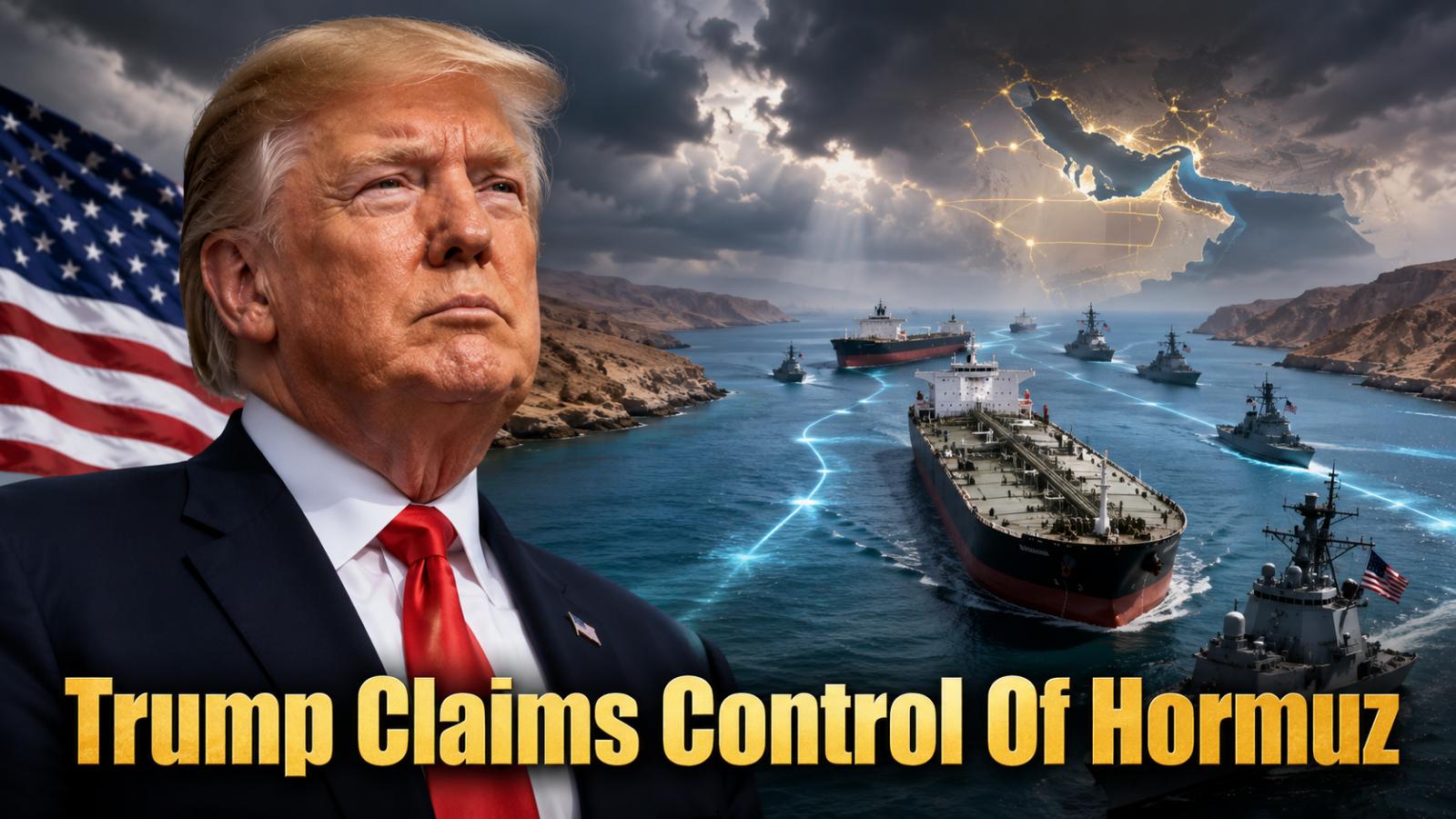
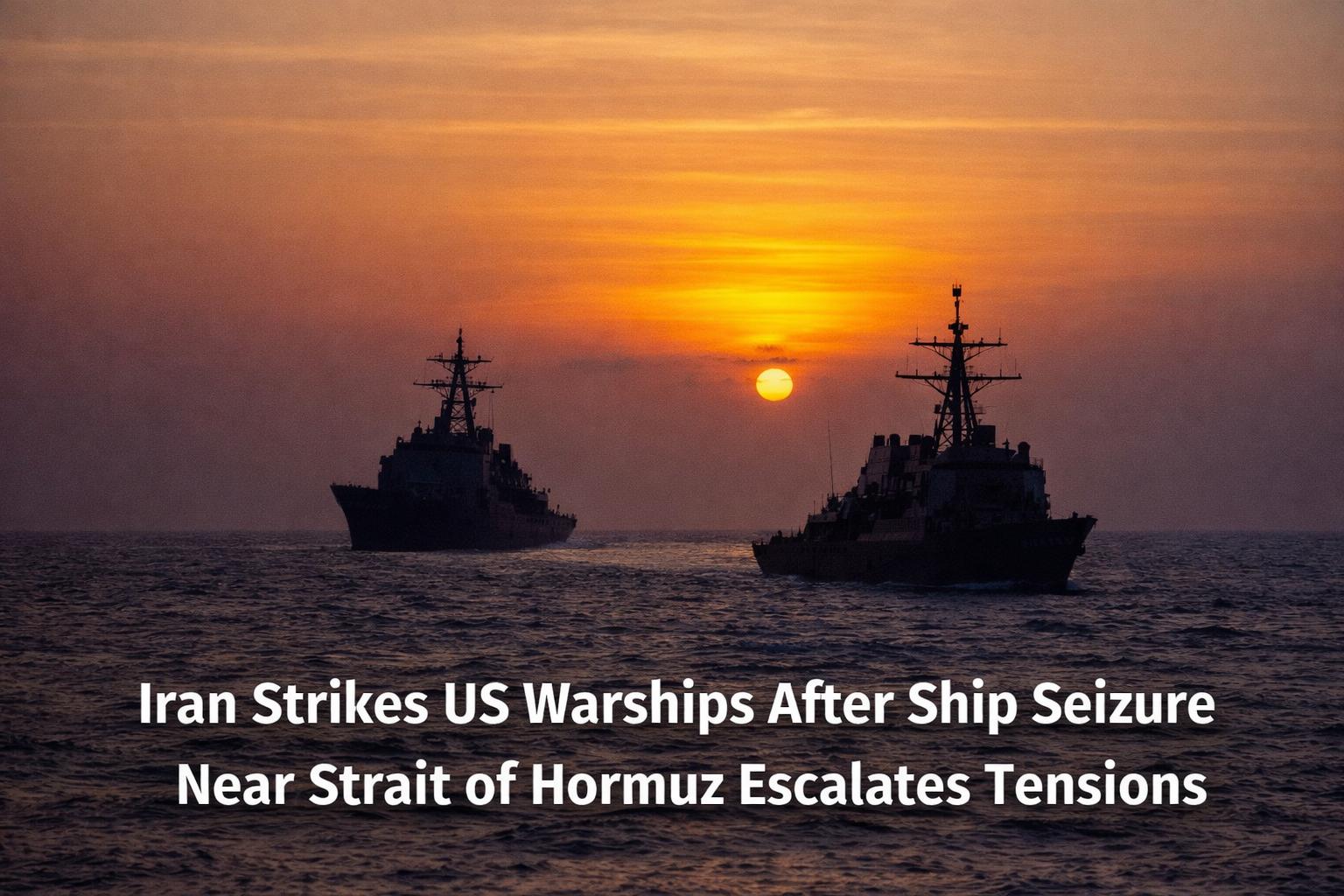
Security concerns intensified after Iranian-linked media reported that an oil tanker exploded after striking a naval mine in the Strait of Hormuz. Reports claimed that the vessel had moved outside a route designated by Iran, although no immediate independent official statement confirmed every detail.
The incident nevertheless highlights the growing danger to commercial vessels. Continued instability could disrupt tanker traffic, increase insurance costs and place further pressure on global energy markets.
Public opinion grows pessimistic
A CBS News/YouGov poll released on July 26 found that 37% of Americans expect the war to continue for months, while 21% believe it could last for years. Only 9% expect it to end within weeks. The survey also found widespread frustration and uncertainty, with 75% saying the conflict had been harder than the administration expected.
Trump attended a dignified transfer ceremony for four American service members killed during the conflict and repeated his argument that Iran must not obtain nuclear weapons. However, his claim about what the fallen troops personally believed has not been supported by direct evidence and should be attributed to Trump rather than presented as fact.
The available evidence does not support declaring the war nearly over. Diplomacy remains fragile, congressional opposition is growing, shipping risks are increasing and many Americans expect a prolonged conflict.