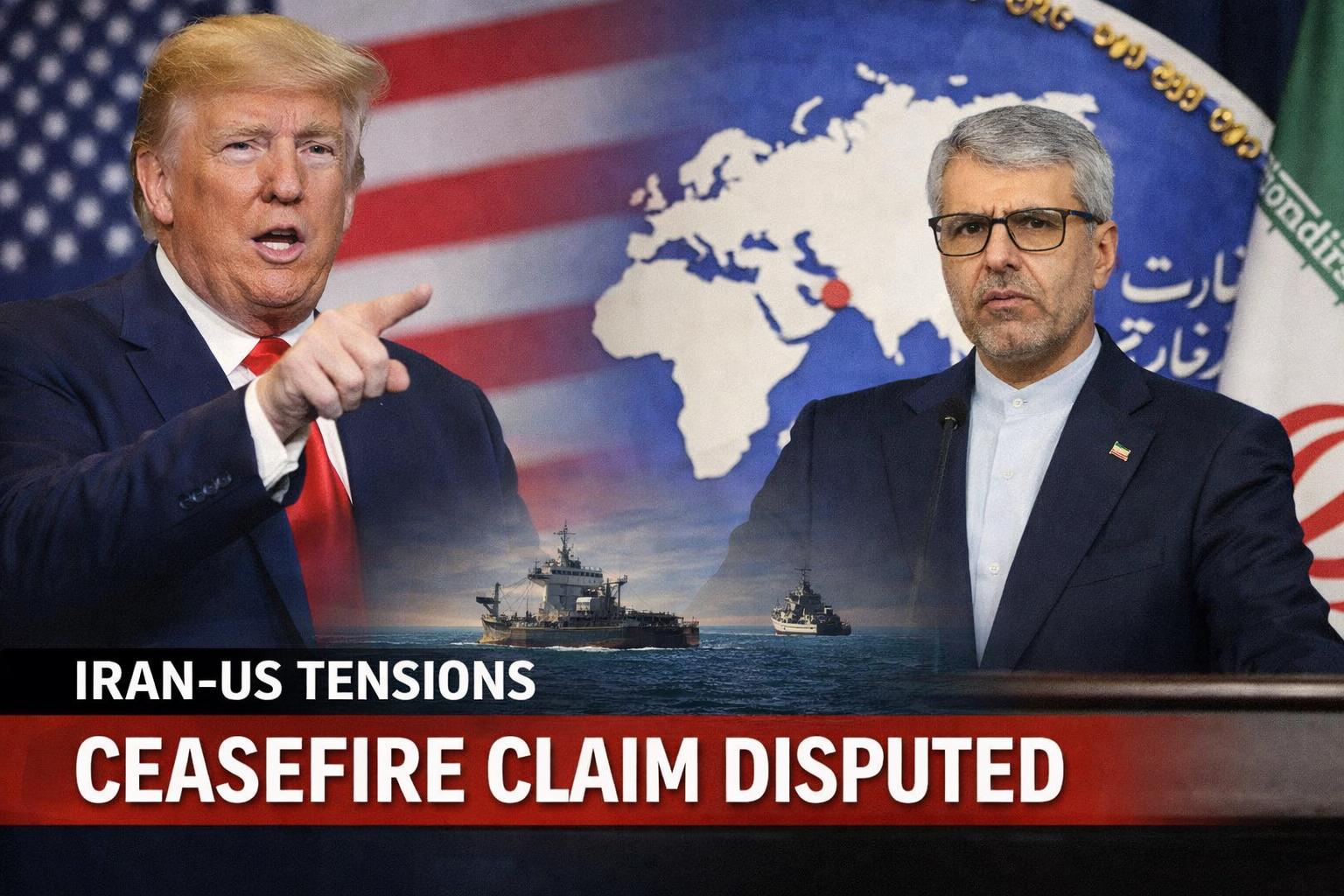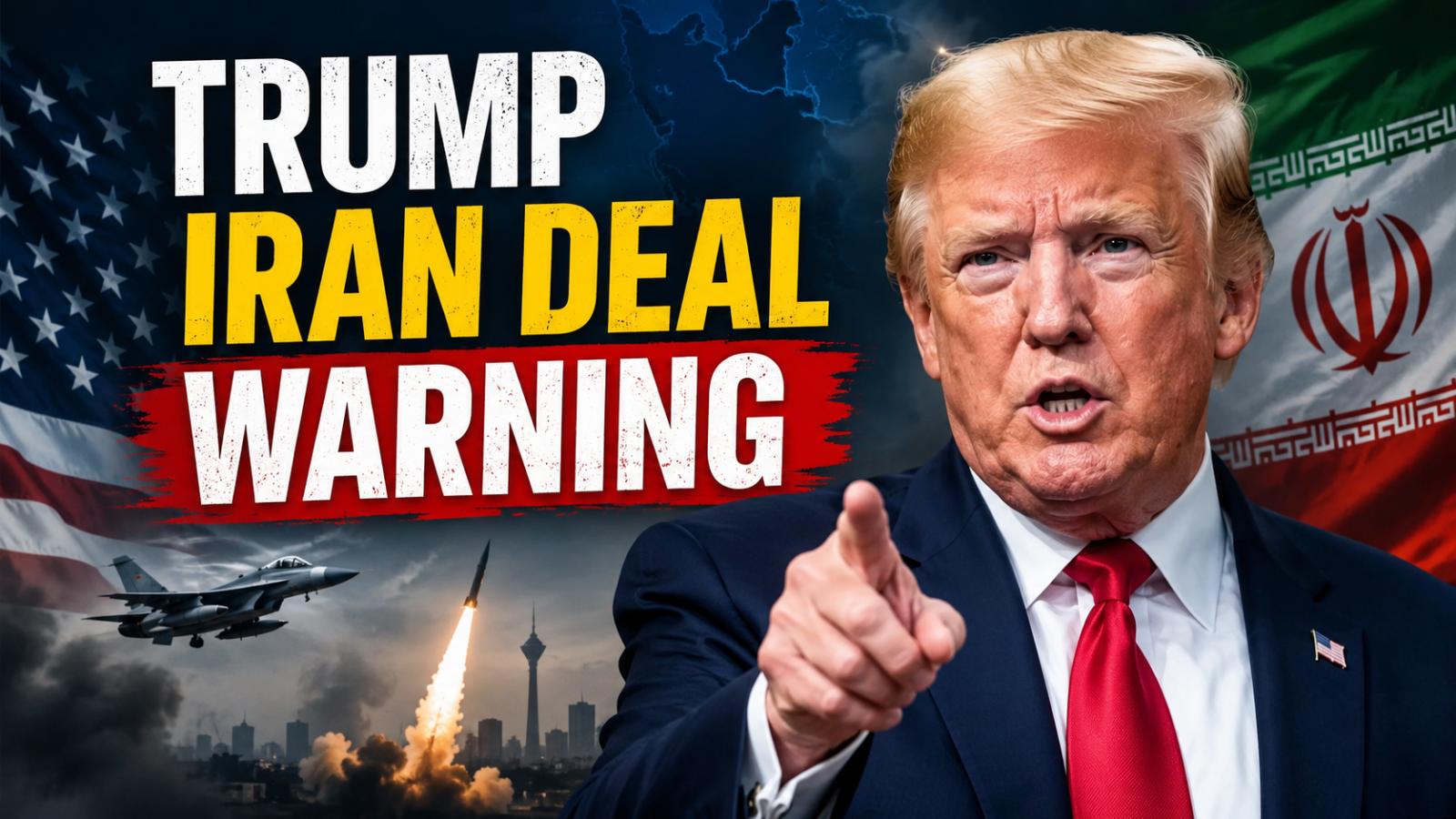
US President Donald Trump has increased pressure on Tehran by predicting that Iran would be defeated “very soon” while claiming its leaders urgently wanted an agreement with Washington. His comments combined the possibility of Iran talks with a warning that the United States would decide whether diplomacy moved forward.
Trump Iran warning increases pressure on Tehran
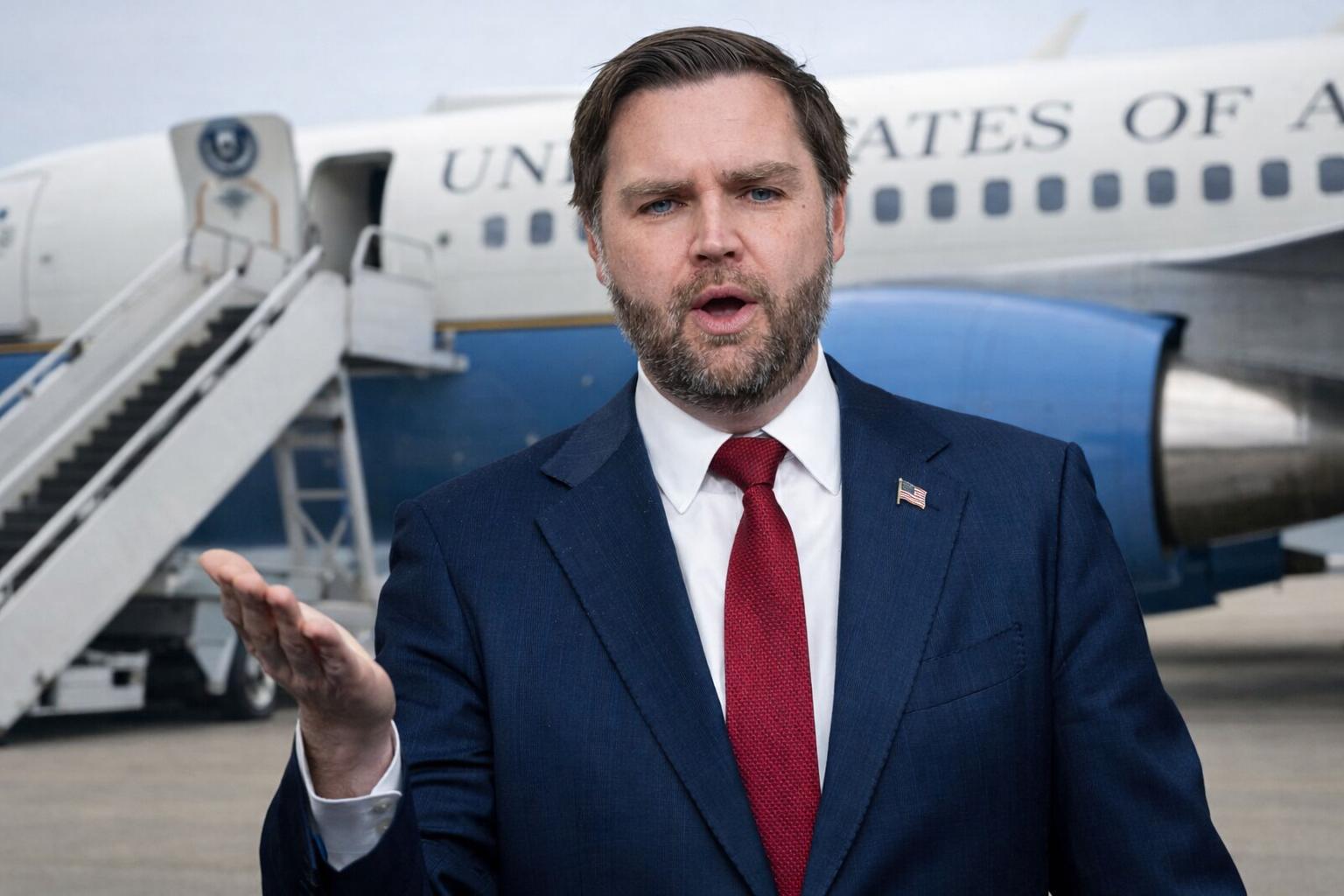
Trump made the remarks on July 15 after arriving in Pennsylvania for a Defense and Innovation Summit. The White House listed the presidential appearance as an official event involving defense officials, business leaders and technology executives.
Speaking to reporters, Trump said the United States would have Iran defeated soon, but he did not define what defeat would involve or provide a military or diplomatic timeline. His statement therefore represents a political prediction rather than a confirmed operational objective.
Trump also claimed that Iranian leaders badly wanted to settle with the United States. He provided no evidence of a formal Iranian proposal and did not identify any officials involved in possible communications. Reports of Iranian interest in negotiations should consequently be treated as a claim made by the US president unless Tehran or another official source confirms direct talks.
Iran talks remain controlled by Washington
Trump suggested that Washington would determine whether a settlement was acceptable. His comments indicated that the administration may view negotiations as another instrument of pressure rather than an immediate path toward compromise.
During the summit, Trump said Iran wanted a settlement because it opposed ongoing US actions. He added that Washington would decide whether to reach an agreement or continue military operations. This framing leaves the diplomatic door open, but only under conditions established by the United States.
Trump also refused to establish a deadline. Instead, he warned Iran to behave, creating uncertainty about the specific actions Tehran would need to take to prevent further escalation.
US-Iran tension follows military strikes
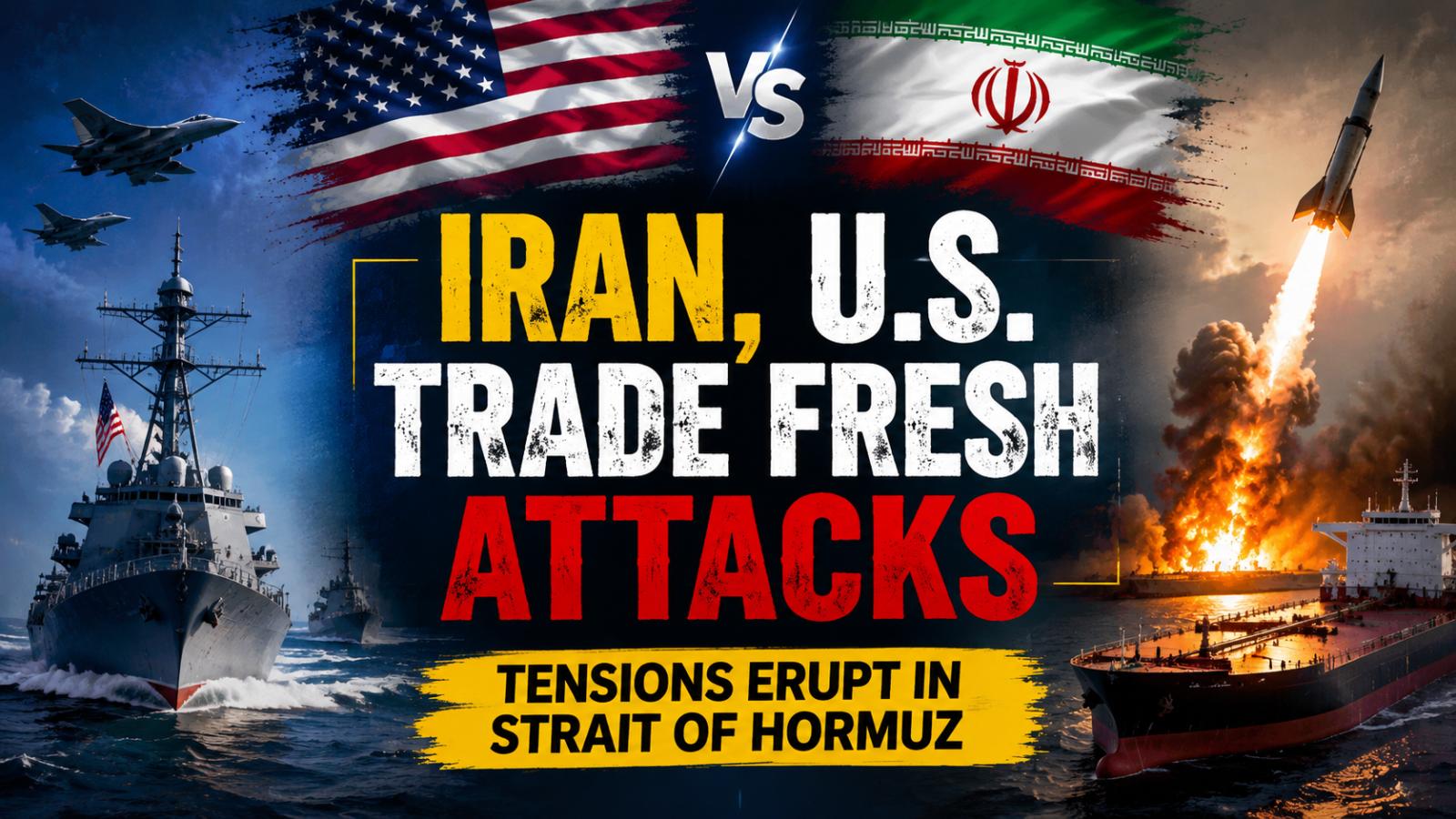
The remarks came after renewed US military activity against Iranian targets. US Central Command has confirmed several rounds of strikes during July, saying American forces targeted military infrastructure and capabilities that threatened commercial shipping and regional security.
Trump defended the military campaign by saying Iran had failed to obey previous expectations. However, he did not explain which agreement, order or ceasefire condition he believed Tehran had violated during his conversation with reporters.
CENTCOM’s official statements provide clearer operational details than Trump’s brief comments. The command said recent strikes targeted Iranian military facilities, including missile, drone and coastal defense capabilities. These operations form part of a wider confrontation involving maritime access, commercial vessels and security around the Gulf.
Iran diplomacy faces major obstacles
The president’s remarks present diplomacy and military pressure as parallel options. However, successful negotiations would require more than a public claim that Iran wants a deal. Both governments would need to confirm contact, identify negotiating officials and establish conditions for talks.
Iranian officials have previously rejected negotiations conducted under military pressure. That position creates a major gap between Washington’s demand for compliance and Tehran’s insistence that attacks must stop before meaningful discussions can begin.
Without verified negotiations, Trump’s settlement comments should not be presented as evidence that an agreement is close. They instead signal that Washington believes intensified pressure could force Tehran to reconsider its position.
Gulf security risks remain high
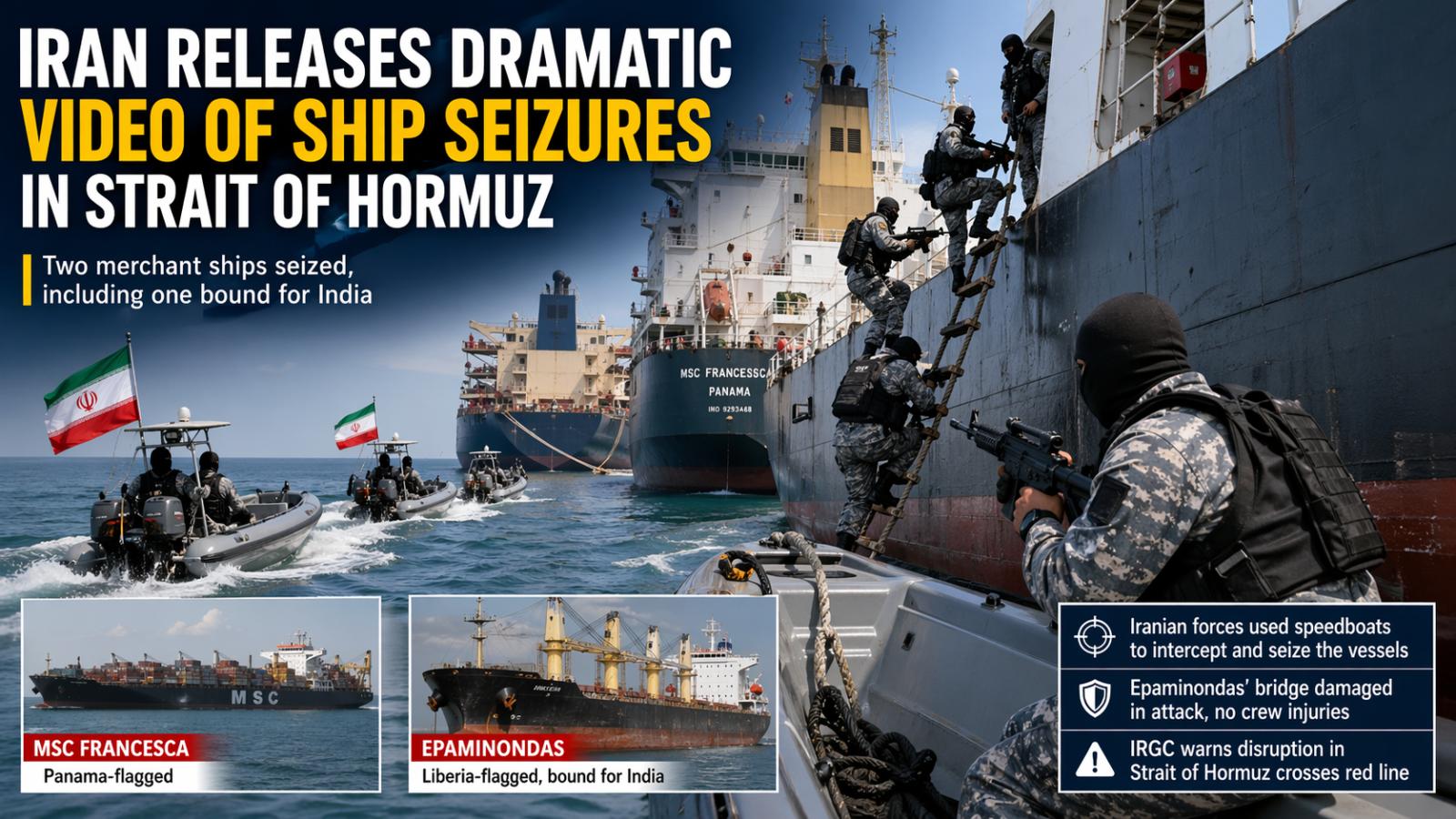
Further US strikes or Iranian retaliation could increase risks to military personnel, neighboring countries and commercial shipping. The Gulf remains a major route for international energy supplies, making any prolonged confrontation economically significant beyond the region.
Trump’s language may strengthen his negotiating position, but it also raises the cost of de-escalation. Predicting an opponent’s defeat can make compromise politically harder for both governments.
For now, the Trump Iran deal warning shows that the White House remains open to an agreement while preparing the public for continued military pressure. Whether that approach produces negotiations or deeper conflict will depend on verified actions from Washington and Tehran, not public statements alone