Japan India digital pact reshapes Indo Pacific tech routes
The Indo-Pacific strategy is increasingly moving away from traditional security frameworks toward digital infrastructure control. Japan and India are emerging as key drivers in this transition, focusing on secure data movement, resilient communication systems, and long-term technological independence from concentrated global networks. The shift reflects a broader attempt to reduce vulnerabilities in cross-border data flows and critical digital assets.
Japan India digital pact reshapes Indo Pacific tech routes
The Indo-Pacific strategy is increasingly moving away from traditional security frameworks toward digital infrastructure control. Japan and India are emerging as key drivers in this transition, focusing on secure data movement, resilient communication systems, and long-term technological independence from concentrated global networks. The shift reflects a broader attempt to reduce vulnerabilities in cross-border data flows and critical digital assets.
Pakistan’s FATF Grey-List History and What India’s New Role Means
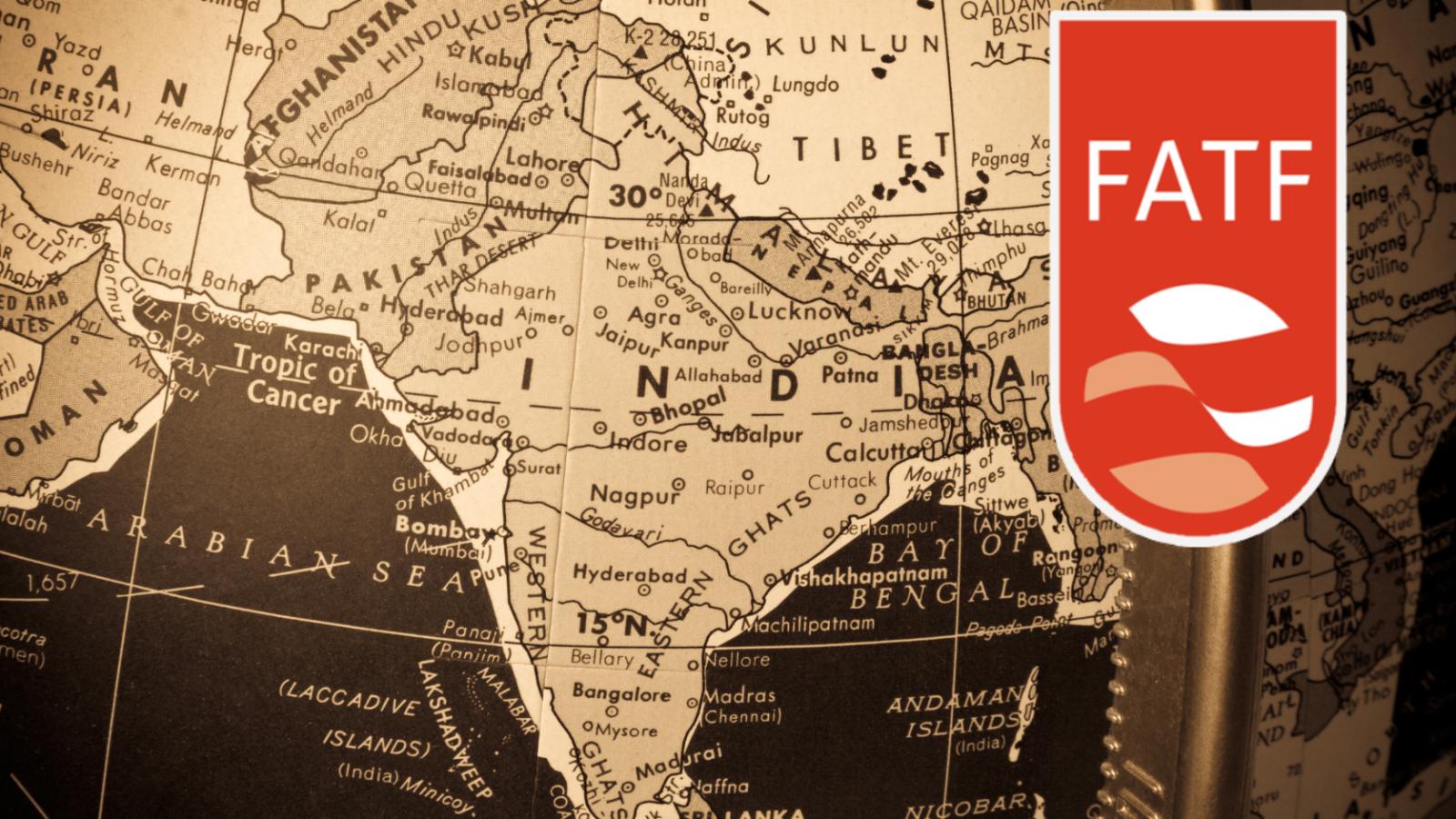
Pakistan’s FATF grey-lit history has returned to attention following India’s election to the vice-presidency of the global financial-crime watchdog. Read more about India’s first election to the FATF vice-presidency and why the appointment matters. India’s new leadership position gives New Delhi greater visibility i
Pakistan’s FATF Grey-List History and What India’s New Role Means
Pakistan’s FATF grey-lit history has returned to attention following India’s election to the vice-presidency of the global financial-crime watchdog. Read more about India’s first election to the FATF vice-presidency and why the appointment matters. India’s new leadership position gives New Delhi greater visibility i
Switzerland hosts US Iran ceasefire talks with mediators
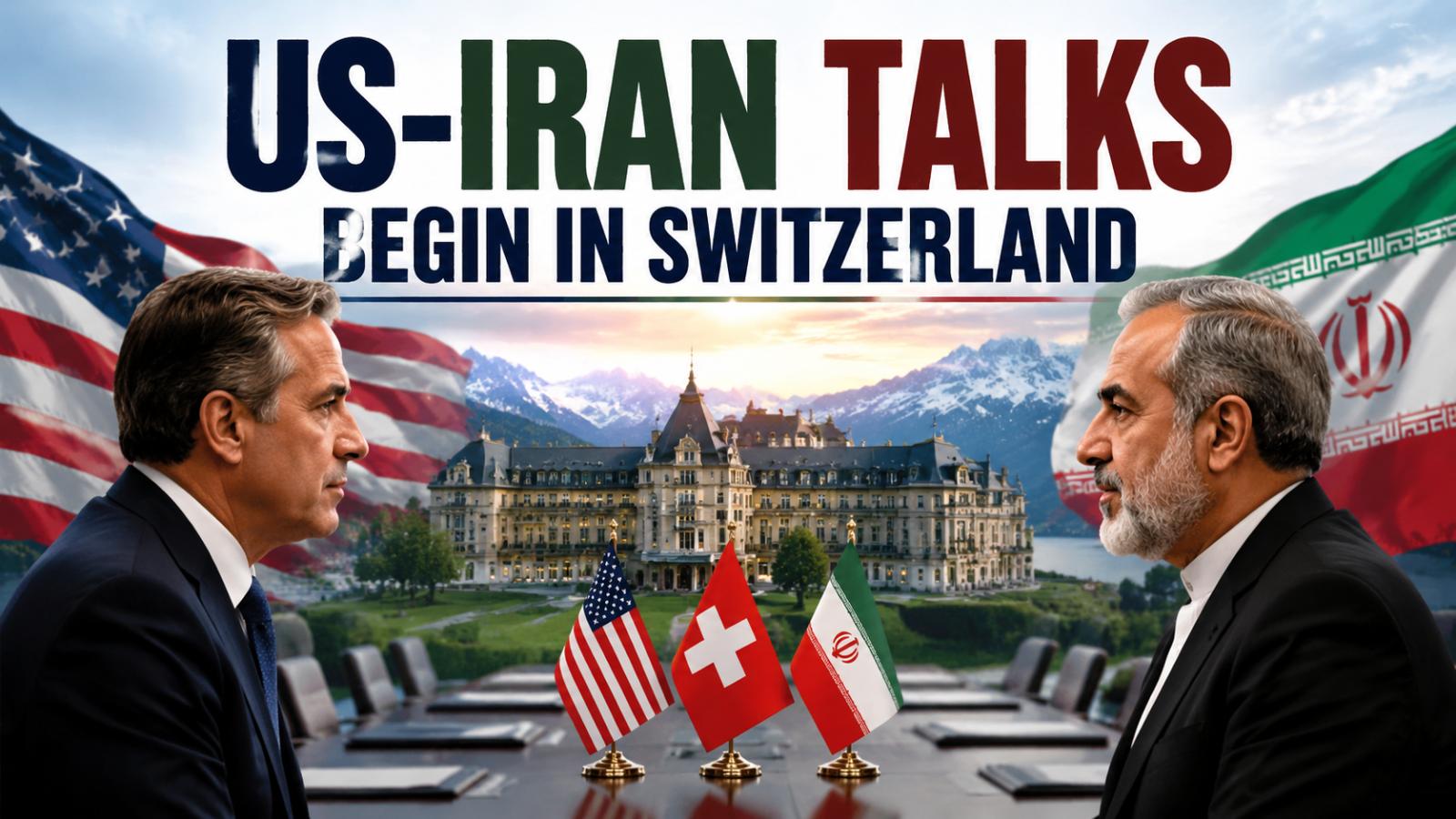
US and Iran have entered early-stage mediated discussions in Switzerland, with the Bürgenstock resort emerging as the selected venue for indirect engagement. The talks are being described by diplomatic sources as exploratory in nature, focusing on reducing regional tensions and testing the feasibility of a broader ceasefire framework. While no final agreement has been confirmed, the engagement signals renewed diplomatic activity after months of escalation concerns in the Middle East. Switzerland positions itself as neutral facilitator Switzerland is hosting the meeting in a neutral capacity, offering logistical support for dialogue between the two sides along with participating mediators. Officials familiar with the arrangement indicate that the format is structured to keep discussions indirect, with Pakistan and Qatar reportedly assisting in communication channels. The goal at this stage is not a binding treaty but a structured conversation on de-escalation pathways. Ceasefire framework and maritime concerns under discussion A key focus of the discussions is believed to be a proposed framework aimed at reducing military tensions and stabilizing critical maritime routes, including the Strait of Hormuz. Trade security and energy transport remain central concerns, given the strategic importance of the passage for global oil movement. However, details remain fluid, and no side has publicly confirmed acceptance of any structured agreement. Diverging interpretations of diplomatic progress Despite reports of engagement, there is no unified position on the status or timing of the talks. Iranian representatives have suggested that discussions remain under internal review following earlier diplomatic exchanges, while US-linked sources describe continued exploratory coordination. This gap in interpretation highlights the fragile and uncertain nature of the process, where messaging remains inconsistent across stakeholders. What the next phase depends on The outcome of these discussions will largely depend on whether both sides can align on verification mechanisms and phased de-escalation steps. Observers note that even incremental progress could reduce regional risk, but breakdowns in coordination could stall momentum quickly. For now, the Switzerland-hosted engagement represents an early diplomatic opening rather than a finalized peace roadmap.



Switzerland hosts US Iran ceasefire talks with mediators
US and Iran have entered early-stage mediated discussions in Switzerland, with the Bürgenstock resort emerging as the selected venue for indirect engagement. The talks are being described by diplomatic sources as exploratory in nature, focusing on reducing regional tensions and testing the feasibility of a broader ceasefire framework. While no final agreement has been confirmed, the engagement signals renewed diplomatic activity after months of escalation concerns in the Middle East. Switzerland positions itself as neutral facilitator Switzerland is hosting the meeting in a neutral capacity, offering logistical support for dialogue between the two sides along with participating mediators. Officials familiar with the arrangement indicate that the format is structured to keep discussions indirect, with Pakistan and Qatar reportedly assisting in communication channels. The goal at this stage is not a binding treaty but a structured conversation on de-escalation pathways. Ceasefire framework and maritime concerns under discussion A key focus of the discussions is believed to be a proposed framework aimed at reducing military tensions and stabilizing critical maritime routes, including the Strait of Hormuz. Trade security and energy transport remain central concerns, given the strategic importance of the passage for global oil movement. However, details remain fluid, and no side has publicly confirmed acceptance of any structured agreement. Diverging interpretations of diplomatic progress Despite reports of engagement, there is no unified position on the status or timing of the talks. Iranian representatives have suggested that discussions remain under internal review following earlier diplomatic exchanges, while US-linked sources describe continued exploratory coordination. This gap in interpretation highlights the fragile and uncertain nature of the process, where messaging remains inconsistent across stakeholders. What the next phase depends on The outcome of these discussions will largely depend on whether both sides can align on verification mechanisms and phased de-escalation steps. Observers note that even incremental progress could reduce regional risk, but breakdowns in coordination could stall momentum quickly. For now, the Switzerland-hosted engagement represents an early diplomatic opening rather than a finalized peace roadmap.


US Iran MoU deal raises doubts over ceasefire framework
The recent US Iran MoU agreement, discussed during a diplomatic gathering in France, is being viewed as an early-stage framework aimed at reducing long-standing tensions between Washington and Tehran. The document outlines intentions for reduced hostilities and future negotiations, but many of its provisions remain open-ended, leaving room for differing interpretations from both sides. While the agreement signals a willingness to engage, it stops short of offering a fully defined roadmap for
US Iran MoU deal raises doubts over ceasefire framework
The recent US Iran MoU agreement, discussed during a diplomatic gathering in France, is being viewed as an early-stage framework aimed at reducing long-standing tensions between Washington and Tehran. The document outlines intentions for reduced hostilities and future negotiations, but many of its provisions remain open-ended, leaving room for differing interpretations from both sides. While the agreement signals a willingness to engage, it stops short of offering a fully defined roadmap for
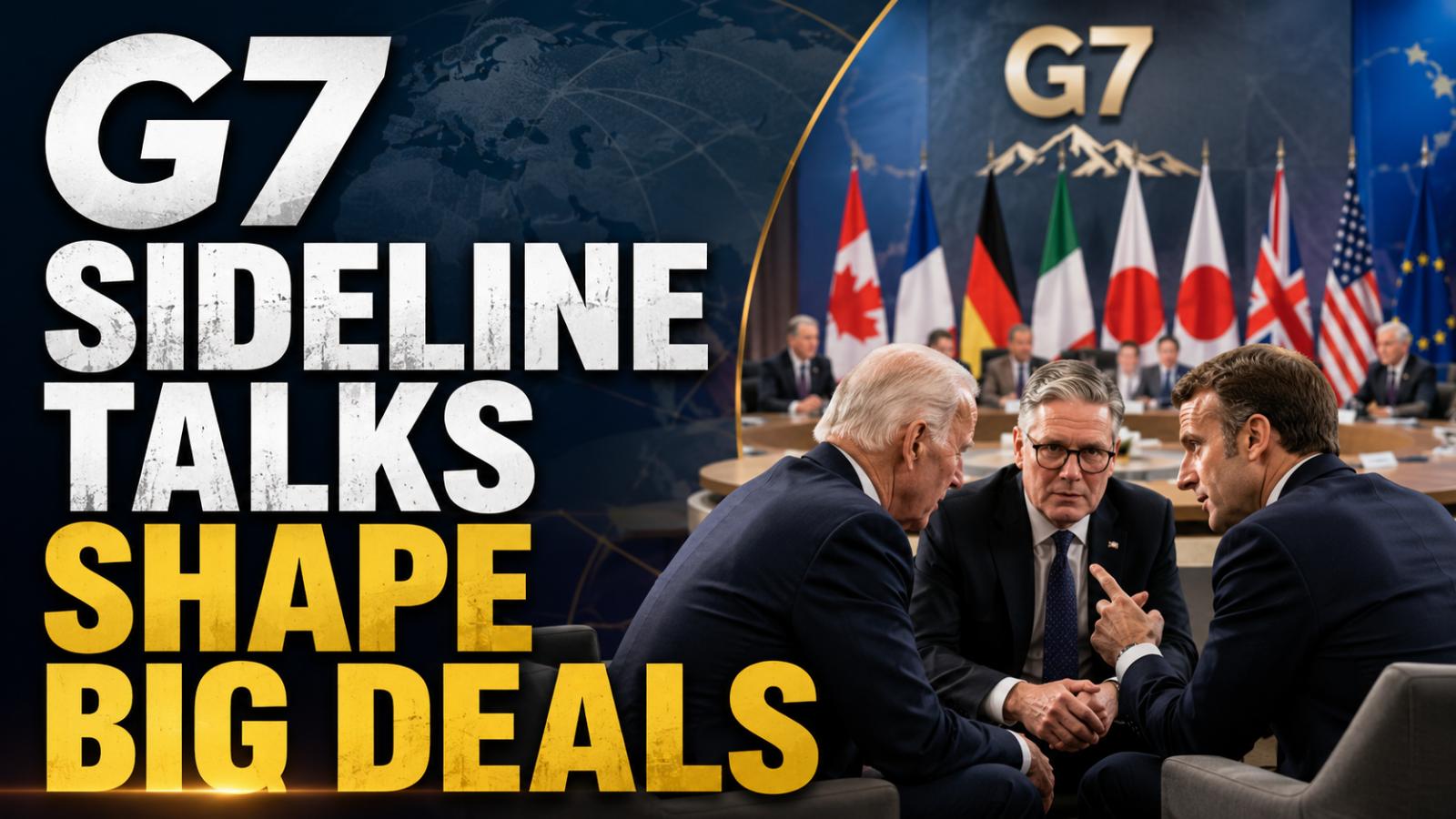
G7 Summit Sidelines Become Key Stage for Global Deals
As leaders gather for the 52nd G7 Summit in Évian-les-Bains, France, from June 15 to 17, much of the real diplomatic movement is expected to happen away from the formal summit sessions. The official agenda provides a platform for cooperation on global economic and security challenges, but the highest-impact conversations often take place in smaller bilateral meetings where leaders can speak directly, test compromises and address urgent national priorities without the limits of public stateme
G7 Summit Sidelines Become Key Stage for Global Deals
As leaders gather for the 52nd G7 Summit in Évian-les-Bains, France, from June 15 to 17, much of the real diplomatic movement is expected to happen away from the formal summit sessions. The official agenda provides a platform for cooperation on global economic and security challenges, but the highest-impact conversations often take place in smaller bilateral meetings where leaders can speak directly, test compromises and address urgent national priorities without the limits of public stateme
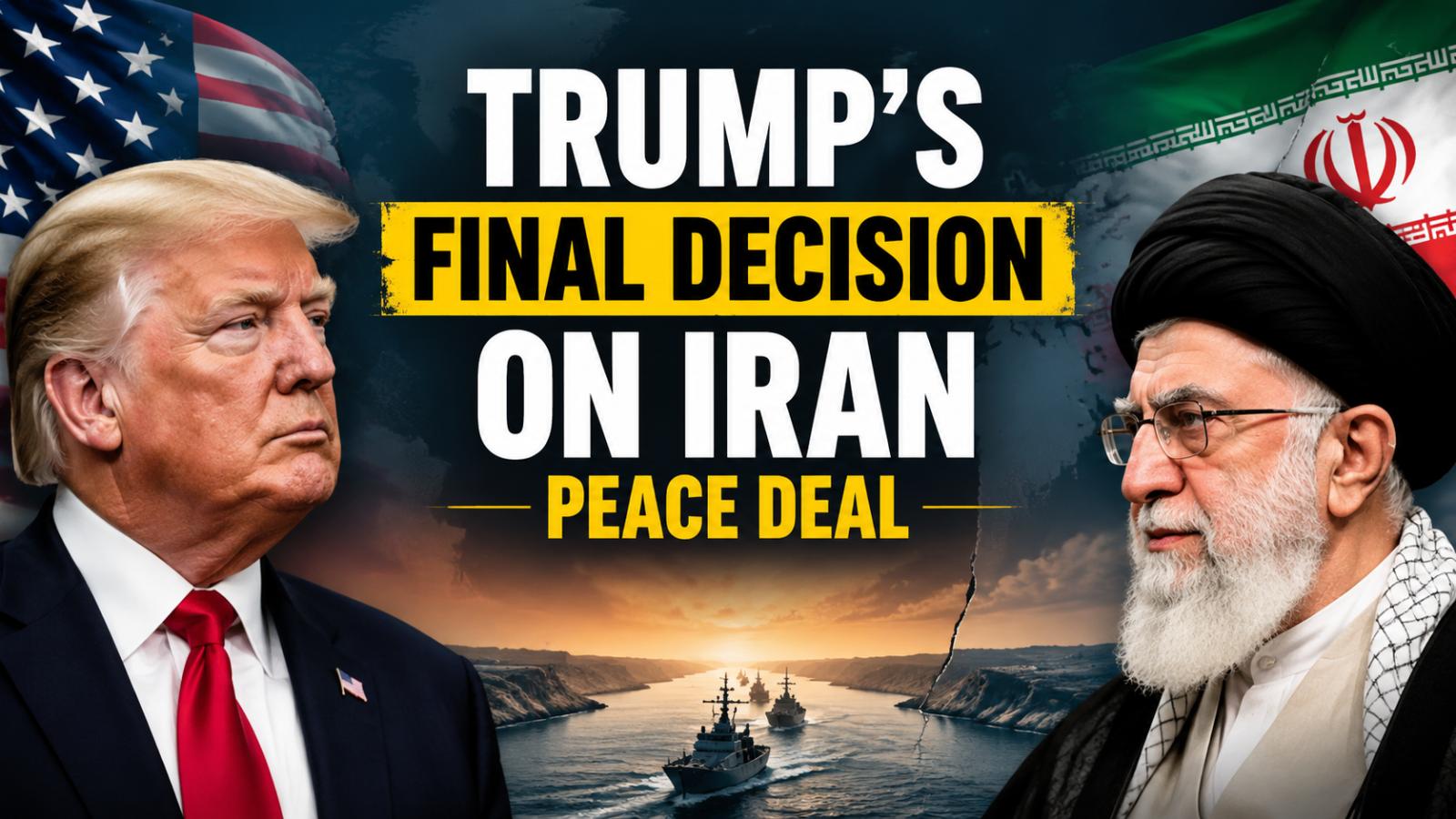
Trump Finalizes Iran Peace Deal Terms Amid Rising Tensions
United States President Donald Trump has declared his final terms for a potential peace agreement with Iran. The proposal emphasizes strict nuclear compliance and guarantees for uninterrupted shipping through the strategic Hormuz Strait. This announcement has sparked strong reactions from Iranian officials, signaling potential hurdles in diplomatic negotiations. Iran Responds to US Demands
Trump Finalizes Iran Peace Deal Terms Amid Rising Tensions
United States President Donald Trump has declared his final terms for a potential peace agreement with Iran. The proposal emphasizes strict nuclear compliance and guarantees for uninterrupted shipping through the strategic Hormuz Strait. This announcement has sparked strong reactions from Iranian officials, signaling potential hurdles in diplomatic negotiations. Iran Responds to US Demands
Iran Warns UK and France Over Hormuz Deployment Amid Rising Gulf Tensions
Iran on Sunday warned Britain and France against deploying warships to the Strait of Hormuz, escalating tensions around one of the world’s most critical maritime trade routes. Iranian Deputy Foreign Minister Kazem Gharibabadi said Tehran would respond immediately and decisively if foreign powers attempted to interfere in the security of the strategic waterway. His remarks came after reports that both Britain and France had sent vessels toward the Gulf region amid ongoing concerns over marit
Iran Warns UK and France Over Hormuz Deployment Amid Rising Gulf Tensions
Iran on Sunday warned Britain and France against deploying warships to the Strait of Hormuz, escalating tensions around one of the world’s most critical maritime trade routes. Iranian Deputy Foreign Minister Kazem Gharibabadi said Tehran would respond immediately and decisively if foreign powers attempted to interfere in the security of the strategic waterway. His remarks came after reports that both Britain and France had sent vessels toward the Gulf region amid ongoing concerns over marit
Trump warns of escalation over Strait of Hormuz access
U.S. President Donald Trump on Wednesday warned Iran that any move to restrict access to the Strait of Hormuz could trigger a stronger U.S. military response, according to a statement posted on Truth Social. Trump said tensions could ease if Tehran ensures open maritime access for all nations, describing it as a condition previously understood between the sides. He added that failure to comply would lead to “significantly intensified” action, signaling a potential shift toward a more aggressive U.S. stance in the region. The Strait of Hormuz is one of the world’s most critical oil transit routes, carrying a large share of global crude shipments. Any disruption could affect energy markets and international shipping security. Trump’s remarks come amid ongoing uncertainty in the Middle East, where regional rivalries and strategic interests continue to drive tensions. No immediate response from Iranian officials was reported. Analysts say heightened rhetoric around the waterway often fuels volatility in oil prices and raises the risk of military escalation in the Gulf.
Trump warns of escalation over Strait of Hormuz access
U.S. President Donald Trump on Wednesday warned Iran that any move to restrict access to the Strait of Hormuz could trigger a stronger U.S. military response, according to a statement posted on Truth Social. Trump said tensions could ease if Tehran ensures open maritime access for all nations, describing it as a condition previously understood between the sides. He added that failure to comply would lead to “significantly intensified” action, signaling a potential shift toward a more aggressive U.S. stance in the region. The Strait of Hormuz is one of the world’s most critical oil transit routes, carrying a large share of global crude shipments. Any disruption could affect energy markets and international shipping security. Trump’s remarks come amid ongoing uncertainty in the Middle East, where regional rivalries and strategic interests continue to drive tensions. No immediate response from Iranian officials was reported. Analysts say heightened rhetoric around the waterway often fuels volatility in oil prices and raises the risk of military escalation in the Gulf.
Trump Iran Conflict Escalates as US Claims Iran Navy Crippled
Trump Iran Conflict Deepens After Oval Office Remarks Donald Trump said the United States has “beaten Iran badly,” claiming U.S. military action weakened Iran’s navy and reduced the risk of Tehran developing a nuclear weapon. Speaking from the Oval Office, Trump described the confrontation as a “skirmish,” but his remarks added fresh urgency to rising U.S.-Iran tensions in the Gulf region. US Claims Iran Navy Severely Weakened
Trump Iran Conflict Escalates as US Claims Iran Navy Crippled
Trump Iran Conflict Deepens After Oval Office Remarks Donald Trump said the United States has “beaten Iran badly,” claiming U.S. military action weakened Iran’s navy and reduced the risk of Tehran developing a nuclear weapon. Speaking from the Oval Office, Trump described the confrontation as a “skirmish,” but his remarks added fresh urgency to rising U.S.-Iran tensions in the Gulf region. US Claims Iran Navy Severely Weakened
Iran’s Mojtaba Khamenei calls US bases “paper tigers” amid Gulf tensions
Iran’s Mojtaba Khamenei called US bases “paper tigers” on Friday, May 1, 2026, criticizing American presence in the Persian Gulf and linking it to regional insecurity amid rising Strait of Hormuz tensions Iran’s Mojtaba Khamenei calls US bases “paper tigers” amid Gulf tensions as Mojtaba Khamenei sharply criticized the United States’ military presence in the
Iran’s Mojtaba Khamenei calls US bases “paper tigers” amid Gulf tensions
Iran’s Mojtaba Khamenei called US bases “paper tigers” on Friday, May 1, 2026, criticizing American presence in the Persian Gulf and linking it to regional insecurity amid rising Strait of Hormuz tensions Iran’s Mojtaba Khamenei calls US bases “paper tigers” amid Gulf tensions as Mojtaba Khamenei sharply criticized the United States’ military presence in the
Iran Uranium Stockpile Mystery Deepens After US Strikes
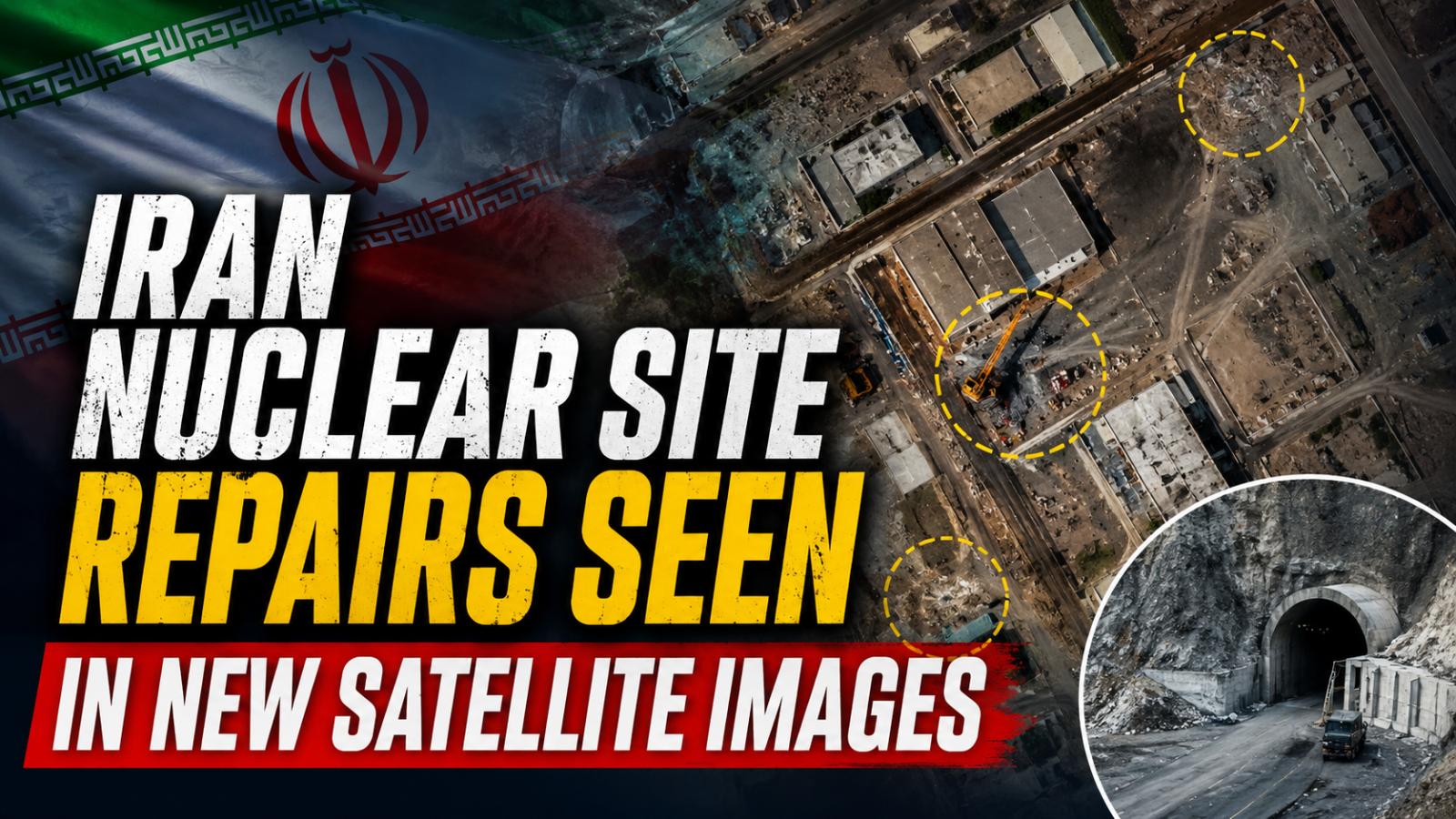
The location of Iran’s enriched uranium stockpile remains uncertain nearly two months after US military strikes targeted key nuclear facilities, raising fresh concerns about transparency and oversight. The material, estimated at roughly 22,000 pounds, had steadily accumulated over years following the US withdrawal from the 2015 nuclear agreement. That deal had previously imposed strict limits on enrichment levels and stockpile size, effectively curbing Iran’s ability to produce weapons-grade material. Uranium enrichment remains central to the issue, as the process becomes significantly faster once higher purity levels are reached. While low enrichment supports civilian energy needs, higher concentrations can be used for nuclear weapons. Iran’s move to enrich uranium up to 60 percent in recent years placed it closer to that threshold, intensifying international concern. Efforts to revive diplomatic agreements failed, and subsequent escalation led to direct military action targeting facilities such as Natanz and Fordow, along with storage areas near Isfahan. Shortly after, Iran halted cooperation with international inspectors, effectively ending on-the-ground verification. Without access, monitoring now relies heavily on satellite surveillance, which cannot fully confirm the condition or location of nuclear materials. Experts suggest that even if Iran retains access to the stockpile, converting it into a functional weapon would require additional time and technical capacity. However, the absence of inspections creates uncertainty. Analysts warn that if portions of the uranium were relocated or secured in undisclosed sites, Iran could potentially resume enrichment activities without detection, complicating global efforts to assess the true state of its nuclear program.
Iran Uranium Stockpile Mystery Deepens After US Strikes
The location of Iran’s enriched uranium stockpile remains uncertain nearly two months after US military strikes targeted key nuclear facilities, raising fresh concerns about transparency and oversight. The material, estimated at roughly 22,000 pounds, had steadily accumulated over years following the US withdrawal from the 2015 nuclear agreement. That deal had previously imposed strict limits on enrichment levels and stockpile size, effectively curbing Iran’s ability to produce weapons-grade material. Uranium enrichment remains central to the issue, as the process becomes significantly faster once higher purity levels are reached. While low enrichment supports civilian energy needs, higher concentrations can be used for nuclear weapons. Iran’s move to enrich uranium up to 60 percent in recent years placed it closer to that threshold, intensifying international concern. Efforts to revive diplomatic agreements failed, and subsequent escalation led to direct military action targeting facilities such as Natanz and Fordow, along with storage areas near Isfahan. Shortly after, Iran halted cooperation with international inspectors, effectively ending on-the-ground verification. Without access, monitoring now relies heavily on satellite surveillance, which cannot fully confirm the condition or location of nuclear materials. Experts suggest that even if Iran retains access to the stockpile, converting it into a functional weapon would require additional time and technical capacity. However, the absence of inspections creates uncertainty. Analysts warn that if portions of the uranium were relocated or secured in undisclosed sites, Iran could potentially resume enrichment activities without detection, complicating global efforts to assess the true state of its nuclear program.
Israel says Hamas intelligence leader killed in Gaza strike
Israel says it killed a senior Hamas intelligence leader involved in planning the October 7 attack, as violence continues in Gaza despite a ceasefire, with reports of additional casualties from a separate drone strike. The Israel Defense Forces said on Wednesday, April 29, 2026, that Iyad Ahmed Abd al Rahman Shambari, a senior figure in Hamas’s military intelligence wing, was killed in the Gaza Strip. According to the IDF, Shambari led the operations department within Hamas military intelligence and played a key role in planning the October 7, 2023, attack on Israel that triggered the ongoing war. The IDF statement did not specify the exact time of the strike or provide additional operational details. The Israeli military has repeatedly targeted senior Hamas figures as part of its broader campaign in Gaza following the large-scale assault that prompted Israel’s ground offensive in the enclave. A ceasefire announced on Friday, October 10, 2025, has largely reduced large-scale combat, but violence has continued across Gaza. The Gaza health ministry, which operates under Hamas authority, reported that at least 818 Palestinians have been killed since the truce began. The United Nations has previously considered such figures broadly reliable, though independent verification remains limited. Separately, Gaza’s civil defense agency said four people were killed and six others injured in a drone strike targeting a vehicle in the western Al Rimal neighborhood of Gaza City. A Gaza security official identified two of the victims as Hamas commander Iyad al Shanbari and his son Salah. The identities of the other two individuals were not disclosed. There was no immediate independent confirmation of the identities of those killed in that strike. The IDF has not publicly commented on the specific incident described by local authorities. The developments underscore ongoing instability in Gaza despite the ceasefire, with sporadic strikes and casualties continuing to be reported.
Israel says Hamas intelligence leader killed in Gaza strike
Israel says it killed a senior Hamas intelligence leader involved in planning the October 7 attack, as violence continues in Gaza despite a ceasefire, with reports of additional casualties from a separate drone strike. The Israel Defense Forces said on Wednesday, April 29, 2026, that Iyad Ahmed Abd al Rahman Shambari, a senior figure in Hamas’s military intelligence wing, was killed in the Gaza Strip. According to the IDF, Shambari led the operations department within Hamas military intelligence and played a key role in planning the October 7, 2023, attack on Israel that triggered the ongoing war. The IDF statement did not specify the exact time of the strike or provide additional operational details. The Israeli military has repeatedly targeted senior Hamas figures as part of its broader campaign in Gaza following the large-scale assault that prompted Israel’s ground offensive in the enclave. A ceasefire announced on Friday, October 10, 2025, has largely reduced large-scale combat, but violence has continued across Gaza. The Gaza health ministry, which operates under Hamas authority, reported that at least 818 Palestinians have been killed since the truce began. The United Nations has previously considered such figures broadly reliable, though independent verification remains limited. Separately, Gaza’s civil defense agency said four people were killed and six others injured in a drone strike targeting a vehicle in the western Al Rimal neighborhood of Gaza City. A Gaza security official identified two of the victims as Hamas commander Iyad al Shanbari and his son Salah. The identities of the other two individuals were not disclosed. There was no immediate independent confirmation of the identities of those killed in that strike. The IDF has not publicly commented on the specific incident described by local authorities. The developments underscore ongoing instability in Gaza despite the ceasefire, with sporadic strikes and casualties continuing to be reported.
What happened in the Belfast car bombing? New IRA claims attack and warns of more violence
New IRA claims attack and warns of more violence A dissident republican group known as the New IRA has claimed responsibility for a car bomb attack outside a police station in Belfast, escalating security concerns in Northern Ireland. The explosion occurred at approximately 10:50 PM BST on Saturday, April 25, 2026, outside a Police Service of Northern Ire
What happened in the Belfast car bombing? New IRA claims attack and warns of more violence
New IRA claims attack and warns of more violence A dissident republican group known as the New IRA has claimed responsibility for a car bomb attack outside a police station in Belfast, escalating security concerns in Northern Ireland. The explosion occurred at approximately 10:50 PM BST on Saturday, April 25, 2026, outside a Police Service of Northern Ire
What did Trump say about Iran at the state dinner? He claimed King Charles agrees Iran must not have nuclear weapons
During a state dinner honoring the United Kingdom’s monarch, former U.S. President Donald Trump said King Charles III shares his view that Iran must never obtain nuclear weapons, while emphasizing the strength of U.S.-UK defense ties. Speaking at the formal event, Trump described the alliance between the two nations as rooted in “unconquerable courage,” referencing shared military history across multiple global conflicts. Trump used the occasion to highlight ongoing U.S. mili
What did Trump say about Iran at the state dinner? He claimed King Charles agrees Iran must not have nuclear weapons
During a state dinner honoring the United Kingdom’s monarch, former U.S. President Donald Trump said King Charles III shares his view that Iran must never obtain nuclear weapons, while emphasizing the strength of U.S.-UK defense ties. Speaking at the formal event, Trump described the alliance between the two nations as rooted in “unconquerable courage,” referencing shared military history across multiple global conflicts. Trump used the occasion to highlight ongoing U.S. mili
Why did the UN grant Iran a leadership role? It reflects procedural voting dynamics despite criticism
It reflects procedural voting dynamics despite criticism The United States, joined by the United Arab Emirates and supported by several European governments, condemned a United Nations decision made on Monday, April 28, 2026, to appoint Iran as one of the vice presidents at a major nuclear treaty conference in New York. Iran’s appointment through Non-Aligned Movement voting bloc The controversy emerged as the 11th Review Conference of
Why did the UN grant Iran a leadership role? It reflects procedural voting dynamics despite criticism
It reflects procedural voting dynamics despite criticism The United States, joined by the United Arab Emirates and supported by several European governments, condemned a United Nations decision made on Monday, April 28, 2026, to appoint Iran as one of the vice presidents at a major nuclear treaty conference in New York. Iran’s appointment through Non-Aligned Movement voting bloc The controversy emerged as the 11th Review Conference of
What triggered India’s response to Mali violence? Coordinated terror strikes and minister’s death
India condemns Mali terror attacks after minister killed, highlights global security risks and support for Sahel stability. The Government of India issued a strong condemnation on Tuesday, April 28, 2026 (IST), following a series of coordinated terrorist attacks across Mali that resulted in significant casualties and heightened regional instability. In an official statement, the Ministry of External Affairs expressed condolences to victims’ families and affirmed solidarity with Mali’s government and citizens. Coordinated assaults escalate violence across Mali The wave of violence began on Saturday, April 25, 2026, when militant group Jama'at Nusrat al-Islam wal-Muslimin joined forces with Tuareg separatists from the Front de libération de l'Azawad. Together, they launched synchronized attacks targeting key locations from the capital Bamako to northern regions. The coordinated nature of the assaults marked one of the most significant escalations of violence in the country in recent years. Death of defense minister shocks leadership Among those killed was Sadio Camara, Mali’s Minister of Defence and Veteran Affairs, who died in a targeted strike during the offensive. His death has sent shockwaves through Mali’s political and military leadership, raising concerns about the capacity of state institutions to counter increasingly sophisticated insurgent operations. India reiterates zero tolerance on terrorism In its statement, New Delhi emphasized its longstanding policy of zero tolerance toward terrorism. The government reaffirmed its commitment to combating extremist violence in all forms and voiced support for international efforts aimed at restoring peace and stability in the Sahel region. Officials in New Delhi indicated that the scale and coordination of the attacks reflect evolving threats posed by transnational militant networks. Broader implications for Sahel stability The attacks have intensified concerns within India’s strategic community that Mali could become a more entrenched base for global terror groups. While India has historically maintained a measured relationship with Bamako focused on development and capacity building, the latest violence underscores growing instability across the Sahel. Analysts warn that continued unrest may have wider implications for international security and counterterrorism efforts.
What triggered India’s response to Mali violence? Coordinated terror strikes and minister’s death
India condemns Mali terror attacks after minister killed, highlights global security risks and support for Sahel stability. The Government of India issued a strong condemnation on Tuesday, April 28, 2026 (IST), following a series of coordinated terrorist attacks across Mali that resulted in significant casualties and heightened regional instability. In an official statement, the Ministry of External Affairs expressed condolences to victims’ families and affirmed solidarity with Mali’s government and citizens. Coordinated assaults escalate violence across Mali The wave of violence began on Saturday, April 25, 2026, when militant group Jama'at Nusrat al-Islam wal-Muslimin joined forces with Tuareg separatists from the Front de libération de l'Azawad. Together, they launched synchronized attacks targeting key locations from the capital Bamako to northern regions. The coordinated nature of the assaults marked one of the most significant escalations of violence in the country in recent years. Death of defense minister shocks leadership Among those killed was Sadio Camara, Mali’s Minister of Defence and Veteran Affairs, who died in a targeted strike during the offensive. His death has sent shockwaves through Mali’s political and military leadership, raising concerns about the capacity of state institutions to counter increasingly sophisticated insurgent operations. India reiterates zero tolerance on terrorism In its statement, New Delhi emphasized its longstanding policy of zero tolerance toward terrorism. The government reaffirmed its commitment to combating extremist violence in all forms and voiced support for international efforts aimed at restoring peace and stability in the Sahel region. Officials in New Delhi indicated that the scale and coordination of the attacks reflect evolving threats posed by transnational militant networks. Broader implications for Sahel stability The attacks have intensified concerns within India’s strategic community that Mali could become a more entrenched base for global terror groups. While India has historically maintained a measured relationship with Bamako focused on development and capacity building, the latest violence underscores growing instability across the Sahel. Analysts warn that continued unrest may have wider implications for international security and counterterrorism efforts.
US missile stockpile concerns grow amid iran conflict scrutiny
US missile stockpile concerns during Iran war
US missile stockpile concerns grow amid iran conflict scrutiny
US missile stockpile concerns during Iran war
How are Russia and Iran responding to regional tensions? Leaders reaffirm alliance
Vladimir Putin met Abbas Araghchi in Moscow on Monday, reaffirming Russia’s commitment to maintaining strong strategic relations with Iran amid escalating tensions in West Asia. During the meeting, Putin emphasized that Russia would continue to act in ways that serve the interests of Iran and the broader
How are Russia and Iran responding to regional tensions? Leaders reaffirm alliance
Vladimir Putin met Abbas Araghchi in Moscow on Monday, reaffirming Russia’s commitment to maintaining strong strategic relations with Iran amid escalating tensions in West Asia. During the meeting, Putin emphasized that Russia would continue to act in ways that serve the interests of Iran and the broader
US Expands Anti-Drug Campaign With New Pacific Strike
The United States military carried out another strike on a suspected drug-trafficking vessel in the Eastern Pacific, resulting in the deaths of three individuals, on Sunday (Apr 26), according to officials. The operation was conducted under the direction of US Southern Command, which stated that the vessel was operating along known narcotics trafficking routes and was actively engaged in il
US Expands Anti-Drug Campaign With New Pacific Strike
The United States military carried out another strike on a suspected drug-trafficking vessel in the Eastern Pacific, resulting in the deaths of three individuals, on Sunday (Apr 26), according to officials. The operation was conducted under the direction of US Southern Command, which stated that the vessel was operating along known narcotics trafficking routes and was actively engaged in il
Israel Accuses Hezbollah of Violating Ceasefire Amid Rising Tensions
Israeli Prime Minister Benjamin Netanyahu has warned that ongoing actions by Hezbollah are placing the fragile ceasefire between Israel and Lebanon under increasing strain. Speaking during a weekly Cabinet meeting, Netanyahu stated that repeated violations by the Iran-backed group were effectively undermining the agreement intended to reduce hostilities along the border. In a separate statement, the Israeli military said recent activity attributed to Hezbollah represented a direct breach of ceasefire understandings. The Israel Defense Forces confirmed that it conducted overnight strikes on multiple structures in southern Lebanon, describing them as locations used by Hezbollah for operational purposes. These developments come amid heightened tensions despite ongoing diplomatic efforts to stabilize the region. The ceasefire arrangement, initially agreed upon for a limited period, was recently extended following discussions in Washington. During those talks, US President Donald Trump described the negotiations as productive, while acknowledging the complexities posed by Hezbollah’s involvement. The agreement aimed to provide additional time for de-escalation and further dialogue between the parties. Despite these efforts, reports of violations have continued to emerge from both sides since the truce came into effect. The situation remains fluid, with both Israel and Hezbollah accusing each other of actions that could destabilize the agreement. The initial ceasefire period, originally set to expire soon after its implementation, has faced mounting challenges as regional dynamics continue to shift. Observers note that the involvement of Iran-backed forces and the broader geopolitical context add complexity to maintaining the ceasefire. With both sides remaining on alert, the risk of escalation persists, even as diplomatic channels remain open.
Israel Accuses Hezbollah of Violating Ceasefire Amid Rising Tensions
Israeli Prime Minister Benjamin Netanyahu has warned that ongoing actions by Hezbollah are placing the fragile ceasefire between Israel and Lebanon under increasing strain. Speaking during a weekly Cabinet meeting, Netanyahu stated that repeated violations by the Iran-backed group were effectively undermining the agreement intended to reduce hostilities along the border. In a separate statement, the Israeli military said recent activity attributed to Hezbollah represented a direct breach of ceasefire understandings. The Israel Defense Forces confirmed that it conducted overnight strikes on multiple structures in southern Lebanon, describing them as locations used by Hezbollah for operational purposes. These developments come amid heightened tensions despite ongoing diplomatic efforts to stabilize the region. The ceasefire arrangement, initially agreed upon for a limited period, was recently extended following discussions in Washington. During those talks, US President Donald Trump described the negotiations as productive, while acknowledging the complexities posed by Hezbollah’s involvement. The agreement aimed to provide additional time for de-escalation and further dialogue between the parties. Despite these efforts, reports of violations have continued to emerge from both sides since the truce came into effect. The situation remains fluid, with both Israel and Hezbollah accusing each other of actions that could destabilize the agreement. The initial ceasefire period, originally set to expire soon after its implementation, has faced mounting challenges as regional dynamics continue to shift. Observers note that the involvement of Iran-backed forces and the broader geopolitical context add complexity to maintaining the ceasefire. With both sides remaining on alert, the risk of escalation persists, even as diplomatic channels remain open.