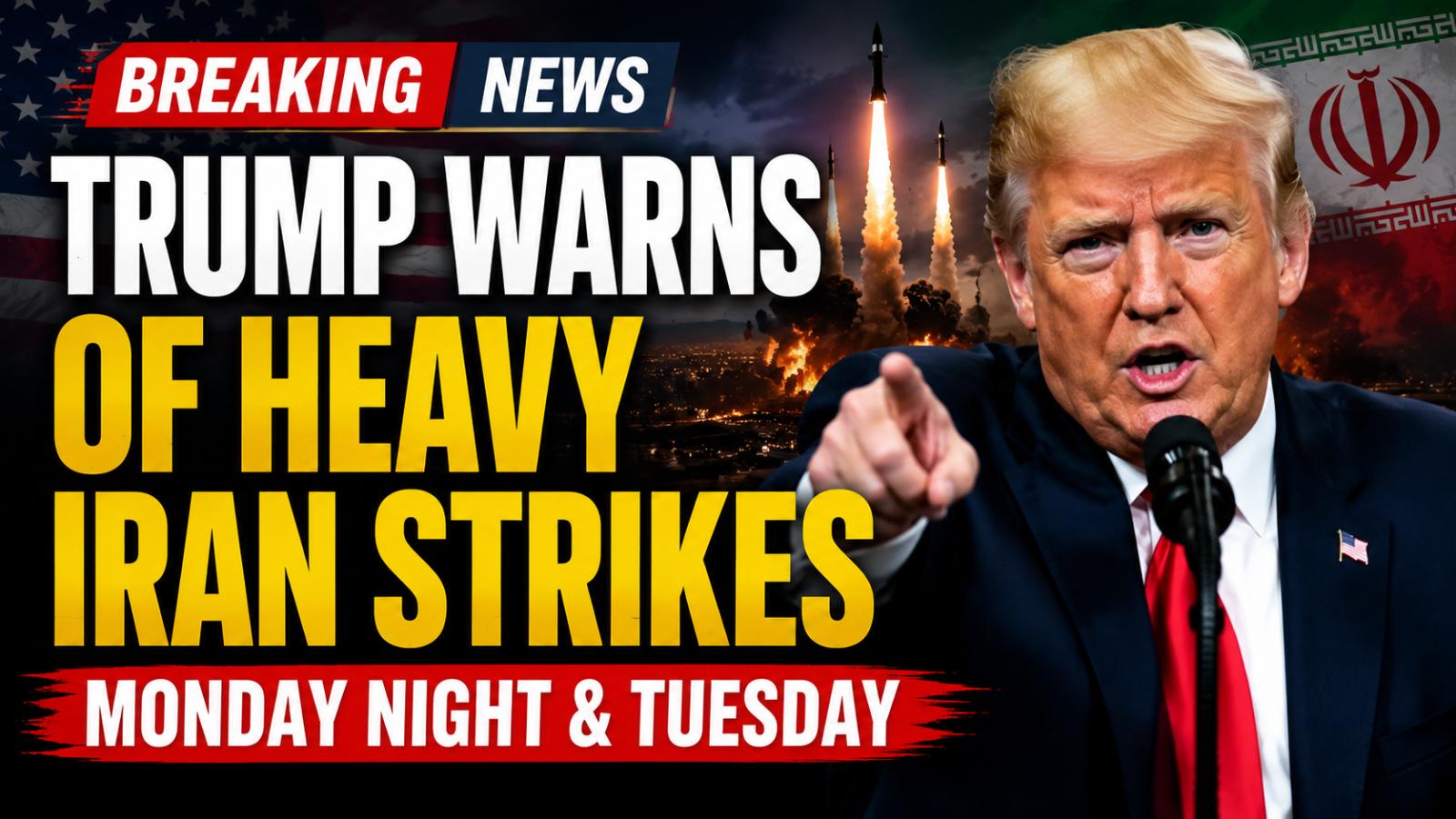
President Donald Trump has warned that the United States will strike Iran heavily on Monday night, June 13, 2026 and Tuesday, June 14, 2026 escalating a conflict already affecting Gulf security and commercial shipping. Trump accused Tehran of failing to honor a recent memorandum of understanding and said the agreement had served as a test of Iran’s intentions.
Trump Iran warning signals more attacks
Trump issued the warning during an interview with conservative radio host Hugh Hewitt on Monday, July 13. He said US forces would hit Iran that night and again the following day, but did not provide a complete list of targets or disclose the expected scale of the operation.
During the interview, Trump also referred to Pickaxe Mountain, an alleged Iranian nuclear location that has featured in discussions about possible US targets. His remarks came as American forces conducted a third consecutive night of strikes against Iranian military infrastructure.
The absence of operational details means the president’s comments should be treated as a warning rather than confirmation that every threatened strike will occur as described. Military plans can change because of intelligence, weather, diplomatic contacts or developments on the battlefield.
Iran MoU described as failed test
Asked about the memorandum of understanding between Washington and Tehran, Trump dismissed its practical value and described it as a test of whether Iran would keep its commitments.
“It was a test. We didn’t know,” Trump said, before arguing that memorandums carry little weight when one party cannot be trusted. He accused Iranian leaders of failing to honor the arrangement but did not specify which clause he believed Tehran had violated during that portion of the interview.
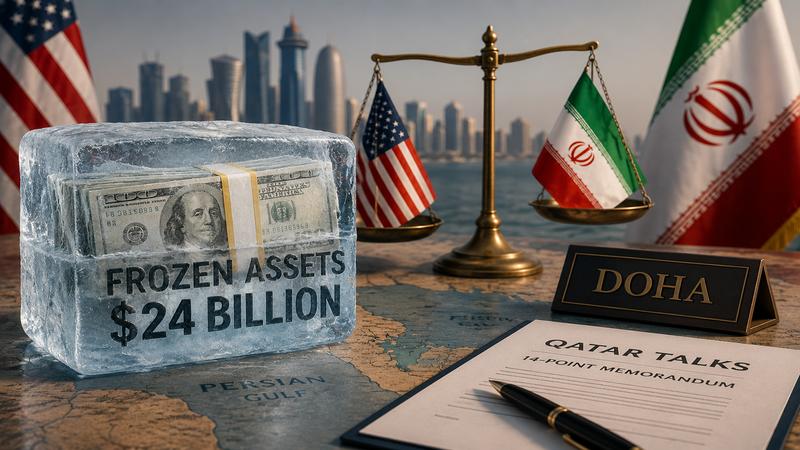
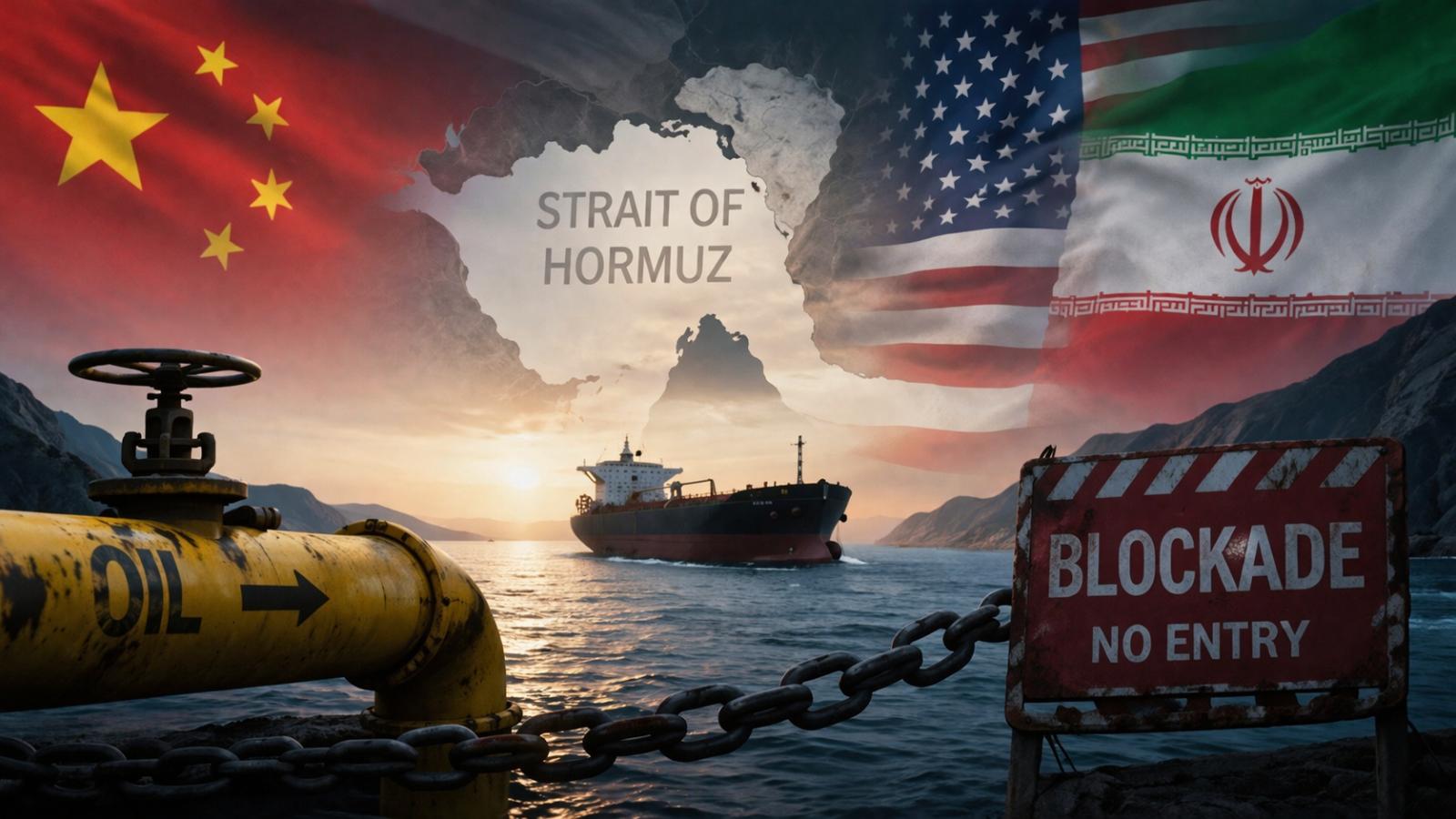
The agreement had formed part of an effort to reduce hostilities, improve security around the Strait of Hormuz and restart diplomatic engagement. Iranian officials have separately argued that the arrangement entered a crisis because Washington failed to meet its own obligations.
US-Iran diplomacy deteriorates
Trump’s comments indicate that recent attempts to contain the conflict have largely broken down. Both governments have accused the other of violating commitments, while military action and attacks on shipping have continued across the Gulf.
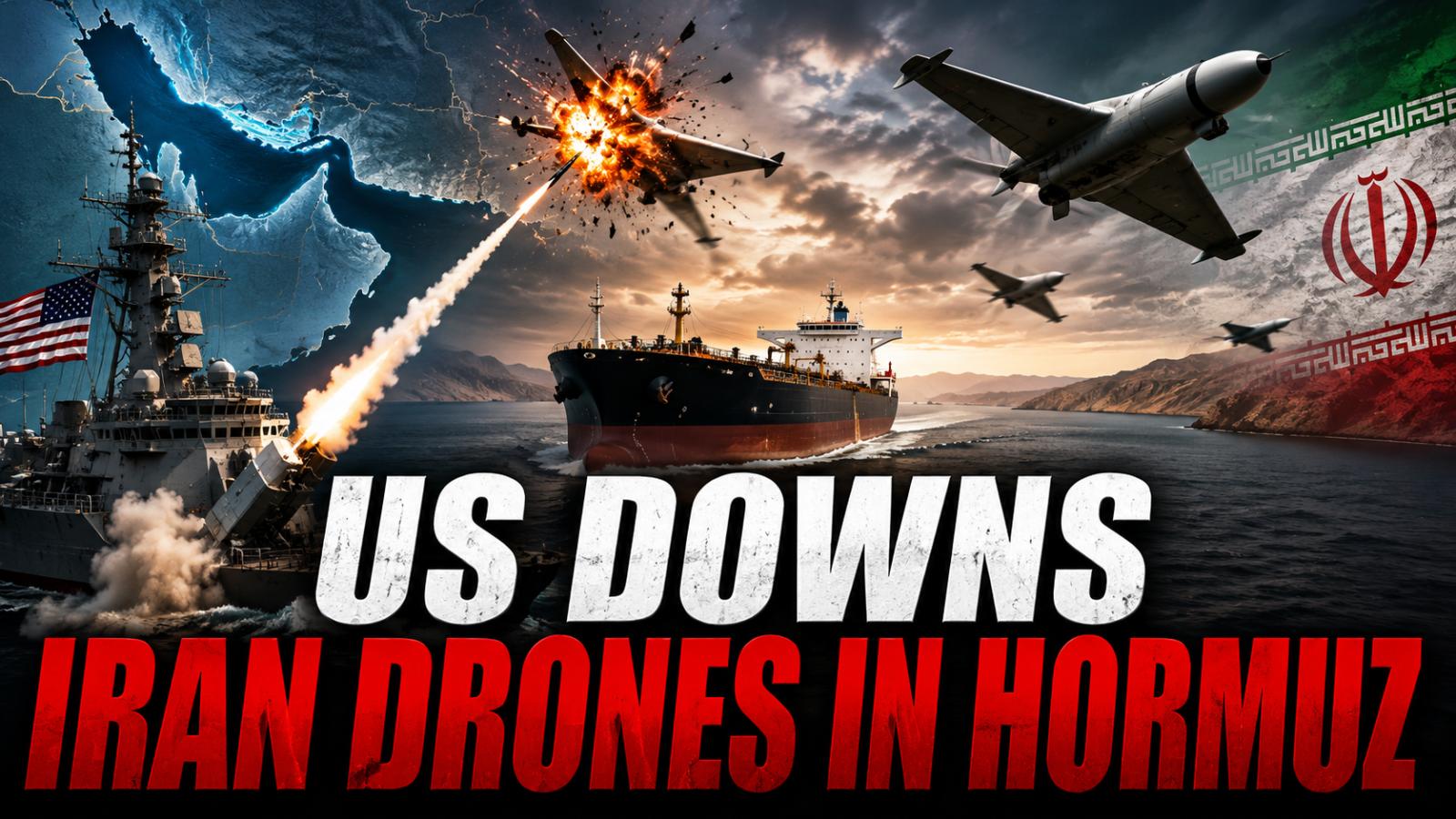
The United States has launched repeated strikes against Iranian radar systems, missile facilities, drone infrastructure and naval assets. Iran has responded with attacks targeting commercial vessels and US-linked military sites in the region, increasing risks for neighboring countries and international shipping.
US Central Command has also announced measures aimed at restricting vessels entering or leaving Iranian ports while maintaining that lawful commercial navigation through the Strait of Hormuz should continue.
Military escalation raises wider risks
Further strikes could intensify pressure on global oil markets because the Strait of Hormuz carries a major share of the world’s traded oil and gas. Shipping traffic has already fallen sharply as operators assess missile threats, naval activity and insurance risks.
Trump has not ruled out renewed negotiations, but his promise to hit Iran hard suggests military pressure remains Washington’s immediate strategy. With no verified ceasefire in place and both sides exchanging public threats, the risk of a longer regional conflict remains high.