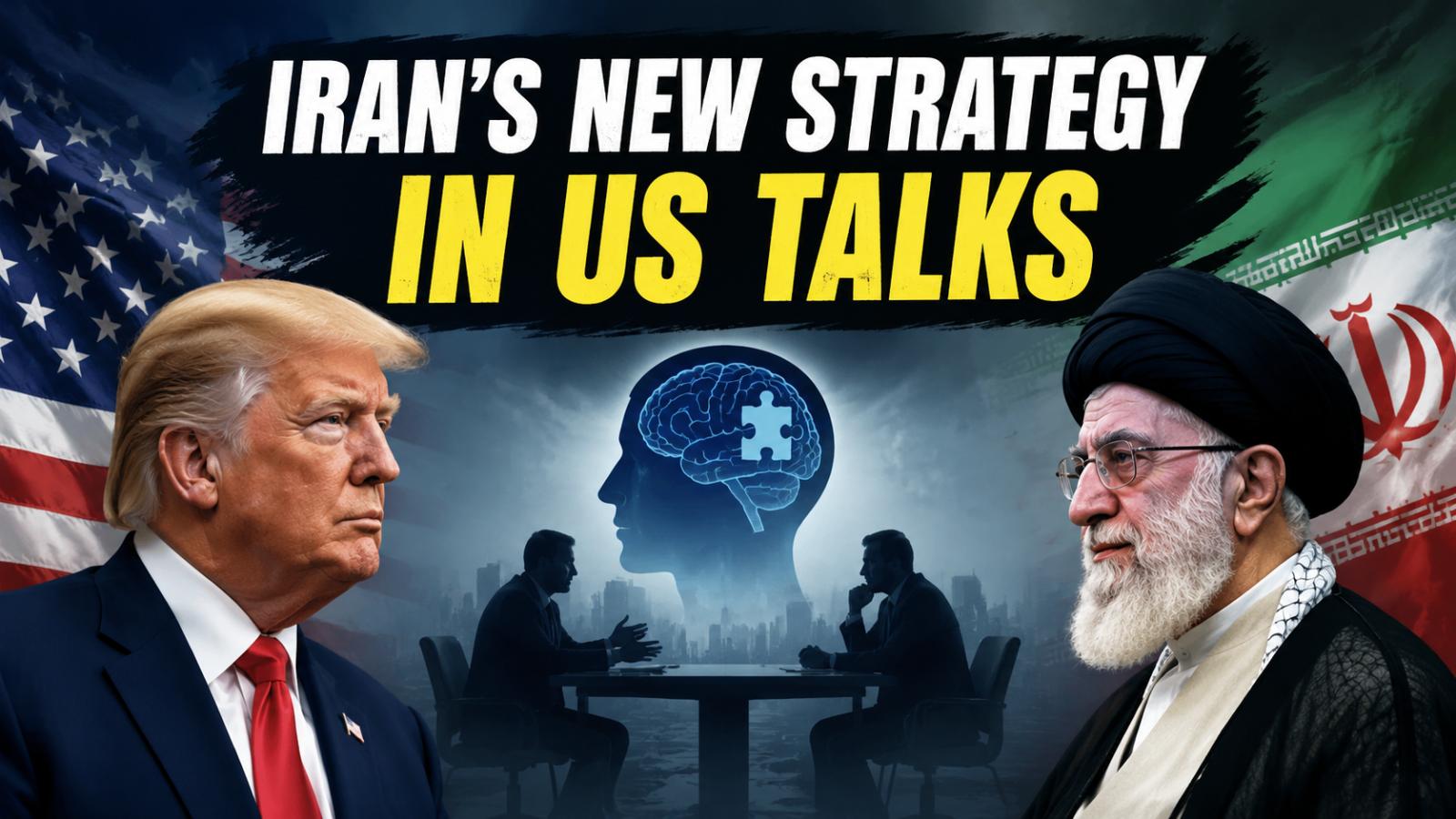
Recent reports indicate a shift in Iran’s diplomatic approach toward negotiations with the United States, with a stronger emphasis on how messages are framed during high-stakes discussions. The change is linked to efforts to improve clarity, control perception, and reduce misinterpretation during sensitive exchanges tied to long-running geopolitical tensions.
Inclusion of behavioral expertise in advisory setup
According to individuals familiar with the discussions, Iran has reportedly expanded its advisory structure by involving specialists with backgrounds in behavioral science. The intention is not to replace political decision-making but to support it with insights into how messaging may be received by opposing negotiators in complex environments.
This adjustment reflects a broader trend in modern diplomacy where communication strategy is treated as seriously as policy substance, especially in negotiations involving nuclear concerns and sanctions-related issues.
Focus on communication framing and response analysis
The reported advisory shift is centered on improving how proposals and counter-proposals are presented. Officials are said to be paying closer attention to tone, framing, and timing, aiming to avoid escalation triggered by misinterpretation or rigid positioning during talks.
Rather than relying solely on traditional diplomatic channels, the approach appears to integrate structured analysis of behavioral response patterns, particularly in unpredictable negotiation settings.
Context of ongoing US Iran tensions
Relations between Washington and Tehran remain strained due to longstanding disputes over nuclear activities, regional security concerns, and economic sanctions. These tensions have historically made negotiation cycles fragile, with limited trust on both sides.
Against this backdrop, any adjustment in negotiation strategy is viewed as part of an attempt to stabilize communication channels and maintain continuity in dialogue, even when progress is slow or uneven.
Broader implications for modern diplomacy
The reported use of behavioral expertise highlights a growing shift in international negotiations, where psychological and communication dynamics are increasingly considered alongside legal and political factors. While such approaches do not guarantee outcomes, they reflect an effort to reduce friction in complex diplomatic environments where miscommunication can quickly escalate tensions.