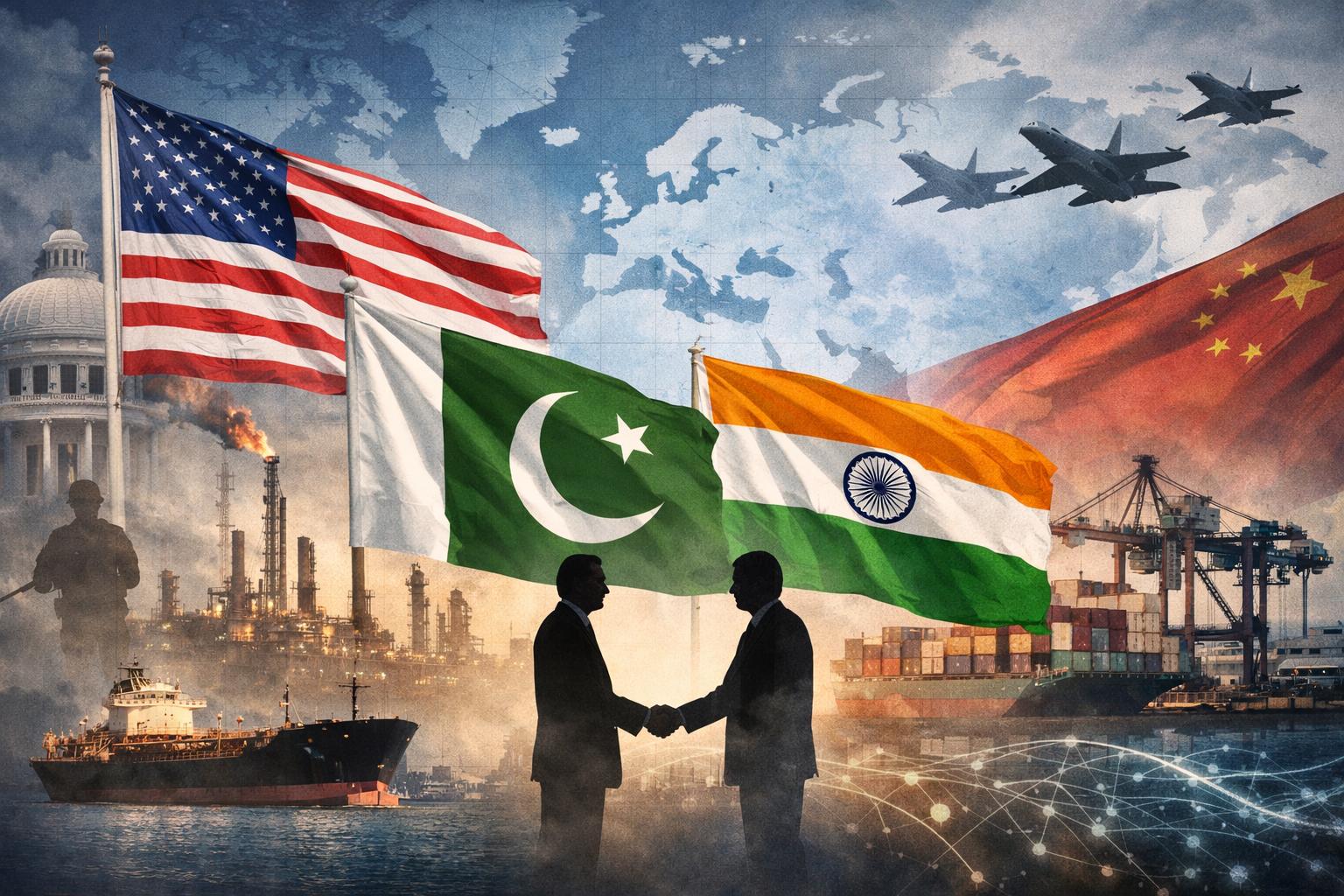
The United States’ decision to engage Pakistan as a facilitator in a recent two-week ceasefire has sparked debate in India, but analysts say the move reflects broader strategic calculations rather than a slight against New Delhi. The discussion over why India was not selected overlooks the evolving nature of global power dynamics, where decisions are driven less by status and more by immediate geopolitical utility.
In today’s international system, major powers—including the United States, China, and India—operate in a complex web of cooperation and competition. Relationships are no longer defined by consistent alignment but by shifting interests across economic, security, and technological domains. This framework helps explain Washington’s approach, where tactical choices often take precedence over symbolic recognition.
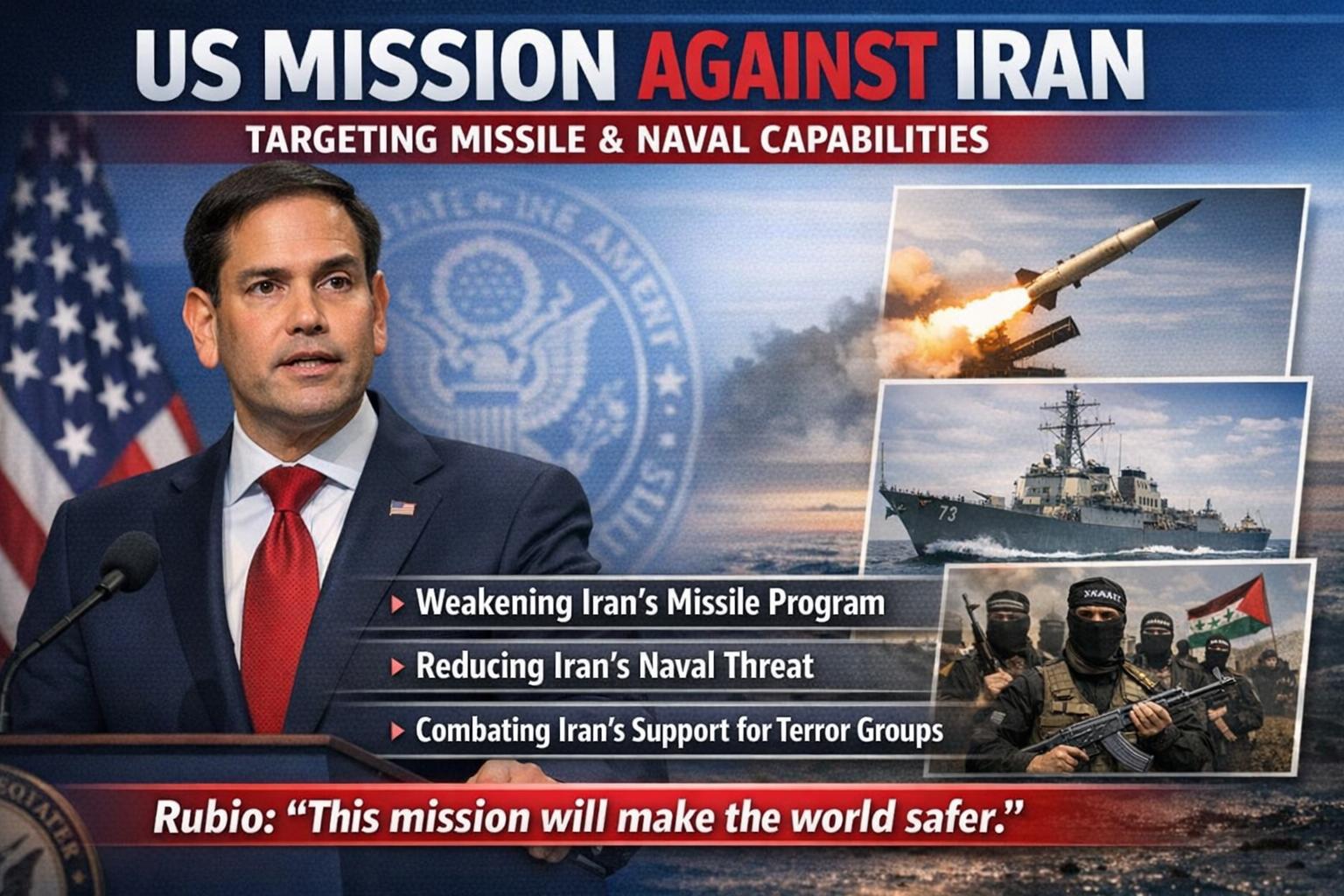
Recent remarks by U.S. Deputy Secretary of State Christopher Landau at the 2026 Raisina Dialogue underscored this perspective. While emphasizing the importance of expanding economic ties with India, he also made clear that U.S. policy remains firmly rooted in protecting national interests. His reference to avoiding past strategic missteps with China signals a cautious approach toward supporting India’s rise, particularly in ways that could challenge U.S. economic leadership over time.
India’s position on the global stage has changed significantly in recent years. As the world’s most populous nation and a growing economic and military power, it now occupies a central role in global affairs. This rise brings both opportunity and increased scrutiny, as India navigates a relationship with the United States that includes both partnership and competition.
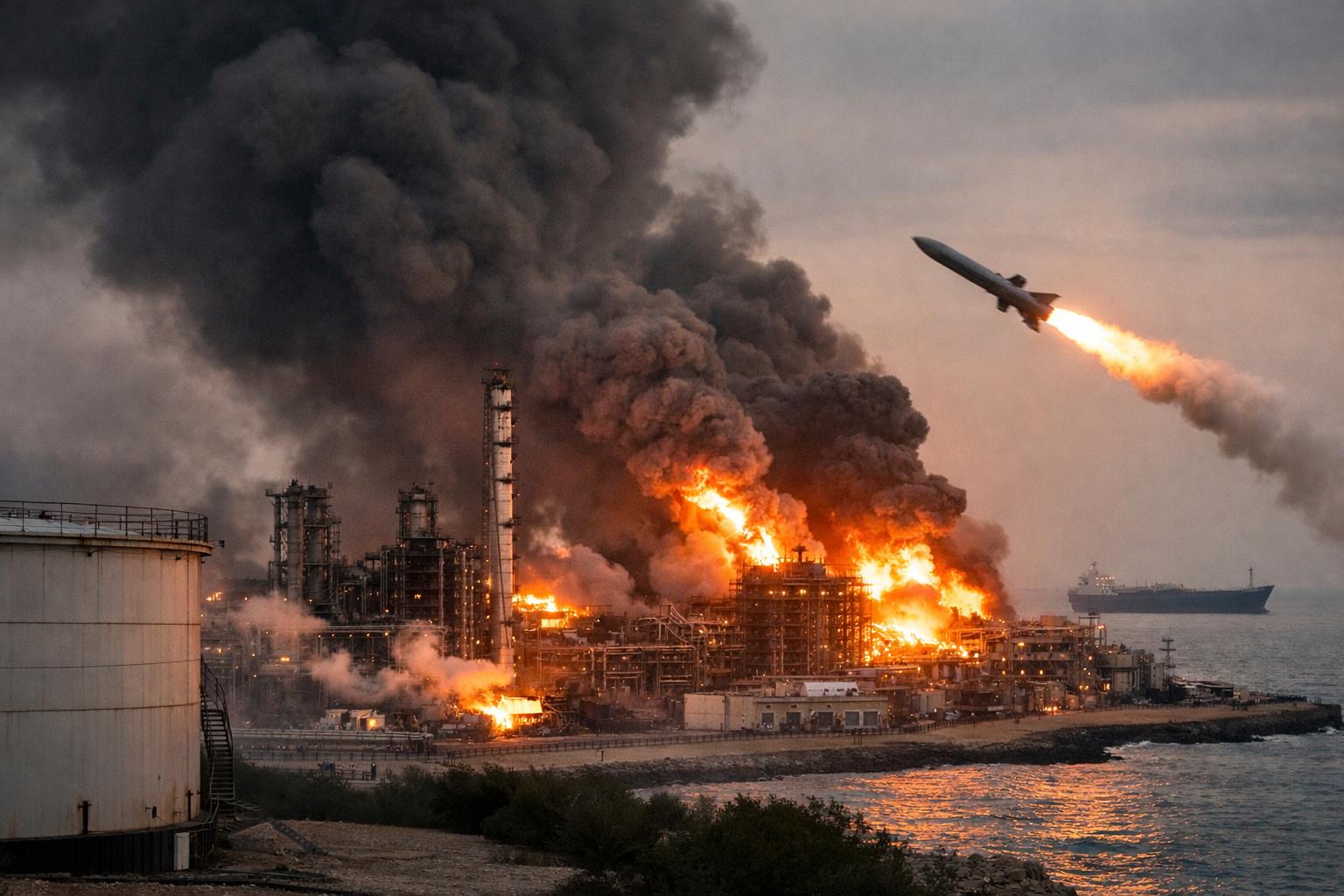
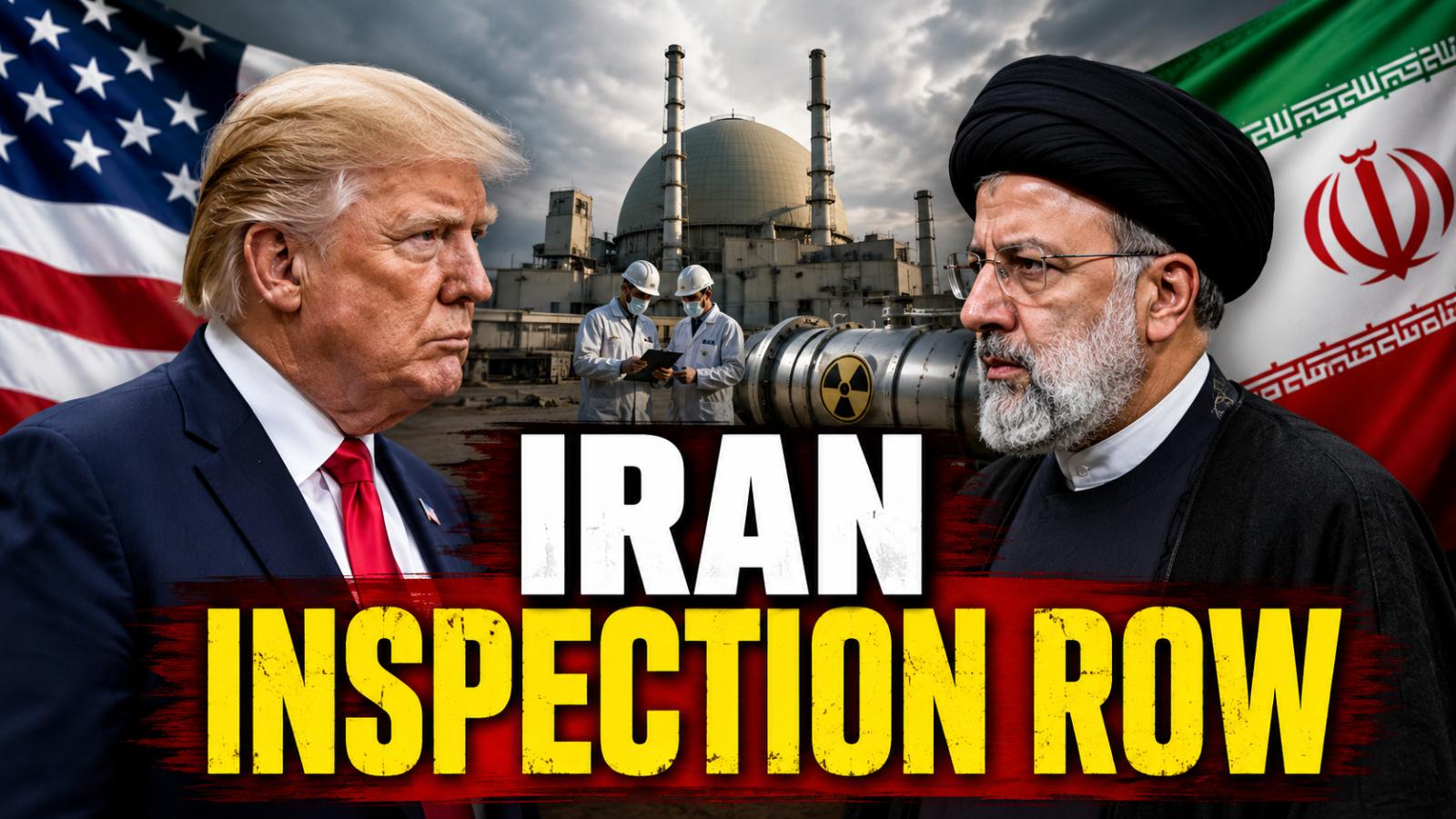
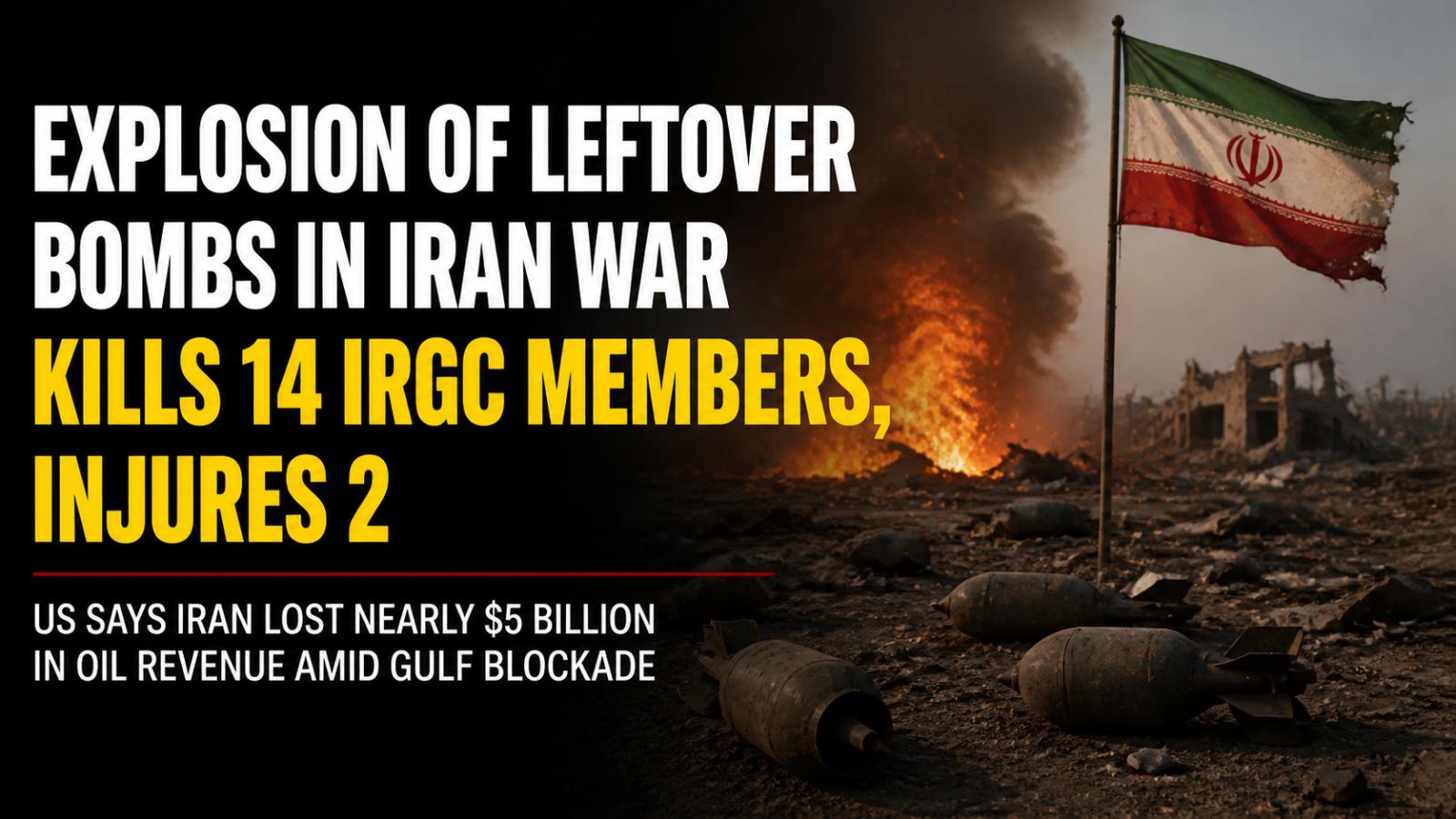
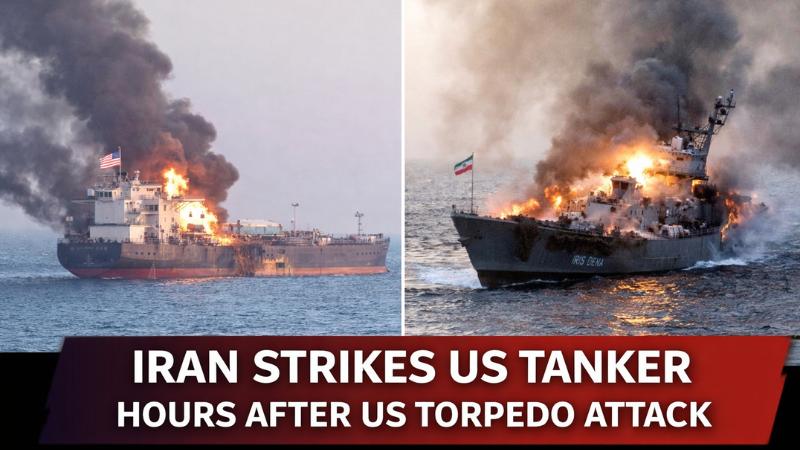
The complexity of this relationship is especially evident in areas such as energy security and supply chains. Tensions involving Iran, for example, are not solely about regional stability but also about control over energy routes and financial systems. As one of the world’s largest consumers of petroleum, India is deeply affected by these developments.
Beyond energy, India’s expanding presence in technology, manufacturing, pharmaceuticals, and digital infrastructure places it at the forefront of industries shaping the future global economy. Emerging sectors such as artificial intelligence, robotics, and critical minerals further highlight India’s dual role as both a collaborator and a competitor to major powers like the United States.
Against this backdrop, Pakistan’s role as a facilitator becomes more understandable. For Washington, Islamabad remains a useful, if limited, partner in specific situations. Expecting such roles to shift based solely on India’s growing influence does not align with the transactional nature of great power politics.
Looking ahead, India’s opportunity lies in shaping the evolving global order rather than reacting to individual diplomatic decisions. With its growing economic weight and influence among developing nations, India is well-positioned to play a key role in defining future frameworks for energy, technology, and governance.
However, participation at the highest levels of global decision-making comes with challenges. The U.S.-India relationship is likely to remain a careful balancing act, marked by selective alignment and structural differences. As global power dynamics continue to shift, both countries will need to manage cooperation and competition simultaneously, reflecting the realities of a multipolar world.