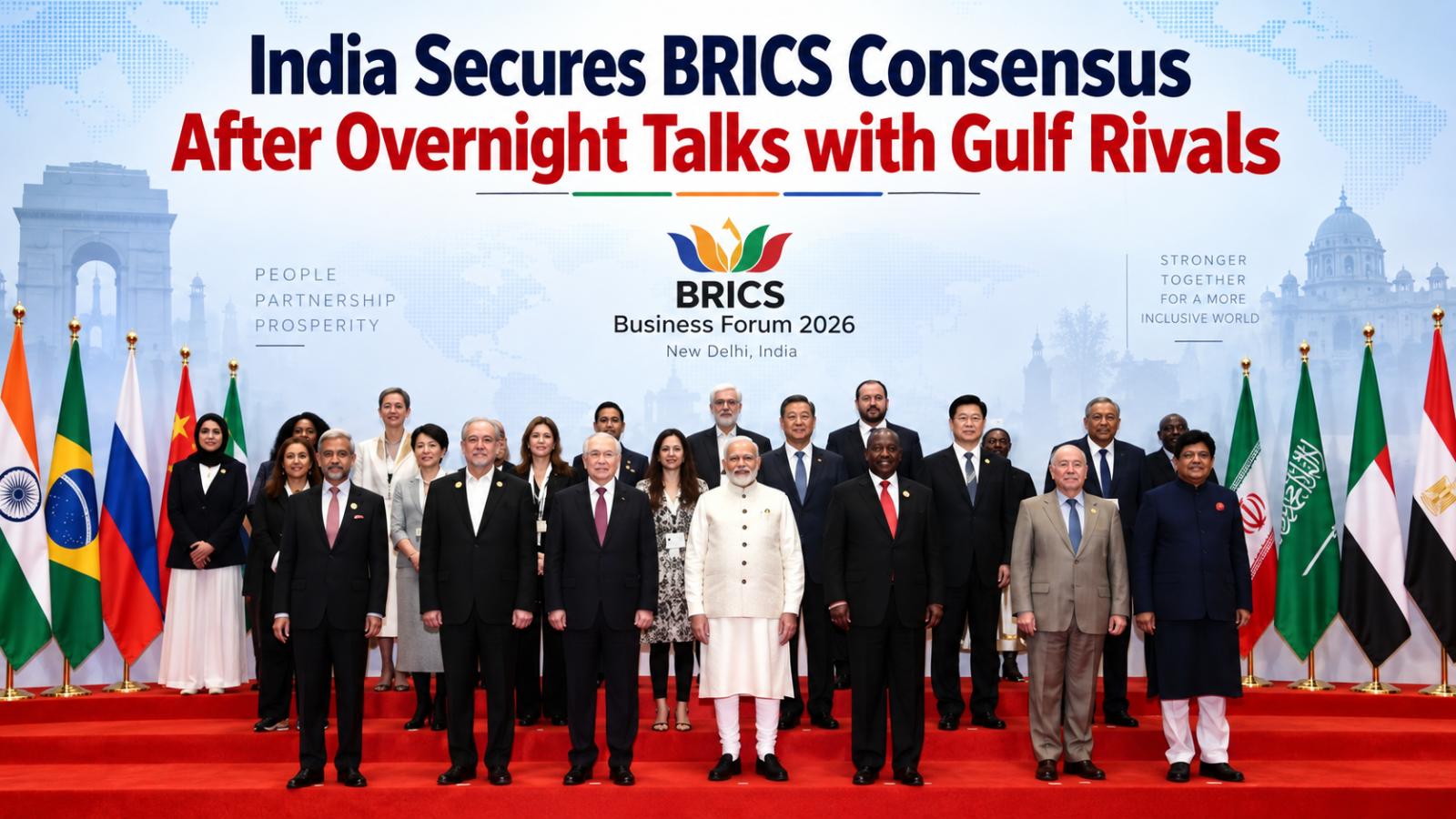
India BRICS joint statement consensus was achieved after intense negotiations involving Iran, Saudi Arabia and the UAE. The breakthrough highlights India BRICS diplomacy as New Delhi hosts the BRICS Summit 2026 amid West Asia tensions.
Iran Saudi Arabia UAE talks pave way for consensus
India managed to secure agreement on the BRICS joint statement after negotiations continued into the early hours, rep
India BRICS joint statement consensus was achieved after intense negotiations involving Iran, Saudi Arabia and the UAE. The breakthrough highlights India BRICS diplomacy as New Delhi hosts the BRICS Summit 2026 amid West Asia tensions.
Iran Saudi Arabia UAE talks pave way for consensus
India managed to secure agreement on the BRICS joint statement after negotiations continued into the early hours, rep
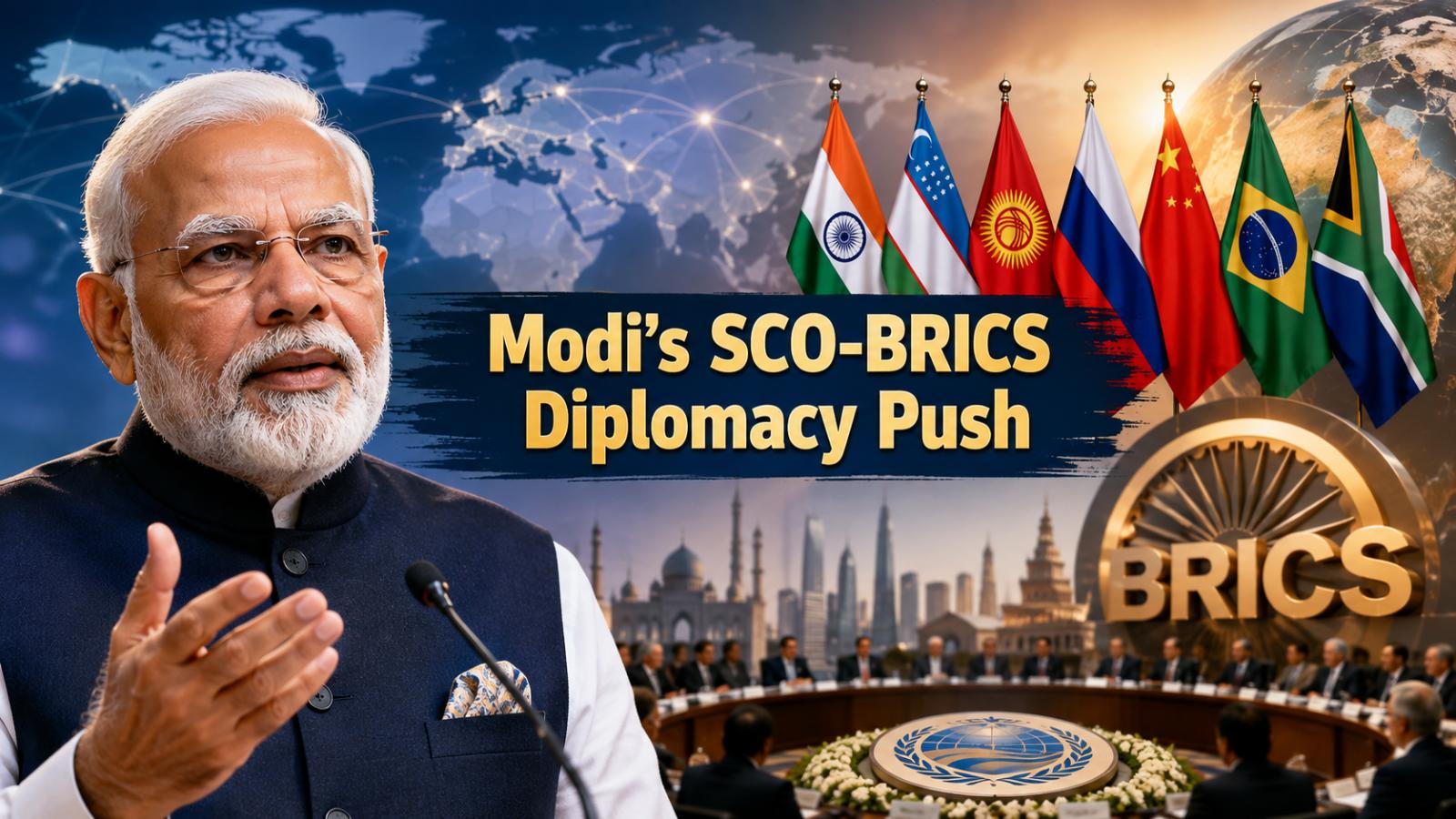
Prime Minister Narendra Modi is beginning a significant diplomatic stretch with visits to Uzbekistan and Kyrgyzstan ahead of India's BRICS Summit in September. The Modi SCO BRICS diplomacy agenda places security, connectivity, bilateral relations and wider Global South cooperation at the centre of India's engagement.
Modi Tashkent Visit
Prime Minister Modi will visit Tashkent on August 29 and 3
Prime Minister Narendra Modi is beginning a significant diplomatic stretch with visits to Uzbekistan and Kyrgyzstan ahead of India's BRICS Summit in September. The Modi SCO BRICS diplomacy agenda places security, connectivity, bilateral relations and wider Global South cooperation at the centre of India's engagement.
Modi Tashkent Visit
Prime Minister Modi will visit Tashkent on August 29 and 3
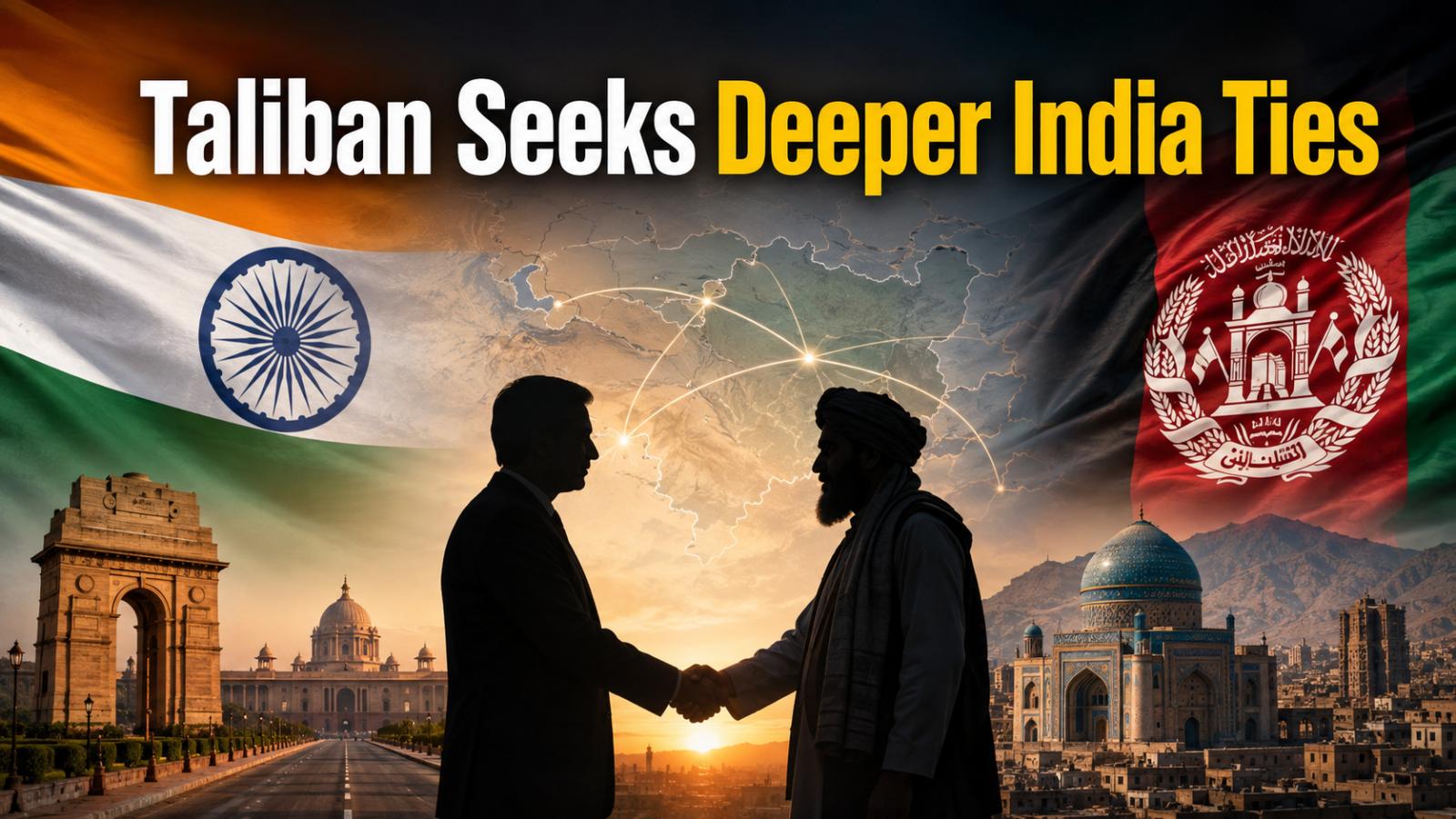
The Taliban seeks deeper India ties as Afghanistan looks to strengthen political trust, trade and regional connectivity with New Delhi. Taliban chargé d’affaires Noor Ahmed Noor highlighted India ties and their shared history while outlining Kabul’s interest in broader diplomatic and economic engagement.
India ties gain focus at New Delhi event
Noor made the remarks during a New Delhi even
The Taliban seeks deeper India ties as Afghanistan looks to strengthen political trust, trade and regional connectivity with New Delhi. Taliban chargé d’affaires Noor Ahmed Noor highlighted India ties and their shared history while outlining Kabul’s interest in broader diplomatic and economic engagement.
India ties gain focus at New Delhi event
Noor made the remarks during a New Delhi even
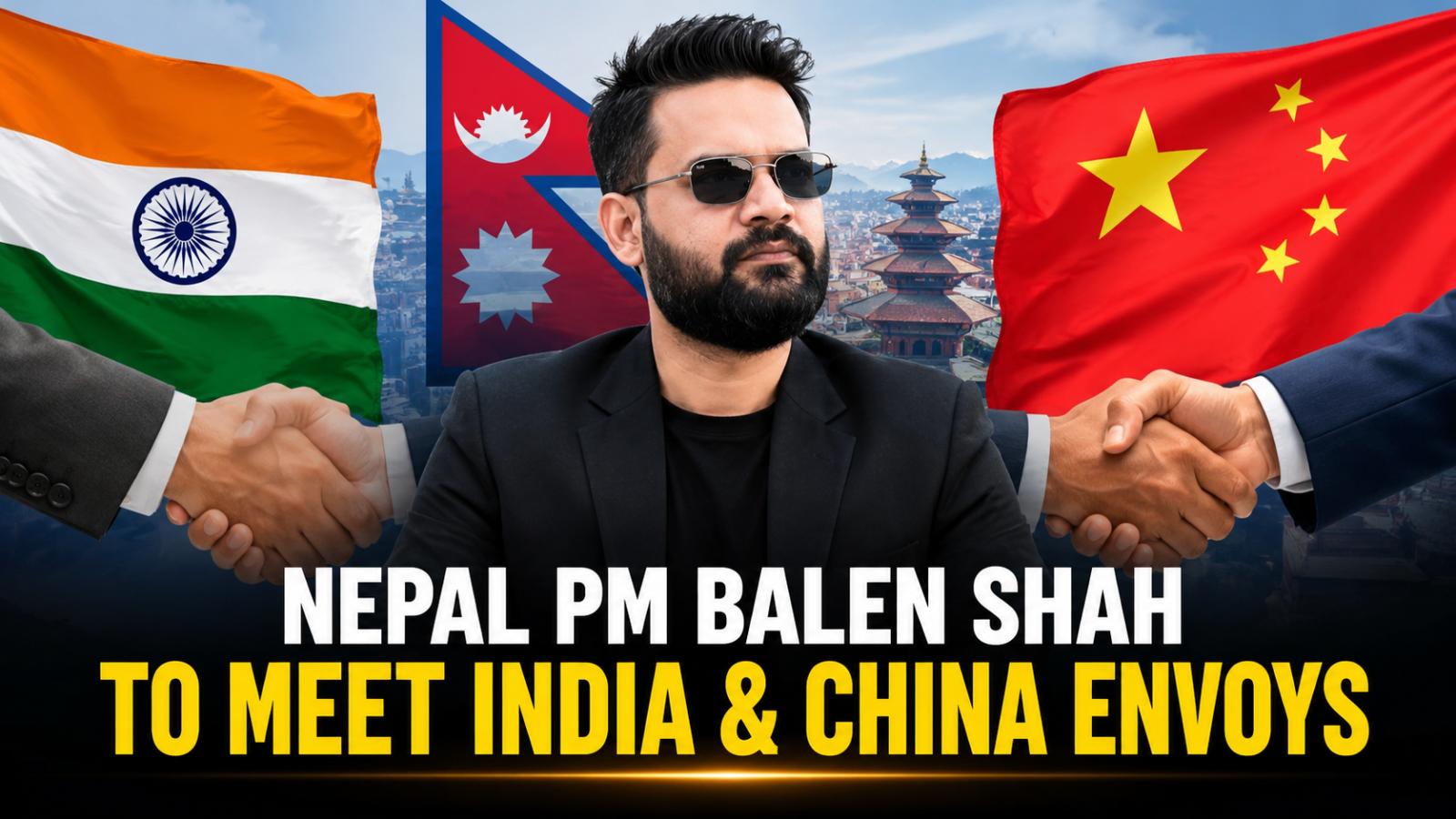
Nepal Prime Minister Balen Shah is preparing to meet the ambassadors of India and China this week, marking a significant shift in his diplomatic approach after completing his first 100 days in office. The move comes after Shah followed a self-imposed rule of avoiding one-on-one meetings with foreign envoys, choosing instead to engage ambassadors only in group interactions. According to official information reported by The Kathmandu Post and dipl
Nepal Prime Minister Balen Shah is preparing to meet the ambassadors of India and China this week, marking a significant shift in his diplomatic approach after completing his first 100 days in office. The move comes after Shah followed a self-imposed rule of avoiding one-on-one meetings with foreign envoys, choosing instead to engage ambassadors only in group interactions. According to official information reported by The Kathmandu Post and dipl
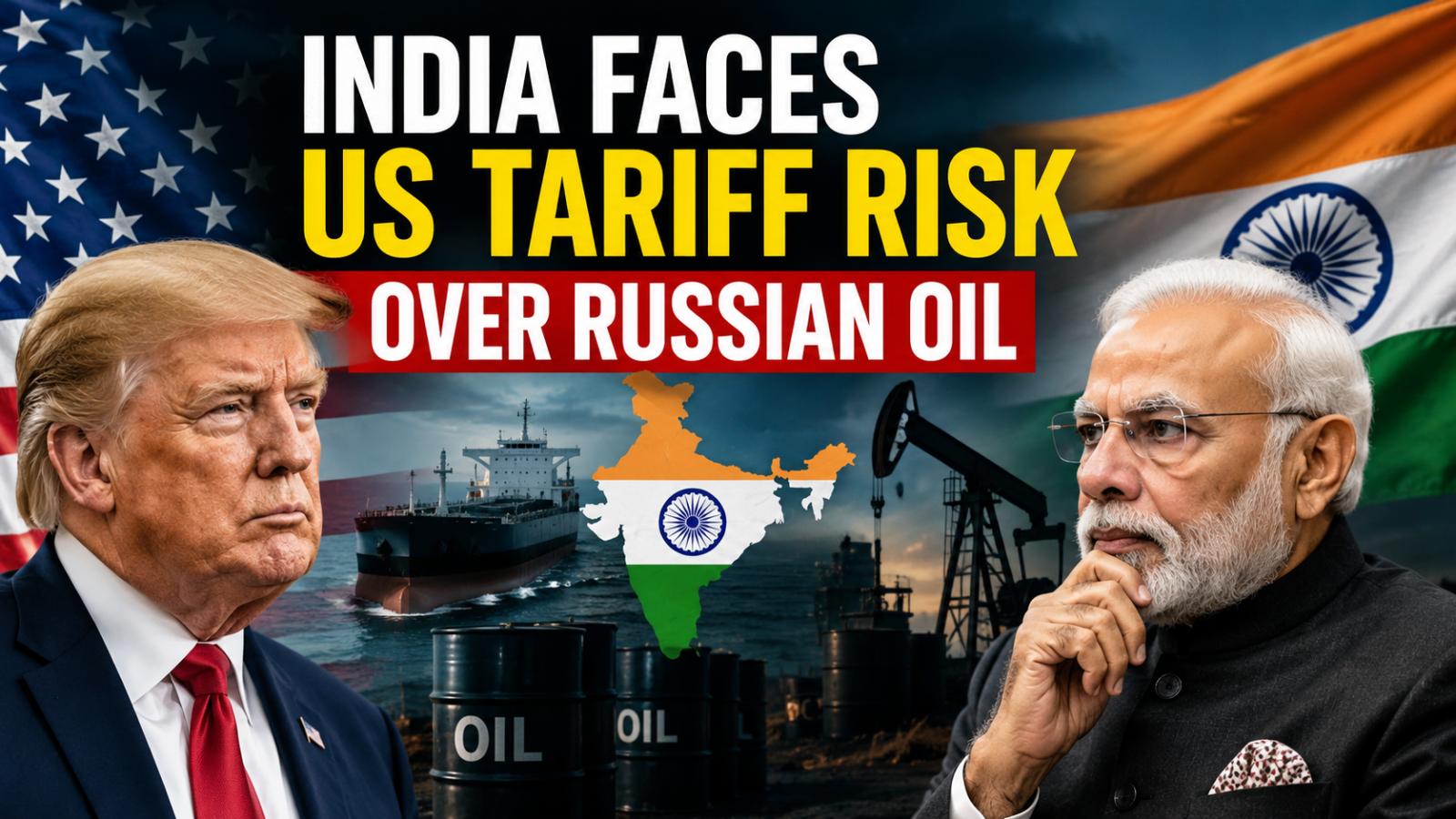
India faces renewed pressure over its Russian oil purchases after US President Donald Trump backed legislation designed to penalise countries that continue buying Russian energy. Although an earlier version proposed tariffs as high as 500%, the revised measure reportedly limits the maximum rate to 100%, making the original 500% figure outdated.
US sanctions bill targets Russian energy buyers
The legislation was
India faces renewed pressure over its Russian oil purchases after US President Donald Trump backed legislation designed to penalise countries that continue buying Russian energy. Although an earlier version proposed tariffs as high as 500%, the revised measure reportedly limits the maximum rate to 100%, making the original 500% figure outdated.
US sanctions bill targets Russian energy buyers
The legislation was
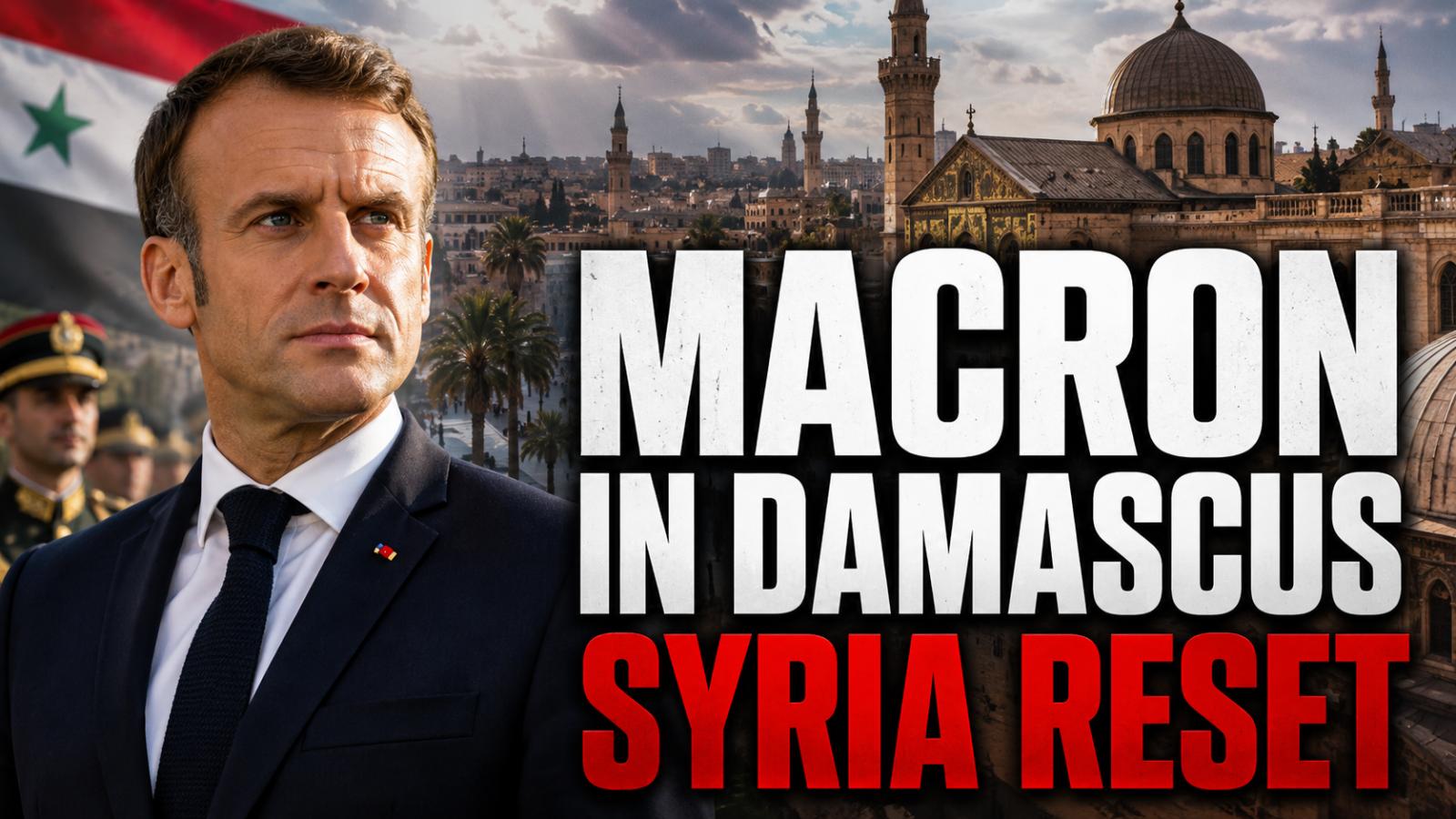
Macron’s Damascus trip marks diplomatic turning point
French President Emmanuel Macron arrived in Damascus on Monday, July 6, becoming the first Western head of state to visit Syria since the fall of Bashar al-Assad’s government in December 2024. His two-day trip marks a significant diplomatic moment as Syria seeks to rebuild international ties after years of isola
Macron’s Damascus trip marks diplomatic turning point
French President Emmanuel Macron arrived in Damascus on Monday, July 6, becoming the first Western head of state to visit Syria since the fall of Bashar al-Assad’s government in December 2024. His two-day trip marks a significant diplomatic moment as Syria seeks to rebuild international ties after years of isola
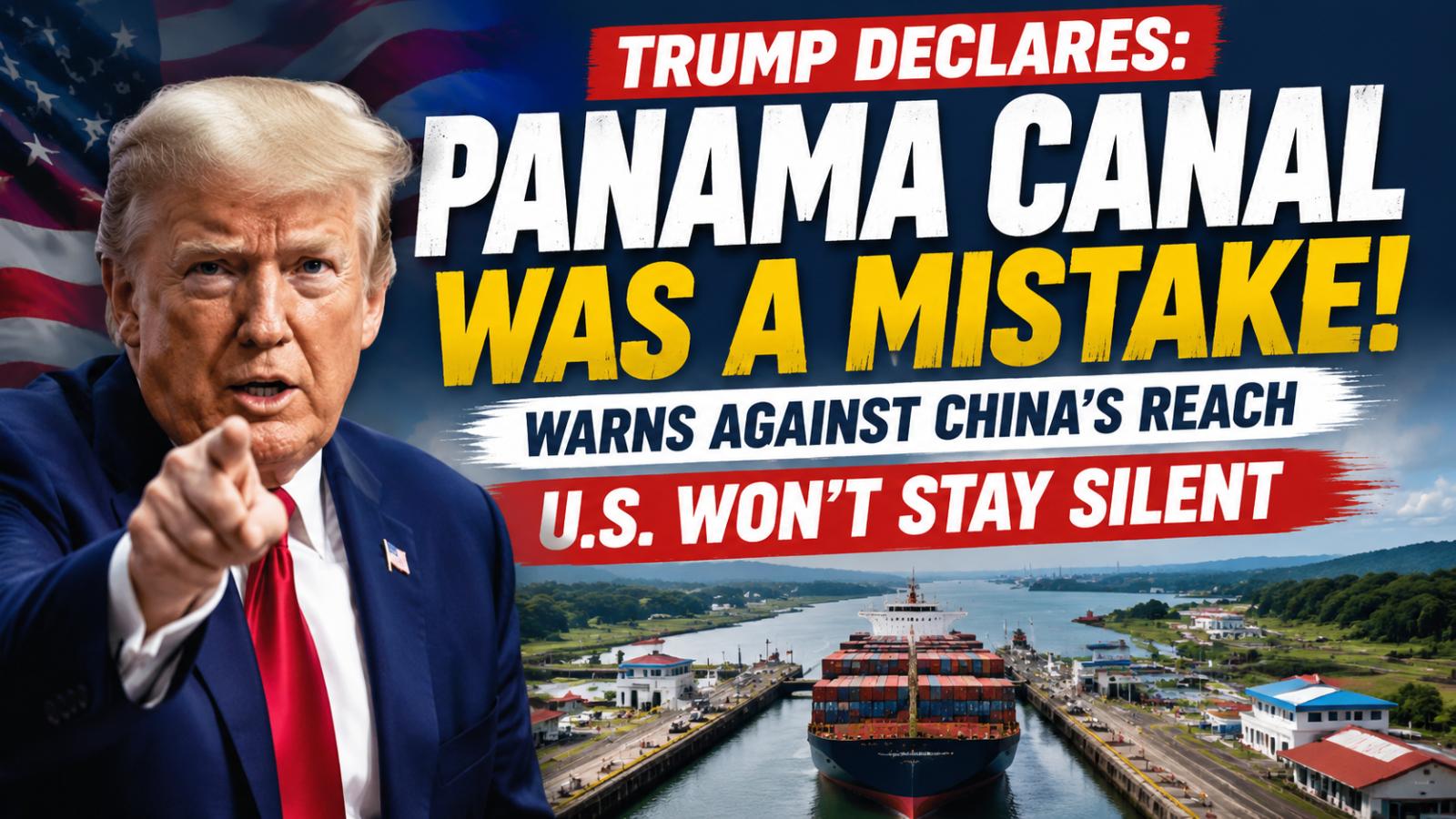
Trump revisits Panama Canal transfer decision
President Donald Trump has stated that the United States should never have transferred control of the Panama Canal to Panama, arguing that the decision has led to rising transit fees and potential geopolitical risks. Speaking at the opening of the Theodore Roosevelt Presidential Library in Medora, he criticised the 1977 agreement that eventually led to the full handover of the canal in 1999.
Trump revisits Panama Canal transfer decision
President Donald Trump has stated that the United States should never have transferred control of the Panama Canal to Panama, arguing that the decision has led to rising transit fees and potential geopolitical risks. Speaking at the opening of the Theodore Roosevelt Presidential Library in Medora, he criticised the 1977 agreement that eventually led to the full handover of the canal in 1999.
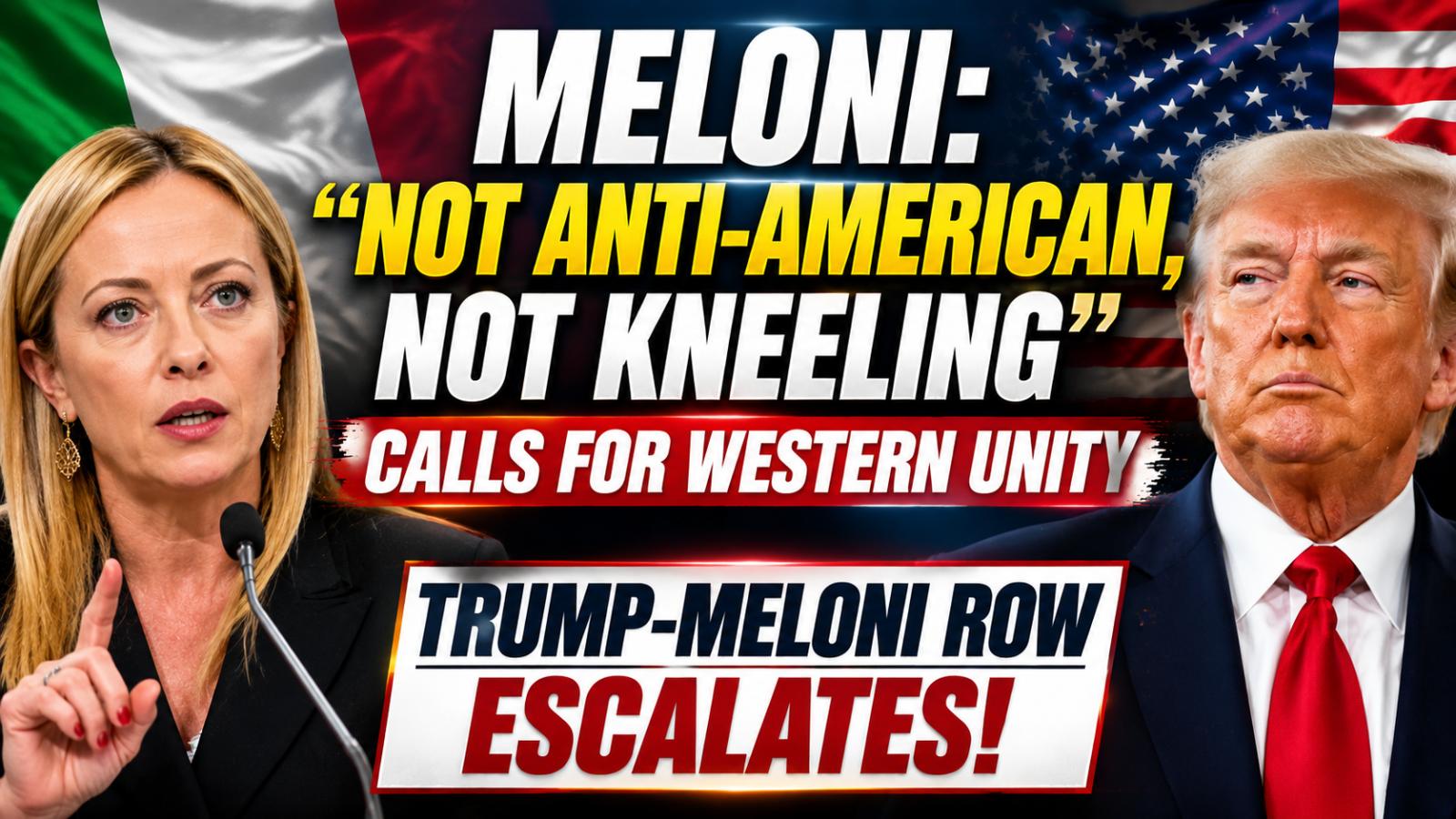
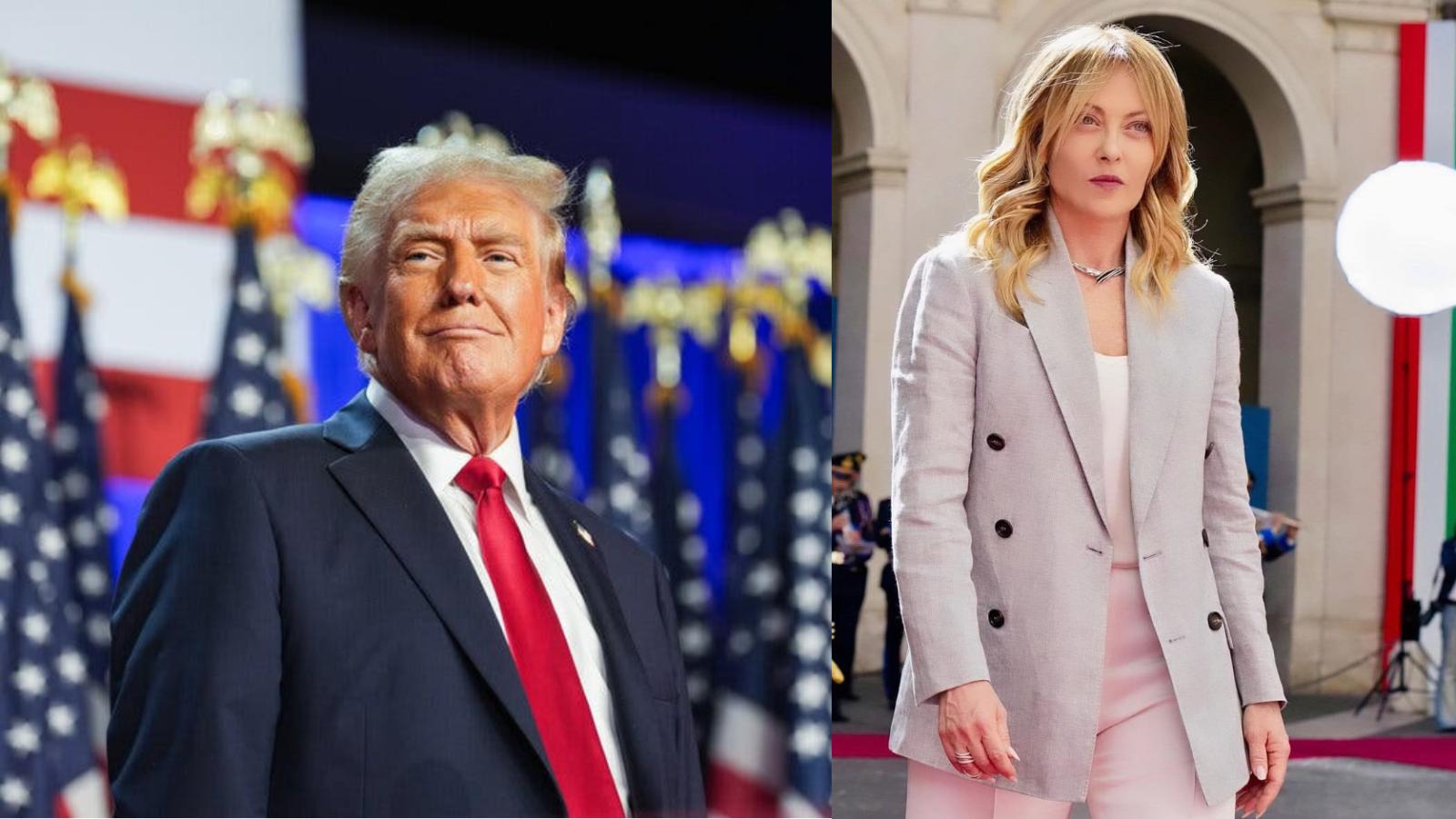
Meloni pushes back amid US controversy
Italian Prime Minister Giorgia Meloni has responded to recent tensions with US President Donald Trump, stating that she is not anti-American but also refuses to be “kneeling” in political relationships. Her remarks come amid an ongoing public exchange that has drawn attention to the state of Italy–US relations and broader Western unity.
Meloni stressed that her posit
Meloni pushes back amid US controversy
Italian Prime Minister Giorgia Meloni has responded to recent tensions with US President Donald Trump, stating that she is not anti-American but also refuses to be “kneeling” in political relationships. Her remarks come amid an ongoing public exchange that has drawn attention to the state of Italy–US relations and broader Western unity.
Meloni stressed that her posit
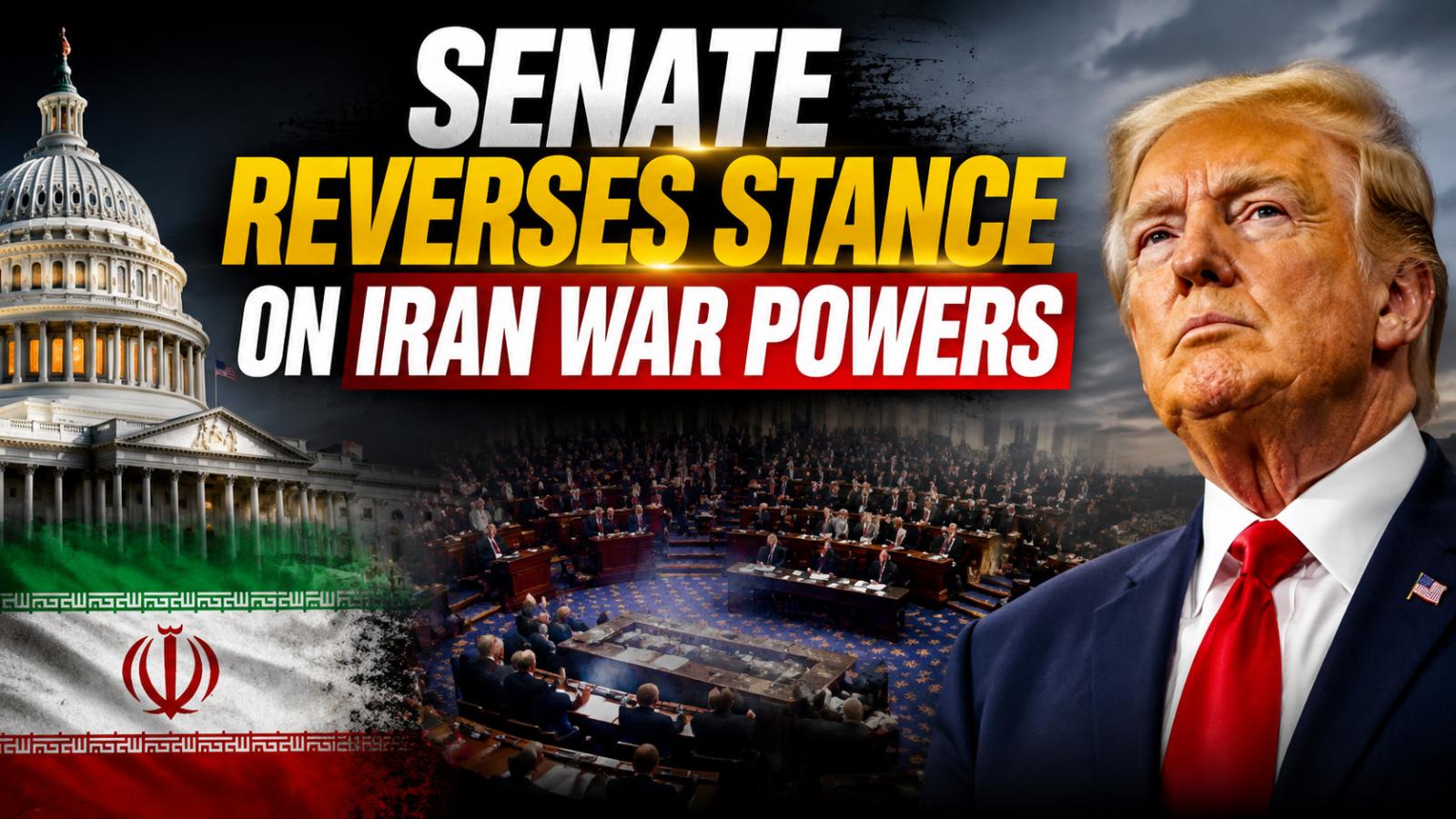
A closely watched Senate vote on a resolution linked to presidential war authority over Iran took an unexpected turn after several Republican lawmakers altered their positions. The measure, which focused on limiting executive flexibility in military action, ended up reflecting a divided but shifting political landscape rather than a clear consensus.
Political negotiations behind the scenes
The change in voting pattern followed internal discussions among Republican senators and briefings from senior administration figures. Lawmakers who initially leaned toward restricting presidential authority later adjusted their stance after being updated on diplomatic and security considerations related to Iran. The shift underscored how quickly positions can move when strategic briefings and party pressure converge.
Key senators adjust positions
Among those influencing the outcome were Senator Bill Cassidy and Senator Rand Paul. Cassidy moved away from his earlier support for tighter restrictions after consultations with White House representatives. Rand Paul maintained his broader skepticism toward expansive executive war powers but opted for a procedural position that reflected his long-standing policy concerns without directly blocking the measure.
Trump frames outcome as political leverage
President Donald Trump responded to the Senate outcome by framing it as a strengthening of US negotiating leverage in relation to Iran. His public remarks highlighted the vote as evidence of alignment within the Republican Party on foreign policy strategy. While the resolution itself remains largely symbolic, it has become a focal point in the wider debate over presidential authority and congressional oversight.
Broader implications for US foreign policy
The vote shift reflects ongoing tension in Washington over how much autonomy the executive branch should hold in matters of military engagement. Supporters of stronger presidential powers argue for flexibility in fast-moving geopolitical situations, while critics warn against reducing congressional oversight. The Iran-related vote has now become another reference point in that broader constitutional debate.
A closely watched Senate vote on a resolution linked to presidential war authority over Iran took an unexpected turn after several Republican lawmakers altered their positions. The measure, which focused on limiting executive flexibility in military action, ended up reflecting a divided but shifting political landscape rather than a clear consensus.
Political negotiations behind the scenes
The change in voting pattern followed internal discussions among Republican senators and briefings from senior administration figures. Lawmakers who initially leaned toward restricting presidential authority later adjusted their stance after being updated on diplomatic and security considerations related to Iran. The shift underscored how quickly positions can move when strategic briefings and party pressure converge.
Key senators adjust positions
Among those influencing the outcome were Senator Bill Cassidy and Senator Rand Paul. Cassidy moved away from his earlier support for tighter restrictions after consultations with White House representatives. Rand Paul maintained his broader skepticism toward expansive executive war powers but opted for a procedural position that reflected his long-standing policy concerns without directly blocking the measure.
Trump frames outcome as political leverage
President Donald Trump responded to the Senate outcome by framing it as a strengthening of US negotiating leverage in relation to Iran. His public remarks highlighted the vote as evidence of alignment within the Republican Party on foreign policy strategy. While the resolution itself remains largely symbolic, it has become a focal point in the wider debate over presidential authority and congressional oversight.
Broader implications for US foreign policy
The vote shift reflects ongoing tension in Washington over how much autonomy the executive branch should hold in matters of military engagement. Supporters of stronger presidential powers argue for flexibility in fast-moving geopolitical situations, while critics warn against reducing congressional oversight. The Iran-related vote has now become another reference point in that broader constitutional debate.
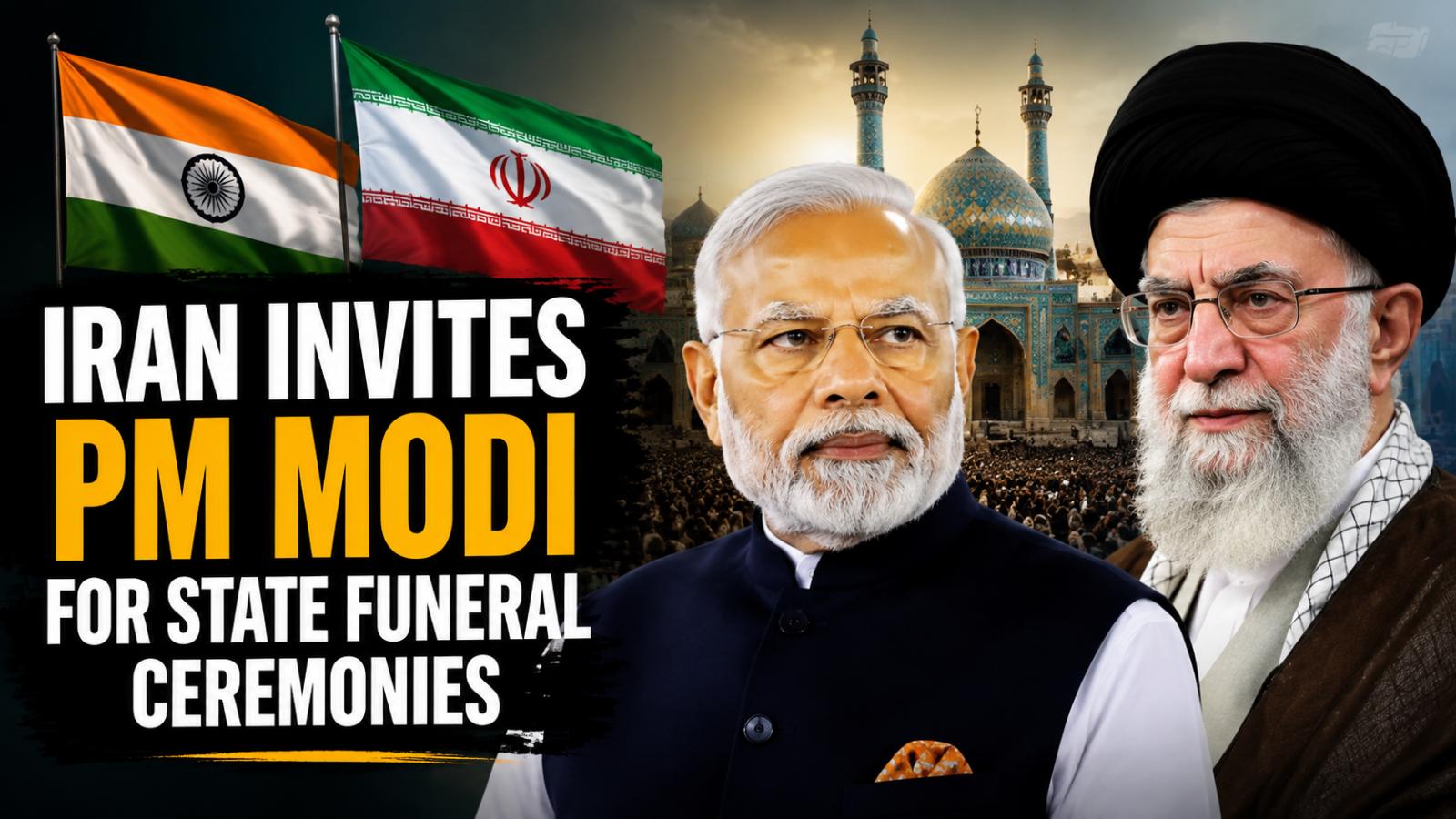
Reports emerging from diplomatic channels suggest that Iran has extended formal communication to India regarding participation in upcoming state-level funeral and memorial ceremonies linked to its top leadership structure. While official confirmation from either government remains limited, the development is being viewed as part of ongoing West Asia diplomatic engagement.
India reviews representation strategy
Reports emerging from diplomatic channels suggest that Iran has extended formal communication to India regarding participation in upcoming state-level funeral and memorial ceremonies linked to its top leadership structure. While official confirmation from either government remains limited, the development is being viewed as part of ongoing West Asia diplomatic engagement.
India reviews representation strategy
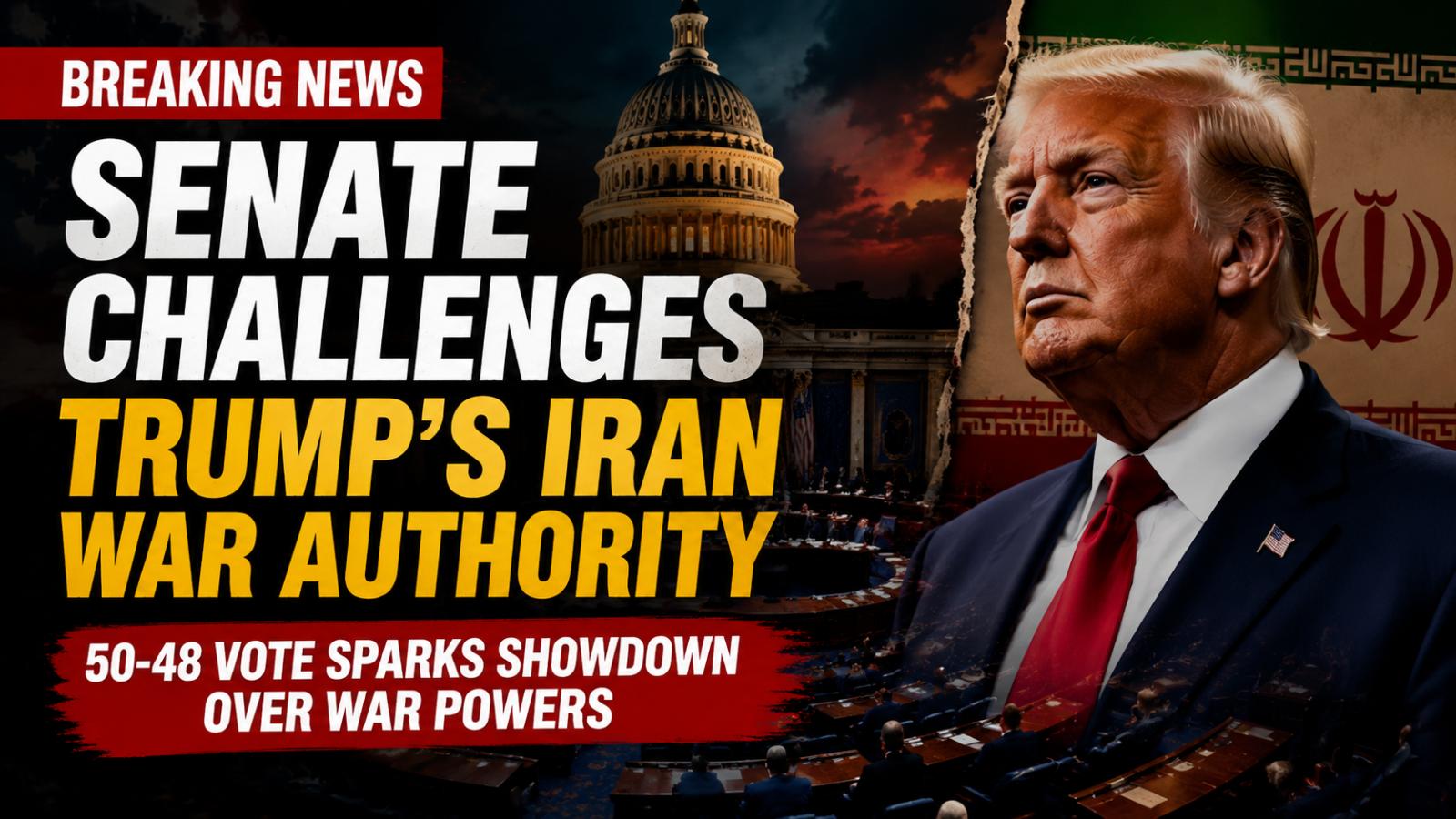
Senate challenges executive war authority
The US Senate has approved a resolution opposing continued military involvement tied to Iran, signaling widening friction between Congress and the executive branch over war powers. The measure passed narrowly at 50–48 and had already cleared the House, reflecting rare bipartisan concern over the direction of US military engagement in the region. Although the resol
Senate challenges executive war authority
The US Senate has approved a resolution opposing continued military involvement tied to Iran, signaling widening friction between Congress and the executive branch over war powers. The measure passed narrowly at 50–48 and had already cleared the House, reflecting rare bipartisan concern over the direction of US military engagement in the region. Although the resol
Giorgia Meloni rejected Donald Trump’s G7 photo claim on Friday, June 19, 2026, calling the account “completely made up.” The dispute has since moved beyond a personal exchange, with Italy’s foreign minister canceling a planned visit to the United States.
The Italian prime minister responded after Trump told Italian broadcaster La7 that she had strongly wanted a photograph with him during the G7 summit in Évian-les-Bains, France, held from Monday, June 15, through Wednesday
Giorgia Meloni rejected Donald Trump’s G7 photo claim on Friday, June 19, 2026, calling the account “completely made up.” The dispute has since moved beyond a personal exchange, with Italy’s foreign minister canceling a planned visit to the United States.
The Italian prime minister responded after Trump told Italian broadcaster La7 that she had strongly wanted a photograph with him during the G7 summit in Évian-les-Bains, France, held from Monday, June 15, through Wednesday
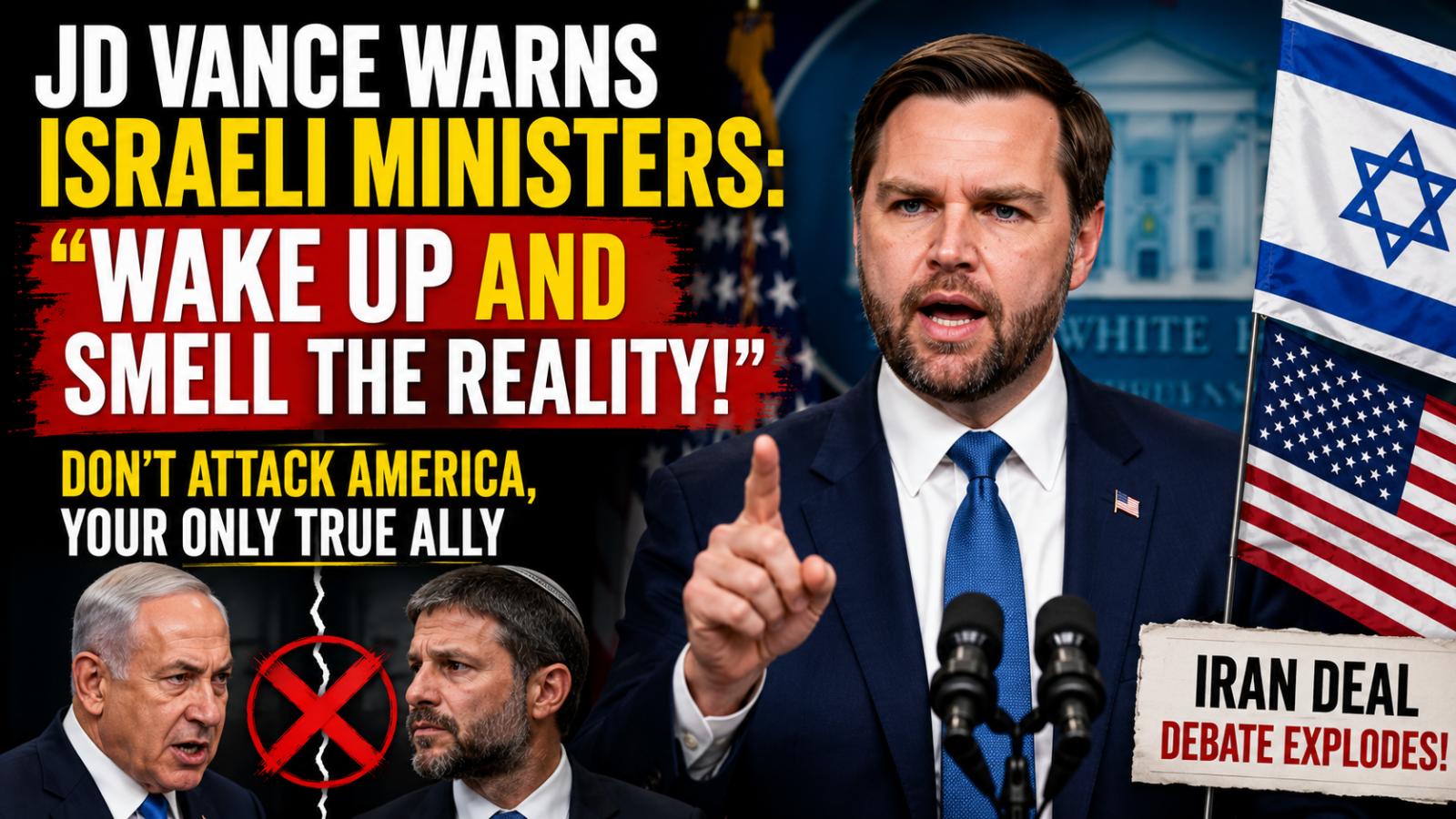
US VP Vance Confronts Israeli Critics on Iran Deal
US Vice President JD Vance delivered a sharp warning to Israeli cabinet ministers on Thursday, June 18,2026 regarding their public criticisms of the US-Iran agreement. Speaking at a White House briefing, Vance underscored that the United States remains Israel’s primary ally and cautioned that attacking Washington could undermine national interests.
Alleged Misreading of US Support
Vance em
US VP Vance Confronts Israeli Critics on Iran Deal
US Vice President JD Vance delivered a sharp warning to Israeli cabinet ministers on Thursday, June 18,2026 regarding their public criticisms of the US-Iran agreement. Speaking at a White House briefing, Vance underscored that the United States remains Israel’s primary ally and cautioned that attacking Washington could undermine national interests.
Alleged Misreading of US Support
Vance em
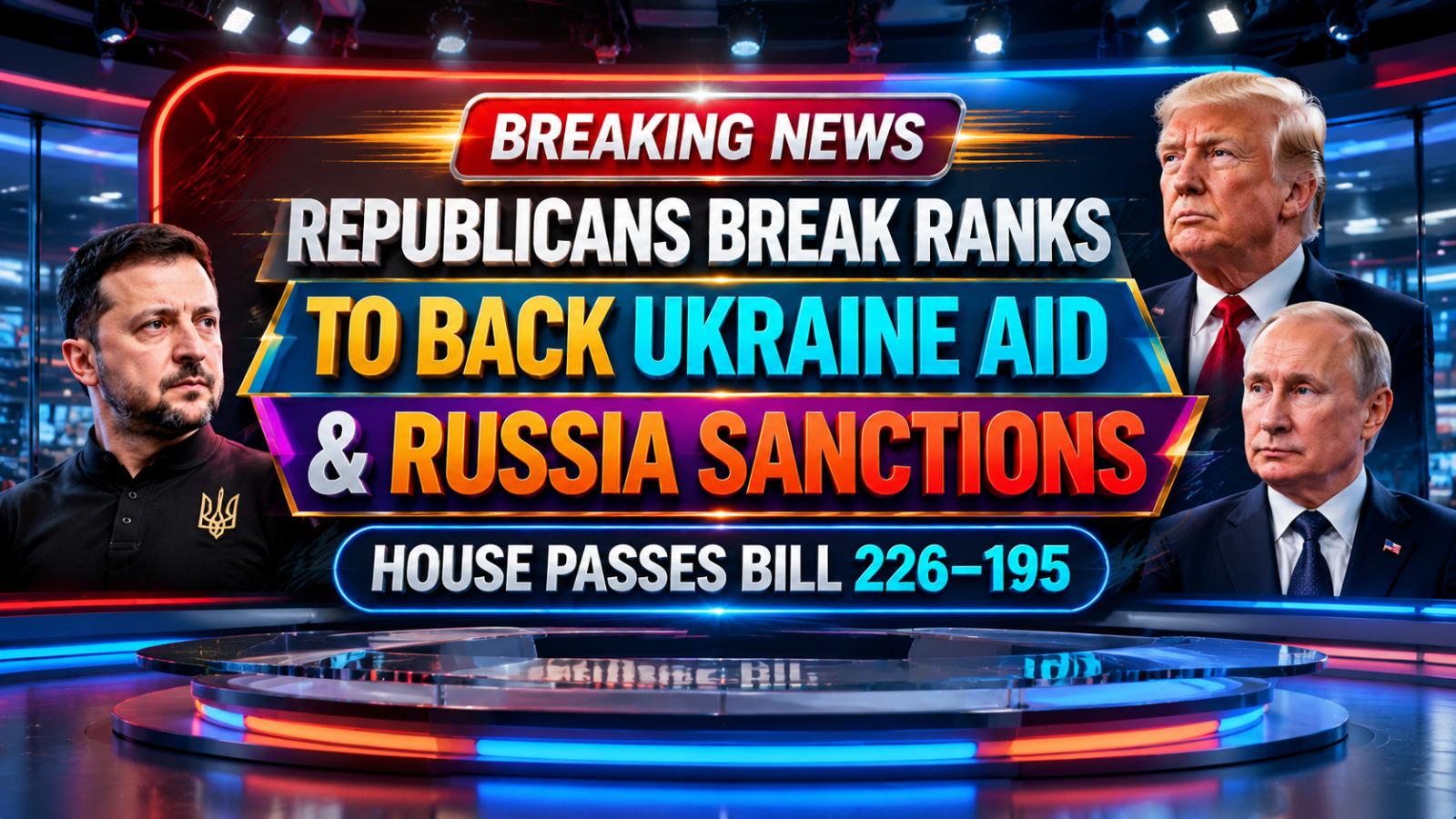
House Approves Ukraine Aid and Russia Sanctions
In a notable move, the US House of Representatives passed legislation providing billions of dollars in aid to Ukraine while imposing stricter sanctions on Russia. The vote ended 226-195, with 18 Republicans and one independent breaking ranks with party leadership to join Democrats. The legislation introduces targeted oil and gas sanctions on Russia and signals bipartisan concern over c
House Approves Ukraine Aid and Russia Sanctions
In a notable move, the US House of Representatives passed legislation providing billions of dollars in aid to Ukraine while imposing stricter sanctions on Russia. The vote ended 226-195, with 18 Republicans and one independent breaking ranks with party leadership to join Democrats. The legislation introduces targeted oil and gas sanctions on Russia and signals bipartisan concern over c
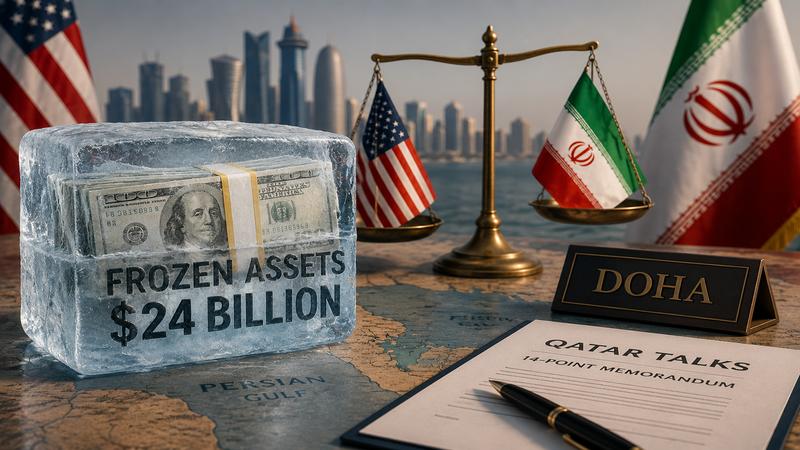
Iran is seeking the release of about $24 billion in frozen assets as part of Qatar-based talks aimed at easing the conflict with the United States, according to Iranian media reports on Tuesday, May 26, 2026. The demand has become a central issue in negotiations taking place in Doha as US-Iran tensions remain high near the Strait of Hormuz.
Iran Frozen Assets Qatar Talks Focus on $24 Billion Demand
Iran is seeking the release of about $24 billion in frozen assets as part of Qatar-based talks aimed at easing the conflict with the United States, according to Iranian media reports on Tuesday, May 26, 2026. The demand has become a central issue in negotiations taking place in Doha as US-Iran tensions remain high near the Strait of Hormuz.
Iran Frozen Assets Qatar Talks Focus on $24 Billion Demand
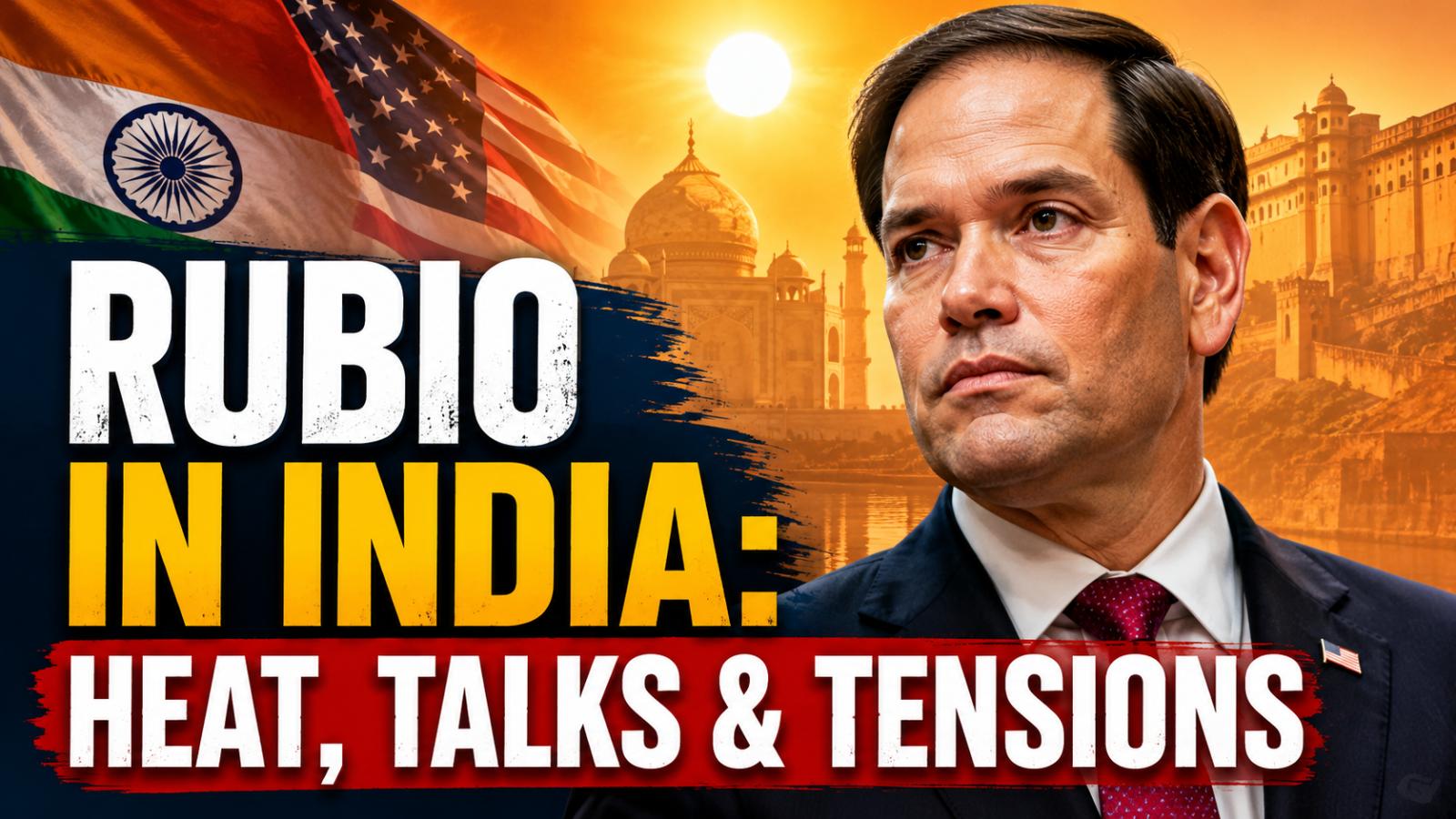
Marco Rubio’s India visit became more than a routine diplomatic tour. The US Secretary of State’s trip brought together serious India-US discussions, Quad cooperation, regional security concerns, critical minerals strategy and public attention around India’s extreme summer heat.
Rubio visited India from May 23 to May 26, 2026, with his schedule covering Kolkata, Delhi, Agra and Jaipur. His visit came at a time when Washington and New Delhi were trying to stren
Marco Rubio’s India visit became more than a routine diplomatic tour. The US Secretary of State’s trip brought together serious India-US discussions, Quad cooperation, regional security concerns, critical minerals strategy and public attention around India’s extreme summer heat.
Rubio visited India from May 23 to May 26, 2026, with his schedule covering Kolkata, Delhi, Agra and Jaipur. His visit came at a time when Washington and New Delhi were trying to stren
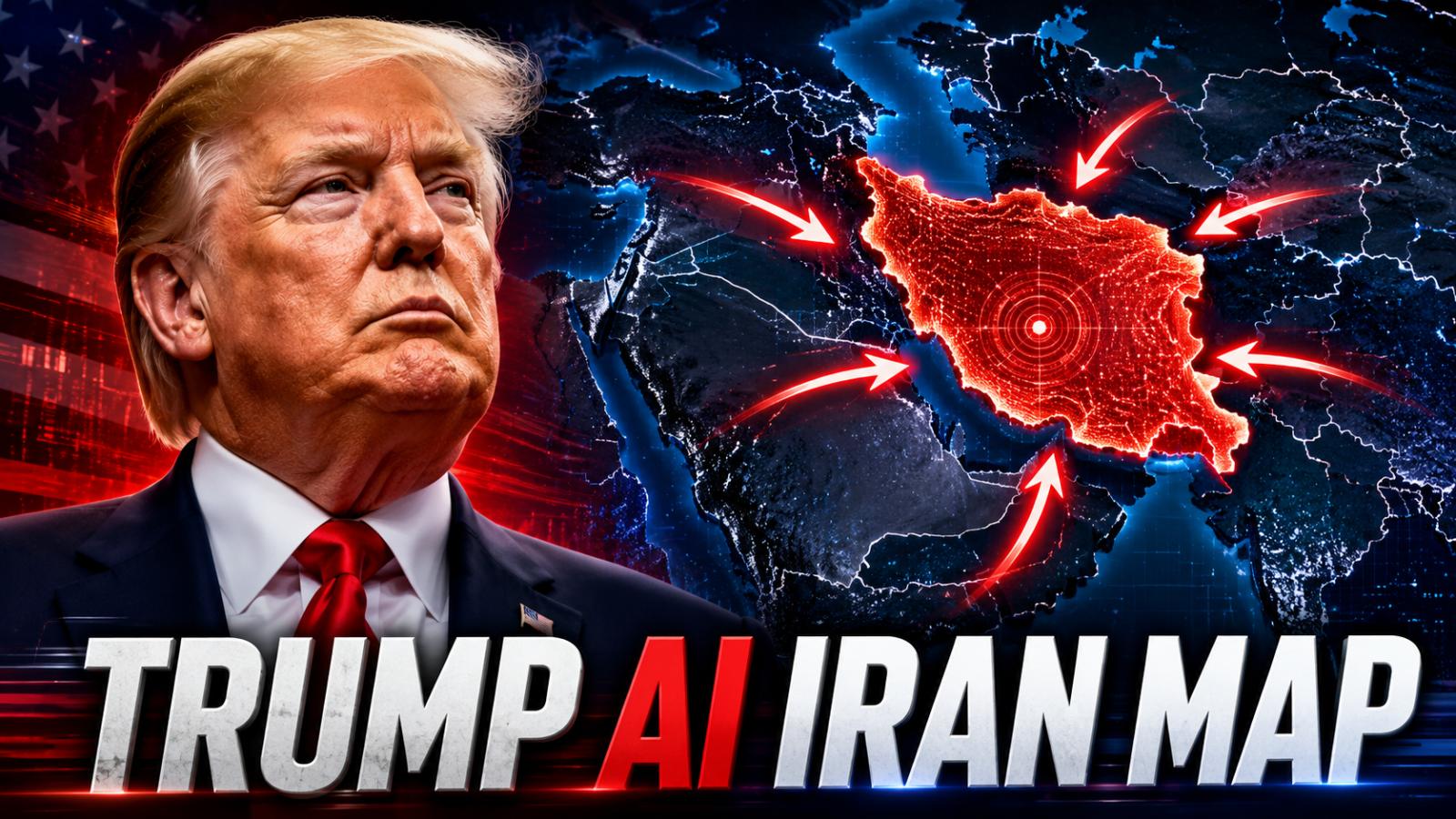
On May 17, 2026, US President Donald Trump posted a strong warning about Iran on Truth Social, saying that Iran needed to move fast toward an agreement and that time was running out. On May 18, 2026, another post featuring an AI-style map of West Asia gained attention because it showed arrows pointing toward Iran along with the American flag. The image quickly became a talking point because it appeared during a sensitive moment in US-Iran relations.
On May 17, 2026, US President Donald Trump posted a strong warning about Iran on Truth Social, saying that Iran needed to move fast toward an agreement and that time was running out. On May 18, 2026, another post featuring an AI-style map of West Asia gained attention because it showed arrows pointing toward Iran along with the American flag. The image quickly became a talking point because it appeared during a sensitive moment in US-Iran relations.
Trump declares war with Iran over nuclear threat
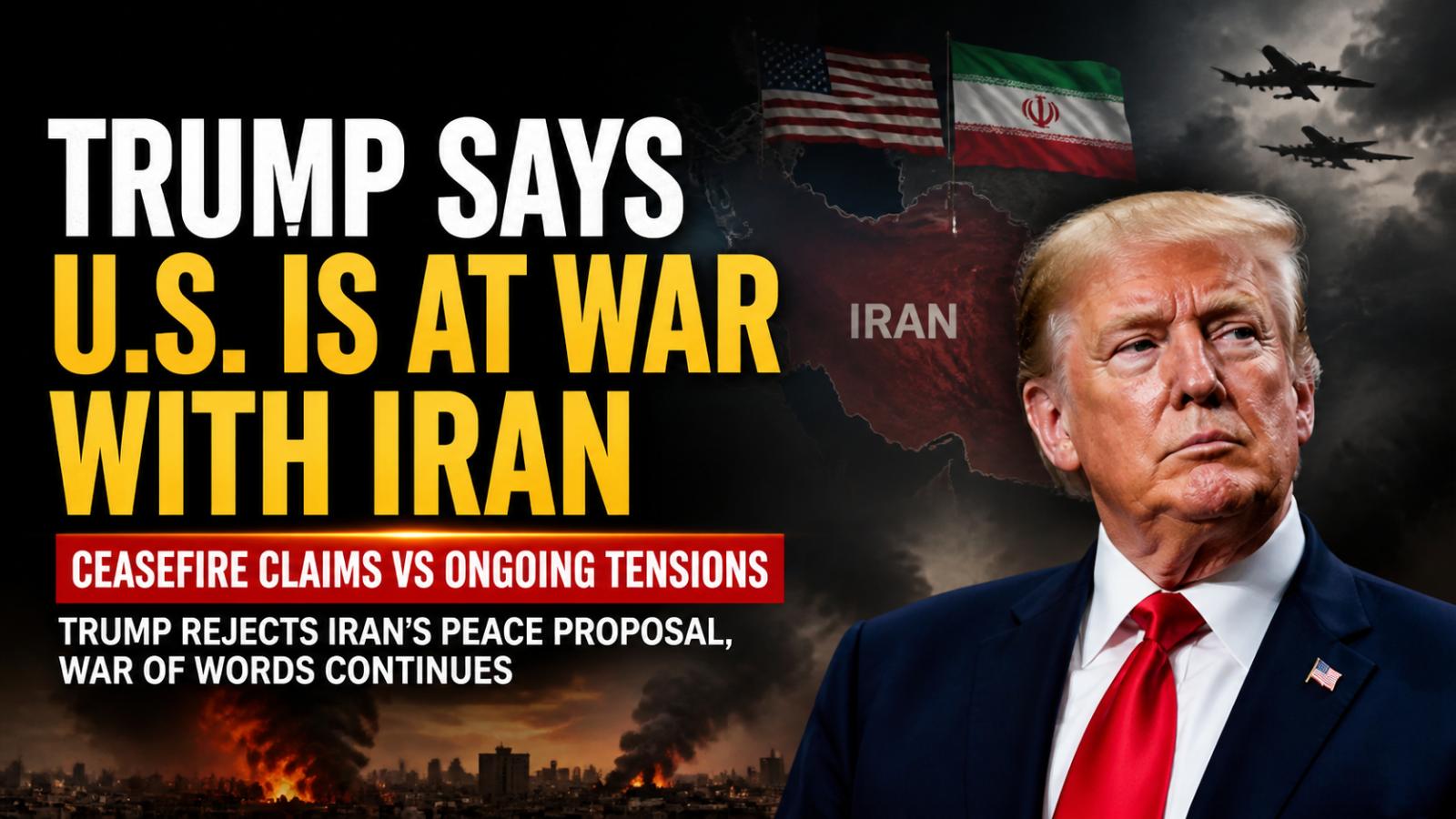
President Donald Trump has reaffirmed his stance on the ongoing US-Iran conflict, declaring that the US is at war with Iran to prevent the country from acquiring nuclear weapons. In a statement made during a Florida event, Trump expressed his belief that Iran’s leadership poses a significant threat to global security, stating that "lunatics can't have a nuclear weapon." His comments come at a time when his administration has informed the US Congress that the war has reached its conclusion, though the situation remains tense.
Trump emphasizes the importance of military action against Iran
Trump explained that the US military action against Iran was crucial in preventing a nuclear-armed nation from destabilizing the Middle East. He credited US airstrikes with B2 bombers for preventing Iran from obtaining a nuclear weapon, which could have led to catastrophic consequences for Israel, the Middle East, and Europe. “If we didn’t do that, they would have had a nuclear weapon,” Trump added, emphasizing the urgency of the situation. He claimed that Iran's military capabilities have been severely diminished, stating that the country no longer has a navy, air force, anti-aircraft systems, or effective radar defenses.
Trump rejects Iran's ceasefire proposal
In a direct response to Iran’s proposal for a ceasefire, Trump made it clear that the US would not end the conflict prematurely. “We’re not going to leave early and have this kind of problem arise in three more years,” he said, reinforcing his position on the need for a strong and comprehensive resolution. Trump blamed Iran's leadership for the ongoing conflict, criticizing their fractured decision-making. “It’s a very disjointed leadership,” he remarked, indicating that despite their willingness to negotiate, Iran’s leaders are unable to reach a viable agreement.
The ceasefire proposal is dismissed
The ceasefire proposal, delivered by Pakistan on behalf of Iran, was quickly dismissed by the US. Despite this, a fragile ceasefire between the two nations has held, albeit with mutual accusations of violations. Tensions remain high, especially in the Strait of Hormuz, where a significant portion of the world’s oil and gas passes through. Trump outlined two potential paths forward: either continuing the conflict to decisively end Iran’s nuclear ambitions, or attempting to secure a deal. “Do we want to go and just blast the hell out of them and finish them forever? Or do we want to try and make a deal?” he questioned.
Iran’s diplomatic efforts and continued tension
Iran’s Foreign Minister, Abbas Araghchi, has been actively engaged in diplomatic efforts to resolve the war. He held discussions with several regional counterparts, including Turkey, Saudi Arabia, and Qatar, to brief them on Iran’s latest peace initiatives. However, the rounds of talks held in Pakistan have yielded no substantial progress. Trump expressed frustration over the lack of direct communication, stating, “No more 18-hour flights” for US envoys.
What lies ahead for US-Iran relations?
As the situation evolves, it remains uncertain whether further diplomatic efforts will lead to a resolution or whether military action will continue to dominate the US-Iran relationship. With both sides unwilling to compromise, the world watches closely, particularly in regard to the ongoing instability in the Strait of Hormuz. Will Iran’s diplomatic efforts succeed, or will the US pursue a more aggressive approach? The answer remains unclear as the two nations continue to grapple with the possibility of conflict or peace.
Trump declares war with Iran over nuclear threat
President Donald Trump has reaffirmed his stance on the ongoing US-Iran conflict, declaring that the US is at war with Iran to prevent the country from acquiring nuclear weapons. In a statement made during a Florida event, Trump expressed his belief that Iran’s leadership poses a significant threat to global security, stating that "lunatics can't have a nuclear weapon." His comments come at a time when his administration has informed the US Congress that the war has reached its conclusion, though the situation remains tense.
Trump emphasizes the importance of military action against Iran
Trump explained that the US military action against Iran was crucial in preventing a nuclear-armed nation from destabilizing the Middle East. He credited US airstrikes with B2 bombers for preventing Iran from obtaining a nuclear weapon, which could have led to catastrophic consequences for Israel, the Middle East, and Europe. “If we didn’t do that, they would have had a nuclear weapon,” Trump added, emphasizing the urgency of the situation. He claimed that Iran's military capabilities have been severely diminished, stating that the country no longer has a navy, air force, anti-aircraft systems, or effective radar defenses.
Trump rejects Iran's ceasefire proposal
In a direct response to Iran’s proposal for a ceasefire, Trump made it clear that the US would not end the conflict prematurely. “We’re not going to leave early and have this kind of problem arise in three more years,” he said, reinforcing his position on the need for a strong and comprehensive resolution. Trump blamed Iran's leadership for the ongoing conflict, criticizing their fractured decision-making. “It’s a very disjointed leadership,” he remarked, indicating that despite their willingness to negotiate, Iran’s leaders are unable to reach a viable agreement.
The ceasefire proposal is dismissed
The ceasefire proposal, delivered by Pakistan on behalf of Iran, was quickly dismissed by the US. Despite this, a fragile ceasefire between the two nations has held, albeit with mutual accusations of violations. Tensions remain high, especially in the Strait of Hormuz, where a significant portion of the world’s oil and gas passes through. Trump outlined two potential paths forward: either continuing the conflict to decisively end Iran’s nuclear ambitions, or attempting to secure a deal. “Do we want to go and just blast the hell out of them and finish them forever? Or do we want to try and make a deal?” he questioned.
Iran’s diplomatic efforts and continued tension
Iran’s Foreign Minister, Abbas Araghchi, has been actively engaged in diplomatic efforts to resolve the war. He held discussions with several regional counterparts, including Turkey, Saudi Arabia, and Qatar, to brief them on Iran’s latest peace initiatives. However, the rounds of talks held in Pakistan have yielded no substantial progress. Trump expressed frustration over the lack of direct communication, stating, “No more 18-hour flights” for US envoys.
What lies ahead for US-Iran relations?
As the situation evolves, it remains uncertain whether further diplomatic efforts will lead to a resolution or whether military action will continue to dominate the US-Iran relationship. With both sides unwilling to compromise, the world watches closely, particularly in regard to the ongoing instability in the Strait of Hormuz. Will Iran’s diplomatic efforts succeed, or will the US pursue a more aggressive approach? The answer remains unclear as the two nations continue to grapple with the possibility of conflict or peace.
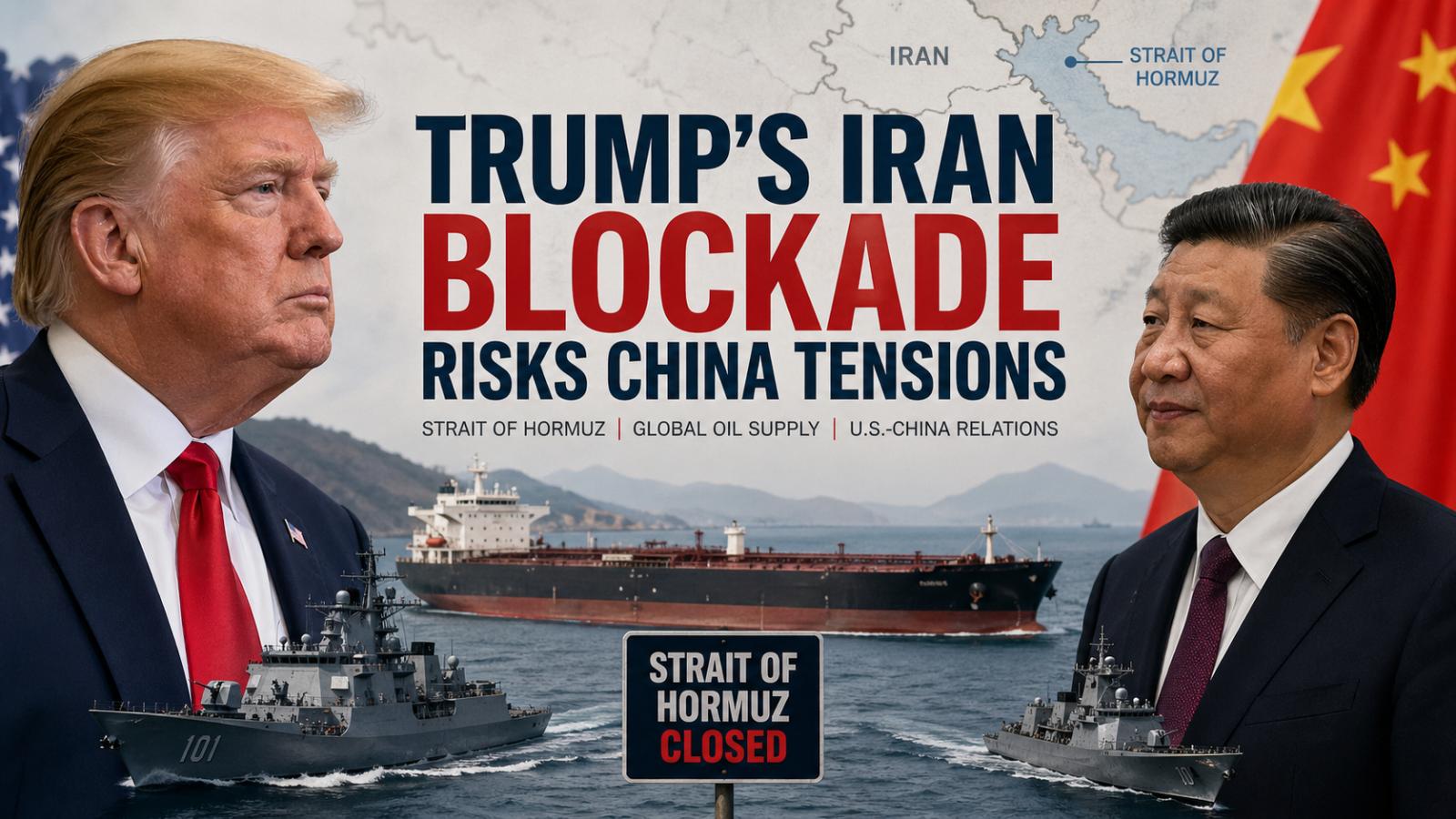
President Donald Trump has signaled his intention to maintain a naval blockade on Iranian shipping until Tehran meets U.S. demands, a move that is expected to keep the Strait of Hormuz effectively closed ahead of his planned visit to China. The decision introduces new complications for upcoming diplomatic
President Donald Trump has signaled his intention to maintain a naval blockade on Iranian shipping until Tehran meets U.S. demands, a move that is expected to keep the Strait of Hormuz effectively closed ahead of his planned visit to China. The decision introduces new complications for upcoming diplomatic
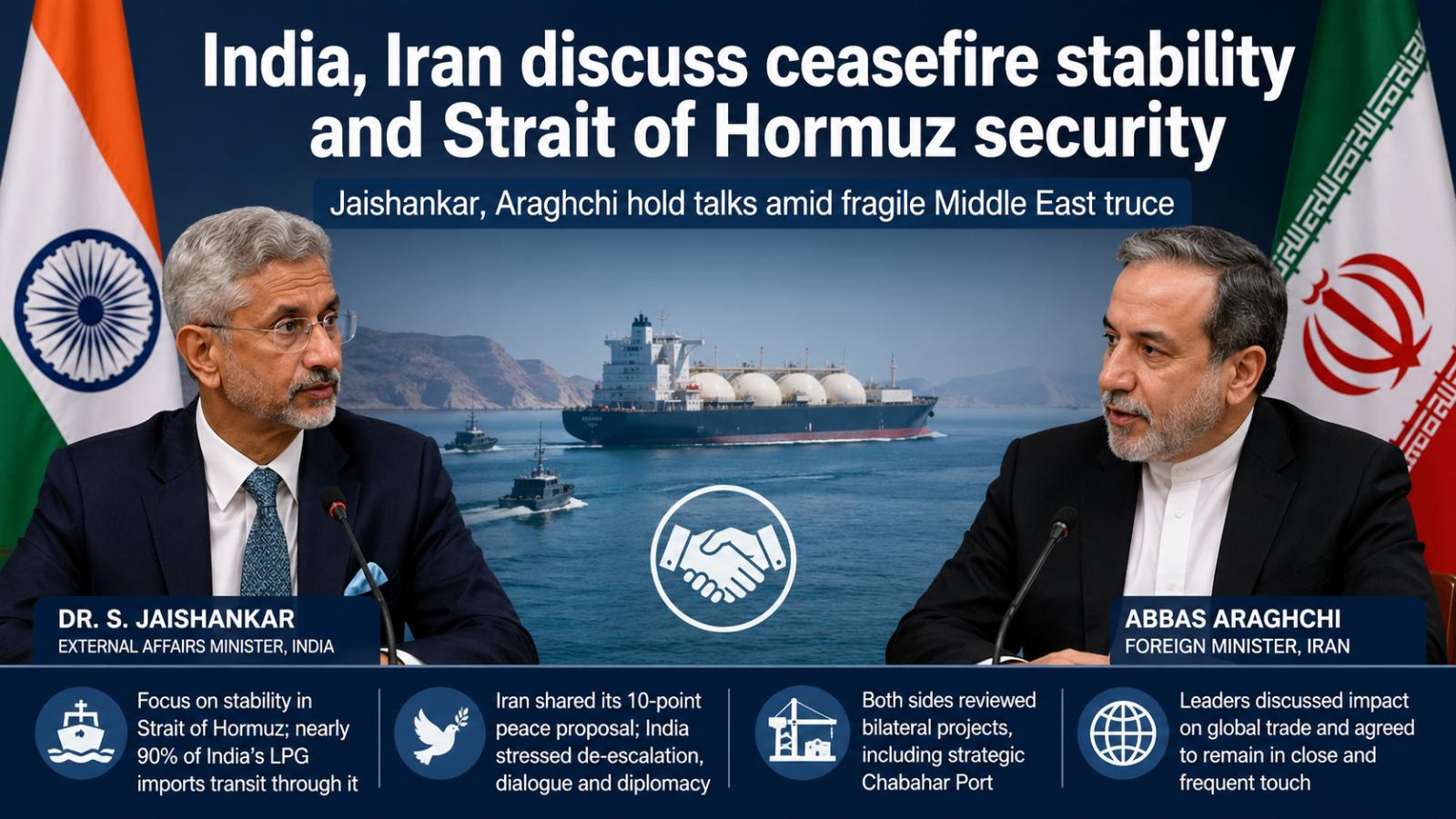
India and Iran held talks on April 29, 2026, on ceasefire stability, Strait of Hormuz security, and trade impact. Both stressed diplomacy and continued coordination as regional tensions remain high despite the fragile truce.
India, Iran discuss ceasefire stability and Strait of Hormuz security as External Affairs Minister Dr. S. Jaishankar and Iranian Foreign Minister Abbas Araghchi held talks on Wednesday, April 29, 2026, focusing on the evolving security situation in Tehran and across the region. The discussion comes at a critical moment as the international community monitors a fragile two-week ceasefire involving Iran and a U.S.-Israel coalition, brokered earlier in April.
According to an official statement, both leaders exchanged views on recent developments related to the ceasefire while also reviewing bilateral relations and broader regional security concerns. A central issue in the dialogue was the stability of the Strait of Hormuz, a key global shipping route through which nearly 90% of India’s liquefied petroleum gas imports pass, underscoring its economic significance for New Delhi.
Officials familiar with the talks indicated that both sides emphasized the need to ensure uninterrupted freedom of navigation in the region. Iran reportedly shared updates on its proposed 10-point peace framework, while India reiterated its longstanding position that de-escalation, sustained dialogue, and diplomatic engagement remain essential to achieving lasting stability in West Asia.
Beyond immediate security concerns, the ministers also reviewed ongoing bilateral initiatives, including the development of Chabahar Port. The project remains strategically important for India as it provides access to Central Asian markets, even as regional tensions pose logistical and security challenges.
The conversation also addressed the broader impact of the conflict on global trade networks. Jaishankar highlighted concerns over prolonged instability, noting its disruptive effects on supply chains and economic activity. He emphasized that India continues to engage with multiple stakeholders in an effort to prevent escalation and support regional stability.
The diplomatic exchange follows a period of heightened pressure from the administration of Donald Trump, which had issued strong warnings to Tehran over maritime disruptions. Although a ceasefire was implemented on Tuesday, April 8, 2026, tensions persist, with continued rhetoric from various factions raising concerns about its durability.
As the ceasefire enters a sensitive phase, both ministers agreed to remain in close and frequent contact to monitor developments. For India, maintaining stability in the region is not only a strategic priority but also a critical economic necessity tied to energy security and trade continuity.
India and Iran held talks on April 29, 2026, on ceasefire stability, Strait of Hormuz security, and trade impact. Both stressed diplomacy and continued coordination as regional tensions remain high despite the fragile truce.
India, Iran discuss ceasefire stability and Strait of Hormuz security as External Affairs Minister Dr. S. Jaishankar and Iranian Foreign Minister Abbas Araghchi held talks on Wednesday, April 29, 2026, focusing on the evolving security situation in Tehran and across the region. The discussion comes at a critical moment as the international community monitors a fragile two-week ceasefire involving Iran and a U.S.-Israel coalition, brokered earlier in April.
According to an official statement, both leaders exchanged views on recent developments related to the ceasefire while also reviewing bilateral relations and broader regional security concerns. A central issue in the dialogue was the stability of the Strait of Hormuz, a key global shipping route through which nearly 90% of India’s liquefied petroleum gas imports pass, underscoring its economic significance for New Delhi.
Officials familiar with the talks indicated that both sides emphasized the need to ensure uninterrupted freedom of navigation in the region. Iran reportedly shared updates on its proposed 10-point peace framework, while India reiterated its longstanding position that de-escalation, sustained dialogue, and diplomatic engagement remain essential to achieving lasting stability in West Asia.
Beyond immediate security concerns, the ministers also reviewed ongoing bilateral initiatives, including the development of Chabahar Port. The project remains strategically important for India as it provides access to Central Asian markets, even as regional tensions pose logistical and security challenges.
The conversation also addressed the broader impact of the conflict on global trade networks. Jaishankar highlighted concerns over prolonged instability, noting its disruptive effects on supply chains and economic activity. He emphasized that India continues to engage with multiple stakeholders in an effort to prevent escalation and support regional stability.
The diplomatic exchange follows a period of heightened pressure from the administration of Donald Trump, which had issued strong warnings to Tehran over maritime disruptions. Although a ceasefire was implemented on Tuesday, April 8, 2026, tensions persist, with continued rhetoric from various factions raising concerns about its durability.
As the ceasefire enters a sensitive phase, both ministers agreed to remain in close and frequent contact to monitor developments. For India, maintaining stability in the region is not only a strategic priority but also a critical economic necessity tied to energy security and trade continuity.