



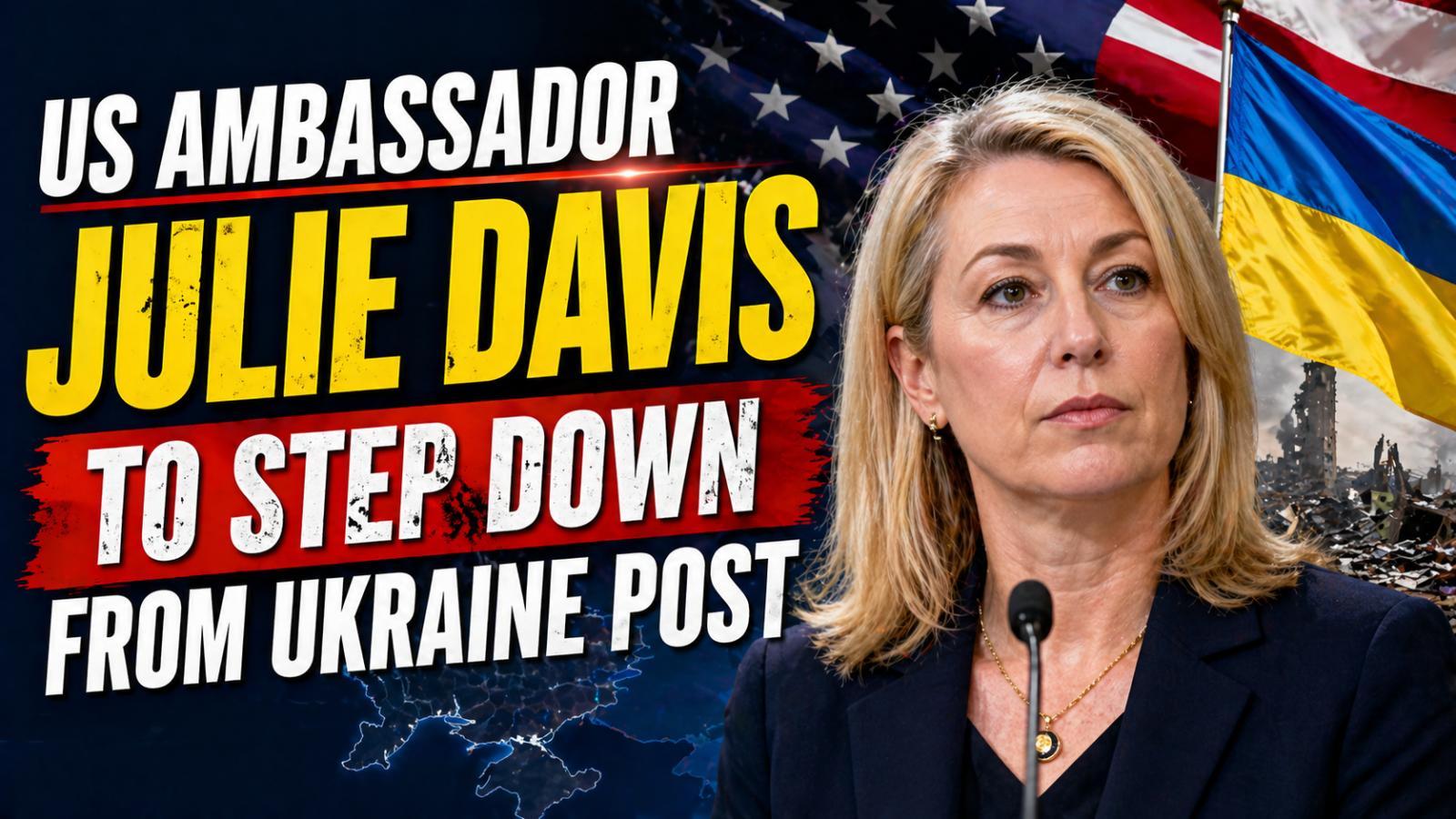
Julie Davis Announces Exit as US Faces Challenges in Ukraine Peace Efforts
The United States Department of State confirmed on April 28 that Julie Davis will step down from her role as acting ambassador to Ukraine after serving less than a year in the position. The announcement comes at a time when diplomatic efforts by the United States to facilitate a peace agreement between Ukraine and Russia have yet to produce a breakthrough. Davis, who also serves as ambassador to Cyprus, had been handling dual responsibilities since her appointment by Donald Trump in May of the previous year. She assumed the Kyiv role following the departure of Bridget Brink, who had been appointed earlier and later stepped down. The State Department stated that Davis cited retirement as the reason for her decision. Her tenure coincided with increased diplomatic pressure from Washington on Kyiv to consider terms that could advance negotiations with Moscow. Trump has publicly emphasized the need for a resolution, including the possibility of territorial concessions by Ukraine, as part of a broader effort to secure a ceasefire. However, these initiatives have not resulted in a formal agreement, and fighting has continued without a comprehensive settlement. Reports suggesting internal disagreements regarding US policy toward Ukraine were rejected by officials, who maintained that no such disputes influenced Davis’s decision. Brink, Davis’s predecessor, had previously expressed concern over what she described as an approach that placed disproportionate pressure on Ukraine during negotiations. Davis’s departure highlights the ongoing complexity of US diplomatic engagement in the region. With peace talks stalled and geopolitical tensions unresolved, the transition comes at a critical moment for American foreign policy and its role in shaping outcomes in Eastern Europe.
Julie Davis Announces Exit as US Faces Challenges in Ukraine Peace Efforts
The United States Department of State confirmed on April 28 that Julie Davis will step down from her role as acting ambassador to Ukraine after serving less than a year in the position. The announcement comes at a time when diplomatic efforts by the United States to facilitate a peace agreement between Ukraine and Russia have yet to produce a breakthrough. Davis, who also serves as ambassador to Cyprus, had been handling dual responsibilities since her appointment by Donald Trump in May of the previous year. She assumed the Kyiv role following the departure of Bridget Brink, who had been appointed earlier and later stepped down. The State Department stated that Davis cited retirement as the reason for her decision. Her tenure coincided with increased diplomatic pressure from Washington on Kyiv to consider terms that could advance negotiations with Moscow. Trump has publicly emphasized the need for a resolution, including the possibility of territorial concessions by Ukraine, as part of a broader effort to secure a ceasefire. However, these initiatives have not resulted in a formal agreement, and fighting has continued without a comprehensive settlement. Reports suggesting internal disagreements regarding US policy toward Ukraine were rejected by officials, who maintained that no such disputes influenced Davis’s decision. Brink, Davis’s predecessor, had previously expressed concern over what she described as an approach that placed disproportionate pressure on Ukraine during negotiations. Davis’s departure highlights the ongoing complexity of US diplomatic engagement in the region. With peace talks stalled and geopolitical tensions unresolved, the transition comes at a critical moment for American foreign policy and its role in shaping outcomes in Eastern Europe.
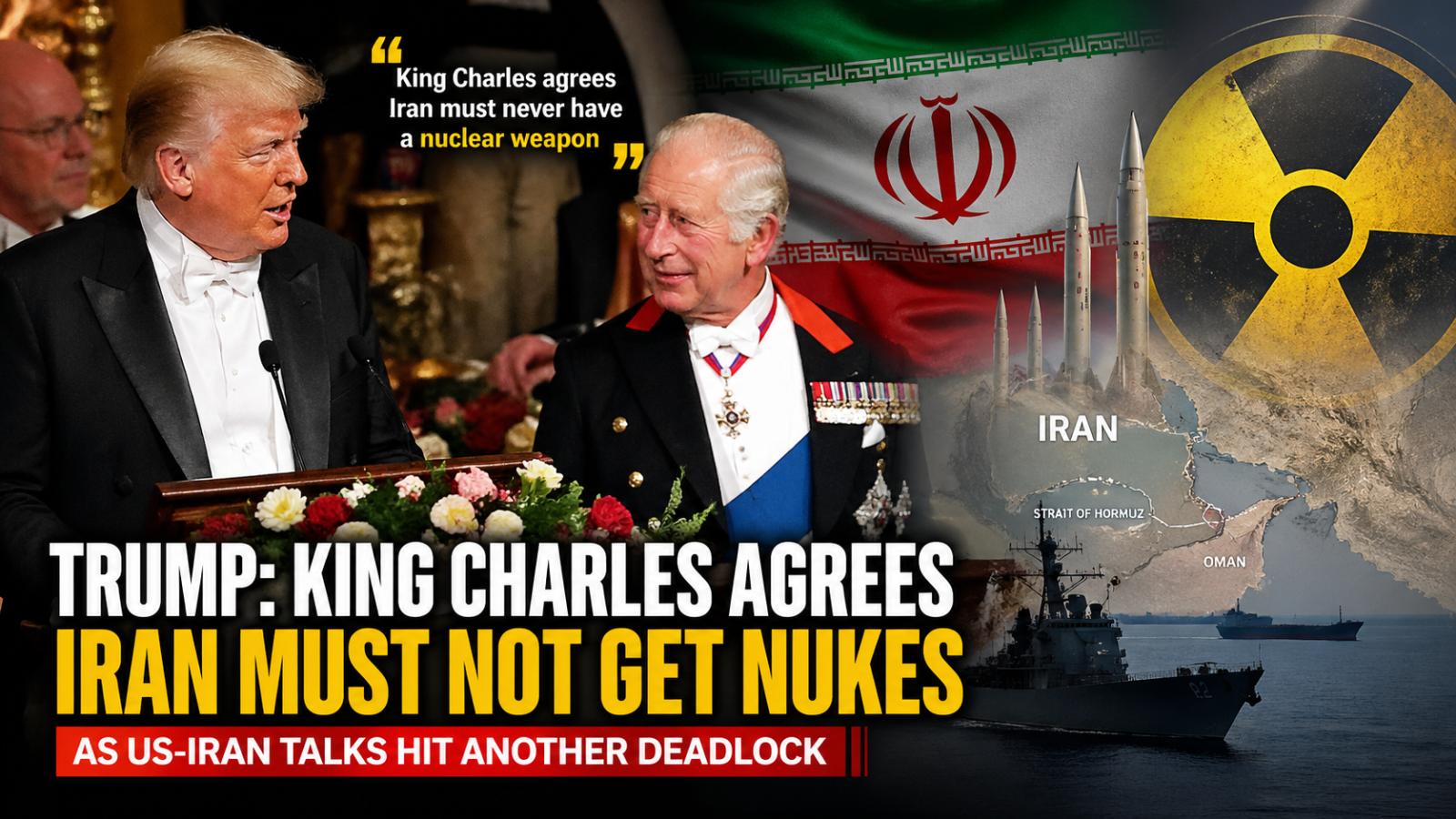
What did Trump say about Iran at the state dinner? He claimed King Charles agrees Iran must not have nuclear weapons
During a state dinner honoring the United Kingdom’s monarch, former U.S. President Donald Trump said King Charles III shares his view that Iran must never obtain nuclear weapons, while emphasizing the strength of U.S.-UK defense ties. Speaking at the formal event, Trump described the alliance between the two nations as rooted in “unconquerable courage,” referencing shared military history across multiple global conflicts. Trump used the occasion to highlight ongoing U.S. mili
What did Trump say about Iran at the state dinner? He claimed King Charles agrees Iran must not have nuclear weapons
During a state dinner honoring the United Kingdom’s monarch, former U.S. President Donald Trump said King Charles III shares his view that Iran must never obtain nuclear weapons, while emphasizing the strength of U.S.-UK defense ties. Speaking at the formal event, Trump described the alliance between the two nations as rooted in “unconquerable courage,” referencing shared military history across multiple global conflicts. Trump used the occasion to highlight ongoing U.S. mili
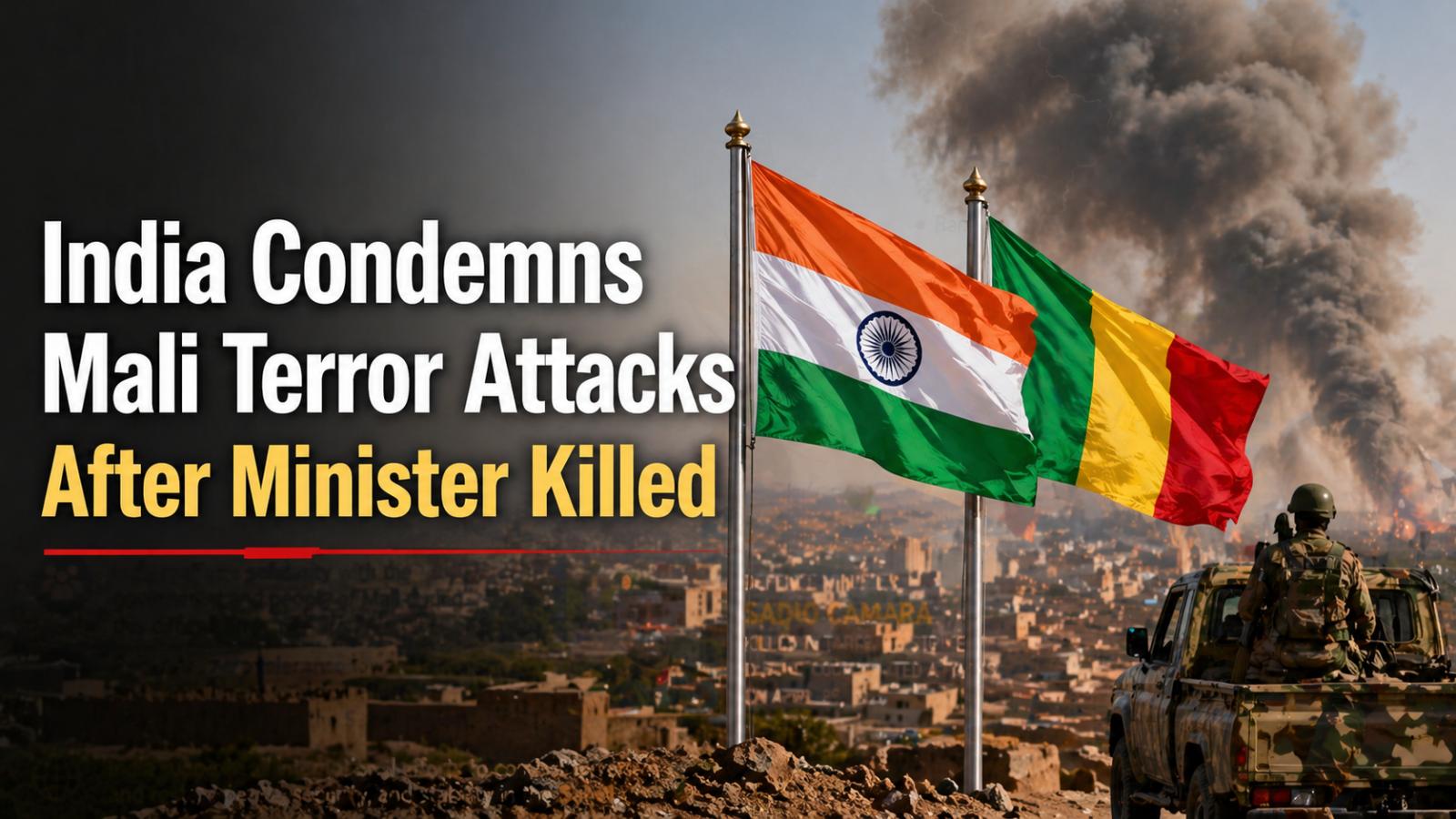
What triggered India’s response to Mali violence? Coordinated terror strikes and minister’s death
India condemns Mali terror attacks after minister killed, highlights global security risks and support for Sahel stability. The Government of India issued a strong condemnation on Tuesday, April 28, 2026 (IST), following a series of coordinated terrorist attacks across Mali that resulted in significant casualties and heightened regional instability. In an official statement, the Ministry of External Affairs expressed condolences to victims’ families and affirmed solidarity with Mali’s government and citizens. Coordinated assaults escalate violence across Mali The wave of violence began on Saturday, April 25, 2026, when militant group Jama'at Nusrat al-Islam wal-Muslimin joined forces with Tuareg separatists from the Front de libération de l'Azawad. Together, they launched synchronized attacks targeting key locations from the capital Bamako to northern regions. The coordinated nature of the assaults marked one of the most significant escalations of violence in the country in recent years. Death of defense minister shocks leadership Among those killed was Sadio Camara, Mali’s Minister of Defence and Veteran Affairs, who died in a targeted strike during the offensive. His death has sent shockwaves through Mali’s political and military leadership, raising concerns about the capacity of state institutions to counter increasingly sophisticated insurgent operations. India reiterates zero tolerance on terrorism In its statement, New Delhi emphasized its longstanding policy of zero tolerance toward terrorism. The government reaffirmed its commitment to combating extremist violence in all forms and voiced support for international efforts aimed at restoring peace and stability in the Sahel region. Officials in New Delhi indicated that the scale and coordination of the attacks reflect evolving threats posed by transnational militant networks. Broader implications for Sahel stability The attacks have intensified concerns within India’s strategic community that Mali could become a more entrenched base for global terror groups. While India has historically maintained a measured relationship with Bamako focused on development and capacity building, the latest violence underscores growing instability across the Sahel. Analysts warn that continued unrest may have wider implications for international security and counterterrorism efforts.
What triggered India’s response to Mali violence? Coordinated terror strikes and minister’s death
India condemns Mali terror attacks after minister killed, highlights global security risks and support for Sahel stability. The Government of India issued a strong condemnation on Tuesday, April 28, 2026 (IST), following a series of coordinated terrorist attacks across Mali that resulted in significant casualties and heightened regional instability. In an official statement, the Ministry of External Affairs expressed condolences to victims’ families and affirmed solidarity with Mali’s government and citizens. Coordinated assaults escalate violence across Mali The wave of violence began on Saturday, April 25, 2026, when militant group Jama'at Nusrat al-Islam wal-Muslimin joined forces with Tuareg separatists from the Front de libération de l'Azawad. Together, they launched synchronized attacks targeting key locations from the capital Bamako to northern regions. The coordinated nature of the assaults marked one of the most significant escalations of violence in the country in recent years. Death of defense minister shocks leadership Among those killed was Sadio Camara, Mali’s Minister of Defence and Veteran Affairs, who died in a targeted strike during the offensive. His death has sent shockwaves through Mali’s political and military leadership, raising concerns about the capacity of state institutions to counter increasingly sophisticated insurgent operations. India reiterates zero tolerance on terrorism In its statement, New Delhi emphasized its longstanding policy of zero tolerance toward terrorism. The government reaffirmed its commitment to combating extremist violence in all forms and voiced support for international efforts aimed at restoring peace and stability in the Sahel region. Officials in New Delhi indicated that the scale and coordination of the attacks reflect evolving threats posed by transnational militant networks. Broader implications for Sahel stability The attacks have intensified concerns within India’s strategic community that Mali could become a more entrenched base for global terror groups. While India has historically maintained a measured relationship with Bamako focused on development and capacity building, the latest violence underscores growing instability across the Sahel. Analysts warn that continued unrest may have wider implications for international security and counterterrorism efforts.
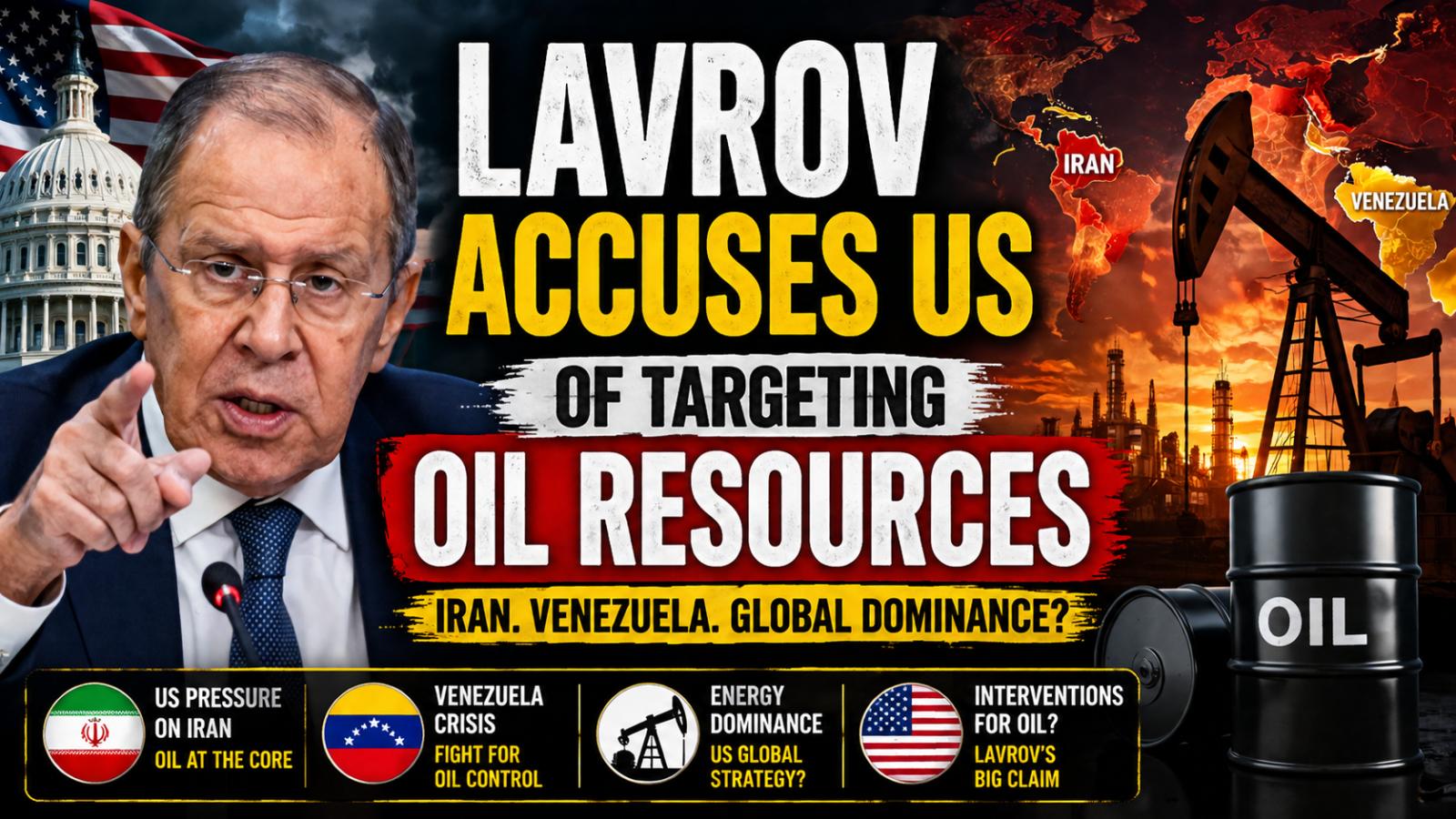
Russia’s Lavrov accuses US of targeting oil resources in foreign policy
Russia’s foreign minister accuses the US of pursuing oil-driven interventions in Iran and Venezuela, raising concerns over global energy dominance and geopolitical tensions. Russian Foreign Minister Sergei Lavrov has accused the United States of pursuing foreign interventions to secure control over global oil and energy resources, escalating rhetoric between Moscow and
Russia’s Lavrov accuses US of targeting oil resources in foreign policy
Russia’s foreign minister accuses the US of pursuing oil-driven interventions in Iran and Venezuela, raising concerns over global energy dominance and geopolitical tensions. Russian Foreign Minister Sergei Lavrov has accused the United States of pursuing foreign interventions to secure control over global oil and energy resources, escalating rhetoric between Moscow and
US envoys to visit Pakistan for renewed Iran talks amid ongoing tensions
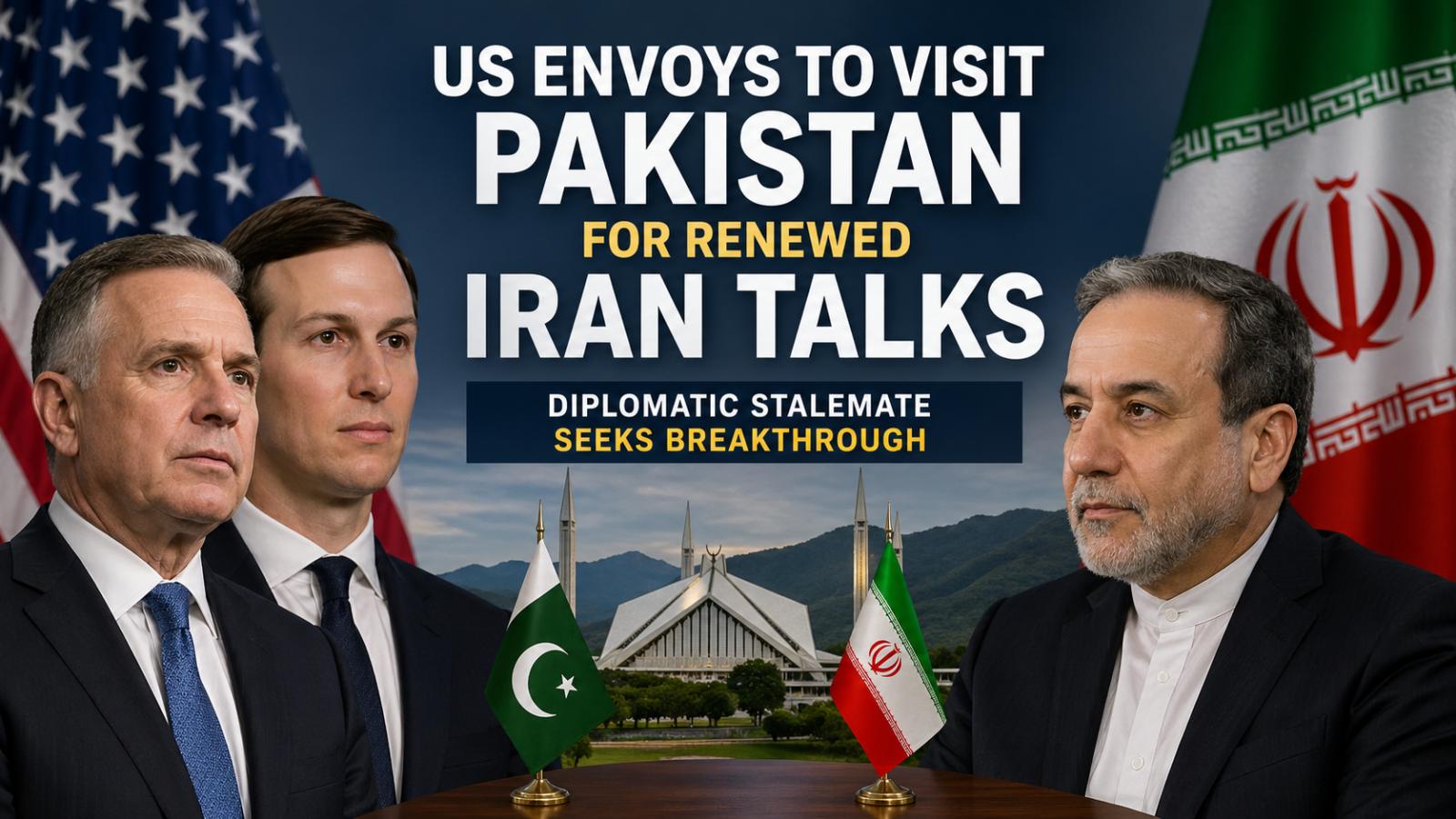
After several days of diplomatic deadlock, the United States has confirmed that senior envoys Steve Witkoff and Jared Kushner will travel to Pakistan for a fresh round of negotiations with Iran, signaling a renewed effort to address escalating tensions between the two nations. The visit is scheduled for Saturday and follows Iran’s request for direct, in-person discussions. White House Press Secretary Karoline Leavitt stated that the move comes after Iran reached out for dialogue, aligning with earlier calls from US leadership to reopen communication channels. She emphasized that the envoys will assess the situation on the ground and report back to President Donald Trump and Vice President JD Vance, while additional officials remain on standby if required. The upcoming talks mark the second round of discussions in Pakistan, following initial meetings held earlier this month. However, notable figures such as Vice President Vance and Iranian parliamentary leader Mohammad Bagher Ghalibaf, who were involved previously, will not participate in this phase. Their absence highlights a shift in the structure of the negotiations. Iran’s Foreign Minister Abbas Araghchi recently announced a regional diplomatic tour that includes Pakistan, Oman, and Russia. His stated objective is to strengthen coordination with key partners on bilateral and regional issues, underlining Iran’s strategic engagement with neighboring countries during a period of heightened geopolitical tension. What are the main sticking points in the talks? The primary disagreements revolve around Iran’s nuclear program and control over the Strait of Hormuz. Iran has insisted it will not proceed with negotiations unless the United States lifts its blockade in the strategic waterway. In contrast, the US is demanding verifiable guarantees that Iran will halt its nuclear ambitions and ease its own restrictions in the region. At a recent Pentagon briefing, US Defense Secretary Pete Hegseth reiterated that the United States is not under pressure to finalize an agreement quickly. He indicated that Washington is prepared for prolonged negotiations, while also stressing that Iran has an opportunity to secure a favorable and pragmatic deal if it chooses to engage constructively. The renewed diplomatic effort in Pakistan reflects a cautious but significant step toward resolving one of the most critical international disputes, with both sides maintaining firm positions as negotiations resume.
US envoys to visit Pakistan for renewed Iran talks amid ongoing tensions
After several days of diplomatic deadlock, the United States has confirmed that senior envoys Steve Witkoff and Jared Kushner will travel to Pakistan for a fresh round of negotiations with Iran, signaling a renewed effort to address escalating tensions between the two nations. The visit is scheduled for Saturday and follows Iran’s request for direct, in-person discussions. White House Press Secretary Karoline Leavitt stated that the move comes after Iran reached out for dialogue, aligning with earlier calls from US leadership to reopen communication channels. She emphasized that the envoys will assess the situation on the ground and report back to President Donald Trump and Vice President JD Vance, while additional officials remain on standby if required. The upcoming talks mark the second round of discussions in Pakistan, following initial meetings held earlier this month. However, notable figures such as Vice President Vance and Iranian parliamentary leader Mohammad Bagher Ghalibaf, who were involved previously, will not participate in this phase. Their absence highlights a shift in the structure of the negotiations. Iran’s Foreign Minister Abbas Araghchi recently announced a regional diplomatic tour that includes Pakistan, Oman, and Russia. His stated objective is to strengthen coordination with key partners on bilateral and regional issues, underlining Iran’s strategic engagement with neighboring countries during a period of heightened geopolitical tension. What are the main sticking points in the talks? The primary disagreements revolve around Iran’s nuclear program and control over the Strait of Hormuz. Iran has insisted it will not proceed with negotiations unless the United States lifts its blockade in the strategic waterway. In contrast, the US is demanding verifiable guarantees that Iran will halt its nuclear ambitions and ease its own restrictions in the region. At a recent Pentagon briefing, US Defense Secretary Pete Hegseth reiterated that the United States is not under pressure to finalize an agreement quickly. He indicated that Washington is prepared for prolonged negotiations, while also stressing that Iran has an opportunity to secure a favorable and pragmatic deal if it chooses to engage constructively. The renewed diplomatic effort in Pakistan reflects a cautious but significant step toward resolving one of the most critical international disputes, with both sides maintaining firm positions as negotiations resume.
What did Kenneth Juster say about India’s global role? He called it a rising civilisational power
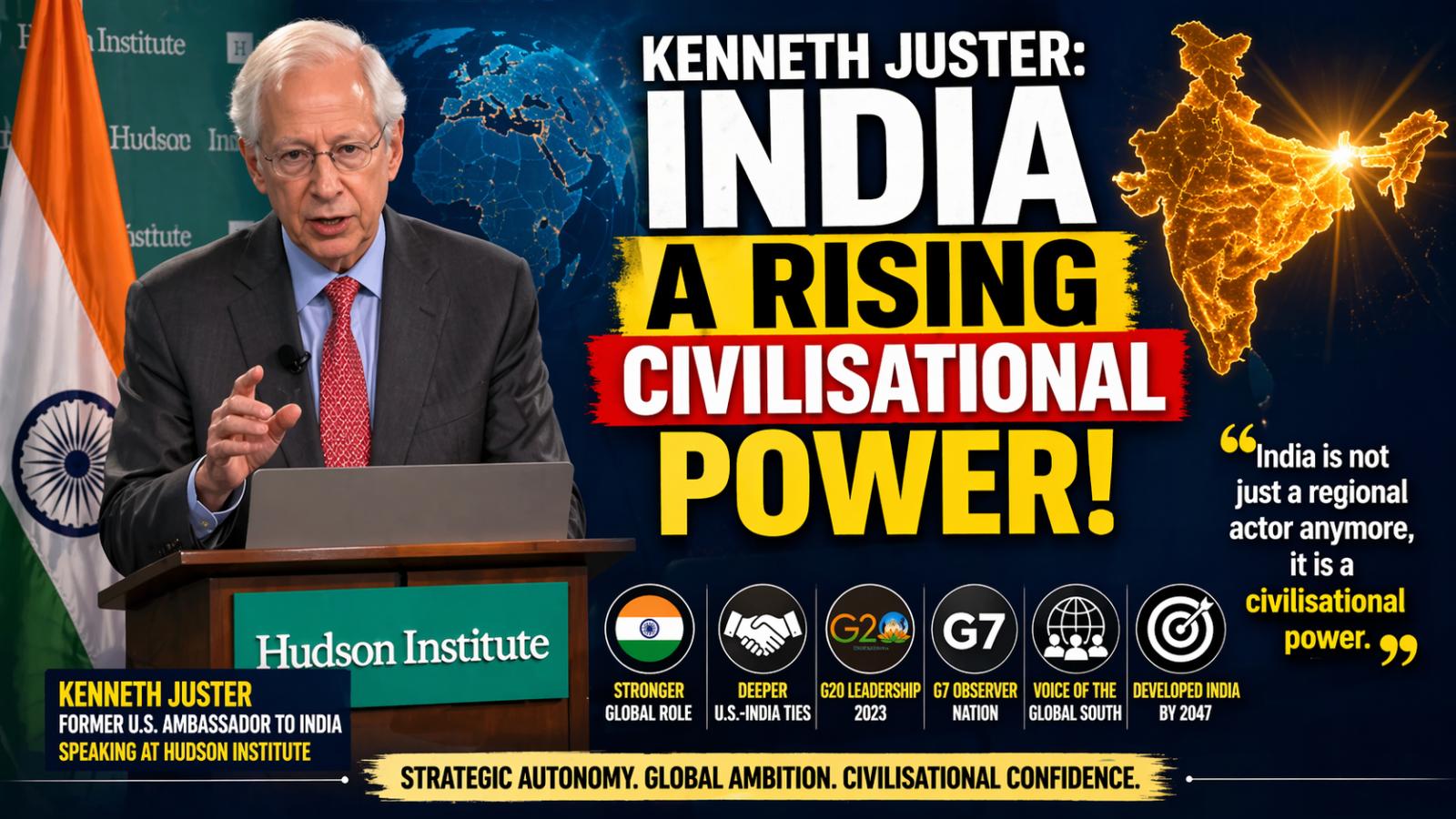
India’s emergence as a civilisational power in global affairs What did Kenneth Juster say about India’s global role? He called it a rising civilisational power, underscoring a major shift in how the country positions itself internationally. Former U.S. Ambassador to India Kenneth Juster said on Thursday, April 23, 2026, that India has evolved into a “civilisational power” under Prime Minister Narendra Modi, reflecting a more assertive and confident global posture. Speaking at an event hosted by the Hudson Institute, Juster identified Modi’s 2014 election as a turning point that accelerated India’s transformation in foreign policy and international engagement. Expanding diplomatic reach and global engagement Juster emphasized that India’s approach to global affairs has shifted significantly over the past decade, with New Delhi demonstrating greater confidence and a willingness to engage broadly with countries across regions. He noted that India no longer views itself as limited to a regional role but instead positions itself as a major global force with a distinct civilizational identity. This evolution has enabled India to expand its diplomatic outreach and pursue strategic ambitions with increased clarity and purpose. Navigating U.S.-China competition with strategic autonomy According to Juster, India’s foreign policy reflects a careful balance between deeper global engagement and maintaining strategic autonomy, particularly in the context of U.S.-China competition. While India shares concerns with other middle powers about preserving independence in decision-making, it has simultaneously strengthened ties with the United States. This dual approach allows India to navigate geopolitical tensions while safeguarding its national interests. Growing influence in global governance platforms Juster also highlighted India’s increasing role in global governance, including its active participation in G7 discussions as a regular observer and its leadership during the G20 presidency in 2023. He pointed to India’s ambition of becoming a developed nation by 2047 as a key driver of its international strategy. Additionally, India has sought to position itself as a leading voice for the Global South, shaping conversations on development, equity, and governance. Washington’s perspective on India’s rising global role Juster’s remarks reflect a broader consensus in Washington that India is emerging as a confident and influential actor on the world stage. By combining strategic independence with proactive diplomacy, India is increasingly seen as a country intent on shaping the global order in the 21st century while advancing its long-term national objectives.
What did Kenneth Juster say about India’s global role? He called it a rising civilisational power
India’s emergence as a civilisational power in global affairs What did Kenneth Juster say about India’s global role? He called it a rising civilisational power, underscoring a major shift in how the country positions itself internationally. Former U.S. Ambassador to India Kenneth Juster said on Thursday, April 23, 2026, that India has evolved into a “civilisational power” under Prime Minister Narendra Modi, reflecting a more assertive and confident global posture. Speaking at an event hosted by the Hudson Institute, Juster identified Modi’s 2014 election as a turning point that accelerated India’s transformation in foreign policy and international engagement. Expanding diplomatic reach and global engagement Juster emphasized that India’s approach to global affairs has shifted significantly over the past decade, with New Delhi demonstrating greater confidence and a willingness to engage broadly with countries across regions. He noted that India no longer views itself as limited to a regional role but instead positions itself as a major global force with a distinct civilizational identity. This evolution has enabled India to expand its diplomatic outreach and pursue strategic ambitions with increased clarity and purpose. Navigating U.S.-China competition with strategic autonomy According to Juster, India’s foreign policy reflects a careful balance between deeper global engagement and maintaining strategic autonomy, particularly in the context of U.S.-China competition. While India shares concerns with other middle powers about preserving independence in decision-making, it has simultaneously strengthened ties with the United States. This dual approach allows India to navigate geopolitical tensions while safeguarding its national interests. Growing influence in global governance platforms Juster also highlighted India’s increasing role in global governance, including its active participation in G7 discussions as a regular observer and its leadership during the G20 presidency in 2023. He pointed to India’s ambition of becoming a developed nation by 2047 as a key driver of its international strategy. Additionally, India has sought to position itself as a leading voice for the Global South, shaping conversations on development, equity, and governance. Washington’s perspective on India’s rising global role Juster’s remarks reflect a broader consensus in Washington that India is emerging as a confident and influential actor on the world stage. By combining strategic independence with proactive diplomacy, India is increasingly seen as a country intent on shaping the global order in the 21st century while advancing its long-term national objectives.
Trump post on India sparks diplomatic pushback from US and India
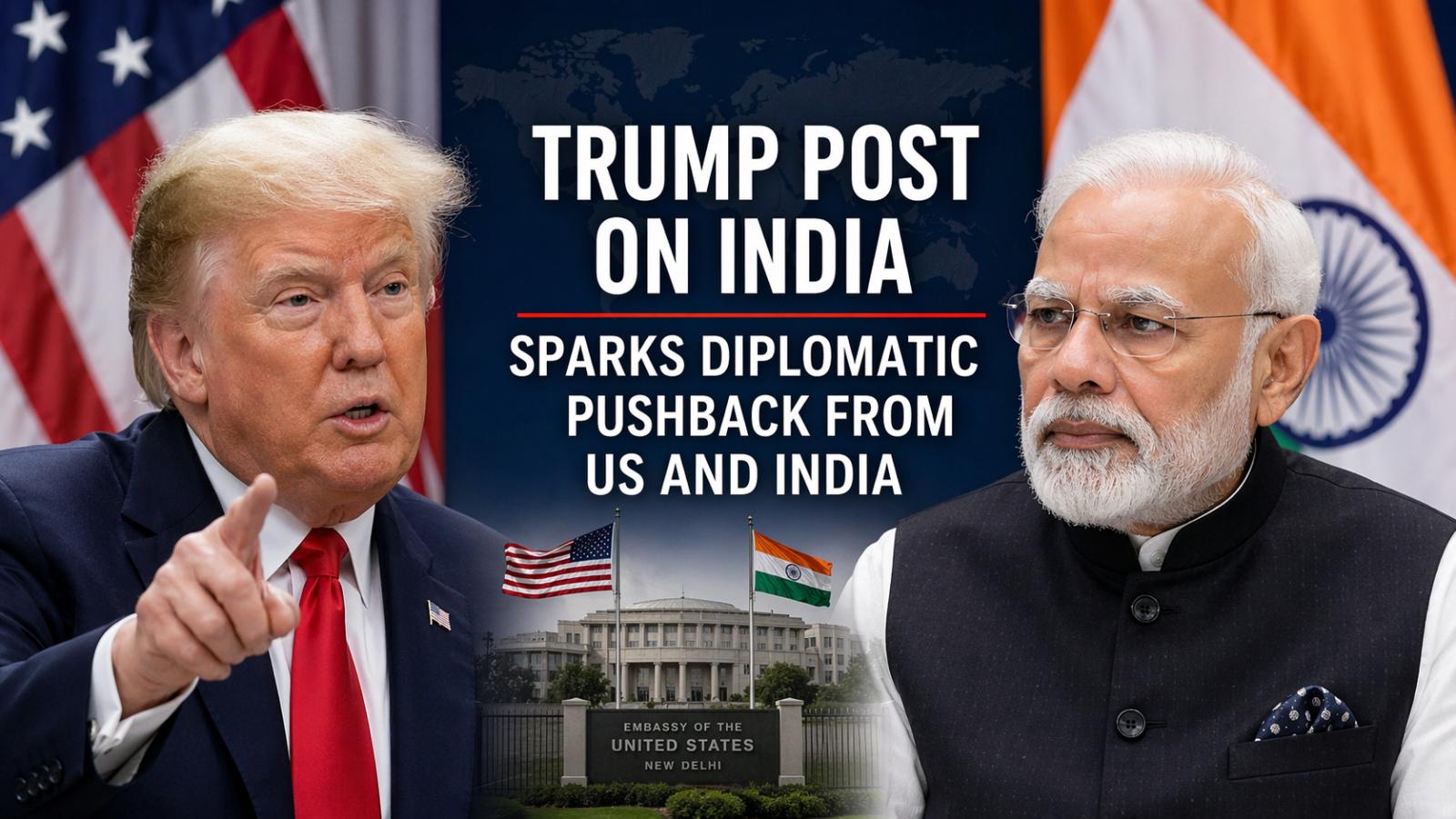
A controversial Trump post on India triggered diplomatic reactions from US and Indian officials, prompting efforts to reaffirm strong bilateral ties and address global political concerns. Trump post on India sparks diplomatic pushback from US and India — Hours after Donald Trump shared a social media post containing derogatory language about India, US officials moved sw
Trump post on India sparks diplomatic pushback from US and India
A controversial Trump post on India triggered diplomatic reactions from US and Indian officials, prompting efforts to reaffirm strong bilateral ties and address global political concerns. Trump post on India sparks diplomatic pushback from US and India — Hours after Donald Trump shared a social media post containing derogatory language about India, US officials moved sw
How did Washington respond to Trump controversy? Embassy reaffirmed India ties
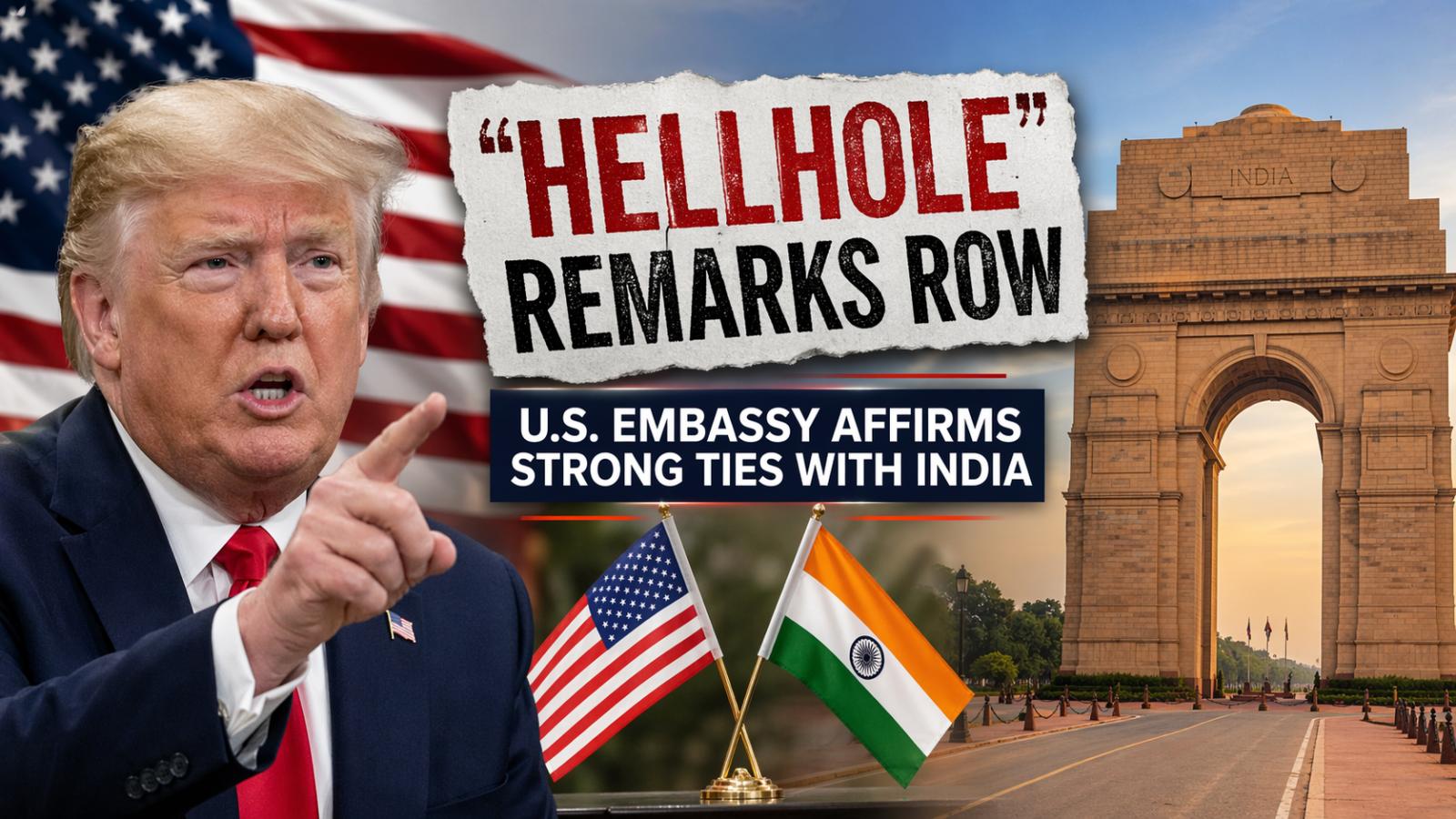
Trump repost triggers diplomatic unease between US and India A social media post by Donald Trump has drawn criticism in India after he amplified remarks from a podcast that described the country in derogatory terms. The controversy prompted a swift response from U.S. officials seeking to stabilize diplomatic messaging and reaffirm bilateral ties. Podcast remarks by Michael Savage ignite backlash The controversy stems from comments made by American radio host Michael Savage, who, during an episode of his “Savage Nation” podcast, criticized U.S. birthright citizenship policies. In his remarks, Savage grouped India and China among nations he labeled negatively while arguing that immigration policies are being exploited. Trump reposted both a transcript and video clip of the segment, bringing wider attention to the remarks. The repost quickly circulated online, triggering criticism in India and raising concerns about its potential impact on U.S.-India relations. US Embassy reiterates strong bilateral partnership In response, the U.S. Embassy in India issued a statement emphasizing the strength of ties between Washington and New Delhi. A spokesperson clarified that Trump has previously described India as “a great country” and referred to its leadership in positive terms, signaling an effort to contain diplomatic fallout. India responds cautiously through official channels India’s Ministry of External Affairs reacted with measured restraint. Spokesperson Randhir Jaiswal acknowledged awareness of the reports but declined to elaborate further, reflecting a cautious diplomatic approach while avoiding escalation. Broader debate on immigration fuels controversy Savage’s podcast remarks were part of a broader critique of U.S. immigration law, particularly the principle of granting citizenship to children born in the country regardless of parental status. He argued that the system is vulnerable to misuse, specifically referencing immigrants from Asian countries. The episode also included criticism of the U.S. Supreme Court’s role in shaping birthright citizenship policy and called for a national referendum on the issue. However, the language used in describing immigrants and foreign nations drew widespread condemnation, shifting focus from policy debate to diplomatic sensitivity. The incident highlights how political messaging and media amplification can quickly influence international relations, particularly between longstanding partners like the United States and India.
How did Washington respond to Trump controversy? Embassy reaffirmed India ties
Trump repost triggers diplomatic unease between US and India A social media post by Donald Trump has drawn criticism in India after he amplified remarks from a podcast that described the country in derogatory terms. The controversy prompted a swift response from U.S. officials seeking to stabilize diplomatic messaging and reaffirm bilateral ties. Podcast remarks by Michael Savage ignite backlash The controversy stems from comments made by American radio host Michael Savage, who, during an episode of his “Savage Nation” podcast, criticized U.S. birthright citizenship policies. In his remarks, Savage grouped India and China among nations he labeled negatively while arguing that immigration policies are being exploited. Trump reposted both a transcript and video clip of the segment, bringing wider attention to the remarks. The repost quickly circulated online, triggering criticism in India and raising concerns about its potential impact on U.S.-India relations. US Embassy reiterates strong bilateral partnership In response, the U.S. Embassy in India issued a statement emphasizing the strength of ties between Washington and New Delhi. A spokesperson clarified that Trump has previously described India as “a great country” and referred to its leadership in positive terms, signaling an effort to contain diplomatic fallout. India responds cautiously through official channels India’s Ministry of External Affairs reacted with measured restraint. Spokesperson Randhir Jaiswal acknowledged awareness of the reports but declined to elaborate further, reflecting a cautious diplomatic approach while avoiding escalation. Broader debate on immigration fuels controversy Savage’s podcast remarks were part of a broader critique of U.S. immigration law, particularly the principle of granting citizenship to children born in the country regardless of parental status. He argued that the system is vulnerable to misuse, specifically referencing immigrants from Asian countries. The episode also included criticism of the U.S. Supreme Court’s role in shaping birthright citizenship policy and called for a national referendum on the issue. However, the language used in describing immigrants and foreign nations drew widespread condemnation, shifting focus from policy debate to diplomatic sensitivity. The incident highlights how political messaging and media amplification can quickly influence international relations, particularly between longstanding partners like the United States and India.
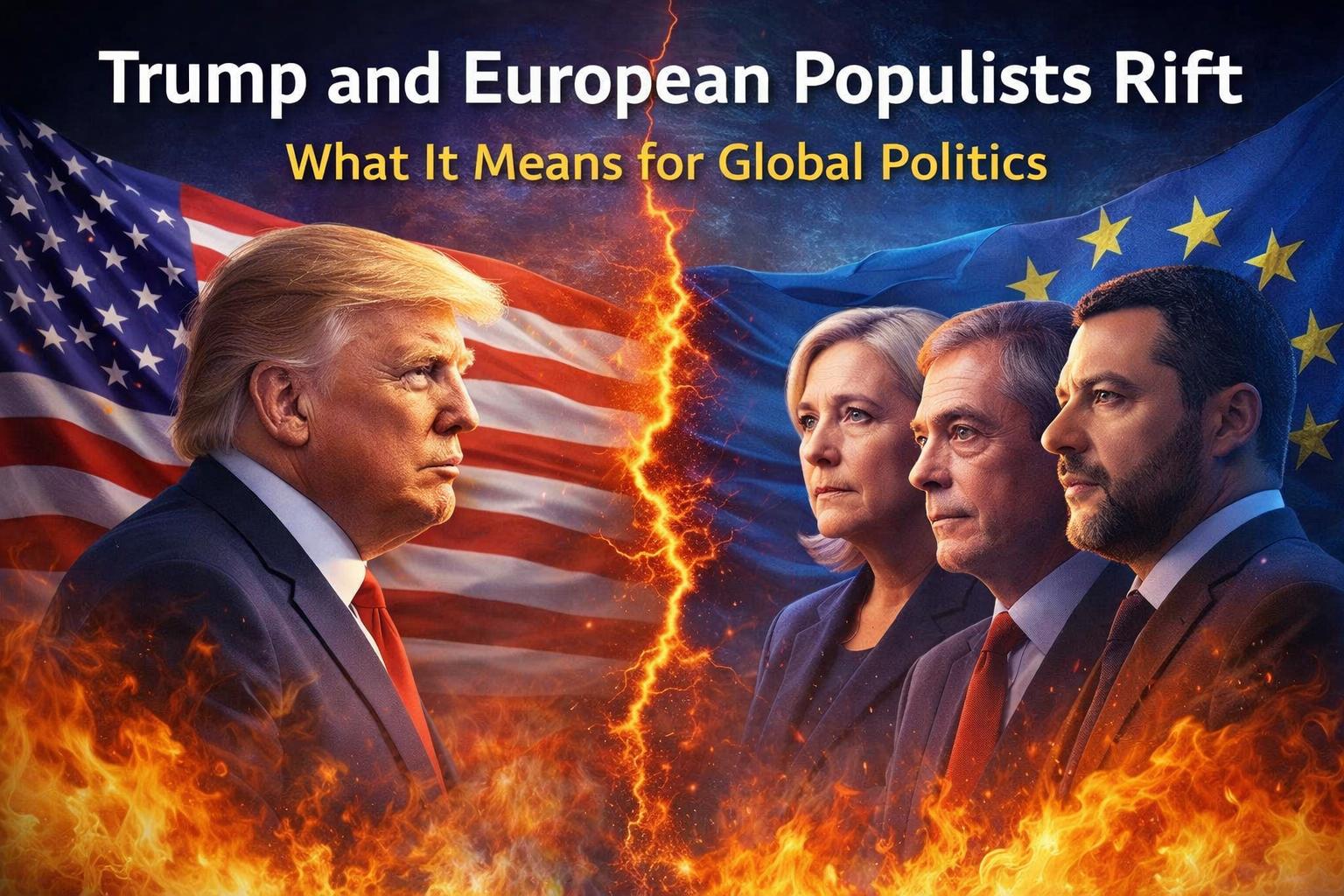
Trump and European populists divide: What the growing rift means for global politics
Trump European populist rift deepens over war and policy tensions The relationship between former U.S. President Donald Trump and Europe’s nationalist leaders is showing signs of strain, raising questions about the future of global political alliances. Once seen as natural allies, the growing divide reflects disagreements over foreign policy, particularly the Iran conflict, and shifting public opinion across Europe. European leaders step back from Trump alliances In recent months, several prominent European populist figures who once openly supported Trump have begun to distance themselves. Leaders across the United Kingdom, France, Germany, and Italy are reconsidering their alignment as criticism of U.S. actions abroad intensifies. Policies linked to military interventions and controversial rhetoric have sparked backlash among European voters. This has put pressure on nationalist leaders who had previously embraced Trump’s political style and agenda. In some cases, declining poll numbers suggest that close ties to Trump are becoming a political liability. Why this political shift matters globally The evolving rift highlights a broader shift in global politics. For years, Trump’s “America First” approach aligned with European nationalist movements advocating for stricter borders and reduced international cooperation. Now, disagreements over foreign interventions and economic consequences—such as rising fuel prices—are changing that dynamic. European leaders must balance domestic public opinion with their political alliances, especially as voters express concerns about economic stability and international conflicts. This shift could weaken transatlantic cooperation among right-leaning political movements and reshape political strategies across the continent. From strong alignment to growing tensions Initially, Trump’s leadership energized nationalist parties across Europe. His stance on immigration, trade, and sovereignty resonated with leaders seeking similar policies in their own countries. However, recent developments—including military actions and disputes with global institutions—have exposed differences. Some European leaders have criticized these moves as inconsistent with their own national interests, while others worry about long-term geopolitical consequences. Public opinion has also played a major role. Surveys across Europe indicate high levels of skepticism toward Trump’s policies, forcing politicians to adjust their positions ahead of elections. What happens next for US-Europe political ties Looking ahead, the relationship between Trump-aligned politics and European populism may continue to evolve. Analysts suggest that nationalist leaders will increasingly focus on domestic priorities rather than relying on alignment with U.S. leadership. Future elections across Europe will likely test whether distancing from Trump helps these leaders regain public support. At the same time, ongoing global conflicts and economic pressures could further influence political strategies. A turning point in global populist politics The growing divide between Trump and European populists marks a significant moment in international politics. What was once a strong ideological partnership is now facing real challenges. As political landscapes shift, leaders on both sides of the Atlantic will need to adapt. The outcome of this rift could redefine alliances, influence elections, and shape the future direction of populist movements worldwide.
Trump and European populists divide: What the growing rift means for global politics
Trump European populist rift deepens over war and policy tensions The relationship between former U.S. President Donald Trump and Europe’s nationalist leaders is showing signs of strain, raising questions about the future of global political alliances. Once seen as natural allies, the growing divide reflects disagreements over foreign policy, particularly the Iran conflict, and shifting public opinion across Europe. European leaders step back from Trump alliances In recent months, several prominent European populist figures who once openly supported Trump have begun to distance themselves. Leaders across the United Kingdom, France, Germany, and Italy are reconsidering their alignment as criticism of U.S. actions abroad intensifies. Policies linked to military interventions and controversial rhetoric have sparked backlash among European voters. This has put pressure on nationalist leaders who had previously embraced Trump’s political style and agenda. In some cases, declining poll numbers suggest that close ties to Trump are becoming a political liability. Why this political shift matters globally The evolving rift highlights a broader shift in global politics. For years, Trump’s “America First” approach aligned with European nationalist movements advocating for stricter borders and reduced international cooperation. Now, disagreements over foreign interventions and economic consequences—such as rising fuel prices—are changing that dynamic. European leaders must balance domestic public opinion with their political alliances, especially as voters express concerns about economic stability and international conflicts. This shift could weaken transatlantic cooperation among right-leaning political movements and reshape political strategies across the continent. From strong alignment to growing tensions Initially, Trump’s leadership energized nationalist parties across Europe. His stance on immigration, trade, and sovereignty resonated with leaders seeking similar policies in their own countries. However, recent developments—including military actions and disputes with global institutions—have exposed differences. Some European leaders have criticized these moves as inconsistent with their own national interests, while others worry about long-term geopolitical consequences. Public opinion has also played a major role. Surveys across Europe indicate high levels of skepticism toward Trump’s policies, forcing politicians to adjust their positions ahead of elections. What happens next for US-Europe political ties Looking ahead, the relationship between Trump-aligned politics and European populism may continue to evolve. Analysts suggest that nationalist leaders will increasingly focus on domestic priorities rather than relying on alignment with U.S. leadership. Future elections across Europe will likely test whether distancing from Trump helps these leaders regain public support. At the same time, ongoing global conflicts and economic pressures could further influence political strategies. A turning point in global populist politics The growing divide between Trump and European populists marks a significant moment in international politics. What was once a strong ideological partnership is now facing real challenges. As political landscapes shift, leaders on both sides of the Atlantic will need to adapt. The outcome of this rift could redefine alliances, influence elections, and shape the future direction of populist movements worldwide.
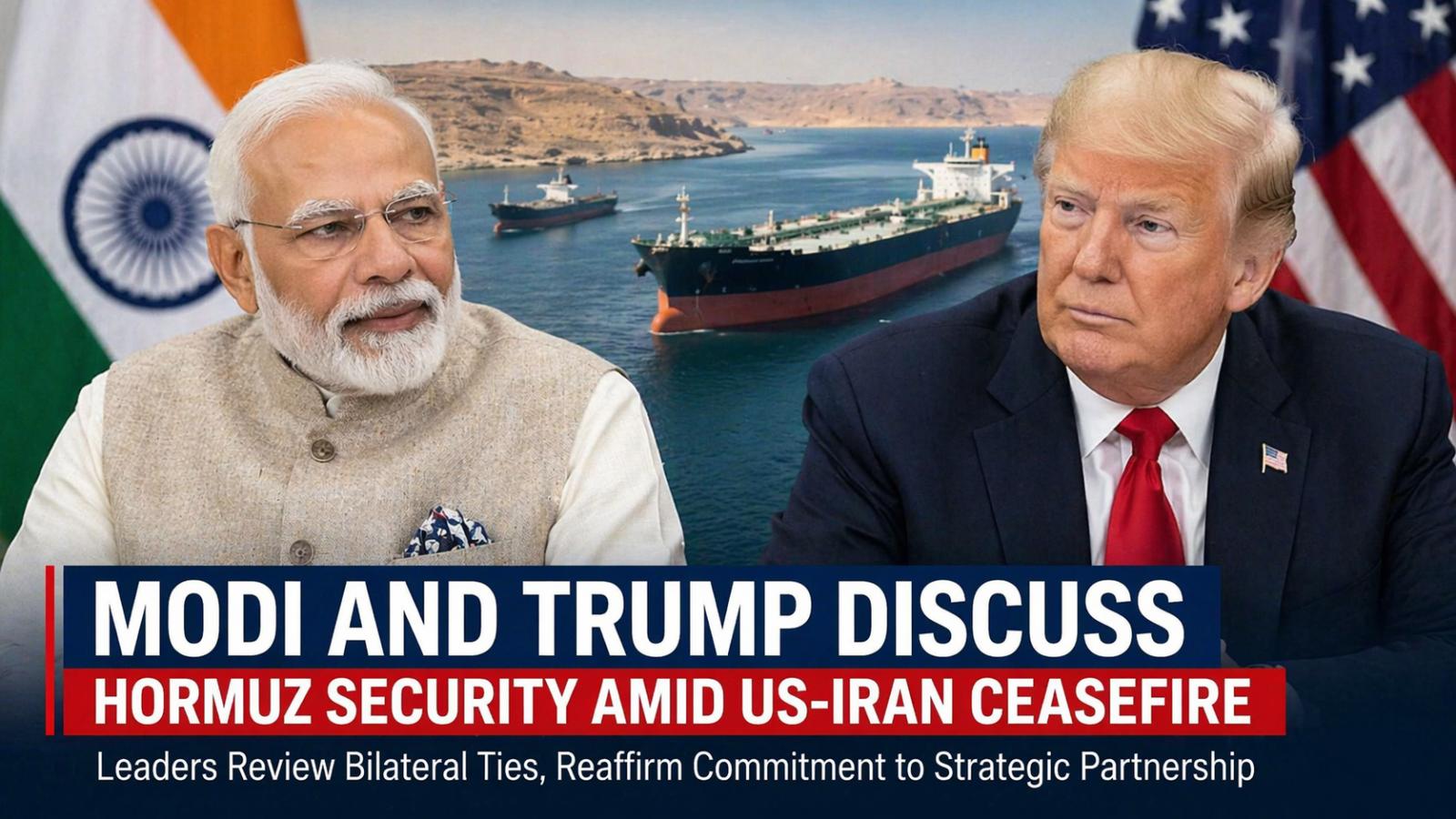
Modi and Trump discuss Hormuz security amid US-Iran ceasefire
Indian Prime Minister Narendra Modi held a phone conversation with U.S. President Donald Trump on Tuesday, April 14, 2026, marking their first discussion since a ceasefire between the United States and Iran took effect on Tuesday, April 8, 2026, following nearly 39 days of intense conflict that disrupted ener
Modi and Trump discuss Hormuz security amid US-Iran ceasefire
Indian Prime Minister Narendra Modi held a phone conversation with U.S. President Donald Trump on Tuesday, April 14, 2026, marking their first discussion since a ceasefire between the United States and Iran took effect on Tuesday, April 8, 2026, following nearly 39 days of intense conflict that disrupted ener
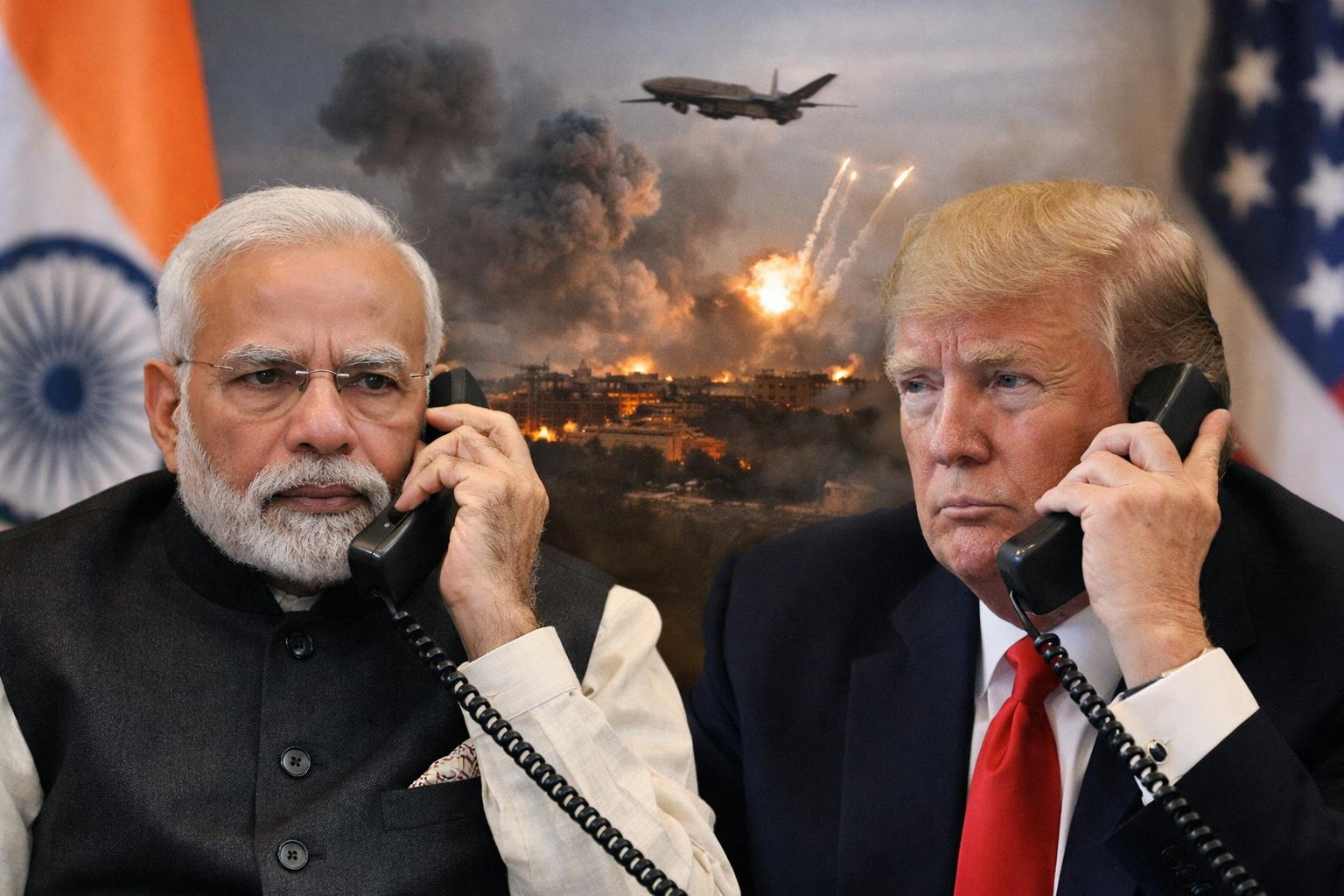
Modi-Trump call highlights rising tensions in Iran conflict
Indian Prime Minister Narendra Modi and U.S. President Donald Trump held a nearly 40-minute phone conversation on Tuesday, April 14, 2026, according to official reports. The call took place as tensions continue to rise amid the ongoing Iran conflict. The discussion comes shortly after peace talks betwee
Modi-Trump call highlights rising tensions in Iran conflict
Indian Prime Minister Narendra Modi and U.S. President Donald Trump held a nearly 40-minute phone conversation on Tuesday, April 14, 2026, according to official reports. The call took place as tensions continue to rise amid the ongoing Iran conflict. The discussion comes shortly after peace talks betwee
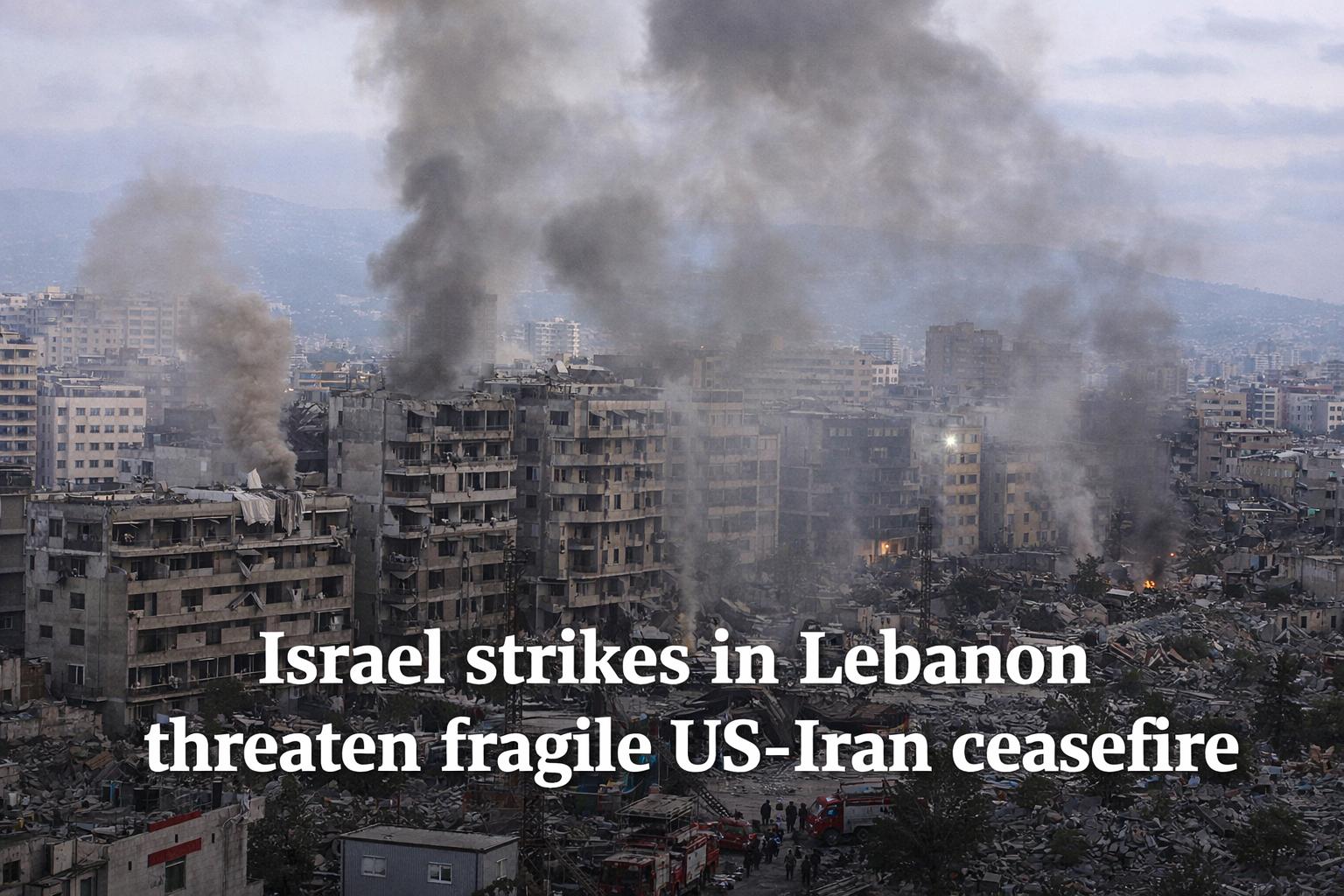
Israel strikes in Lebanon threaten fragile US-Iran ceasefire
Israel’s intensified military campaign in Lebanon is raising concerns about the stability of a fragile ceasefire between the United States and Iran, with both sides disputing whether Lebanon was included in the agreement. Iranian officials argue that Israeli strikes violate the truce, while U.S. and Israeli authorities maintain the deal does not extend to Lebanon. The disagreement comes as Israeli airstrikes across Lebanon, including Beirut, caused widespread destruction and signi
Israel strikes in Lebanon threaten fragile US-Iran ceasefire
Israel’s intensified military campaign in Lebanon is raising concerns about the stability of a fragile ceasefire between the United States and Iran, with both sides disputing whether Lebanon was included in the agreement. Iranian officials argue that Israeli strikes violate the truce, while U.S. and Israeli authorities maintain the deal does not extend to Lebanon. The disagreement comes as Israeli airstrikes across Lebanon, including Beirut, caused widespread destruction and signi
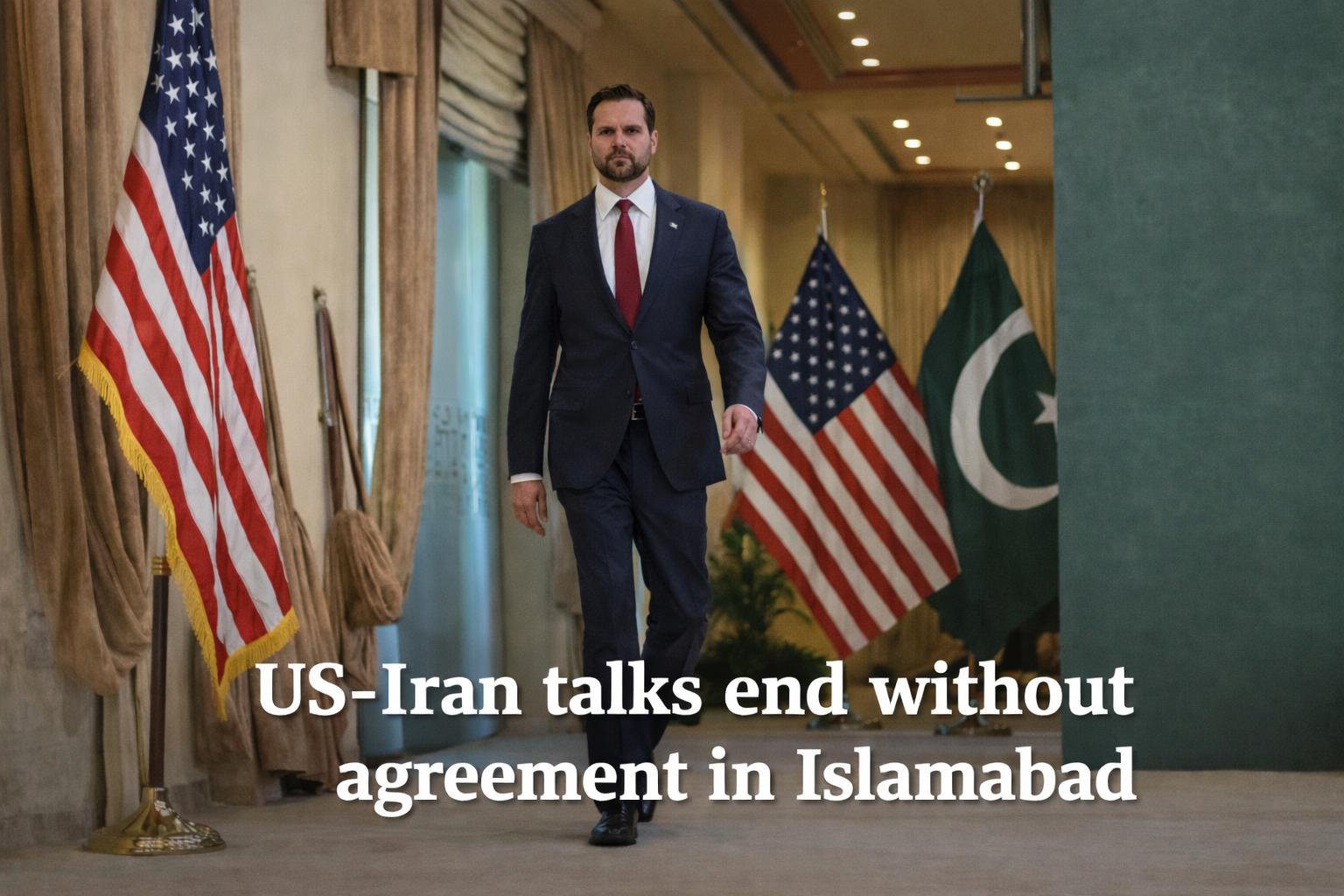
US-Iran talks in Pakistan end without agreement, raising ceasefire concerns
U.S. Vice President JD Vance said no agreement was reached with Iran following extended negotiations held in Pakistan, signaling a setback after Washington presented what it described as its “final and best offer.” Iranian officials also expressed dissatisfaction, with their lead negotiator stating that U.S. representatives failed to build sufficient trust during the discussions. The outcome leaves significant uncertainty around the fragile ceasefire that began Tuesday, though no specific date was provided for the start of the truce. Without a clear commitment from Iran to reopen the Strait of Hormuz, concerns are growing over continued disruptions to global energy markets, as the strategic waterway remains a critical route for oil shipments. Regional tensions remain elevated beyond the stalled talks. Diplomatic engagement between Israeli and Lebanese officials is expected in the coming week, even as hostilities persist. Israeli forces reported overnight strikes in southern Lebanon, stating they targeted and destroyed a rocket launcher prepared for imminent use. The strikes reportedly resulted in casualties, underscoring the ongoing volatility in the region. The lack of progress in negotiations highlights broader challenges in restoring stability, with both diplomatic and military developments shaping an increasingly uncertain outlook.
US-Iran talks in Pakistan end without agreement, raising ceasefire concerns
U.S. Vice President JD Vance said no agreement was reached with Iran following extended negotiations held in Pakistan, signaling a setback after Washington presented what it described as its “final and best offer.” Iranian officials also expressed dissatisfaction, with their lead negotiator stating that U.S. representatives failed to build sufficient trust during the discussions. The outcome leaves significant uncertainty around the fragile ceasefire that began Tuesday, though no specific date was provided for the start of the truce. Without a clear commitment from Iran to reopen the Strait of Hormuz, concerns are growing over continued disruptions to global energy markets, as the strategic waterway remains a critical route for oil shipments. Regional tensions remain elevated beyond the stalled talks. Diplomatic engagement between Israeli and Lebanese officials is expected in the coming week, even as hostilities persist. Israeli forces reported overnight strikes in southern Lebanon, stating they targeted and destroyed a rocket launcher prepared for imminent use. The strikes reportedly resulted in casualties, underscoring the ongoing volatility in the region. The lack of progress in negotiations highlights broader challenges in restoring stability, with both diplomatic and military developments shaping an increasingly uncertain outlook.
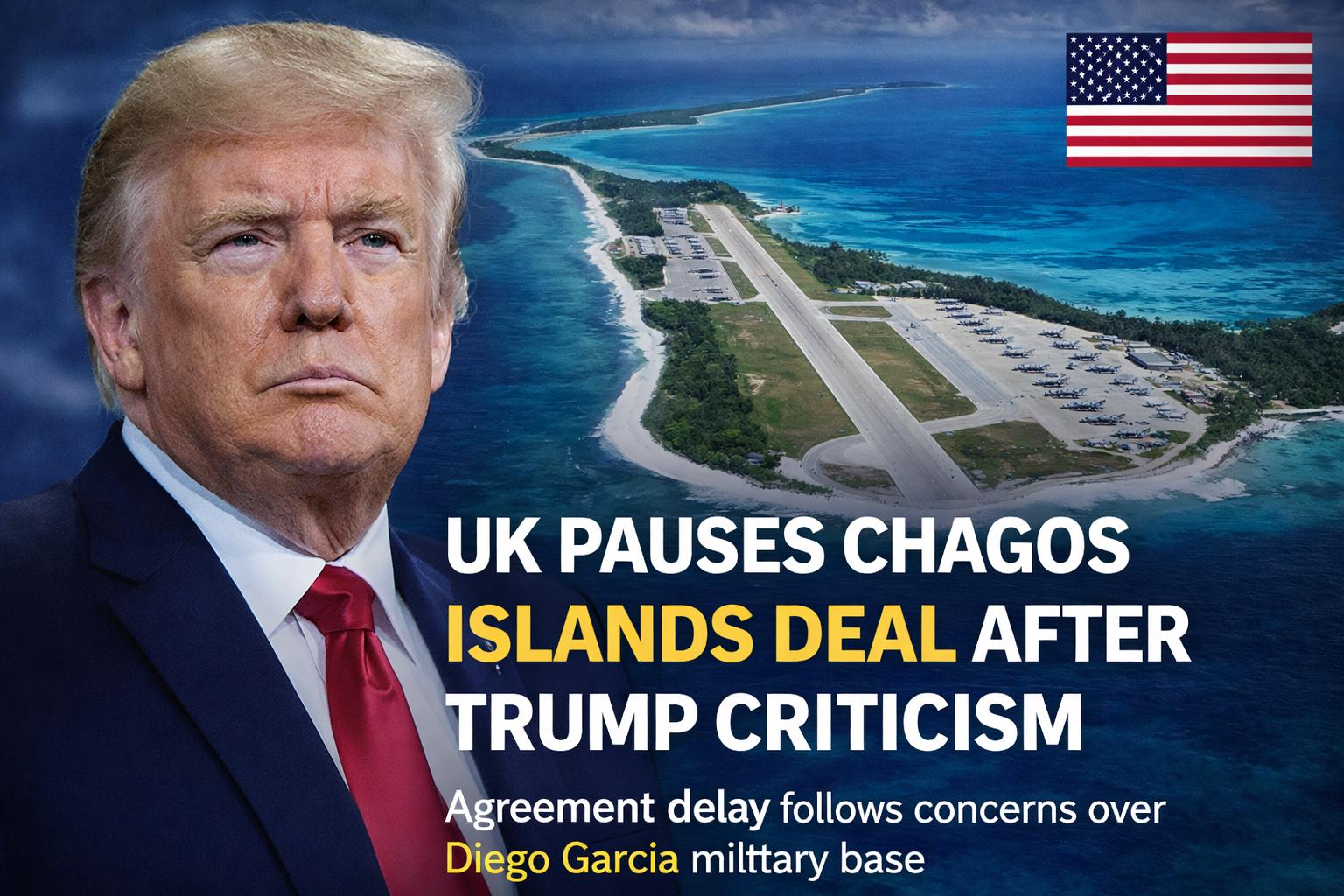
UK pauses Chagos Islands deal after Trump criticism over Diego Garcia
The United Kingdom has paused its plan to transfer control of the Chagos Islands to Mauritius following strong criticism from U.S. President Donald Trump, raising new uncertainty over the future of a key military base in the Indian Ocean. British Prime Minister Keir Starmer’s government has not abandoned the agreement but acknowledged delays in advancing the proposal through Parliament. Officials indicated there is insufficient time in the current legislative session to formalize
UK pauses Chagos Islands deal after Trump criticism over Diego Garcia
The United Kingdom has paused its plan to transfer control of the Chagos Islands to Mauritius following strong criticism from U.S. President Donald Trump, raising new uncertainty over the future of a key military base in the Indian Ocean. British Prime Minister Keir Starmer’s government has not abandoned the agreement but acknowledged delays in advancing the proposal through Parliament. Officials indicated there is insufficient time in the current legislative session to formalize
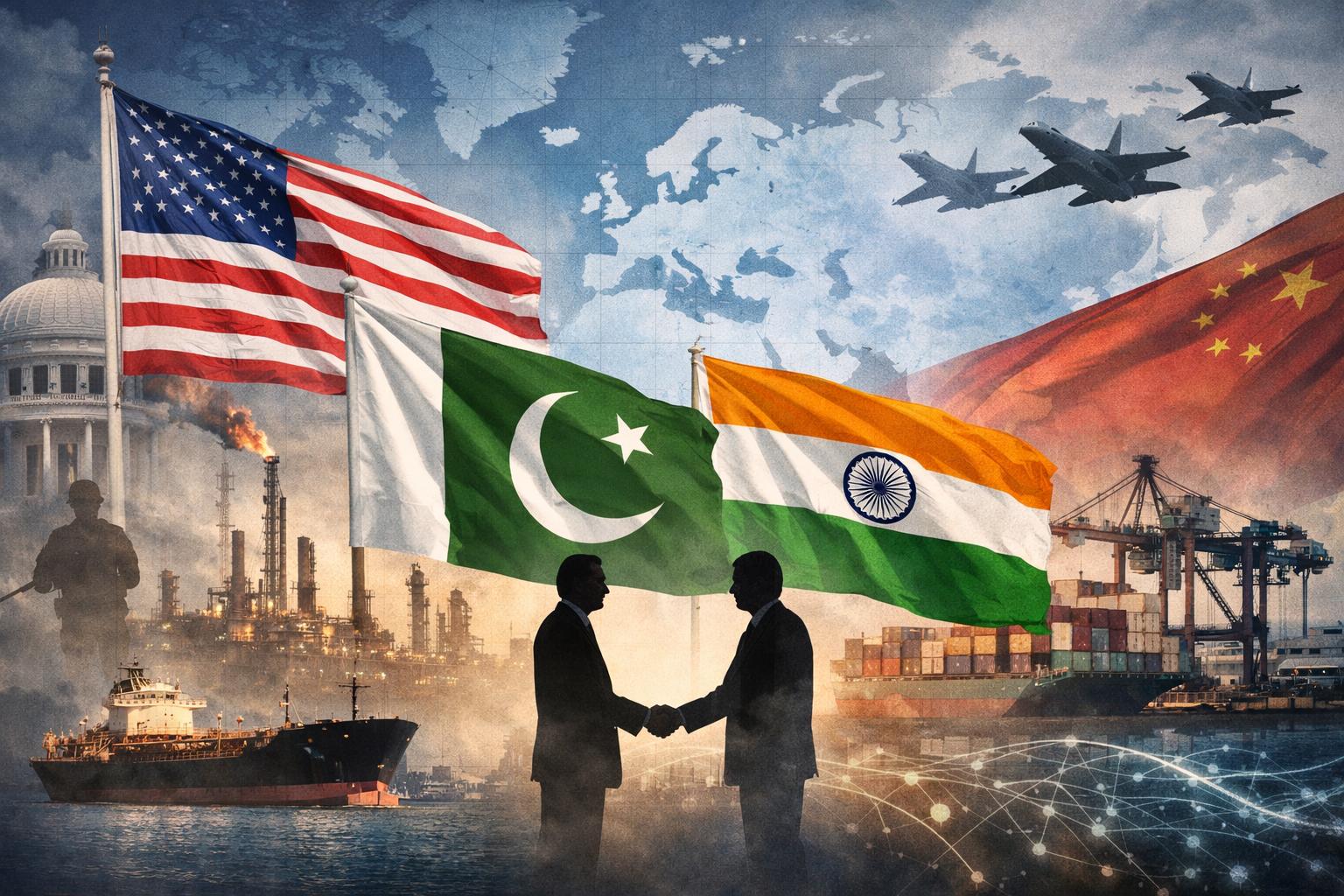
US-India ties face strategic reality as Pakistan plays facilitator role
The United States’ decision to engage Pakistan as a facilitator in a recent two-week ceasefire has sparked debate in India, but analysts say the move reflects broader strategic calculations rather than a slight against New Delhi. The discussion over why India was not selected overlooks the evolving nature of global power dynamics, where decisions are driven less by status and more by immediate geopolitical utility. In today’s international system, major powers—including the U
US-India ties face strategic reality as Pakistan plays facilitator role
The United States’ decision to engage Pakistan as a facilitator in a recent two-week ceasefire has sparked debate in India, but analysts say the move reflects broader strategic calculations rather than a slight against New Delhi. The discussion over why India was not selected overlooks the evolving nature of global power dynamics, where decisions are driven less by status and more by immediate geopolitical utility. In today’s international system, major powers—including the U
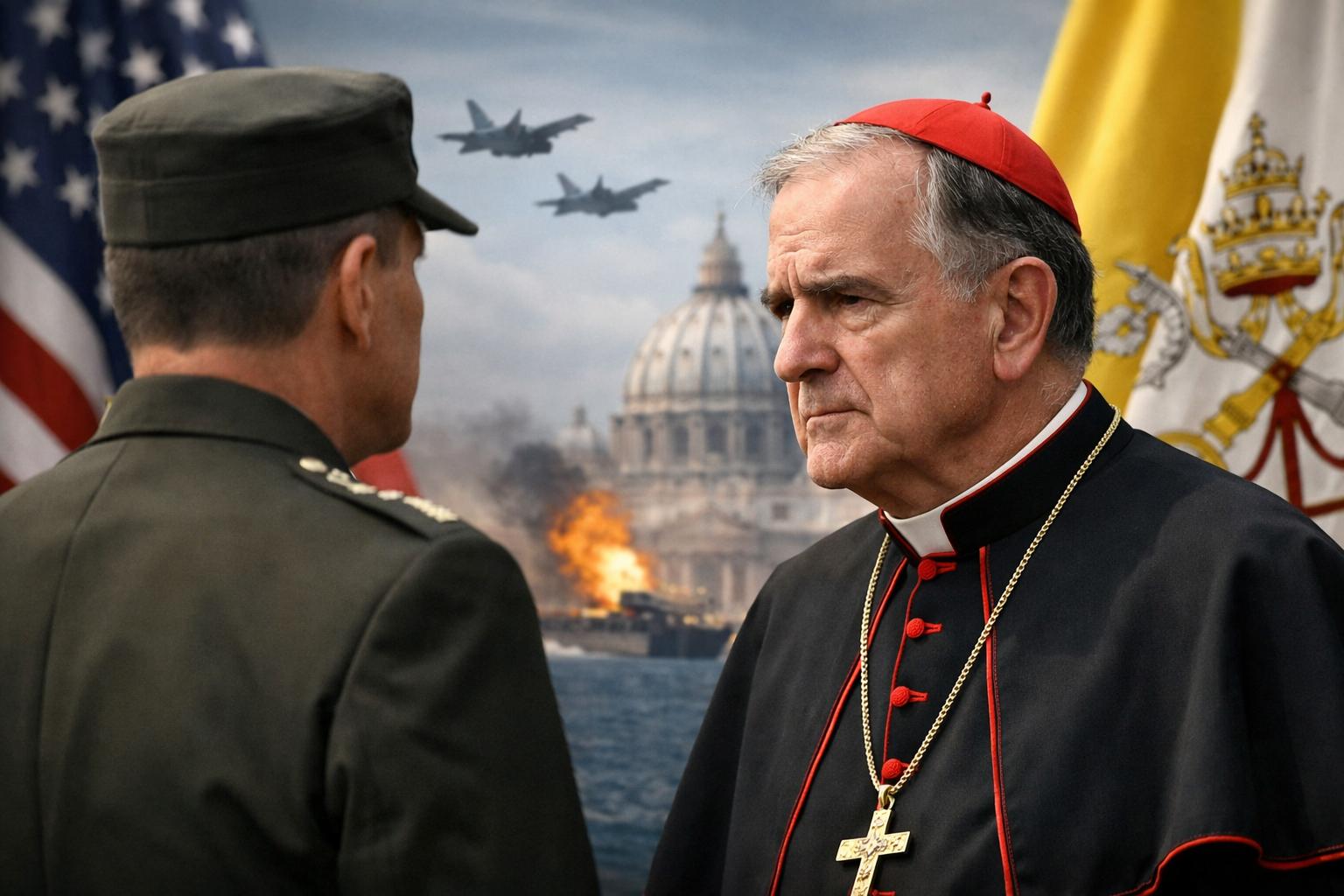
Pentagon and Vatican clash over disputed meeting amid Iran war tensions
A meeting between officials from the U.S. Department of Defense and the Vatican has drawn scrutiny after sharply conflicting accounts emerged, raising questions about diplomatic tensions between Washington and the Holy See during an escalating global crisis. According to a source close to Pope Leo XIV, the meeting involving Cardinal Christophe Pierre was described as confrontational. Separate reports characterized the exchange as a stern warning emphasizing U.S. military strength and urging alignment with American policy. However, Pentagon officials strongly disputed that portrayal, stating the discussion was respectful and constructive, underscoring a commitment to continued dialogue with the Vatican. Adding to the conflicting narratives, Vatican ambassador Brian Burch stated on Thursday that Cardinal Pierre rejected media reports describing the meeting as hostile, calling them fabricated. He said the meeting, which occurred two months earlier, was “frank and cordial,” suggesting that accounts of tension may have been overstated. The dispute comes amid increasingly pointed remarks from Pope Leo XIV, the first U.S.-born pontiff from Chicago, who has taken an unusually direct stance on the ongoing conflict involving Iran. On Tuesday, the pope criticized U.S. President Donald Trump’s warning of severe consequences for Iran, calling such rhetoric “truly unacceptable” and warning that attacks on civilian infrastructure violate international law. In recent appeals, Leo has urged global leaders and citizens to pursue peace and avoid further escalation, particularly in a conflict he described as unjust and destabilizing. He also encouraged individuals to contact political leaders and advocate against actions targeting civilians, emphasizing the moral and legal implications of such strategies. The Vatican’s concerns extend beyond Iran, particularly to Lebanon, where renewed fighting involving Israeli forces and Hezbollah has intensified instability. Church officials have expressed alarm over the impact on Christian communities in southern Lebanon, which hold significant importance for the region’s religious presence. The broader geopolitical situation remains fragile. A ceasefire related to the Iran conflict appeared uncertain after Iran moved to close the Strait of Hormuz following Israeli strikes in Lebanon, prompting renewed calls from the White House to maintain open waterways and continue peace negotiations. While both the Pentagon and Vatican have emphasized the importance of ongoing dialogue, the divergence in accounts surrounding their recent meeting highlights the complexity of diplomatic relations during a period of heightened global tension.
Pentagon and Vatican clash over disputed meeting amid Iran war tensions
A meeting between officials from the U.S. Department of Defense and the Vatican has drawn scrutiny after sharply conflicting accounts emerged, raising questions about diplomatic tensions between Washington and the Holy See during an escalating global crisis. According to a source close to Pope Leo XIV, the meeting involving Cardinal Christophe Pierre was described as confrontational. Separate reports characterized the exchange as a stern warning emphasizing U.S. military strength and urging alignment with American policy. However, Pentagon officials strongly disputed that portrayal, stating the discussion was respectful and constructive, underscoring a commitment to continued dialogue with the Vatican. Adding to the conflicting narratives, Vatican ambassador Brian Burch stated on Thursday that Cardinal Pierre rejected media reports describing the meeting as hostile, calling them fabricated. He said the meeting, which occurred two months earlier, was “frank and cordial,” suggesting that accounts of tension may have been overstated. The dispute comes amid increasingly pointed remarks from Pope Leo XIV, the first U.S.-born pontiff from Chicago, who has taken an unusually direct stance on the ongoing conflict involving Iran. On Tuesday, the pope criticized U.S. President Donald Trump’s warning of severe consequences for Iran, calling such rhetoric “truly unacceptable” and warning that attacks on civilian infrastructure violate international law. In recent appeals, Leo has urged global leaders and citizens to pursue peace and avoid further escalation, particularly in a conflict he described as unjust and destabilizing. He also encouraged individuals to contact political leaders and advocate against actions targeting civilians, emphasizing the moral and legal implications of such strategies. The Vatican’s concerns extend beyond Iran, particularly to Lebanon, where renewed fighting involving Israeli forces and Hezbollah has intensified instability. Church officials have expressed alarm over the impact on Christian communities in southern Lebanon, which hold significant importance for the region’s religious presence. The broader geopolitical situation remains fragile. A ceasefire related to the Iran conflict appeared uncertain after Iran moved to close the Strait of Hormuz following Israeli strikes in Lebanon, prompting renewed calls from the White House to maintain open waterways and continue peace negotiations. While both the Pentagon and Vatican have emphasized the importance of ongoing dialogue, the divergence in accounts surrounding their recent meeting highlights the complexity of diplomatic relations during a period of heightened global tension.
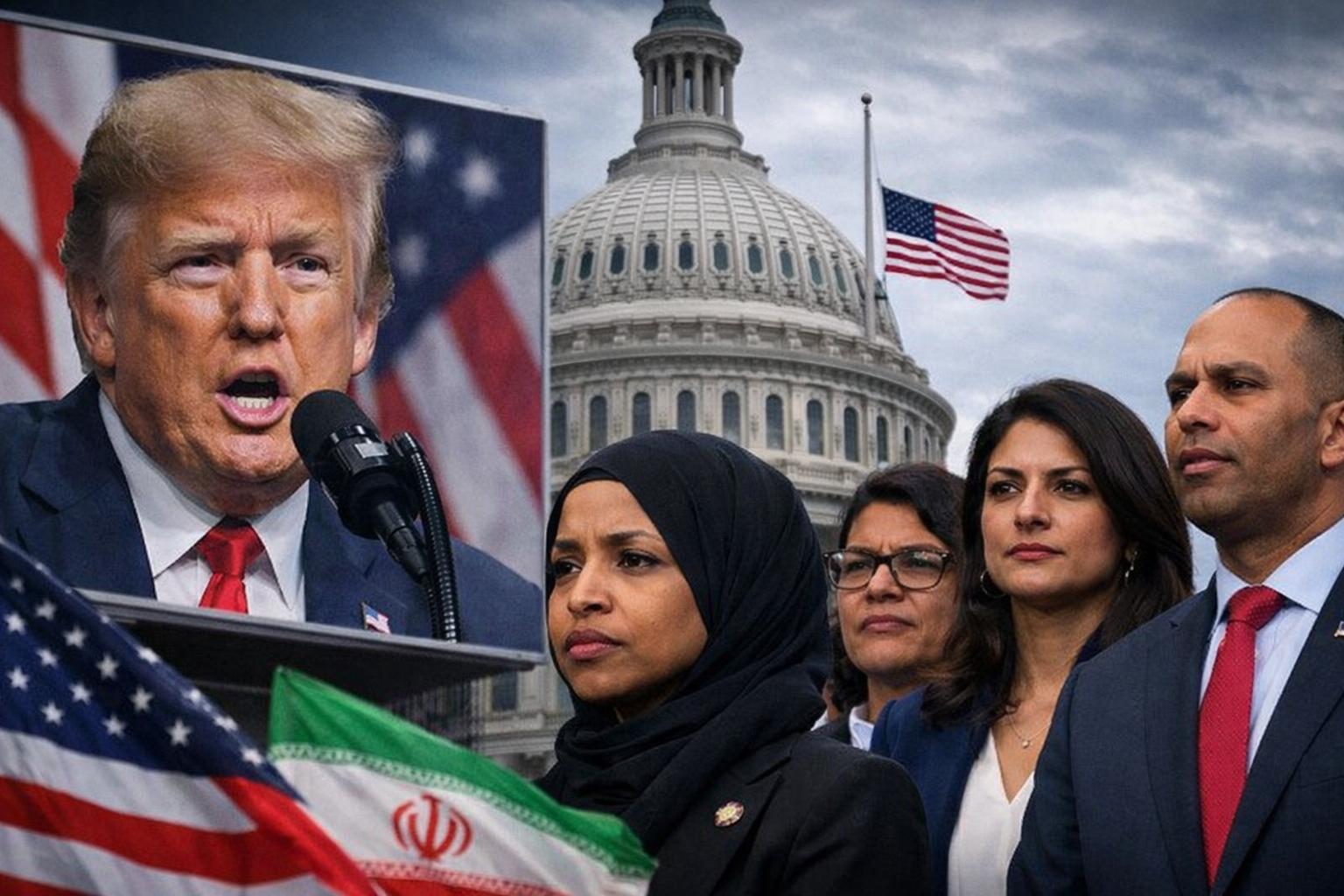
Democrats intensify calls for Trump removal after Iran threat post
Calls for President Donald Trump’s removal from office intensified among congressional Democrats following a controversial social media post in which he warned that “a whole civilization will die tonight” in reference to Iran. The statement, made on Easter Sunday, has fueled renewed debate in Washington over the use of impeachment or the 25th Amendment, marking a significant shift from earlier reluctance to pursue such measures during his second term. Democratic lawmakers cite
Democrats intensify calls for Trump removal after Iran threat post
Calls for President Donald Trump’s removal from office intensified among congressional Democrats following a controversial social media post in which he warned that “a whole civilization will die tonight” in reference to Iran. The statement, made on Easter Sunday, has fueled renewed debate in Washington over the use of impeachment or the 25th Amendment, marking a significant shift from earlier reluctance to pursue such measures during his second term. Democratic lawmakers cite
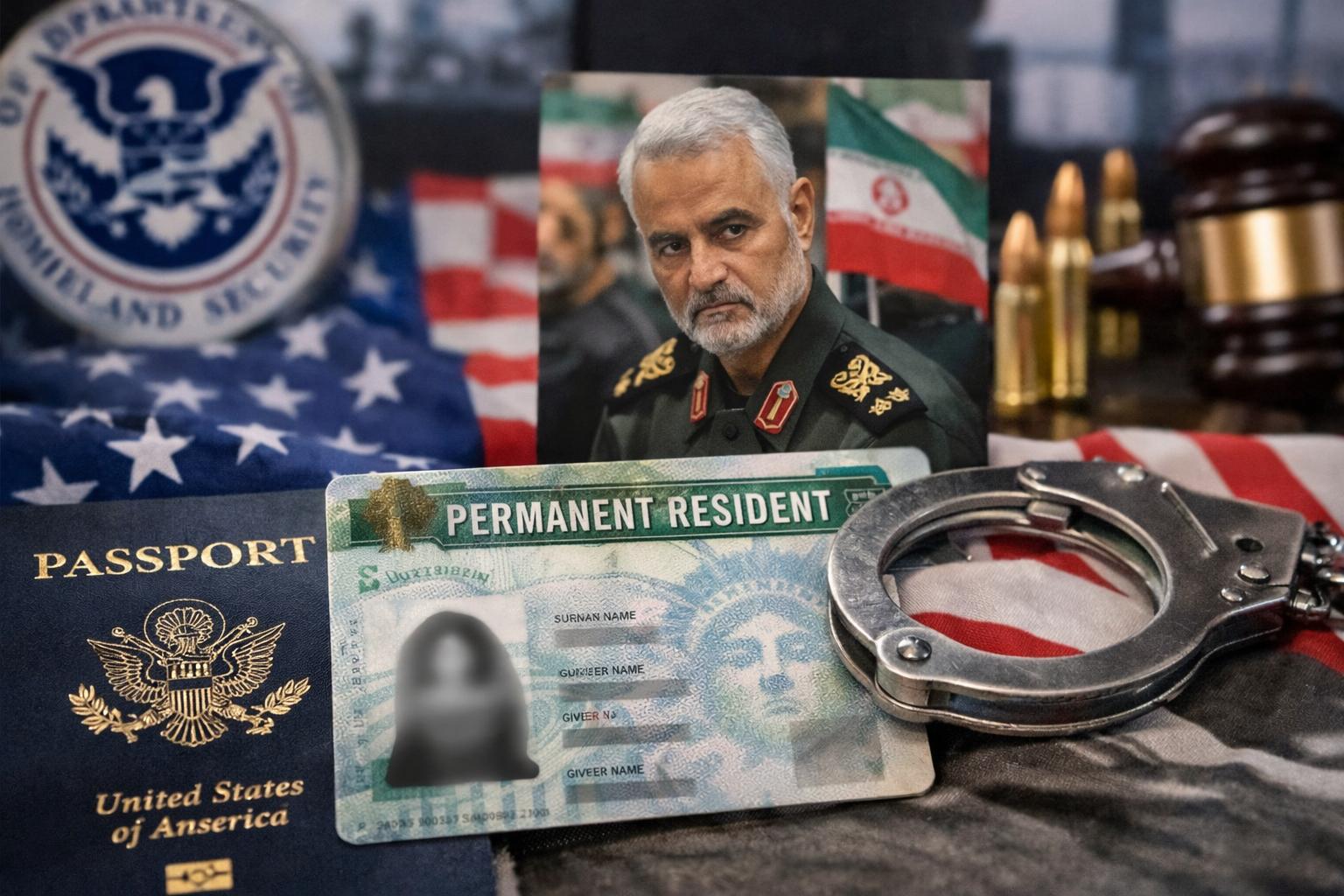
US revokes green cards of Iran-linked individuals, detains Soleimani relatives
United States authorities have revoked green cards and detained several individuals allegedly linked to Iran, including relatives of former Iranian military commander Qassem Soleimani, in a move reflecting heightened national security scrutiny. According to Reuters, the arrests were carried out on Friday, April 3, 2026 (local US time), with officials publicly confirming the action on Saturday, April 4, 2026. The enforcement actions were conducted under existing immigration and nati
US revokes green cards of Iran-linked individuals, detains Soleimani relatives
United States authorities have revoked green cards and detained several individuals allegedly linked to Iran, including relatives of former Iranian military commander Qassem Soleimani, in a move reflecting heightened national security scrutiny. According to Reuters, the arrests were carried out on Friday, April 3, 2026 (local US time), with officials publicly confirming the action on Saturday, April 4, 2026. The enforcement actions were conducted under existing immigration and nati
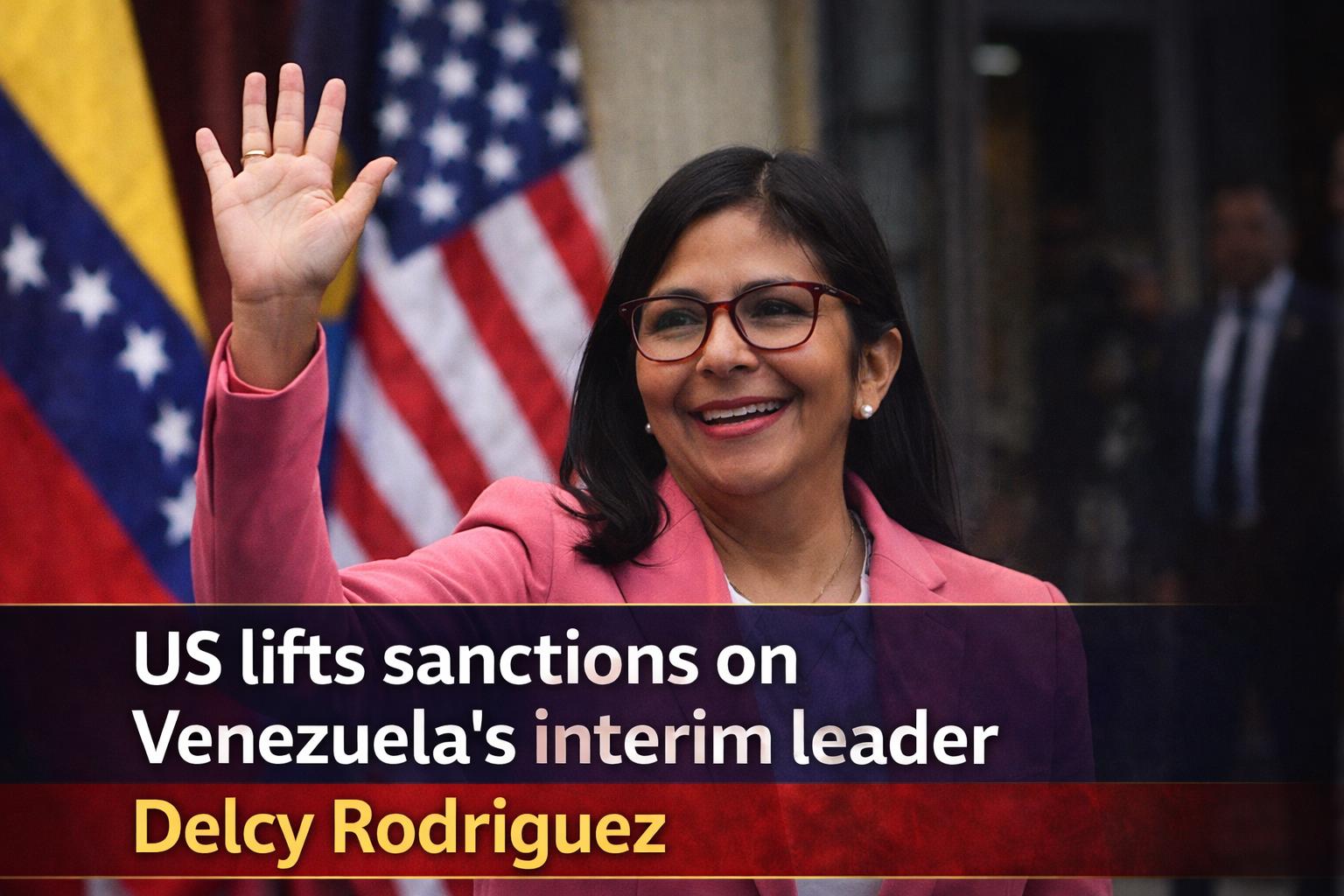
US lifts sanctions on Venezuela’s interim leader Delcy Rodríguez
The United States has lifted sanctions on Venezuela’s interim president Delcy Rodríguez, signaling a significant shift in diplomatic relations between the two countries. The decision follows a series of developments after US forces removed former leader Nicolás Maduro from power in a military operation in Caracas and brought him to New York to face drug trafficking charges. Rodríguez, a longtime ally of Maduro and former vice president, had been under US sanctions since 2018 ov
US lifts sanctions on Venezuela’s interim leader Delcy Rodríguez
The United States has lifted sanctions on Venezuela’s interim president Delcy Rodríguez, signaling a significant shift in diplomatic relations between the two countries. The decision follows a series of developments after US forces removed former leader Nicolás Maduro from power in a military operation in Caracas and brought him to New York to face drug trafficking charges. Rodríguez, a longtime ally of Maduro and former vice president, had been under US sanctions since 2018 ov
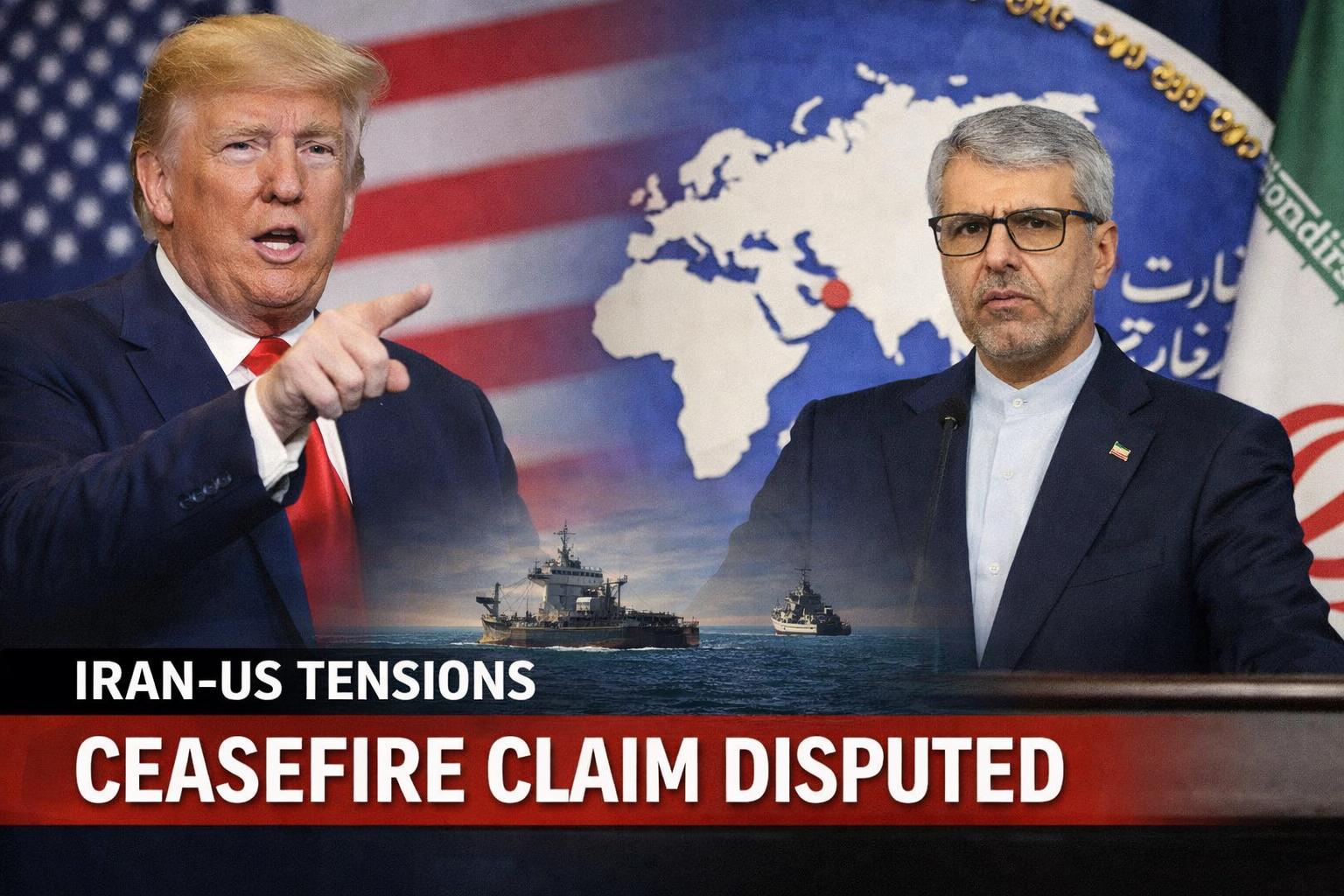
Iran denies ceasefire request claim made by Donald Trump
Iran has firmly rejected claims that it sought a ceasefire with the United States, calling recent remarks by U.S. President Donald Trump “false and baseless.” The statement was issued by Iran’s foreign ministry spokesman Esmaeil Baqaei and broadcast on Iranian state television, amid heightened geopolitical tensions in the Middle East. Trump had earlier stated on his social media platform that Iran had requested a ceasefire, referring to what he described as the country’s “new regime president,” though he did not provide a name. He added that any consideration of a ceasefire would depend on the Strait of Hormuz being “open, free, and clear,” highlighting the strategic importance of the waterway. Iran’s foreign ministry swiftly denied the claim, emphasizing that no such request had been made to Washington. Officials described the statement as misleading and reiterated that there are currently no ceasefire negotiations underway between the two nations. The response underscores the strained relationship between Iran and the United States, particularly at a time when tensions surrounding the Strait of Hormuz remain elevated. The Strait of Hormuz is a critical global shipping route through which a significant portion of the world’s oil supply passes. Any disruption in this region can have immediate and far-reaching effects on global energy markets and international trade. Recent developments have already contributed to concerns about oil supply stability and rising fuel costs. The conflicting statements from both sides reflect the broader uncertainty surrounding the current geopolitical climate. While Trump’s comments suggested the possibility of diplomatic engagement, Iran’s denial indicates that no formal communication regarding a ceasefire has taken place. As tensions continue to unfold, the situation remains closely monitored by governments and analysts worldwide. The absence of confirmed negotiations highlights the fragile nature of U.S.-Iran relations and the ongoing challenges in achieving stability in the region.
Iran denies ceasefire request claim made by Donald Trump
Iran has firmly rejected claims that it sought a ceasefire with the United States, calling recent remarks by U.S. President Donald Trump “false and baseless.” The statement was issued by Iran’s foreign ministry spokesman Esmaeil Baqaei and broadcast on Iranian state television, amid heightened geopolitical tensions in the Middle East. Trump had earlier stated on his social media platform that Iran had requested a ceasefire, referring to what he described as the country’s “new regime president,” though he did not provide a name. He added that any consideration of a ceasefire would depend on the Strait of Hormuz being “open, free, and clear,” highlighting the strategic importance of the waterway. Iran’s foreign ministry swiftly denied the claim, emphasizing that no such request had been made to Washington. Officials described the statement as misleading and reiterated that there are currently no ceasefire negotiations underway between the two nations. The response underscores the strained relationship between Iran and the United States, particularly at a time when tensions surrounding the Strait of Hormuz remain elevated. The Strait of Hormuz is a critical global shipping route through which a significant portion of the world’s oil supply passes. Any disruption in this region can have immediate and far-reaching effects on global energy markets and international trade. Recent developments have already contributed to concerns about oil supply stability and rising fuel costs. The conflicting statements from both sides reflect the broader uncertainty surrounding the current geopolitical climate. While Trump’s comments suggested the possibility of diplomatic engagement, Iran’s denial indicates that no formal communication regarding a ceasefire has taken place. As tensions continue to unfold, the situation remains closely monitored by governments and analysts worldwide. The absence of confirmed negotiations highlights the fragile nature of U.S.-Iran relations and the ongoing challenges in achieving stability in the region.










