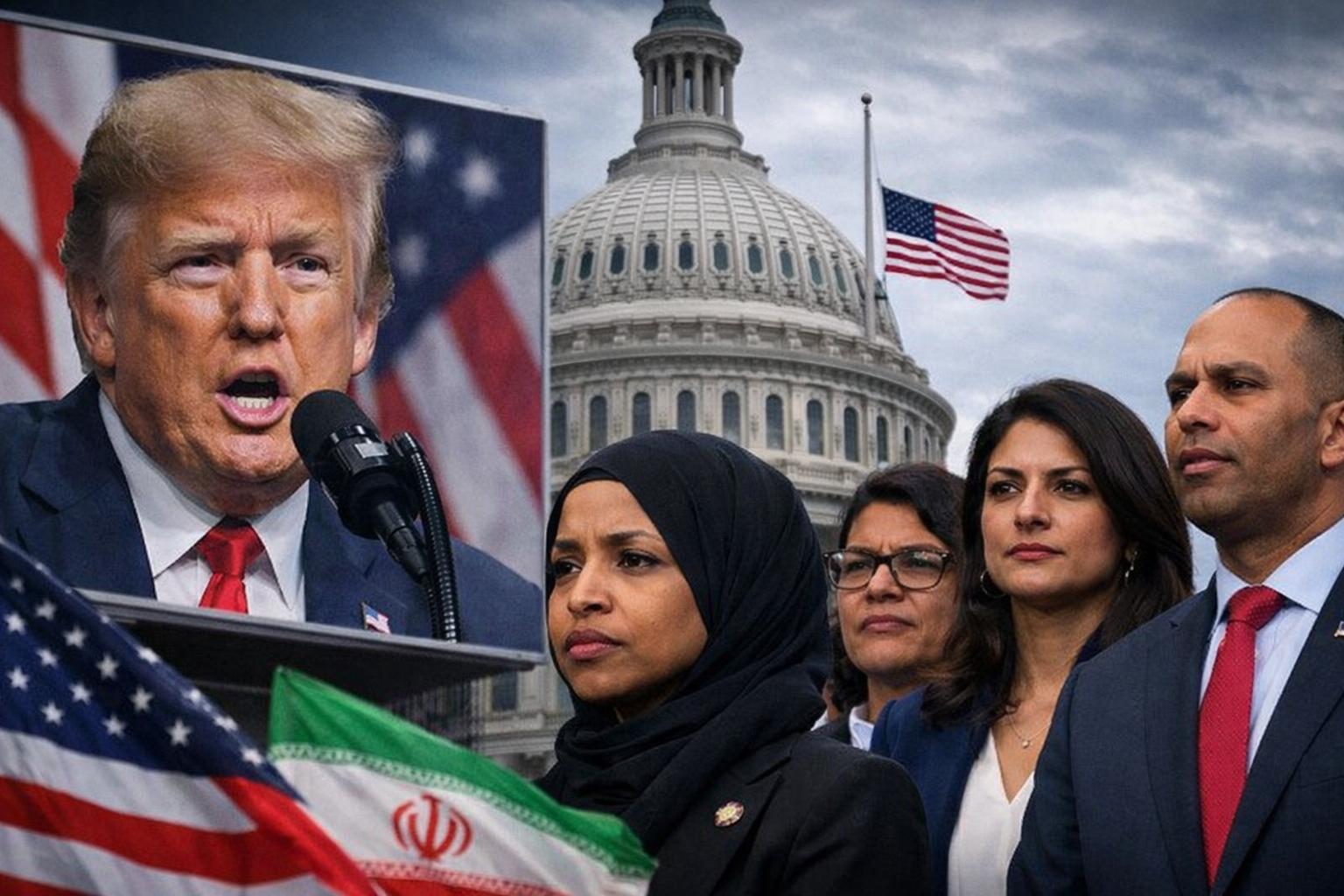
Calls for President Donald Trump’s removal from office intensified among congressional Democrats following a controversial social media post in which he warned that “a whole civilization will die tonight” in reference to Iran. The statement, made on Easter Sunday, has fueled renewed debate in Washington over the use of impeachment or the 25th Amendment, marking a significant shift from earlier reluctance to pursue such measures during his second term.
Democratic lawmakers cited growing concerns over foreign policy decisions, including recent U.S. military actions in Venezuela and escalating rhetoric toward Iran, as justification for considering constitutional options. Representative Yassamin Ansari of Arizona, who leads House Democrats’ freshman class, urged the administration’s Cabinet to act, arguing that the situation poses risks to U.S. troops, global stability, and constitutional norms.
Several lawmakers echoed similar concerns. Representative Ilhan Omar of Minnesota publicly called for immediate action, while others, including Representatives Mark Pocan, Rashida Tlaib, Diana DeGette, Shri Thanedar, and Sydney Kamlager-Dove, specifically advocated invoking the 25th Amendment. That provision allows the vice president and a majority of the Cabinet to declare a president unfit to carry out official duties, though permanent removal would require approval by a two-thirds majority in both chambers of Congress.
At the same time, a broader group of Democrats, including Senator Ed Markey and Representatives Nikema Williams and Delia Ramirez, renewed calls for impeachment proceedings. Lawmakers are reportedly exploring coordinated strategies, including potential votes and formal appeals to Cabinet officials.
House Minority Leader Hakeem Jeffries has prioritized a forthcoming vote on war powers related to Iran, reflecting wider concerns about executive authority in military engagements. Meanwhile, responses from Republicans remain divided. Some have defended the president’s approach as part of a broader negotiation strategy, while others have expressed openness to constitutional remedies.
The White House dismissed the criticism, characterizing Democratic efforts as politically motivated. Despite mounting pressure, Democrats acknowledge that any successful removal effort would require substantial bipartisan support, presenting a significant political challenge in a deeply polarized Congress.