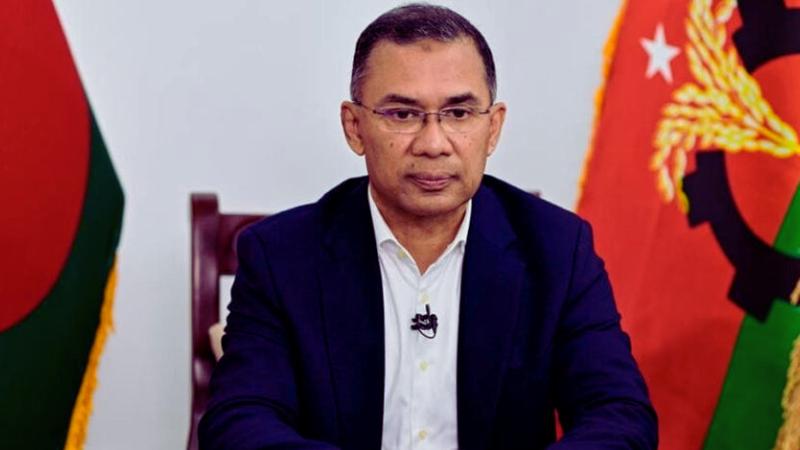
On March 25, 2026, Bangladesh Prime Minister Tarique Rahman marked Genocide Day with a powerful message that signaled a clear shift from the softer approach to Pakistan observed during the previous interim government under Muhammad Yunus. Rahman’s remarks were made on social media, describing March 25, 1971, as "one of the most disgraceful and brutal days" in the country's history, highlighting the atrocities carried out by Pakistani forces during Operation Searchlight. Rahman recounted how Pakistani military forces perpetrated a mass genocide targeting unarmed civilians, intellectuals, and police, particularly in Dhaka University and other key locations, reaffirming the pre-planned nature of the killings.
This statement sharply contrasts with the policy under Yunus' caretaker government, which had been criticized for softening the historical narrative of Pakistan’s role in the 1971 Liberation War. Under Yunus, Bangladesh had made efforts to repair relations with Pakistan, including resuming direct flights between Dhaka and Karachi after a 14-year break. Additionally, the National Curriculum and Textbook Board (NCTB) had revised textbooks, crediting Ziaur Rahman, rather than Sheikh Mujibur Rahman, with declaring Bangladesh's independence. Critics accused these moves of attempting to dilute the historical memory of the mass atrocities committed by Pakistani forces and India's crucial role in the Liberation War.
Rahman’s stance is consistent with his broader "Bangladesh First" policy, which seeks to position Bangladesh in a balanced, non-aligned role, not overly dependent on any regional power, including Pakistan, India, or China. The message, therefore, signals Bangladesh’s intent to maintain a distance from Pakistan while focusing on its own national interests and regional dynamics. This shift also aligns with Rahman's promises to protect minority rights, ensure democratic governance, and foster an inclusive Bangladesh, which has been well received by neighboring India.
Rahman’s use of Genocide Day to reinforce the horrors of 1971 also highlights his government’s commitment to remembering the past accurately and honoring the sacrifices made during the Liberation War. This marks a definitive move away from the attempts to soften the narrative under Yunus and projects a stronger, independent national identity in Bangladesh’s foreign policy.