Israeli Prime Minister Benjamin Netanyahu has warned that Israel has indications its enemies could attempt an attack before the October 27 election, triggering demands from opposition leaders for more information about the threat. Netanyahu did not identify any country or armed group behind the warning.
Security briefing
Netanyahu made the remarks during a September 29 visit to the Tel Nof air base. In a video released from the base, he
Israeli Prime Minister Benjamin Netanyahu has warned that Israel has indications its enemies could attempt an attack before the October 27 election, triggering demands from opposition leaders for more information about the threat. Netanyahu did not identify any country or armed group behind the warning.
Security briefing
Netanyahu made the remarks during a September 29 visit to the Tel Nof air base. In a video released from the base, he
Iranian officials say security concerns explain the Mojtaba Khamenei absence that has continued since he became Iran's Supreme Leader in March. Foreign Minister Abbas Araghchi says Khamenei remains involved in Iran leadership decisions despite making no confirmed public appearance since his appointment.
Security concerns
Araghchi has attributed Khamenei's limited public visibility to security risks created by the continuing confrontation
Iranian officials say security concerns explain the Mojtaba Khamenei absence that has continued since he became Iran's Supreme Leader in March. Foreign Minister Abbas Araghchi says Khamenei remains involved in Iran leadership decisions despite making no confirmed public appearance since his appointment.
Security concerns
Araghchi has attributed Khamenei's limited public visibility to security risks created by the continuing confrontation
Trump rejects Iran ceasefire as Washington and Tehran remain locked between military pressure and diplomacy. US officials familiar with the discussions said the seven-day proposal linked nuclear talks, Hormuz access and the blockade to a temporary pause, while tensions over possible future strikes continue.
Tensions remain high after ceasefire rejection
US President Donald Trump has rejected Ir
Trump rejects Iran ceasefire as Washington and Tehran remain locked between military pressure and diplomacy. US officials familiar with the discussions said the seven-day proposal linked nuclear talks, Hormuz access and the blockade to a temporary pause, while tensions over possible future strikes continue.
Tensions remain high after ceasefire rejection
US President Donald Trump has rejected Ir
US President Donald Trump says he is in a “deciding mode” over Iran as Washington weighs military action, economic pressure and possible diplomacy. His comments come as Tehran sets conditions for renewed negotiations, Houthi attacks heighten regional tensions and the Strait of Hormuz remains central to the dispute.
Trump weighs Iran m
US President Donald Trump says he is in a “deciding mode” over Iran as Washington weighs military action, economic pressure and possible diplomacy. His comments come as Tehran sets conditions for renewed negotiations, Houthi attacks heighten regional tensions and the Strait of Hormuz remains central to the dispute.
Trump weighs Iran m
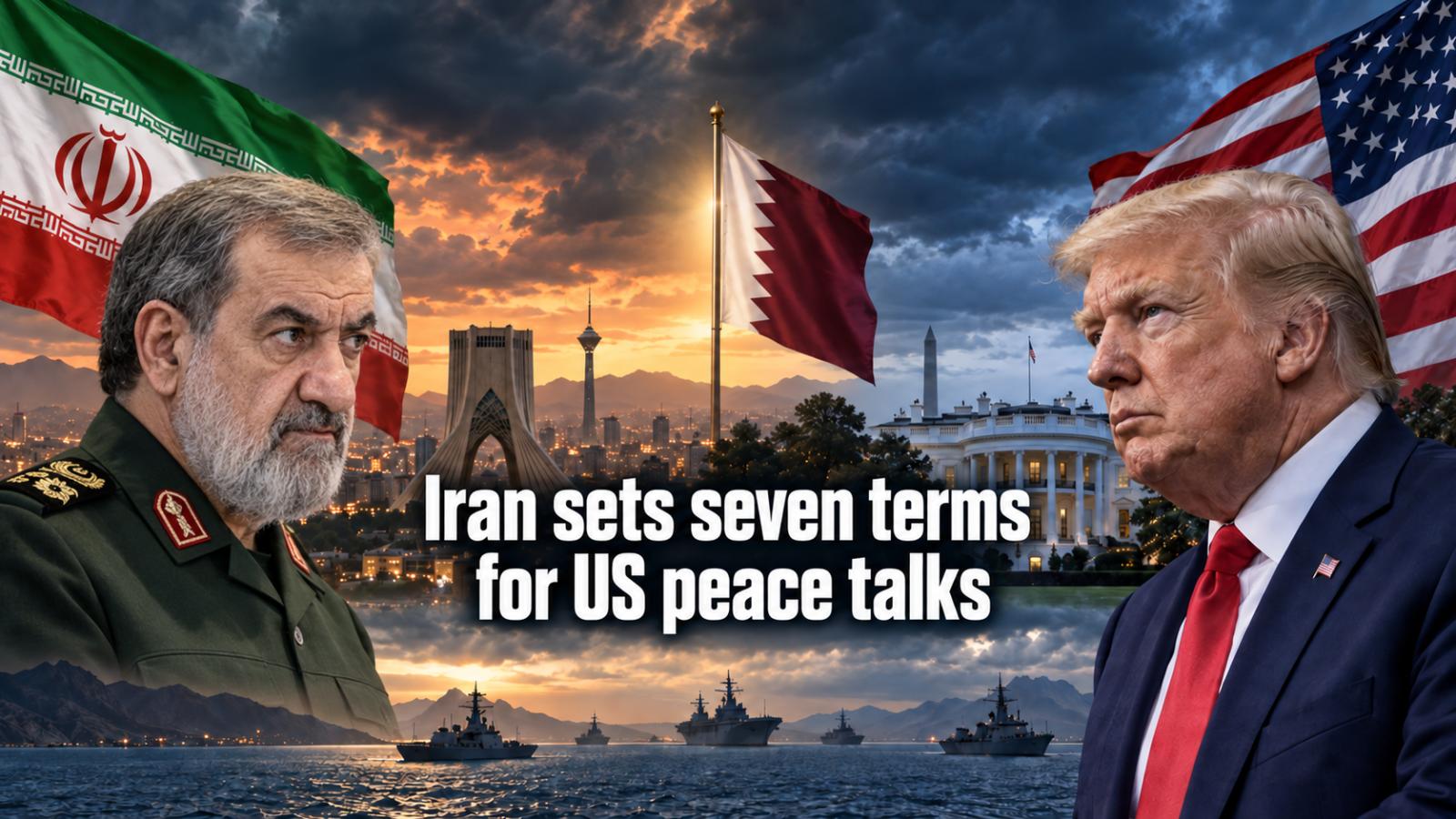
Iran has sent seven conditions to Washington through Qatar for reopening talks and ending the war, warning that it is ready for decisive conflict if its demands are rejected.
Iran sends conditions through Qatar
Mohsen Rezaei, secretary of Iran’s Supreme National Security Council, said Qatar had delivered Tehran’s conditions to Washington and Iran was awaiting President Donald Trump’s response. Rezaei named three demands: an end to fighting on all fronts,
Iran has sent seven conditions to Washington through Qatar for reopening talks and ending the war, warning that it is ready for decisive conflict if its demands are rejected.
Iran sends conditions through Qatar
Mohsen Rezaei, secretary of Iran’s Supreme National Security Council, said Qatar had delivered Tehran’s conditions to Washington and Iran was awaiting President Donald Trump’s response. Rezaei named three demands: an end to fighting on all fronts,
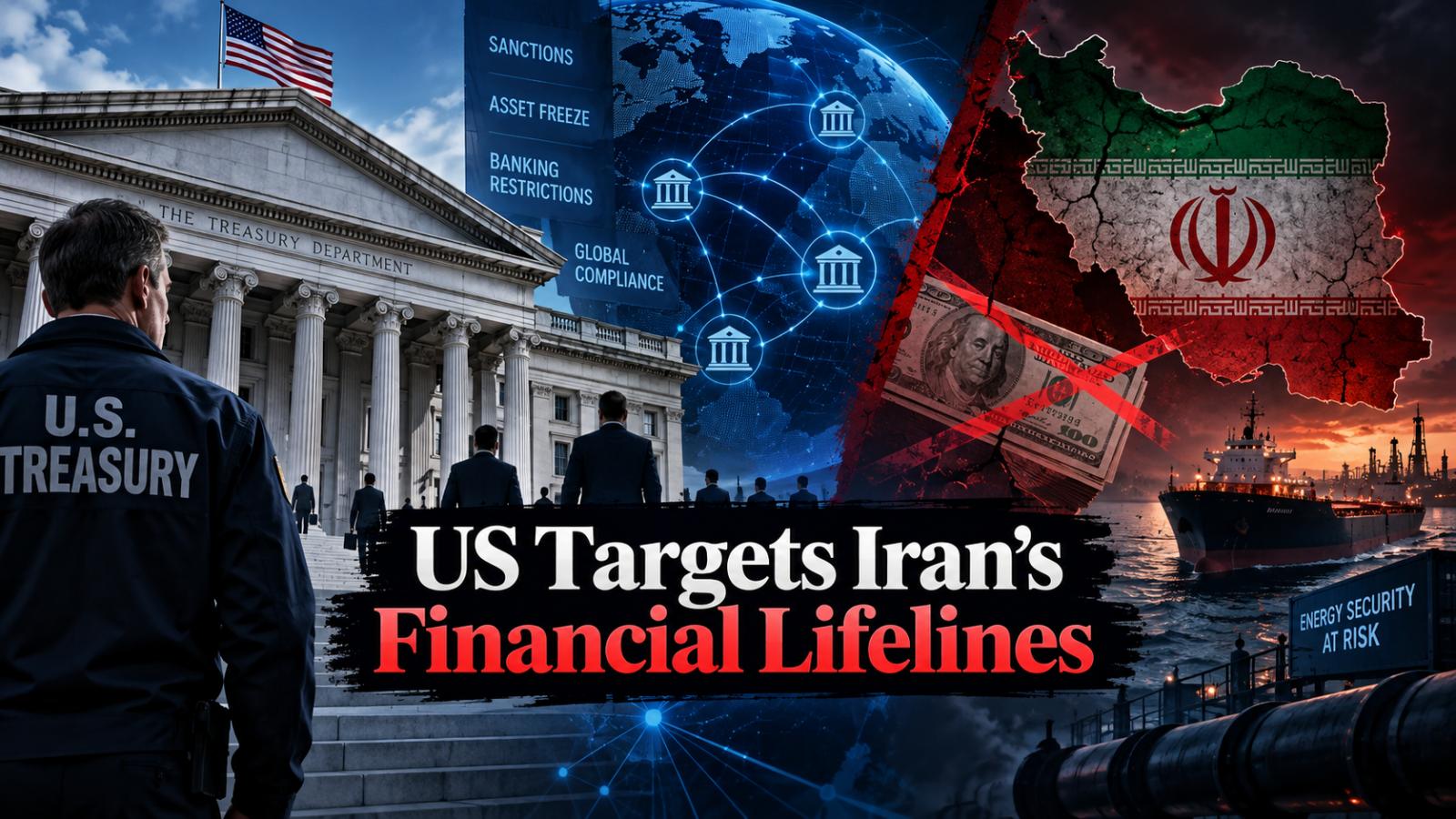
Operation Economic Outcast is expanding as the US Treasury works with global financial institutions to identify and disrupt revenue, banking and procurement networks linked to Iran. The campaign comes as Washington also warns that instability in the region could threaten global energy supplies.
Operation Economic Outcast targets Iran finance
The US Treasury said its Financial Crimes Enforcement Network convened global financial instituti
Operation Economic Outcast is expanding as the US Treasury works with global financial institutions to identify and disrupt revenue, banking and procurement networks linked to Iran. The campaign comes as Washington also warns that instability in the region could threaten global energy supplies.
Operation Economic Outcast targets Iran finance
The US Treasury said its Financial Crimes Enforcement Network convened global financial instituti
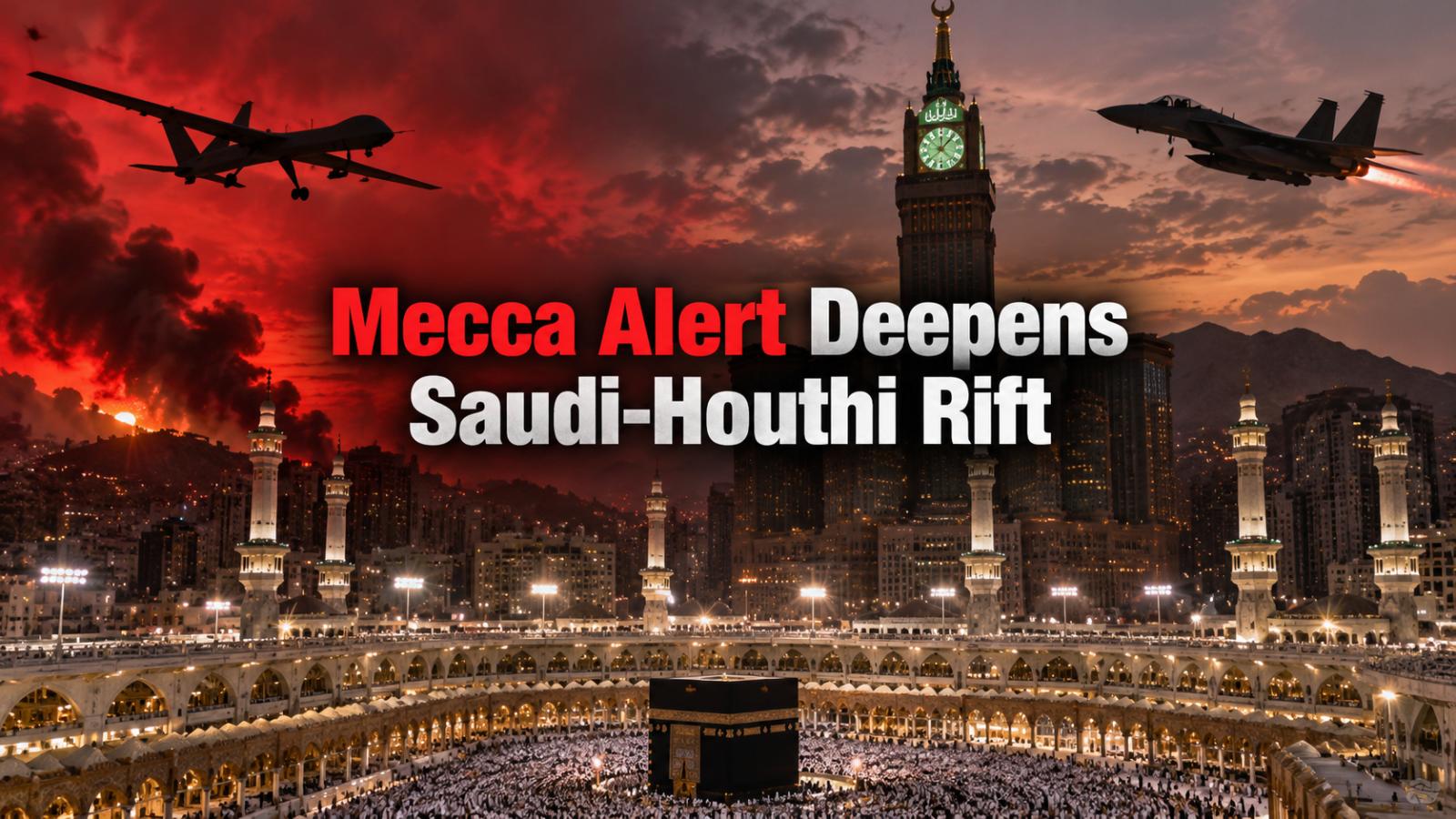
The Mecca drone row has intensified Saudi-Houthi tensions after Riyadh said its air defenses intercepted a drone approaching the holy city. The Houthis denied targeting Mecca and separately claimed they shot down a Saudi F-15 over Yemen’s Marib province.
Mecca drone row raises security concerns
Saudi Arabia condemned what it described as an attempt by Yemen’s Houthis to target Mecca after t
The Mecca drone row has intensified Saudi-Houthi tensions after Riyadh said its air defenses intercepted a drone approaching the holy city. The Houthis denied targeting Mecca and separately claimed they shot down a Saudi F-15 over Yemen’s Marib province.
Mecca drone row raises security concerns
Saudi Arabia condemned what it described as an attempt by Yemen’s Houthis to target Mecca after t
A major Hezbollah tunnel blast in southern Lebanon sent shockwaves across Nabatieh after Israeli forces detonated explosives beneath the Ali al-Taher ridge. The operation destroyed underground infrastructure that Israel said had been used by Hezbollah for command, weapons storage and attacks near the border.
Ali Taher blast shakes southern Lebanon
The Ali Taher blast took place on September 10
A major Hezbollah tunnel blast in southern Lebanon sent shockwaves across Nabatieh after Israeli forces detonated explosives beneath the Ali al-Taher ridge. The operation destroyed underground infrastructure that Israel said had been used by Hezbollah for command, weapons storage and attacks near the border.
Ali Taher blast shakes southern Lebanon
The Ali Taher blast took place on September 10
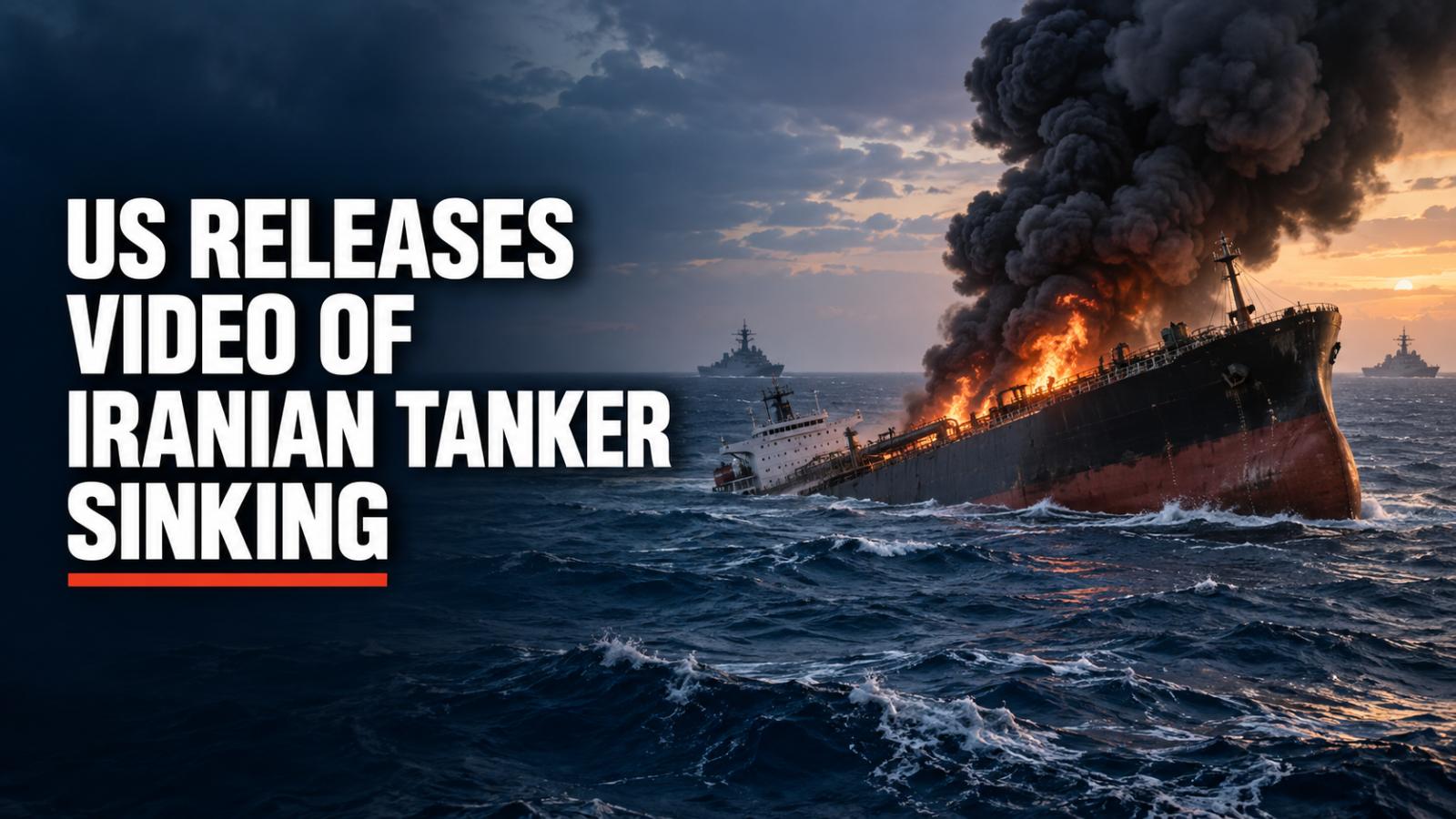
CENTCOM released footage on Sunday, September 6, 2026, showing the M/T Kylo burning and sinking in the Gulf of Oman after a US strike. The incident followed US attacks on three Iranian tankers and intensified fears over regional shipping and oil trade.
United States Central Command has released video showing the M/T Kylo, an Iranian-linked oil tanker also known as the Noxen, burning and sinking in the Gulf of Oman followi
CENTCOM released footage on Sunday, September 6, 2026, showing the M/T Kylo burning and sinking in the Gulf of Oman after a US strike. The incident followed US attacks on three Iranian tankers and intensified fears over regional shipping and oil trade.
United States Central Command has released video showing the M/T Kylo, an Iranian-linked oil tanker also known as the Noxen, burning and sinking in the Gulf of Oman followi
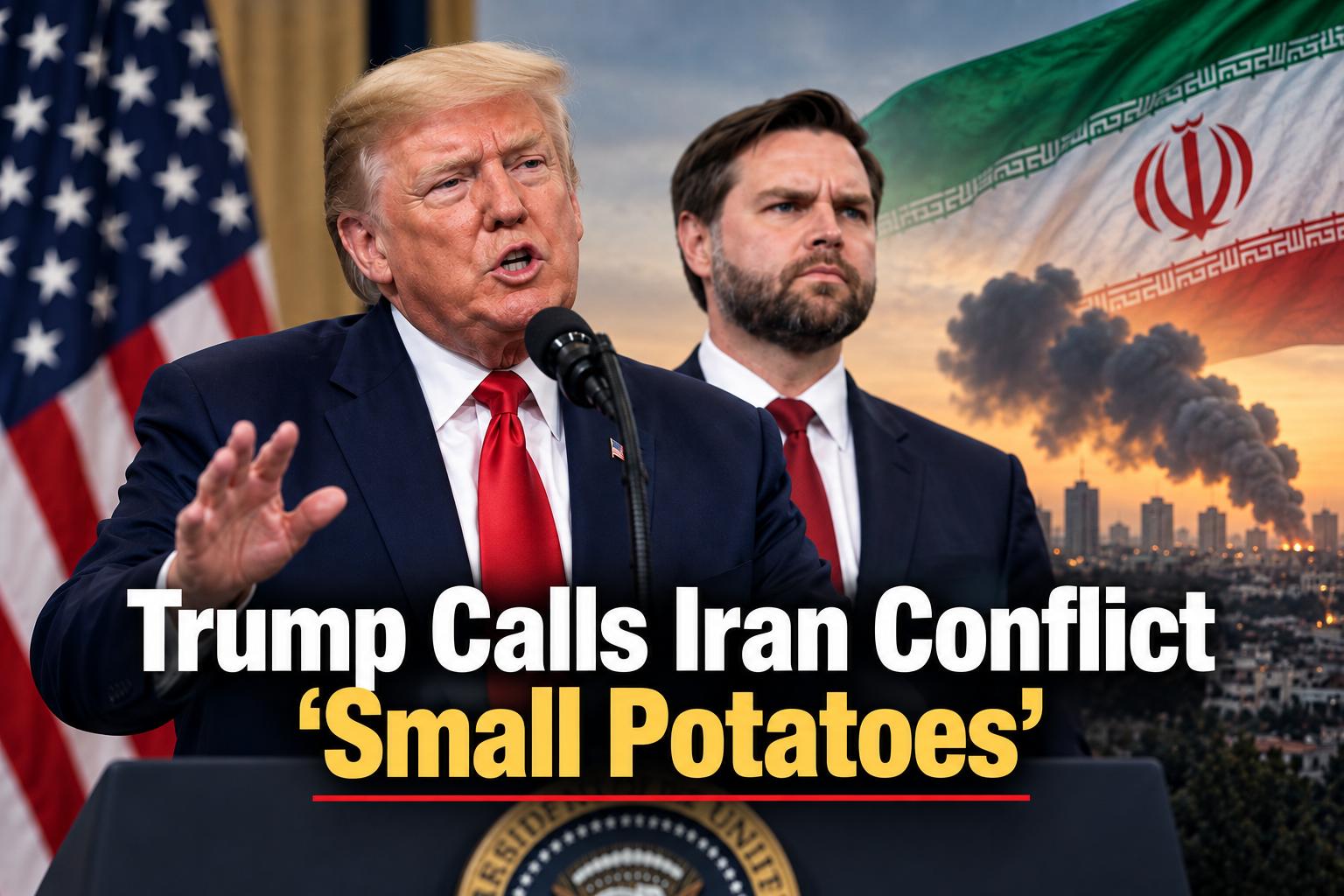
U.S. President Donald Trump has played down the six-month conflict with Iran, calling it “small potatoes” for the United States while backing Vice President JD Vance’s view that the continuing hostilities should not necessarily be described as a war.
Trump Calls Iran Conflict ‘Small Potatoes’
Speaking to reporters in the Oval Office on September 4, Trump said he
U.S. President Donald Trump has played down the six-month conflict with Iran, calling it “small potatoes” for the United States while backing Vice President JD Vance’s view that the continuing hostilities should not necessarily be described as a war.
Trump Calls Iran Conflict ‘Small Potatoes’
Speaking to reporters in the Oval Office on September 4, Trump said he
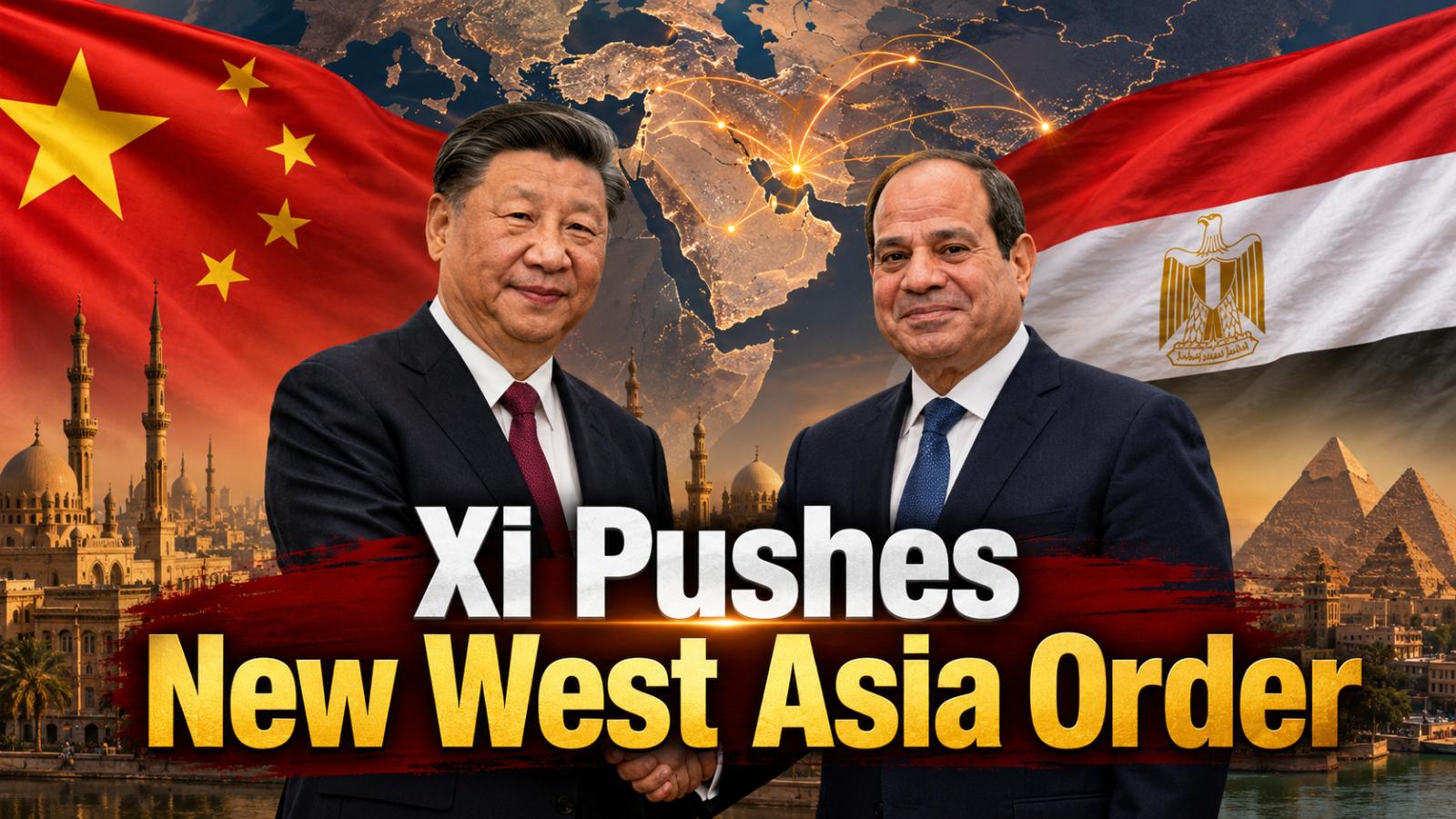
Chinese President Xi Jinping’s visit to Egypt has placed China’s expanding role in West Asia under the spotlight as regional governments reassess security partnerships amid the continuing US-Iran conflict. In Cairo, Xi called for regional countries to resist external interference and explore a new security architecture while deepening economic and strategic cooperation with Egypt.
Xi Jinping Egypt visit sends regional security mess
Chinese President Xi Jinping’s visit to Egypt has placed China’s expanding role in West Asia under the spotlight as regional governments reassess security partnerships amid the continuing US-Iran conflict. In Cairo, Xi called for regional countries to resist external interference and explore a new security architecture while deepening economic and strategic cooperation with Egypt.
Xi Jinping Egypt visit sends regional security mess
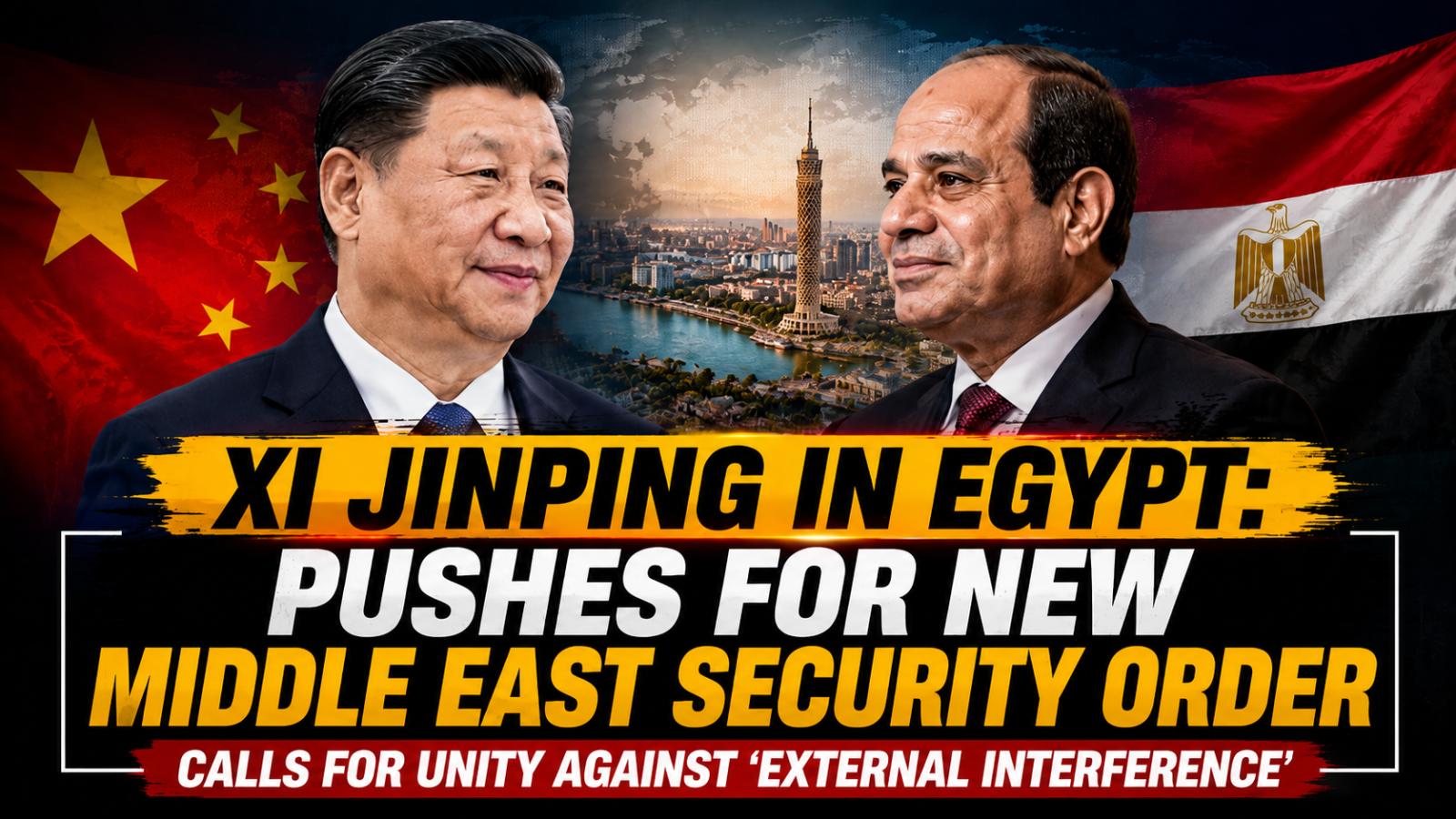
Chinese President Xi Jinping has used his state visit to Egypt to call for a new Middle East security architecture, urging regional countries to resist external interference and take greater control of their own security decisions. His visit comes as China seeks a larger diplomatic and economic role in a region unsettled by the US-Iran conflict.
Xi Jinping calls for new Middle East security order
Chinese President Xi Jinping has used his state visit to Egypt to call for a new Middle East security architecture, urging regional countries to resist external interference and take greater control of their own security decisions. His visit comes as China seeks a larger diplomatic and economic role in a region unsettled by the US-Iran conflict.
Xi Jinping calls for new Middle East security order
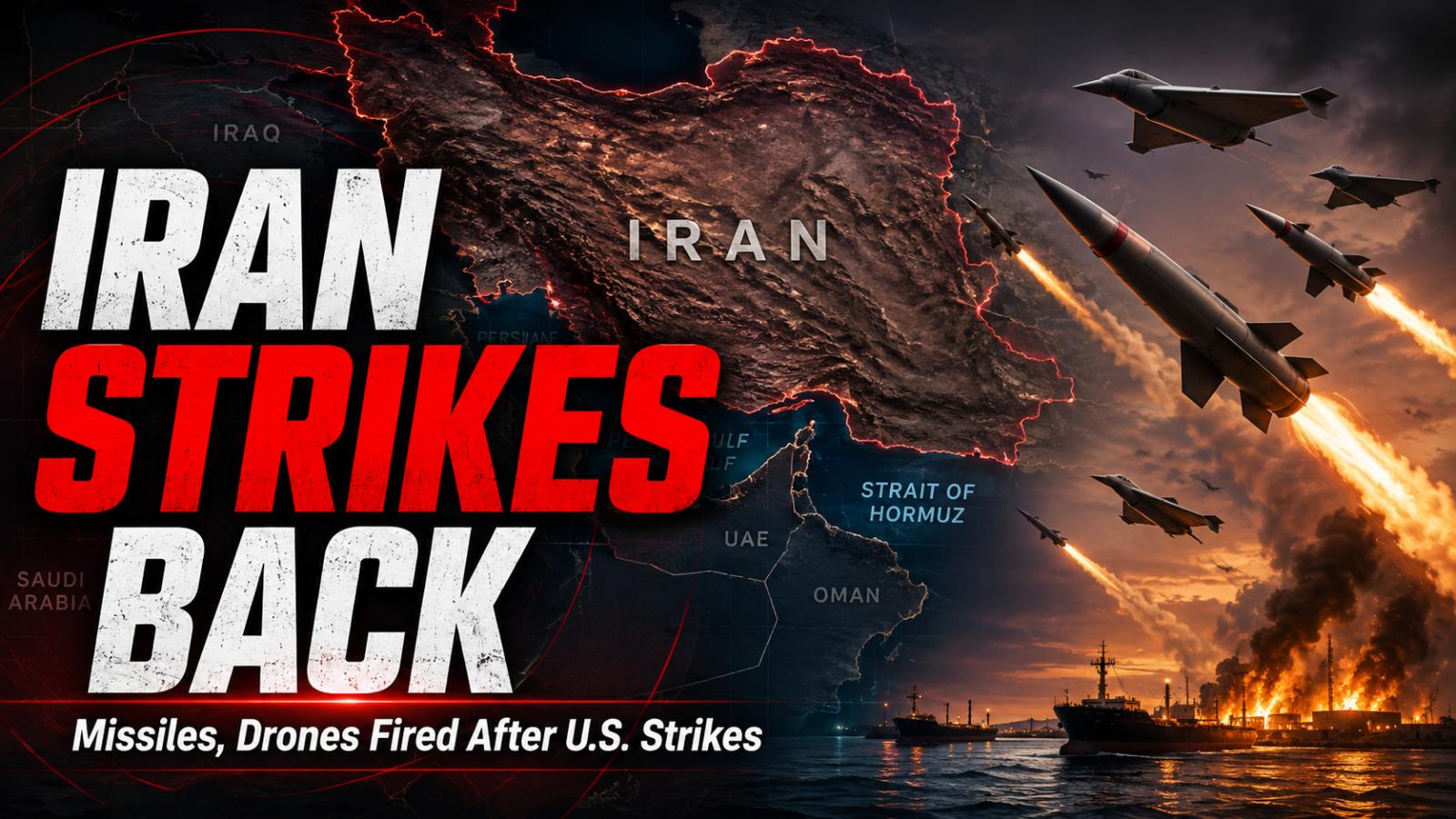
Iran launched missile and drone attacks against US-linked military targets after American forces carried out a new wave of strikes on Islamic Revolutionary Guard Corps facilities across southern Iran. The Iran retaliation marks the sharpest escalation in weeks and has again placed the Strait of Hormuz and regional US bases at the centre of the conflict.
US Iran Strikes
US Central Command confirmed that American forces carried out coordinated strikes on September 1 against IRGC military targets. CENTCOM said the operation hit air-defence sites, radar systems, maritime assets, mine-laying capabilities and communications facilities. The command said the strikes followed attempted Iranian attacks against commercial shipping in the Strait of Hormuz and American service members in the region.
The strikes were concentrated around southern Iran and the strategically important Hormuz region. Separate reporting said Iranian areas including Bandar Abbas, Qeshm, Jask and other coastal locations were among those affected as the conflict returned to a more intense phase.
IRGC Response
Iranian forces responded with missiles and drones aimed at US assets across the region. Iranian state-linked media described the attacks as retaliation for the latest American operation, while the IRGC promised what it called severe punishment for further strikes.
Jordan and Bahrain reported intercepting Iranian missiles and drones, while Iranian sources also claimed strikes against US positions in Iraq. Claims of American casualties made by Tehran had not been independently confirmed by US officials at the time of reporting.
The renewed exchanges show that both sides remain willing to use direct military force despite earlier efforts to reduce hostilities.
Hormuz Crisis
The Strait of Hormuz remains the most sensitive flashpoint. Washington says its latest operation followed Iranian attempts to threaten commercial shipping and deploy mine-laying capabilities near the waterway. CENTCOM has repeatedly described freedom of navigation through the strait as a key US military objective.
The escalation immediately affected energy markets. Brent crude rose toward $96 a barrel as traders reacted to the possibility of renewed disruption in a route responsible for a major share of global oil exports.
Any sustained attacks on shipping, ports or energy infrastructure could therefore have economic consequences far beyond the Middle East.
Trump Warns Iran
President Donald Trump defended the latest US strikes and warned Tehran that further retaliation could trigger an even stronger American response. He said the operation was justified by Iranian attempts to place mines in the Strait of Hormuz and previous attacks directed at US forces.
Trump’s warning came even as Iranian officials insisted they would continue responding to attacks on their territory. The competing threats have sharply reduced hopes that the current exchange will quickly return to the relative calm seen during parts of August.
Regional Escalation Risk
The latest fighting follows the August 30 US strike on two Iranian launchers on Larak Island, which American officials said were preparing to deploy sea mines. Iran answered that operation with ballistic missile attacks against US forces in Jordan.
With fresh American strikes now followed by a broader Iranian missile and drone response, the conflict appears to be entering another dangerous phase. The immediate question is whether both governments contain the exchanges or allow retaliation to expand across US bases, Iranian military facilities and shipping routes around the Strait of Hormuz.
Iran launched missile and drone attacks against US-linked military targets after American forces carried out a new wave of strikes on Islamic Revolutionary Guard Corps facilities across southern Iran. The Iran retaliation marks the sharpest escalation in weeks and has again placed the Strait of Hormuz and regional US bases at the centre of the conflict.
US Iran Strikes
US Central Command confirmed that American forces carried out coordinated strikes on September 1 against IRGC military targets. CENTCOM said the operation hit air-defence sites, radar systems, maritime assets, mine-laying capabilities and communications facilities. The command said the strikes followed attempted Iranian attacks against commercial shipping in the Strait of Hormuz and American service members in the region.
The strikes were concentrated around southern Iran and the strategically important Hormuz region. Separate reporting said Iranian areas including Bandar Abbas, Qeshm, Jask and other coastal locations were among those affected as the conflict returned to a more intense phase.
IRGC Response
Iranian forces responded with missiles and drones aimed at US assets across the region. Iranian state-linked media described the attacks as retaliation for the latest American operation, while the IRGC promised what it called severe punishment for further strikes.
Jordan and Bahrain reported intercepting Iranian missiles and drones, while Iranian sources also claimed strikes against US positions in Iraq. Claims of American casualties made by Tehran had not been independently confirmed by US officials at the time of reporting.
The renewed exchanges show that both sides remain willing to use direct military force despite earlier efforts to reduce hostilities.
Hormuz Crisis
The Strait of Hormuz remains the most sensitive flashpoint. Washington says its latest operation followed Iranian attempts to threaten commercial shipping and deploy mine-laying capabilities near the waterway. CENTCOM has repeatedly described freedom of navigation through the strait as a key US military objective.
The escalation immediately affected energy markets. Brent crude rose toward $96 a barrel as traders reacted to the possibility of renewed disruption in a route responsible for a major share of global oil exports.
Any sustained attacks on shipping, ports or energy infrastructure could therefore have economic consequences far beyond the Middle East.
Trump Warns Iran
President Donald Trump defended the latest US strikes and warned Tehran that further retaliation could trigger an even stronger American response. He said the operation was justified by Iranian attempts to place mines in the Strait of Hormuz and previous attacks directed at US forces.
Trump’s warning came even as Iranian officials insisted they would continue responding to attacks on their territory. The competing threats have sharply reduced hopes that the current exchange will quickly return to the relative calm seen during parts of August.
Regional Escalation Risk
The latest fighting follows the August 30 US strike on two Iranian launchers on Larak Island, which American officials said were preparing to deploy sea mines. Iran answered that operation with ballistic missile attacks against US forces in Jordan.
With fresh American strikes now followed by a broader Iranian missile and drone response, the conflict appears to be entering another dangerous phase. The immediate question is whether both governments contain the exchanges or allow retaliation to expand across US bases, Iranian military facilities and shipping routes around the Strait of Hormuz.
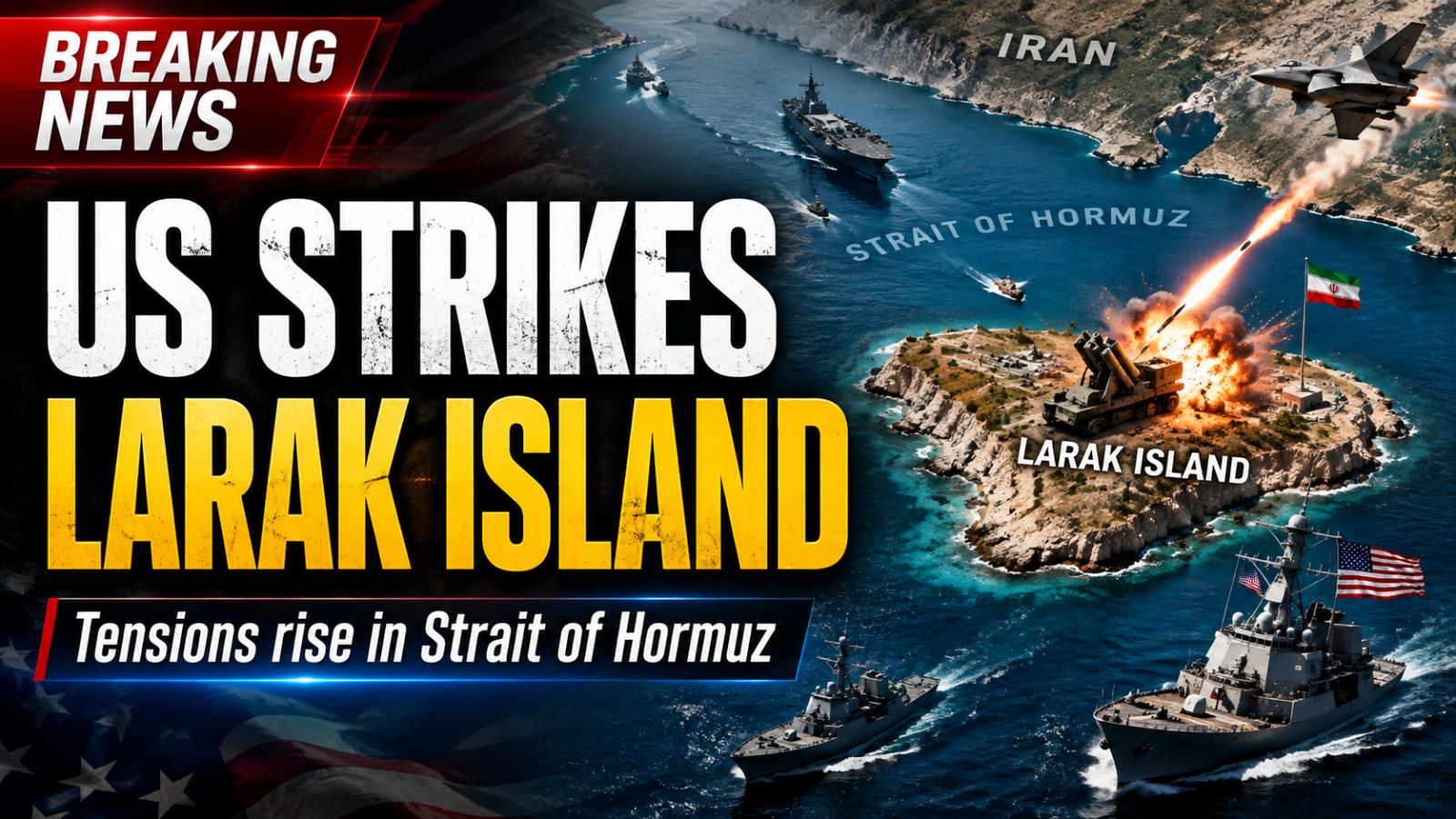
US forces struck two Iranian rocket launchers on Larak Island near the Strait of Hormuz on Sunday, according to reports citing American officials. The US strike on Larak Island marked the first known American attack inside Iran in more than a month and immediately raised fears of renewed escalation around the vital shipping route.
Iran Rocket Launchers
US officials said Islamic Revolutionary Guard Corps forces had been observed preparing rocket systems that could be used to deploy sea mines into the Strait of Hormuz. The alleged activity prompted American forces to target two launchers on Larak Island before they could be used.
Iranian media also reported an explosion near the island, although initial accounts differed over the scale and method of the attack. Larak sits near Bandar Abbas and close to several islands controlling access to the strait, giving it strategic importance for both Iran and international shipping.
Strait of Hormuz Mine Threat
The strike came shortly after US Central Command completed an operation aimed at clearing sea mines from international shipping lanes in the Strait of Hormuz. American officials said forces remained prepared to protect commercial traffic through the waterway.
The strait is one of the world’s most important energy corridors. Any renewed mine activity could threaten tankers, disrupt insurance and shipping schedules, and raise energy-market concerns far beyond the Gulf.
President Donald Trump had previously warned that any vessel involved in laying new mines would be targeted. He described the policy as one of “zero tolerance” toward additional mine placement.
IRGC Response
Iran’s Revolutionary Guards responded sharply after the attack. Iranian reports said the strike killed two people and wounded two others, while the IRGC later said Iranian fighters and civilians had been killed or injured.
The Guards promised retaliation, saying those responsible for the attack would face punishment. The statement signalled that Tehran does not view the Larak strike as a limited tactical incident, raising concern that the confrontation could trigger another cycle of attacks and counterattacks.
Hormuz Strike After Month-Long Pause
The attack was described in the source material as the first known US strike inside Iran since late July, when Washington paused an earlier military campaign around the Strait of Hormuz. That pause had reduced direct exchanges, but tensions over mining activity and freedom of navigation remained unresolved.
The latest strike therefore carries significance beyond the destruction of two launchers. It shows that Washington is prepared to resume direct military action if it believes Iranian forces are preparing to threaten shipping lanes.
Shipping Security in Focus
For global markets, the immediate question is whether the incident remains contained. The Strait of Hormuz connects Gulf energy exporters with world markets, and even a limited military confrontation can affect oil prices, tanker movements and freight costs.
US forces say they are monitoring the area closely, while Iran has warned of retaliation. Until either side signals restraint, the Larak Island strike is likely to keep military planners, shipping companies and energy traders focused on the risk of renewed disruption in the Strait of Hormuz.
US forces struck two Iranian rocket launchers on Larak Island near the Strait of Hormuz on Sunday, according to reports citing American officials. The US strike on Larak Island marked the first known American attack inside Iran in more than a month and immediately raised fears of renewed escalation around the vital shipping route.
Iran Rocket Launchers
US officials said Islamic Revolutionary Guard Corps forces had been observed preparing rocket systems that could be used to deploy sea mines into the Strait of Hormuz. The alleged activity prompted American forces to target two launchers on Larak Island before they could be used.
Iranian media also reported an explosion near the island, although initial accounts differed over the scale and method of the attack. Larak sits near Bandar Abbas and close to several islands controlling access to the strait, giving it strategic importance for both Iran and international shipping.
Strait of Hormuz Mine Threat
The strike came shortly after US Central Command completed an operation aimed at clearing sea mines from international shipping lanes in the Strait of Hormuz. American officials said forces remained prepared to protect commercial traffic through the waterway.
The strait is one of the world’s most important energy corridors. Any renewed mine activity could threaten tankers, disrupt insurance and shipping schedules, and raise energy-market concerns far beyond the Gulf.
President Donald Trump had previously warned that any vessel involved in laying new mines would be targeted. He described the policy as one of “zero tolerance” toward additional mine placement.
IRGC Response
Iran’s Revolutionary Guards responded sharply after the attack. Iranian reports said the strike killed two people and wounded two others, while the IRGC later said Iranian fighters and civilians had been killed or injured.
The Guards promised retaliation, saying those responsible for the attack would face punishment. The statement signalled that Tehran does not view the Larak strike as a limited tactical incident, raising concern that the confrontation could trigger another cycle of attacks and counterattacks.
Hormuz Strike After Month-Long Pause
The attack was described in the source material as the first known US strike inside Iran since late July, when Washington paused an earlier military campaign around the Strait of Hormuz. That pause had reduced direct exchanges, but tensions over mining activity and freedom of navigation remained unresolved.
The latest strike therefore carries significance beyond the destruction of two launchers. It shows that Washington is prepared to resume direct military action if it believes Iranian forces are preparing to threaten shipping lanes.
Shipping Security in Focus
For global markets, the immediate question is whether the incident remains contained. The Strait of Hormuz connects Gulf energy exporters with world markets, and even a limited military confrontation can affect oil prices, tanker movements and freight costs.
US forces say they are monitoring the area closely, while Iran has warned of retaliation. Until either side signals restraint, the Larak Island strike is likely to keep military planners, shipping companies and energy traders focused on the risk of renewed disruption in the Strait of Hormuz.
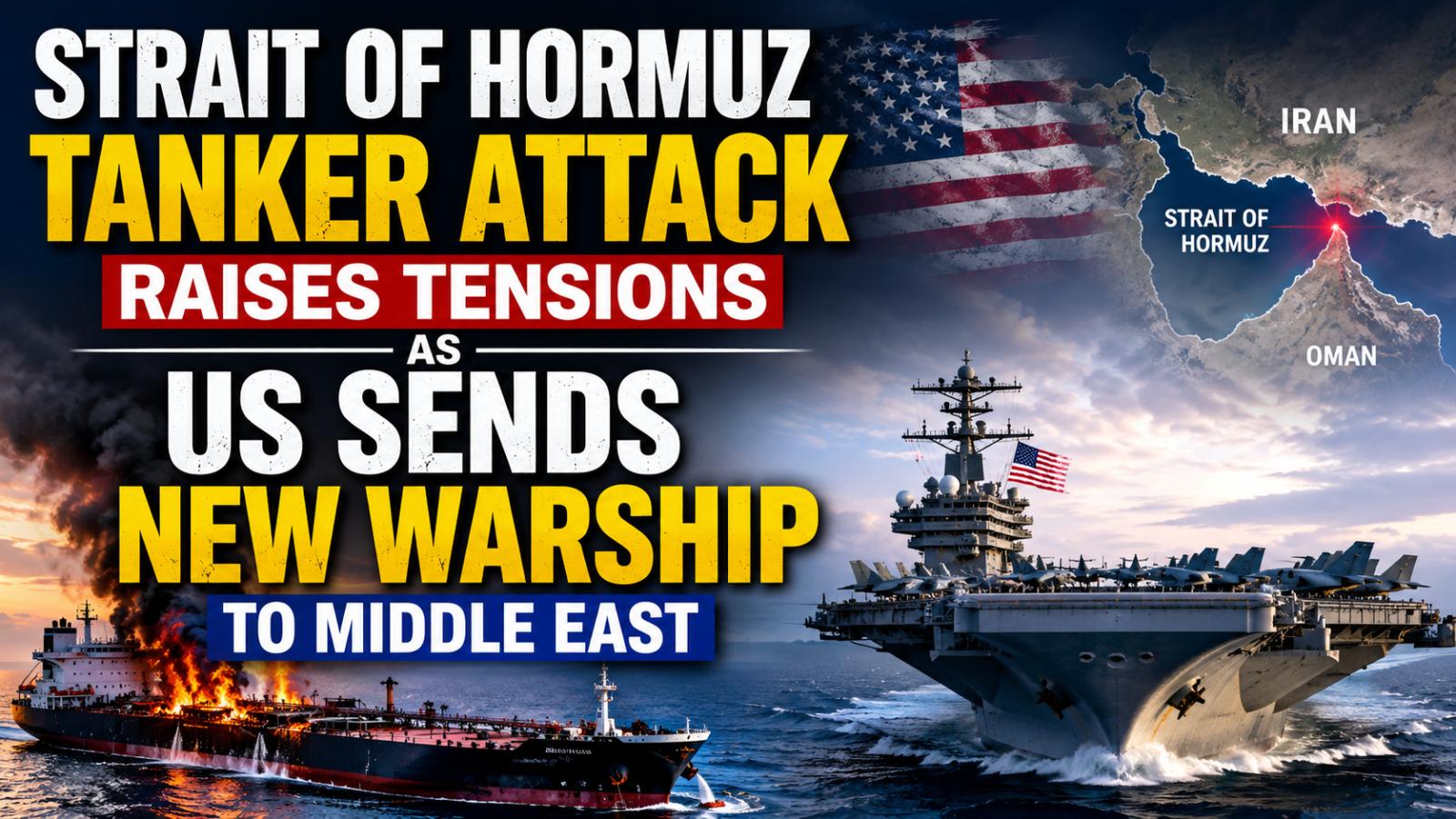
Tensions in the Strait of Hormuz have intensified after another commercial tanker was struck while moving through the strategic waterway, as the United States prepares to deploy an additional aircraft carrier strike group to the Middle East.
The latest incident has added to concerns over the safety of commercial shipping between Iran and Oman. The vessel reportedly caught fire after being hit, but the crew was said to be safe. Responsibility for the attack has not been independently
Tensions in the Strait of Hormuz have intensified after another commercial tanker was struck while moving through the strategic waterway, as the United States prepares to deploy an additional aircraft carrier strike group to the Middle East.
The latest incident has added to concerns over the safety of commercial shipping between Iran and Oman. The vessel reportedly caught fire after being hit, but the crew was said to be safe. Responsibility for the attack has not been independently
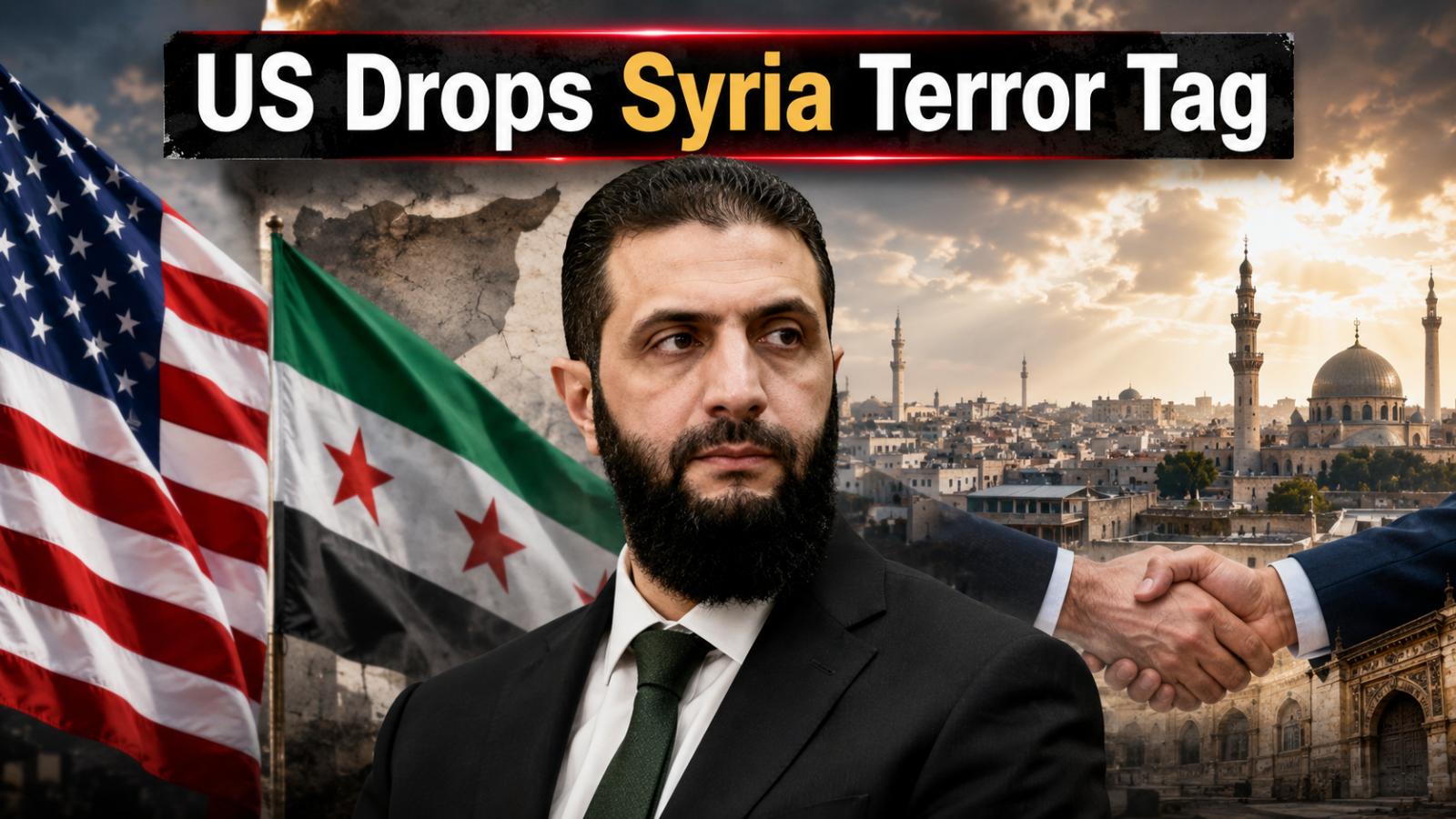
The Syria terror delisting marks one of Washington’s most dramatic policy reversals in the Middle East. The United States has formally removed Syria from its State Sponsors of Terrorism list after nearly 47 years, opening new economic opportunities while strengthening ties with President Ahmed al-Sharaa’s government.
Syria terror delisting ends a 47-year
The Syria terror delisting marks one of Washington’s most dramatic policy reversals in the Middle East. The United States has formally removed Syria from its State Sponsors of Terrorism list after nearly 47 years, opening new economic opportunities while strengthening ties with President Ahmed al-Sharaa’s government.
Syria terror delisting ends a 47-year
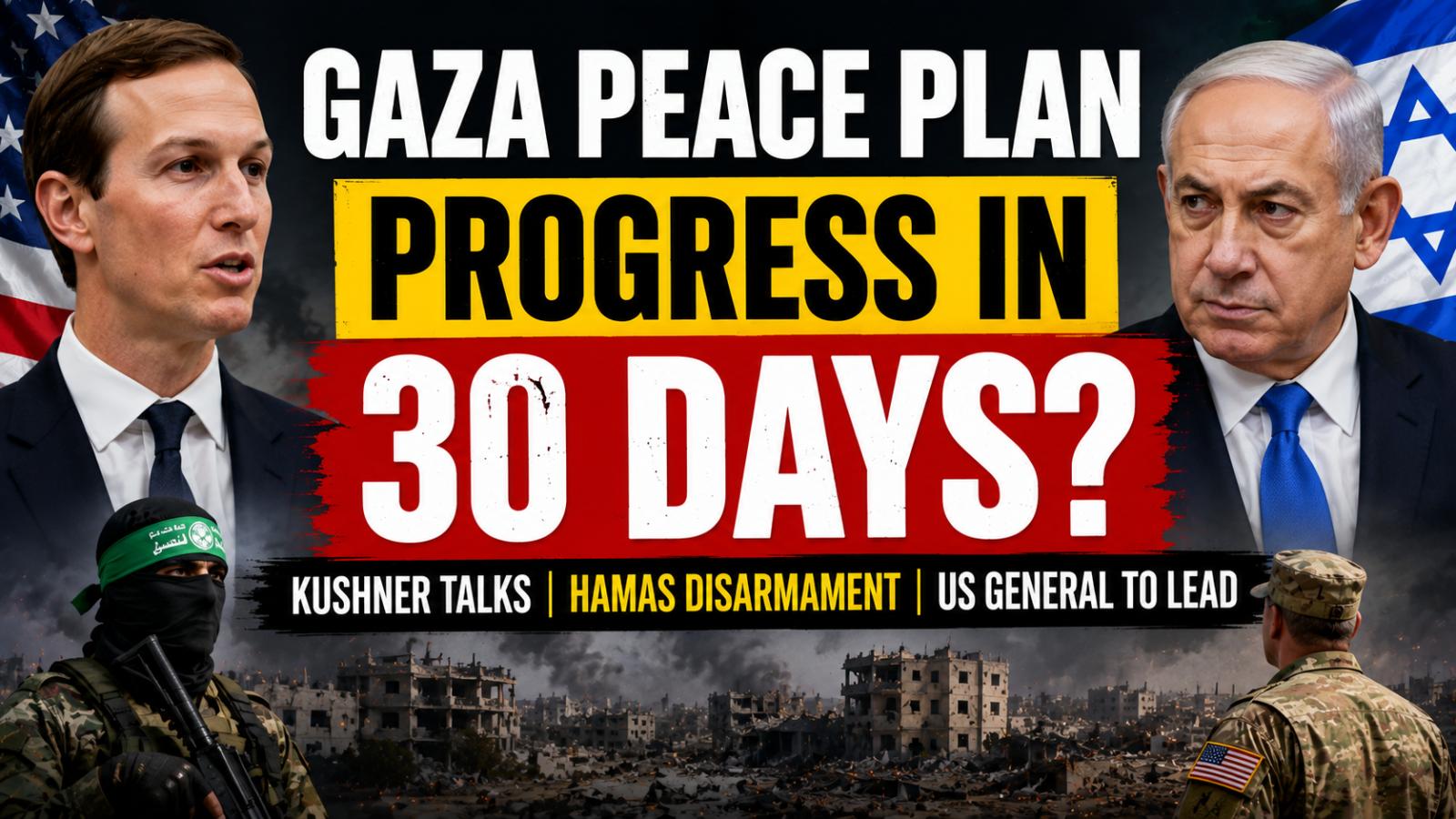
US envoy Jared Kushner says the Gaza peace plan could begin showing progress within 30 days, with early steps focused on Hamas disarmament and closing militant tunnels. His comments followed talks with Israeli Prime Minister Benjamin Netanyahu and Hamas leaders as Washington tries to revive a stalled roadmap.
Hamas disarmament
Kushner said he hoped the first visible progress could involve remov
US envoy Jared Kushner says the Gaza peace plan could begin showing progress within 30 days, with early steps focused on Hamas disarmament and closing militant tunnels. His comments followed talks with Israeli Prime Minister Benjamin Netanyahu and Hamas leaders as Washington tries to revive a stalled roadmap.
Hamas disarmament
Kushner said he hoped the first visible progress could involve remov
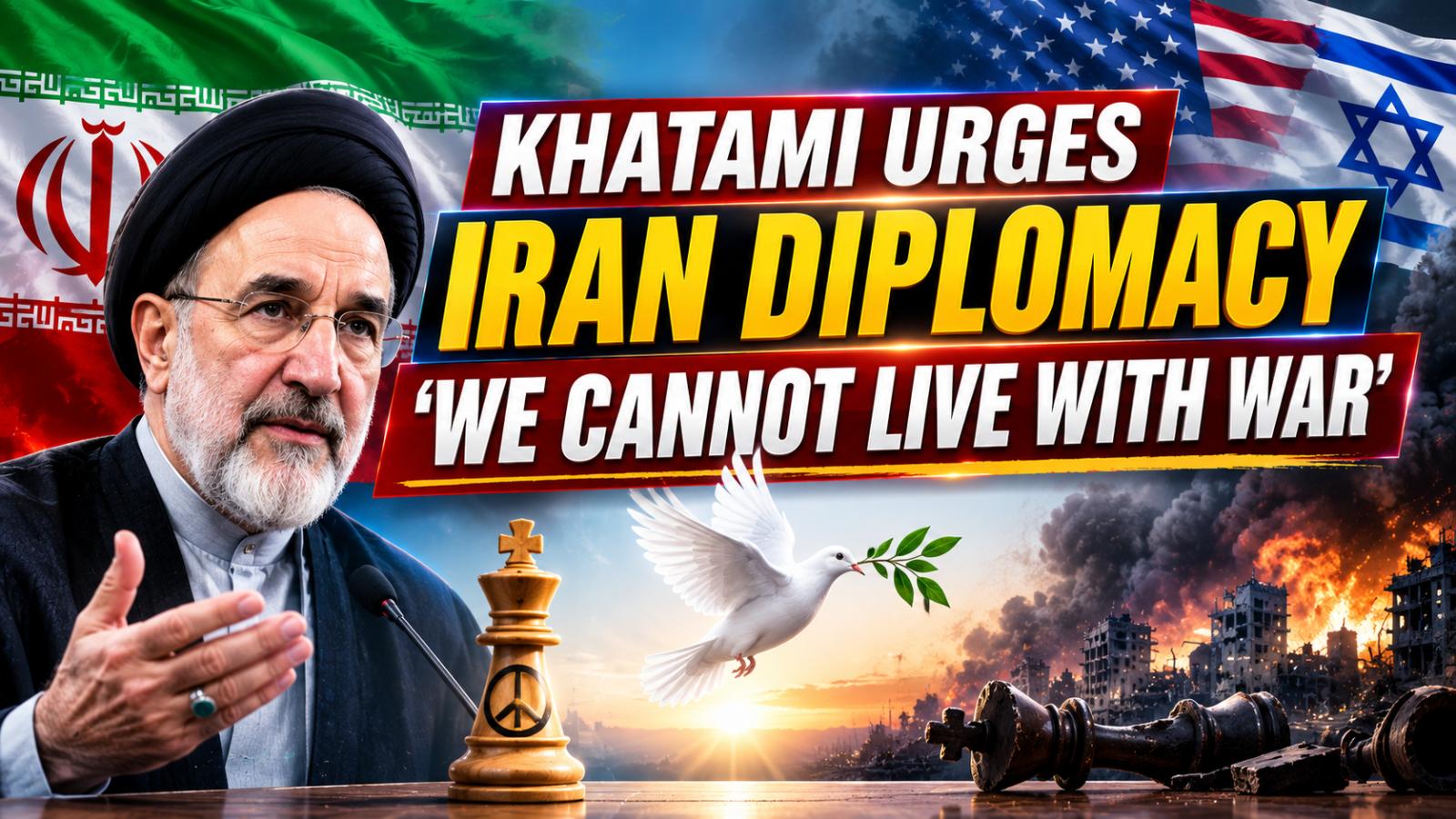
Former Iranian president Mohammad Khatami has urged a more measured diplomatic approach as the Iran war continues to strain daily life, governance and the economy. His remarks add to a widening Iran war debate between hardliners seeking prolonged resistance and officials who see negotiations as part of an eventual exit.
Khatami Iran diplomacy call focuses on cost of war
Khatami warned that Iran
Former Iranian president Mohammad Khatami has urged a more measured diplomatic approach as the Iran war continues to strain daily life, governance and the economy. His remarks add to a widening Iran war debate between hardliners seeking prolonged resistance and officials who see negotiations as part of an eventual exit.
Khatami Iran diplomacy call focuses on cost of war
Khatami warned that Iran
US Vice President JD Vance says Vance Iran war goals now place affordable oil and gasoline for Americans at the top of Washington’s priorities, followed by preventing Iran from acquiring a nuclear weapon. His remarks also put renewed focus on the Strait of Hormuz and its impact on energy markets.
Oil price goal moves to top of Vance’s priorities
Speaking in a Fox News interview on August 13
US Vice President JD Vance says Vance Iran war goals now place affordable oil and gasoline for Americans at the top of Washington’s priorities, followed by preventing Iran from acquiring a nuclear weapon. His remarks also put renewed focus on the Strait of Hormuz and its impact on energy markets.
Oil price goal moves to top of Vance’s priorities
Speaking in a Fox News interview on August 13
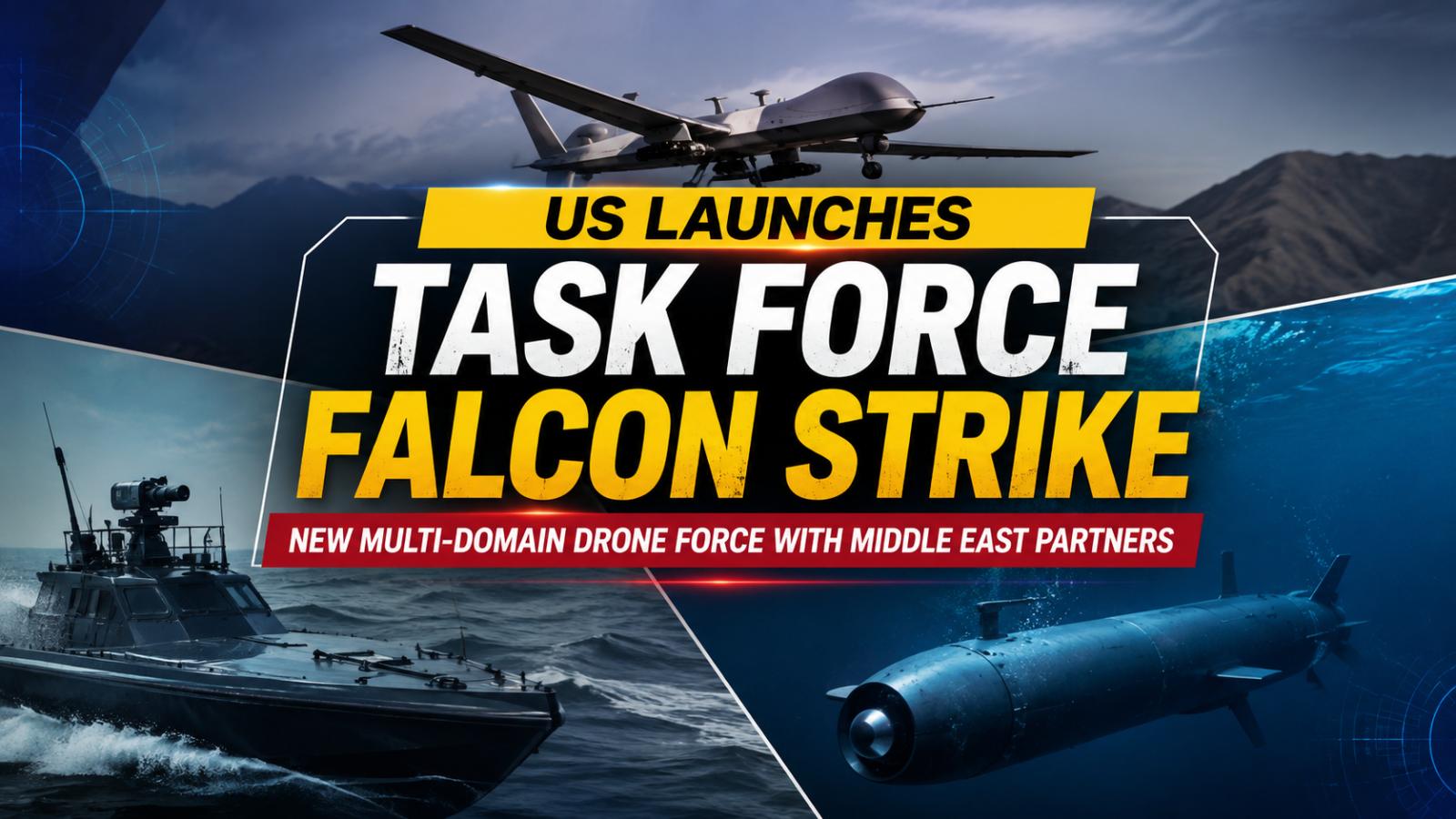
The United States has launched Task Force Falcon Strike, a new multinational attack drone initiative designed to operate unmanned systems above, on and below the sea. CENTCOM says the force will combine US capabilities with regional partners as Washington expands drone warfare across the Middle East.
Attack drone force expands across multiple domains
U.S. Central Command announced Task Force Fa
The United States has launched Task Force Falcon Strike, a new multinational attack drone initiative designed to operate unmanned systems above, on and below the sea. CENTCOM says the force will combine US capabilities with regional partners as Washington expands drone warfare across the Middle East.
Attack drone force expands across multiple domains
U.S. Central Command announced Task Force Fa