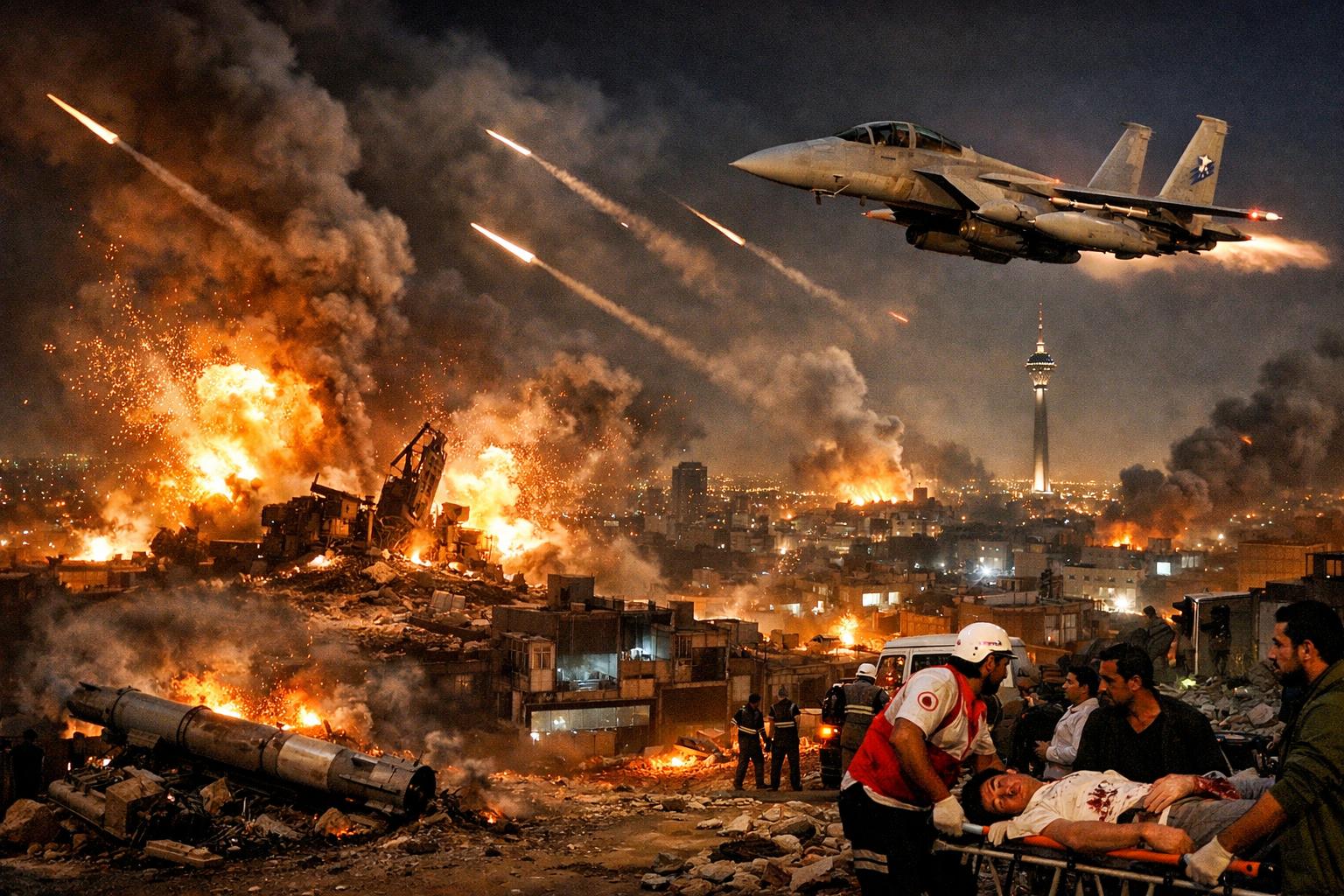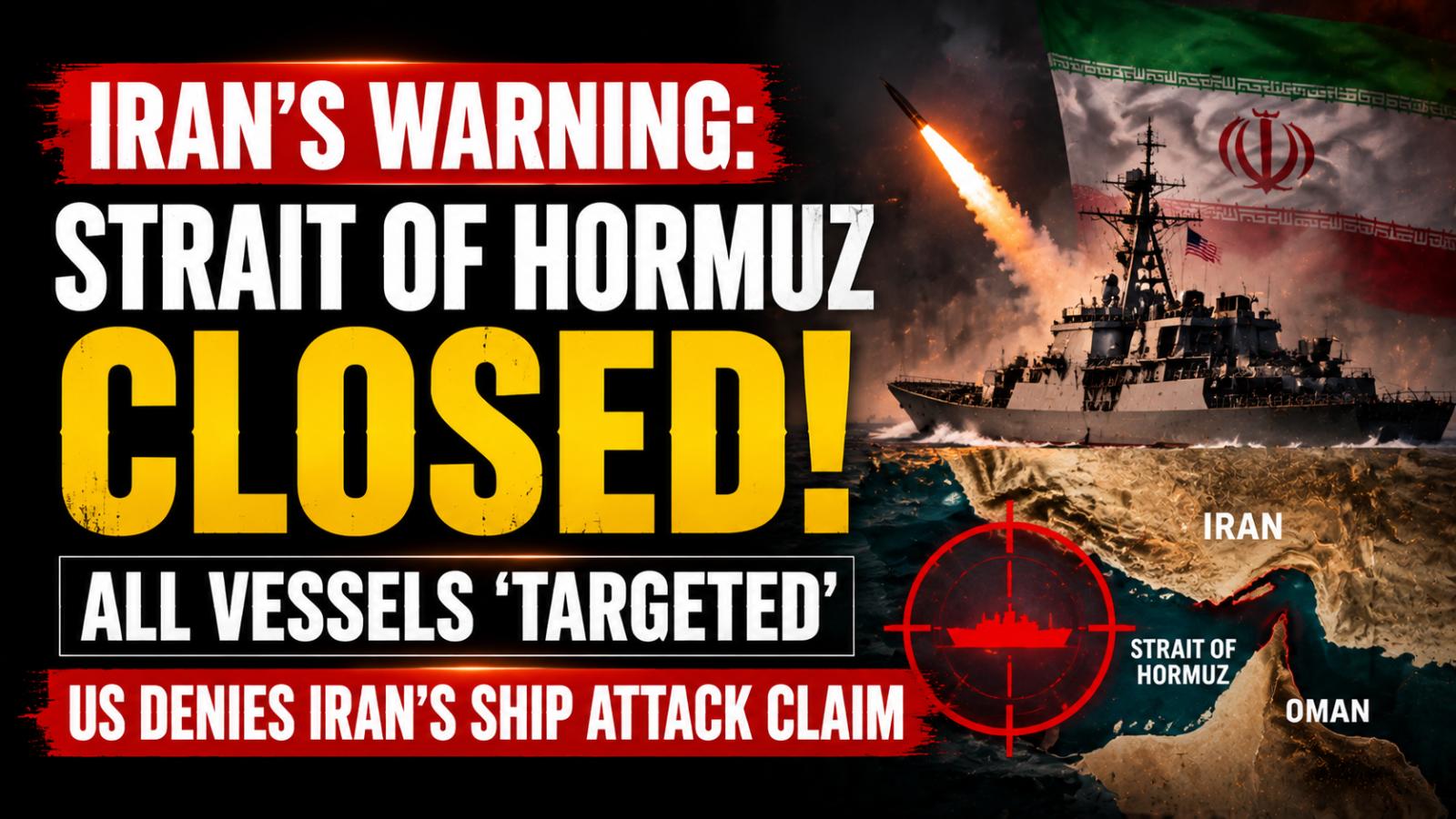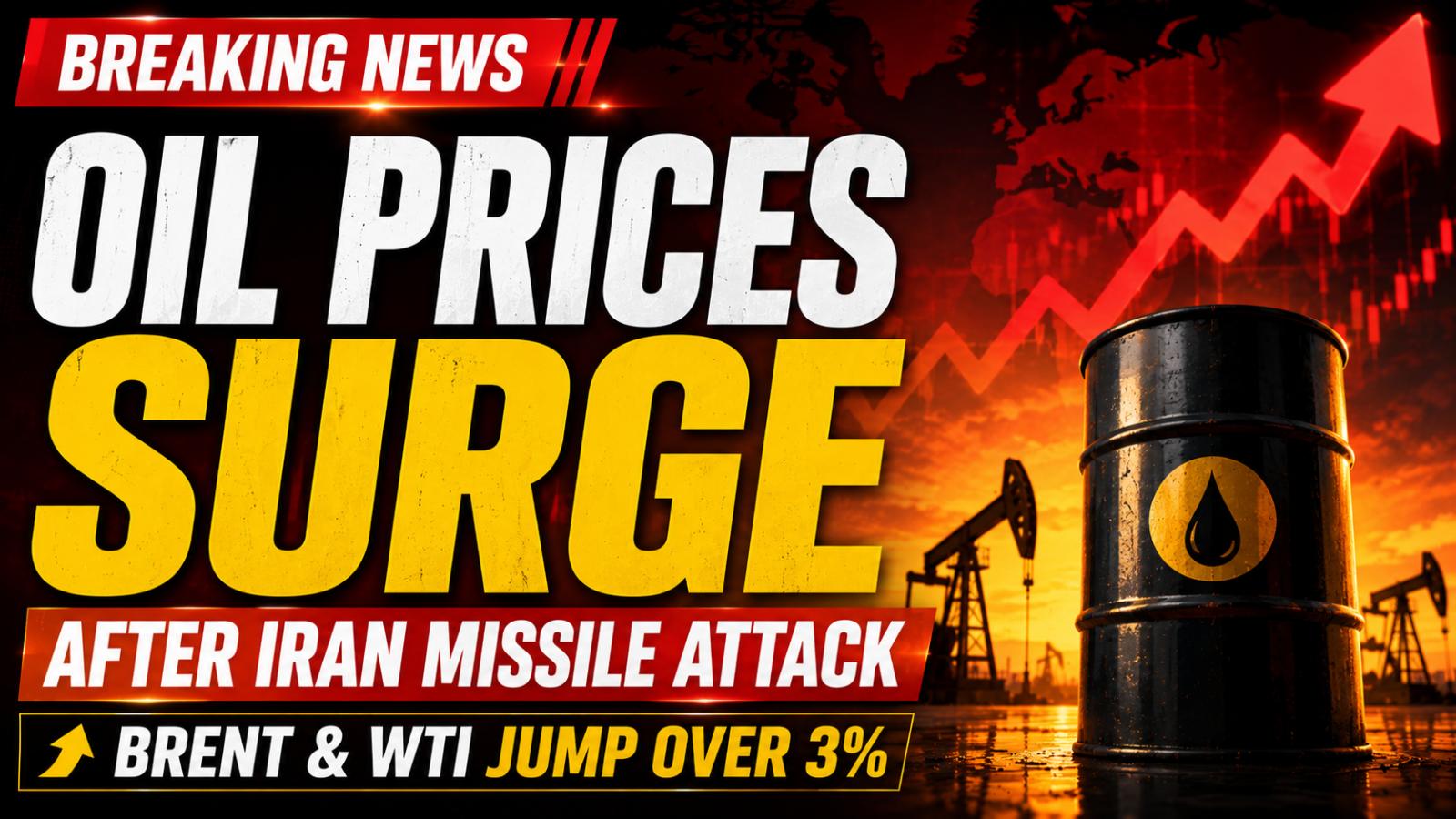
Oil prices surged in early Asian trading on Wednesday after Iran launched multiple ballistic missiles at US forces in the Middle East. The renewed military exchange pushed Brent and WTI crude higher as traders reassessed supply risks linked to the conflict and the Strait of Hormuz.
Oil Prices Surge in Asian Trading
Global oil prices climbed by more than 3 per cent during early trading on July 29 as renewed fighting between Iran and the United States unsettled energy markets. Reuters reported that Brent crude rose $2.71, or 3.2 per cent, to $86.80 a barrel, while US West Texas Intermediate gained $2.26, or 3.4 per cent, to $81.95.
The rebound followed a sharp decline during the previous session, when hopes of a pause in the US-Iran conflict encouraged traders to reduce the geopolitical risk premium built into crude prices. Brent had fallen to $84.09 a barrel on Tuesday, while WTI closed at $79.26 as markets responded to signs that direct attacks might ease.
That optimism faded quickly after reports of a fresh Iranian missile attack. Oil traders often react sharply to military developments in the Gulf because even a limited escalation can threaten production facilities, tanker traffic, insurance coverage and shipping schedules.
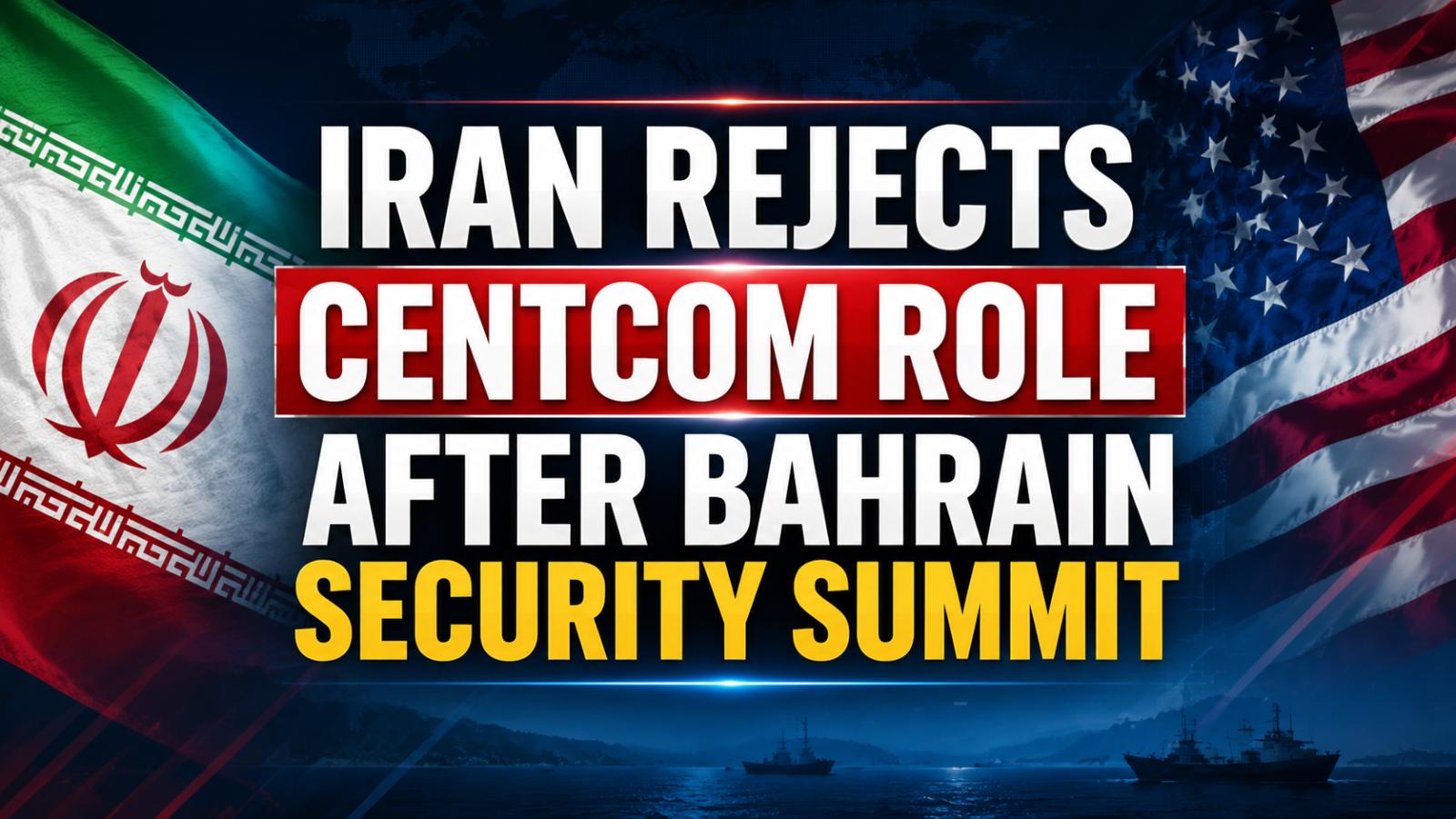
CENTCOM Reports Iran Missile Attack
US Central Command said Iran’s Islamic Revolutionary Guard Corps launched multiple ballistic missiles toward American forces in the Middle East in what it described as an attempted surprise attack.
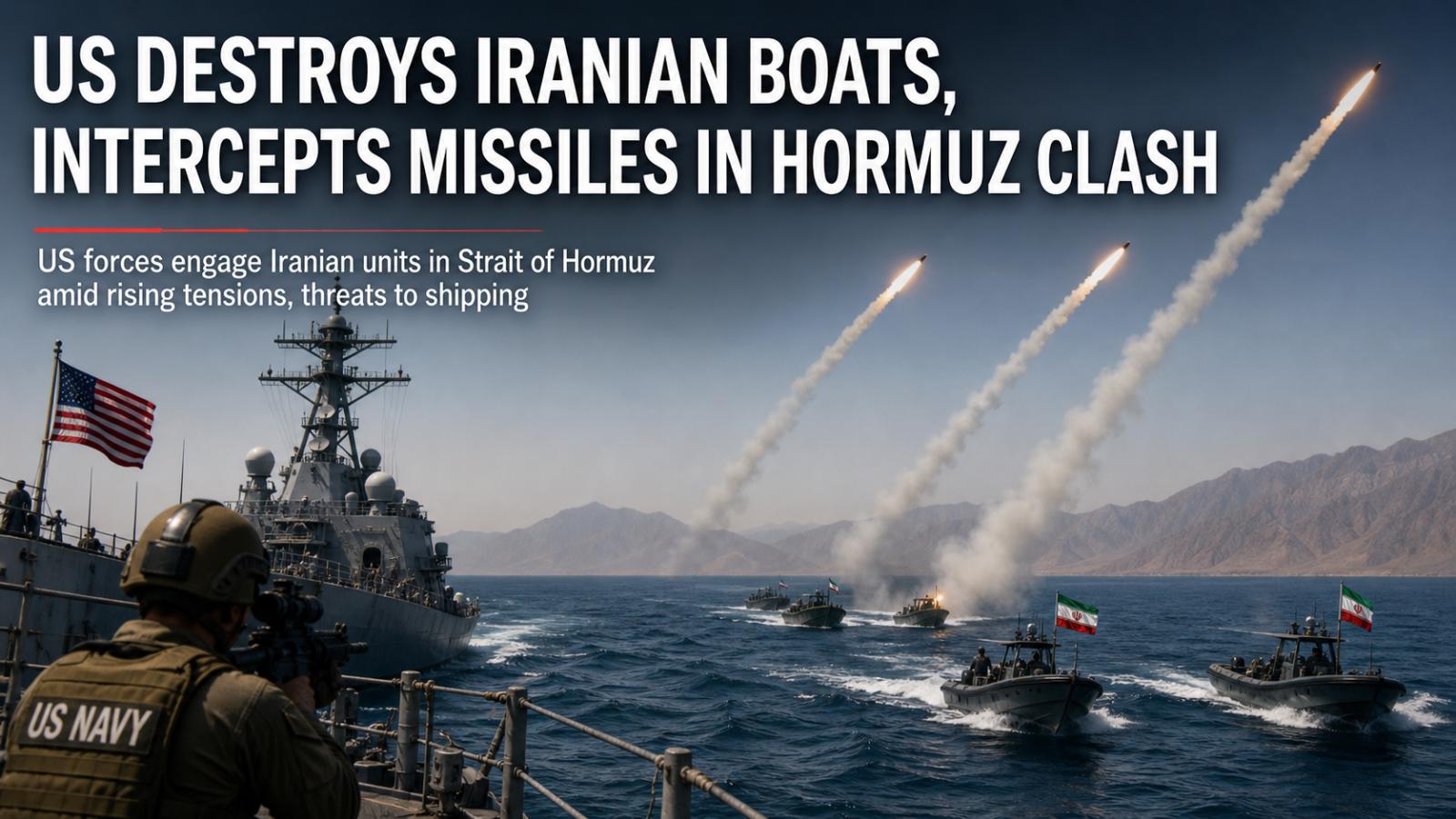
According to CENTCOM’s statement, US and partner defence systems intercepted the incoming missiles. The military did not immediately disclose every location targeted or report major damage from the barrage.
The attack broke a brief pause in direct exchanges between Washington and Tehran. Its timing renewed doubts over whether diplomatic efforts could prevent another round of strikes, despite earlier signals from US President Donald Trump that negotiations might make progress.
Brent and WTI React to Supply Fears
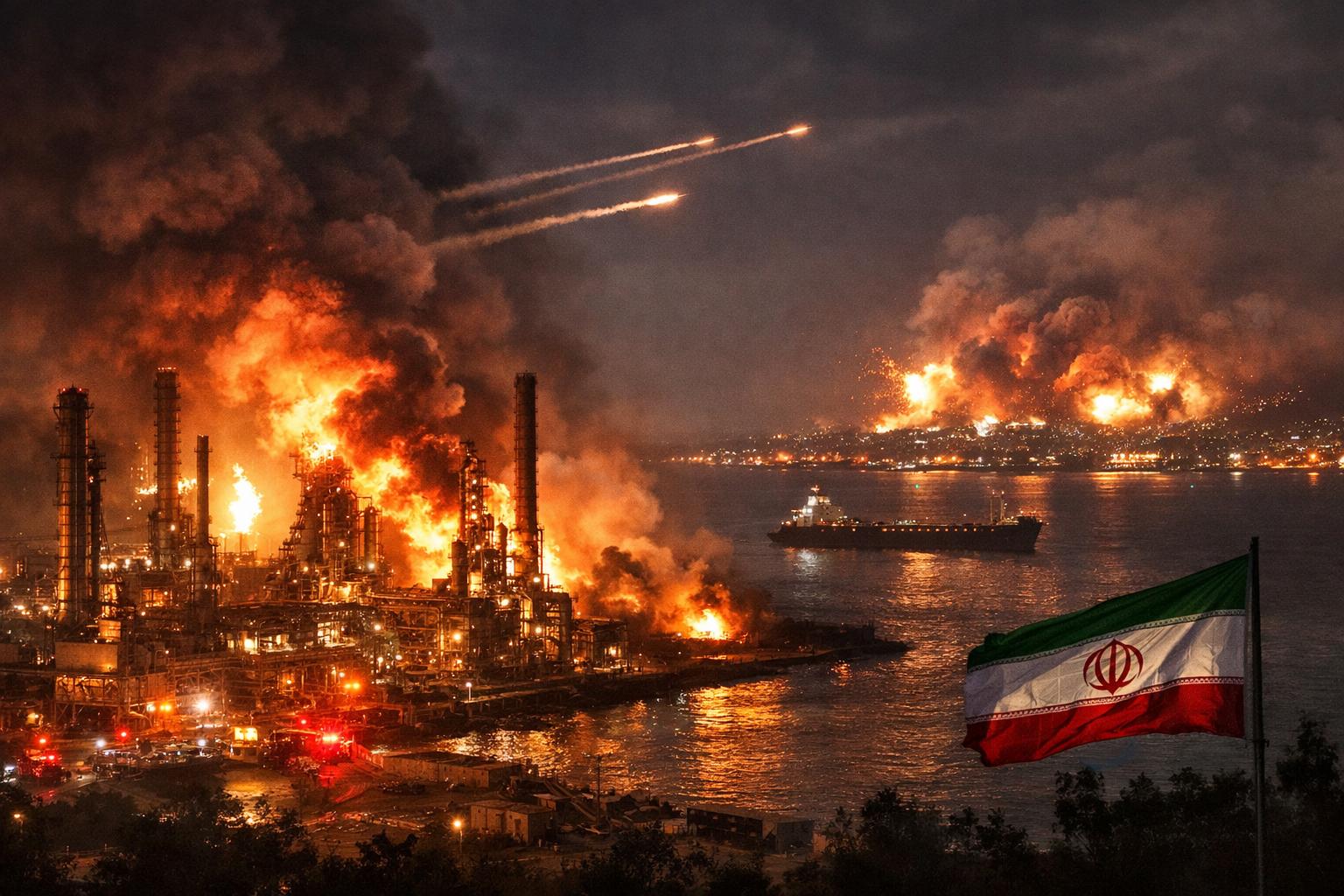
The price rise reflected renewed concern that the conflict could interrupt crude supplies from the Middle East. The region contains several of the world’s largest oil exporters, making military activity near production sites and shipping lanes highly sensitive for global markets.
The latest gains also received support from expectations of tighter US crude inventories. Reuters reported that industry data indicated a decline of about 3.3 million barrels in American crude stocks during the week ending July 24. Markets were also watching expectations that OPEC+ could pause planned production increases later in the year.
However, the Iran conflict remains the strongest short-term source of volatility. Traders may continue to move prices rapidly in response to missile launches, US military action, diplomatic statements or changes in regional shipping activity.
Strait of Hormuz Risk Returns
The Strait of Hormuz remains central to market concerns because it serves as a major route for oil exports from Gulf producers. Before the current conflict, roughly one-fifth of global oil supplies moved through the waterway, according to Reuters.
Recent disruptions and uncertainty over vessel movements have already reduced confidence in normal shipping operations. Any further attacks on tankers or restrictions on navigation could raise freight rates, insurance costs and crude prices even when physical supplies remain available.
The market reaction therefore reflects risk rather than confirmed large-scale supply losses. Prices could fall again if Washington and Tehran restore a durable pause, but another escalation near the Strait of Hormuz could drive a stronger rally.
What Oil Markets Will Watch Next
Investors will closely follow any US response to the Iranian missile launch, further CENTCOM updates and diplomatic contacts involving Washington, Tehran and Oman. Official inventory data and OPEC+ production signals may also influence prices, but military developments are likely to dominate near-term trading.
For internal linking, this report should connect to your Business, Global News, Middle East and Energy categories. It can also link to earlier coverage of Iran-US attacks, Strait of Hormuz shipping disruptions, CENTCOM statements and recent Brent crude price movements.