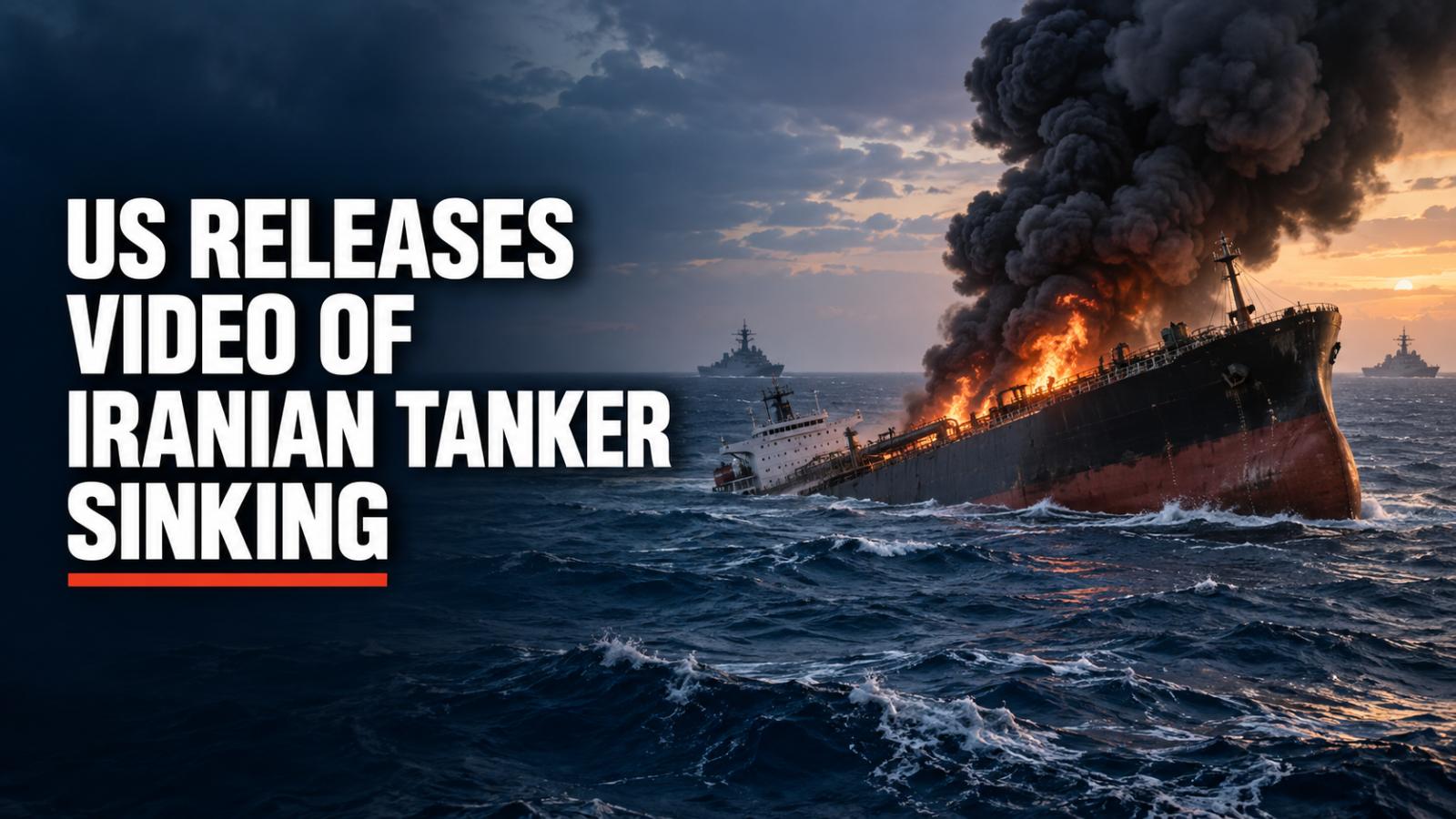
CENTCOM released footage on Sunday, September 6, 2026, showing the M/T Kylo burning and sinking in the Gulf of Oman after a US strike. The incident followed US attacks on three Iranian tankers and intensified fears over regional shipping and oil trade.
United States Central Command has released video showing the M/T Kylo, an Iranian-linked oil tanker also known as the Noxen, burning and sinking in the Gulf of Oman followi
CENTCOM released footage on Sunday, September 6, 2026, showing the M/T Kylo burning and sinking in the Gulf of Oman after a US strike. The incident followed US attacks on three Iranian tankers and intensified fears over regional shipping and oil trade.
United States Central Command has released video showing the M/T Kylo, an Iranian-linked oil tanker also known as the Noxen, burning and sinking in the Gulf of Oman followi
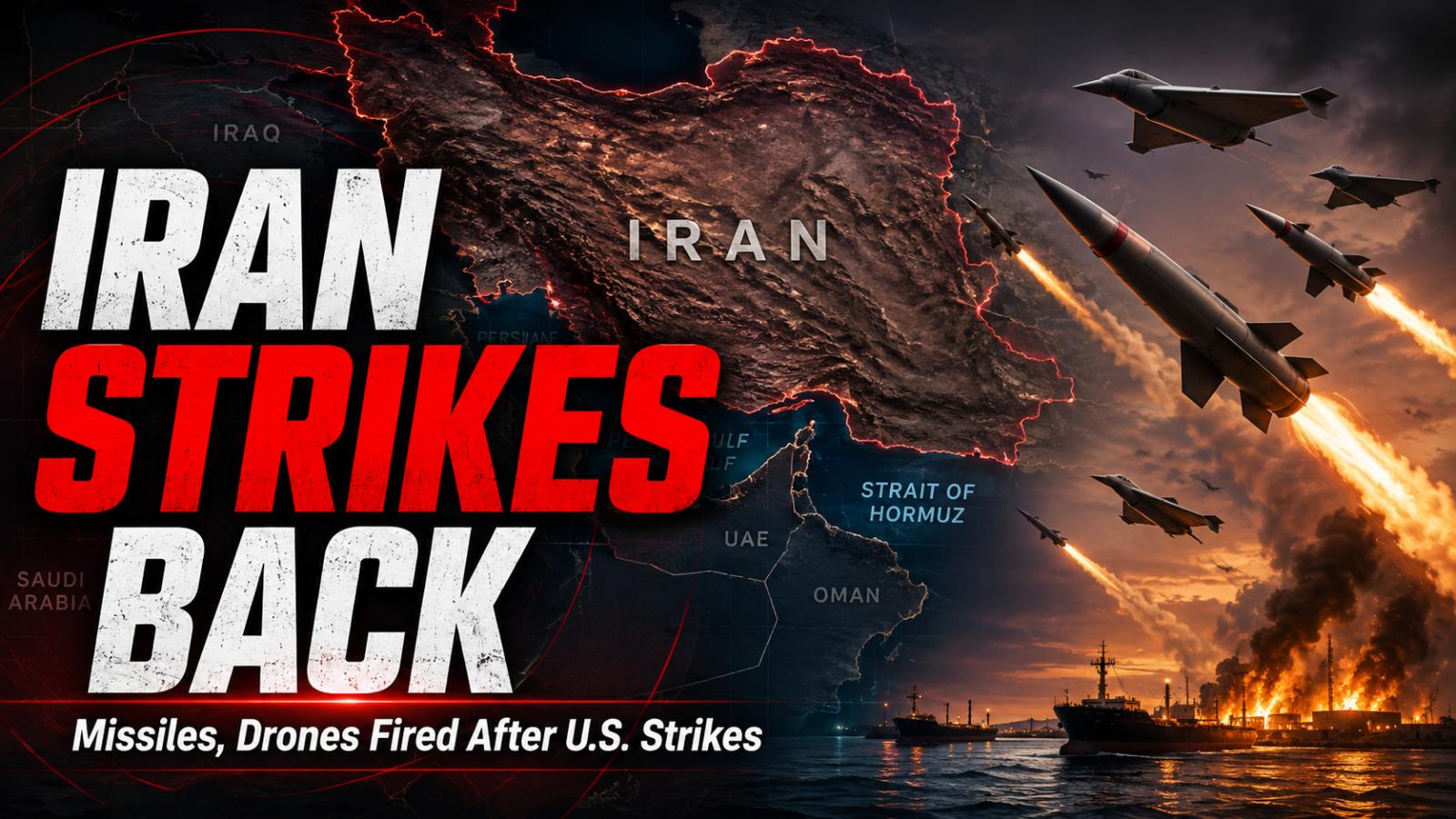
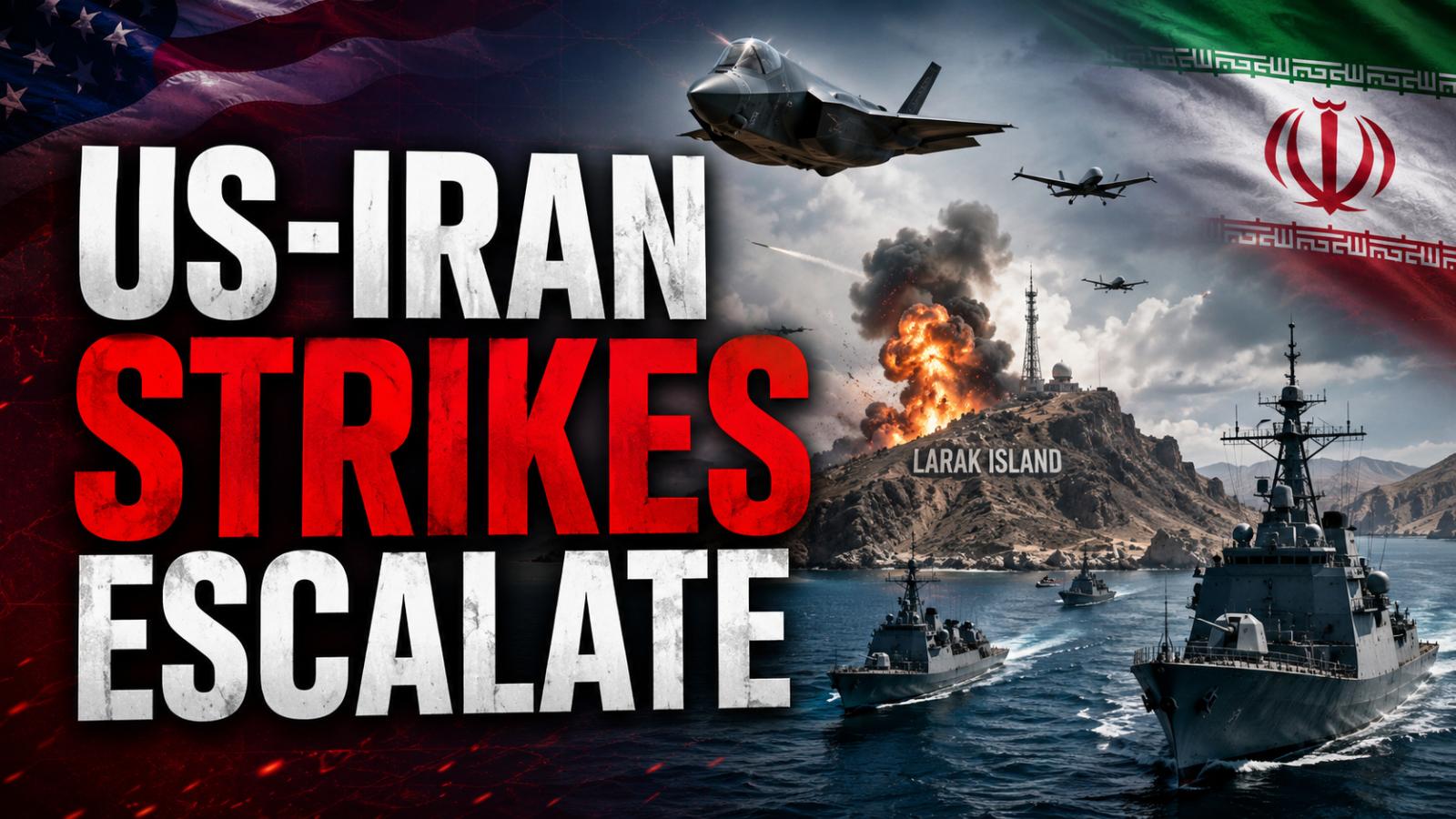
Iran launched missile and drone attacks against US-linked military targets after American forces carried out a new wave of strikes on Islamic Revolutionary Guard Corps facilities across southern Iran. The Iran retaliation marks the sharpest escalation in weeks and has again placed the Strait of Hormuz and regional US bases at the centre of the conflict.
US Iran Strikes
US Central Command confirmed that American forces carried out coordinated strikes on September 1 against IRGC military targets. CENTCOM said the operation hit air-defence sites, radar systems, maritime assets, mine-laying capabilities and communications facilities. The command said the strikes followed attempted Iranian attacks against commercial shipping in the Strait of Hormuz and American service members in the region.
The strikes were concentrated around southern Iran and the strategically important Hormuz region. Separate reporting said Iranian areas including Bandar Abbas, Qeshm, Jask and other coastal locations were among those affected as the conflict returned to a more intense phase.
IRGC Response
Iranian forces responded with missiles and drones aimed at US assets across the region. Iranian state-linked media described the attacks as retaliation for the latest American operation, while the IRGC promised what it called severe punishment for further strikes.
Jordan and Bahrain reported intercepting Iranian missiles and drones, while Iranian sources also claimed strikes against US positions in Iraq. Claims of American casualties made by Tehran had not been independently confirmed by US officials at the time of reporting.
The renewed exchanges show that both sides remain willing to use direct military force despite earlier efforts to reduce hostilities.
Hormuz Crisis
The Strait of Hormuz remains the most sensitive flashpoint. Washington says its latest operation followed Iranian attempts to threaten commercial shipping and deploy mine-laying capabilities near the waterway. CENTCOM has repeatedly described freedom of navigation through the strait as a key US military objective.
The escalation immediately affected energy markets. Brent crude rose toward $96 a barrel as traders reacted to the possibility of renewed disruption in a route responsible for a major share of global oil exports.
Any sustained attacks on shipping, ports or energy infrastructure could therefore have economic consequences far beyond the Middle East.
Trump Warns Iran
President Donald Trump defended the latest US strikes and warned Tehran that further retaliation could trigger an even stronger American response. He said the operation was justified by Iranian attempts to place mines in the Strait of Hormuz and previous attacks directed at US forces.
Trump’s warning came even as Iranian officials insisted they would continue responding to attacks on their territory. The competing threats have sharply reduced hopes that the current exchange will quickly return to the relative calm seen during parts of August.
Regional Escalation Risk
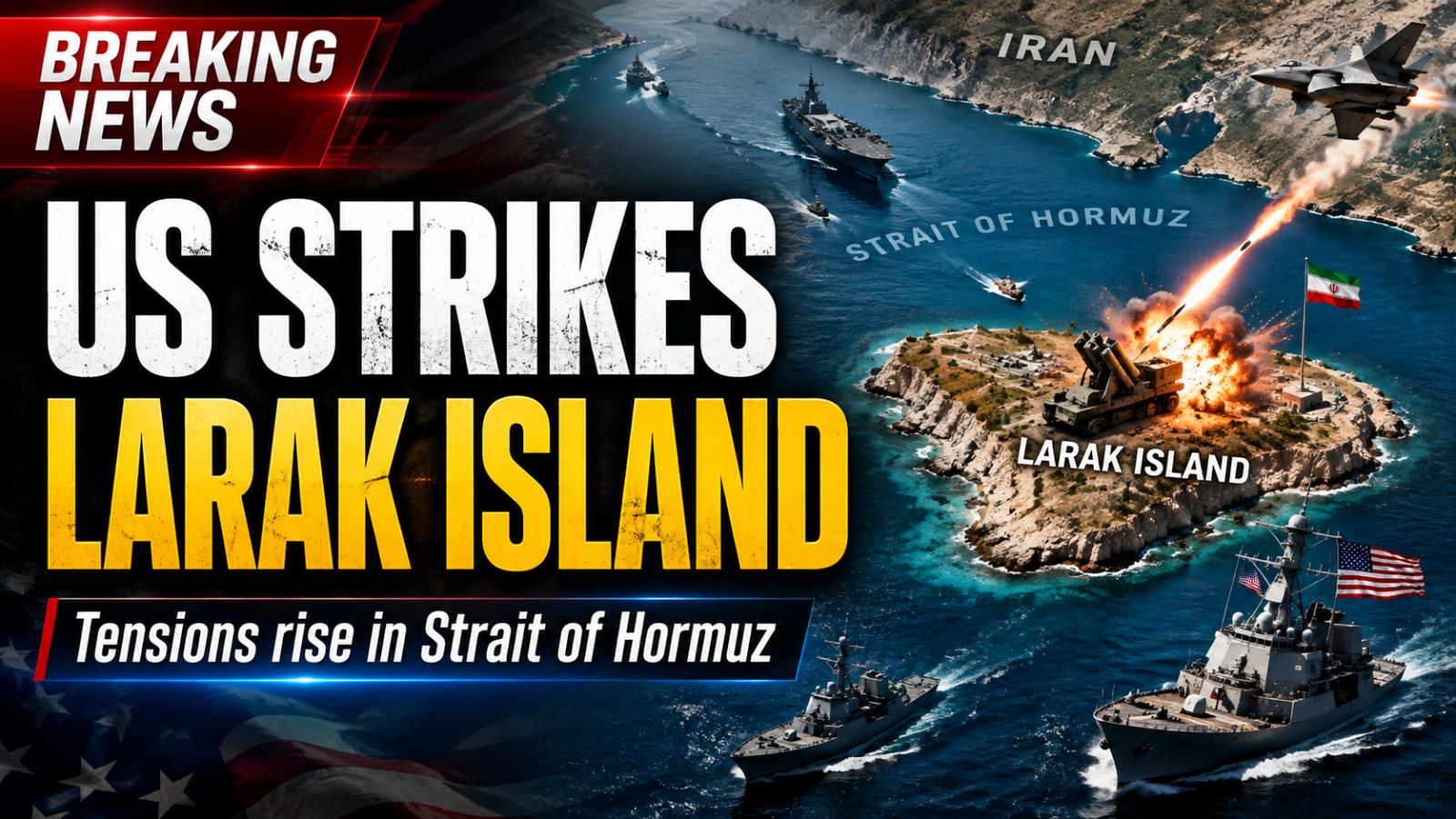
The latest fighting follows the August 30 US strike on two Iranian launchers on Larak Island, which American officials said were preparing to deploy sea mines. Iran answered that operation with ballistic missile attacks against US forces in Jordan.
With fresh American strikes now followed by a broader Iranian missile and drone response, the conflict appears to be entering another dangerous phase. The immediate question is whether both governments contain the exchanges or allow retaliation to expand across US bases, Iranian military facilities and shipping routes around the Strait of Hormuz.
Iran launched missile and drone attacks against US-linked military targets after American forces carried out a new wave of strikes on Islamic Revolutionary Guard Corps facilities across southern Iran. The Iran retaliation marks the sharpest escalation in weeks and has again placed the Strait of Hormuz and regional US bases at the centre of the conflict.
US Iran Strikes
US Central Command confirmed that American forces carried out coordinated strikes on September 1 against IRGC military targets. CENTCOM said the operation hit air-defence sites, radar systems, maritime assets, mine-laying capabilities and communications facilities. The command said the strikes followed attempted Iranian attacks against commercial shipping in the Strait of Hormuz and American service members in the region.
The strikes were concentrated around southern Iran and the strategically important Hormuz region. Separate reporting said Iranian areas including Bandar Abbas, Qeshm, Jask and other coastal locations were among those affected as the conflict returned to a more intense phase.
IRGC Response
Iranian forces responded with missiles and drones aimed at US assets across the region. Iranian state-linked media described the attacks as retaliation for the latest American operation, while the IRGC promised what it called severe punishment for further strikes.
Jordan and Bahrain reported intercepting Iranian missiles and drones, while Iranian sources also claimed strikes against US positions in Iraq. Claims of American casualties made by Tehran had not been independently confirmed by US officials at the time of reporting.
The renewed exchanges show that both sides remain willing to use direct military force despite earlier efforts to reduce hostilities.
Hormuz Crisis
The Strait of Hormuz remains the most sensitive flashpoint. Washington says its latest operation followed Iranian attempts to threaten commercial shipping and deploy mine-laying capabilities near the waterway. CENTCOM has repeatedly described freedom of navigation through the strait as a key US military objective.
The escalation immediately affected energy markets. Brent crude rose toward $96 a barrel as traders reacted to the possibility of renewed disruption in a route responsible for a major share of global oil exports.
Any sustained attacks on shipping, ports or energy infrastructure could therefore have economic consequences far beyond the Middle East.
Trump Warns Iran
President Donald Trump defended the latest US strikes and warned Tehran that further retaliation could trigger an even stronger American response. He said the operation was justified by Iranian attempts to place mines in the Strait of Hormuz and previous attacks directed at US forces.
Trump’s warning came even as Iranian officials insisted they would continue responding to attacks on their territory. The competing threats have sharply reduced hopes that the current exchange will quickly return to the relative calm seen during parts of August.
Regional Escalation Risk
The latest fighting follows the August 30 US strike on two Iranian launchers on Larak Island, which American officials said were preparing to deploy sea mines. Iran answered that operation with ballistic missile attacks against US forces in Jordan.
With fresh American strikes now followed by a broader Iranian missile and drone response, the conflict appears to be entering another dangerous phase. The immediate question is whether both governments contain the exchanges or allow retaliation to expand across US bases, Iranian military facilities and shipping routes around the Strait of Hormuz.
The US-Iran confrontation has entered another tense phase after American forces struck Iranian launchers on Larak Island near the Strait of Hormuz. Iran responded with claims of attacks on US-linked bases in the region, while diplomatic efforts continued in Bishkek, where Prime Minister Narendra Modi met Iranian President Masoud Pezeshkian.
Larak Island Strike
The US-Iran confrontation has entered another tense phase after American forces struck Iranian launchers on Larak Island near the Strait of Hormuz. Iran responded with claims of attacks on US-linked bases in the region, while diplomatic efforts continued in Bishkek, where Prime Minister Narendra Modi met Iranian President Masoud Pezeshkian.
Larak Island Strike
US forces struck two Iranian rocket launchers on Larak Island near the Strait of Hormuz on Sunday, according to reports citing American officials. The US strike on Larak Island marked the first known American attack inside Iran in more than a month and immediately raised fears of renewed escalation around the vital shipping route.
Iran Rocket Launchers
US officials said Islamic Revolutionary Guard Corps forces had been observed preparing rocket systems that could be used to deploy sea mines into the Strait of Hormuz. The alleged activity prompted American forces to target two launchers on Larak Island before they could be used.
Iranian media also reported an explosion near the island, although initial accounts differed over the scale and method of the attack. Larak sits near Bandar Abbas and close to several islands controlling access to the strait, giving it strategic importance for both Iran and international shipping.
Strait of Hormuz Mine Threat
The strike came shortly after US Central Command completed an operation aimed at clearing sea mines from international shipping lanes in the Strait of Hormuz. American officials said forces remained prepared to protect commercial traffic through the waterway.
The strait is one of the world’s most important energy corridors. Any renewed mine activity could threaten tankers, disrupt insurance and shipping schedules, and raise energy-market concerns far beyond the Gulf.
President Donald Trump had previously warned that any vessel involved in laying new mines would be targeted. He described the policy as one of “zero tolerance” toward additional mine placement.
IRGC Response
Iran’s Revolutionary Guards responded sharply after the attack. Iranian reports said the strike killed two people and wounded two others, while the IRGC later said Iranian fighters and civilians had been killed or injured.
The Guards promised retaliation, saying those responsible for the attack would face punishment. The statement signalled that Tehran does not view the Larak strike as a limited tactical incident, raising concern that the confrontation could trigger another cycle of attacks and counterattacks.
Hormuz Strike After Month-Long Pause
The attack was described in the source material as the first known US strike inside Iran since late July, when Washington paused an earlier military campaign around the Strait of Hormuz. That pause had reduced direct exchanges, but tensions over mining activity and freedom of navigation remained unresolved.
The latest strike therefore carries significance beyond the destruction of two launchers. It shows that Washington is prepared to resume direct military action if it believes Iranian forces are preparing to threaten shipping lanes.
Shipping Security in Focus
For global markets, the immediate question is whether the incident remains contained. The Strait of Hormuz connects Gulf energy exporters with world markets, and even a limited military confrontation can affect oil prices, tanker movements and freight costs.
US forces say they are monitoring the area closely, while Iran has warned of retaliation. Until either side signals restraint, the Larak Island strike is likely to keep military planners, shipping companies and energy traders focused on the risk of renewed disruption in the Strait of Hormuz.
US forces struck two Iranian rocket launchers on Larak Island near the Strait of Hormuz on Sunday, according to reports citing American officials. The US strike on Larak Island marked the first known American attack inside Iran in more than a month and immediately raised fears of renewed escalation around the vital shipping route.
Iran Rocket Launchers
US officials said Islamic Revolutionary Guard Corps forces had been observed preparing rocket systems that could be used to deploy sea mines into the Strait of Hormuz. The alleged activity prompted American forces to target two launchers on Larak Island before they could be used.
Iranian media also reported an explosion near the island, although initial accounts differed over the scale and method of the attack. Larak sits near Bandar Abbas and close to several islands controlling access to the strait, giving it strategic importance for both Iran and international shipping.
Strait of Hormuz Mine Threat
The strike came shortly after US Central Command completed an operation aimed at clearing sea mines from international shipping lanes in the Strait of Hormuz. American officials said forces remained prepared to protect commercial traffic through the waterway.
The strait is one of the world’s most important energy corridors. Any renewed mine activity could threaten tankers, disrupt insurance and shipping schedules, and raise energy-market concerns far beyond the Gulf.
President Donald Trump had previously warned that any vessel involved in laying new mines would be targeted. He described the policy as one of “zero tolerance” toward additional mine placement.
IRGC Response
Iran’s Revolutionary Guards responded sharply after the attack. Iranian reports said the strike killed two people and wounded two others, while the IRGC later said Iranian fighters and civilians had been killed or injured.
The Guards promised retaliation, saying those responsible for the attack would face punishment. The statement signalled that Tehran does not view the Larak strike as a limited tactical incident, raising concern that the confrontation could trigger another cycle of attacks and counterattacks.
Hormuz Strike After Month-Long Pause
The attack was described in the source material as the first known US strike inside Iran since late July, when Washington paused an earlier military campaign around the Strait of Hormuz. That pause had reduced direct exchanges, but tensions over mining activity and freedom of navigation remained unresolved.
The latest strike therefore carries significance beyond the destruction of two launchers. It shows that Washington is prepared to resume direct military action if it believes Iranian forces are preparing to threaten shipping lanes.
Shipping Security in Focus
For global markets, the immediate question is whether the incident remains contained. The Strait of Hormuz connects Gulf energy exporters with world markets, and even a limited military confrontation can affect oil prices, tanker movements and freight costs.
US forces say they are monitoring the area closely, while Iran has warned of retaliation. Until either side signals restraint, the Larak Island strike is likely to keep military planners, shipping companies and energy traders focused on the risk of renewed disruption in the Strait of Hormuz.
Iran has portrayed Washington’s intensified economic campaign against Tehran as evidence that the United States failed to achieve its objectives through military pressure. An Islamic Revolutionary Guard Corps spokesperson said Iran was prepared for further US actions and would seek to limit the impact of economic pressure while expanding ties with other countries.
Iran has portrayed Washington’s intensified economic campaign against Tehran as evidence that the United States failed to achieve its objectives through military pressure. An Islamic Revolutionary Guard Corps spokesperson said Iran was prepared for further US actions and would seek to limit the impact of economic pressure while expanding ties with other countries.
Iran has sharpened its defence rhetoric as pressure from Washington intensifies, with Islamic Revolutionary Guard Corps chief Ahmad Vahidi saying the country has built a “solid defensive shield” against external threats. His remarks come as President Donald Trump expands economic pressure on Tehran.
Vahidi plan
In a message marking National Defence Industry Day, Vahidi said Iran was confron
Iran has sharpened its defence rhetoric as pressure from Washington intensifies, with Islamic Revolutionary Guard Corps chief Ahmad Vahidi saying the country has built a “solid defensive shield” against external threats. His remarks come as President Donald Trump expands economic pressure on Tehran.
Vahidi plan
In a message marking National Defence Industry Day, Vahidi said Iran was confron
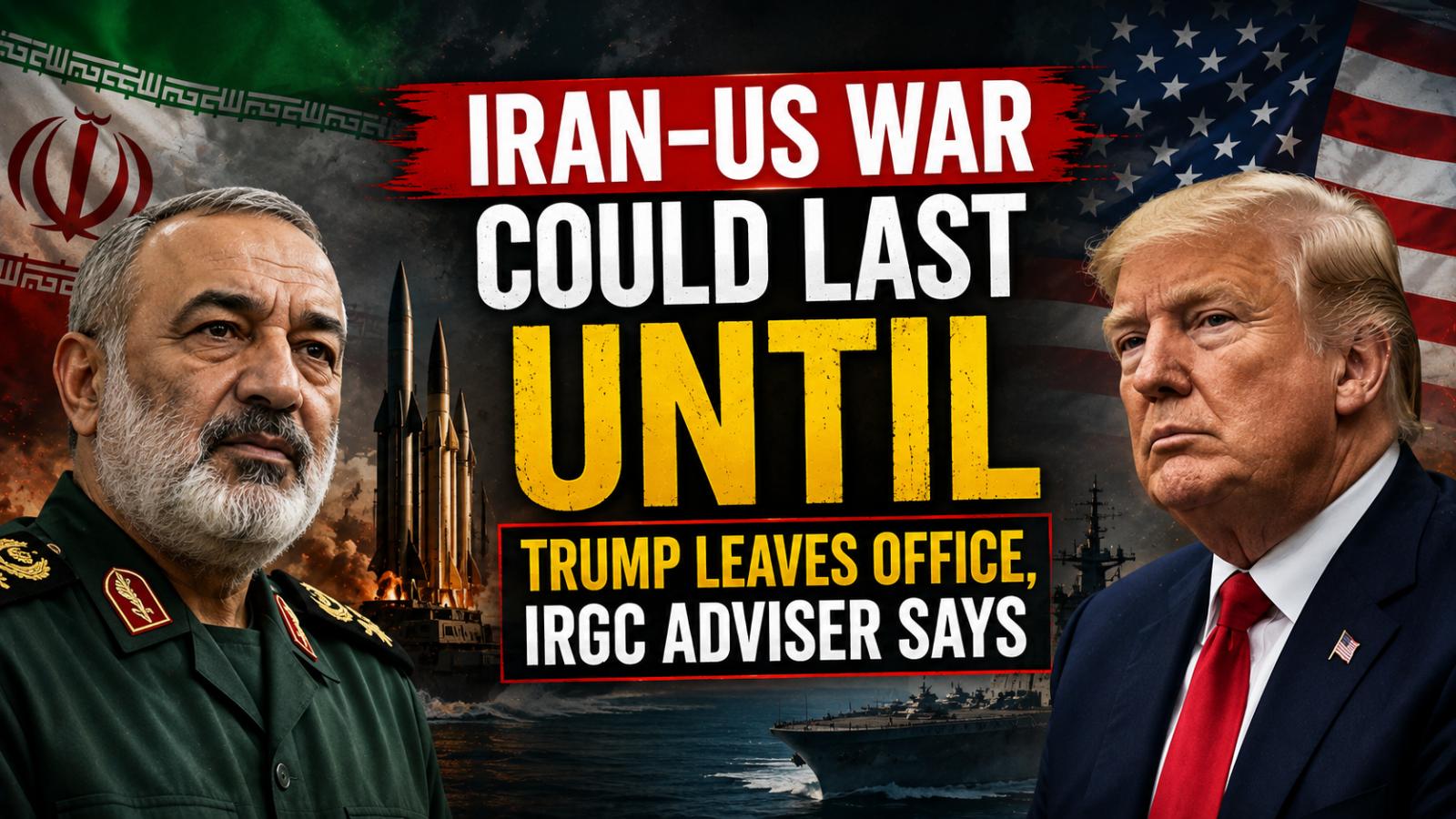
A senior adviser to Iran's Islamic Revolutionary Guard Corps has suggested Tehran could prolong the Iran-US war until President Donald Trump leaves office, framing a lengthy conflict as a strategy to impose costs on Washington and strengthen Iranian deterrence. Mohammad Reza Naqdi made the remarks during an interview with PBS.
IRGC adviser outlines war attriti
A senior adviser to Iran's Islamic Revolutionary Guard Corps has suggested Tehran could prolong the Iran-US war until President Donald Trump leaves office, framing a lengthy conflict as a strategy to impose costs on Washington and strengthen Iranian deterrence. Mohammad Reza Naqdi made the remarks during an interview with PBS.
IRGC adviser outlines war attriti
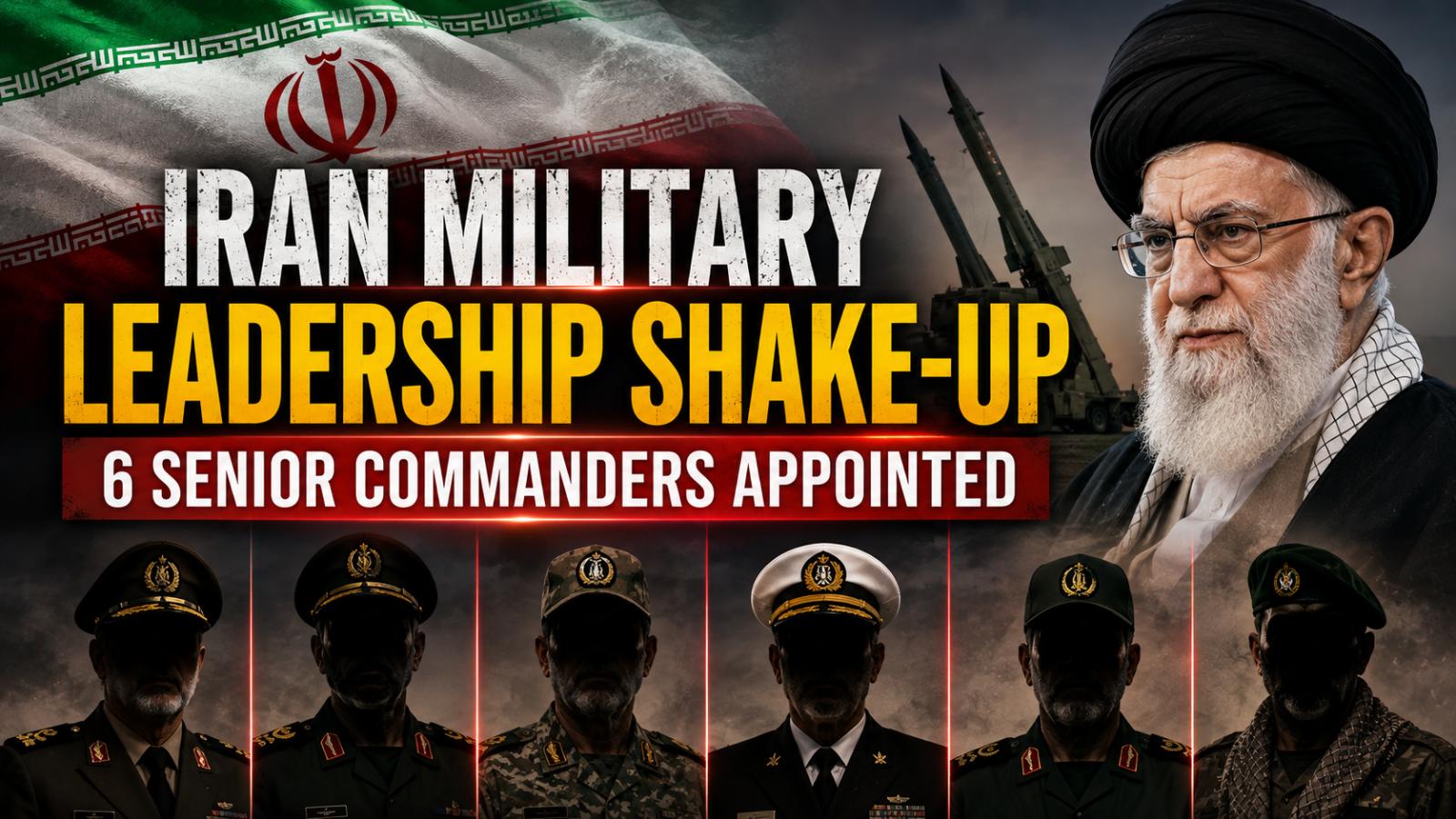
Iran military leadership reshuffle has formally installed six senior commanders across the Armed Forces, Islamic Revolutionary Guard Corps and Basij. Supreme Leader Mojtaba Khamenei's appointments place Ali Abdollahi at the top of the military command while confirming Ahmad Vahidi as commander-in-chief of the IRGC.
Iran commanders appointed after wartime loss
Iran military leadership reshuffle has formally installed six senior commanders across the Armed Forces, Islamic Revolutionary Guard Corps and Basij. Supreme Leader Mojtaba Khamenei's appointments place Ali Abdollahi at the top of the military command while confirming Ahmad Vahidi as commander-in-chief of the IRGC.
Iran commanders appointed after wartime loss
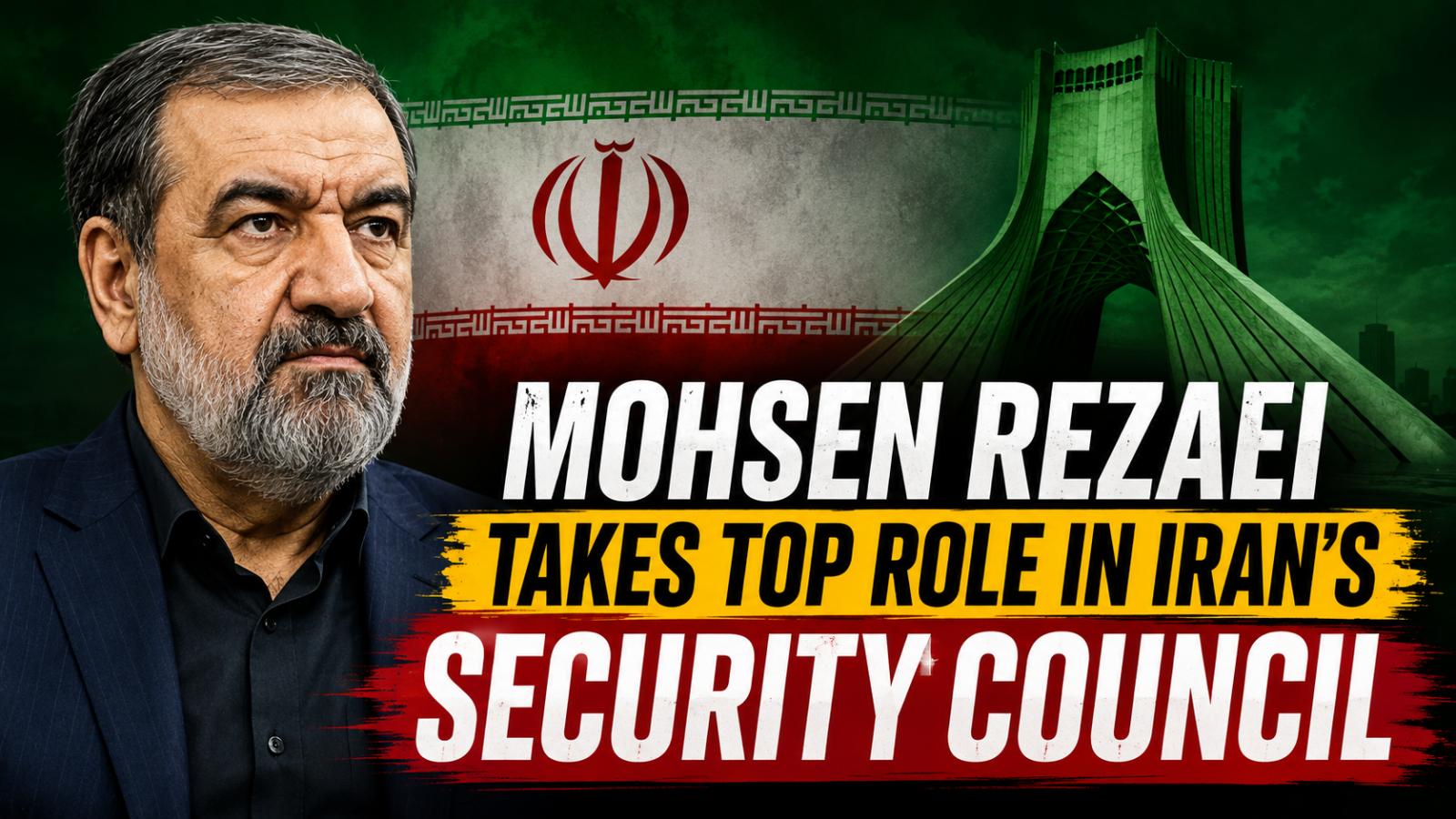
Mohsen Rezaei has taken two senior roles in Iran’s Supreme National Security Council, becoming SNSC secretary and Supreme Leader Mojtaba Khamenei’s representative. The former IRGC commander replaces Mohammad Bagher Zolghadr after his resignation from the key security post.
Mohsen Rezaei Named Supreme Leader’s SNSC Representative
Iran’s Supreme Leader Mojtaba Khamenei appointed veteran m
Mohsen Rezaei has taken two senior roles in Iran’s Supreme National Security Council, becoming SNSC secretary and Supreme Leader Mojtaba Khamenei’s representative. The former IRGC commander replaces Mohammad Bagher Zolghadr after his resignation from the key security post.
Mohsen Rezaei Named Supreme Leader’s SNSC Representative
Iran’s Supreme Leader Mojtaba Khamenei appointed veteran m
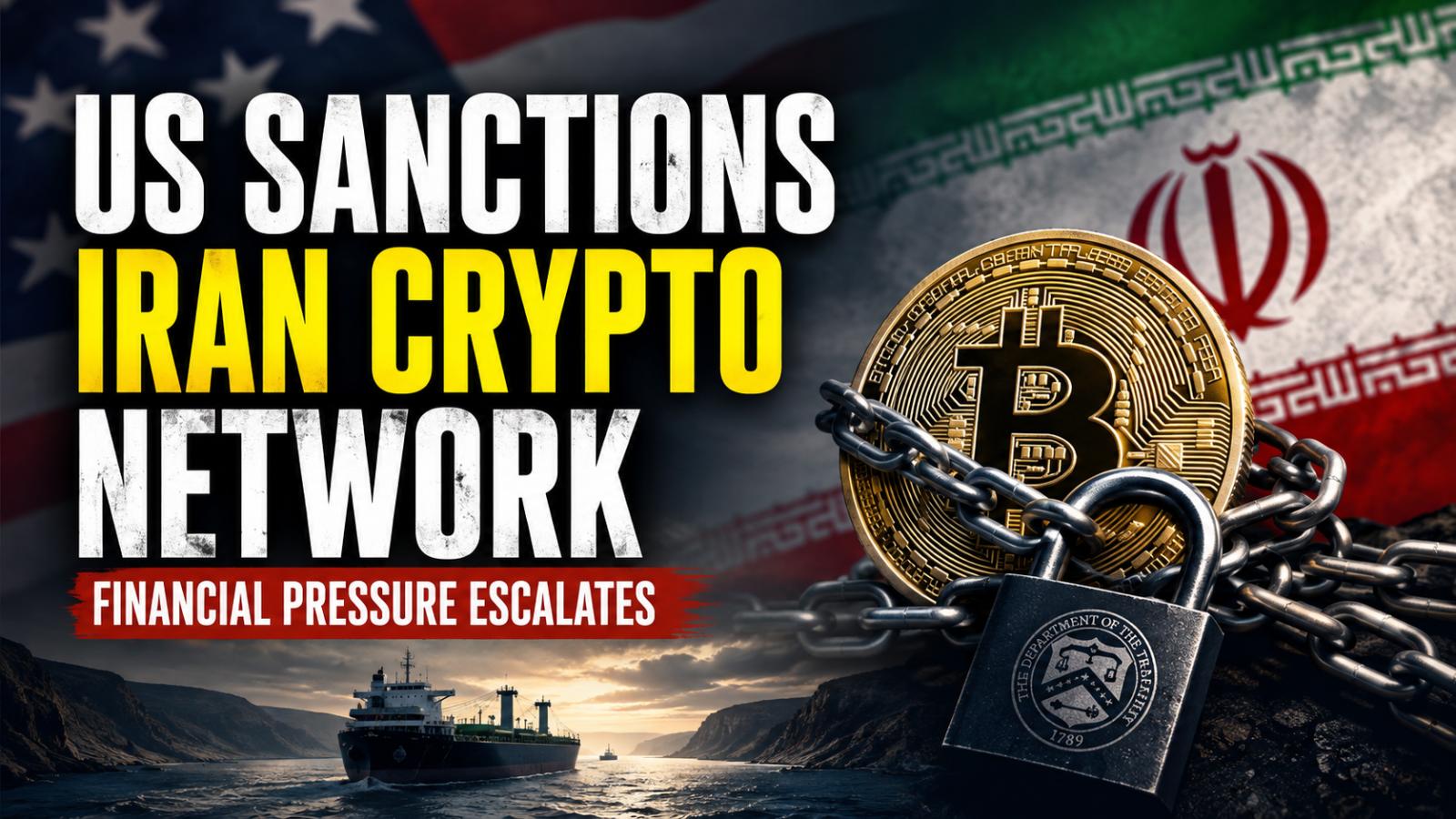
The United States is intensifying pressure on Iran’s financial networks, focusing increasingly on cryptocurrency exchanges and digital assets that Washington says have helped Tehran move money internationally and bypass sanctions. The action comes as tensions remain high over commercial shipping and negotiations involving the Strait of Hormuz. U.S. authorities have previously targeted Iranian exchanges and individuals accused of facilitating transactions connected to t
The United States is intensifying pressure on Iran’s financial networks, focusing increasingly on cryptocurrency exchanges and digital assets that Washington says have helped Tehran move money internationally and bypass sanctions. The action comes as tensions remain high over commercial shipping and negotiations involving the Strait of Hormuz. U.S. authorities have previously targeted Iranian exchanges and individuals accused of facilitating transactions connected to t
US Offers $15 Million Reward for KIPAS Drone Network Tips
The United States has announced a reward of up to $15 million for information that disrupts the KIPAS drone network. Washington is seeking details about its finances, senior staff and alleged role in developing and supplying drones for Iran’s IRGC Quds Force.
US $15 Million KIPAS Reward Announced
US Offers $15 Million Reward for KIPAS Drone Network Tips
The United States has announced a reward of up to $15 million for information that disrupts the KIPAS drone network. Washington is seeking details about its finances, senior staff and alleged role in developing and supplying drones for Iran’s IRGC Quds Force.
US $15 Million KIPAS Reward Announced
Oil prices surged in early Asian trading on Wednesday after Iran launched multiple ballistic missiles at US forces in the Middle East. The renewed military exchange pushed Brent and WTI crude higher as traders reassessed supply risks linked to the conflict and the Strait of Hormuz.
Oil Prices Surge in Asian Trading
Global oil prices climbed by more than 3 per cent during early trading on July 29 as renewed fighting between Iran and the U
Oil prices surged in early Asian trading on Wednesday after Iran launched multiple ballistic missiles at US forces in the Middle East. The renewed military exchange pushed Brent and WTI crude higher as traders reassessed supply risks linked to the conflict and the Strait of Hormuz.
Oil Prices Surge in Asian Trading
Global oil prices climbed by more than 3 per cent during early trading on July 29 as renewed fighting between Iran and the U
A proposed Strait of Hormuz shipping deal will not impose tolls or transit charges on commercial vessels, according to a US official familiar with negotiations involving Washington, Iran and Oman. The discussions seek to protect ship transit and restore confidence in the strategic waterway after conflict-related disruptions.
Strait of Hormuz Shipping Deal Excludes Tolls
Commercial ships passing
A proposed Strait of Hormuz shipping deal will not impose tolls or transit charges on commercial vessels, according to a US official familiar with negotiations involving Washington, Iran and Oman. The discussions seek to protect ship transit and restore confidence in the strategic waterway after conflict-related disruptions.
Strait of Hormuz Shipping Deal Excludes Tolls
Commercial ships passing
Iran ballistic missile attack dominated global headlines after the Islamic Revolutionary Guard Corps (IRGC) launched multiple missiles targeting US forces in the Middle East. According to CENTCOM, every missile was intercepted successfully, preventing casualties while raising concerns about renewed tensions between Tehran and Washington.
CENTCOM Reports Succes
Iran ballistic missile attack dominated global headlines after the Islamic Revolutionary Guard Corps (IRGC) launched multiple missiles targeting US forces in the Middle East. According to CENTCOM, every missile was intercepted successfully, preventing casualties while raising concerns about renewed tensions between Tehran and Washington.
CENTCOM Reports Succes
A reported Strait of Hormuz tanker explosion has renewed concern over maritime safety after Iranian media said an oil vessel struck a naval mine outside a route designated by Tehran. Iranian authorities have not issued a full official account, while the United States has paused strikes as diplomatic contacts continue.
Strait of Hormuz tanker explosion remains unconfirmed
An oil tanker reportedl
A reported Strait of Hormuz tanker explosion has renewed concern over maritime safety after Iranian media said an oil vessel struck a naval mine outside a route designated by Tehran. Iranian authorities have not issued a full official account, while the United States has paused strikes as diplomatic contacts continue.
Strait of Hormuz tanker explosion remains unconfirmed
An oil tanker reportedl
President Donald Trump said the latest US strikes on Iran hit the country “very hard” and were carried out in honour of three American soldiers killed in attacks in Jordan and Iraq. The renewed CENTCOM attacks have intensified the Iran retaliation cycle and raised fresh concerns over the Strait of Hormuz.
Trump Iran strikes honour fallen US soldiers
Trump said the military operation recogni
President Donald Trump said the latest US strikes on Iran hit the country “very hard” and were carried out in honour of three American soldiers killed in attacks in Jordan and Iraq. The renewed CENTCOM attacks have intensified the Iran retaliation cycle and raised fresh concerns over the Strait of Hormuz.
Trump Iran strikes honour fallen US soldiers
Trump said the military operation recogni
The West Asia war intensified on Monday as the United States carried out another round of strikes on Iran, Tehran acknowledged continuing diplomatic exchanges, and reported tanker explosions raised fresh concerns over the Strait of Hormuz and global energy supplies.
U.S. strikes continue for ninth consecutive night
The United States conducted a fresh wave of airstrikes against targets in Iran e
The West Asia war intensified on Monday as the United States carried out another round of strikes on Iran, Tehran acknowledged continuing diplomatic exchanges, and reported tanker explosions raised fresh concerns over the Strait of Hormuz and global energy supplies.
U.S. strikes continue for ninth consecutive night
The United States conducted a fresh wave of airstrikes against targets in Iran e
IRGC claims two oil tankers exploded near the Strait of Hormuz after entering what it described as a mined area. The allegations, which have not been independently verified, come as military tensions between the United States and Iran continue to raise concerns over global shipping and energy security.
IRGC Claims Two Oil Tankers Exploded Near Strait of Hormuz
IRGC claims two oil tankers exploded near the Strait of Hormuz after entering what it described as a mined area. The allegations, which have not been independently verified, come as military tensions between the United States and Iran continue to raise concerns over global shipping and energy security.
IRGC Claims Two Oil Tankers Exploded Near Strait of Hormuz
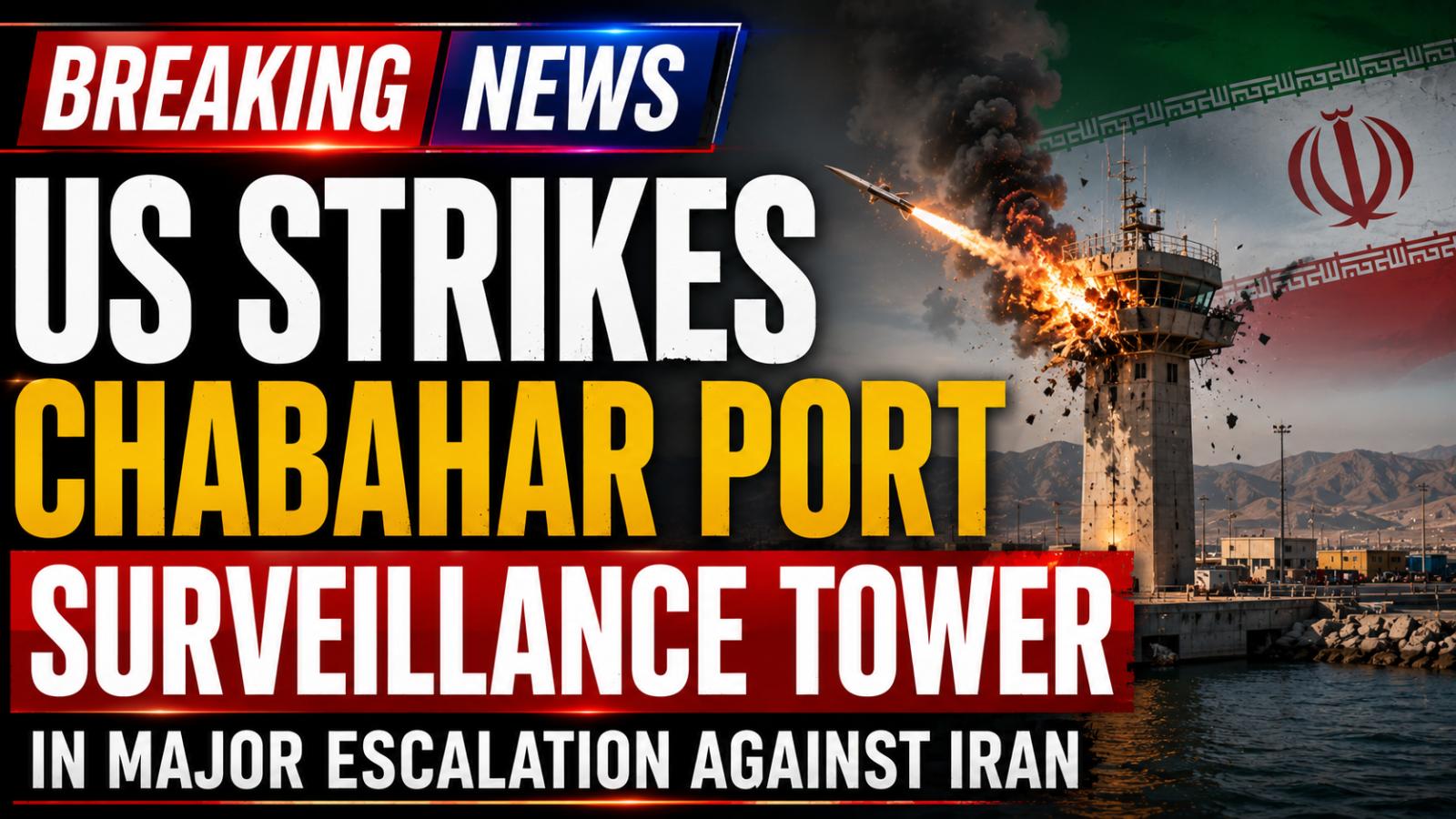
US strikes Chabahar Port surveillance tower in a major expansion of its military campaign against Iran. CENTCOM says the facility helped the IRGC monitor shipping through the Strait of Hormuz, while Tehran insists the strategically important port remains operational despite the attack.
US Strikes Chabahar Port Surveillance Tower in Iran
US strikes Chabahar Port surveillance tower in a major expansion of its military campaign against Iran. CENTCOM says the facility helped the IRGC monitor shipping through the Strait of Hormuz, while Tehran insists the strategically important port remains operational despite the attack.
US Strikes Chabahar Port Surveillance Tower in Iran
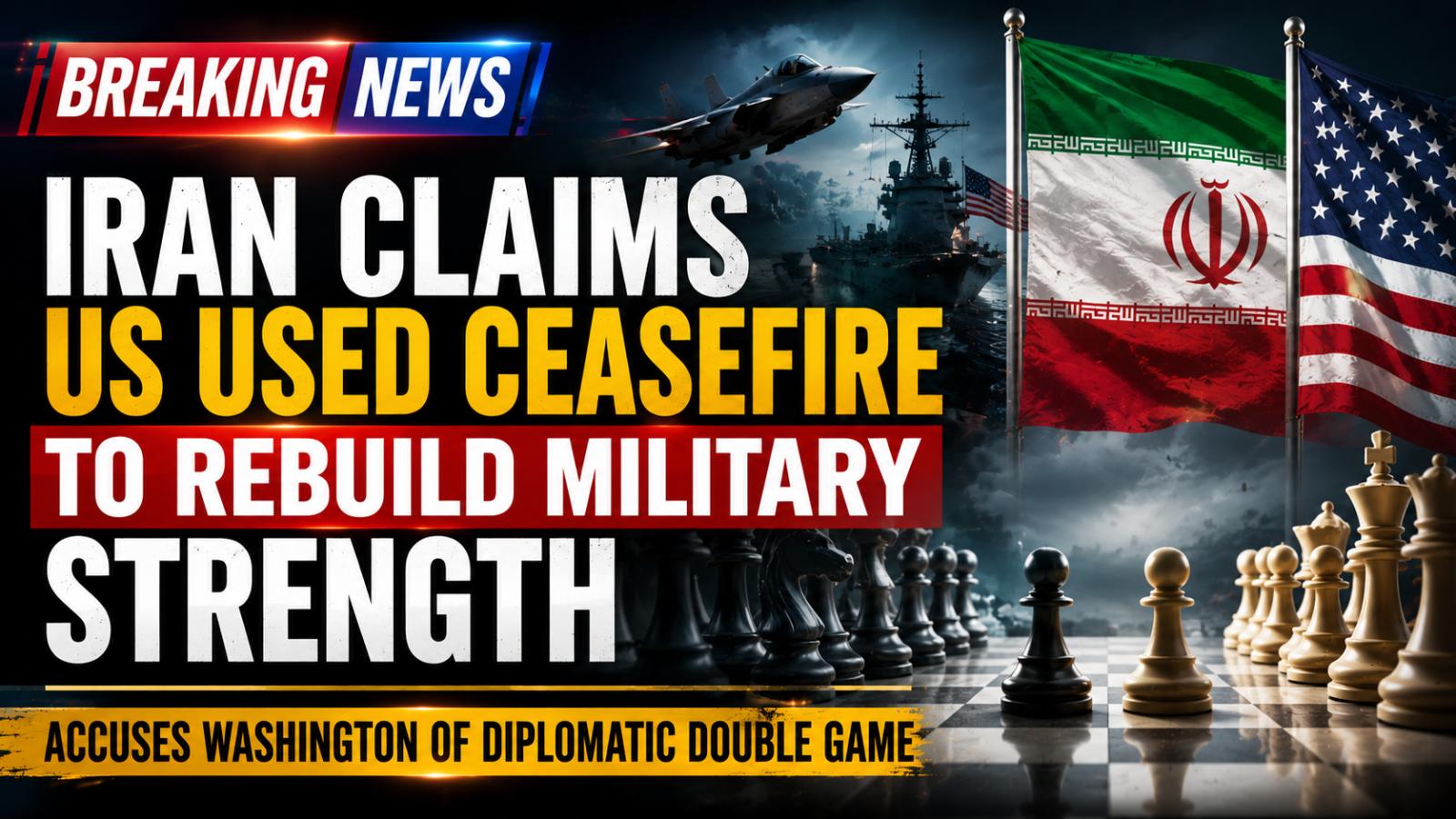
Iran claims US used ceasefire to strengthen its military capabilities while continuing diplomatic talks, according to senior adviser Mohsen Rezaei. The allegations include rebuilding forces, revising the Islamabad MoU and imposing conditions on the release of frozen Iranian assets.
Iran Claims US Used Ceasefire to Rebuild Military Strength
&nbs
Iran claims US used ceasefire to strengthen its military capabilities while continuing diplomatic talks, according to senior adviser Mohsen Rezaei. The allegations include rebuilding forces, revising the Islamabad MoU and imposing conditions on the release of frozen Iranian assets.
Iran Claims US Used Ceasefire to Rebuild Military Strength
&nbs