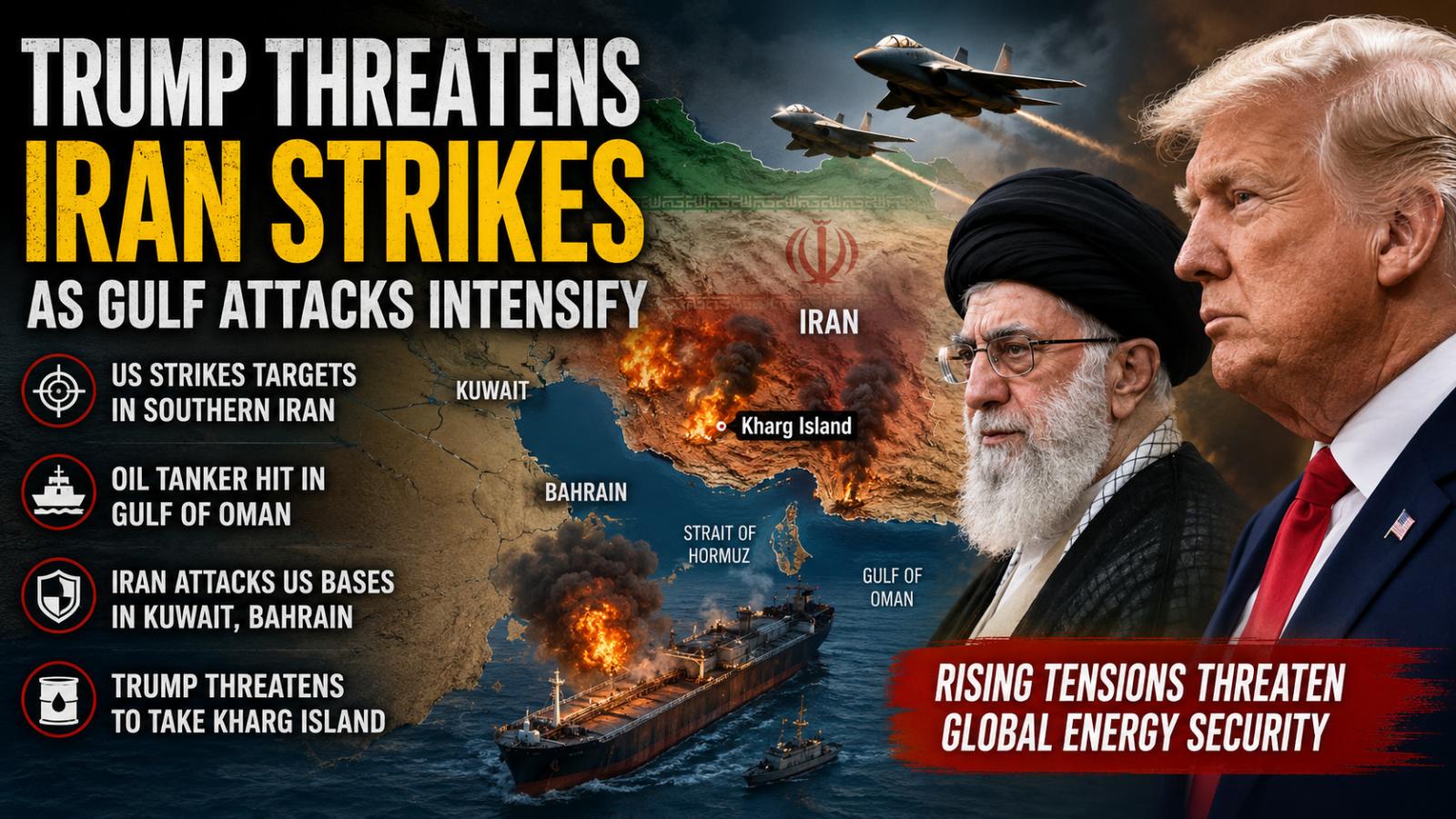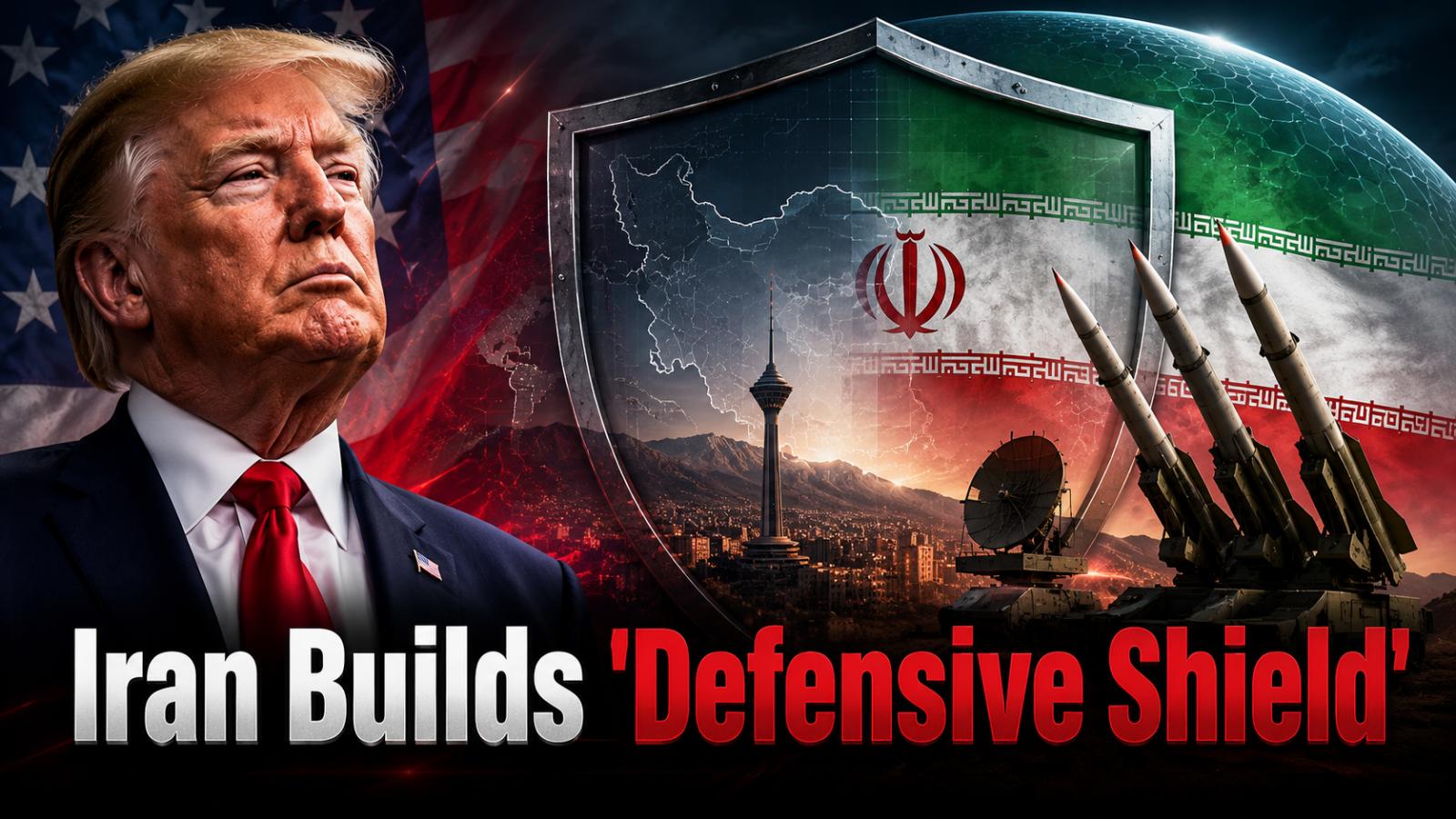
Iran has sharpened its defence rhetoric as pressure from Washington intensifies, with Islamic Revolutionary Guard Corps chief Ahmad Vahidi saying the country has built a “solid defensive shield” against external threats. His remarks come as President Donald Trump expands economic pressure on Tehran.
Vahidi plan
In a message marking National Defence Industry Day, Vahidi said Iran was confronting new forms of combined and military aggression. He argued that domestic defence production had strengthened deterrence and military capability despite years of sanctions.
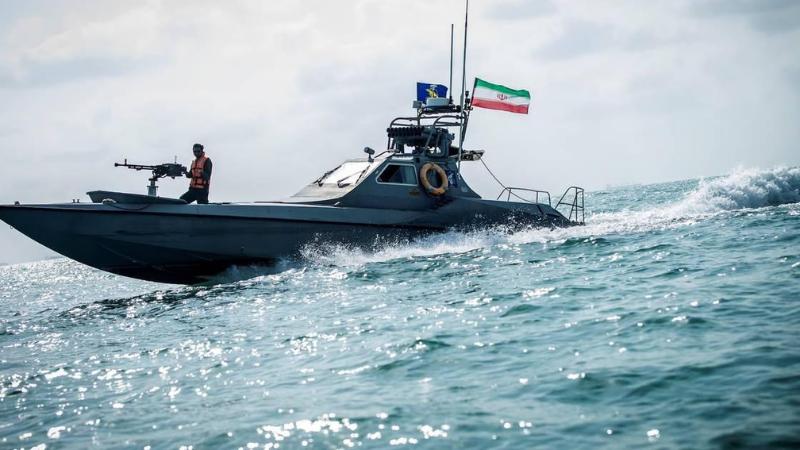
Vahidi also backed continued development of Iran’s defensive and offensive capacity, presenting military self-reliance as central to the country’s security strategy. His remarks reinforce Tehran’s claim that external pressure has not removed its ability to respond to threats.
Trump push
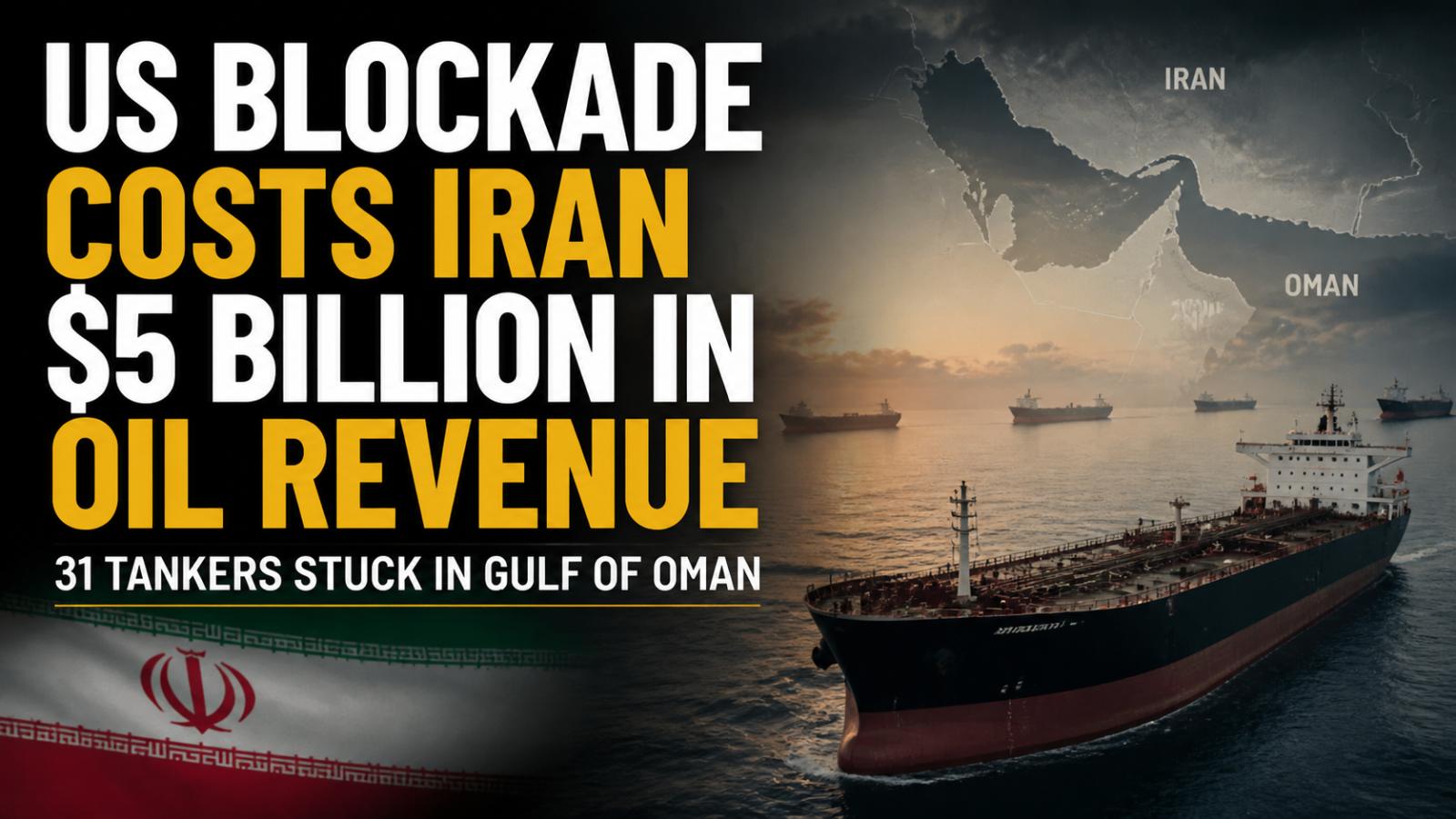
Trump has announced what he calls an “Economic D-Day” against Iran, describing it as an unprecedented economic pressure campaign. The effort targets financial and commercial channels that could help Tehran move oil, money or payments through international networks.
Trump has also warned countries and companies against providing Iran with an economic lifeline, while continuing to demand that Tehran remain unable to acquire nuclear weapons.
Iran sanctions
Iranian Foreign Minister Abbas Araghchi rejected the latest US approach and argued that earlier sanctions campaigns had failed. In a post on X, he cited previous US pressure strategies and said the new measures were also “bound to fail.”
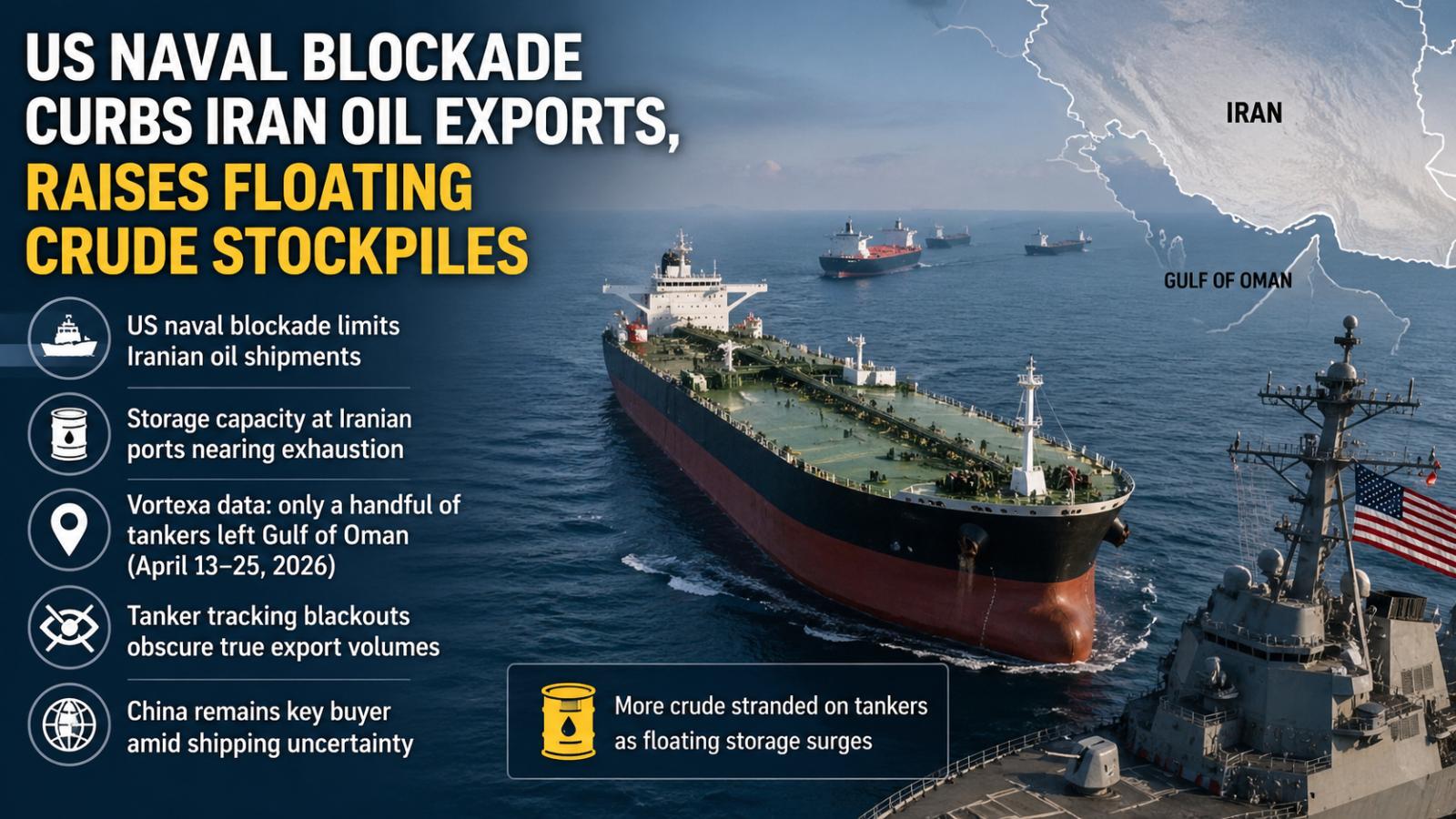
Iranian officials have framed Washington’s campaign as coercive pressure rather than diplomacy. The renewed sanctions drive is also increasing attention on Iran’s oil trade, financial access and the broader economic cost of the confrontation.
Hormuz row
The Strait of Hormuz remains one of the most sensitive parts of the dispute. Iranian Parliament Speaker Mohammad Bagher Ghalibaf has said the waterway will remain closed until Washington fulfils commitments connected to a 14-point memorandum between the two sides.
Because Hormuz is a major route for global energy shipments, prolonged disruption could affect shipping risks, oil markets and regional economies.
US-Iran strain
The latest statements show that Tehran and Washington remain locked in a confrontation combining military deterrence, sanctions and diplomatic pressure. Iran is emphasizing defence readiness, while the Trump administration is trying to tighten economic isolation.
Neither side is signaling an immediate retreat. The key question is whether mounting economic and security pressure leads back to negotiations or deepens a conflict already affecting trade, energy markets and regional stability.