














Tehran warns of response if ceasefire violations continue in Gulf
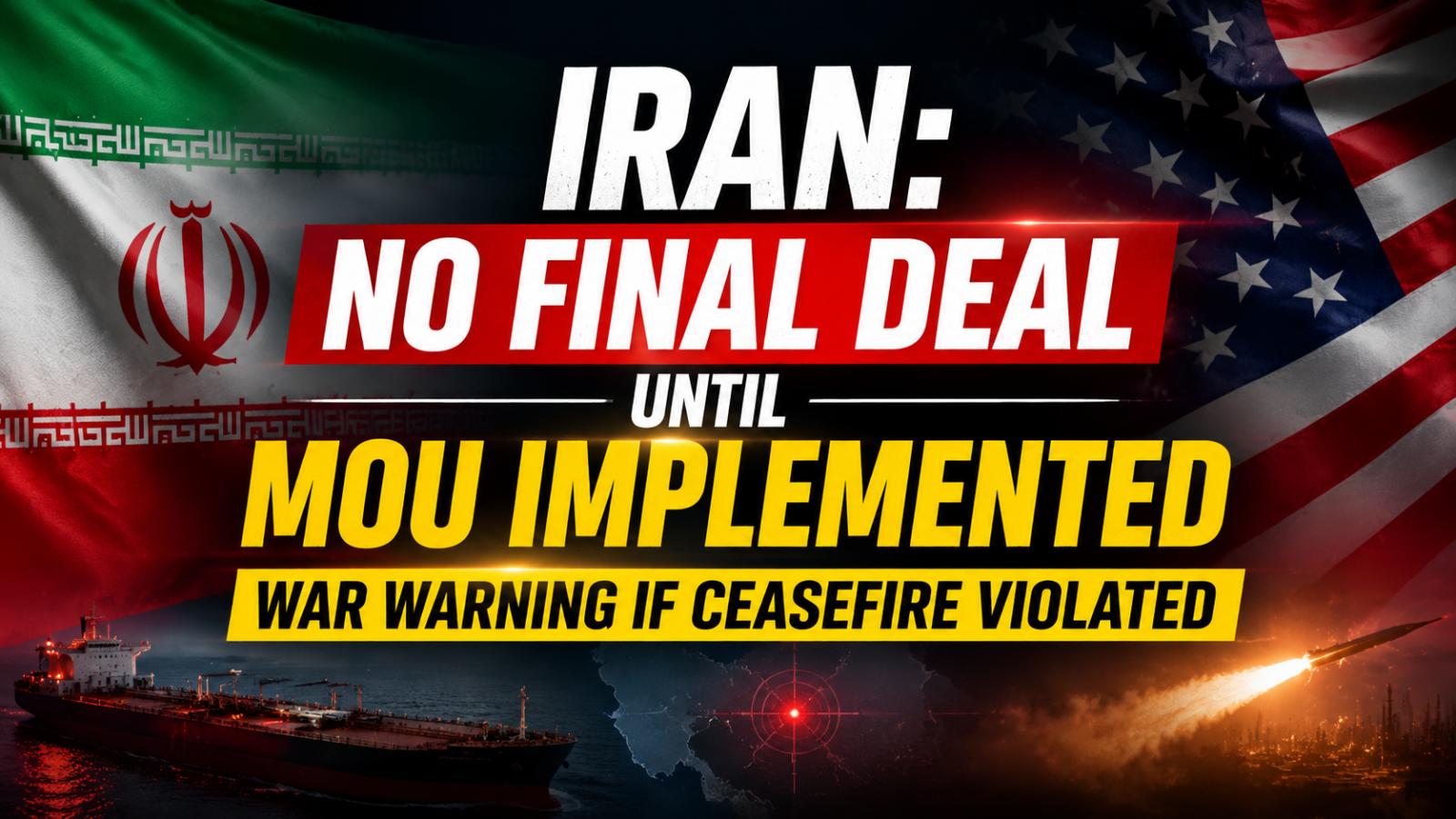
Iran Sets Conditions for Further US Negotiations Iran has stated that it is not yet prepared to move forward with a final agreement with the United States, emphasizing that key provisions of a recently signed 14-point Memorandum of Understanding must first be implemented. Senior Iranian officials indicated that only after these steps are fulfilled would comprehensive n
Tehran warns of response if ceasefire violations continue in Gulf
Iran Sets Conditions for Further US Negotiations Iran has stated that it is not yet prepared to move forward with a final agreement with the United States, emphasizing that key provisions of a recently signed 14-point Memorandum of Understanding must first be implemented. Senior Iranian officials indicated that only after these steps are fulfilled would comprehensive n
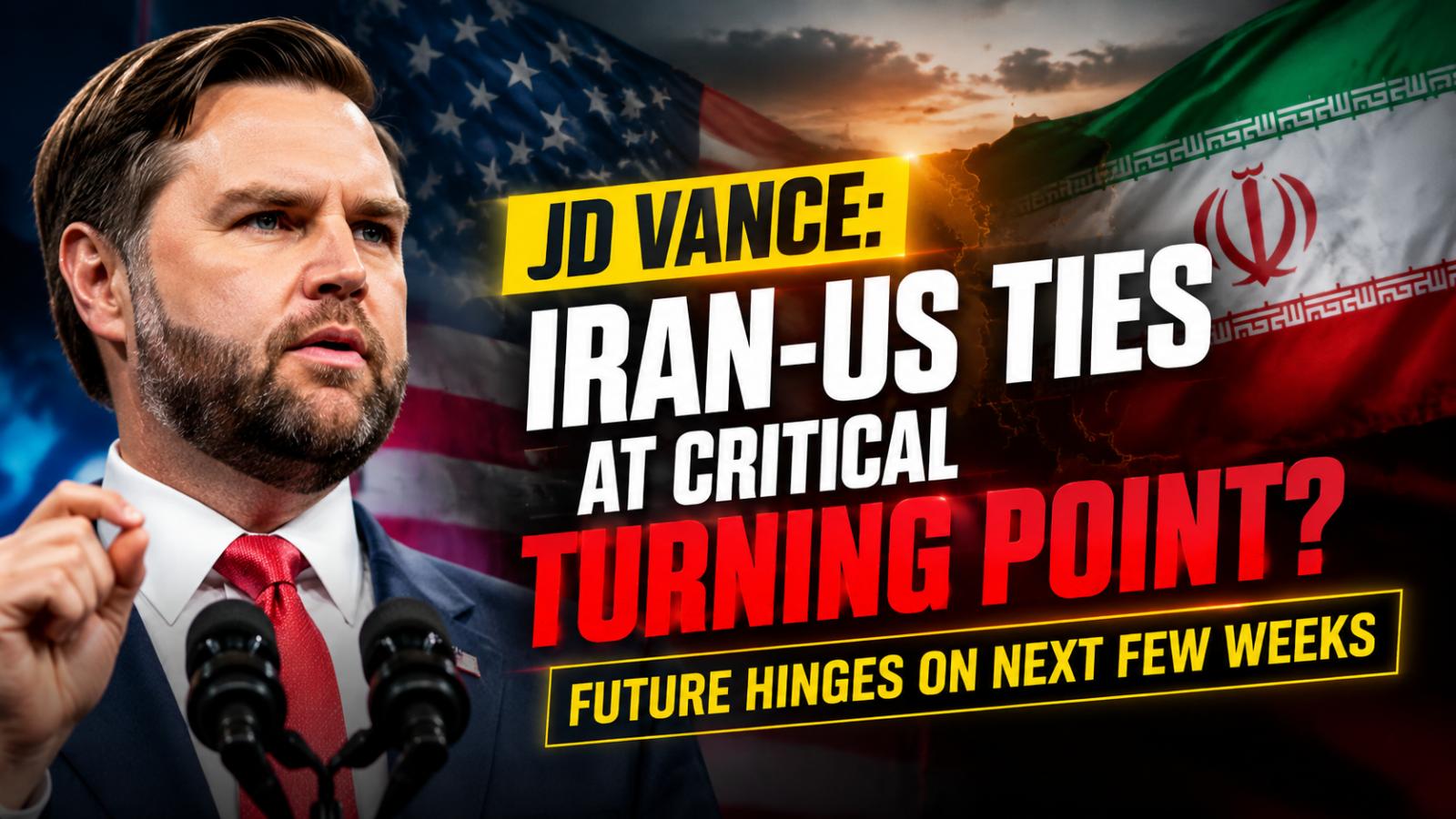
JD Vance says Iran-US relations at critical turning point
Washington Signals Uncertain Phase in Iran Relations US Vice President JD Vance has suggested that the coming weeks could play a decisive role in shaping future relations between Washington and Tehran, while emphasizing that outcomes remain highly uncertain. Speaking on a media program, he described the current situation as a potentially significant turning point in l
JD Vance says Iran-US relations at critical turning point
Washington Signals Uncertain Phase in Iran Relations US Vice President JD Vance has suggested that the coming weeks could play a decisive role in shaping future relations between Washington and Tehran, while emphasizing that outcomes remain highly uncertain. Speaking on a media program, he described the current situation as a potentially significant turning point in l
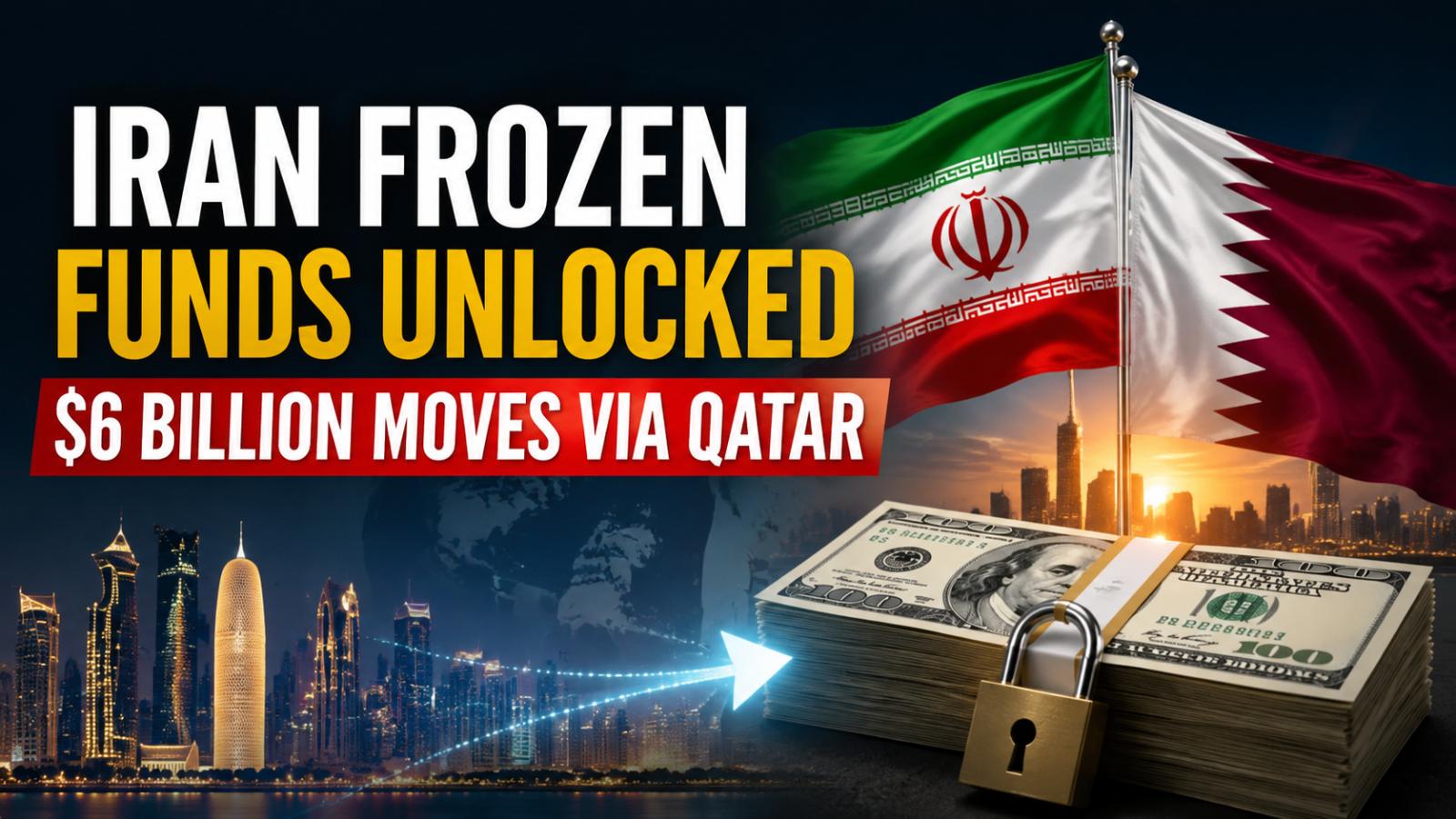
Iran frozen funds begin transfer via Qatar under deal talks
A phased release of long-restricted Iranian financial assets has begun under a monitored arrangement involving Qatar and the United States, marking a cautious shift in ongoing diplomatic engagement. Nearly $6 billion in previously inaccessible funds are being routed through controlled channels in Doha as part of a broader effort to ease financial pressure while maintaining oversight on compliance mechanisms. The development comes after months of indirect discussions aimed at stabilising tensions around energy exports, banking restrictions, and regional security concerns that have shaped Iran’s access to global markets. Structured financial transfer mechanism Officials familiar with the arrangement say the funds are not being released in a single transaction. Instead, they are being moved in stages through designated banking pathways in Qatar under strict monitoring conditions. The approach is designed to reduce systemic risk in international financial networks while allowing gradual access to blocked reserves. Qatar’s role as intermediary has been central due to its established diplomatic communication channels with both Tehran and Washington. The structure reflects an attempt to balance economic relief with regulatory safeguards, particularly in sectors linked to oil and petrochemical revenues that remain under sanctions pressure. Doha’s role in ongoing negotiations The latest financial movement is tied to continuing discussions in Doha, where technical teams are expected to refine implementation details of earlier understandings between involved parties. Qatari mediators have maintained active coordination to ensure communication remains open and to prevent breakdowns in the negotiation process. The talks are viewed as part of a wider diplomatic track that has periodically resurfaced amid regional tensions and shifting geopolitical priorities. While no final settlement has been confirmed, the current phase signals that both sides are still engaging through indirect channels rather than moving toward confrontation. Economic implications remain limited for now The partial release of funds may provide short-term liquidity support for Iran, but analysts caution that it does not represent a full resolution of broader economic constraints. Long-standing sanctions, limited access to global banking systems, and uncertainty in energy trade continue to shape the country’s financial outlook. Any meaningful improvement would depend on sustained diplomatic progress and longer-term policy alignment across negotiating parties. Outlook Qatar’s increasing role as a financial and diplomatic bridge highlights its growing influence in regional mediation efforts. However, the situation remains fluid, with outcomes dependent on how upcoming discussions in Doha evolve and whether trust between negotiating sides can be maintained through successive stages of implementation.
Iran frozen funds begin transfer via Qatar under deal talks
A phased release of long-restricted Iranian financial assets has begun under a monitored arrangement involving Qatar and the United States, marking a cautious shift in ongoing diplomatic engagement. Nearly $6 billion in previously inaccessible funds are being routed through controlled channels in Doha as part of a broader effort to ease financial pressure while maintaining oversight on compliance mechanisms. The development comes after months of indirect discussions aimed at stabilising tensions around energy exports, banking restrictions, and regional security concerns that have shaped Iran’s access to global markets. Structured financial transfer mechanism Officials familiar with the arrangement say the funds are not being released in a single transaction. Instead, they are being moved in stages through designated banking pathways in Qatar under strict monitoring conditions. The approach is designed to reduce systemic risk in international financial networks while allowing gradual access to blocked reserves. Qatar’s role as intermediary has been central due to its established diplomatic communication channels with both Tehran and Washington. The structure reflects an attempt to balance economic relief with regulatory safeguards, particularly in sectors linked to oil and petrochemical revenues that remain under sanctions pressure. Doha’s role in ongoing negotiations The latest financial movement is tied to continuing discussions in Doha, where technical teams are expected to refine implementation details of earlier understandings between involved parties. Qatari mediators have maintained active coordination to ensure communication remains open and to prevent breakdowns in the negotiation process. The talks are viewed as part of a wider diplomatic track that has periodically resurfaced amid regional tensions and shifting geopolitical priorities. While no final settlement has been confirmed, the current phase signals that both sides are still engaging through indirect channels rather than moving toward confrontation. Economic implications remain limited for now The partial release of funds may provide short-term liquidity support for Iran, but analysts caution that it does not represent a full resolution of broader economic constraints. Long-standing sanctions, limited access to global banking systems, and uncertainty in energy trade continue to shape the country’s financial outlook. Any meaningful improvement would depend on sustained diplomatic progress and longer-term policy alignment across negotiating parties. Outlook Qatar’s increasing role as a financial and diplomatic bridge highlights its growing influence in regional mediation efforts. However, the situation remains fluid, with outcomes dependent on how upcoming discussions in Doha evolve and whether trust between negotiating sides can be maintained through successive stages of implementation.
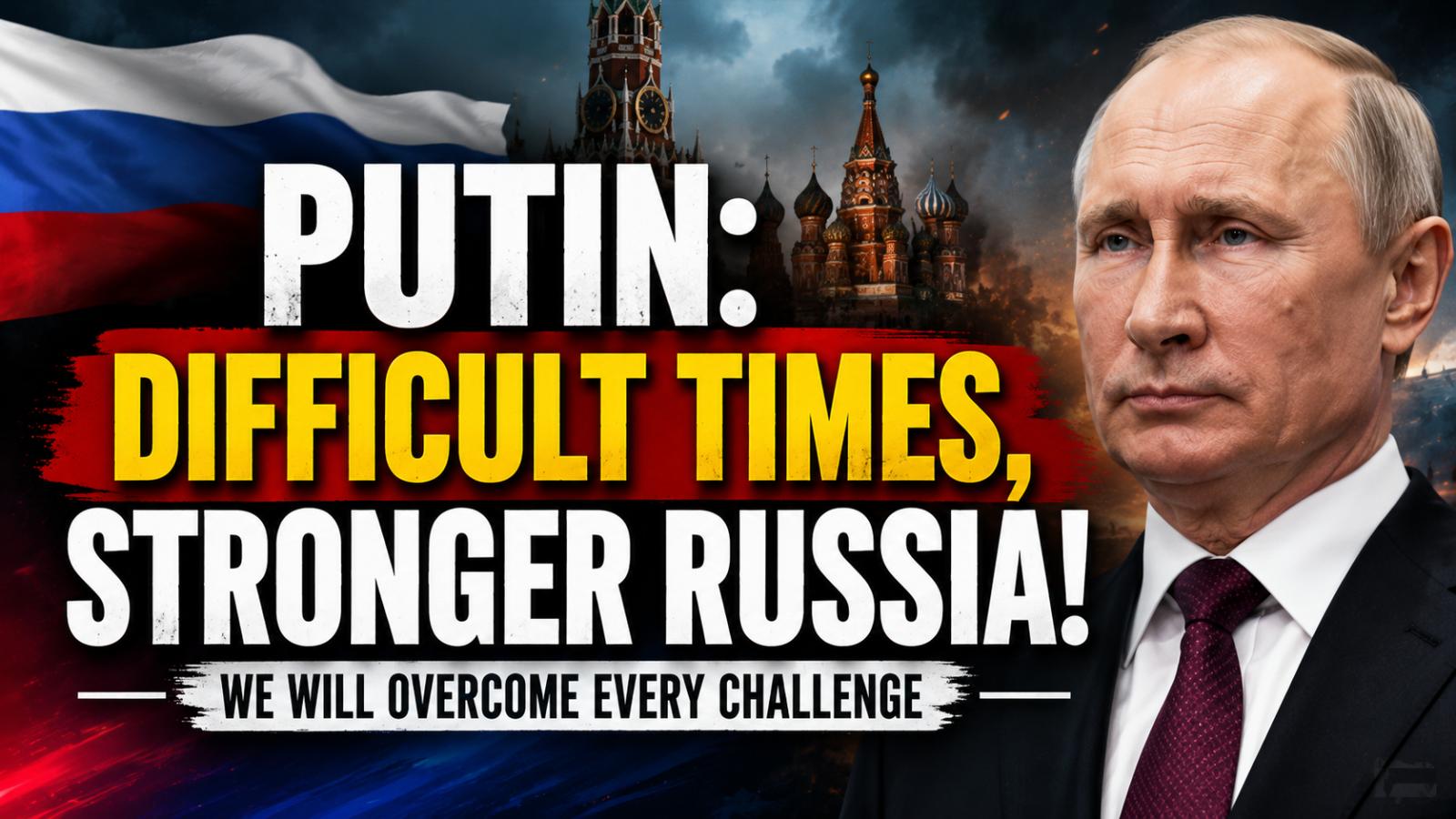
Putin highlights resilience of Russia ahead of parliamentary elections
Putin Addresses Russia’s Challenges Russian President Vladimir Putin on Sunday acknowledged that Russia is navigating a difficult period but expressed confidence in the country’s ability to overcome its challenges. Speaking at a conference of the United Russia party ahead of the September parliamentary elections, Putin emphasized that the difficulties faced have made Russia stronger and provided valuable lessons for governance and national security.
Putin highlights resilience of Russia ahead of parliamentary elections
Putin Addresses Russia’s Challenges Russian President Vladimir Putin on Sunday acknowledged that Russia is navigating a difficult period but expressed confidence in the country’s ability to overcome its challenges. Speaking at a conference of the United Russia party ahead of the September parliamentary elections, Putin emphasized that the difficulties faced have made Russia stronger and provided valuable lessons for governance and national security.
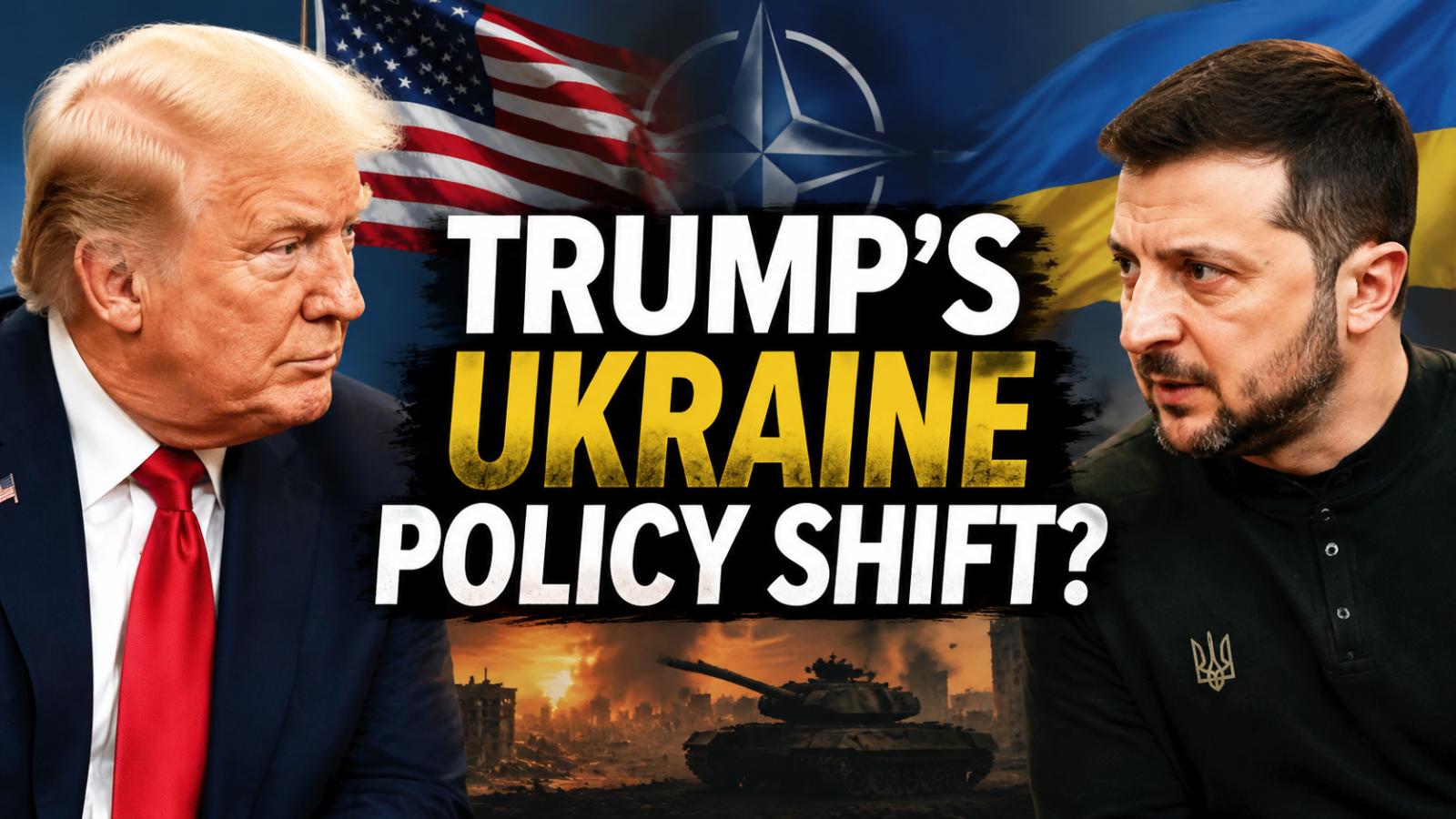
Trump signals softer tone on Zelensky amid Ukraine war shift
US President Donald Trump has recently shown a more measured tone when speaking about Ukrainian President Volodymyr Zelensky. During a public engagement alongside NATO leadership, Trump acknowledged Ukraine’s continued resistance in the war, describing its position as steady despite ongoing conflict. The comments mark a shift in tone compared to his earlier criticism and reflect a more cautious diplomatic posture from Washington. G7 coordination shapes US approach Recent discussions among G7 member nations have contributed to renewed alignment on Russia-related sanctions and energy strategy. Allied countries have been pushing for tighter coordination on restricting oil revenues linked to Moscow. This collective pressure has influenced US policy thinking, encouraging a more structured approach rather than isolated action. The focus remains on balancing economic pressure with long-term stability in global energy markets. Battlefield situation influences political messaging Developments on the ground in Ukraine continue to play a key role in shaping international responses. Reports of Ukraine expanding its operational reach and sustaining defensive positions have strengthened its bargaining position in diplomatic discussions. These battlefield realities are increasingly reflected in political messaging, as Western leaders reassess how the conflict may evolve over time. Energy markets and global risks remain central Global energy stability remains a key factor in foreign policy decisions. Earlier concerns linked to Middle East tensions and potential disruptions in key shipping routes had raised oil market uncertainty. As conditions show signs of stabilisation, policymakers are gaining more room to consider stricter measures on Russian energy exports without immediate economic disruption. Diplomatic outlook remains uncertain Despite continued international engagement, progress toward direct peace negotiations between Russia and Ukraine remains limited. Positions on territorial control and security guarantees continue to block meaningful breakthroughs. While diplomatic channels remain open, there is no clear indication of a near-term resolution. The current US approach reflects a balance between maintaining pressure and keeping space for future negotiations.
Trump signals softer tone on Zelensky amid Ukraine war shift
US President Donald Trump has recently shown a more measured tone when speaking about Ukrainian President Volodymyr Zelensky. During a public engagement alongside NATO leadership, Trump acknowledged Ukraine’s continued resistance in the war, describing its position as steady despite ongoing conflict. The comments mark a shift in tone compared to his earlier criticism and reflect a more cautious diplomatic posture from Washington. G7 coordination shapes US approach Recent discussions among G7 member nations have contributed to renewed alignment on Russia-related sanctions and energy strategy. Allied countries have been pushing for tighter coordination on restricting oil revenues linked to Moscow. This collective pressure has influenced US policy thinking, encouraging a more structured approach rather than isolated action. The focus remains on balancing economic pressure with long-term stability in global energy markets. Battlefield situation influences political messaging Developments on the ground in Ukraine continue to play a key role in shaping international responses. Reports of Ukraine expanding its operational reach and sustaining defensive positions have strengthened its bargaining position in diplomatic discussions. These battlefield realities are increasingly reflected in political messaging, as Western leaders reassess how the conflict may evolve over time. Energy markets and global risks remain central Global energy stability remains a key factor in foreign policy decisions. Earlier concerns linked to Middle East tensions and potential disruptions in key shipping routes had raised oil market uncertainty. As conditions show signs of stabilisation, policymakers are gaining more room to consider stricter measures on Russian energy exports without immediate economic disruption. Diplomatic outlook remains uncertain Despite continued international engagement, progress toward direct peace negotiations between Russia and Ukraine remains limited. Positions on territorial control and security guarantees continue to block meaningful breakthroughs. While diplomatic channels remain open, there is no clear indication of a near-term resolution. The current US approach reflects a balance between maintaining pressure and keeping space for future negotiations.
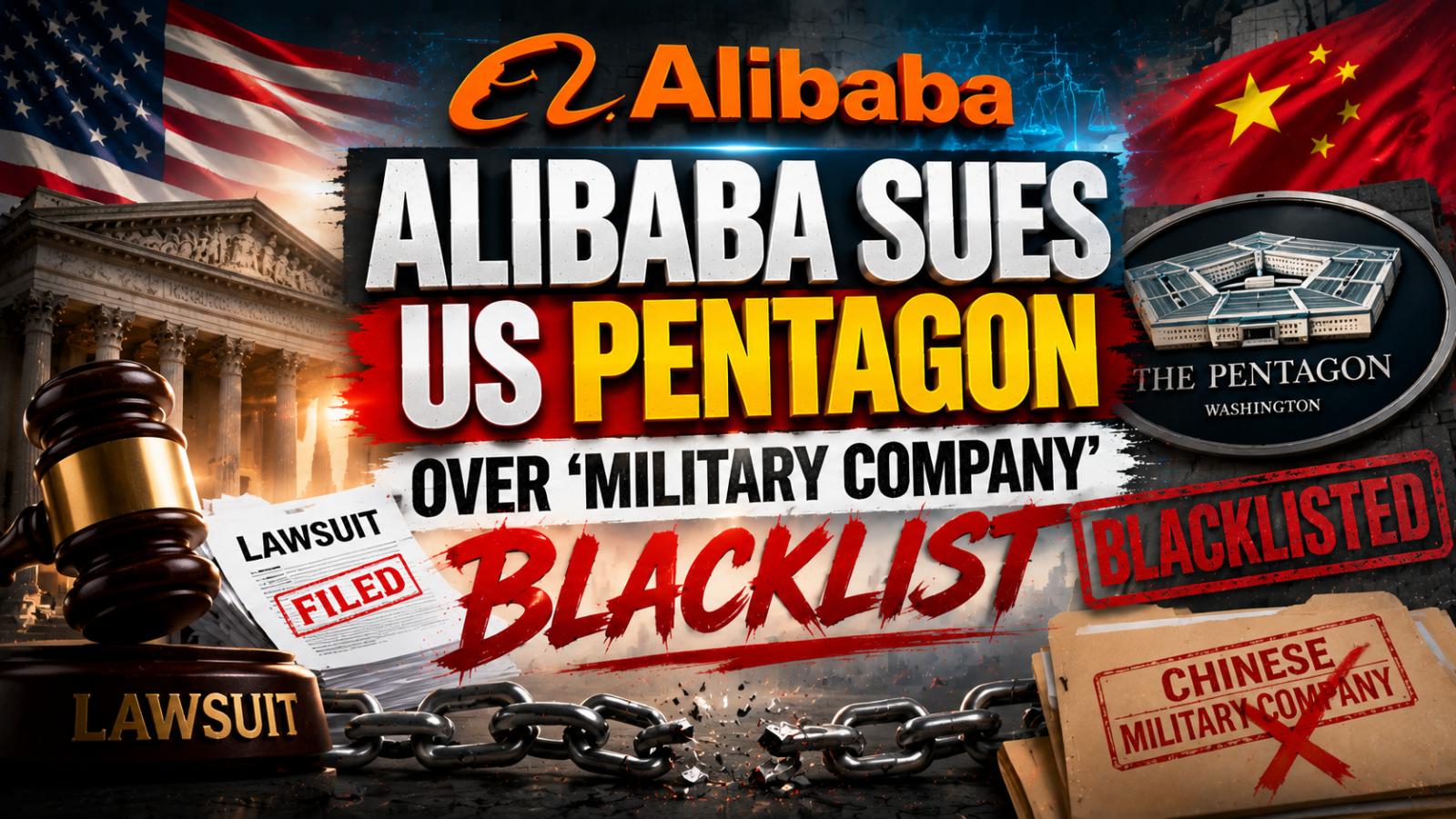
US–China tensions rise as Alibaba challenges DoD military listing
Alibaba challenges Pentagon designation in US court Alibaba Group has filed a federal lawsuit in San Jose challenging its inclusion on a US Defense Department blacklist that labels it as a “Chinese military company.” The company argues that the designation is unfounded, lacks proper legal basis, and was issued without adequate due process. The case adds further pressure to already strained relations betw
US–China tensions rise as Alibaba challenges DoD military listing
Alibaba challenges Pentagon designation in US court Alibaba Group has filed a federal lawsuit in San Jose challenging its inclusion on a US Defense Department blacklist that labels it as a “Chinese military company.” The company argues that the designation is unfounded, lacks proper legal basis, and was issued without adequate due process. The case adds further pressure to already strained relations betw
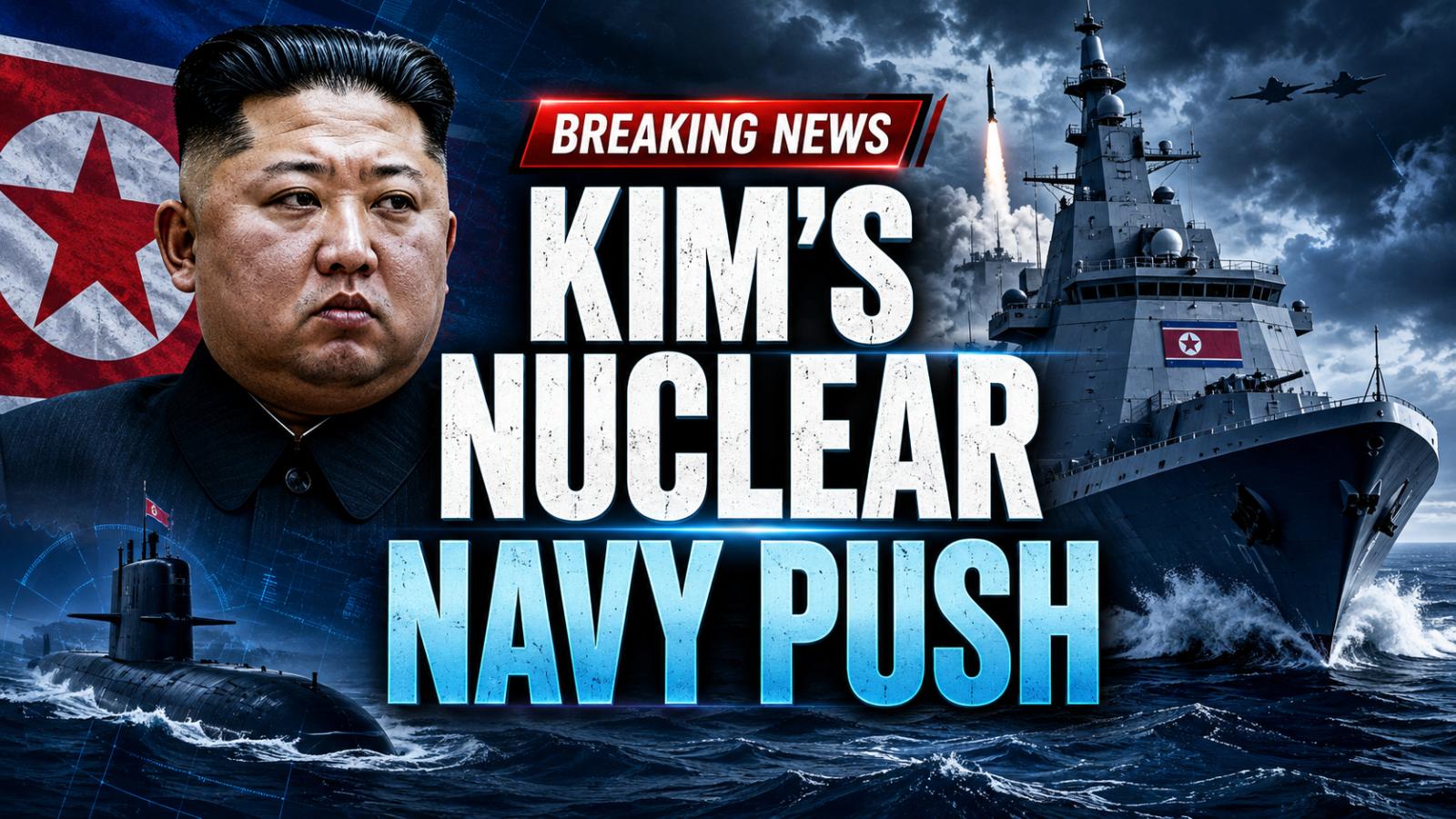
Tensions rise as North Korea boosts destroyers and nuclear naval capability
North Korea expands nuclear naval ambitions North Korean leader Kim Jong Un has announced a major expansion of the country’s naval strategy, stating that Pyongyang will move forward with plans to develop a nuclear-armed fleet. The announcement was made during a ceremony marking the commissioning of a new 5,000-ton destroyer, highlighting the country’s continued efforts to strengthen its maritime military capabilities despite international sanctions. New destroyer signals naval modernization push State media reported that the newly commissioned vessel, identified as the Choe Hyon, represents one of the most advanced warships developed by North Korea to date. Officials described it as heavily armed and part of a broader strategy to modernize the navy. Kim indicated that additional warships, including larger destroyers and strategic vessels, are already in development and will enter service in phases. Nuclear integration into maritime forces Kim Jong Un stated that integrating nuclear capability into the navy is a strategic priority aimed at ensuring operational readiness and expanding deterrence capacity. According to his remarks, future naval platforms will be designed to support more advanced weapons systems, marking a shift in how North Korea plans to structure its maritime defense posture. Rising tensions on the Korean Peninsula The announcement comes amid ongoing tensions between North Korea, the United States, and South Korea, with repeated exchanges over military exercises and regional security concerns. Pyongyang has consistently accused its rivals of escalating pressure, while maintaining that its military expansion is necessary for national defense. Analysts note that the latest naval developments further intensify concerns over stability in the region, particularly as both naval and nuclear capabilities continue to evolve.
Tensions rise as North Korea boosts destroyers and nuclear naval capability
North Korea expands nuclear naval ambitions North Korean leader Kim Jong Un has announced a major expansion of the country’s naval strategy, stating that Pyongyang will move forward with plans to develop a nuclear-armed fleet. The announcement was made during a ceremony marking the commissioning of a new 5,000-ton destroyer, highlighting the country’s continued efforts to strengthen its maritime military capabilities despite international sanctions. New destroyer signals naval modernization push State media reported that the newly commissioned vessel, identified as the Choe Hyon, represents one of the most advanced warships developed by North Korea to date. Officials described it as heavily armed and part of a broader strategy to modernize the navy. Kim indicated that additional warships, including larger destroyers and strategic vessels, are already in development and will enter service in phases. Nuclear integration into maritime forces Kim Jong Un stated that integrating nuclear capability into the navy is a strategic priority aimed at ensuring operational readiness and expanding deterrence capacity. According to his remarks, future naval platforms will be designed to support more advanced weapons systems, marking a shift in how North Korea plans to structure its maritime defense posture. Rising tensions on the Korean Peninsula The announcement comes amid ongoing tensions between North Korea, the United States, and South Korea, with repeated exchanges over military exercises and regional security concerns. Pyongyang has consistently accused its rivals of escalating pressure, while maintaining that its military expansion is necessary for national defense. Analysts note that the latest naval developments further intensify concerns over stability in the region, particularly as both naval and nuclear capabilities continue to evolve.
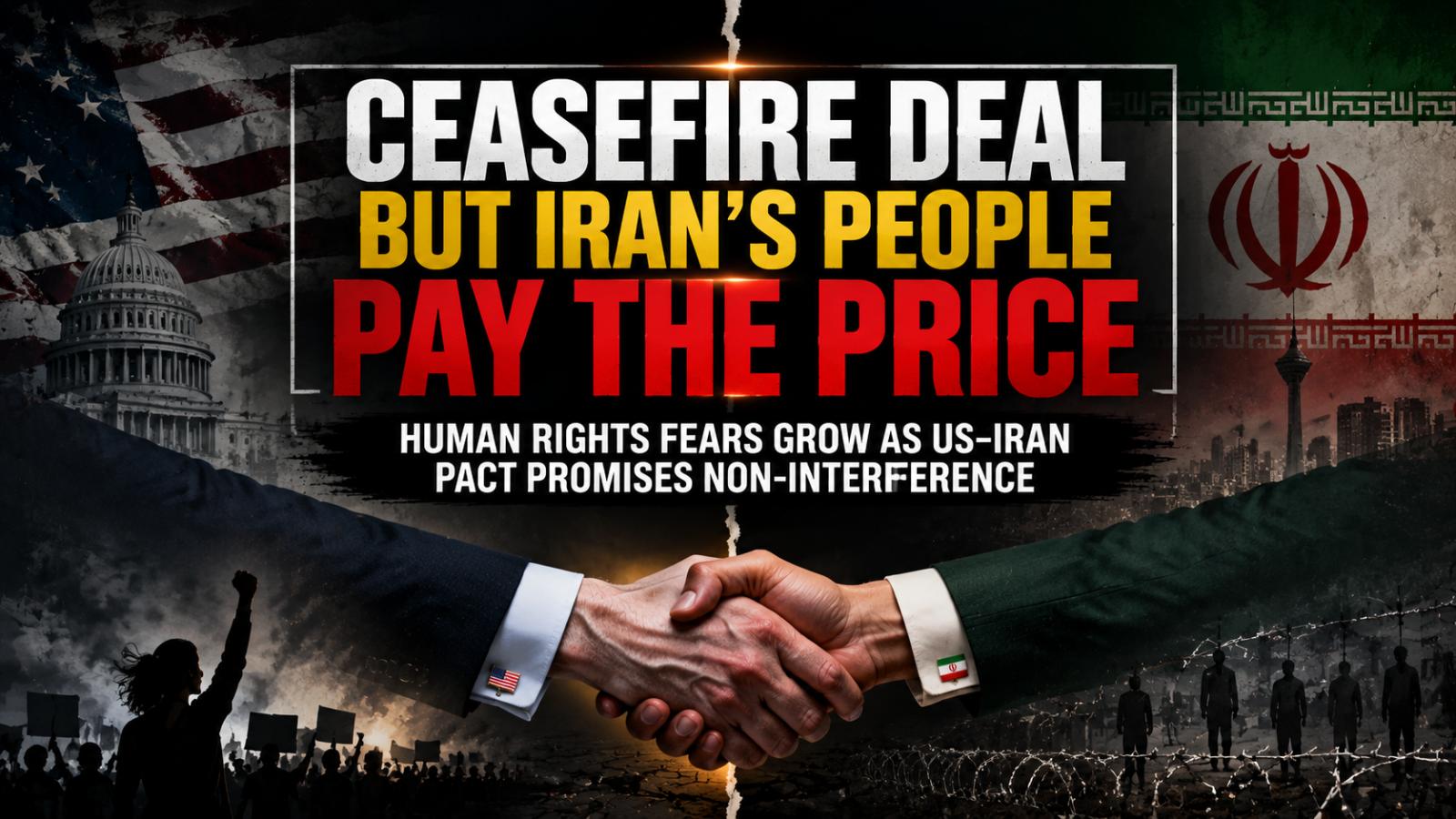
Strait of Hormuz crisis and Iran ceasefire spark global political debate
Ceasefire agreement raises human rights concerns The recent ceasefire understanding between the United States and Iran has triggered debate over its wider political and humanitarian implications. While the agreement aims to stabilize relations after months of conflict, critics argue that its language on non-interference could limit external pressure on Iran’s internal human rights situation. The inclusion of sovereignty clauses has been interpreted by analysts as a significant shift in diplomatic posture compared to earlier US positions. Debate over sovereignty and internal affairs The memorandum reportedly emphasizes mutual respect for sovereignty and non-interference in domestic matters. Observers note that this marks a departure from previous rhetoric that supported political change within Iran through public pressure and international condemnation. Human rights groups have expressed concern that such provisions may reduce accountability mechanisms at a time when reports of arrests, executions, and suppression of dissent continue to emerge. Humanitarian impact and ongoing instability Independent reports referenced in international discussions point to continued unrest and a heavy human cost during and after the conflict period. Allegations of mass detentions and restrictions on civil liberties have further intensified scrutiny of the ceasefire framework. Advocacy organizations warn that stabilizing military conditions without parallel human rights safeguards risks entrenching existing governance structures without addressing underlying grievances. Regional conflict and global economic disruption The broader conflict, including disruptions in the Strait of Hormuz, has had significant consequences for global energy flows and maritime trade. Temporary closure of key shipping routes led to economic pressure across multiple regions dependent on oil and liquefied natural gas supplies. While diplomatic mediation involving regional actors helped establish a pathway toward de-escalation, analysts caution that long-term stability will depend on sustained negotiations and enforcement clarity within the agreement framework.
Strait of Hormuz crisis and Iran ceasefire spark global political debate
Ceasefire agreement raises human rights concerns The recent ceasefire understanding between the United States and Iran has triggered debate over its wider political and humanitarian implications. While the agreement aims to stabilize relations after months of conflict, critics argue that its language on non-interference could limit external pressure on Iran’s internal human rights situation. The inclusion of sovereignty clauses has been interpreted by analysts as a significant shift in diplomatic posture compared to earlier US positions. Debate over sovereignty and internal affairs The memorandum reportedly emphasizes mutual respect for sovereignty and non-interference in domestic matters. Observers note that this marks a departure from previous rhetoric that supported political change within Iran through public pressure and international condemnation. Human rights groups have expressed concern that such provisions may reduce accountability mechanisms at a time when reports of arrests, executions, and suppression of dissent continue to emerge. Humanitarian impact and ongoing instability Independent reports referenced in international discussions point to continued unrest and a heavy human cost during and after the conflict period. Allegations of mass detentions and restrictions on civil liberties have further intensified scrutiny of the ceasefire framework. Advocacy organizations warn that stabilizing military conditions without parallel human rights safeguards risks entrenching existing governance structures without addressing underlying grievances. Regional conflict and global economic disruption The broader conflict, including disruptions in the Strait of Hormuz, has had significant consequences for global energy flows and maritime trade. Temporary closure of key shipping routes led to economic pressure across multiple regions dependent on oil and liquefied natural gas supplies. While diplomatic mediation involving regional actors helped establish a pathway toward de-escalation, analysts caution that long-term stability will depend on sustained negotiations and enforcement clarity within the agreement framework.
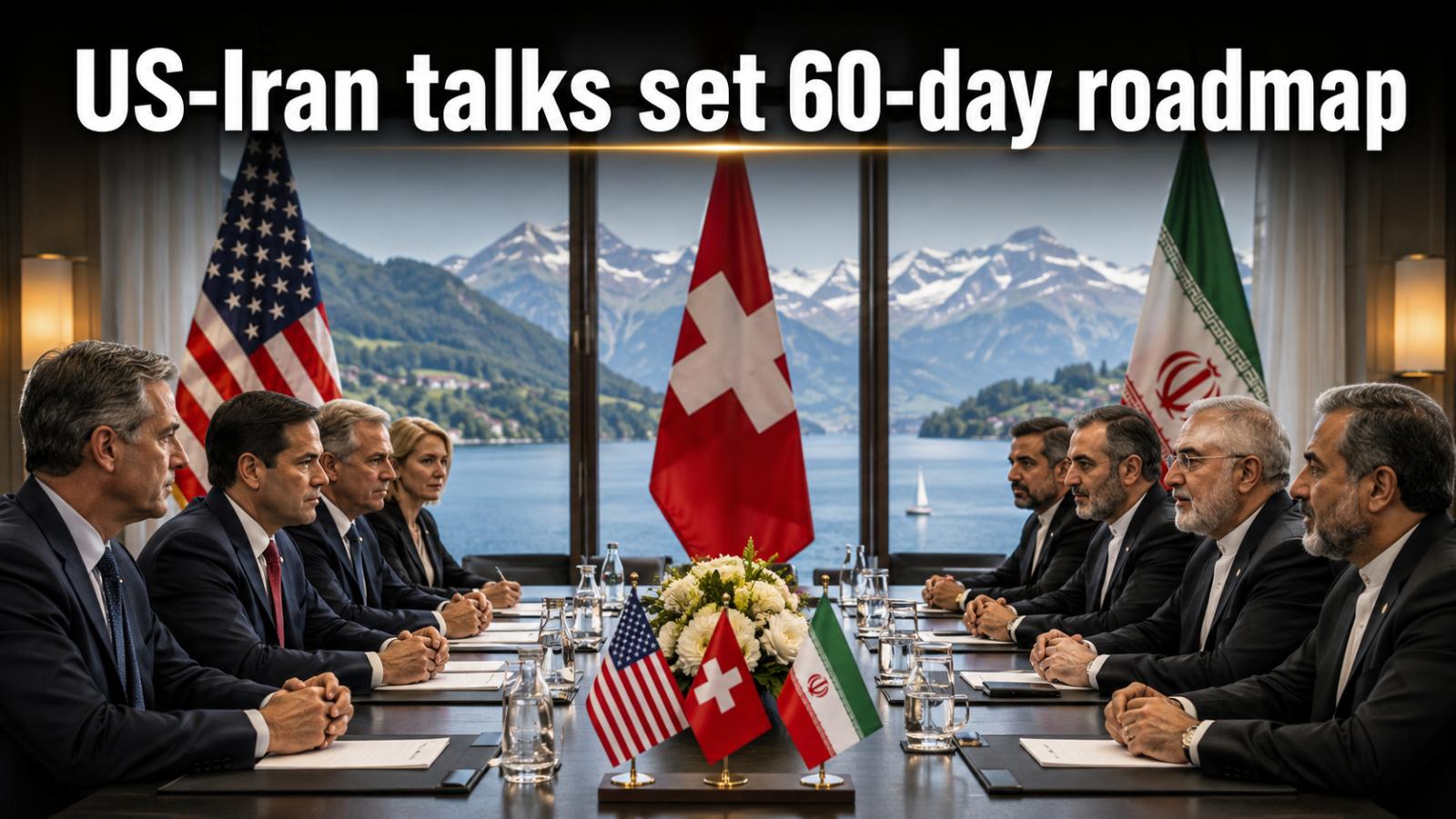
US-Iran talks set 60-day roadmap after Swiss summit
US-Iran talks in Switzerland have ended with cautious progress after senior officials from Washington and Tehran agreed to continue discussions through a 60-day roadmap. The meeting, supported by Pakistan and Qatar as mediators, did not deliver a final agreement, but it gave both sides a structured process to address sanctions, nuclear concerns, regional security and the safety of shipping through the Strait of Hormuz. The talks were held
US-Iran talks set 60-day roadmap after Swiss summit
US-Iran talks in Switzerland have ended with cautious progress after senior officials from Washington and Tehran agreed to continue discussions through a 60-day roadmap. The meeting, supported by Pakistan and Qatar as mediators, did not deliver a final agreement, but it gave both sides a structured process to address sanctions, nuclear concerns, regional security and the safety of shipping through the Strait of Hormuz. The talks were held
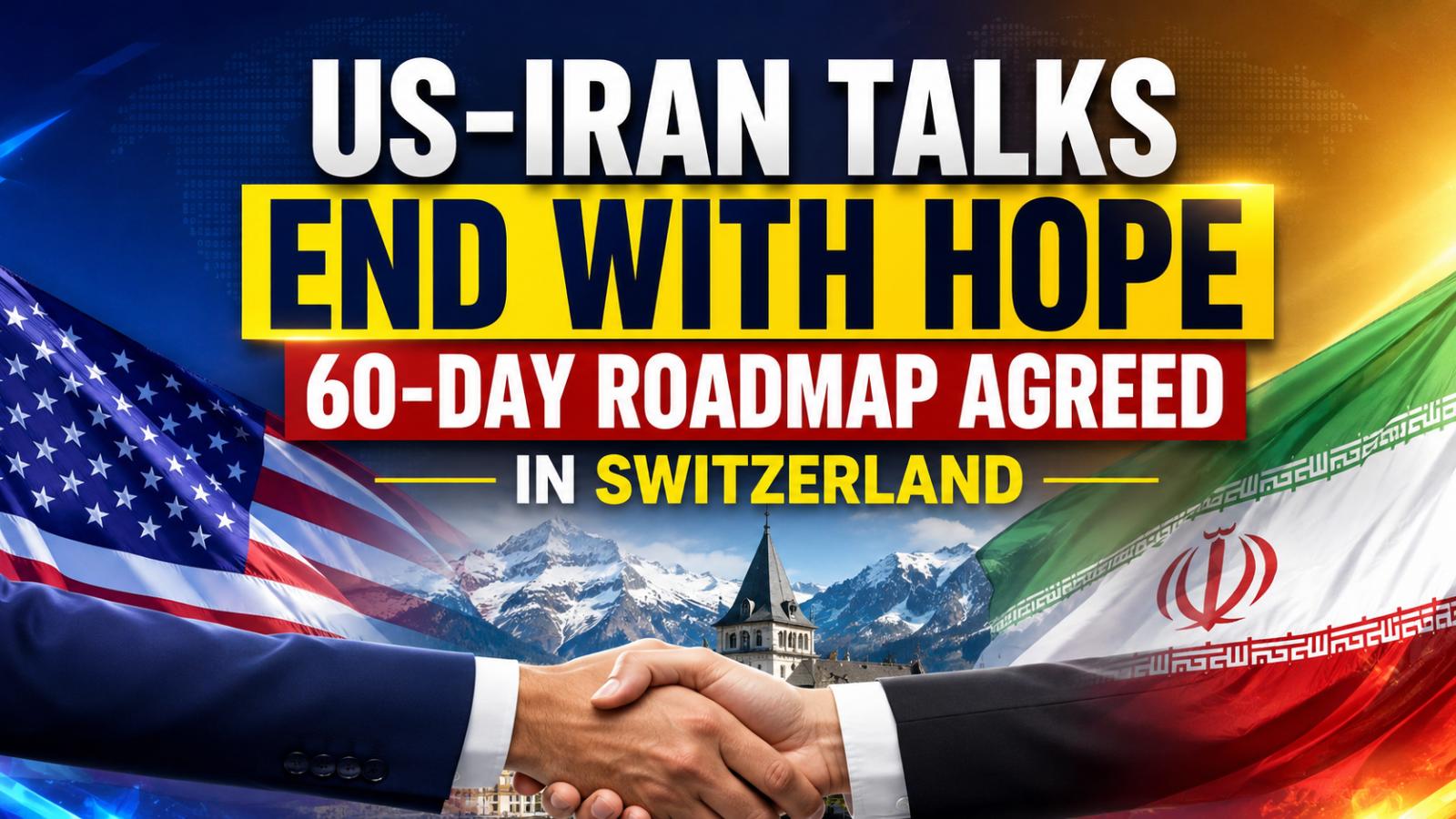
US Iran talks end with 60-day roadmap in Switzerland
US Iran talks end with cautious optimism The first round of US Iran talks in Switzerland has concluded with cautious optimism, according to a joint statement issued by mediators Pakistan and Qatar on Monday, June 22. The discussions, held at the Lake Lucerne Summit, focused on ending the wider Middle East conflict and creating a framework for continued negotiations. Mediators described the session as constructive and positive, while noting th
US Iran talks end with 60-day roadmap in Switzerland
US Iran talks end with cautious optimism The first round of US Iran talks in Switzerland has concluded with cautious optimism, according to a joint statement issued by mediators Pakistan and Qatar on Monday, June 22. The discussions, held at the Lake Lucerne Summit, focused on ending the wider Middle East conflict and creating a framework for continued negotiations. Mediators described the session as constructive and positive, while noting th
Us Iran diplomatic framework signed at Versailles sparks debate
A high-level diplomatic engagement involving the United States and Iran, held in Versailles, has triggered widespread discussion across international policy circles. The meeting, attended by senior representatives including Donald Trump and Emmanuel Macron, focused on a proposed framework addressing Iran’s nuclear activities, sanctions policy, and regional stability concerns. Rather than being presented as a finalized agreement, officials described the discussions as an early-stag
Us Iran diplomatic framework signed at Versailles sparks debate
A high-level diplomatic engagement involving the United States and Iran, held in Versailles, has triggered widespread discussion across international policy circles. The meeting, attended by senior representatives including Donald Trump and Emmanuel Macron, focused on a proposed framework addressing Iran’s nuclear activities, sanctions policy, and regional stability concerns. Rather than being presented as a finalized agreement, officials described the discussions as an early-stag
Russia Signals Europe Talks as EU Leaders Remain Divided
Russia-Europe talks could resume, but European governments remain divided over whether renewed contact with Moscow would support Ukraine peace efforts or weaken pressure on the Kremlin. Kremlin spokesman Dmitry Peskov said Russia was open to dialogue with European countries, while rejecting negotiations framed around Russian weakness or external demands. President Vladimir Putin has also said he would consider talks, but has argued that Europe should take the first step after ties w
Russia Signals Europe Talks as EU Leaders Remain Divided
Russia-Europe talks could resume, but European governments remain divided over whether renewed contact with Moscow would support Ukraine peace efforts or weaken pressure on the Kremlin. Kremlin spokesman Dmitry Peskov said Russia was open to dialogue with European countries, while rejecting negotiations framed around Russian weakness or external demands. President Vladimir Putin has also said he would consider talks, but has argued that Europe should take the first step after ties w
Cuba unveils major reforms to expand private sector
Cuba proposes major shift in economic policy Cuban Prime Minister Manuel Marrero has presented lawmakers with a sweeping economic reform package aimed at reshaping parts of the island’s tightly controlled economy. The proposals, backed by the Communist Party and former leader Raúl Castro, come as Cuba faces rising pressure from US sanctions, a fuel blockade and worsening shortages of basic goods. The package still requires approval from th
Cuba unveils major reforms to expand private sector
Cuba proposes major shift in economic policy Cuban Prime Minister Manuel Marrero has presented lawmakers with a sweeping economic reform package aimed at reshaping parts of the island’s tightly controlled economy. The proposals, backed by the Communist Party and former leader Raúl Castro, come as Cuba faces rising pressure from US sanctions, a fuel blockade and worsening shortages of basic goods. The package still requires approval from th
US Iran talks signal cautious diplomatic reset
A new round of communication between the United States and Iran has drawn international attention, with both sides indicating a willingness to reopen structured dialogue after a prolonged period of tension. The engagement is being described by officials as an early-stage memorandum-style understanding aimed at reducing immediate escalation risks rather than finalizing a comprehensive agreement. While no detailed treaty framework has been released, the move signals a shift toward man
US Iran talks signal cautious diplomatic reset
A new round of communication between the United States and Iran has drawn international attention, with both sides indicating a willingness to reopen structured dialogue after a prolonged period of tension. The engagement is being described by officials as an early-stage memorandum-style understanding aimed at reducing immediate escalation risks rather than finalizing a comprehensive agreement. While no detailed treaty framework has been released, the move signals a shift toward man
US-Iran sign deal to end conflict and restart Hormuz shipping route
US-Iran Agreement Marks Shift Toward Diplomatic Resolution US President Donald Trump and Iranian President Masoud Pezeshkian have signed a memorandum of understanding aimed at ending months of conflict between Washington and Tehran. The agreement is designed to ease tensions across the Middle East and establish a structured pathway toward renewed diplomatic engagement between the two nations.
US-Iran sign deal to end conflict and restart Hormuz shipping route
US-Iran Agreement Marks Shift Toward Diplomatic Resolution US President Donald Trump and Iranian President Masoud Pezeshkian have signed a memorandum of understanding aimed at ending months of conflict between Washington and Tehran. The agreement is designed to ease tensions across the Middle East and establish a structured pathway toward renewed diplomatic engagement between the two nations.
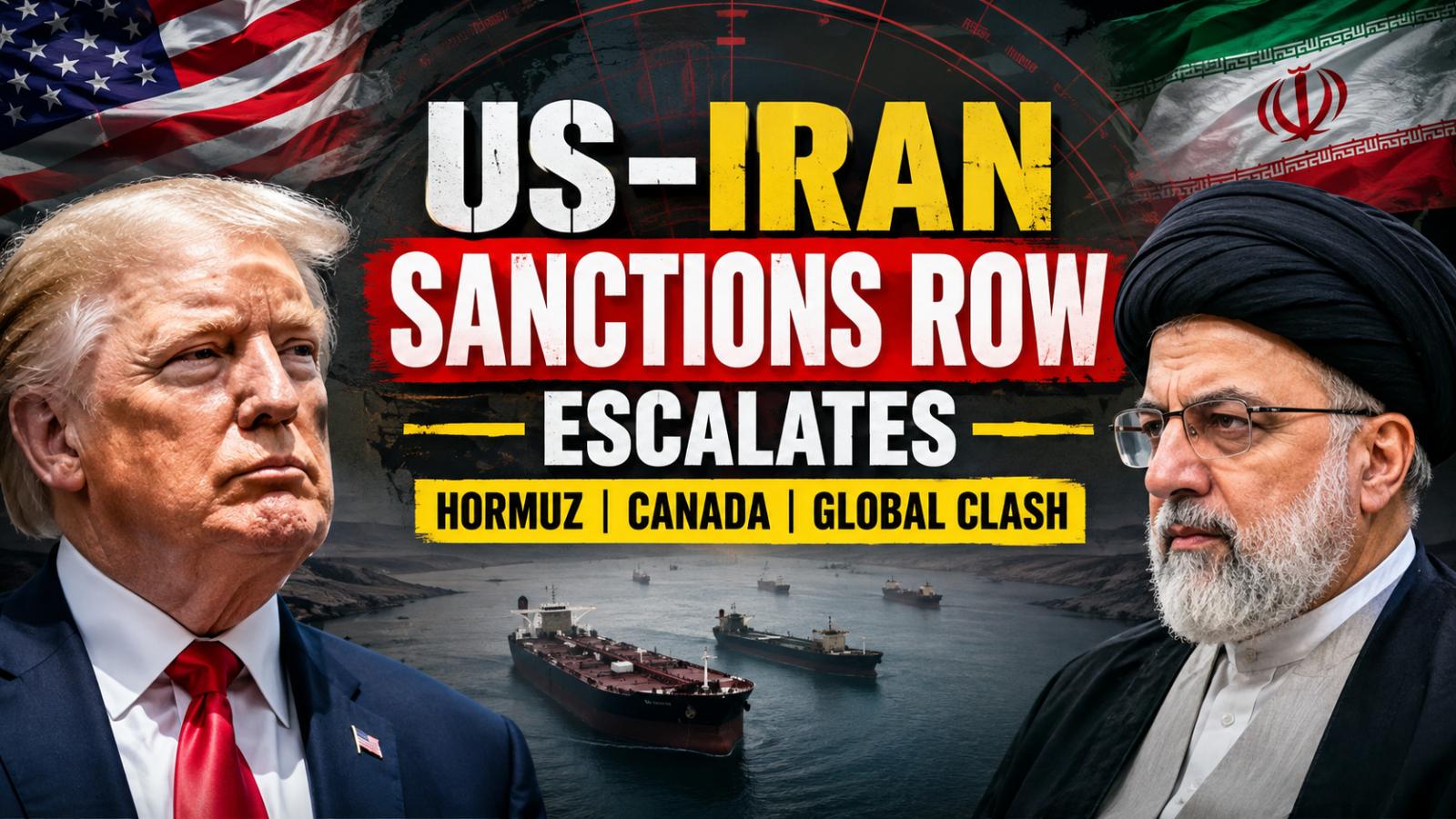
14-Point US-Iran Interim Agreement Includes Oil Sanctions Waivers
A draft 14-point US-Iran agreement would introduce an immediate ceasefire, restore commercial shipping and temporarily waive sanctions affecting Iranian oil exports while negotiations toward a final settlement continue. Reuters published the draft on Wednesday, June 17, 2026, but reported that the United States had not publicly released the complete official text. The document establishes a proposed 60-day negotiating period and postpones several difficult nuclear and sanctions ques
14-Point US-Iran Interim Agreement Includes Oil Sanctions Waivers
A draft 14-point US-Iran agreement would introduce an immediate ceasefire, restore commercial shipping and temporarily waive sanctions affecting Iranian oil exports while negotiations toward a final settlement continue. Reuters published the draft on Wednesday, June 17, 2026, but reported that the United States had not publicly released the complete official text. The document establishes a proposed 60-day negotiating period and postpones several difficult nuclear and sanctions ques
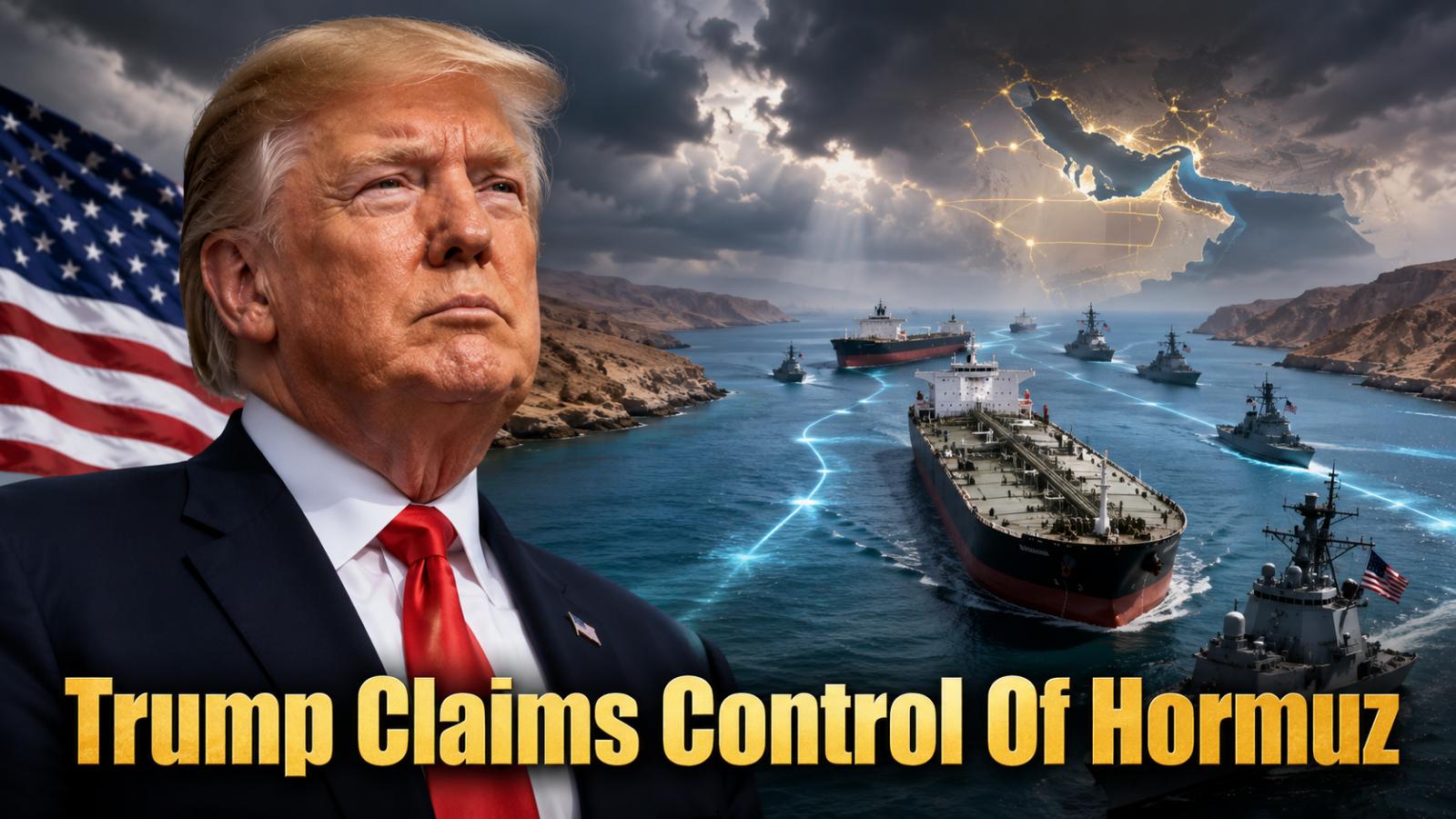
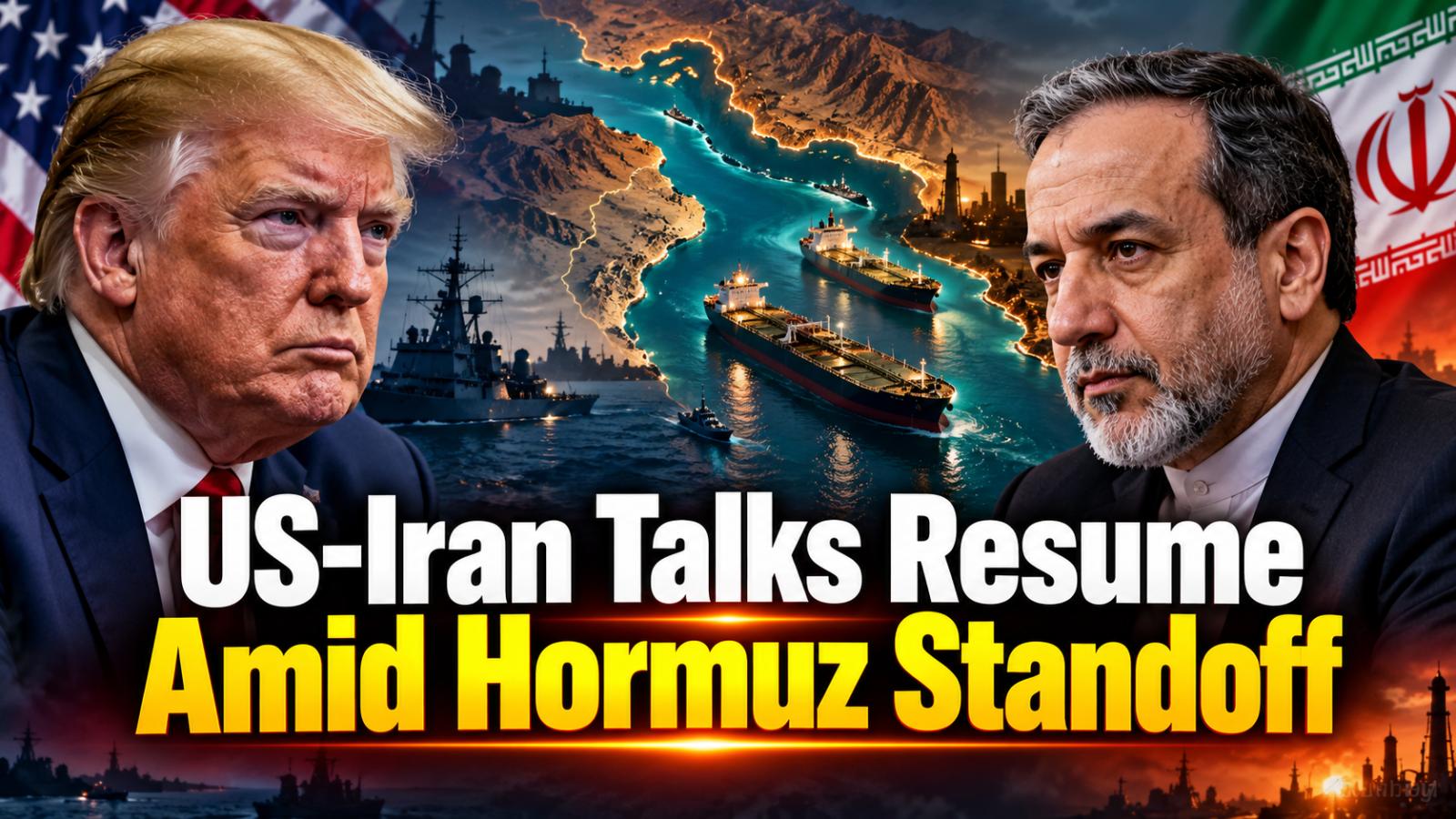
US intelligence says Iran may control Strait of Hormuz leverage after conflict
US Intelligence Flags Iran’s Strategic Leverage in Strait of Hormuz US intelligence agencies have assessed that Iran has gained significant leverage over the Strait of Hormuz following the recent conflict involving the United States and Israel, according to reports citing multiple sources. The assessment suggests that Tehran now holds the capability to disrupt or restrict movement through one of the world??
US intelligence says Iran may control Strait of Hormuz leverage after conflict
US Intelligence Flags Iran’s Strategic Leverage in Strait of Hormuz US intelligence agencies have assessed that Iran has gained significant leverage over the Strait of Hormuz following the recent conflict involving the United States and Israel, according to reports citing multiple sources. The assessment suggests that Tehran now holds the capability to disrupt or restrict movement through one of the world??
Eduardo Bolsonaro Sentenced Over Foreign Interference Case in Brazil
Supreme Court Ruling Against Eduardo Bolsonaro Brazil’s Supreme Court has sentenced Eduardo Bolsonaro to four years and two months in prison after concluding that he attempted to influence foreign governments against his own country during an ongoing high-profile legal case involving his father, former President Jair Bolsonaro. The court also imposed an eight-year ban on holding public office after comple
Eduardo Bolsonaro Sentenced Over Foreign Interference Case in Brazil
Supreme Court Ruling Against Eduardo Bolsonaro Brazil’s Supreme Court has sentenced Eduardo Bolsonaro to four years and two months in prison after concluding that he attempted to influence foreign governments against his own country during an ongoing high-profile legal case involving his father, former President Jair Bolsonaro. The court also imposed an eight-year ban on holding public office after comple
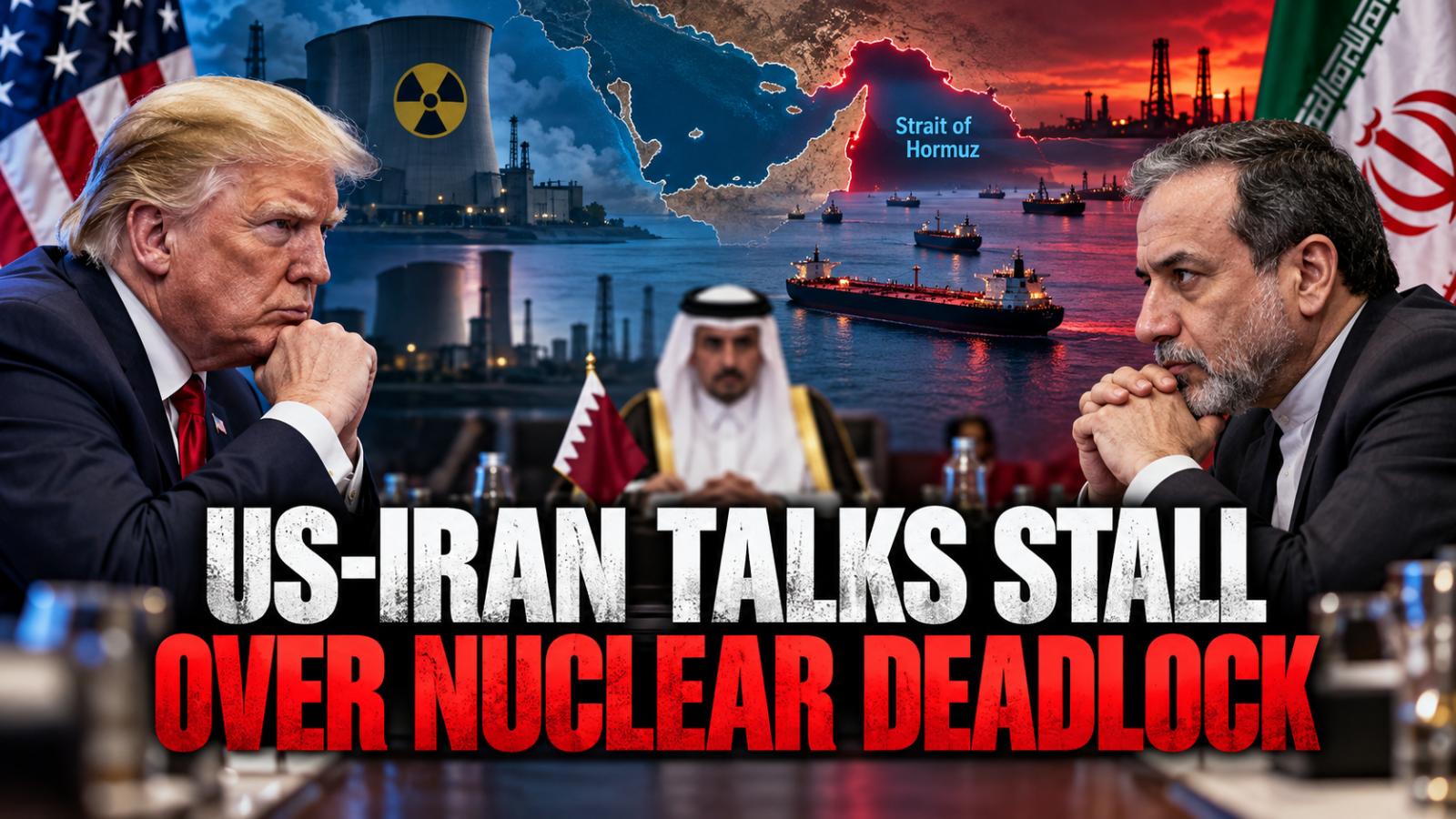
US Iran nuclear talks stall over uranium and inspections
Talks between the United States and Iran remain unsettled as both sides continue to disagree on how far uranium enrichment should be restricted and how compliance should be verified. Washington is pressing for tighter monitoring and clearer limits on enrichment activities, while Tehran insists that any restrictions must respect its sovereign control over its nuclear programme. The gap between both positions is preventing movement toward a structured agreement.
US Iran nuclear talks stall over uranium and inspections
Talks between the United States and Iran remain unsettled as both sides continue to disagree on how far uranium enrichment should be restricted and how compliance should be verified. Washington is pressing for tighter monitoring and clearer limits on enrichment activities, while Tehran insists that any restrictions must respect its sovereign control over its nuclear programme. The gap between both positions is preventing movement toward a structured agreement.
US-Iran deal may unlock $24 billion in frozen Iran assets
A reported US-Iran draft agreement has brought renewed attention to Iran’s frozen assets, with the proposal said to include the possible release of around $24 billion in blocked Iranian funds. The plan is being discussed as part of a wider diplomatic framework involving sanctions relief, nuclear restrictions and a fresh round of negotiations between Washington and Tehran. Under the reported proposal, part of the money could be made avail
US-Iran deal may unlock $24 billion in frozen Iran assets
A reported US-Iran draft agreement has brought renewed attention to Iran’s frozen assets, with the proposal said to include the possible release of around $24 billion in blocked Iranian funds. The plan is being discussed as part of a wider diplomatic framework involving sanctions relief, nuclear restrictions and a fresh round of negotiations between Washington and Tehran. Under the reported proposal, part of the money could be made avail


