Iran-Linked Foxtrot Network Accused of Recruiting Teen Killers
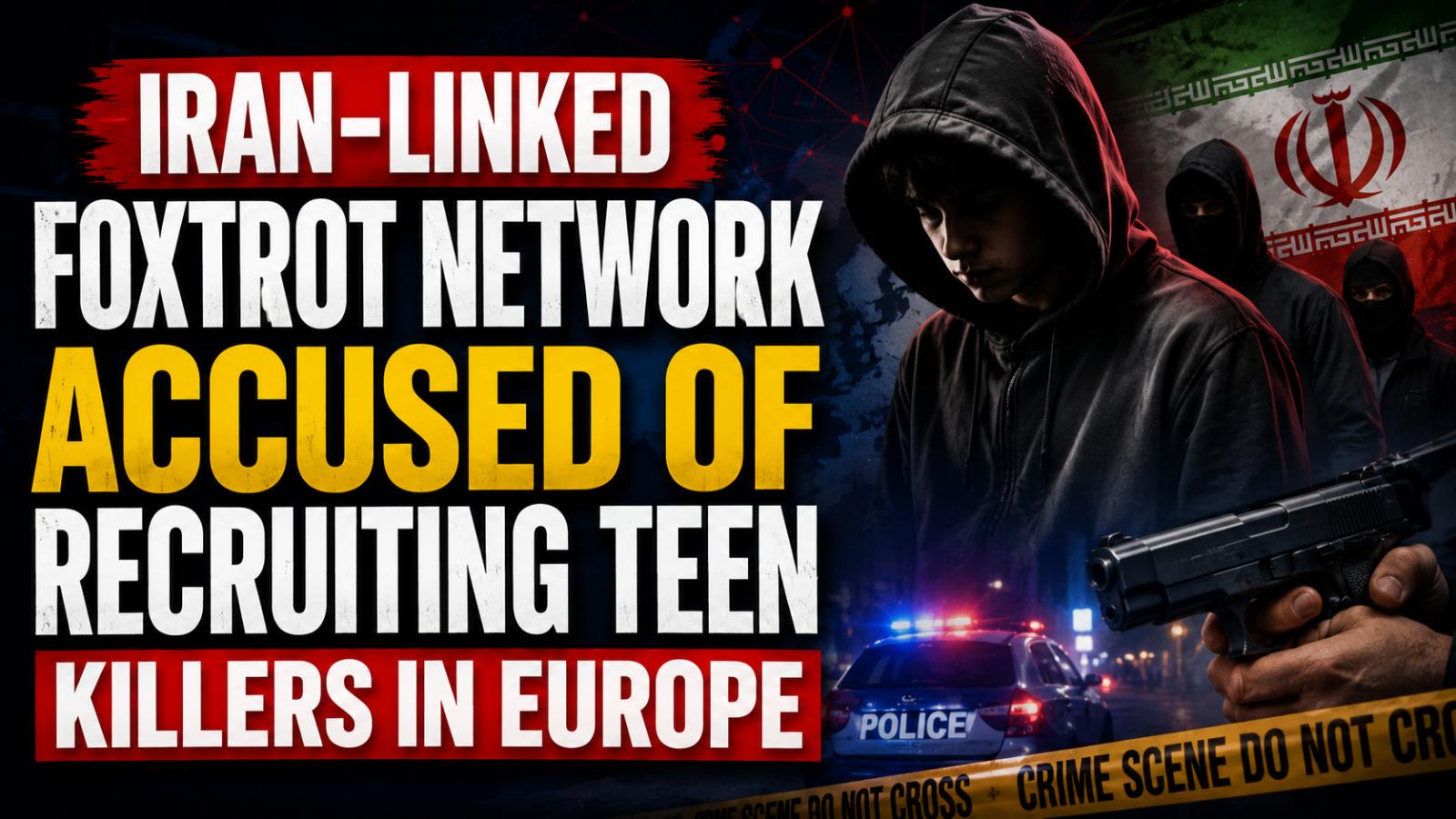
The Iran Foxtrot network is under renewed scrutiny after reports alleged the criminal organisation recruited teenagers to carry out contract killings and attacks across Europe. Authorities in several countries continue investigating the group's activities, while Iran has rejected all claims linking the government to the network.
Foxtrot Teen Recruits
A European organised crime group known as the Foxtrot network has become the focus of renewed international attention following allegations that it recruited vulnerable teenagers to carry out contract killings and attacks on Israeli-linked targets across Europe. According to reporting by the BBC, investigators believe the organisation has been connected to around 35 murders, along with multiple shootings, bombings and attempted attacks since 2022.
Authorities allege the network deliberately targets young recruits because they are more likely to accept dangerous assignments without fully understanding the legal or personal consequences. Investigators say recruiters promise significant cash payments, but many teenagers are arrested before receiving any money, allowing senior organisers to distance themselves from the crimes.
The latest attention follows the conviction of a 19-year-old Norwegian citizen by a British court. Prosecutors said the teenager travelled to the United Kingdom carrying firearms and ammunition after allegedly being recruited through the Foxtrot network for a planned assassination.
Europe Contract Killings
According to prosecutors, the Norwegian suspect was arrested in a hotel in Huddersfield in March last year before the alleged attack could take place. Court documents stated that an individual using the alias "Agent 47" coordinated the recruitment and that approximately 28,500 US dollars had been allocated for the operation.
Investigators believe such operations follow a layered structure designed to shield senior organisers. Recruiters communicate through encrypted messaging applications and social media, while younger intermediaries identify vulnerable teenagers willing to participate. Many recruits reportedly never learn who ultimately ordered the attacks.
Security officials across Europe have warned that organised criminal groups increasingly rely on encrypted technology to recruit young people for violent offences, making investigations more difficult and allowing senior figures to avoid direct contact with those carrying out attacks.
Rawa Majid Network
The BBC reported that Foxtrot leader Rawa Majid, widely known as "The Kurdish Fox," is believed to be operating from Tehran. Investigators allege the organisation has received direction to target Israeli interests, Iranian dissidents and critics of the Iranian government across Europe.
The network first emerged in Sweden during the late 2010s before expanding into neighbouring Norway and other European countries. Authorities say its activities have evolved beyond traditional organised crime into operations with alleged political and ideological objectives.
British authorities sanctioned both the Foxtrot network and Rawa Majid in 2025. At the time, then UK Foreign Secretary David Lammy stated that the organisation had targeted Jewish and Israeli interests across Europe on behalf of the Iranian regime.
The United States has also imposed sanctions, accusing the network of international drug trafficking alongside attacks targeting Israeli and Jewish communities in Europe.
UK Foxtrot Sanctions
The allegations have heightened concerns among European security agencies about cooperation between organised crime groups and foreign actors. Experts say the use of teenagers creates additional challenges because minors often receive lighter sentences while senior organisers remain insulated from direct prosecution.
Despite the allegations, Iran has firmly denied any connection to the Foxtrot network. The Iranian Embassy in London has categorically rejected claims that the Iranian government directs or supports the organisation, calling the accusations unfounded.
The investigation continues across several European countries, with authorities examining financial records, encrypted communications and cross-border criminal networks. Officials stress that many aspects of the case remain under investigation, and further legal proceedings are expected as prosecutors continue gathering evidence.