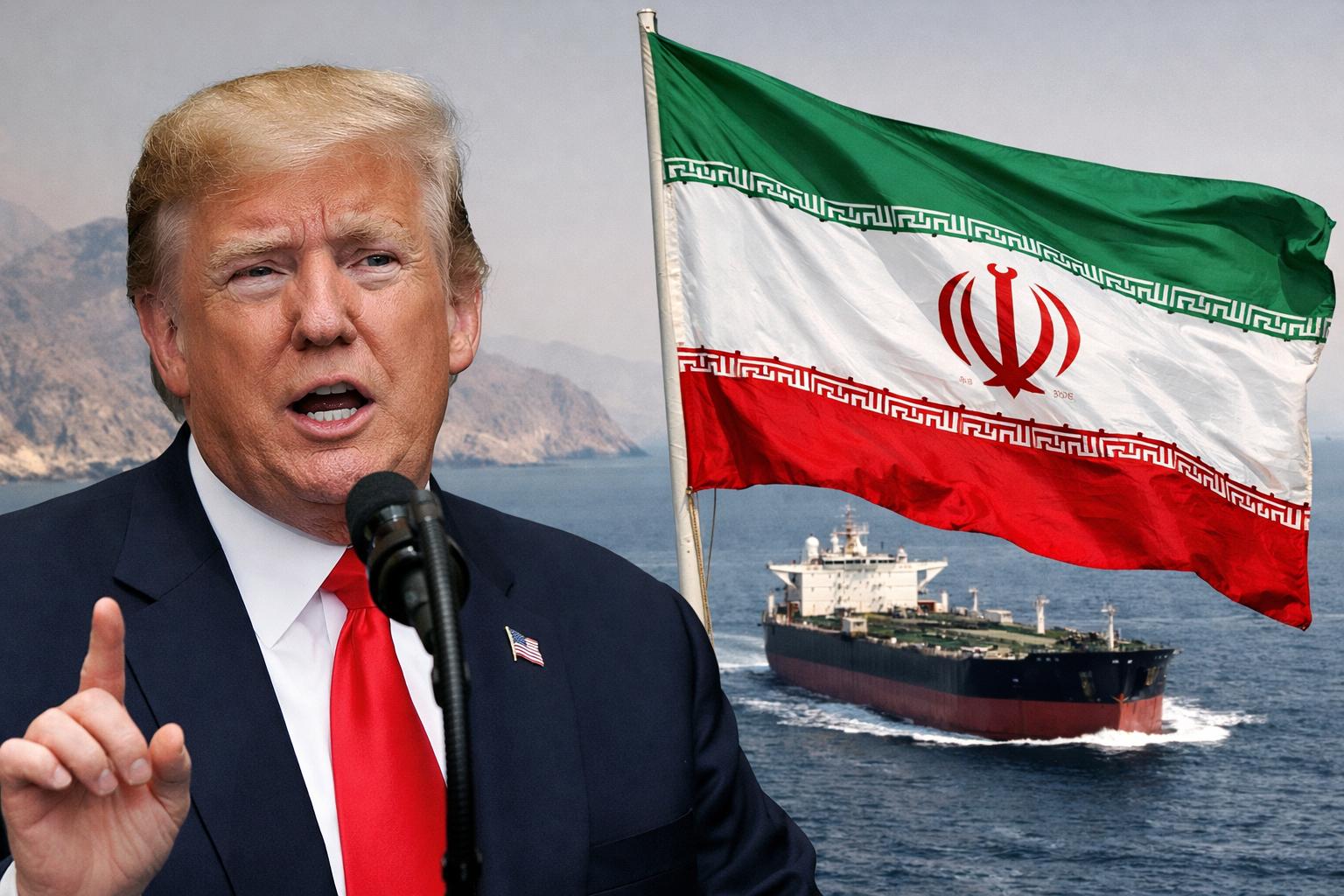
US President Donald Trump intensified his rhetoric toward Iran on Saturday, calling for a change in leadership in Tehran just a day after publicly praising Iranian authorities for halting what he said were more than 800 scheduled executions. The remarks underscored the volatile and often contradictory tone of Washington’s messaging toward Iran amid recent unrest and deadly crackdowns across the country.
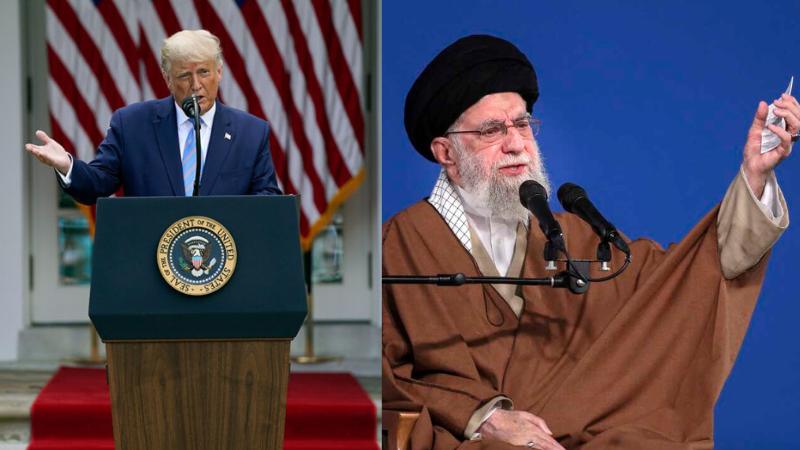
Speaking in an interview, Trump described Supreme Leader Ayatollah Ali Khamenei as unfit to govern and urged Iranians to seek new leadership, characterizing the cleric’s 37-year rule as destructive and rooted in repression. Trump’s comments came despite indications that large-scale street protests, which had rocked several Iranian cities in recent weeks, appeared to be diminishing.
Only a day earlier, Trump had struck a notably different tone. In a public social media post, he expressed respect for Iran’s leadership, thanking authorities for canceling what he claimed were hundreds of planned executions. He described the reported decision as a significant step and suggested it had influenced his thinking on potential US military actions related to the crisis.
The shift followed days of heightened tension during which Trump repeatedly warned of possible military intervention and urged Iranians to continue protesting. Earlier in the week, he had openly encouraged demonstrators to seize control of state institutions, saying assistance was forthcoming. The following day, however, Trump said he had been informed that the killings linked to the unrest had stopped, prompting a temporary softening in his public stance.
The latest escalation came after a series of posts from Khamenei’s official social media account, which sharply criticized the US president. In those messages, Khamenei accused Trump of fueling violence and instability inside Iran and blamed him for casualties and damage suffered during the unrest. He also rejected Trump’s portrayal of opposition groups, arguing that violent actors did not represent the Iranian population and accusing Washington of slander.
Khamenei further claimed that the United States sought to dominate Iran politically and economically, framing the protests as foreign-driven efforts to destabilize the country. He alleged that demonstrators had targeted mosques and educational institutions and described them as instruments of US influence, asserting that thousands had died as a result of the violence.
After being briefed on Khamenei’s remarks, Trump responded by accusing Iran’s rulers of governing through fear and force. He said the leadership had devastated the country and relied on unprecedented levels of violence to maintain control. Trump argued that effective leadership was based on respect rather than intimidation, adding that Iran’s deteriorating living conditions were the result of long-standing mismanagement.
The exchange highlighted the deepening war of words between Washington and Tehran at a sensitive moment for the region. It also followed recent statements by Khamenei claiming that Iran had prevailed over the United States, a narrative strongly rejected by the US president.
Iranian officials did not immediately issue an official response to Trump’s latest comments. Meanwhile, international attention remains focused on the aftermath of the protests, during which thousands of people were reportedly killed, and on the broader implications for regional stability and US-Iran relations.