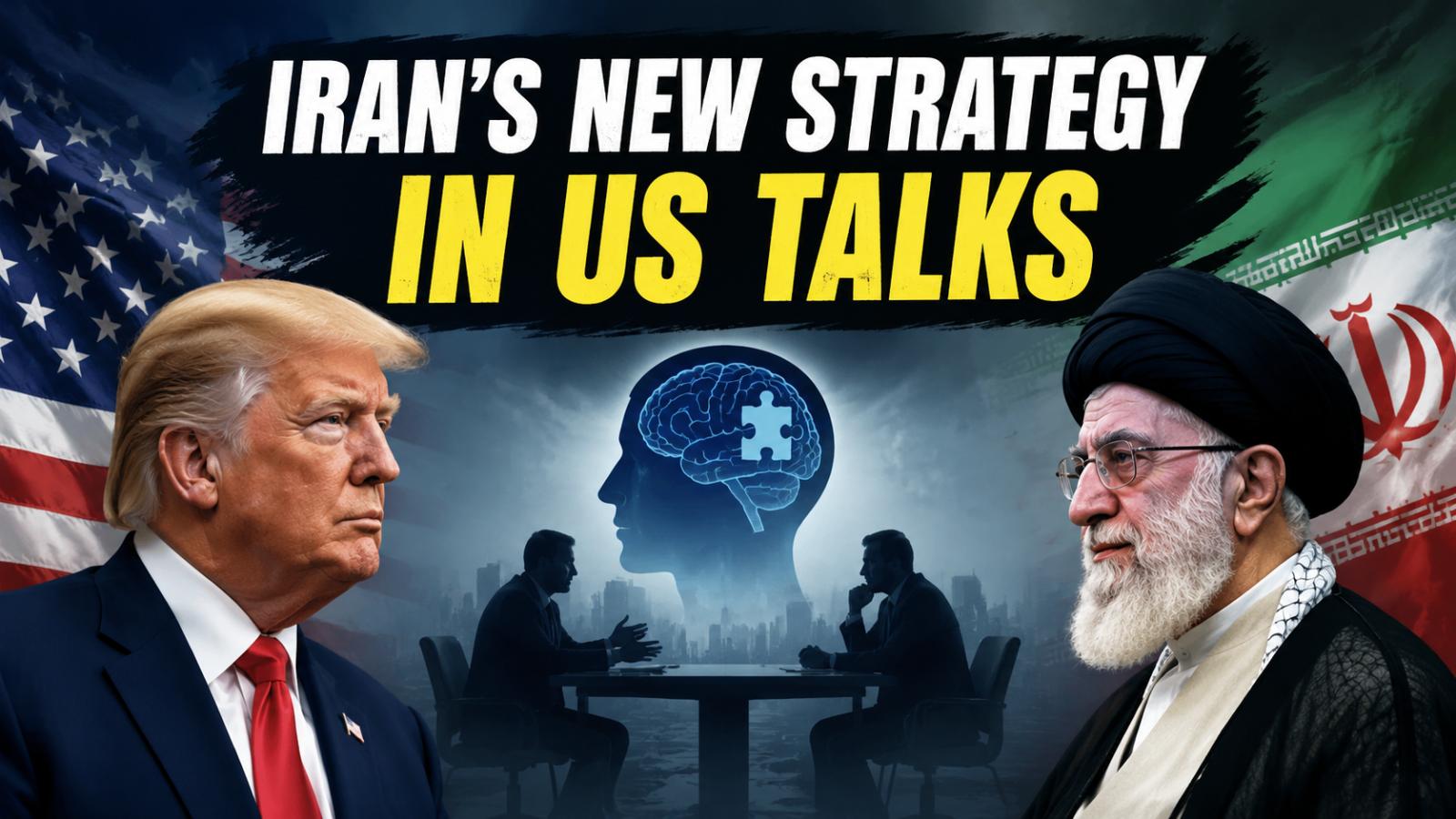
Recent reports indicate a shift in Iran’s diplomatic approach toward negotiations with the United States, with a stronger emphasis on how messages are framed during high-stakes discussions. The change is linked to efforts to improve clarity, control perception, and reduce misinterpretation during sensitive exchanges tied to long-running geopolitical tensions.
Inclusion of behavioral expertise in advisory setup
Recent reports indicate a shift in Iran’s diplomatic approach toward negotiations with the United States, with a stronger emphasis on how messages are framed during high-stakes discussions. The change is linked to efforts to improve clarity, control perception, and reduce misinterpretation during sensitive exchanges tied to long-running geopolitical tensions.
Inclusion of behavioral expertise in advisory setup
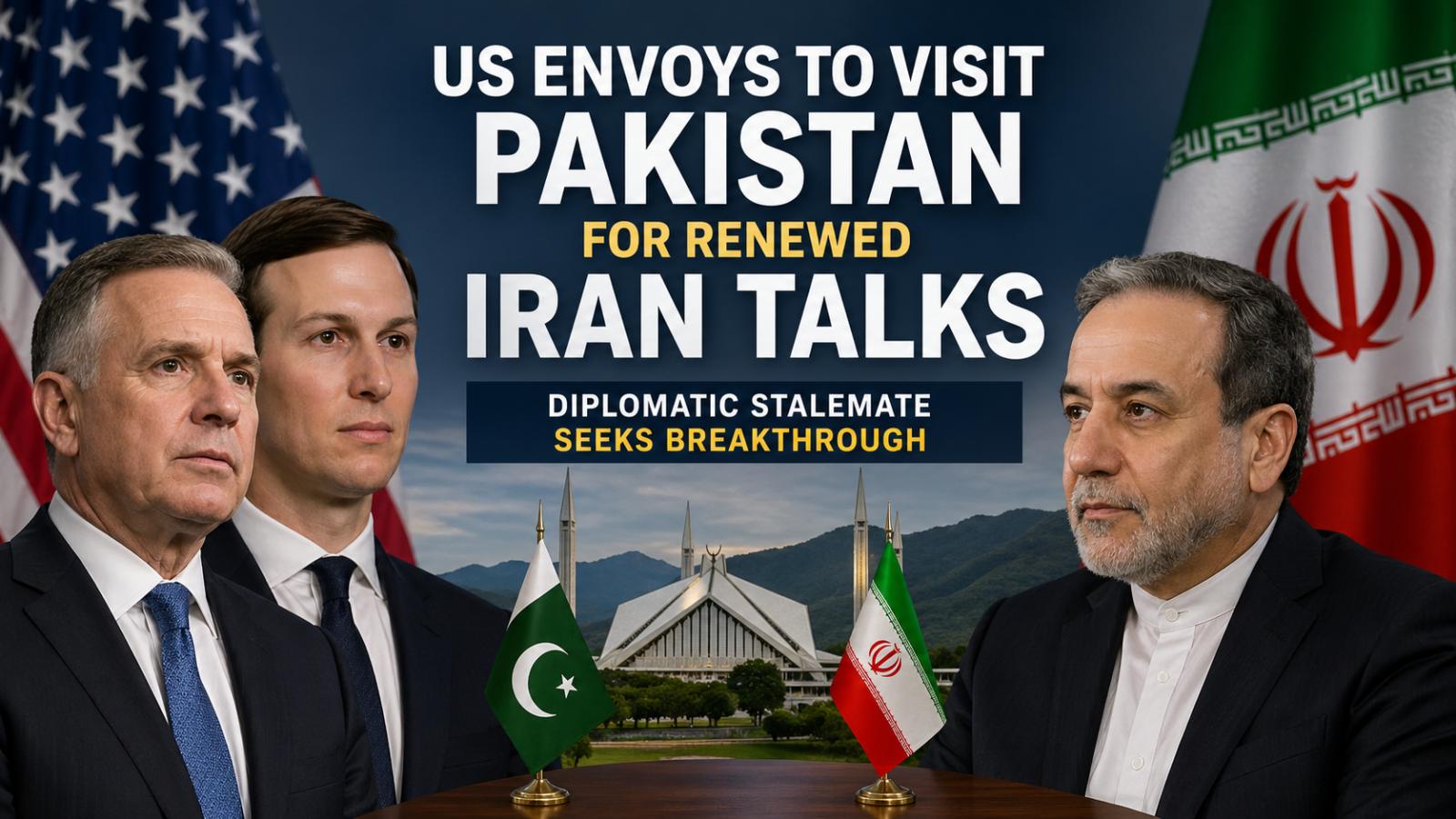
After several days of diplomatic deadlock, the United States has confirmed that senior envoys Steve Witkoff and Jared Kushner will travel to Pakistan for a fresh round of negotiations with Iran, signaling a renewed effort to address escalating tensions between the two nations. The visit is scheduled for Saturday and follows Iran’s request for direct, in-person discussions.
White House Press Secretary Karoline Leavitt stated that the move comes after Iran reached out for dialogue, aligning with earlier calls from US leadership to reopen communication channels. She emphasized that the envoys will assess the situation on the ground and report back to President Donald Trump and Vice President JD Vance, while additional officials remain on standby if required.
The upcoming talks mark the second round of discussions in Pakistan, following initial meetings held earlier this month. However, notable figures such as Vice President Vance and Iranian parliamentary leader Mohammad Bagher Ghalibaf, who were involved previously, will not participate in this phase. Their absence highlights a shift in the structure of the negotiations.
Iran’s Foreign Minister Abbas Araghchi recently announced a regional diplomatic tour that includes Pakistan, Oman, and Russia. His stated objective is to strengthen coordination with key partners on bilateral and regional issues, underlining Iran’s strategic engagement with neighboring countries during a period of heightened geopolitical tension.
What are the main sticking points in the talks?
The primary disagreements revolve around Iran’s nuclear program and control over the Strait of Hormuz. Iran has insisted it will not proceed with negotiations unless the United States lifts its blockade in the strategic waterway. In contrast, the US is demanding verifiable guarantees that Iran will halt its nuclear ambitions and ease its own restrictions in the region.
At a recent Pentagon briefing, US Defense Secretary Pete Hegseth reiterated that the United States is not under pressure to finalize an agreement quickly. He indicated that Washington is prepared for prolonged negotiations, while also stressing that Iran has an opportunity to secure a favorable and pragmatic deal if it chooses to engage constructively.
The renewed diplomatic effort in Pakistan reflects a cautious but significant step toward resolving one of the most critical international disputes, with both sides maintaining firm positions as negotiations resume.
After several days of diplomatic deadlock, the United States has confirmed that senior envoys Steve Witkoff and Jared Kushner will travel to Pakistan for a fresh round of negotiations with Iran, signaling a renewed effort to address escalating tensions between the two nations. The visit is scheduled for Saturday and follows Iran’s request for direct, in-person discussions.
White House Press Secretary Karoline Leavitt stated that the move comes after Iran reached out for dialogue, aligning with earlier calls from US leadership to reopen communication channels. She emphasized that the envoys will assess the situation on the ground and report back to President Donald Trump and Vice President JD Vance, while additional officials remain on standby if required.
The upcoming talks mark the second round of discussions in Pakistan, following initial meetings held earlier this month. However, notable figures such as Vice President Vance and Iranian parliamentary leader Mohammad Bagher Ghalibaf, who were involved previously, will not participate in this phase. Their absence highlights a shift in the structure of the negotiations.
Iran’s Foreign Minister Abbas Araghchi recently announced a regional diplomatic tour that includes Pakistan, Oman, and Russia. His stated objective is to strengthen coordination with key partners on bilateral and regional issues, underlining Iran’s strategic engagement with neighboring countries during a period of heightened geopolitical tension.
What are the main sticking points in the talks?
The primary disagreements revolve around Iran’s nuclear program and control over the Strait of Hormuz. Iran has insisted it will not proceed with negotiations unless the United States lifts its blockade in the strategic waterway. In contrast, the US is demanding verifiable guarantees that Iran will halt its nuclear ambitions and ease its own restrictions in the region.
At a recent Pentagon briefing, US Defense Secretary Pete Hegseth reiterated that the United States is not under pressure to finalize an agreement quickly. He indicated that Washington is prepared for prolonged negotiations, while also stressing that Iran has an opportunity to secure a favorable and pragmatic deal if it chooses to engage constructively.
The renewed diplomatic effort in Pakistan reflects a cautious but significant step toward resolving one of the most critical international disputes, with both sides maintaining firm positions as negotiations resume.
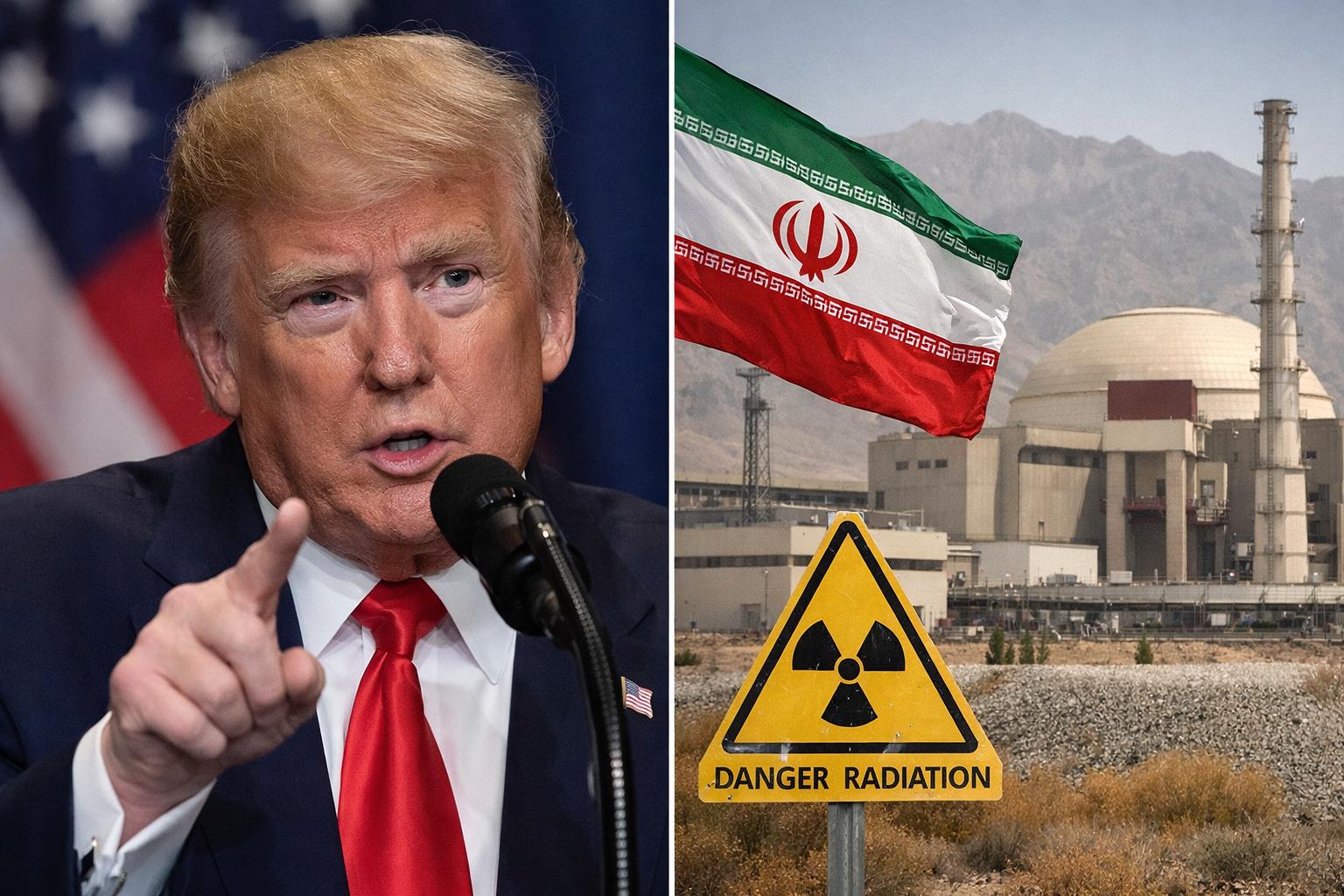
U.S. President Donald Trump said on Wednesday, April 8, 2026, that the United States is prepared to work with Iran to recover enriched uranium believed to be buried beneath sites targeted during joint U.S.-Israeli strikes in June 2025. The comments signal a potential shift in U.S.-Iran engagement, though Iranian officials have not confirmed any such cooperation.
In a social media post, Trump stated that “there will be no enrichment of uranium” moving forward and asserted that the
U.S. President Donald Trump said on Wednesday, April 8, 2026, that the United States is prepared to work with Iran to recover enriched uranium believed to be buried beneath sites targeted during joint U.S.-Israeli strikes in June 2025. The comments signal a potential shift in U.S.-Iran engagement, though Iranian officials have not confirmed any such cooperation.
In a social media post, Trump stated that “there will be no enrichment of uranium” moving forward and asserted that the
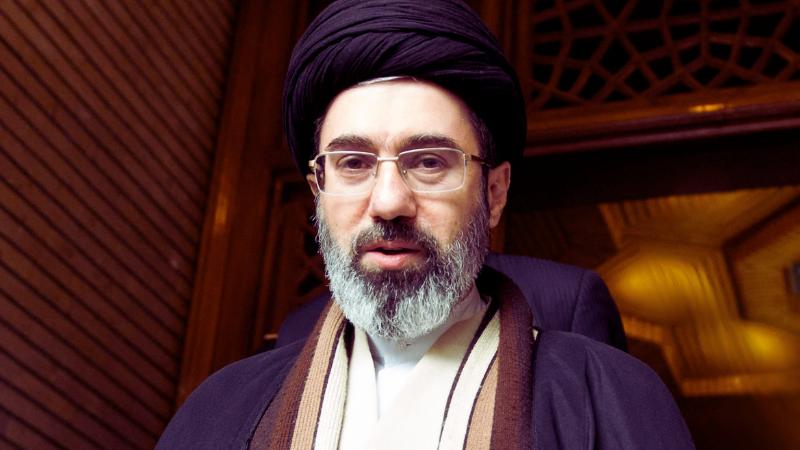
Mojtaba Khamenei, the newly-appointed Supreme Leader of Iran, is currently unconscious and receiving medical treatment in Qom, Iran. The report, based on intelligence sources from the US and Israel, revealed that Khamenei sustained severe injuries in the same airstrike that killed his father, Ayatollah Ali Khamenei, on February 28, 2026. Due to his current condition, Mojtaba Khamenei is unable to be involved in the decision-making process of the country, which has raised concerns regardi
Mojtaba Khamenei, the newly-appointed Supreme Leader of Iran, is currently unconscious and receiving medical treatment in Qom, Iran. The report, based on intelligence sources from the US and Israel, revealed that Khamenei sustained severe injuries in the same airstrike that killed his father, Ayatollah Ali Khamenei, on February 28, 2026. Due to his current condition, Mojtaba Khamenei is unable to be involved in the decision-making process of the country, which has raised concerns regardi
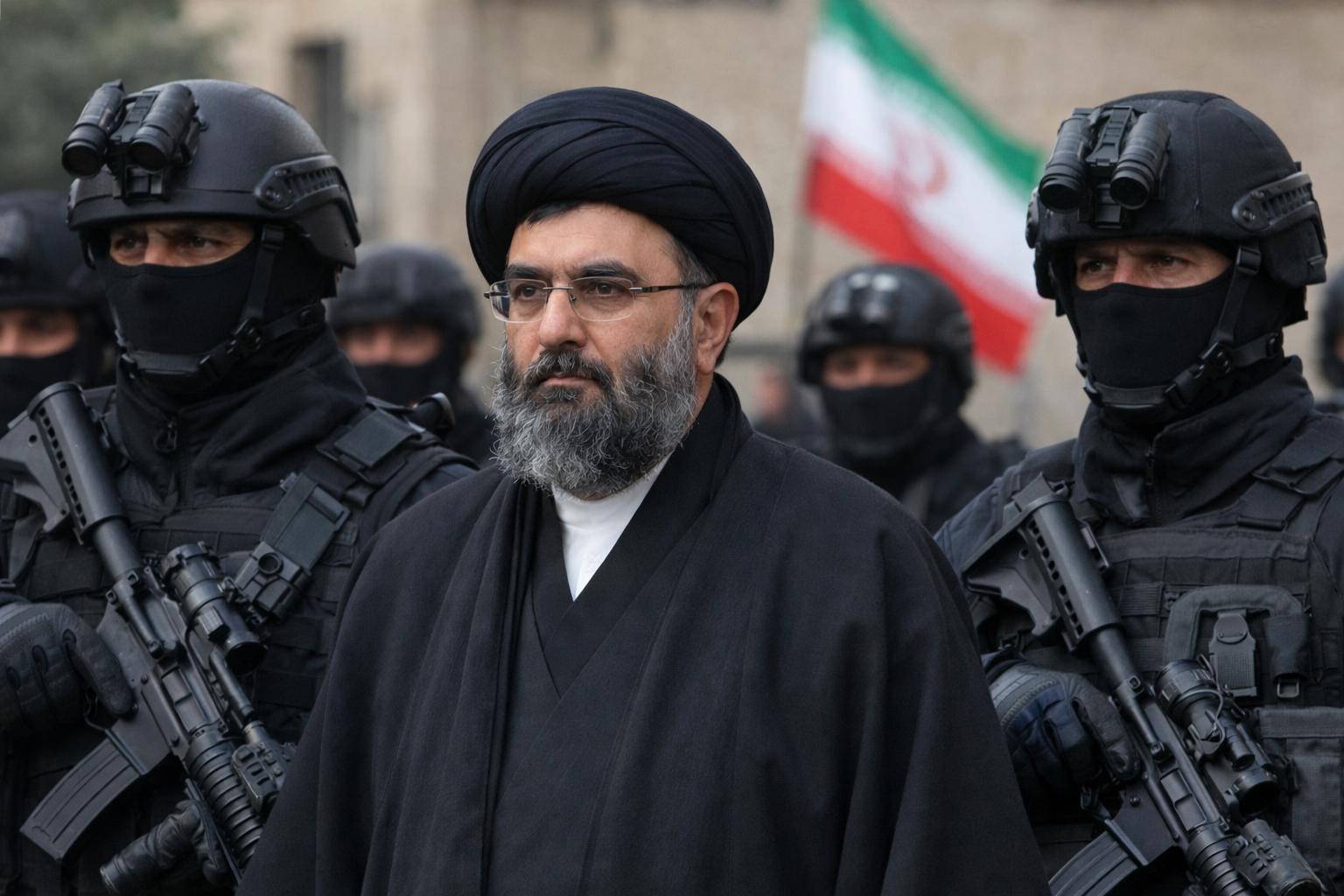
Iran has reportedly deployed its elite counterterrorism unit, known as NOPO, to safeguard newly appointed Supreme Leader Ayatollah Mojtaba Khamenei following the assassination of his father, Ayatollah Ali Khamenei, in a strike on a compound in Tehran on February 28. The black-clad special force has long served as a key protective unit for the Iranian leadership and is now believed to be responsible for ensuring the security of the country’s new supreme authority amid heightened tensions in
Iran has reportedly deployed its elite counterterrorism unit, known as NOPO, to safeguard newly appointed Supreme Leader Ayatollah Mojtaba Khamenei following the assassination of his father, Ayatollah Ali Khamenei, in a strike on a compound in Tehran on February 28. The black-clad special force has long served as a key protective unit for the Iranian leadership and is now believed to be responsible for ensuring the security of the country’s new supreme authority amid heightened tensions in
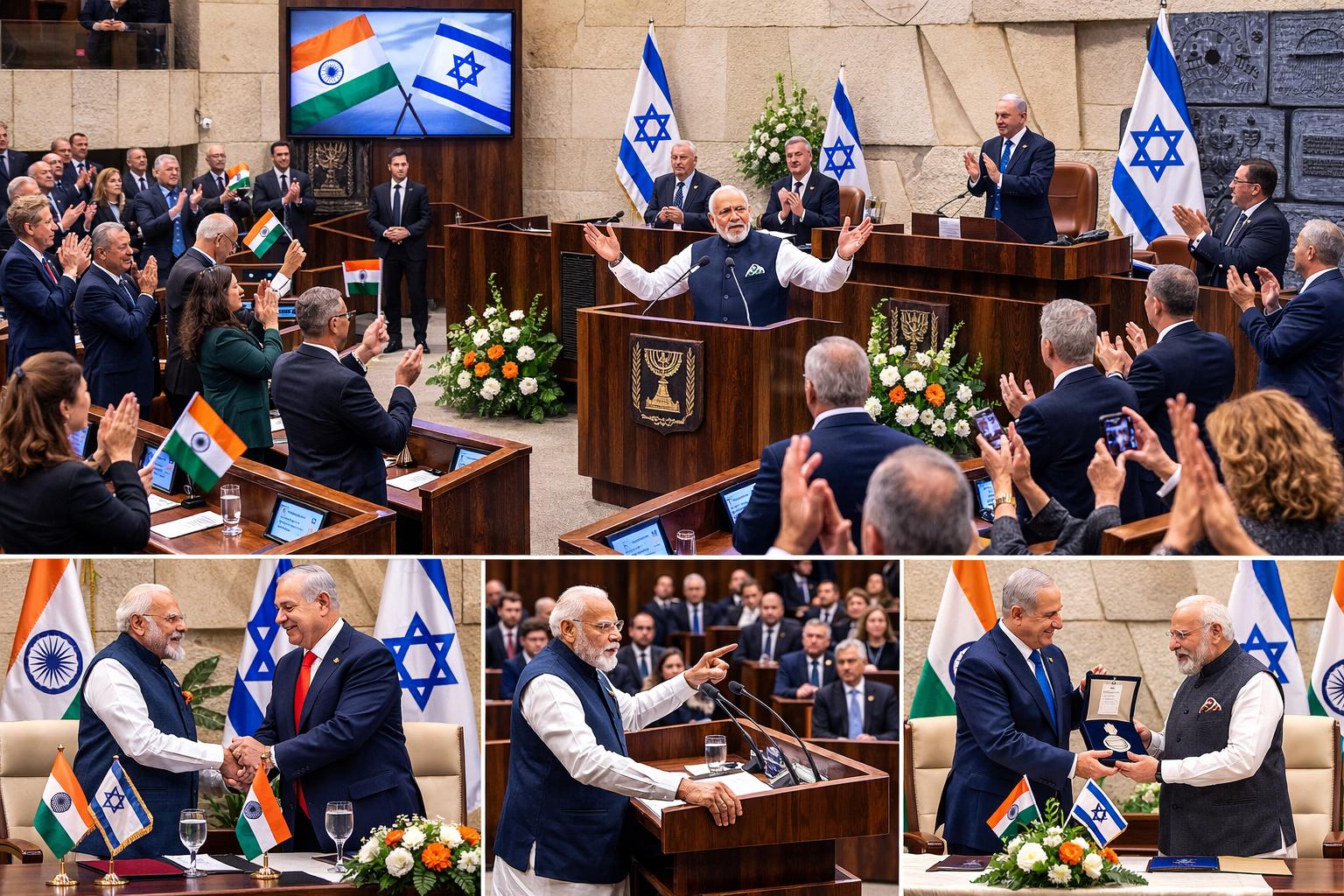
Indian Prime Minister Narendra Modi received a standing ovation in Israel’s parliament on Wednesday as he delivered a historic address to the Knesset, becoming the first Indian prime minister to speak before the Israeli legislature. Lawmakers rose to their feet and chanted his name as Modi began his remarks by conveying greetings from 1.4 billion Indians.
In his speech, the prime minister strongly condemned terrorism and reiterated India’s firm policy of zero tolerance toward ex
Indian Prime Minister Narendra Modi received a standing ovation in Israel’s parliament on Wednesday as he delivered a historic address to the Knesset, becoming the first Indian prime minister to speak before the Israeli legislature. Lawmakers rose to their feet and chanted his name as Modi began his remarks by conveying greetings from 1.4 billion Indians.
In his speech, the prime minister strongly condemned terrorism and reiterated India’s firm policy of zero tolerance toward ex
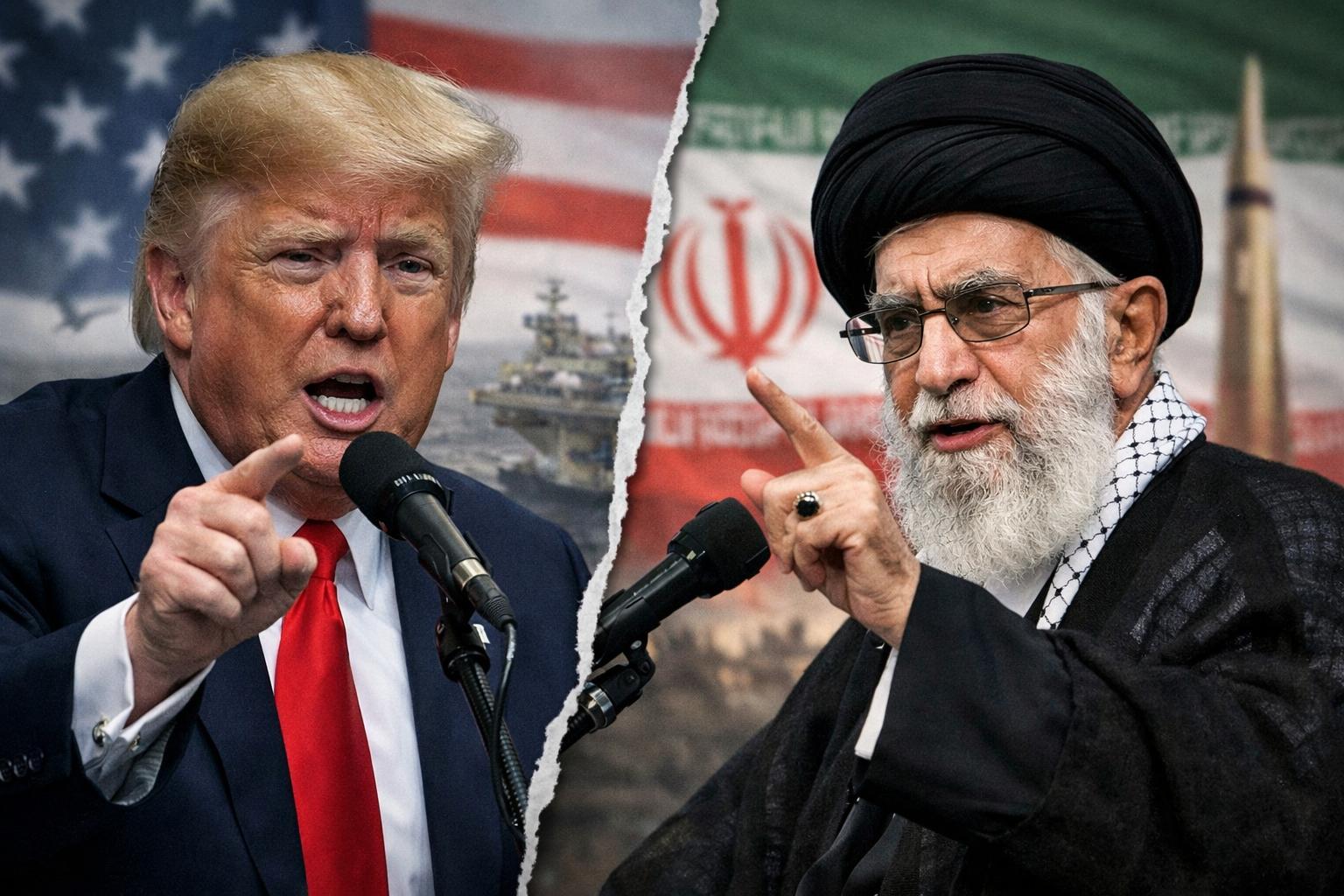
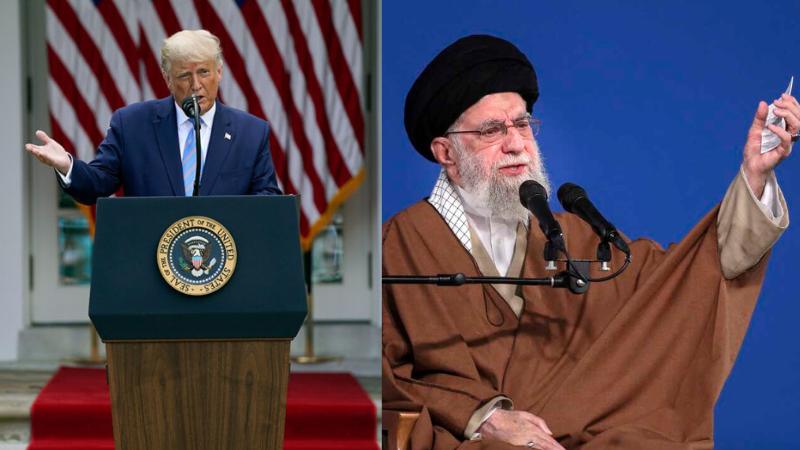
Tensions between the United States and Iran intensified this week as both sides exchanged sharp rhetoric ahead of renewed diplomatic efforts over Tehran’s nuclear program. Former US President Donald Trump highlighted America’s military strength while Iran’s Supreme Leader Ali Khamenei issued a pointed warning, underscoring the fragile atmosphere surrounding the latest round of nuclear deal talks.
The war of words escalated even before the second round of negotiations, which were mediat
Tensions between the United States and Iran intensified this week as both sides exchanged sharp rhetoric ahead of renewed diplomatic efforts over Tehran’s nuclear program. Former US President Donald Trump highlighted America’s military strength while Iran’s Supreme Leader Ali Khamenei issued a pointed warning, underscoring the fragile atmosphere surrounding the latest round of nuclear deal talks.
The war of words escalated even before the second round of negotiations, which were mediat
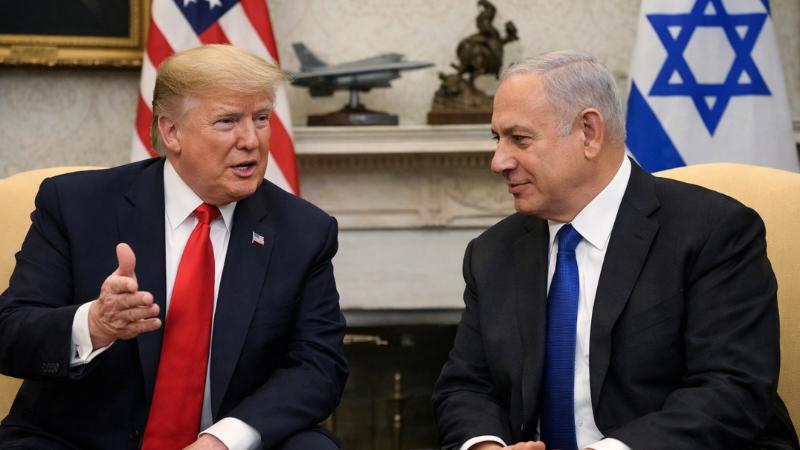
US President Donald Trump met Israeli Prime Minister Benjamin Netanyahu on Wednesday to discuss a range of strategic issues, with the Iran nuclear deal emerging as a central topic of conversation. The meeting, held amid heightened regional tensions, underscored ongoing diplomatic efforts and disagreements surrounding Tehran’s nuclear programme and its broader military capabilities.
Following the talks, Trump took to Truth Social to reiterate his administration’s position on nego
US President Donald Trump met Israeli Prime Minister Benjamin Netanyahu on Wednesday to discuss a range of strategic issues, with the Iran nuclear deal emerging as a central topic of conversation. The meeting, held amid heightened regional tensions, underscored ongoing diplomatic efforts and disagreements surrounding Tehran’s nuclear programme and its broader military capabilities.
Following the talks, Trump took to Truth Social to reiterate his administration’s position on nego
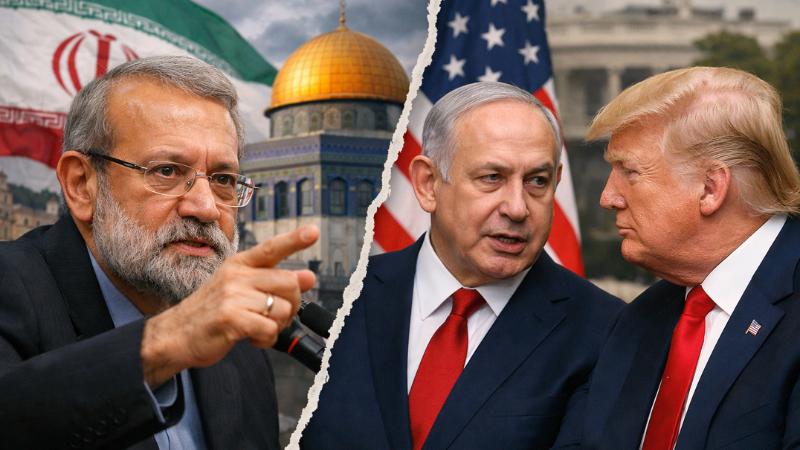
A senior Iranian security official has issued a sharp warning to the United States ahead of Israeli Prime Minister Benjamin Netanyahu’s visit to Washington, underscoring escalating rhetoric between Tehran and Tel Aviv as diplomatic efforts around Iran’s nuclear program continue to shape regional politics.
Ali Larijani, a prominent figure in Iran’s political and security establishment, addressed the matter in a post on social media on Tuesday, urging American policymakers and citizens to exercise caution. He said the United States should “think wisely” and remain alert to what he described as the “destructive role of the Zionists,” signaling Tehran’s deep distrust of Israeli influence over Washington’s foreign policy decisions. Larijani criticized Netanyahu’s planned trip, suggesting that the Israeli leader intended to sway the United States’ stance on negotiations related to Iran’s nuclear activities.
In his remarks, Larijani argued that Netanyahu might attempt to frame the direction of nuclear negotiations before arriving in the United States. He warned that such messaging could mislead American officials and complicate ongoing diplomatic efforts. The comments reflect broader concerns in Tehran that Israel seeks to derail talks that could ease tensions between Iran and the United States or lead to a new agreement governing Iran’s nuclear program.
Separately, Iran’s judiciary chief, Gholamhossein Mohseni Ejei, reinforced the government’s hardline posture. Speaking publicly, he said the Islamic Republic had demonstrated “compassion” since its founding but stressed that authorities would not hesitate to confront individuals or groups deemed disloyal. Ejei warned that the judiciary would take action against those acting “in tandem with Israel and other enemies of the Islamic revolution,” a statement widely interpreted as a message to domestic critics and alleged collaborators.
Meanwhile, Netanyahu confirmed that discussions about Iran’s nuclear ambitions would be a central part of his agenda in Washington. Before departing for the US capital, the Israeli prime minister told reporters that he intended to present Israel’s approach and core principles regarding negotiations with Tehran. He described these principles as essential not only for Israel’s security but for any country seeking peace and stability in the Middle East.
Netanyahu also emphasized the close relationship between Israel and the United States, highlighting frequent meetings with former US President Donald Trump as evidence of strong diplomatic and personal ties. According to the Israeli leader, this partnership plays a critical role in shaping policy on issues ranging from nuclear talks to the ongoing conflict in Gaza. He indicated that a range of regional security concerns would be discussed during the visit.
The exchange of pointed statements from both sides illustrates the persistent tensions surrounding Iran’s nuclear program and the broader geopolitical rivalry between Iran and Israel. As Washington prepares to engage with Israeli leadership while weighing its approach to Tehran, the coming discussions are likely to influence not only bilateral US-Israel relations but also the future trajectory of diplomacy and security across the Middle East.
A senior Iranian security official has issued a sharp warning to the United States ahead of Israeli Prime Minister Benjamin Netanyahu’s visit to Washington, underscoring escalating rhetoric between Tehran and Tel Aviv as diplomatic efforts around Iran’s nuclear program continue to shape regional politics.
Ali Larijani, a prominent figure in Iran’s political and security establishment, addressed the matter in a post on social media on Tuesday, urging American policymakers and citizens to exercise caution. He said the United States should “think wisely” and remain alert to what he described as the “destructive role of the Zionists,” signaling Tehran’s deep distrust of Israeli influence over Washington’s foreign policy decisions. Larijani criticized Netanyahu’s planned trip, suggesting that the Israeli leader intended to sway the United States’ stance on negotiations related to Iran’s nuclear activities.
In his remarks, Larijani argued that Netanyahu might attempt to frame the direction of nuclear negotiations before arriving in the United States. He warned that such messaging could mislead American officials and complicate ongoing diplomatic efforts. The comments reflect broader concerns in Tehran that Israel seeks to derail talks that could ease tensions between Iran and the United States or lead to a new agreement governing Iran’s nuclear program.
Separately, Iran’s judiciary chief, Gholamhossein Mohseni Ejei, reinforced the government’s hardline posture. Speaking publicly, he said the Islamic Republic had demonstrated “compassion” since its founding but stressed that authorities would not hesitate to confront individuals or groups deemed disloyal. Ejei warned that the judiciary would take action against those acting “in tandem with Israel and other enemies of the Islamic revolution,” a statement widely interpreted as a message to domestic critics and alleged collaborators.
Meanwhile, Netanyahu confirmed that discussions about Iran’s nuclear ambitions would be a central part of his agenda in Washington. Before departing for the US capital, the Israeli prime minister told reporters that he intended to present Israel’s approach and core principles regarding negotiations with Tehran. He described these principles as essential not only for Israel’s security but for any country seeking peace and stability in the Middle East.
Netanyahu also emphasized the close relationship between Israel and the United States, highlighting frequent meetings with former US President Donald Trump as evidence of strong diplomatic and personal ties. According to the Israeli leader, this partnership plays a critical role in shaping policy on issues ranging from nuclear talks to the ongoing conflict in Gaza. He indicated that a range of regional security concerns would be discussed during the visit.
The exchange of pointed statements from both sides illustrates the persistent tensions surrounding Iran’s nuclear program and the broader geopolitical rivalry between Iran and Israel. As Washington prepares to engage with Israeli leadership while weighing its approach to Tehran, the coming discussions are likely to influence not only bilateral US-Israel relations but also the future trajectory of diplomacy and security across the Middle East.
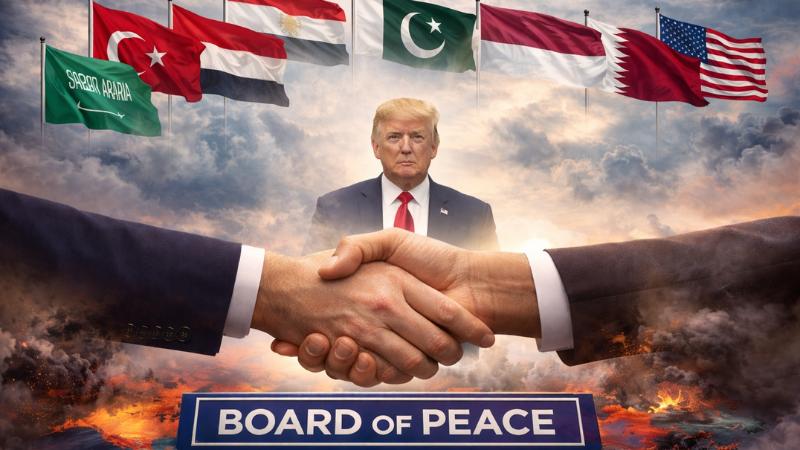
Saudi Arabia, Turkey, Egypt, Jordan, Indonesia, Pakistan and Qatar have agreed to participate in a new international initiative proposed by U.S. President Donald Trump, known as the Board of Peace, according to a joint statement issued by regional foreign ministries. The decision reflects coordinated support among several Middle Eastern and Asian governments for the initiative, which Trump has presented as a mechanism to address the ongoing Gaza conflict and broader global disputes.
Saudi Arabia, Turkey, Egypt, Jordan, Indonesia, Pakistan and Qatar have agreed to participate in a new international initiative proposed by U.S. President Donald Trump, known as the Board of Peace, according to a joint statement issued by regional foreign ministries. The decision reflects coordinated support among several Middle Eastern and Asian governments for the initiative, which Trump has presented as a mechanism to address the ongoing Gaza conflict and broader global disputes.
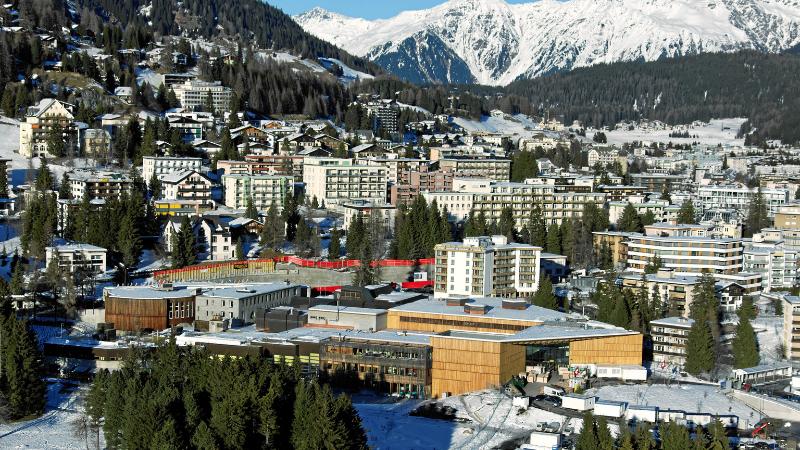
Iran’s Foreign Minister Abbas Araghchi has strongly criticised the World Economic Forum following the cancellation of his scheduled appearance at the organisation’s annual meeting in Davos, accusing the forum of applying inconsistent moral and political standards. The remarks came after the WEF announc
Iran’s Foreign Minister Abbas Araghchi has strongly criticised the World Economic Forum following the cancellation of his scheduled appearance at the organisation’s annual meeting in Davos, accusing the forum of applying inconsistent moral and political standards. The remarks came after the WEF announc
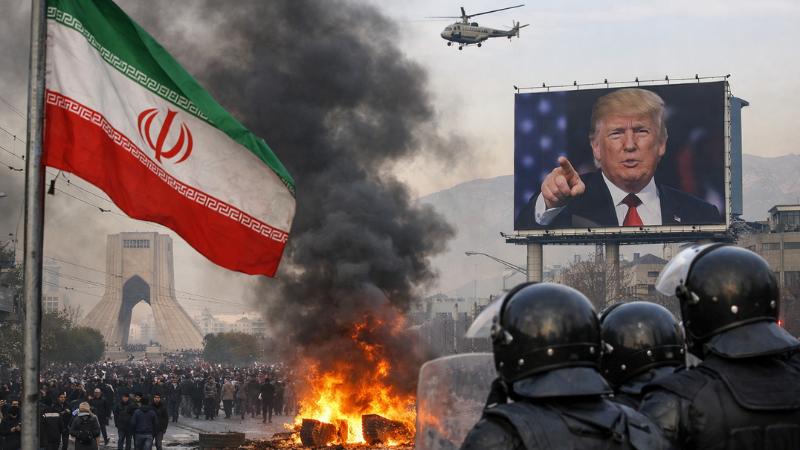
US President Donald Trump intensified his rhetoric toward Iran on Saturday, calling for a change in leadership in Tehran just a day after publicly praising Iranian authorities for halting what he said were more than 800 scheduled executions. The remarks underscored the volatile and often contradictory tone of Washington’s messaging toward Iran amid recent unrest and deadly crackdowns across the country.
Speaking in an interview, Trump described Supreme Leader Ayatollah Ali Khamene
US President Donald Trump intensified his rhetoric toward Iran on Saturday, calling for a change in leadership in Tehran just a day after publicly praising Iranian authorities for halting what he said were more than 800 scheduled executions. The remarks underscored the volatile and often contradictory tone of Washington’s messaging toward Iran amid recent unrest and deadly crackdowns across the country.
Speaking in an interview, Trump described Supreme Leader Ayatollah Ali Khamene
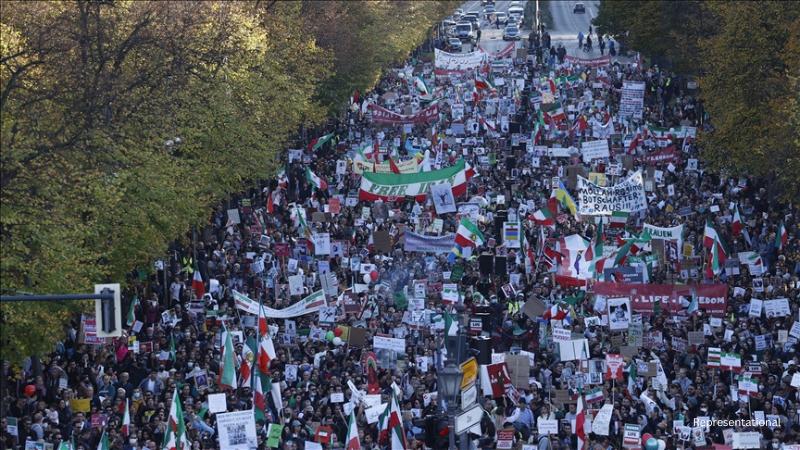
The protest movement against the Iranian regime is growing stronger and more vocal with each passing day. What began as domestic unrest has now expanded beyond the country’s borders, evolving into a global expression of dissent. Demonstrations are increasingly visible in Europe, the United States, and neighboring regions, highlighting the determination of Iranians and their supporters to draw international attention to long-standing political and social grievances. The expanding reach of these
The protest movement against the Iranian regime is growing stronger and more vocal with each passing day. What began as domestic unrest has now expanded beyond the country’s borders, evolving into a global expression of dissent. Demonstrations are increasingly visible in Europe, the United States, and neighboring regions, highlighting the determination of Iranians and their supporters to draw international attention to long-standing political and social grievances. The expanding reach of these
Iran’s government said on Monday that it is prepared to enter negotiations with the United States, even as it warned that the country remains fully ready to defend itself militarily amid ongoing nationwide protests and rising international tension. The statement came after US President Donald Trump suggested that Iran’s leadership had expressed interest in talks following his repeated warnings of possible military intervention.
Speaking at a conference of foreign ambassadors in
Iran’s government said on Monday that it is prepared to enter negotiations with the United States, even as it warned that the country remains fully ready to defend itself militarily amid ongoing nationwide protests and rising international tension. The statement came after US President Donald Trump suggested that Iran’s leadership had expressed interest in talks following his repeated warnings of possible military intervention.
Speaking at a conference of foreign ambassadors in
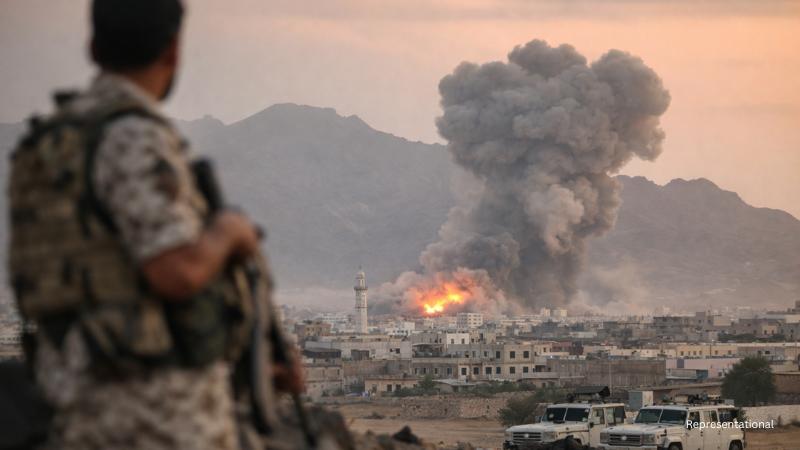
The Saudi-led coalition announced on Wednesday, Jan 7, that it had conducted what it described as limited pre-emptive military strikes in Yemen, citing concerns that escalating actions by UAE-backed secessionist forces could further destabilize the fragile security situation. Coalition officials said the strikes were aimed at preventing a wider confrontation and preserving the possibility of political dialogue amid renewed tensions in the country’s south.
According to the coalitio
The Saudi-led coalition announced on Wednesday, Jan 7, that it had conducted what it described as limited pre-emptive military strikes in Yemen, citing concerns that escalating actions by UAE-backed secessionist forces could further destabilize the fragile security situation. Coalition officials said the strikes were aimed at preventing a wider confrontation and preserving the possibility of political dialogue amid renewed tensions in the country’s south.
According to the coalitio
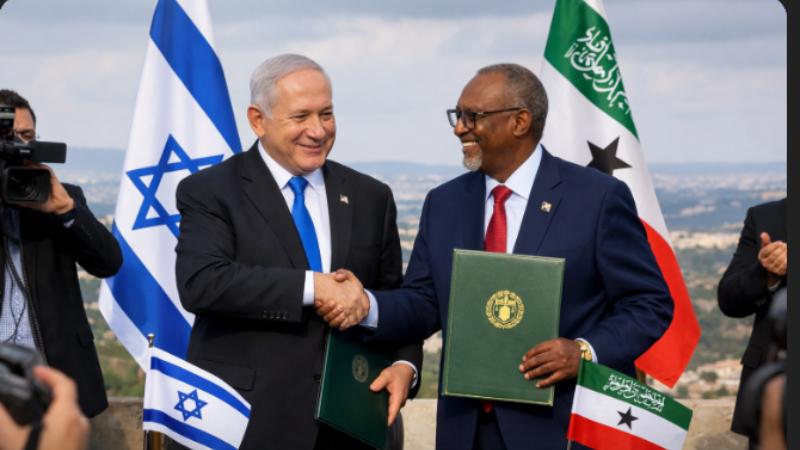
Israel has become the first member of the United Nations to officially recognise Somaliland as an independent and sovereign state, marking a significant diplomatic development for the self-declared republic in the Horn of Africa. The announcement ends decades of international non-recognition for Somaliland, which has operated as a separate political entity since breaking away from Somalia in 1991 following a prolonged civil conflict.
The recognition was formalised on Friday when Isr
Israel has become the first member of the United Nations to officially recognise Somaliland as an independent and sovereign state, marking a significant diplomatic development for the self-declared republic in the Horn of Africa. The announcement ends decades of international non-recognition for Somaliland, which has operated as a separate political entity since breaking away from Somalia in 1991 following a prolonged civil conflict.
The recognition was formalised on Friday when Isr