US President Donald Trump says he is in a “deciding mode” over Iran as Washington weighs military action, economic pressure and possible diplomacy. His comments come as Tehran sets conditions for renewed negotiations, Houthi attacks heighten regional tensions and the Strait of Hormuz remains central to the dispute.
Trump weighs Iran m
US President Donald Trump says he is in a “deciding mode” over Iran as Washington weighs military action, economic pressure and possible diplomacy. His comments come as Tehran sets conditions for renewed negotiations, Houthi attacks heighten regional tensions and the Strait of Hormuz remains central to the dispute.
Trump weighs Iran m
A proposed Strait of Hormuz shipping deal will not impose tolls or transit charges on commercial vessels, according to a US official familiar with negotiations involving Washington, Iran and Oman. The discussions seek to protect ship transit and restore confidence in the strategic waterway after conflict-related disruptions.
Strait of Hormuz Shipping Deal Excludes Tolls
Commercial ships passing
A proposed Strait of Hormuz shipping deal will not impose tolls or transit charges on commercial vessels, according to a US official familiar with negotiations involving Washington, Iran and Oman. The discussions seek to protect ship transit and restore confidence in the strategic waterway after conflict-related disruptions.
Strait of Hormuz Shipping Deal Excludes Tolls
Commercial ships passing
President Donald Trump said ongoing Trump Iran nuclear talks could still produce an agreement, but warned that Washington may take further military action if diplomacy fails. He argued that an Iranian nuclear weapon would have placed the entire Middle East at severe risk.
Trump warning focuses on Iran’s nuclear ambitions
Speaking to reporters on Friday, July 24, Trump defended his administrat
President Donald Trump said ongoing Trump Iran nuclear talks could still produce an agreement, but warned that Washington may take further military action if diplomacy fails. He argued that an Iranian nuclear weapon would have placed the entire Middle East at severe risk.
Trump warning focuses on Iran’s nuclear ambitions
Speaking to reporters on Friday, July 24, Trump defended his administrat
US President Donald Trump has increased pressure on Tehran by predicting that Iran would be defeated “very soon” while claiming its leaders urgently wanted an agreement with Washington. His comments combined the possibility of Iran talks with a warning that the United States would decide whether diplomacy moved forward.
Trump Iran warning increases pressure on Tehran
Trump made the remarks on July 15 after
US President Donald Trump has increased pressure on Tehran by predicting that Iran would be defeated “very soon” while claiming its leaders urgently wanted an agreement with Washington. His comments combined the possibility of Iran talks with a warning that the United States would decide whether diplomacy moved forward.
Trump Iran warning increases pressure on Tehran
Trump made the remarks on July 15 after
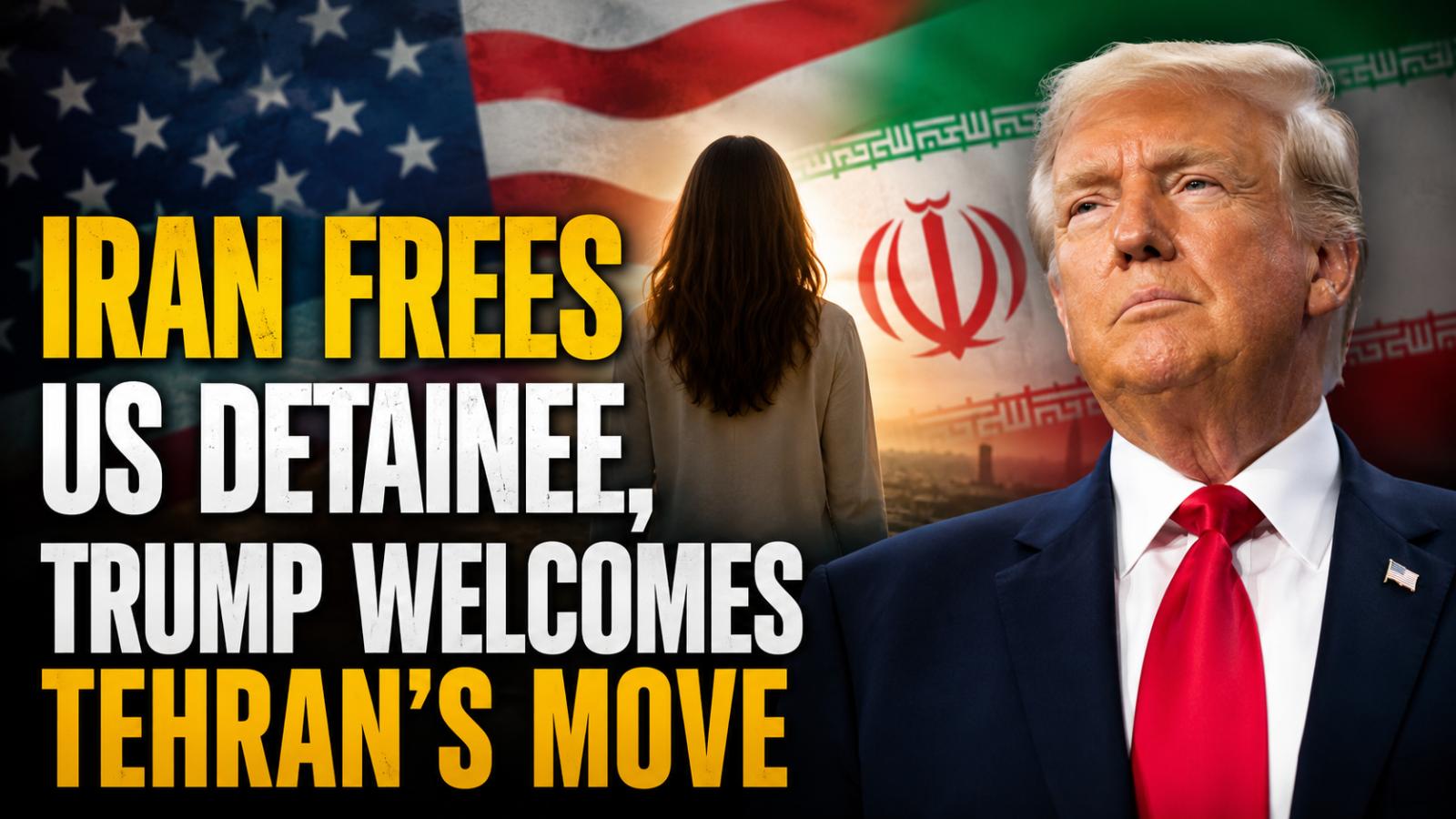
US President Donald Trump said Iran has allowed an American woman detained since December 2024 to leave the country. He welcomed the development as a goodwill gesture by Tehran, although several important details about her case, release and current destination remain publicly unconfirmed.
Trump claim on detained American
Trump announced the woman’s departure from Iran in a Truth Social post on Wednesday, July
US President Donald Trump said Iran has allowed an American woman detained since December 2024 to leave the country. He welcomed the development as a goodwill gesture by Tehran, although several important details about her case, release and current destination remain publicly unconfirmed.
Trump claim on detained American
Trump announced the woman’s departure from Iran in a Truth Social post on Wednesday, July
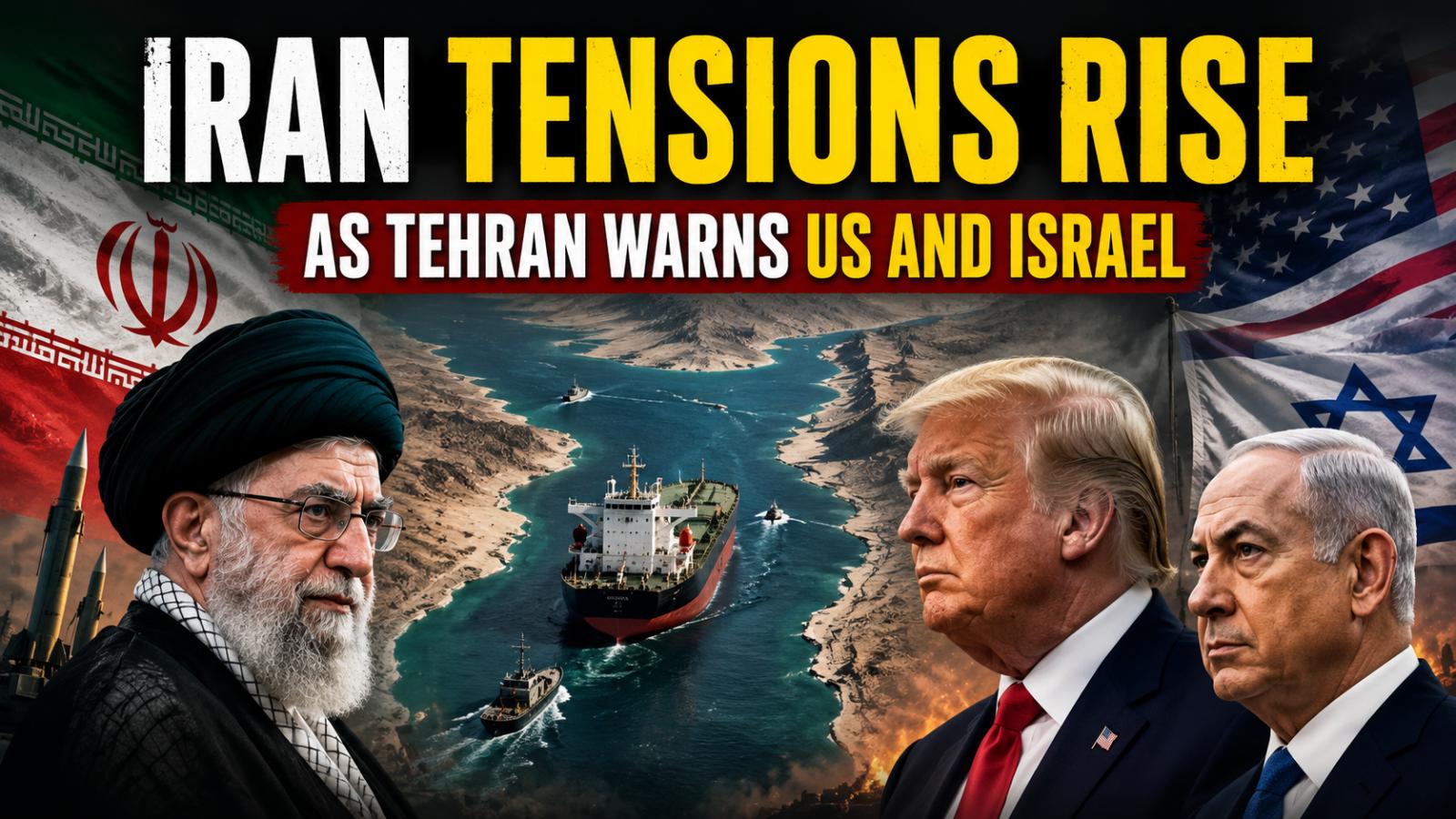
Iran tensions are rising as senior officials warn of retaliation against Israel and the United States while Foreign Minister Abbas Araghchi prepares for Oman talks focused on the Strait of Hormuz. Tehran is pairing military warnings with renewed Gulf diplomacy.
IRGC warning intensifies retaliation message
A day after former Supreme Leader Ali Khamenei was buried, IRGC commander-in-chief Ahmad Vahidi said Iran w
Iran tensions are rising as senior officials warn of retaliation against Israel and the United States while Foreign Minister Abbas Araghchi prepares for Oman talks focused on the Strait of Hormuz. Tehran is pairing military warnings with renewed Gulf diplomacy.
IRGC warning intensifies retaliation message
A day after former Supreme Leader Ali Khamenei was buried, IRGC commander-in-chief Ahmad Vahidi said Iran w
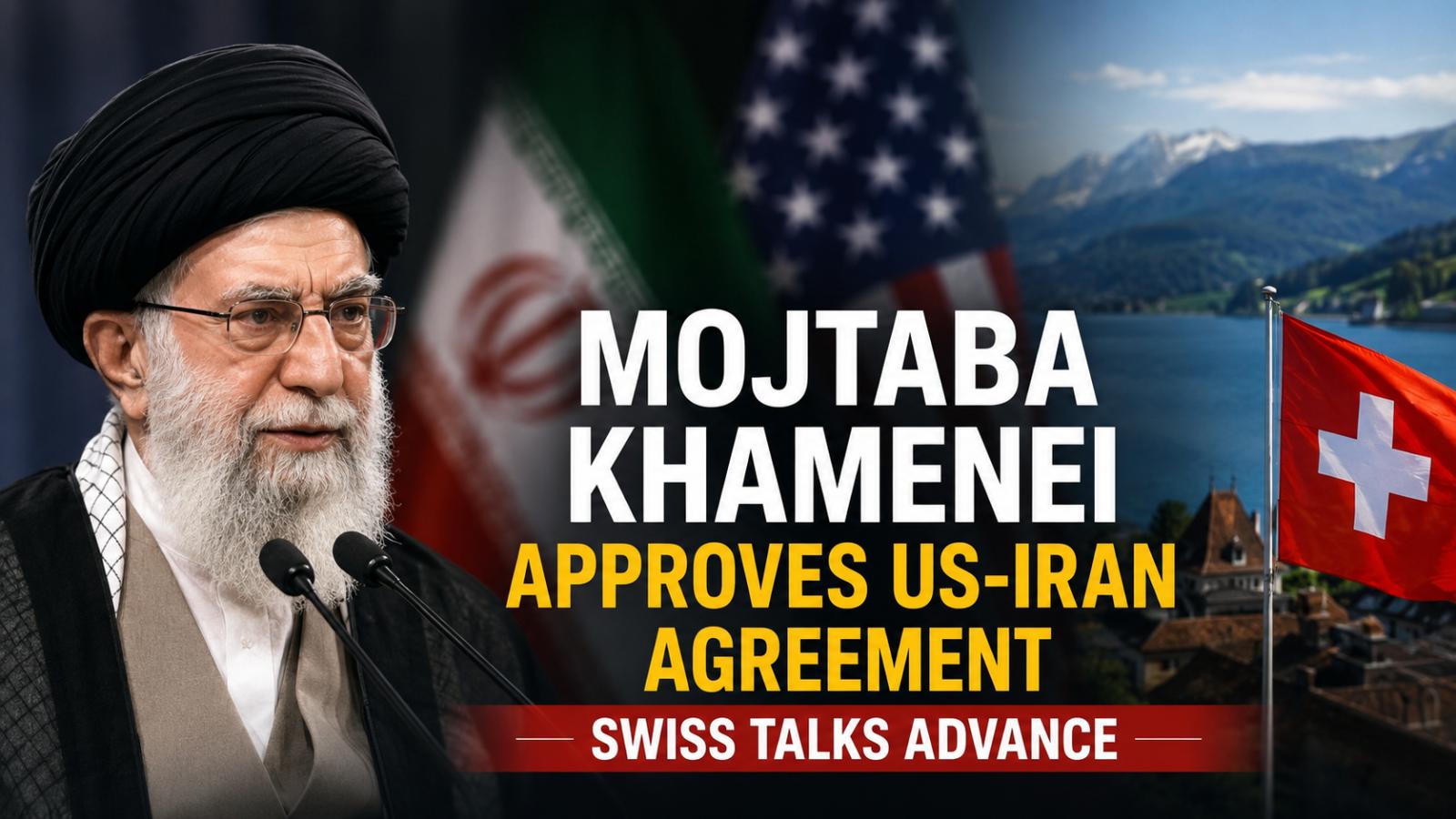
Iranian Supreme Leader Mojtaba Khamenei approved the U.S.-Iran agreement despite reservations, giving political backing to an interim memorandum as negotiations moved forward in Switzerland.
In a written message issued Thursday, June 18, 2026, Khamenei said he authorized the memorandum after President Masoud Pezeshkian and other senior officials assured him that Iran’s rights and the interests of what Tehran calls the “Resistance Front” would be protected.
Iranian Supreme Leader Mojtaba Khamenei approved the U.S.-Iran agreement despite reservations, giving political backing to an interim memorandum as negotiations moved forward in Switzerland.
In a written message issued Thursday, June 18, 2026, Khamenei said he authorized the memorandum after President Masoud Pezeshkian and other senior officials assured him that Iran’s rights and the interests of what Tehran calls the “Resistance Front” would be protected.
Report of Resignation Surfaces
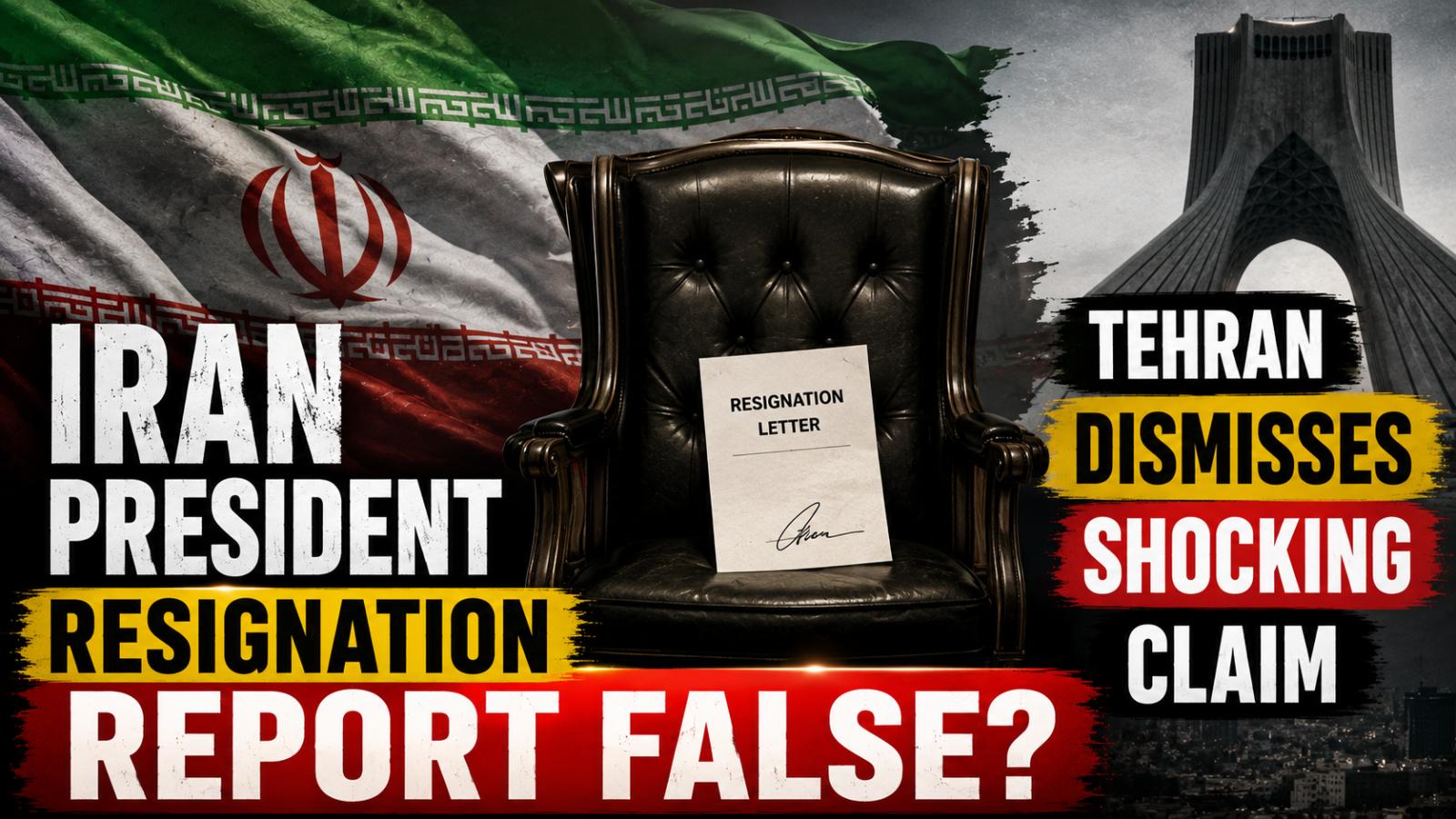
On Sunday, May 31, reports emerged claiming that Iranian President Masoud Pezeshkian had resigned and sent a letter to Supreme Leader Mojtaba Khamenei. The report, citing a source, suggested that Pezeshkian cited the overarching power of the Islamic Revolutionary Guard Corps (IRGC) as a reason for his exit. The claims appeared amid discussions of a potential peace deal between
Report of Resignation Surfaces
On Sunday, May 31, reports emerged claiming that Iranian President Masoud Pezeshkian had resigned and sent a letter to Supreme Leader Mojtaba Khamenei. The report, citing a source, suggested that Pezeshkian cited the overarching power of the Islamic Revolutionary Guard Corps (IRGC) as a reason for his exit. The claims appeared amid discussions of a potential peace deal between
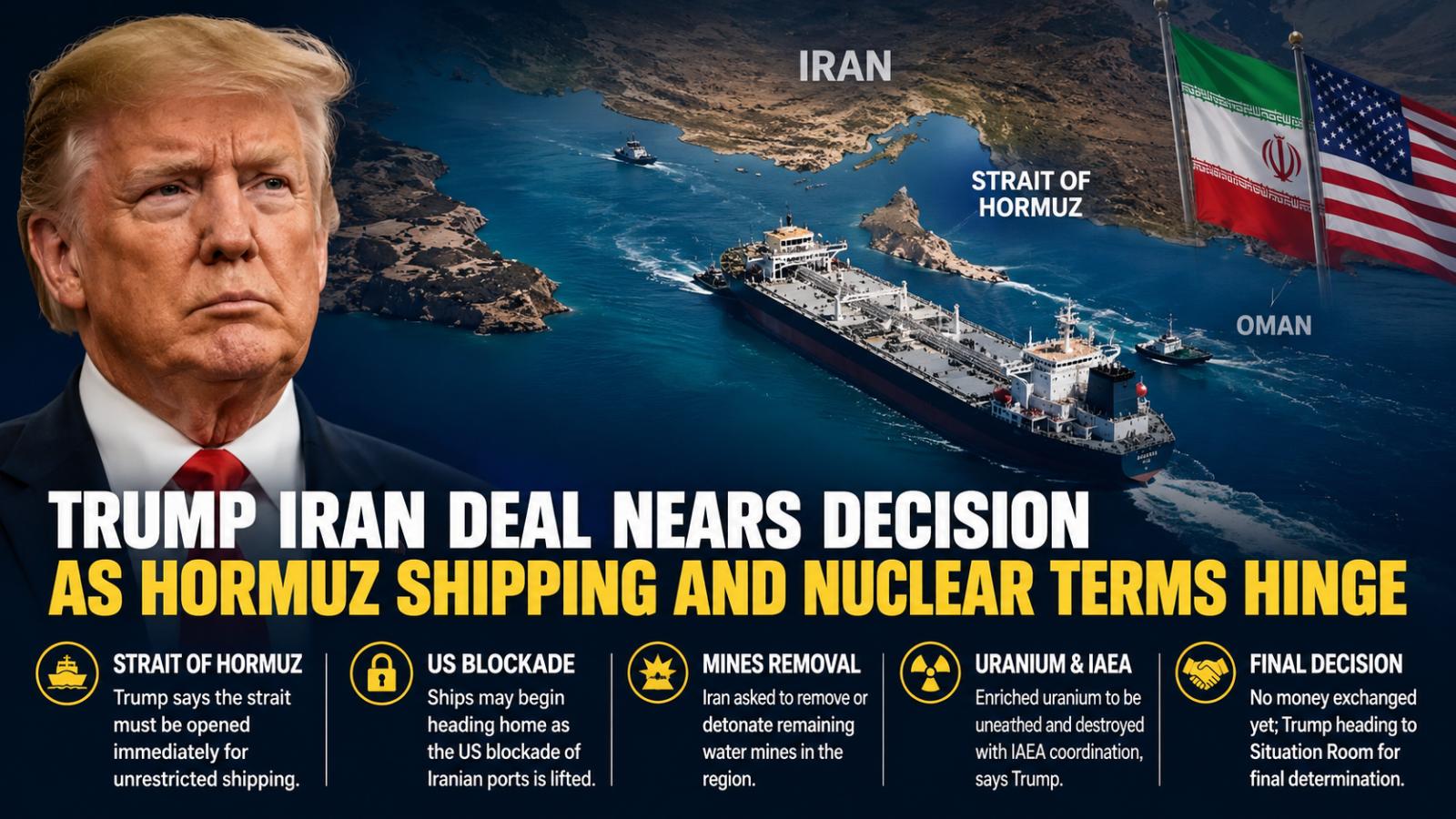
President Donald Trump said on Friday, May 29, 2026, that a final decision was near on a possible Trump Iran Hormuz deal that could affect shipping in the Strait of Hormuz, the US blockade of Iranian ports and future nuclear talks.
President Donald Trump said on Friday, May 29, 2026, that a final decision was near on a possible Trump Iran Hormuz deal that could affect shipping in the Strait of Hormuz, the US blockade of Iranian ports and future nuclear talks.
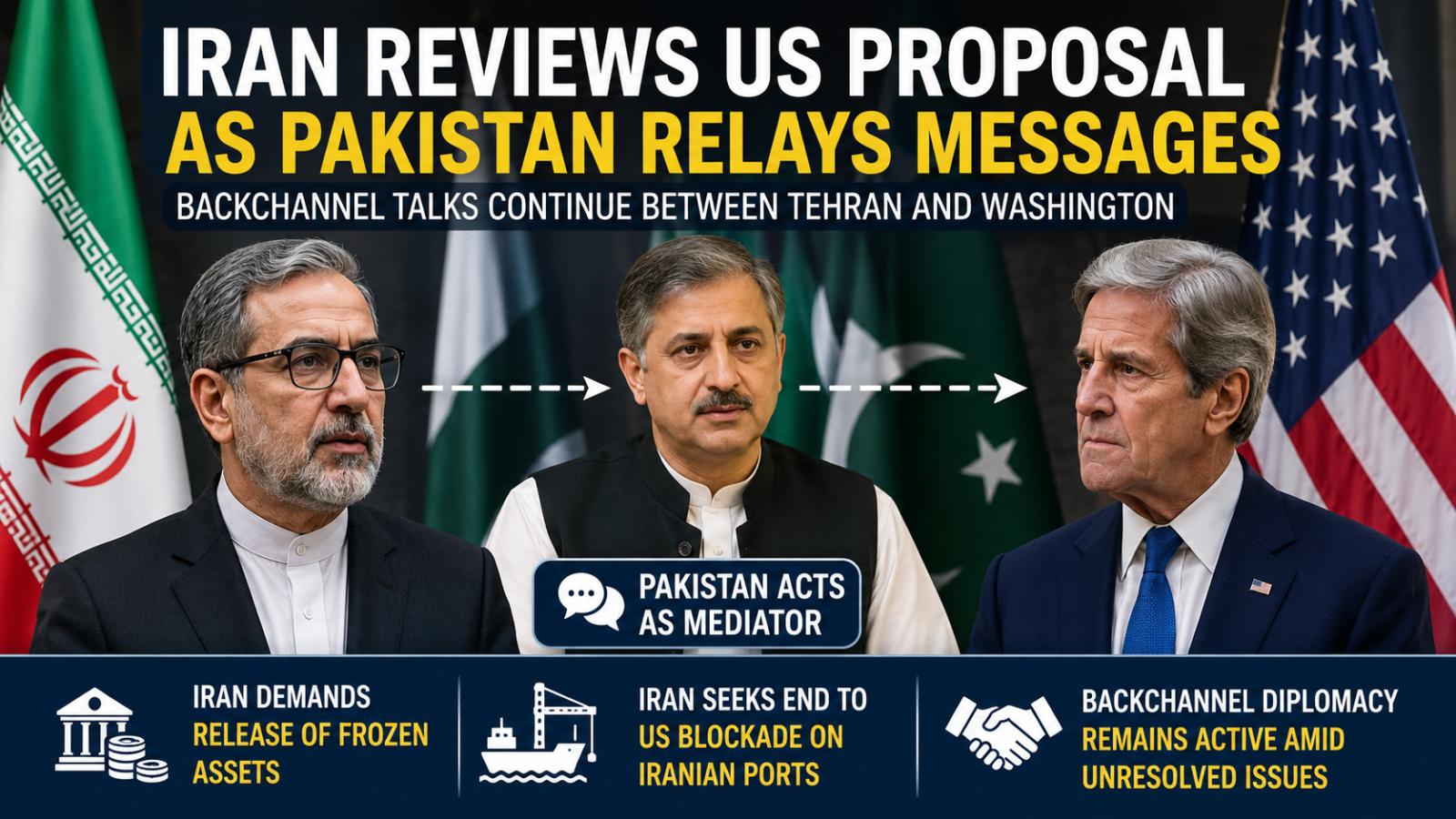
Iran said it is reviewing a new US proposal as Pakistan helps relay diplomatic messages between Tehran and Washington, keeping indirect talks active despite major unresolved disputes.
Iranian Foreign Ministry spokesman Esmaeil Baqaei said on Wednesday, May 20, 2026, that Tehran had received Washington’s latest position and was examining the points raised by the American side. The comments came as diplomatic communication continued through back channels rather than direct public ne
Iran said it is reviewing a new US proposal as Pakistan helps relay diplomatic messages between Tehran and Washington, keeping indirect talks active despite major unresolved disputes.
Iranian Foreign Ministry spokesman Esmaeil Baqaei said on Wednesday, May 20, 2026, that Tehran had received Washington’s latest position and was examining the points raised by the American side. The comments came as diplomatic communication continued through back channels rather than direct public ne
Iran Accuses US and Israel of Destabilization
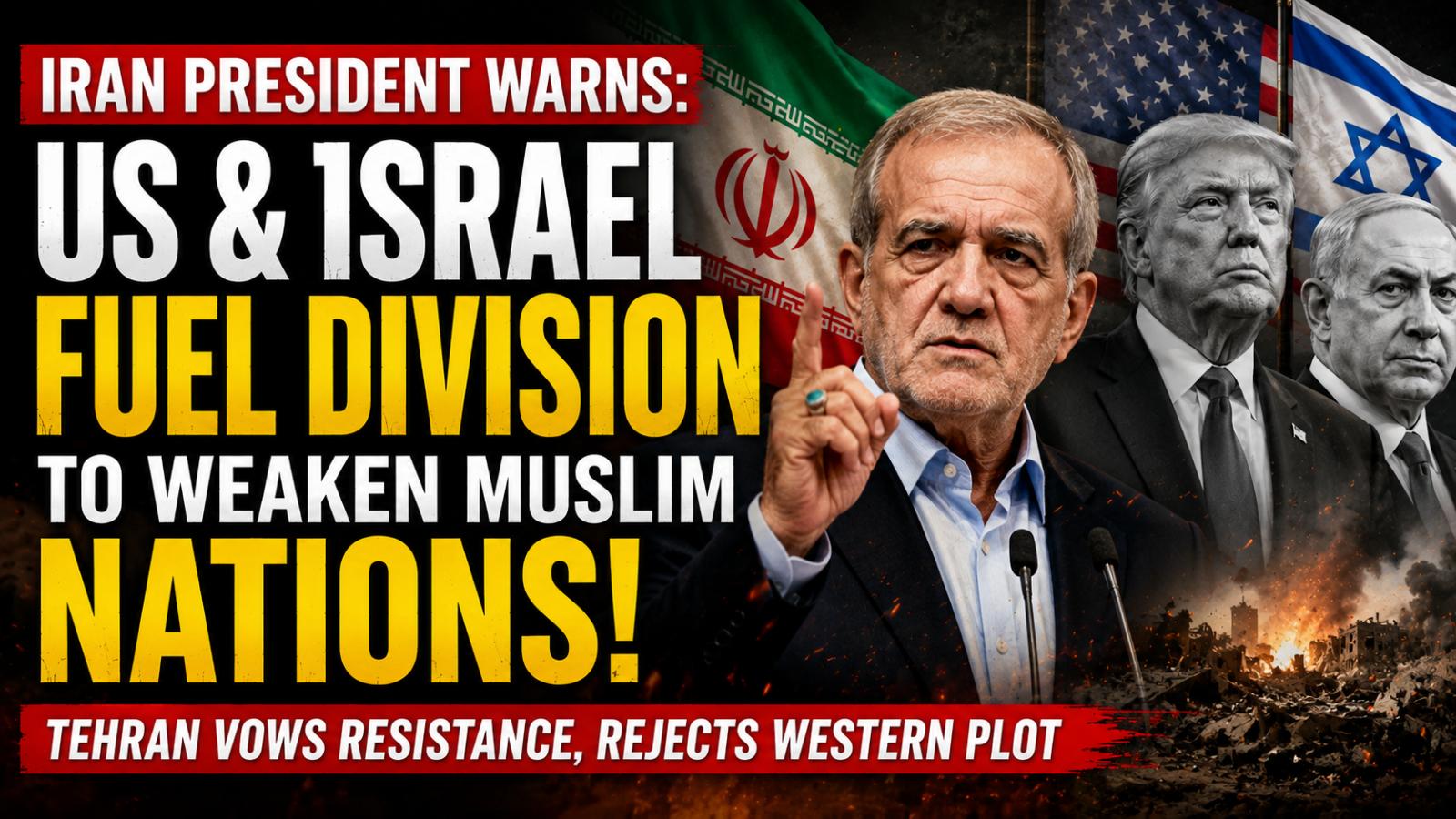
Iranian President Masoud Pezeshkian on May 17,2026 accused the United States and Israel of pursuing divisive politics aimed at creating distrust among Muslim nations. Pezeshkian stated that military actions against Iran were intended to disrupt domestic order and weaken the governing establishment. According to reports, these measures directly threaten Iran’s leadership and the
Iran Accuses US and Israel of Destabilization
Iranian President Masoud Pezeshkian on May 17,2026 accused the United States and Israel of pursuing divisive politics aimed at creating distrust among Muslim nations. Pezeshkian stated that military actions against Iran were intended to disrupt domestic order and weaken the governing establishment. According to reports, these measures directly threaten Iran’s leadership and the
Trump Issues Urgent Warning to Iran
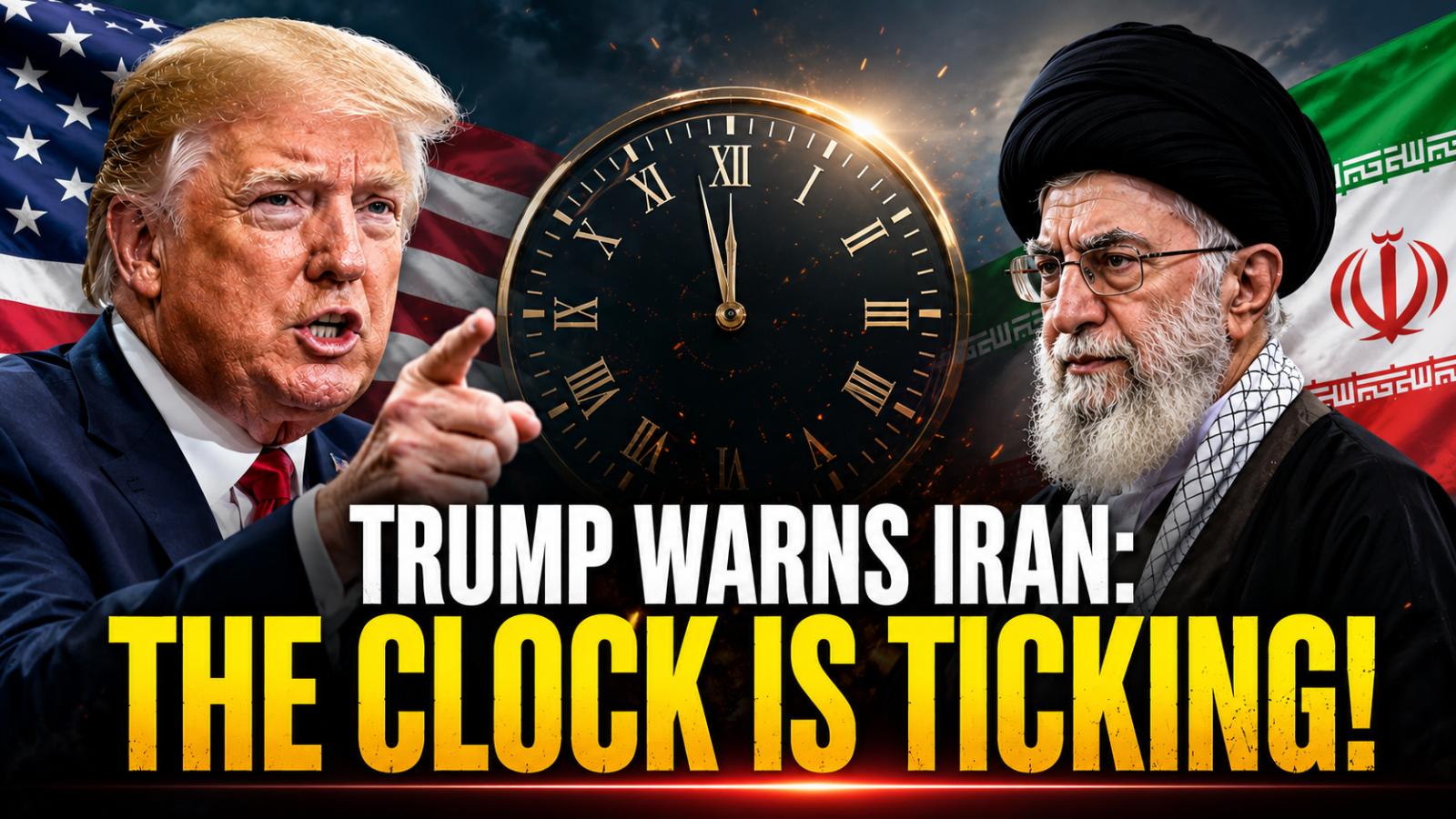
US President Donald Trump on May 17,2026 posted a stern warning to Iran, emphasizing that “the clock is ticking” as negotiations over nuclear stockpiles, sanctions relief, and war compensation remain deadlocked. Trump’s message, shared via Truth Social, stressed that Iran must act quickly on the peace proposal or face dire consequences.
Trump Issues Urgent Warning to Iran
US President Donald Trump on May 17,2026 posted a stern warning to Iran, emphasizing that “the clock is ticking” as negotiations over nuclear stockpiles, sanctions relief, and war compensation remain deadlocked. Trump’s message, shared via Truth Social, stressed that Iran must act quickly on the peace proposal or face dire consequences.
Trump’s Departure for Beijing
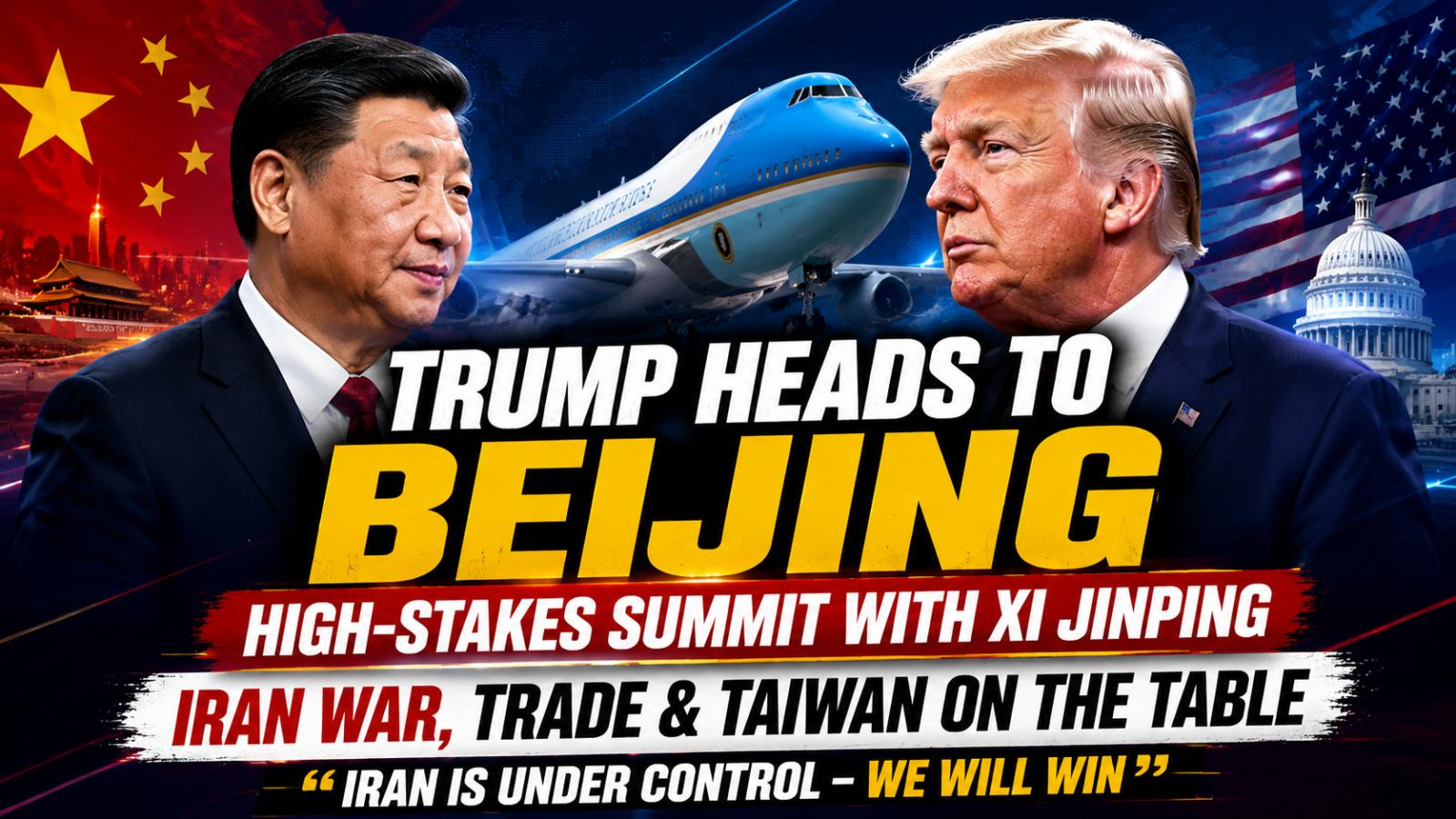
President Donald Trump left Washington on May 12th for a high-stakes summit with Chinese President Xi Jinping in Beijing. As he boarded Air Force One for the trip, Trump addressed reporters, emphasizing that Iran is "under control" and that the United States either intends to make a deal or "decimate" Iran’s military capabilities. This rhetoric comes amid the ongoing conflict with Iran, with Trump reiterating his u
Trump’s Departure for Beijing
President Donald Trump left Washington on May 12th for a high-stakes summit with Chinese President Xi Jinping in Beijing. As he boarded Air Force One for the trip, Trump addressed reporters, emphasizing that Iran is "under control" and that the United States either intends to make a deal or "decimate" Iran’s military capabilities. This rhetoric comes amid the ongoing conflict with Iran, with Trump reiterating his u
Trump Accuses Media of Treason
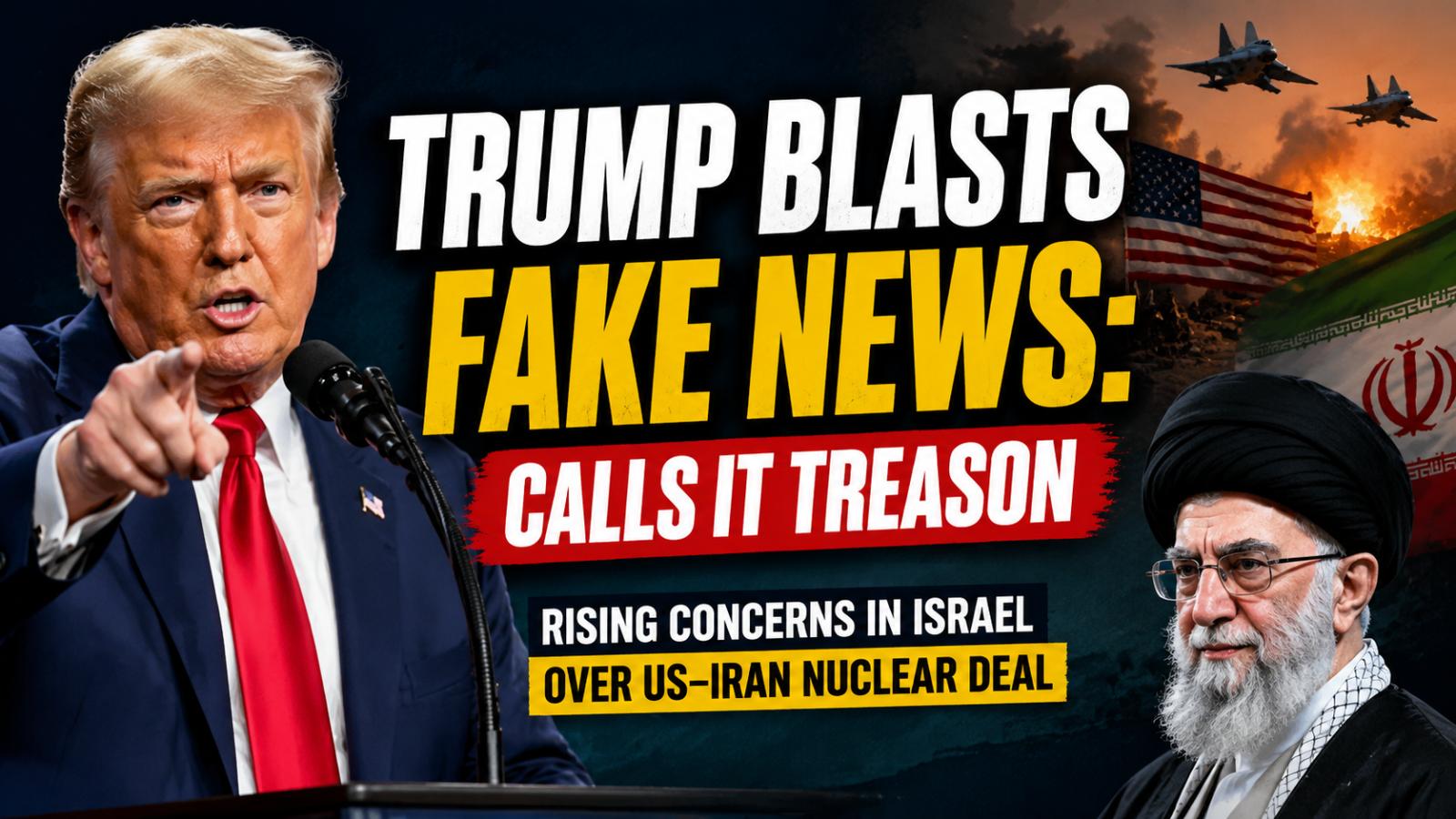
On May 12, President Donald Trump expressed outrage over media reports suggesting that Iran is “doing well” militarily in its ongoing conflict with the United States. In a social media post during his flight to China, Trump accused the media of committing treason by spreading false and misleading information. “When the Fake News says that the Iranian enemy is doing well, Militarily, against us, it’s virtual TRE
Trump Accuses Media of Treason
On May 12, President Donald Trump expressed outrage over media reports suggesting that Iran is “doing well” militarily in its ongoing conflict with the United States. In a social media post during his flight to China, Trump accused the media of committing treason by spreading false and misleading information. “When the Fake News says that the Iranian enemy is doing well, Militarily, against us, it’s virtual TRE
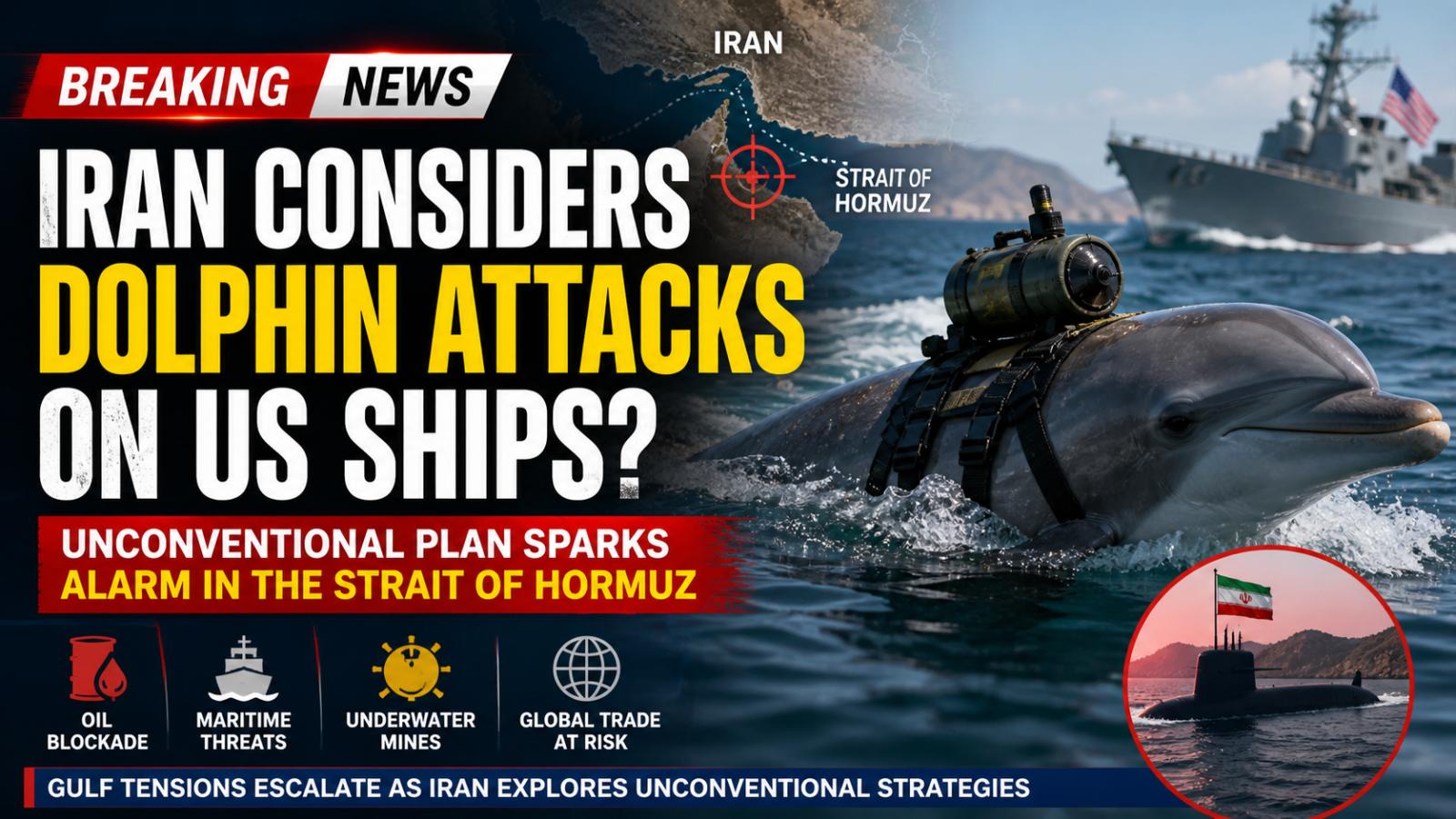
Iran is reportedly evaluating unconventional military approaches as tensions continue in the Gulf, with discussions centered on alternative maritime tactics that could impact security in the Strait of Hormuz. The move comes at a time when economic pressure from ongoing restrictions on oil exports is intensifying internal debate within the country’s leadership.
Officials are said to be considering a range of options that extend beyond traditional naval operations. These deliberations reflect growing frustration among certain factions, which increasingly view the prolonged blockade as a direct threat to national stability. While a fragile ceasefire remains in place, some policymakers argue that the economic consequences of continued restrictions could outweigh the risks of escalation.
Iran has previously explored the use of trained marine animals for defense-related purposes, highlighting a history of experimental approaches within its military planning. Such methods, if pursued, would represent a broader shift toward unconventional strategies aimed at countering perceived disadvantages in conventional naval power.
Alongside these discussions, there are concerns that Iran could deploy submarines or other underwater capabilities within the strategic waterway. Additional threats have included the potential disruption of critical telecommunications infrastructure, which could have far-reaching consequences for global connectivity and trade.
For international shipping, the primary concern remains surface-level disruptions that could directly affect the flow of goods through one of the world’s most vital energy corridors. Security officials continue to monitor developments closely, as any escalation in the region could have immediate implications for global markets and maritime safety.
Iran is reportedly evaluating unconventional military approaches as tensions continue in the Gulf, with discussions centered on alternative maritime tactics that could impact security in the Strait of Hormuz. The move comes at a time when economic pressure from ongoing restrictions on oil exports is intensifying internal debate within the country’s leadership.
Officials are said to be considering a range of options that extend beyond traditional naval operations. These deliberations reflect growing frustration among certain factions, which increasingly view the prolonged blockade as a direct threat to national stability. While a fragile ceasefire remains in place, some policymakers argue that the economic consequences of continued restrictions could outweigh the risks of escalation.
Iran has previously explored the use of trained marine animals for defense-related purposes, highlighting a history of experimental approaches within its military planning. Such methods, if pursued, would represent a broader shift toward unconventional strategies aimed at countering perceived disadvantages in conventional naval power.
Alongside these discussions, there are concerns that Iran could deploy submarines or other underwater capabilities within the strategic waterway. Additional threats have included the potential disruption of critical telecommunications infrastructure, which could have far-reaching consequences for global connectivity and trade.
For international shipping, the primary concern remains surface-level disruptions that could directly affect the flow of goods through one of the world’s most vital energy corridors. Security officials continue to monitor developments closely, as any escalation in the region could have immediate implications for global markets and maritime safety.
Trump redefines Iran conflict as military operation
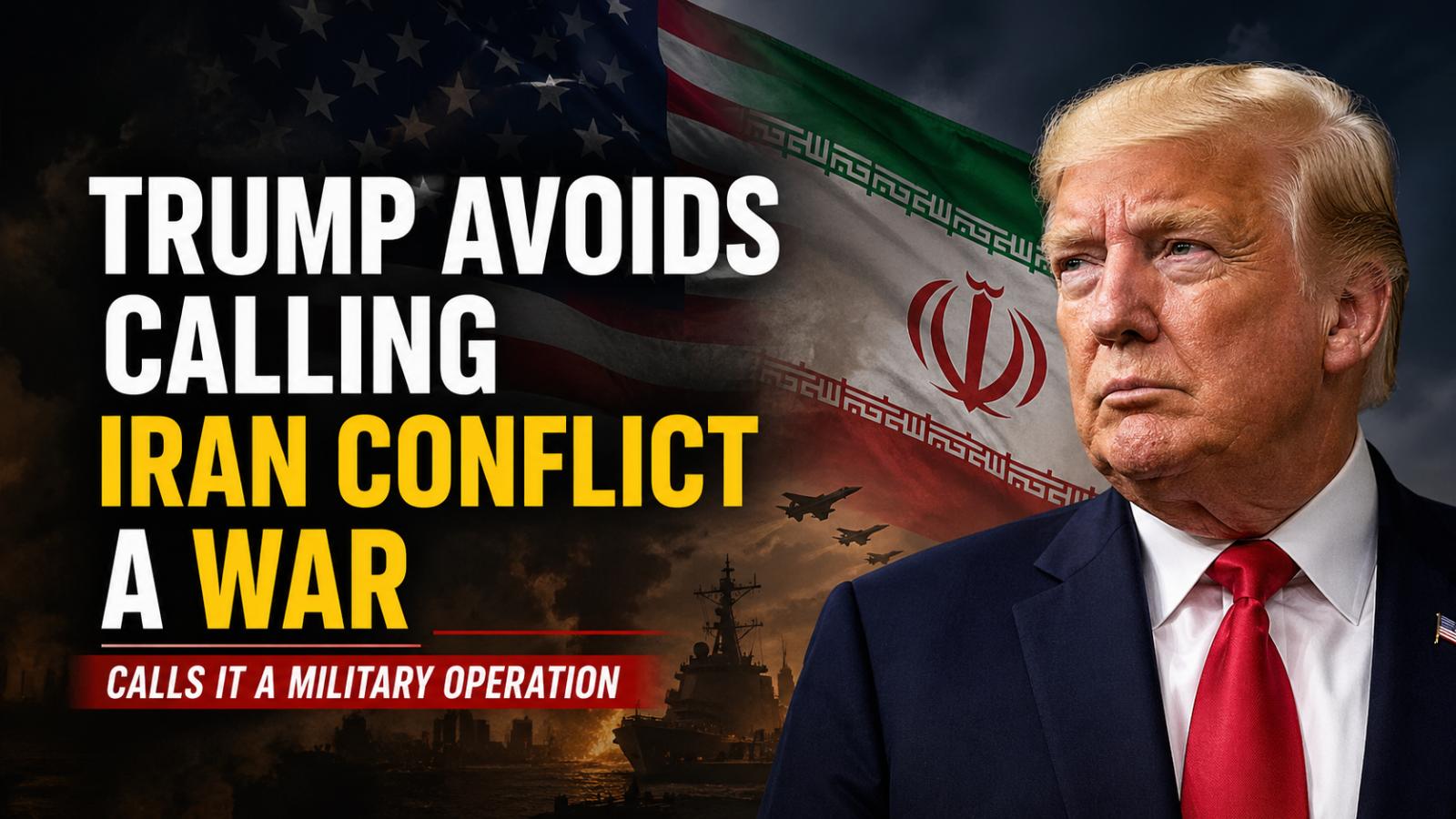
As the War Powers Resolution deadline approached on May 1, US President Donald Trump made a sharp shift in stance by stating that the ongoing Trump Iran conflict would not be labeled as a war but instead as a military operation. This move comes just days before a legal deadline that could have required congressional approval or forced the US to halt militar
Trump redefines Iran conflict as military operation
As the War Powers Resolution deadline approached on May 1, US President Donald Trump made a sharp shift in stance by stating that the ongoing Trump Iran conflict would not be labeled as a war but instead as a military operation. This move comes just days before a legal deadline that could have required congressional approval or forced the US to halt militar
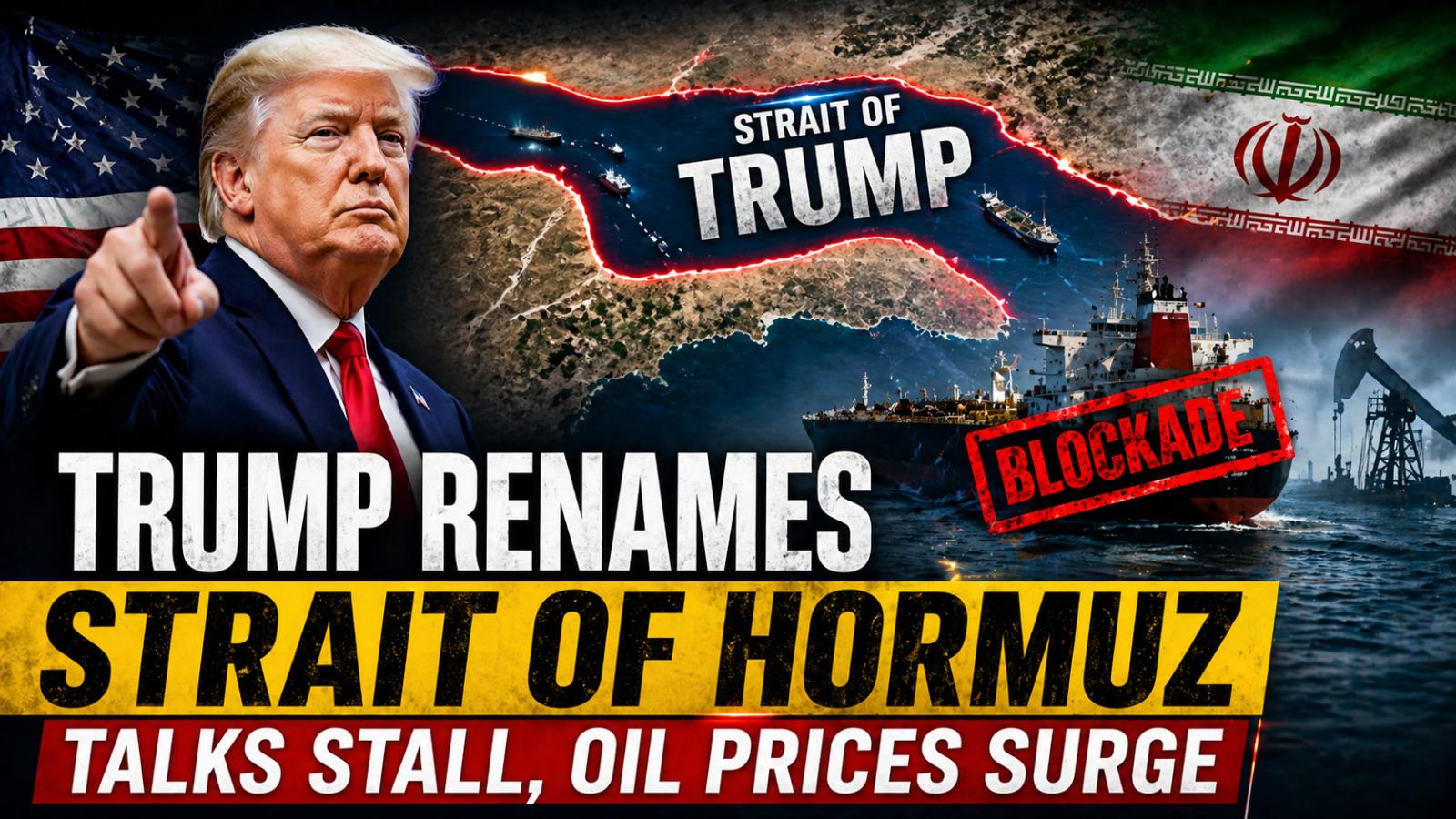
US President Donald Trump has drawn attention after sharing a modified map referring to the Strait of Hormuz as the “Strait of Trump,” a move that comes amid escalating tensions and stalled negotiations with Iran. The strategic waterway remains a focal point in the ongoing standoff, with both sides maintaining a blockade despite a previously agreed ceasefire.
Trump indicated that discussions to end the conflict are continuing remotely, describing them as telephonic due to logistical challenges. At the same time, Iran has attempted to revive dialogue by sending a proposal through Pakistan, facilitated by Foreign Minister Abbas Araghchi. However, indications suggest that the US administration is dissatisfied with the terms and is unlikely to accept the framework presented.
The proposal reportedly outlined a three-stage approach, beginning with a complete cessation of hostilities, followed by lifting the naval blockade and restoring maritime traffic through the Strait of Hormuz. The final stage involved renewed negotiations over Iran’s nuclear program. Despite these efforts, talks remain at an impasse, with both sides maintaining firm positions.
Trump defended the blockade, describing it as effective and emphasizing its economic impact on Iran. He stated that the pressure strategy would continue until Iran concedes. Meanwhile, energy markets reacted sharply, with Brent crude prices rising significantly, reflecting concerns over supply disruptions linked to the strategic route.
The Strait of Hormuz remains critical to global oil flows, and its continued closure by both US and Iranian forces underscores the fragile state of the ceasefire. Diplomatic efforts have yet to regain momentum, leaving the situation uncertain as geopolitical and economic pressures continue to build.
US President Donald Trump has drawn attention after sharing a modified map referring to the Strait of Hormuz as the “Strait of Trump,” a move that comes amid escalating tensions and stalled negotiations with Iran. The strategic waterway remains a focal point in the ongoing standoff, with both sides maintaining a blockade despite a previously agreed ceasefire.
Trump indicated that discussions to end the conflict are continuing remotely, describing them as telephonic due to logistical challenges. At the same time, Iran has attempted to revive dialogue by sending a proposal through Pakistan, facilitated by Foreign Minister Abbas Araghchi. However, indications suggest that the US administration is dissatisfied with the terms and is unlikely to accept the framework presented.
The proposal reportedly outlined a three-stage approach, beginning with a complete cessation of hostilities, followed by lifting the naval blockade and restoring maritime traffic through the Strait of Hormuz. The final stage involved renewed negotiations over Iran’s nuclear program. Despite these efforts, talks remain at an impasse, with both sides maintaining firm positions.
Trump defended the blockade, describing it as effective and emphasizing its economic impact on Iran. He stated that the pressure strategy would continue until Iran concedes. Meanwhile, energy markets reacted sharply, with Brent crude prices rising significantly, reflecting concerns over supply disruptions linked to the strategic route.
The Strait of Hormuz remains critical to global oil flows, and its continued closure by both US and Iranian forces underscores the fragile state of the ceasefire. Diplomatic efforts have yet to regain momentum, leaving the situation uncertain as geopolitical and economic pressures continue to build.
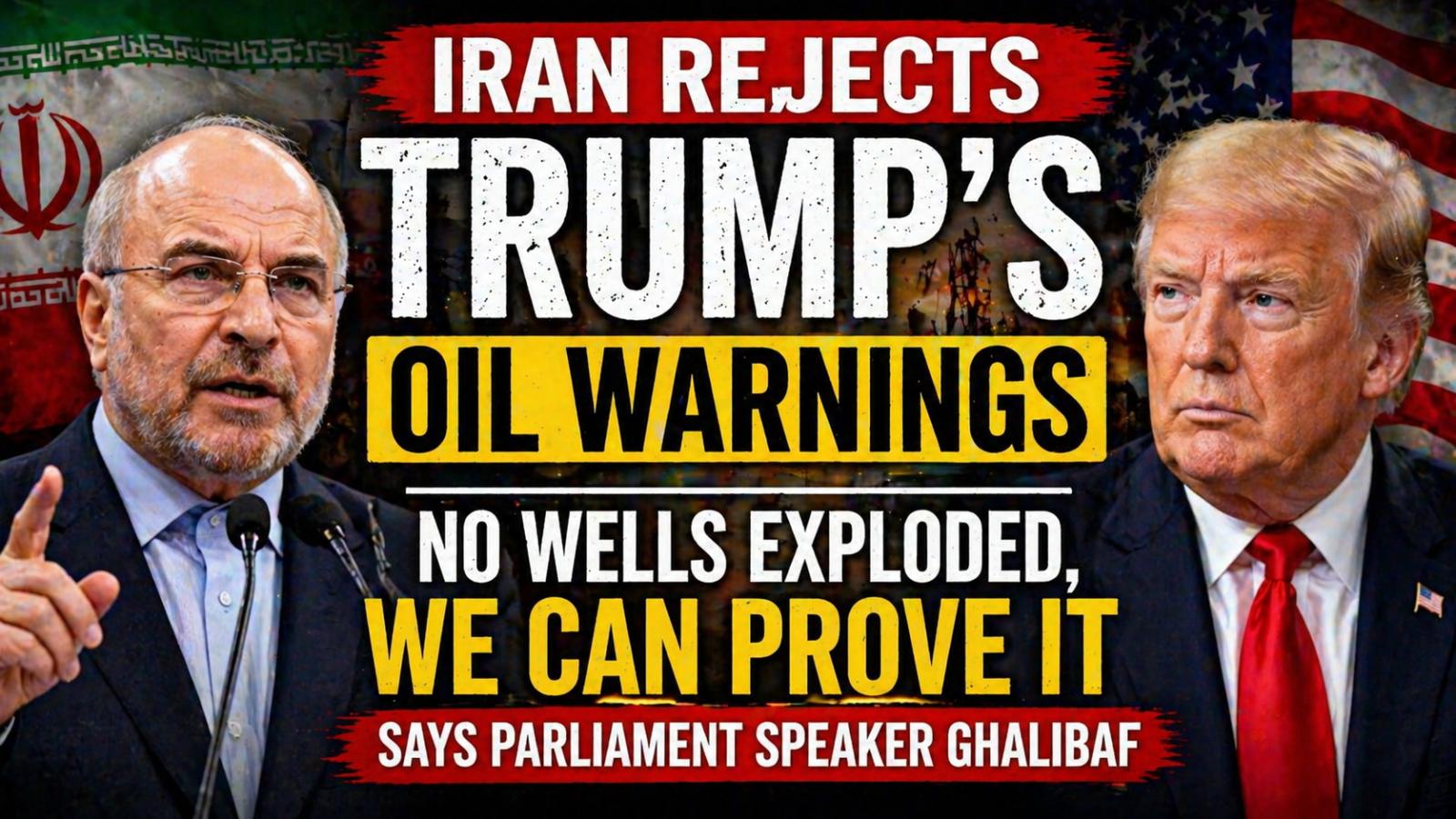
The Speaker of Iran’s Parliament, Mohammad Bagher Ghalibaf, has rejected recent claims made by US President Donald Trump regarding the stability of Iran’s oil infrastructure. Responding to warnings that Iran’s oil facilities were nearing critical failure, Ghalibaf dismissed the remarks as inaccurate and politically motivated, stating that conditions on the ground do not support such assessments. He emphasized that several days have passed without any reported incidents and suggested that extended monitoring could further demonstrate the resilience of Iran’s oil sector.
Ghalibaf also criticized the broader economic reasoning behind US policy measures, arguing that sanctions-based strategies have produced unintended consequences. He stated that approaches centered on economic pressure have contributed to rising oil prices rather than stabilizing global markets. According to his remarks, such policies reflect not only flawed strategies but also a deeper issue in decision-making.
The exchange follows recent developments in US policy toward Iranian oil exports. Washington moved to temporarily ease restrictions on a significant volume of Iranian crude already stored on tankers, allowing limited transactions involving existing shipments. US officials described the move as a calculated effort to influence oil markets while maintaining restrictions on new production or expanded trade.
Earlier, Trump had suggested that storage limitations and sanctions pressure could lead to disruptions in Iran’s oil infrastructure. However, Iranian officials have consistently maintained that both land-based and offshore storage capacities remain sufficient to manage production and exports. They argue that the country’s energy sector continues to operate within manageable limits despite ongoing sanctions.
The situation highlights continuing tensions between Tehran and Washington over energy policy and economic measures. As both sides present differing assessments, the broader impact on global oil markets and geopolitical stability remains closely watched.
The Speaker of Iran’s Parliament, Mohammad Bagher Ghalibaf, has rejected recent claims made by US President Donald Trump regarding the stability of Iran’s oil infrastructure. Responding to warnings that Iran’s oil facilities were nearing critical failure, Ghalibaf dismissed the remarks as inaccurate and politically motivated, stating that conditions on the ground do not support such assessments. He emphasized that several days have passed without any reported incidents and suggested that extended monitoring could further demonstrate the resilience of Iran’s oil sector.
Ghalibaf also criticized the broader economic reasoning behind US policy measures, arguing that sanctions-based strategies have produced unintended consequences. He stated that approaches centered on economic pressure have contributed to rising oil prices rather than stabilizing global markets. According to his remarks, such policies reflect not only flawed strategies but also a deeper issue in decision-making.
The exchange follows recent developments in US policy toward Iranian oil exports. Washington moved to temporarily ease restrictions on a significant volume of Iranian crude already stored on tankers, allowing limited transactions involving existing shipments. US officials described the move as a calculated effort to influence oil markets while maintaining restrictions on new production or expanded trade.
Earlier, Trump had suggested that storage limitations and sanctions pressure could lead to disruptions in Iran’s oil infrastructure. However, Iranian officials have consistently maintained that both land-based and offshore storage capacities remain sufficient to manage production and exports. They argue that the country’s energy sector continues to operate within manageable limits despite ongoing sanctions.
The situation highlights continuing tensions between Tehran and Washington over energy policy and economic measures. As both sides present differing assessments, the broader impact on global oil markets and geopolitical stability remains closely watched.
Iran missile stockpile and war readiness
Iran missile stockpile has become a major focus as tensions with the United States intensify, with Tehran claiming it can sustain several years of war using its missile and drone reserves. A senior Iranian lawmaker said the country is fully prepared for prolonged conflict while continuing negotiations with Washington under the direction of its top leadership. The statement highlights both Iran’s military confidence and its refusal to yield under pressure.
Alaeddin Boroujerdi, a senior member of Iran’s parliament, said the country’s defense capacity remains strong and capable of long-term engagement. He emphasized that Iran’s missile and drone arsenal is sufficient to maintain sustained operations if required. He made it clear that negotiations with the United States are not a sign of weakness but part of a calculated strategy directed by the Supreme Leader. According to him, experienced leadership is handling the talks, ensuring that national interests are protected at all times.
Boroujerdi stressed that Iran does not view the negotiating table as a place for surrender. He stated that discussions would not lead to compromise or humiliation, reinforcing Tehran’s firm diplomatic stance. His comments come at a time of rising Iran-US tensions, particularly following statements by Donald Trump, which he dismissed as ineffective. He also pointed out that a recently extended ceasefire period has not resulted in any significant actions from the opposing side.
The Iranian lawmaker also criticized the US-led maritime blockade, describing it as lacking global legitimacy. He noted that no major European or NATO countries have joined the effort, suggesting limited international support for Washington’s position. This, he argued, weakens the overall impact of the blockade.
Strategically, Iran continues to emphasize its control over the Strait of Hormuz, a crucial global oil route. Officials maintain that Iran will never lose control over this vital waterway, underlining its importance in the broader geopolitical landscape. The statement reinforces Tehran’s confidence in its regional influence and defense strategy.
Overall, Iran’s position reflects a dual approach of negotiation and strength. While talks with the United States continue, Tehran is signaling that it is fully prepared for extended conflict if necessary, maintaining both diplomatic engagement and military readiness.
Iran missile stockpile and war readiness
Iran missile stockpile has become a major focus as tensions with the United States intensify, with Tehran claiming it can sustain several years of war using its missile and drone reserves. A senior Iranian lawmaker said the country is fully prepared for prolonged conflict while continuing negotiations with Washington under the direction of its top leadership. The statement highlights both Iran’s military confidence and its refusal to yield under pressure.
Alaeddin Boroujerdi, a senior member of Iran’s parliament, said the country’s defense capacity remains strong and capable of long-term engagement. He emphasized that Iran’s missile and drone arsenal is sufficient to maintain sustained operations if required. He made it clear that negotiations with the United States are not a sign of weakness but part of a calculated strategy directed by the Supreme Leader. According to him, experienced leadership is handling the talks, ensuring that national interests are protected at all times.
Boroujerdi stressed that Iran does not view the negotiating table as a place for surrender. He stated that discussions would not lead to compromise or humiliation, reinforcing Tehran’s firm diplomatic stance. His comments come at a time of rising Iran-US tensions, particularly following statements by Donald Trump, which he dismissed as ineffective. He also pointed out that a recently extended ceasefire period has not resulted in any significant actions from the opposing side.
The Iranian lawmaker also criticized the US-led maritime blockade, describing it as lacking global legitimacy. He noted that no major European or NATO countries have joined the effort, suggesting limited international support for Washington’s position. This, he argued, weakens the overall impact of the blockade.
Strategically, Iran continues to emphasize its control over the Strait of Hormuz, a crucial global oil route. Officials maintain that Iran will never lose control over this vital waterway, underlining its importance in the broader geopolitical landscape. The statement reinforces Tehran’s confidence in its regional influence and defense strategy.
Overall, Iran’s position reflects a dual approach of negotiation and strength. While talks with the United States continue, Tehran is signaling that it is fully prepared for extended conflict if necessary, maintaining both diplomatic engagement and military readiness.
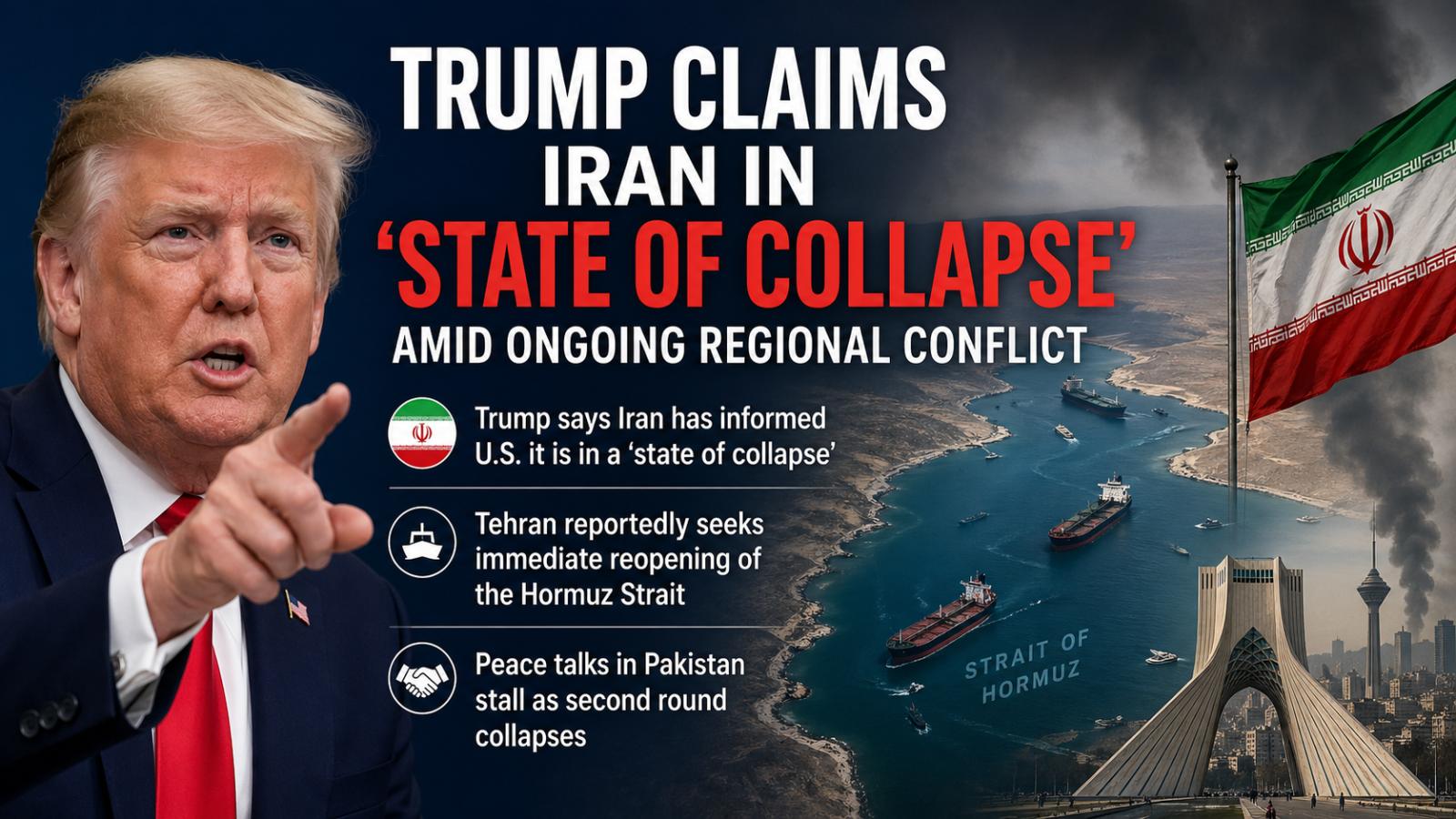
Trump says Iran is in “collapse” and seeks reopening of the Hormuz Strait as conflict continues. Peace talks in Pakistan stalled, leaving regional tensions unresolved.
Trump claims Iran in ‘state of collapse’ amid ongoing regional conflict as former U.S. President Donald Trump said the Iranian government has informed Washington it is facing a severe breakdown in l
Trump says Iran is in “collapse” and seeks reopening of the Hormuz Strait as conflict continues. Peace talks in Pakistan stalled, leaving regional tensions unresolved.
Trump claims Iran in ‘state of collapse’ amid ongoing regional conflict as former U.S. President Donald Trump said the Iranian government has informed Washington it is facing a severe breakdown in l