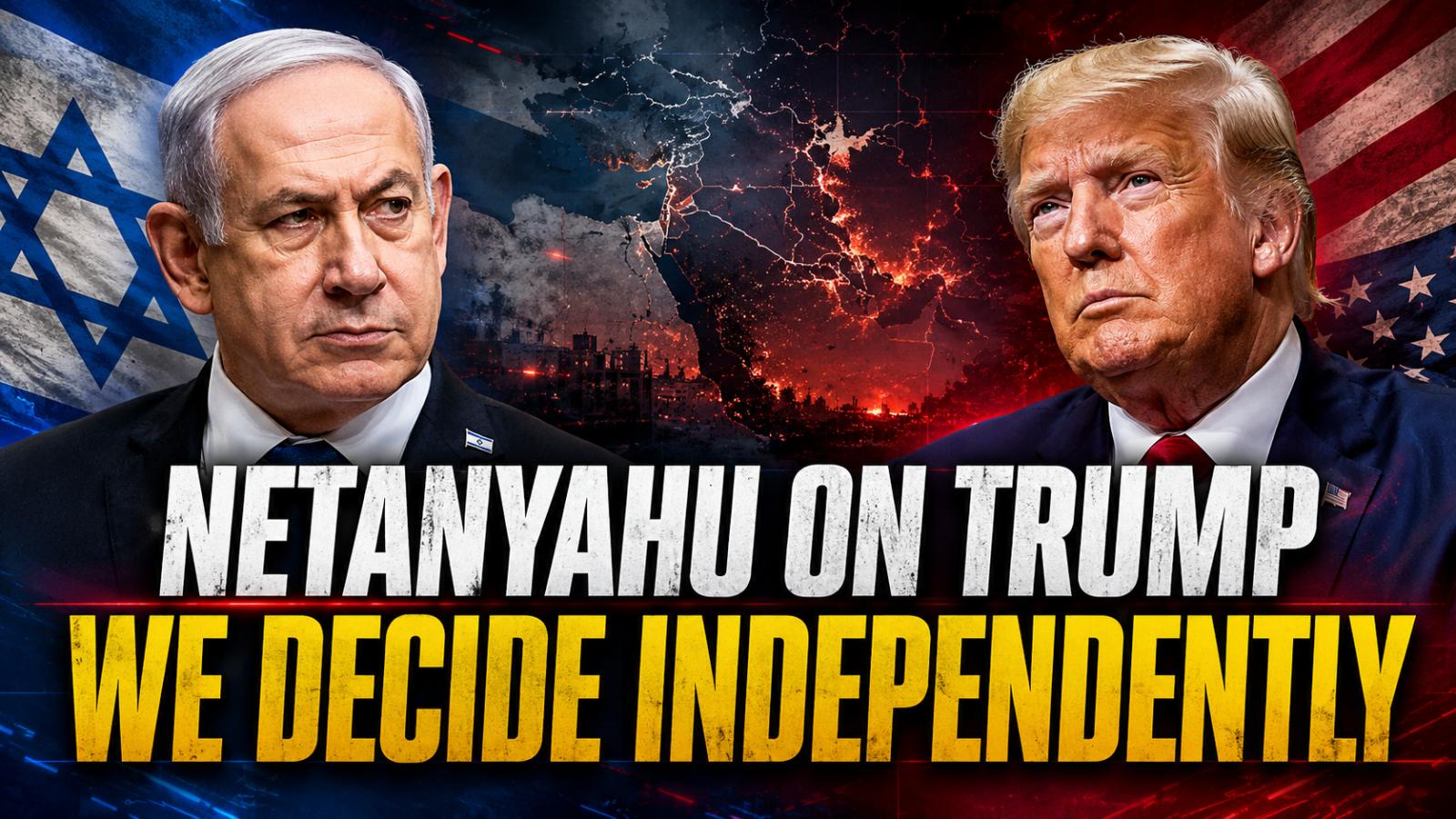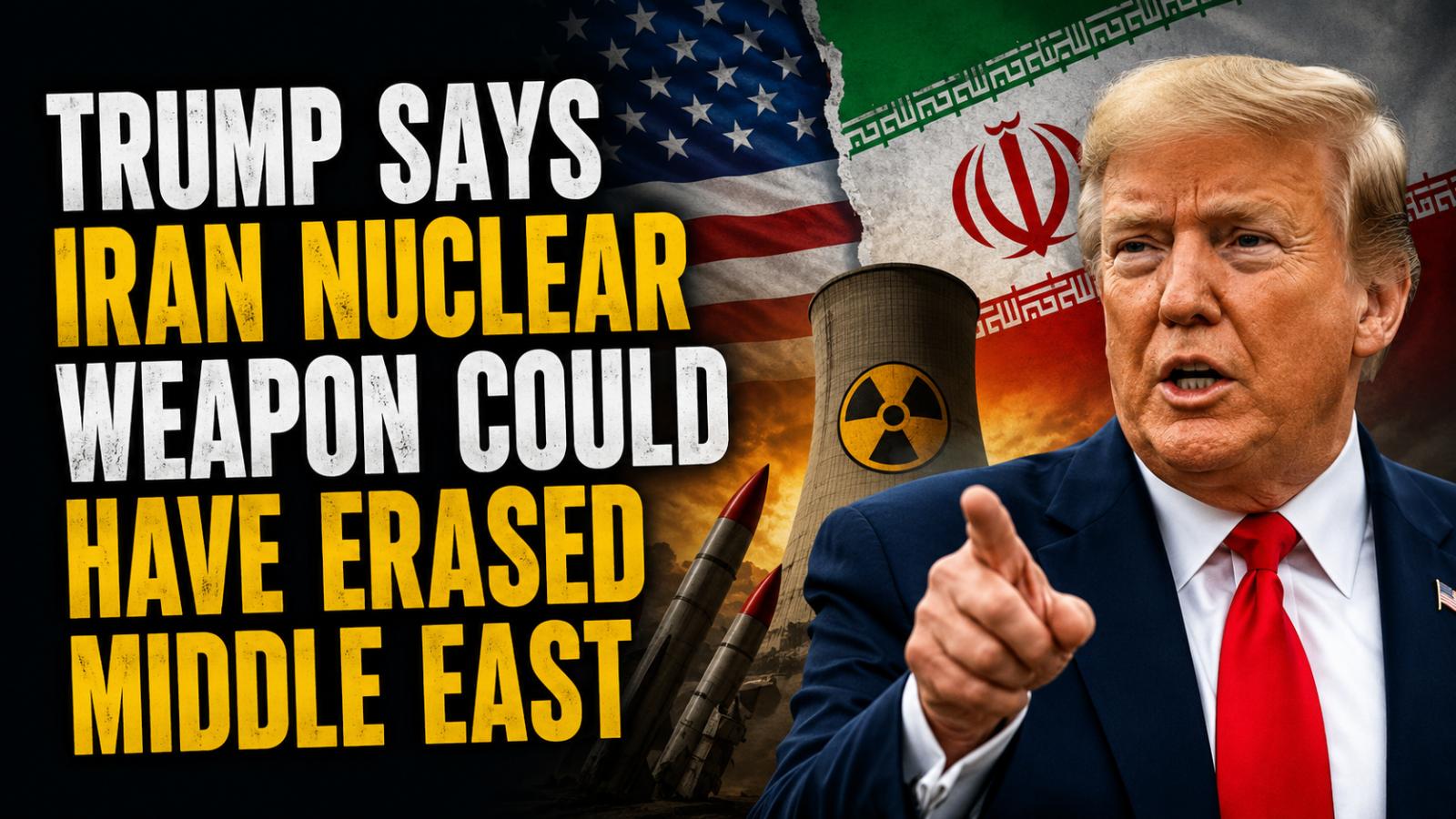
President Donald Trump said ongoing Trump Iran nuclear talks could still produce an agreement, but warned that Washington may take further military action if diplomacy fails. He argued that an Iranian nuclear weapon would have placed the entire Middle East at severe risk.
Trump warning focuses on Iran’s nuclear ambitions
Speaking to reporters on Friday, July 24, Trump defended his administration’s hardline position toward Tehran and said Iran must never be allowed to obtain a nuclear weapon. He claimed the consequences could have been catastrophic because of Iran’s military activities and involvement in regional conflicts.
“You saw that when they shockingly started shooting at everybody all over the Middle East,” Trump said, referring to Iran’s leadership. He added that the region might not have survived had Tehran possessed a nuclear weapon during the confrontations.
The remarks reflect the administration’s long-standing policy that Iran must be denied every pathway to nuclear weapons. The White House has repeatedly identified preventing an Iranian nuclear weapon as a central US national security objective.
Iran talks continue despite military pressure
Trump confirmed that Iran talks were underway when reporters asked whether the United States was preparing major new strikes. “We’re talking to them right now,” he said, adding that Washington would assess Tehran’s response before deciding its next step.
The president did not provide details about the location, format or progress of the discussions. However, he said Iran appeared to be treating the negotiations more seriously than before while warning that the process could still break down.
Washington’s position remains centred on securing guarantees that Tehran cannot develop or acquire a nuclear weapon. Previous US statements have also called for strict limits, verification measures and international monitoring of Iran’s nuclear activities.
US action remains an option if diplomacy fails
Trump said the United States had not made a final decision on further military action. He suggested Washington could continue operations gradually, “piece by piece,” or intensify them more rapidly if negotiations fail to produce an acceptable Iran deal.
At the same time, he described a negotiated settlement as the preferred outcome. His comments presented a twin-track strategy: maintain diplomatic contact while preserving military pressure as leverage.
That approach carries significant risks. Further US action could deepen the regional crisis, threaten civilian and energy infrastructure and make future diplomacy more difficult. A successful agreement, however, would require clear commitments, credible inspections and enforcement mechanisms acceptable to both sides.
Vance and Rubio involved in Tehran talks
When asked who was participating in the discussions, Trump said “sort of everybody” was involved. He specifically named Vice President JD Vance and Secretary of State Marco Rubio among the administration officials working on the issue.
Both officials have played visible roles in shaping US policy toward Iran, although Trump did not explain their exact responsibilities in the current Tehran talks. Earlier diplomatic discussions also focused on restoring international nuclear inspections and establishing safeguards around Iran’s programme.
Trump gave no deadline for an agreement or a decision on additional strikes. His remarks nevertheless made Washington’s position clear: diplomacy remains open, but Iran must accept restrictions that prevent it from obtaining a nuclear weapon.