India opened September 4 with a major space achievement as ISRO successfully launched EOS-05 aboard GSLV-F17 from Sriharikota. The day also brought major geopolitical developments involving Trump’s backing for a Syria-Hormuz alternative, pressure on Iran and Venezuela’s new oil arrangements.
ISRO EOS-05 launch succeeds from Sriharikota
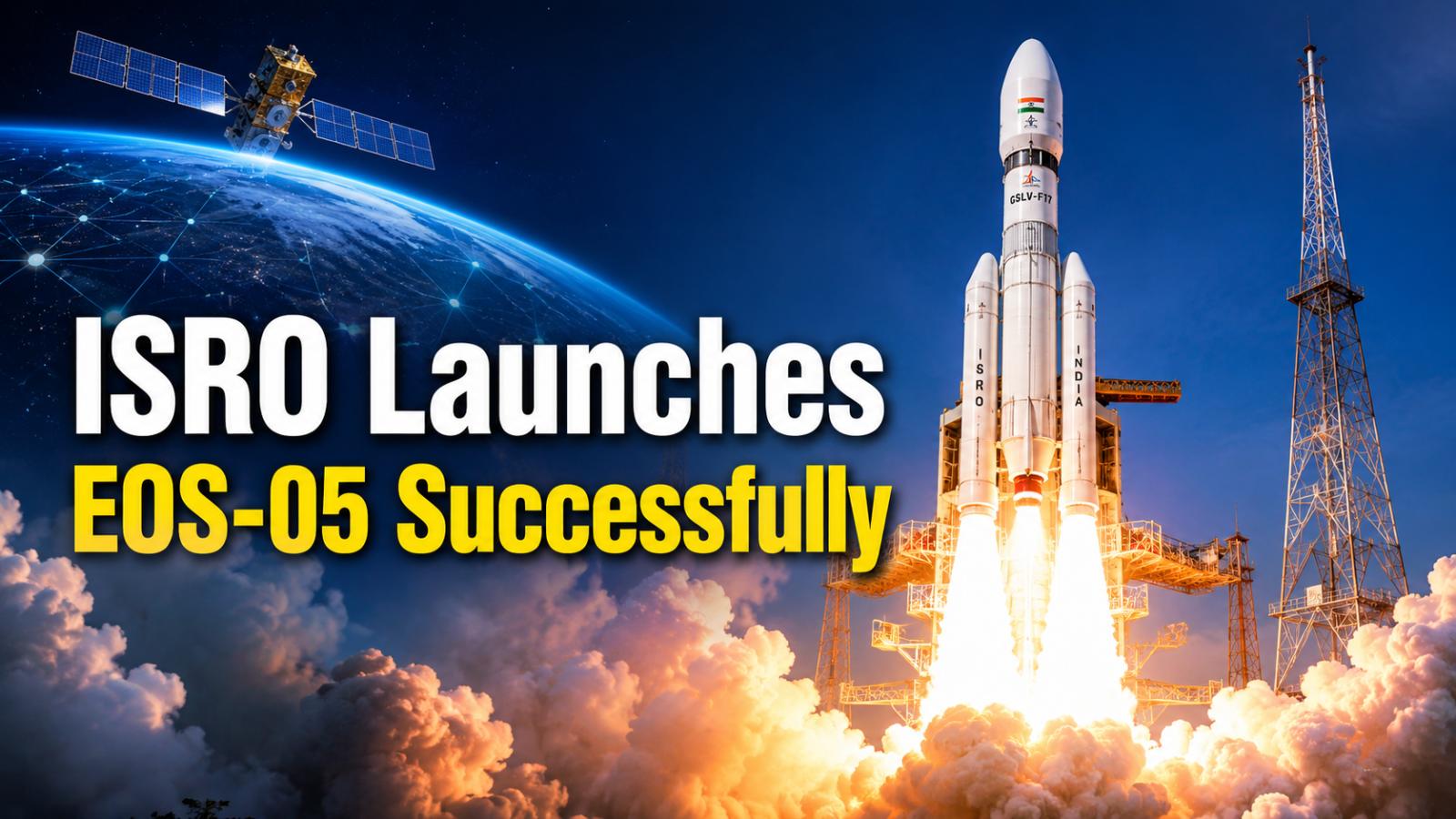
The Indian Space Research Organisation successfully completed the GSLV-F17/EOS-05 mission early Friday, placing the Earth observation satellite into its intended orbit after launch from the Satish Dhawan Space Centre in Sriharikota, Andhra Pradesh.
ISRO confirmed that GSLV-F17 lifted off at 2:55 am IST on September 4 and successfully placed EOS-05 into a Sub-Geosynchronous Transfer Orbit. The mission marked the 19th flight of India’s Geosynchronous Satellite Launch Vehicle.
EOS-05 is described by ISRO as a state-of-the-art Earth observation spacecraft and India’s first imaging satellite designed to operate from geosynchronous orbit. The mission adds another capability to India’s growing Earth observation programme, which supports monitoring and data collection over large geographic areas.
Trump backs Syria route as Hormuz alternative
In another major development, US President Donald Trump publicly welcomed Syria’s effort to position itself as an alternative transit corridor to the Strait of Hormuz.
Responding on Truth Social to a report about Syria’s plans, Trump wrote, “This is GREAT!” The proposal involves moving Gulf oil and other goods through overland routes toward Syria’s Mediterranean coast, potentially reducing dependence on the Strait of Hormuz.
The idea has gained attention as the US-Iran conflict continues to disrupt regional shipping. Syria is seeking to revive its historic role as a transit hub, while proposed infrastructure linking Iraq’s oil-producing regions with the Mediterranean could provide Gulf exporters with another route to international markets.
The proposal would not eliminate the importance of Hormuz, but it could reduce the strategic leverage created by heavy dependence on a single maritime chokepoint.
US and Europe increase economic pressure on Iran
Economic pressure on Tehran is also intensifying. US Treasury Secretary Scott Bessent has been leading Operation Economic Outcast, a campaign launched in August to restrict Iran’s access to international finance, oil revenues, shipping networks and other sources of foreign income.
Bessent said European partners were joining Washington’s effort to tighten pressure on Iran. The broader US campaign includes sanctions targeting oil-smuggling networks, financial channels, shipping, aviation, gold and digital assets.
At the same time, European leaders have continued to stress the need for de-escalation and diplomacy alongside economic pressure. The EU has repeatedly called for restraint, protection of civilians and a negotiated settlement to regional tensions.
Machado questions Venezuela oil agreement
Venezuelan opposition leader and Nobel Peace Prize laureate María Corina Machado has meanwhile challenged the legitimacy of major new oil agreements involving Venezuela’s interim administration and the United States.
Machado argued that Venezuela needs more than investment money and said long-term stability for energy investors requires democratic institutions and a government with electoral legitimacy. Her remarks came after Chevron, Eni and other energy companies announced plans to expand operations in Venezuela.
The wider US-Venezuela agreement gives Washington access to oil resources linked to more than 65 billion barrels of reserves. Machado has questioned whether an interim government has the legitimacy to make decisions involving such significant national resources without a broader democratic mandate.
From India’s successful EOS-05 mission to shifting oil routes and sanctions in West Asia and political disputes over Venezuela’s energy wealth, September 4 opened with developments spanning space technology, global energy security and geopolitical power.