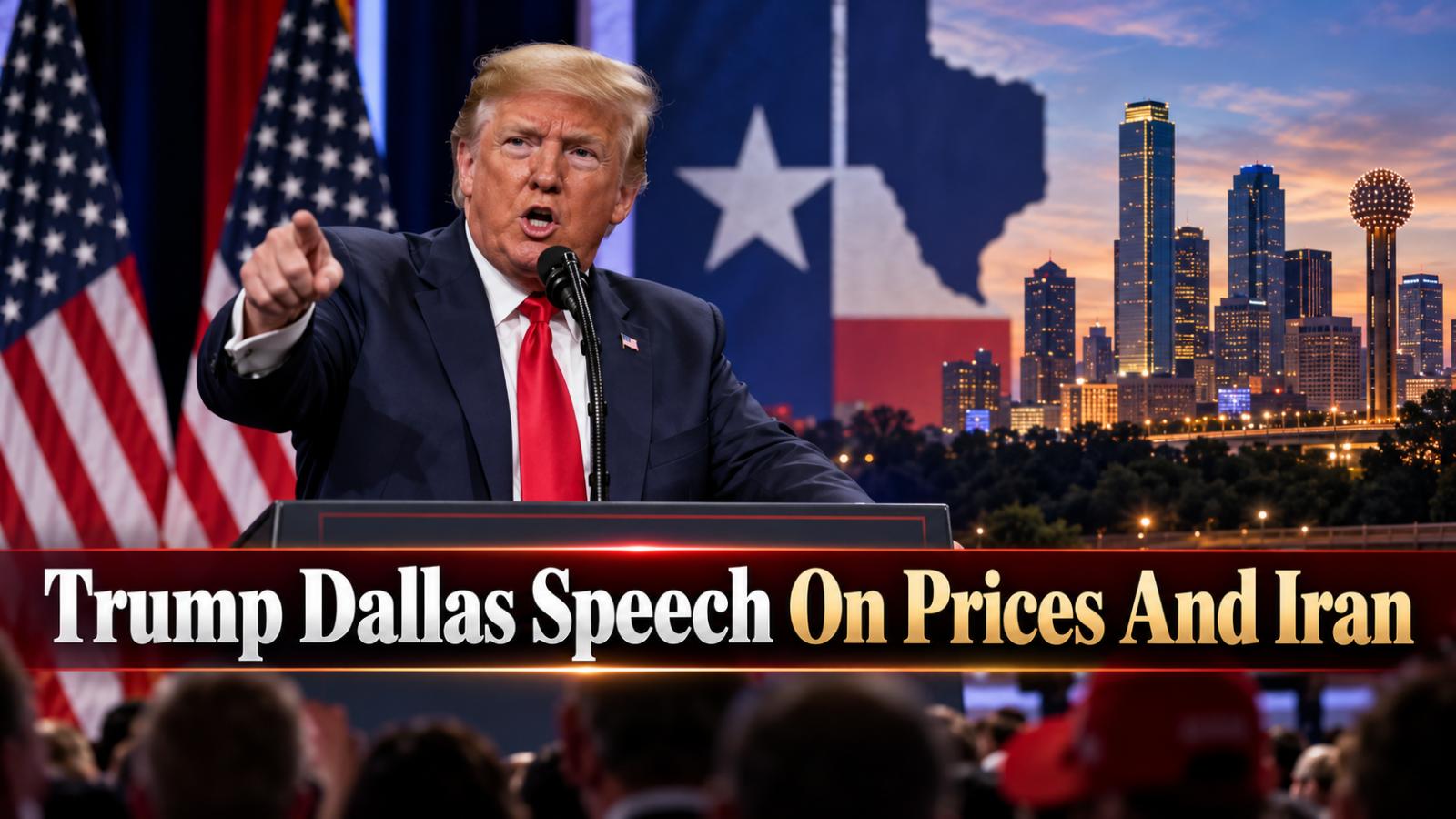
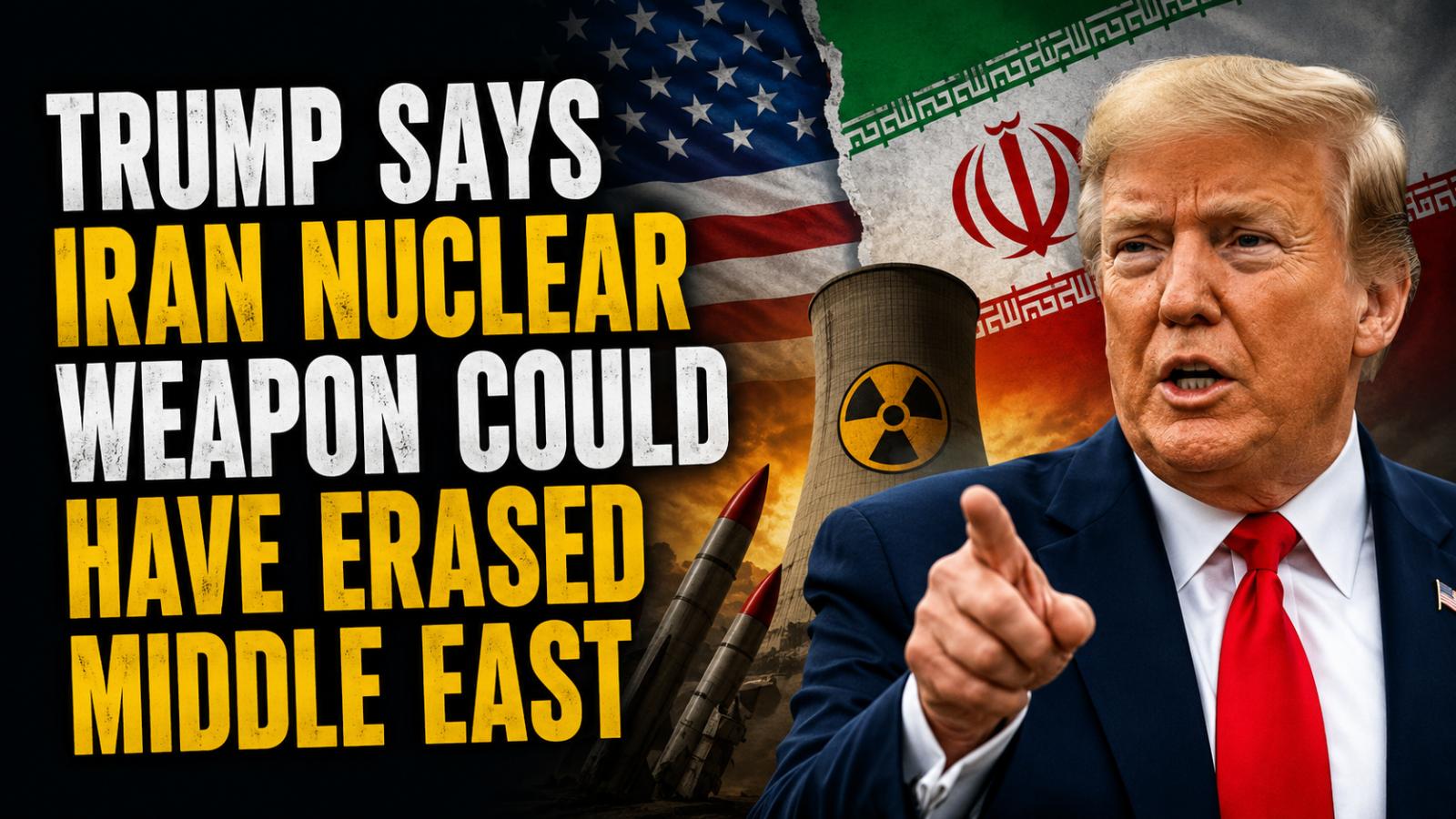
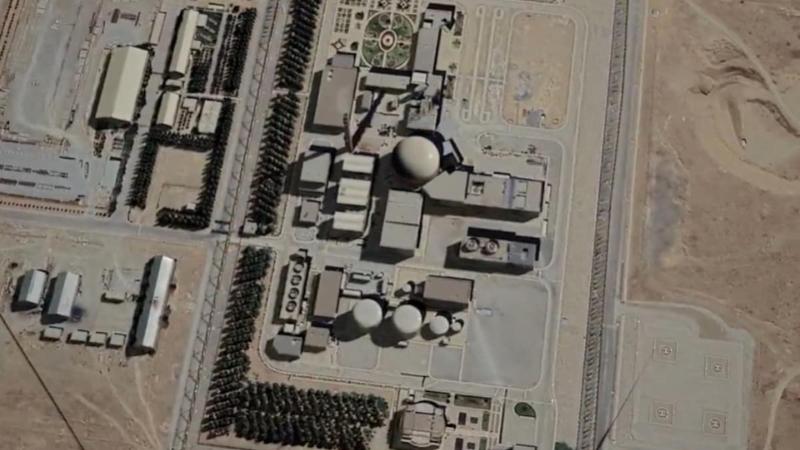
President Donald Trump said ongoing Trump Iran nuclear talks could still produce an agreement, but warned that Washington may take further military action if diplomacy fails. He argued that an Iranian nuclear weapon would have placed the entire Middle East at severe risk.
Trump warning focuses on Iran’s nuclear ambitions
Speaking to reporters on Friday, July 24, Trump defended his administrat
President Donald Trump said ongoing Trump Iran nuclear talks could still produce an agreement, but warned that Washington may take further military action if diplomacy fails. He argued that an Iranian nuclear weapon would have placed the entire Middle East at severe risk.
Trump warning focuses on Iran’s nuclear ambitions
Speaking to reporters on Friday, July 24, Trump defended his administrat
US Iran Sanctions Expand as Military Strikes Intensify
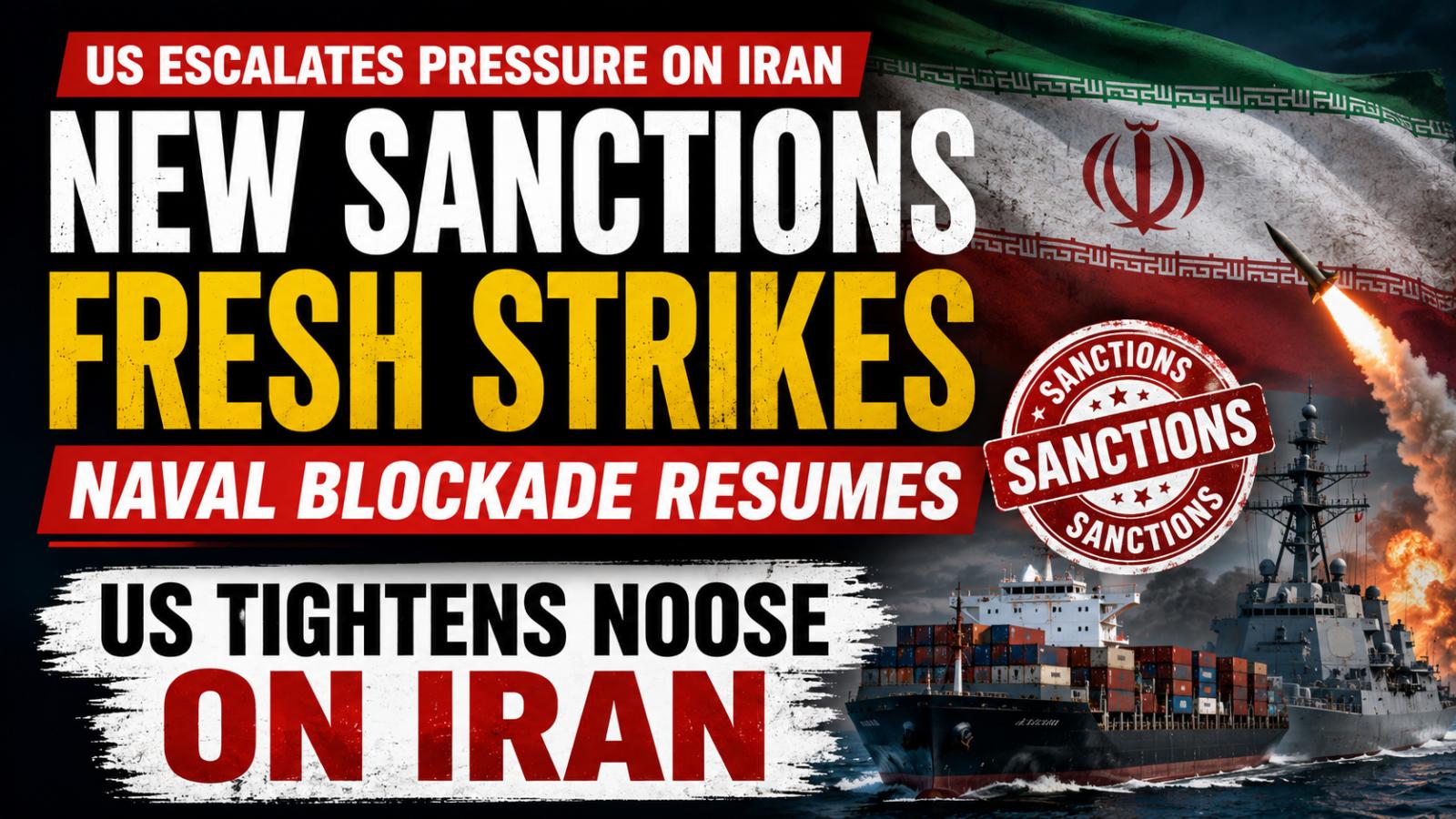
The United States imposed fresh Iran sanctions on Tuesday, July 14, targeting a major shipping and oil-trading network as American forces launched additional military strikes and moved to resume a naval blockade. The measures combine financial pressure with expanded military action amid a widening conflict involving commercial shipping and the Strait of Hormuz.
US Iran Sanctions Expand as Military Strikes Intensify
The United States imposed fresh Iran sanctions on Tuesday, July 14, targeting a major shipping and oil-trading network as American forces launched additional military strikes and moved to resume a naval blockade. The measures combine financial pressure with expanded military action amid a widening conflict involving commercial shipping and the Strait of Hormuz.
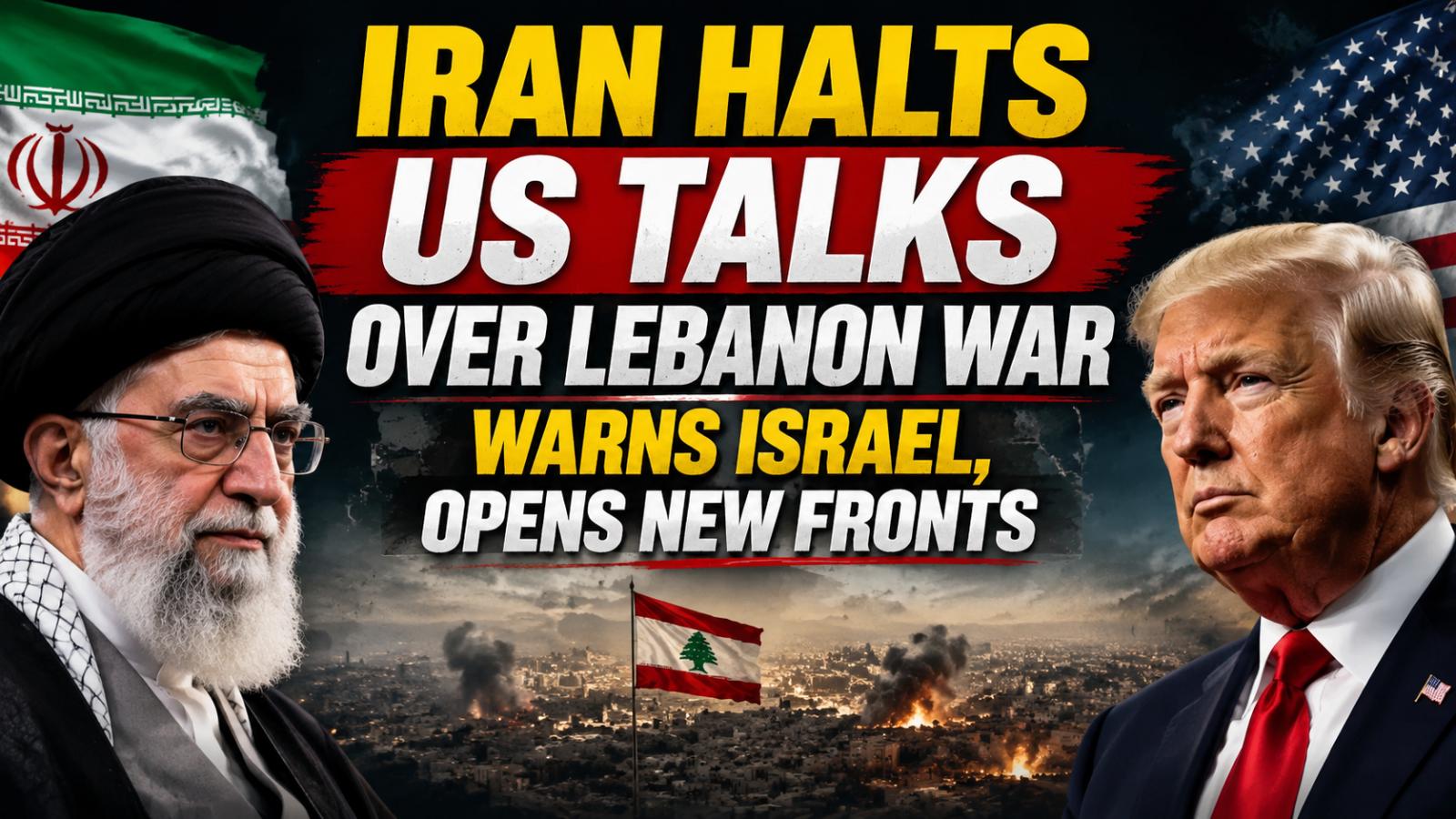
Iran has decided to pause indirect negotiations with the United States in response to ongoing hostilities in Lebanon. Tehran cited repeated breaches of the ceasefire by Israeli forces as a primary reason for halting diplomatic exchanges. Officials emphasized that the suspension is temporary but signals a serious shift in Iran’s diplomatic approach.
Tehran Signals Defensive Measures
Iran’s le
Iran has decided to pause indirect negotiations with the United States in response to ongoing hostilities in Lebanon. Tehran cited repeated breaches of the ceasefire by Israeli forces as a primary reason for halting diplomatic exchanges. Officials emphasized that the suspension is temporary but signals a serious shift in Iran’s diplomatic approach.
Tehran Signals Defensive Measures
Iran’s le
Trump declares war with Iran over nuclear threat
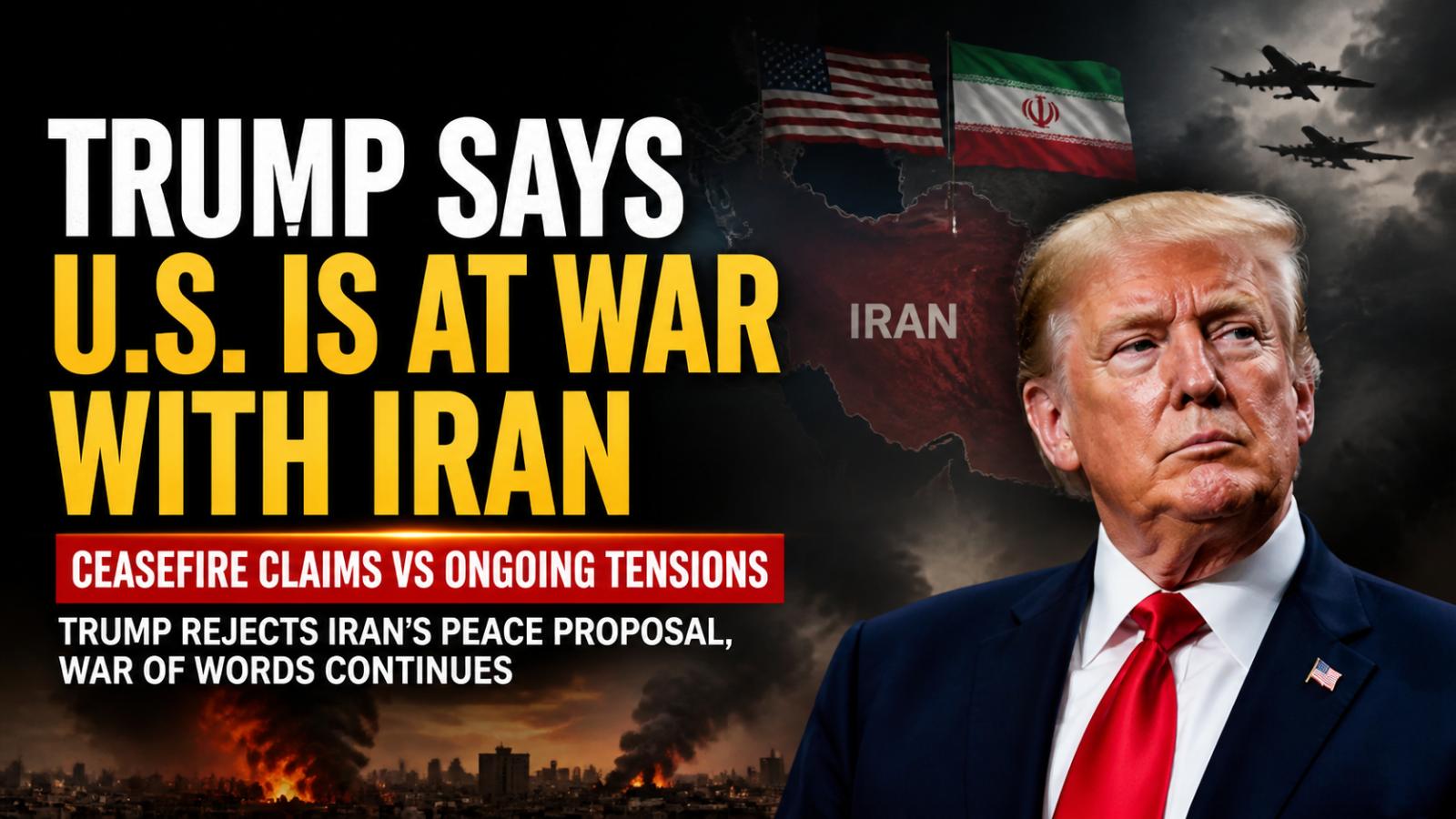
President Donald Trump has reaffirmed his stance on the ongoing US-Iran conflict, declaring that the US is at war with Iran to prevent the country from acquiring nuclear weapons. In a statement made during a Florida event, Trump expressed his belief that Iran’s leadership poses a significant threat to global security, stating that "lunatics can't have a nuclear weapon." His comments come at a time when his administration has informed the US Congress that the war has reached its conclusion, though the situation remains tense.
Trump emphasizes the importance of military action against Iran
Trump explained that the US military action against Iran was crucial in preventing a nuclear-armed nation from destabilizing the Middle East. He credited US airstrikes with B2 bombers for preventing Iran from obtaining a nuclear weapon, which could have led to catastrophic consequences for Israel, the Middle East, and Europe. “If we didn’t do that, they would have had a nuclear weapon,” Trump added, emphasizing the urgency of the situation. He claimed that Iran's military capabilities have been severely diminished, stating that the country no longer has a navy, air force, anti-aircraft systems, or effective radar defenses.
Trump rejects Iran's ceasefire proposal
In a direct response to Iran’s proposal for a ceasefire, Trump made it clear that the US would not end the conflict prematurely. “We’re not going to leave early and have this kind of problem arise in three more years,” he said, reinforcing his position on the need for a strong and comprehensive resolution. Trump blamed Iran's leadership for the ongoing conflict, criticizing their fractured decision-making. “It’s a very disjointed leadership,” he remarked, indicating that despite their willingness to negotiate, Iran’s leaders are unable to reach a viable agreement.
The ceasefire proposal is dismissed
The ceasefire proposal, delivered by Pakistan on behalf of Iran, was quickly dismissed by the US. Despite this, a fragile ceasefire between the two nations has held, albeit with mutual accusations of violations. Tensions remain high, especially in the Strait of Hormuz, where a significant portion of the world’s oil and gas passes through. Trump outlined two potential paths forward: either continuing the conflict to decisively end Iran’s nuclear ambitions, or attempting to secure a deal. “Do we want to go and just blast the hell out of them and finish them forever? Or do we want to try and make a deal?” he questioned.
Iran’s diplomatic efforts and continued tension
Iran’s Foreign Minister, Abbas Araghchi, has been actively engaged in diplomatic efforts to resolve the war. He held discussions with several regional counterparts, including Turkey, Saudi Arabia, and Qatar, to brief them on Iran’s latest peace initiatives. However, the rounds of talks held in Pakistan have yielded no substantial progress. Trump expressed frustration over the lack of direct communication, stating, “No more 18-hour flights” for US envoys.
What lies ahead for US-Iran relations?
As the situation evolves, it remains uncertain whether further diplomatic efforts will lead to a resolution or whether military action will continue to dominate the US-Iran relationship. With both sides unwilling to compromise, the world watches closely, particularly in regard to the ongoing instability in the Strait of Hormuz. Will Iran’s diplomatic efforts succeed, or will the US pursue a more aggressive approach? The answer remains unclear as the two nations continue to grapple with the possibility of conflict or peace.
Trump declares war with Iran over nuclear threat
President Donald Trump has reaffirmed his stance on the ongoing US-Iran conflict, declaring that the US is at war with Iran to prevent the country from acquiring nuclear weapons. In a statement made during a Florida event, Trump expressed his belief that Iran’s leadership poses a significant threat to global security, stating that "lunatics can't have a nuclear weapon." His comments come at a time when his administration has informed the US Congress that the war has reached its conclusion, though the situation remains tense.
Trump emphasizes the importance of military action against Iran
Trump explained that the US military action against Iran was crucial in preventing a nuclear-armed nation from destabilizing the Middle East. He credited US airstrikes with B2 bombers for preventing Iran from obtaining a nuclear weapon, which could have led to catastrophic consequences for Israel, the Middle East, and Europe. “If we didn’t do that, they would have had a nuclear weapon,” Trump added, emphasizing the urgency of the situation. He claimed that Iran's military capabilities have been severely diminished, stating that the country no longer has a navy, air force, anti-aircraft systems, or effective radar defenses.
Trump rejects Iran's ceasefire proposal
In a direct response to Iran’s proposal for a ceasefire, Trump made it clear that the US would not end the conflict prematurely. “We’re not going to leave early and have this kind of problem arise in three more years,” he said, reinforcing his position on the need for a strong and comprehensive resolution. Trump blamed Iran's leadership for the ongoing conflict, criticizing their fractured decision-making. “It’s a very disjointed leadership,” he remarked, indicating that despite their willingness to negotiate, Iran’s leaders are unable to reach a viable agreement.
The ceasefire proposal is dismissed
The ceasefire proposal, delivered by Pakistan on behalf of Iran, was quickly dismissed by the US. Despite this, a fragile ceasefire between the two nations has held, albeit with mutual accusations of violations. Tensions remain high, especially in the Strait of Hormuz, where a significant portion of the world’s oil and gas passes through. Trump outlined two potential paths forward: either continuing the conflict to decisively end Iran’s nuclear ambitions, or attempting to secure a deal. “Do we want to go and just blast the hell out of them and finish them forever? Or do we want to try and make a deal?” he questioned.
Iran’s diplomatic efforts and continued tension
Iran’s Foreign Minister, Abbas Araghchi, has been actively engaged in diplomatic efforts to resolve the war. He held discussions with several regional counterparts, including Turkey, Saudi Arabia, and Qatar, to brief them on Iran’s latest peace initiatives. However, the rounds of talks held in Pakistan have yielded no substantial progress. Trump expressed frustration over the lack of direct communication, stating, “No more 18-hour flights” for US envoys.
What lies ahead for US-Iran relations?
As the situation evolves, it remains uncertain whether further diplomatic efforts will lead to a resolution or whether military action will continue to dominate the US-Iran relationship. With both sides unwilling to compromise, the world watches closely, particularly in regard to the ongoing instability in the Strait of Hormuz. Will Iran’s diplomatic efforts succeed, or will the US pursue a more aggressive approach? The answer remains unclear as the two nations continue to grapple with the possibility of conflict or peace.
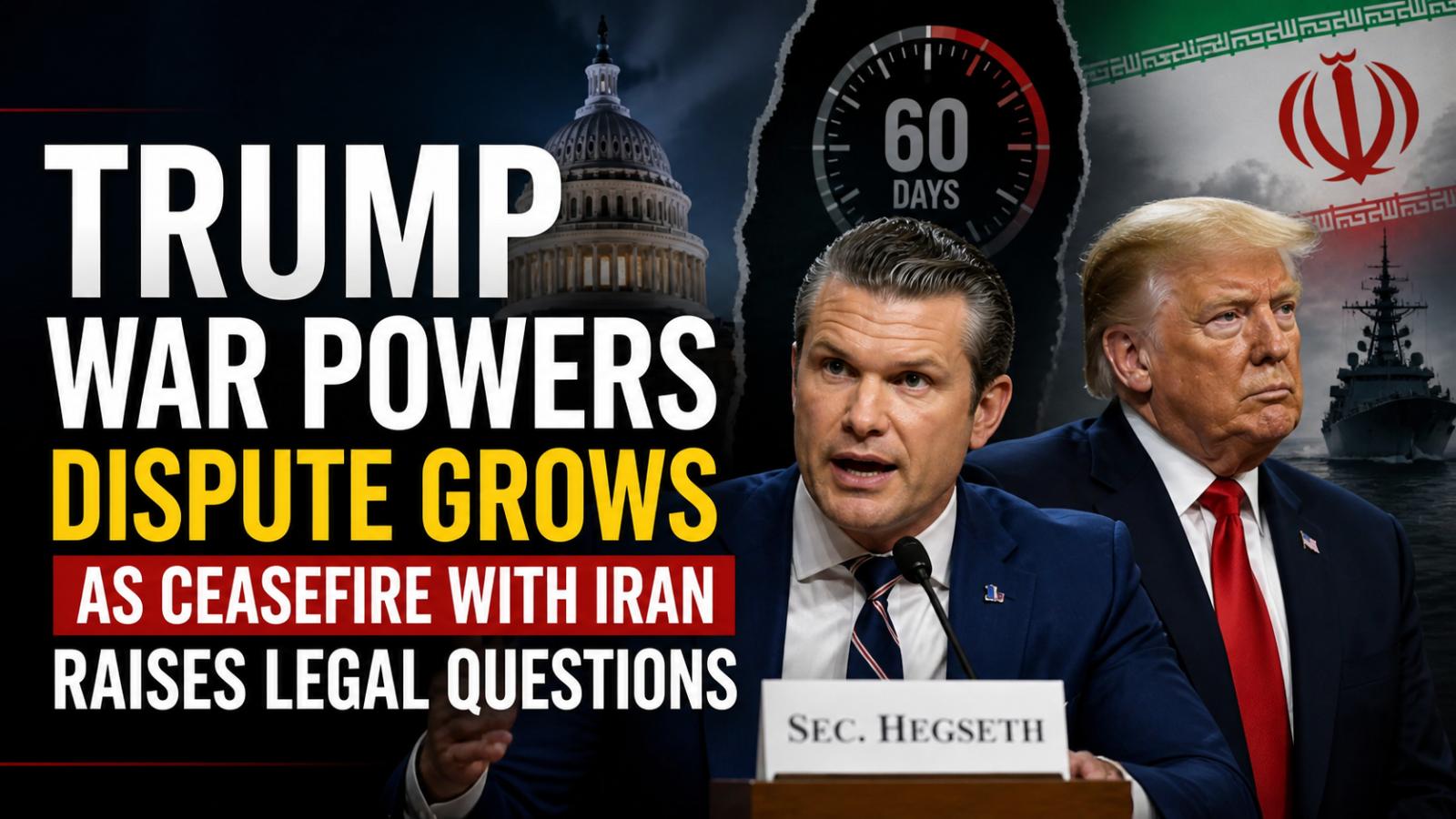
The Trump war powers debate took center stage in Washington as Defense Secretary Pete Hegseth told lawmakers that a ceasefire with Iran pauses the legal clock under the War Powers Resolution, a claim that has triggered strong political and legal reactions. The dispute comes just before the 60-day deadline that typically requires the president to seek approval from Congress to continue military action, raising questions about how the law should be applied during a ceasefire.
Speaking before the Senate Armed Services Committee, Hegseth argued that ongoing ceasefire conditions mean the countdown does not apply in the usual way. Under the War Powers Resolution, introduced in 1973, presidents must inform Congress within 48 hours of military action and must withdraw troops within 60 days unless lawmakers approve continued engagement. Lawmakers had expected this deadline to expire on May 1, but Hegseth’s interpretation suggests otherwise.
Hegseth avoided giving a clear answer when asked if the administration of Donald Trump would seek formal authorization. Instead, he defended the administration’s actions and criticized opponents, saying that internal political disagreements weaken the country’s position. His remarks came during discussions on the Pentagon’s proposed $1.45 trillion budget, though much of the focus shifted to the Iran conflict and its legal implications.
Several lawmakers from both parties expressed concern. Senator Tim Kaine warned that the situation raises serious constitutional questions, while some Republicans also indicated they may oppose continuing military operations without approval. Others supported a more flexible interpretation, especially during active negotiations or ceasefire periods.
Legal experts, however, strongly rejected the argument that a ceasefire pauses the law. Analysts pointed out that US naval forces remain active in the region, including operations in the Strait of Hormuz, suggesting that hostilities have not fully stopped. Scholars emphasized that the law does not include any provision for pausing the timeline.
The conflict has already had wider consequences, including rising energy prices and increased tensions in the region. Critics have also accused the administration of starting the conflict without a clear immediate threat. During the hearing, Senator Elissa Slotkin questioned whether the administration could truly claim progress while key trade routes remain unstable.
The exchange grew tense at times, reflecting deep divisions over the handling of the situation. While military officials maintained a more measured tone, political leaders continued to clash over strategy, legality, and communication with the public. As the deadline passes, the debate over war powers, presidential authority, and congressional oversight is expected to intensify further.
The Trump war powers debate took center stage in Washington as Defense Secretary Pete Hegseth told lawmakers that a ceasefire with Iran pauses the legal clock under the War Powers Resolution, a claim that has triggered strong political and legal reactions. The dispute comes just before the 60-day deadline that typically requires the president to seek approval from Congress to continue military action, raising questions about how the law should be applied during a ceasefire.
Speaking before the Senate Armed Services Committee, Hegseth argued that ongoing ceasefire conditions mean the countdown does not apply in the usual way. Under the War Powers Resolution, introduced in 1973, presidents must inform Congress within 48 hours of military action and must withdraw troops within 60 days unless lawmakers approve continued engagement. Lawmakers had expected this deadline to expire on May 1, but Hegseth’s interpretation suggests otherwise.
Hegseth avoided giving a clear answer when asked if the administration of Donald Trump would seek formal authorization. Instead, he defended the administration’s actions and criticized opponents, saying that internal political disagreements weaken the country’s position. His remarks came during discussions on the Pentagon’s proposed $1.45 trillion budget, though much of the focus shifted to the Iran conflict and its legal implications.
Several lawmakers from both parties expressed concern. Senator Tim Kaine warned that the situation raises serious constitutional questions, while some Republicans also indicated they may oppose continuing military operations without approval. Others supported a more flexible interpretation, especially during active negotiations or ceasefire periods.
Legal experts, however, strongly rejected the argument that a ceasefire pauses the law. Analysts pointed out that US naval forces remain active in the region, including operations in the Strait of Hormuz, suggesting that hostilities have not fully stopped. Scholars emphasized that the law does not include any provision for pausing the timeline.
The conflict has already had wider consequences, including rising energy prices and increased tensions in the region. Critics have also accused the administration of starting the conflict without a clear immediate threat. During the hearing, Senator Elissa Slotkin questioned whether the administration could truly claim progress while key trade routes remain unstable.
The exchange grew tense at times, reflecting deep divisions over the handling of the situation. While military officials maintained a more measured tone, political leaders continued to clash over strategy, legality, and communication with the public. As the deadline passes, the debate over war powers, presidential authority, and congressional oversight is expected to intensify further.
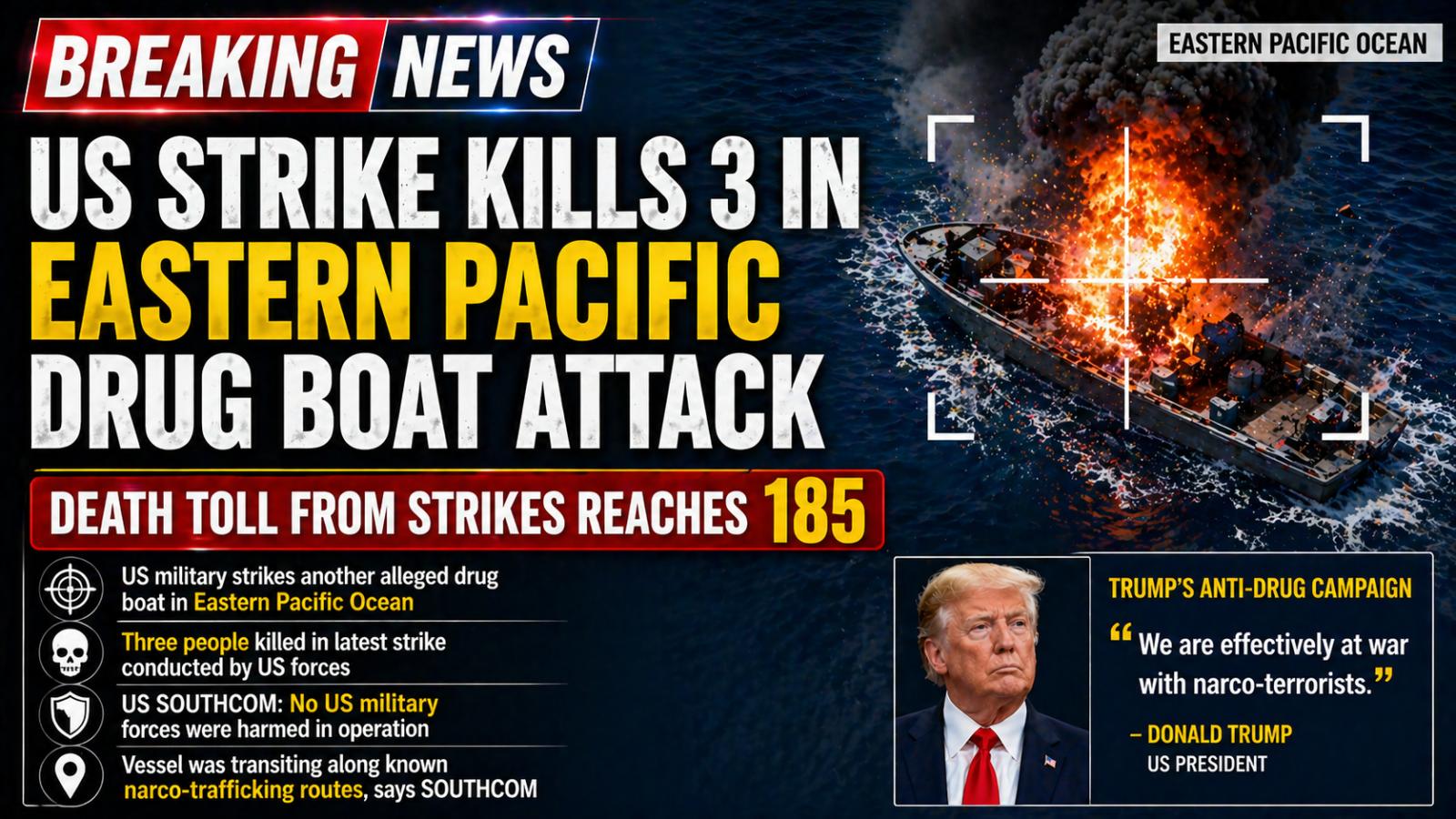
The United States military carried out another strike on a suspected drug-trafficking vessel in the Eastern Pacific, resulting in the deaths of three individuals, on Sunday (Apr 26), according to officials. The operation was conducted under the direction of US Southern Command, which stated that the vessel was operating along known narcotics trafficking routes and was actively engaged in il
The United States military carried out another strike on a suspected drug-trafficking vessel in the Eastern Pacific, resulting in the deaths of three individuals, on Sunday (Apr 26), according to officials. The operation was conducted under the direction of US Southern Command, which stated that the vessel was operating along known narcotics trafficking routes and was actively engaged in il
The ongoing conflict between the US, Israel, and Iran continues to escalate as the war in the Middle East enters its second month with no sign of abating. Tensions have been rising ever since US President Donald Trump’s ultimatum for Iran to engage in negotiations was issued, but Tehran remains defiant and continues its aggressive stance.
Israel has intensified its military operations in the region, striking Iran’s largest petrochemical complex, which it claims serves as a centr
The ongoing conflict between the US, Israel, and Iran continues to escalate as the war in the Middle East enters its second month with no sign of abating. Tensions have been rising ever since US President Donald Trump’s ultimatum for Iran to engage in negotiations was issued, but Tehran remains defiant and continues its aggressive stance.
Israel has intensified its military operations in the region, striking Iran’s largest petrochemical complex, which it claims serves as a centr
Less than 48 hours before a joint US-Israeli military operation targeting Iran, Israeli Prime Minister Benjamin Netanyahu made a final appeal to US President Donald Trump, urging swift action as intelligence indicated a narrowing operational window. According to officials, briefings suggested that Iran’s Supreme Leader Ayatollah Ali Khamenei and senior leadership were expected to gather in Tehran, presenting what was described as a rare strategic opportunity. Updated intelligence reportedly showed the meeting had been moved earlier, intensifying the urgency of the decision.
Although Trump had already approved military action in principle, the exact timing and scale remained under review. Netanyahu’s call was seen as a decisive moment, reinforcing arguments that delays could result in a missed opportunity. The operation followed months of escalating tensions and unsuccessful diplomatic efforts aimed at addressing Iran’s nuclear programme, which had reached a stalemate.
Earlier military actions in June, involving strikes on Iranian nuclear and missile infrastructure, had already heightened hostilities. While US forces later joined Israeli operations in a 12-day campaign, Israeli officials continued to push for a more comprehensive response. Strategic discussions, including high-level meetings, focused on Iran’s advancing missile capabilities and perceived regional threat.
Additional geopolitical developments influenced Washington’s approach, including a successful US-backed operation in Venezuela and widespread unrest within Iran, which was met with force by security agencies. US officials had anticipated escalation, warning that any Israeli action could provoke retaliation against American assets and allies in the region.
The coordinated strikes began on February 28 after Trump gave final approval. The White House stated that the objective was to weaken Iran’s military infrastructure, curb its missile capabilities, and prevent nuclear weapon development. Trump later announced that Khamenei had been killed during the operation.
The aftermath saw immediate retaliation from Iran, disruptions in key shipping routes, and a surge in global oil prices. Reports indicated significant casualties, including Iranian civilians and US personnel. Despite expectations of political change, intelligence assessments had warned that leadership shifts might not moderate Iran’s stance. Khamenei’s son, Mojtaba Khamenei, has since assumed leadership, while security forces continue to maintain control.
Both leaders have defended their roles in the decision, with Trump asserting sole responsibility and Netanyahu denying claims of influencing US involvement. However, accounts suggest that the combination of intelligence updates and diplomatic pressure played a critical role in shaping a decision that has significantly altered regional dynamics.
Less than 48 hours before a joint US-Israeli military operation targeting Iran, Israeli Prime Minister Benjamin Netanyahu made a final appeal to US President Donald Trump, urging swift action as intelligence indicated a narrowing operational window. According to officials, briefings suggested that Iran’s Supreme Leader Ayatollah Ali Khamenei and senior leadership were expected to gather in Tehran, presenting what was described as a rare strategic opportunity. Updated intelligence reportedly showed the meeting had been moved earlier, intensifying the urgency of the decision.
Although Trump had already approved military action in principle, the exact timing and scale remained under review. Netanyahu’s call was seen as a decisive moment, reinforcing arguments that delays could result in a missed opportunity. The operation followed months of escalating tensions and unsuccessful diplomatic efforts aimed at addressing Iran’s nuclear programme, which had reached a stalemate.
Earlier military actions in June, involving strikes on Iranian nuclear and missile infrastructure, had already heightened hostilities. While US forces later joined Israeli operations in a 12-day campaign, Israeli officials continued to push for a more comprehensive response. Strategic discussions, including high-level meetings, focused on Iran’s advancing missile capabilities and perceived regional threat.
Additional geopolitical developments influenced Washington’s approach, including a successful US-backed operation in Venezuela and widespread unrest within Iran, which was met with force by security agencies. US officials had anticipated escalation, warning that any Israeli action could provoke retaliation against American assets and allies in the region.
The coordinated strikes began on February 28 after Trump gave final approval. The White House stated that the objective was to weaken Iran’s military infrastructure, curb its missile capabilities, and prevent nuclear weapon development. Trump later announced that Khamenei had been killed during the operation.
The aftermath saw immediate retaliation from Iran, disruptions in key shipping routes, and a surge in global oil prices. Reports indicated significant casualties, including Iranian civilians and US personnel. Despite expectations of political change, intelligence assessments had warned that leadership shifts might not moderate Iran’s stance. Khamenei’s son, Mojtaba Khamenei, has since assumed leadership, while security forces continue to maintain control.
Both leaders have defended their roles in the decision, with Trump asserting sole responsibility and Netanyahu denying claims of influencing US involvement. However, accounts suggest that the combination of intelligence updates and diplomatic pressure played a critical role in shaping a decision that has significantly altered regional dynamics.
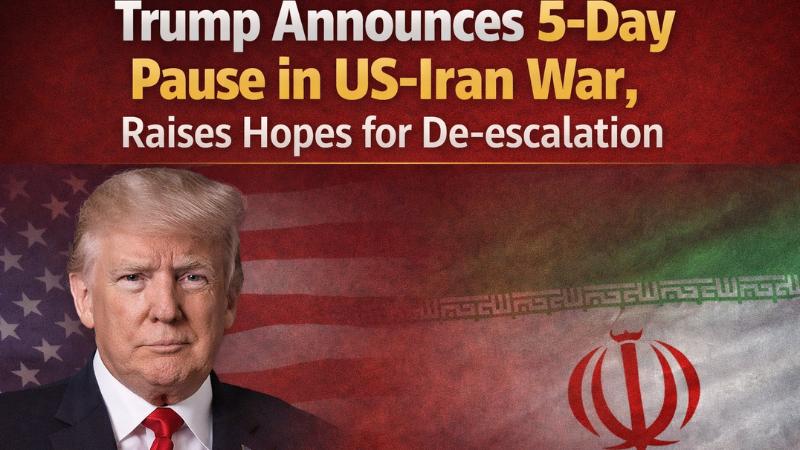
In a significant development that has captured the world's attention, President Donald J. Trump has announced a five-day pause in military actions between the United States and Iran. This decision follows a series of "productive discussions" between both nations, which Trump described as "detailed and constructive." These talks are being viewed as a potential opening for de-escalating tensions in the Middle East, a region that has been marked by ongoing conflict and instability.
Tru
In a significant development that has captured the world's attention, President Donald J. Trump has announced a five-day pause in military actions between the United States and Iran. This decision follows a series of "productive discussions" between both nations, which Trump described as "detailed and constructive." These talks are being viewed as a potential opening for de-escalating tensions in the Middle East, a region that has been marked by ongoing conflict and instability.
Tru
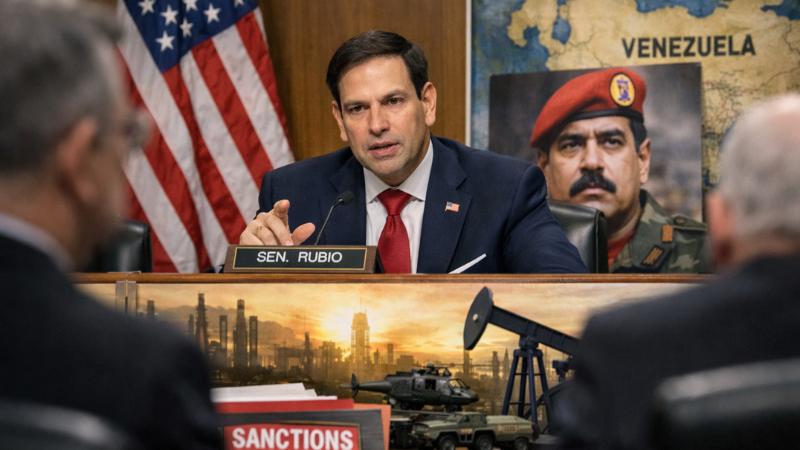
United States Secretary of State Marco Rubio testified before the Senate Foreign Relations Committee on Wednesday, marking his first public appearance since the capture of Venezuelan leader Nicolás Maduro earlier this month. Rubio outlined the administration’s approach toward Venezuela, defended the operation that led to Maduro’s detention, and emphasized the strategic concerns the United States has regarding the region. His testimony came amid scrutiny from senators on both sides of the ai
United States Secretary of State Marco Rubio testified before the Senate Foreign Relations Committee on Wednesday, marking his first public appearance since the capture of Venezuelan leader Nicolás Maduro earlier this month. Rubio outlined the administration’s approach toward Venezuela, defended the operation that led to Maduro’s detention, and emphasized the strategic concerns the United States has regarding the region. His testimony came amid scrutiny from senators on both sides of the ai
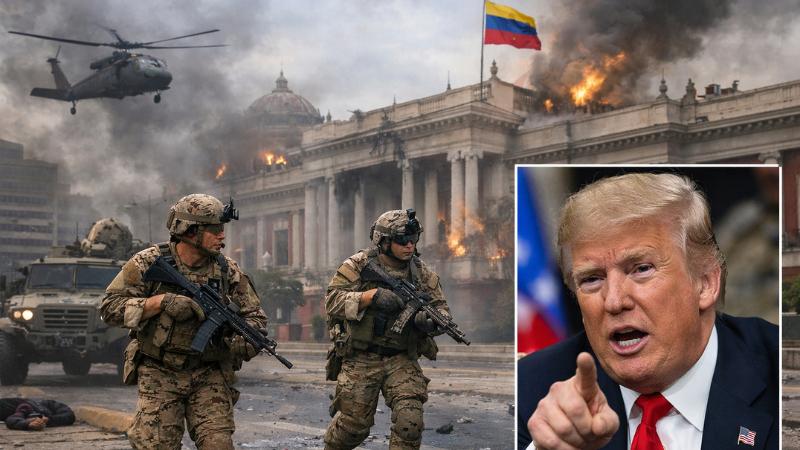
US President Donald Trump has issued a fresh warning to Venezuela following a dramatic military operation in Caracas that resulted in the capture of Venezuelan President Nicolas Maduro and his wife, Cilia Flores. Speaking to reporters aboard Air Force One, Trump indicated that additional military action remains a possibility if the South American nation does not comply with US demands, signaling a sharp escalation in Washington’s posture toward the region.
The operation, conducted
US President Donald Trump has issued a fresh warning to Venezuela following a dramatic military operation in Caracas that resulted in the capture of Venezuelan President Nicolas Maduro and his wife, Cilia Flores. Speaking to reporters aboard Air Force One, Trump indicated that additional military action remains a possibility if the South American nation does not comply with US demands, signaling a sharp escalation in Washington’s posture toward the region.
The operation, conducted
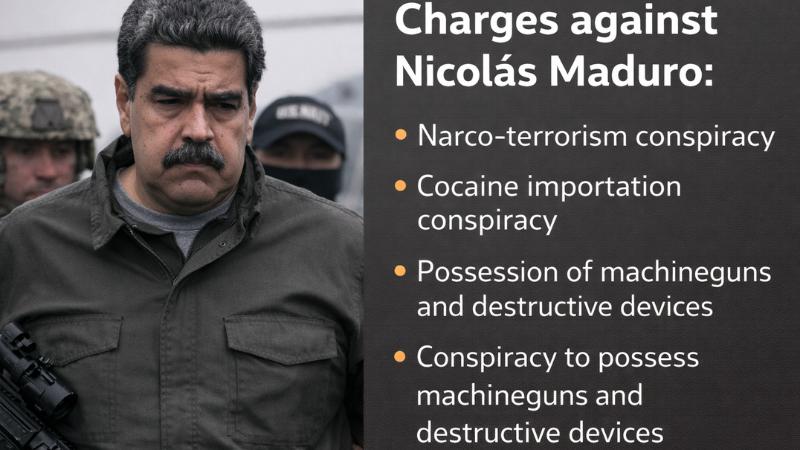
The United States announced criminal charges against Venezuelan President Nicolás Maduro and his wife, Cilia Flores, hours after what officials described as large-scale military strikes carried out early Saturday. According to US authorities, the couple has been indicted in the Southern District of New York on multiple counts related to drug trafficking and terrorism, marking a significant escalation in Washington’s long-running confrontation with the Caracas leadership.
In a sta
The United States announced criminal charges against Venezuelan President Nicolás Maduro and his wife, Cilia Flores, hours after what officials described as large-scale military strikes carried out early Saturday. According to US authorities, the couple has been indicted in the Southern District of New York on multiple counts related to drug trafficking and terrorism, marking a significant escalation in Washington’s long-running confrontation with the Caracas leadership.
In a sta
In a dramatic escalation of tensions in the Middle East, Israel launched a massive aerial assault deep into Iranian territory overnight, targeting sensitive military and nuclear facilities. Dubbed Operation Rising Lion, the offensive involved 40 Israeli fighter jets that dropped over 100 precision-guided bombs on strategic locations across cities such as Arak, Natanz, Tehran, Isfahan, Shiraz, and Kermanshah.
One of t
In a dramatic escalation of tensions in the Middle East, Israel launched a massive aerial assault deep into Iranian territory overnight, targeting sensitive military and nuclear facilities. Dubbed Operation Rising Lion, the offensive involved 40 Israeli fighter jets that dropped over 100 precision-guided bombs on strategic locations across cities such as Arak, Natanz, Tehran, Isfahan, Shiraz, and Kermanshah.
One of t