Trump declares war with Iran over nuclear threat
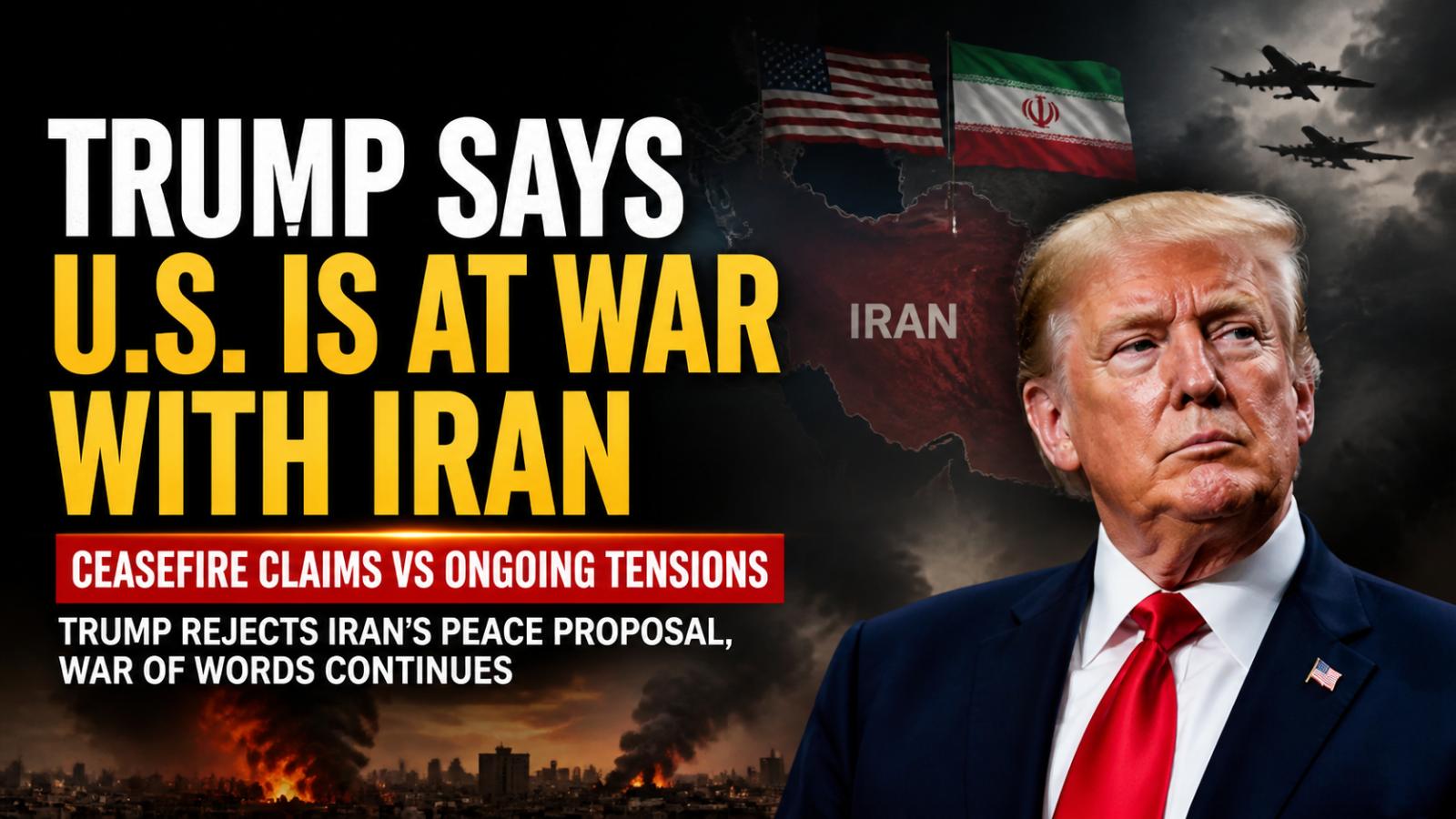
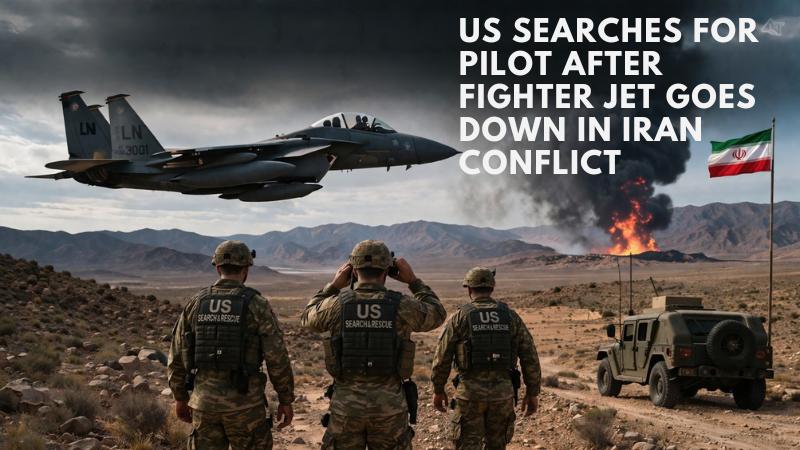
President Donald Trump has reaffirmed his stance on the ongoing US-Iran conflict, declaring that the US is at war with Iran to prevent the country from acquiring nuclear weapons. In a statement made during a Florida event, Trump expressed his belief that Iran’s leadership poses a significant threat to global security, stating that "lunatics can't have a nuclear weapon." His comments come at a time when his administration has informed the US Congress that the war has reached its conclusion, though the situation remains tense.
Trump emphasizes the importance of military action against Iran
Trump explained that the US military action against Iran was crucial in preventing a nuclear-armed nation from destabilizing the Middle East. He credited US airstrikes with B2 bombers for preventing Iran from obtaining a nuclear weapon, which could have led to catastrophic consequences for Israel, the Middle East, and Europe. “If we didn’t do that, they would have had a nuclear weapon,” Trump added, emphasizing the urgency of the situation. He claimed that Iran's military capabilities have been severely diminished, stating that the country no longer has a navy, air force, anti-aircraft systems, or effective radar defenses.
Trump rejects Iran's ceasefire proposal
In a direct response to Iran’s proposal for a ceasefire, Trump made it clear that the US would not end the conflict prematurely. “We’re not going to leave early and have this kind of problem arise in three more years,” he said, reinforcing his position on the need for a strong and comprehensive resolution. Trump blamed Iran's leadership for the ongoing conflict, criticizing their fractured decision-making. “It’s a very disjointed leadership,” he remarked, indicating that despite their willingness to negotiate, Iran’s leaders are unable to reach a viable agreement.
The ceasefire proposal is dismissed
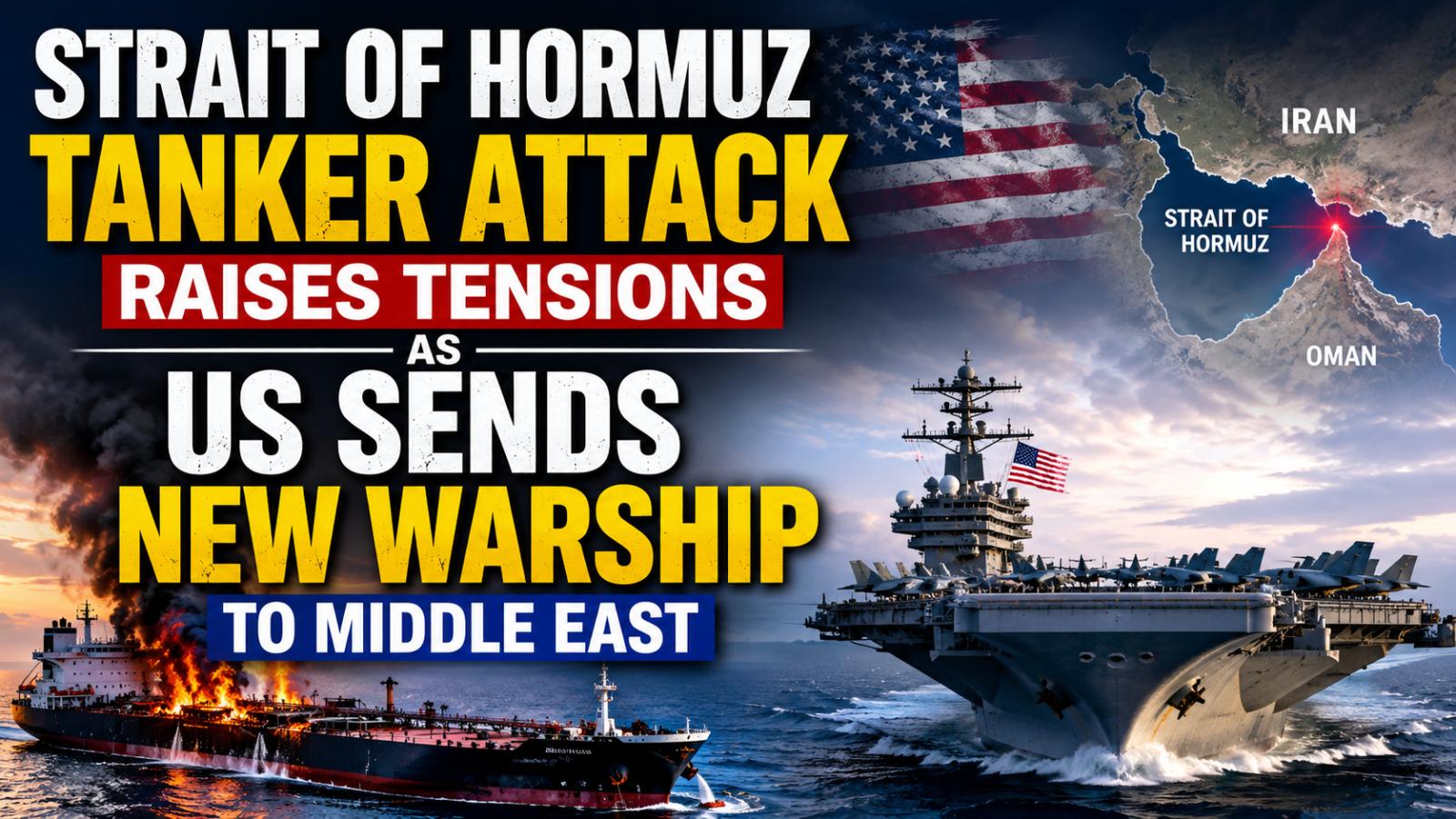
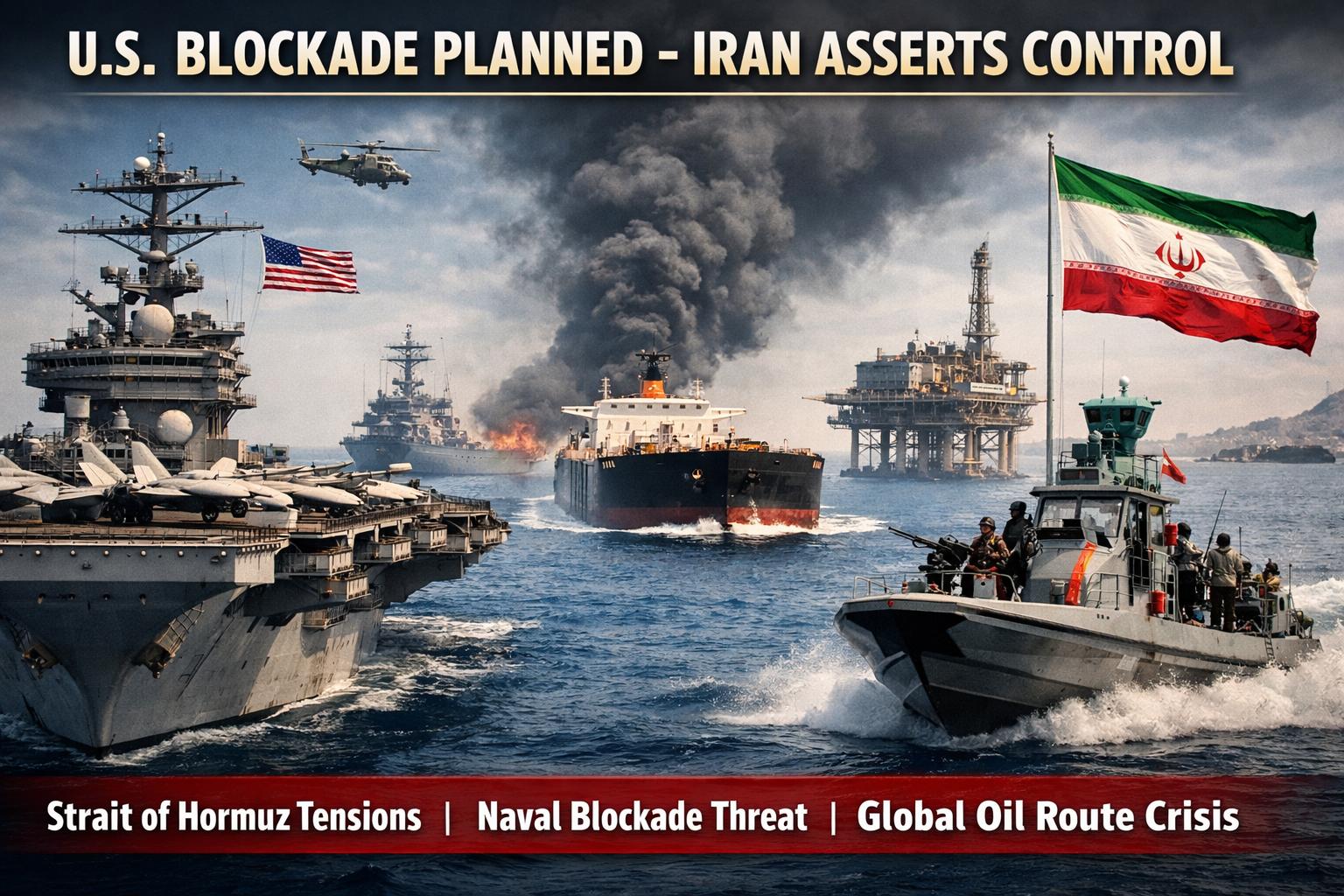
The ceasefire proposal, delivered by Pakistan on behalf of Iran, was quickly dismissed by the US. Despite this, a fragile ceasefire between the two nations has held, albeit with mutual accusations of violations. Tensions remain high, especially in the Strait of Hormuz, where a significant portion of the world’s oil and gas passes through. Trump outlined two potential paths forward: either continuing the conflict to decisively end Iran’s nuclear ambitions, or attempting to secure a deal. “Do we want to go and just blast the hell out of them and finish them forever? Or do we want to try and make a deal?” he questioned.
Iran’s diplomatic efforts and continued tension
Iran’s Foreign Minister, Abbas Araghchi, has been actively engaged in diplomatic efforts to resolve the war. He held discussions with several regional counterparts, including Turkey, Saudi Arabia, and Qatar, to brief them on Iran’s latest peace initiatives. However, the rounds of talks held in Pakistan have yielded no substantial progress. Trump expressed frustration over the lack of direct communication, stating, “No more 18-hour flights” for US envoys.
What lies ahead for US-Iran relations?
As the situation evolves, it remains uncertain whether further diplomatic efforts will lead to a resolution or whether military action will continue to dominate the US-Iran relationship. With both sides unwilling to compromise, the world watches closely, particularly in regard to the ongoing instability in the Strait of Hormuz. Will Iran’s diplomatic efforts succeed, or will the US pursue a more aggressive approach? The answer remains unclear as the two nations continue to grapple with the possibility of conflict or peace.