








Mojtaba Khamenei Nuclear Policy Raises Global Security Concerns
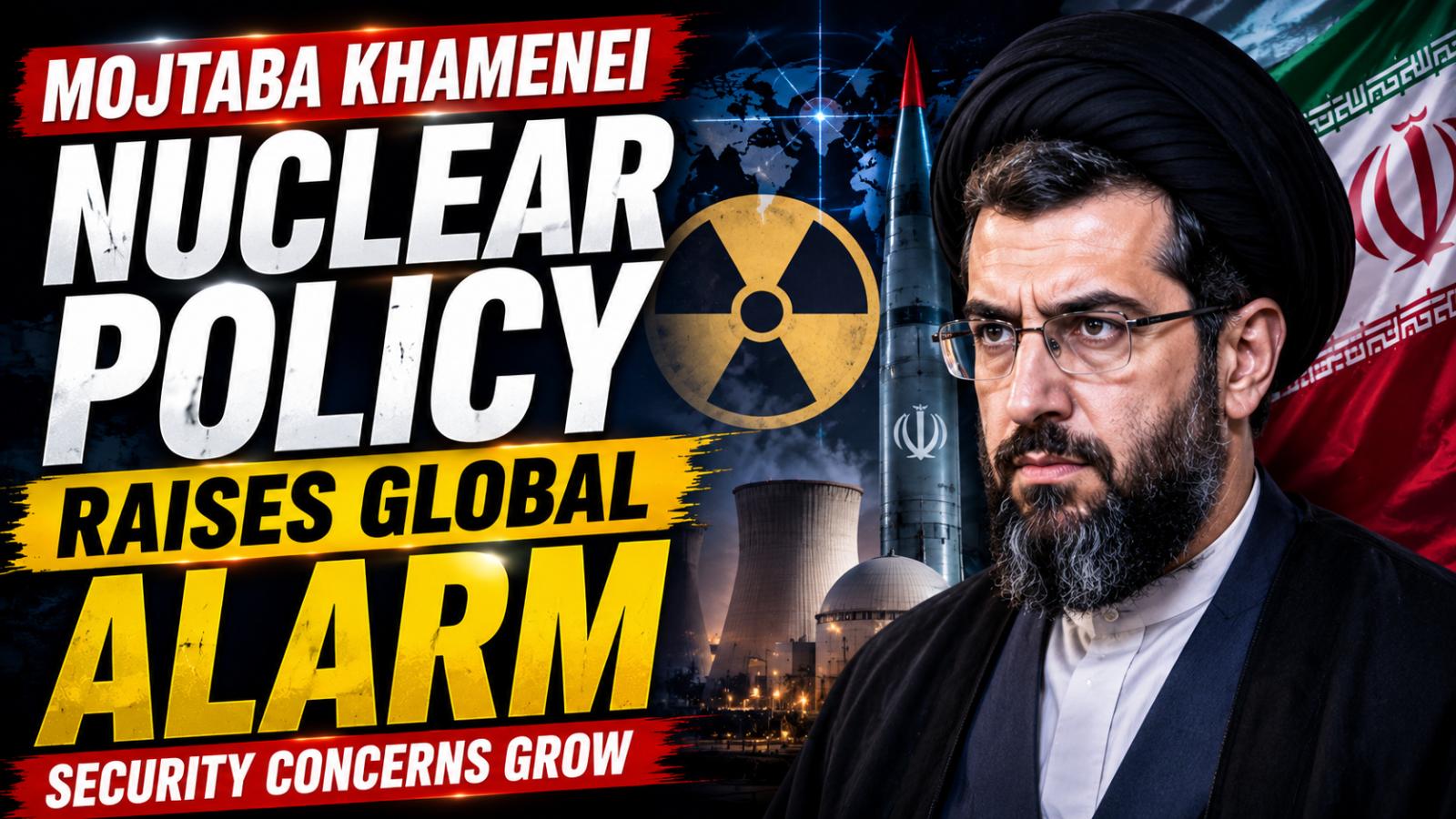
Mojtaba Khamenei's nuclear policy has come under renewed focus after a recent US intelligence assessment suggested Iran's new supreme leader may be more open to developing nuclear weapons than his father. While no official policy change has been announced, analysts say the assessment highlights growing concerns over Iran's nuclear threshold status, regional security and the future of diplomacy.
Mojtaba Khamenei Nuclear Policy Raises Global Security Concerns
Mojtaba Khamenei's nuclear policy has come under renewed focus after a recent US intelligence assessment suggested Iran's new supreme leader may be more open to developing nuclear weapons than his father. While no official policy change has been announced, analysts say the assessment highlights growing concerns over Iran's nuclear threshold status, regional security and the future of diplomacy.
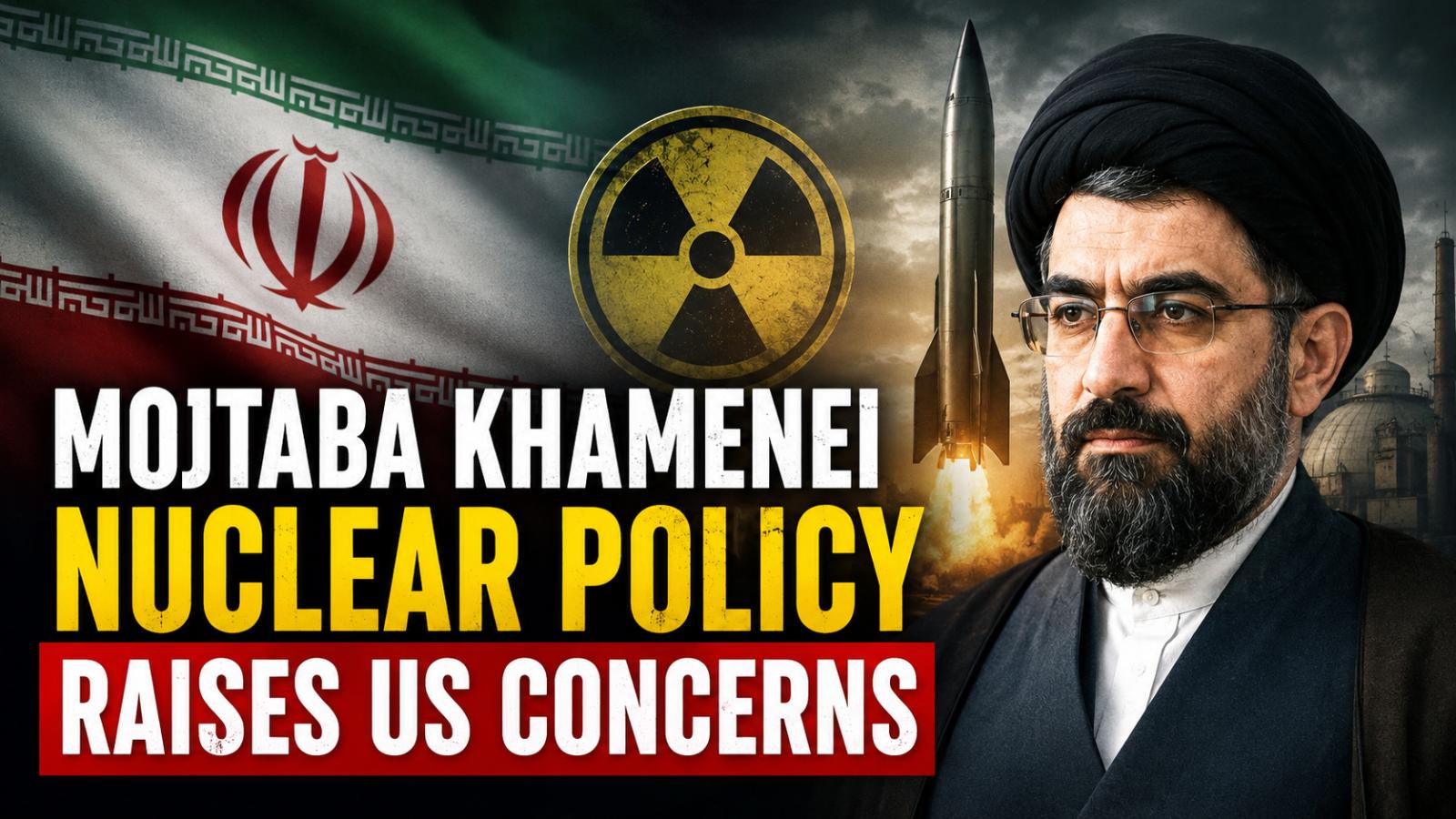
Mojtaba Khamenei Nuclear Policy Raises US Concerns
Mojtaba Khamenei nuclear policy has come under renewed scrutiny after a reported US intelligence assessment suggested that Iran’s supreme leader may be more willing than his father to consider developing nuclear weapons. The claim raises fresh questions about Iran’s nuclear doctrine, missile ambitions and regional security. Iran Nuclear Weapons Assessment People described as familiar with U
Mojtaba Khamenei Nuclear Policy Raises US Concerns
Mojtaba Khamenei nuclear policy has come under renewed scrutiny after a reported US intelligence assessment suggested that Iran’s supreme leader may be more willing than his father to consider developing nuclear weapons. The claim raises fresh questions about Iran’s nuclear doctrine, missile ambitions and regional security. Iran Nuclear Weapons Assessment People described as familiar with U
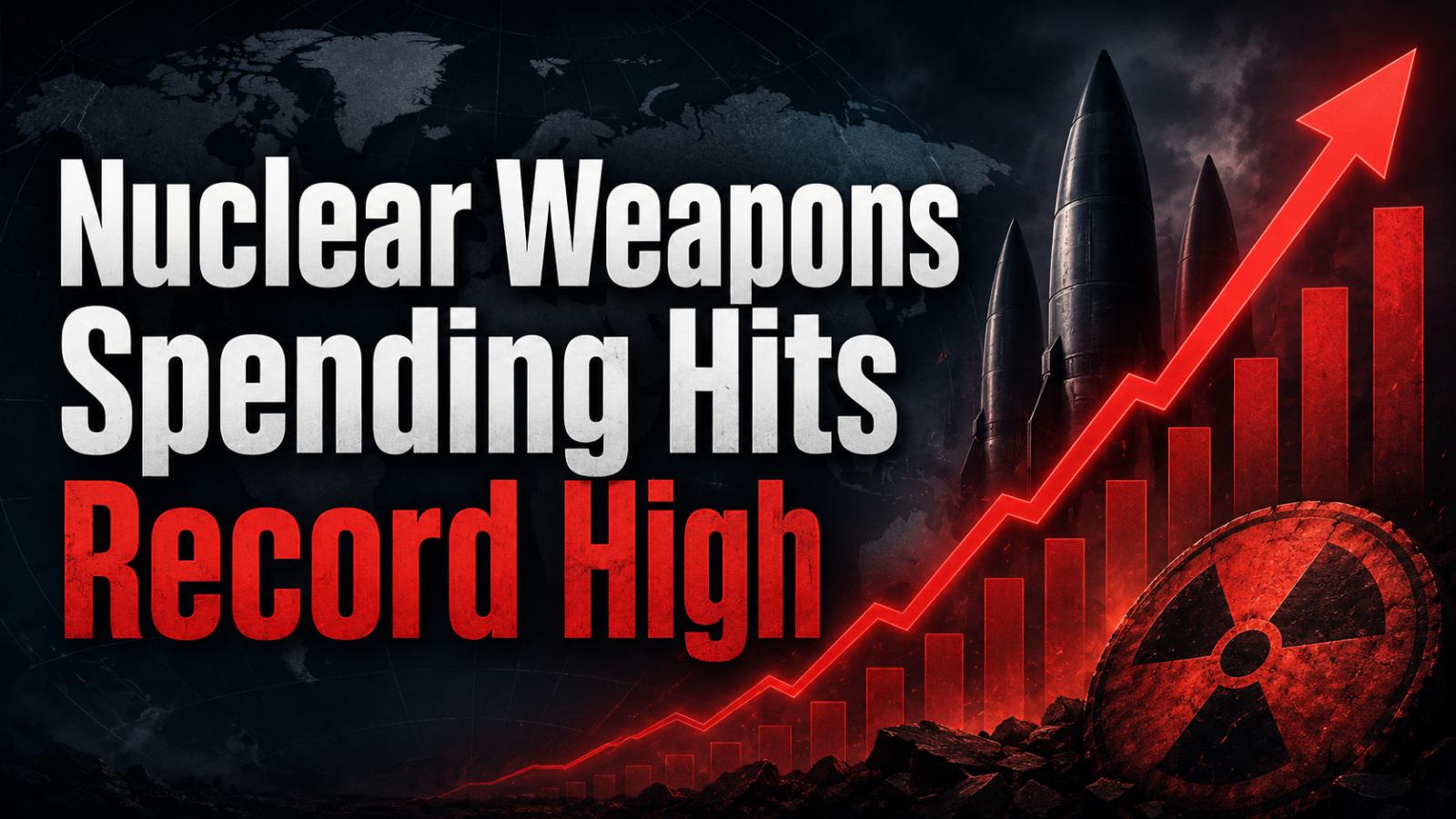
Nuclear Weapons Spending Hits Record $119 Billion in 2025 as ICAN Warns of New Arms Race
The world spent more money on nuclear weapons in 2025 than at any time in recent years, raising fresh concern about where global security is heading. According to the International Campaign to Abolish Nuclear Weapons, nine nuclear-armed countries together spent about $119 billion on nuclear weapons in 2025. This was not a small increase. ICAN said nuclear weapons spending rose by around 19 percent in just one year. At a time when many coun
Nuclear Weapons Spending Hits Record $119 Billion in 2025 as ICAN Warns of New Arms Race
The world spent more money on nuclear weapons in 2025 than at any time in recent years, raising fresh concern about where global security is heading. According to the International Campaign to Abolish Nuclear Weapons, nine nuclear-armed countries together spent about $119 billion on nuclear weapons in 2025. This was not a small increase. ICAN said nuclear weapons spending rose by around 19 percent in just one year. At a time when many coun
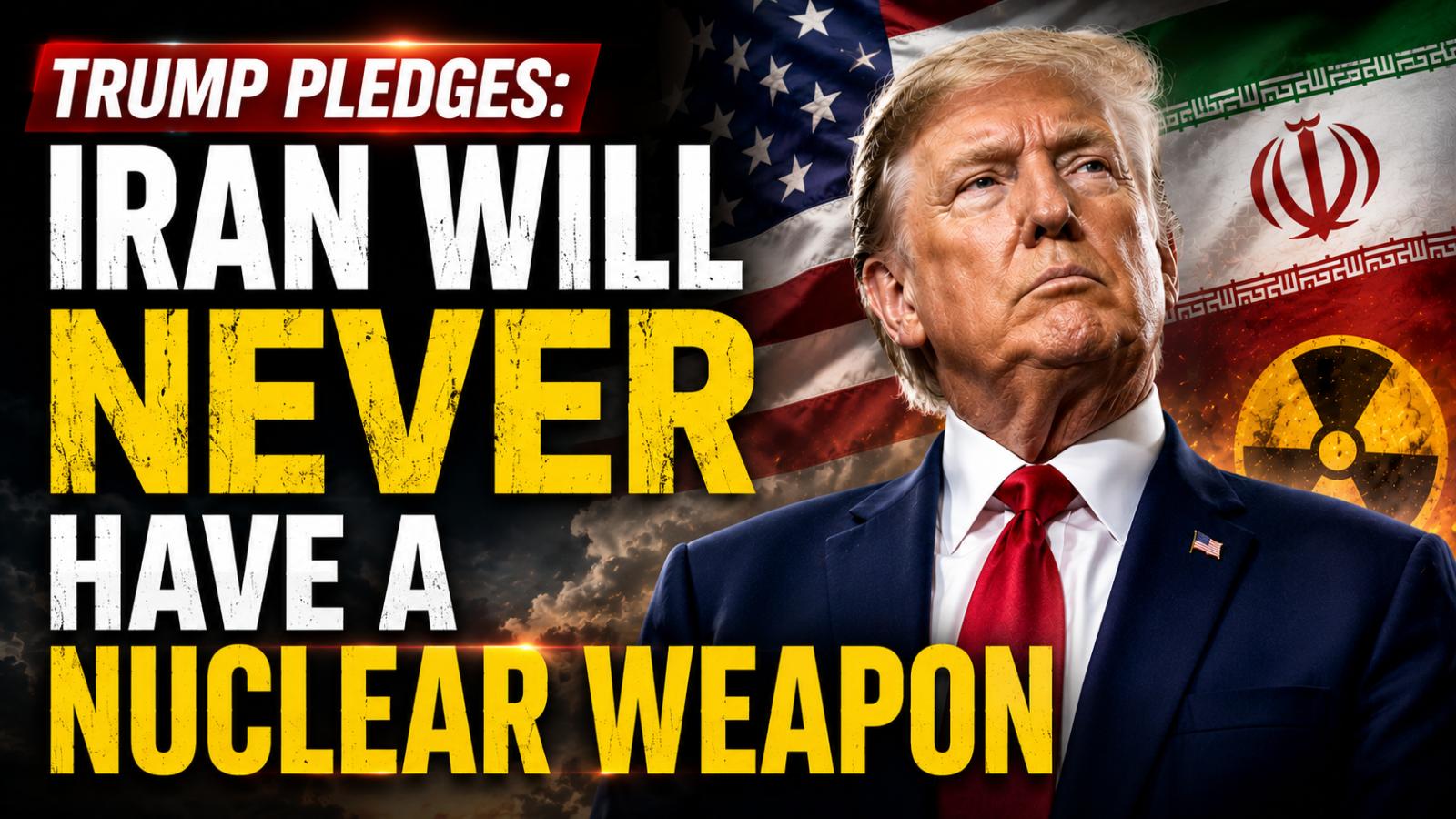
Trump Honors US Troops at Arlington, Reiterates Iran Nuclear Stance
Memorial Day Tribute at Arlington On Memorial Day, May 25, President Donald Trump paid tribute to the US troops killed during the campaign against Iran while reaffirming that Tehran “will never have a nuclear weapon.” Speaking at Arlington National Cemetery, Trump honored the fallen soldiers of Operation Epic Fury, describing them as “wonderful, special people” who gave their lives to protect global
Trump Honors US Troops at Arlington, Reiterates Iran Nuclear Stance
Memorial Day Tribute at Arlington On Memorial Day, May 25, President Donald Trump paid tribute to the US troops killed during the campaign against Iran while reaffirming that Tehran “will never have a nuclear weapon.” Speaking at Arlington National Cemetery, Trump honored the fallen soldiers of Operation Epic Fury, describing them as “wonderful, special people” who gave their lives to protect global
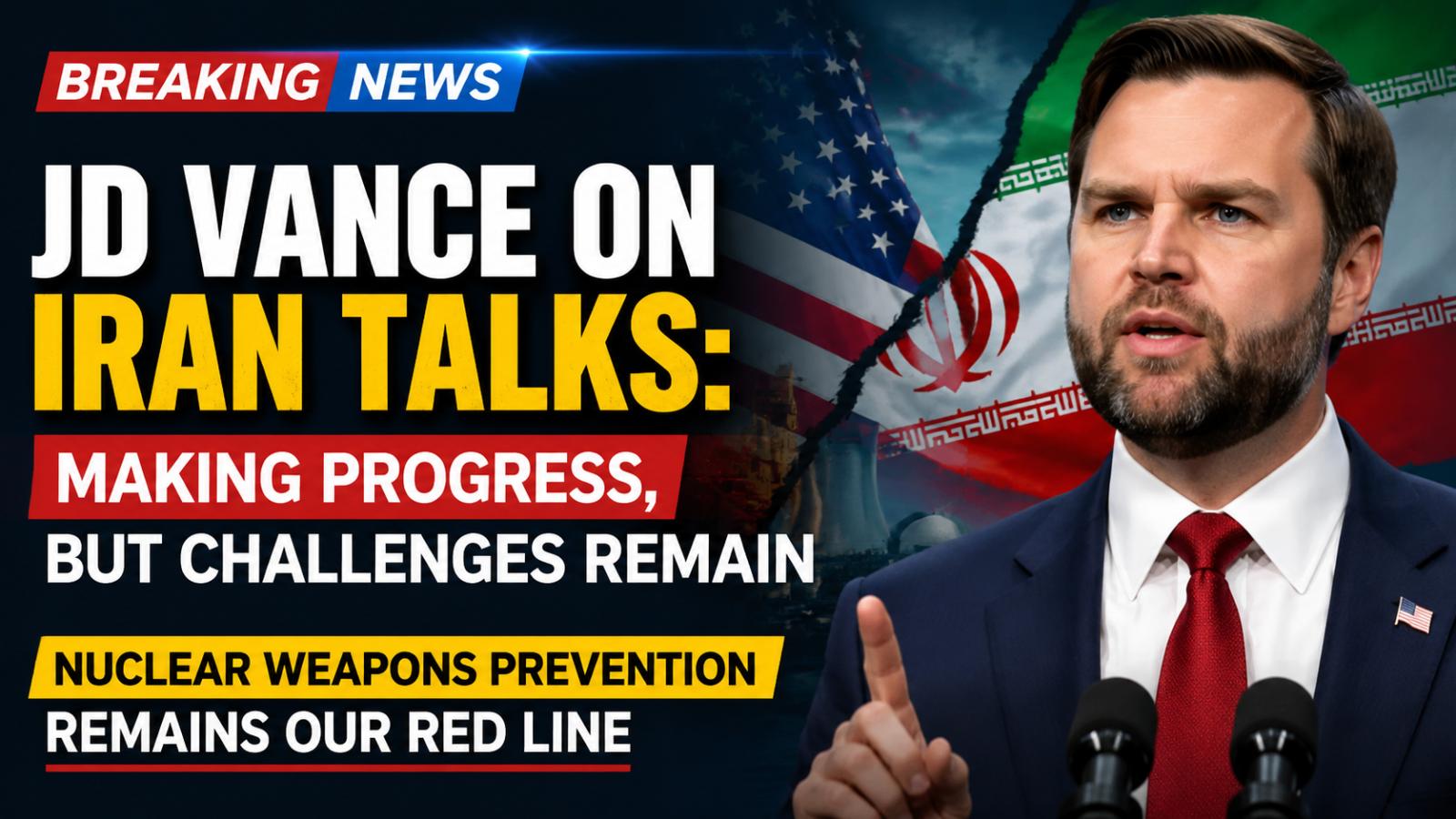
US Vice President JD Vance updates on Iran negotiations and challenges
On May 13, US Vice President JD Vance opened up about the ongoing negotiations with Iran and the hurdles the US has faced as these talks progress. While the US continues its diplomatic outreach to Tehran, Vance acknowledged the growing frustration due to unsatisfactory responses from the Iranian side. This has raised questions about whether a comprehensive deal is truly within reach. Diplomacy Amid Rising Tensions In a recent press briefing, Vance shed l
US Vice President JD Vance updates on Iran negotiations and challenges
On May 13, US Vice President JD Vance opened up about the ongoing negotiations with Iran and the hurdles the US has faced as these talks progress. While the US continues its diplomatic outreach to Tehran, Vance acknowledged the growing frustration due to unsatisfactory responses from the Iranian side. This has raised questions about whether a comprehensive deal is truly within reach. Diplomacy Amid Rising Tensions In a recent press briefing, Vance shed l
Trump’s Bold Iran Strategy: "We’ll Win Peacefully or Otherwise"
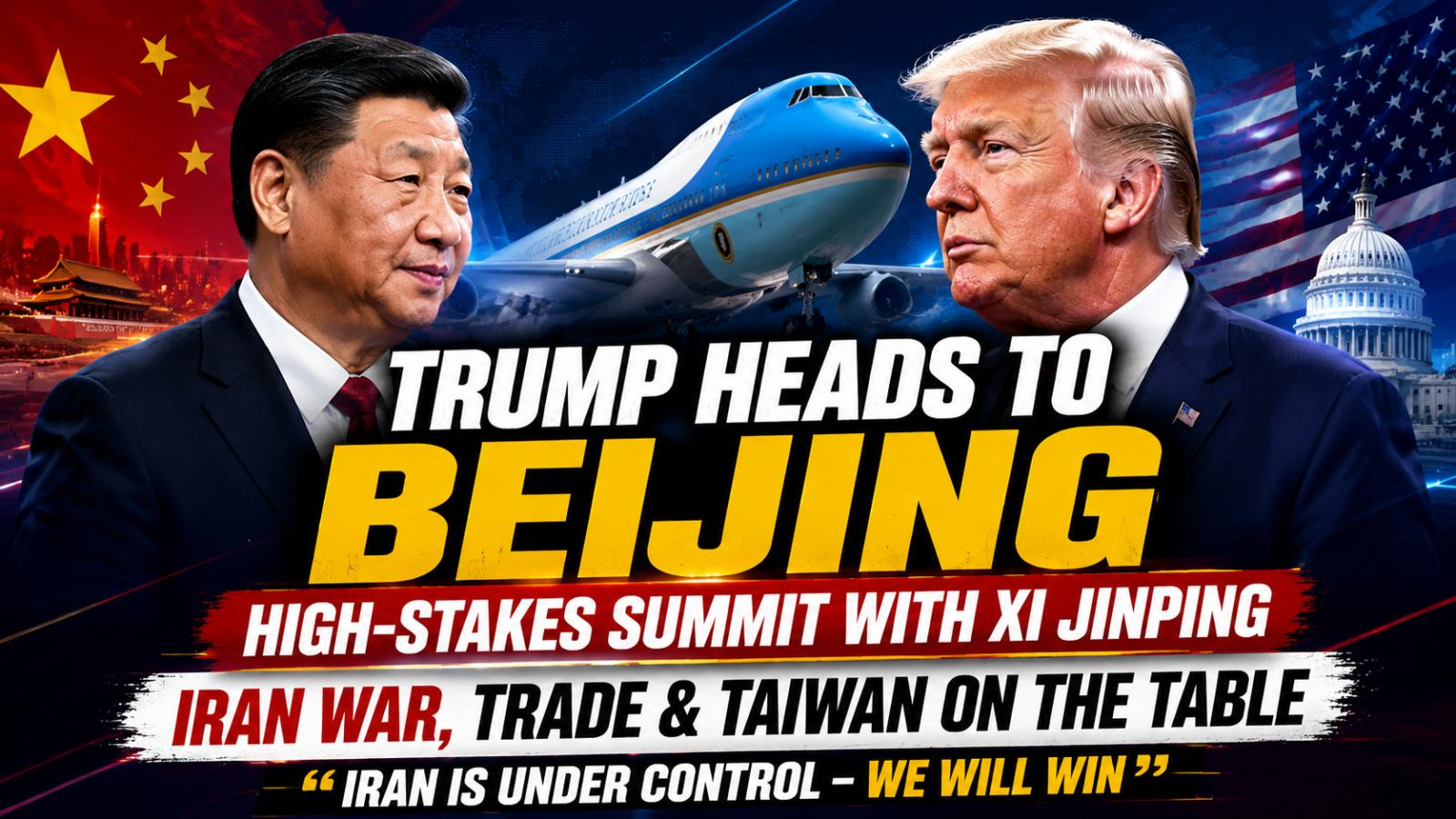
Trump’s Departure for Beijing President Donald Trump left Washington on May 12th for a high-stakes summit with Chinese President Xi Jinping in Beijing. As he boarded Air Force One for the trip, Trump addressed reporters, emphasizing that Iran is "under control" and that the United States either intends to make a deal or "decimate" Iran’s military capabilities. This rhetoric comes amid the ongoing conflict with Iran, with Trump reiterating his u
Trump’s Bold Iran Strategy: "We’ll Win Peacefully or Otherwise"
Trump’s Departure for Beijing President Donald Trump left Washington on May 12th for a high-stakes summit with Chinese President Xi Jinping in Beijing. As he boarded Air Force One for the trip, Trump addressed reporters, emphasizing that Iran is "under control" and that the United States either intends to make a deal or "decimate" Iran’s military capabilities. This rhetoric comes amid the ongoing conflict with Iran, with Trump reiterating his u
Trump and Pope Leo XIV clash again over Iran’s nuclear stance
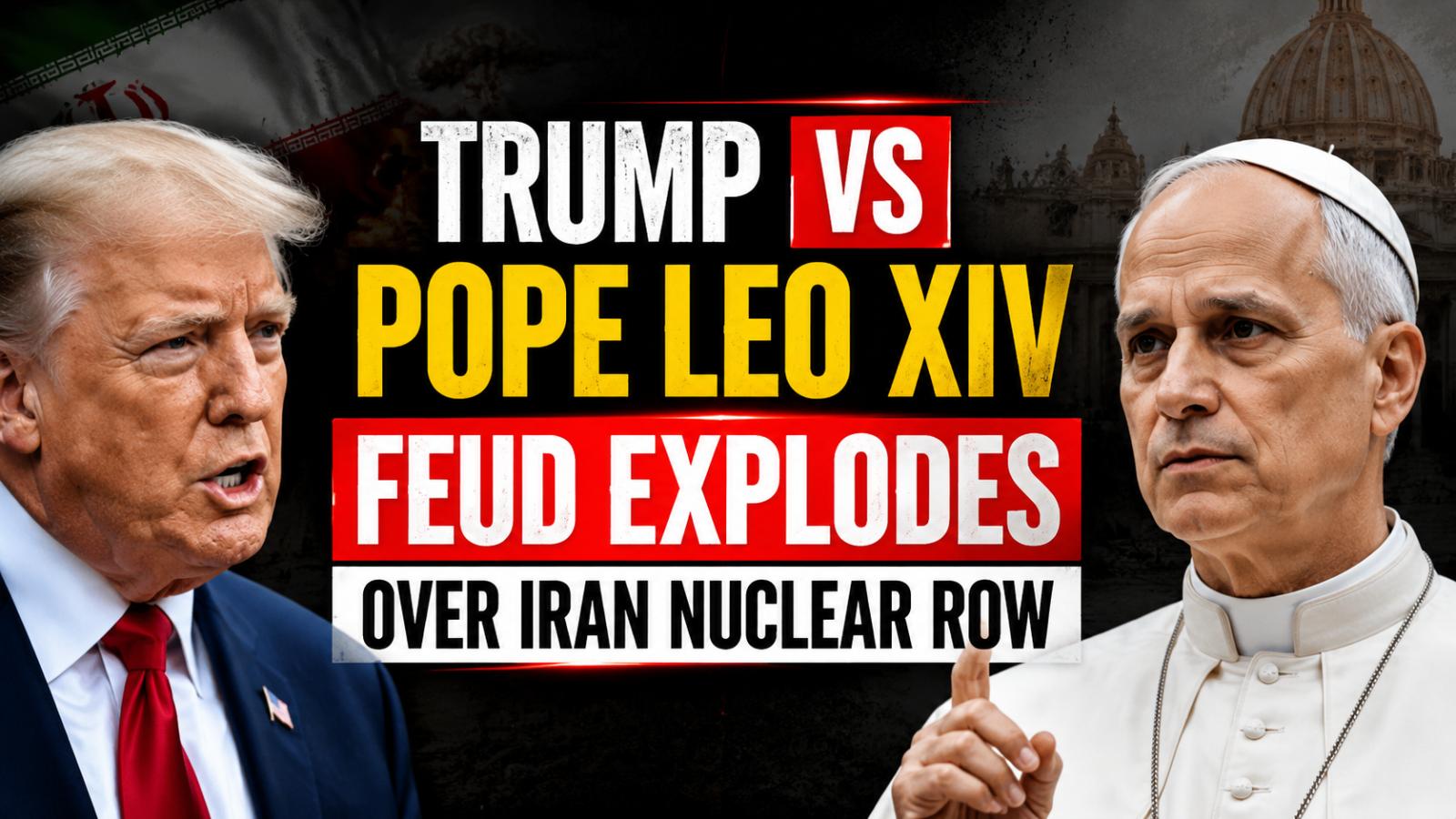
The feud between US President Donald Trump and Pope Leo XIV has flared up once again. The latest clash revolves around Trump’s repeated claims that the Pope supports Iran’s right to develop nuclear weapons. This accusation has been vigorously denied by the Vatican, with Pope Leo XIV offering a sharp rebuke. The Pope emphasized his long-standing position on nuclear disarmament and global peace, making it clear that his message remains consistent despite the President's accusations. Trump’s Accusations Against the Pope In an interview with Hugh Hewitt of Salem News Channel, President Trump reiterated his controversial claim that Pope Leo XIV condones Iran's nuclear ambitions. Trump said, "The pope would rather talk about the fact that it’s OK for Iran to have a nuclear weapon, and I don’t think that’s very good." He continued, "I think he's endangering a lot of Catholics, and a lot of people, but I guess if it’s up to the pope, he thinks it’s just fine for Iran to have a nuclear weapon." This repeated assertion has been a part of Trump's rhetoric, even though the Pope has never publicly supported such a view. Pope Leo XIV's Rejection of the Claim Without directly naming Trump, Pope Leo XIV responded firmly, rejecting the accusations. "If anyone wants to criticise me for proclaiming the Gospel, let them do so truthfully," he said in a statement. The Pope's message was unequivocal: the mission of the Church is to preach peace, and it has always opposed the proliferation of nuclear weapons. He reminded the world that the Catholic Church has long advocated for a world free from nuclear threats. The Pope has been vocal about the need for diplomacy over conflict, urging political leaders to engage in dialogue rather than pursue rearmament. The Pope’s remarks were a clear message to those who misinterpret his calls for peace. The Catholic Church has continuously voiced its opposition to nuclear weapons, and Pope Leo XIV reaffirmed that stance, urging global leaders to focus on peaceful solutions to international conflicts. A Notable Timing: Rubio’s Visit to the Vatican The timing of this ongoing dispute is particularly interesting, as US Secretary of State Marco Rubio is scheduled to visit Rome this week. Rubio will meet with Pope Leo XIV on Thursday to discuss a range of topics, including the situation in the Middle East. The State Department has positioned this visit as an opportunity to explore mutual interests and discuss pressing global issues. However, with the current tensions surrounding Iran and nuclear weapons, this meeting is likely to be complicated by the feud between Trump and the Pope. Pope Leo XIV's Message for Global Peace Despite the political tensions, Pope Leo XIV has remained focused on his core message: peace. The Pope has consistently called for a world free from the threat of nuclear weapons, advocating for leaders to sit at the table of dialogue and diplomacy. His call for peace was reiterated during a recent gathering at St. Peter’s Basilica, where he urged Catholics to prioritize dialogue over violence. In his remarks, Pope Leo XIV urged global leaders to focus on diplomacy and avoid the path of rearmament. He emphasized the importance of peaceful negotiations, saying, "It is time for peace! Sit at the table of dialogue and mediation, not at the table where rearmament is planned, and deadly actions are decided." This sentiment reflects the Pope’s long-standing commitment to nuclear disarmament and peaceful resolutions to international disputes. As the tension between Trump and the Pope continues to unfold, the world will be watching closely. The clash underscores the ongoing challenges in navigating political and religious divides, especially when it comes to sensitive issues like nuclear weapons and international peace. However, Pope Leo XIV’s commitment to peace and diplomacy remains unwavering, and his stance continues to influence global discussions on nuclear disarmament.
Trump and Pope Leo XIV clash again over Iran’s nuclear stance
The feud between US President Donald Trump and Pope Leo XIV has flared up once again. The latest clash revolves around Trump’s repeated claims that the Pope supports Iran’s right to develop nuclear weapons. This accusation has been vigorously denied by the Vatican, with Pope Leo XIV offering a sharp rebuke. The Pope emphasized his long-standing position on nuclear disarmament and global peace, making it clear that his message remains consistent despite the President's accusations. Trump’s Accusations Against the Pope In an interview with Hugh Hewitt of Salem News Channel, President Trump reiterated his controversial claim that Pope Leo XIV condones Iran's nuclear ambitions. Trump said, "The pope would rather talk about the fact that it’s OK for Iran to have a nuclear weapon, and I don’t think that’s very good." He continued, "I think he's endangering a lot of Catholics, and a lot of people, but I guess if it’s up to the pope, he thinks it’s just fine for Iran to have a nuclear weapon." This repeated assertion has been a part of Trump's rhetoric, even though the Pope has never publicly supported such a view. Pope Leo XIV's Rejection of the Claim Without directly naming Trump, Pope Leo XIV responded firmly, rejecting the accusations. "If anyone wants to criticise me for proclaiming the Gospel, let them do so truthfully," he said in a statement. The Pope's message was unequivocal: the mission of the Church is to preach peace, and it has always opposed the proliferation of nuclear weapons. He reminded the world that the Catholic Church has long advocated for a world free from nuclear threats. The Pope has been vocal about the need for diplomacy over conflict, urging political leaders to engage in dialogue rather than pursue rearmament. The Pope’s remarks were a clear message to those who misinterpret his calls for peace. The Catholic Church has continuously voiced its opposition to nuclear weapons, and Pope Leo XIV reaffirmed that stance, urging global leaders to focus on peaceful solutions to international conflicts. A Notable Timing: Rubio’s Visit to the Vatican The timing of this ongoing dispute is particularly interesting, as US Secretary of State Marco Rubio is scheduled to visit Rome this week. Rubio will meet with Pope Leo XIV on Thursday to discuss a range of topics, including the situation in the Middle East. The State Department has positioned this visit as an opportunity to explore mutual interests and discuss pressing global issues. However, with the current tensions surrounding Iran and nuclear weapons, this meeting is likely to be complicated by the feud between Trump and the Pope. Pope Leo XIV's Message for Global Peace Despite the political tensions, Pope Leo XIV has remained focused on his core message: peace. The Pope has consistently called for a world free from the threat of nuclear weapons, advocating for leaders to sit at the table of dialogue and diplomacy. His call for peace was reiterated during a recent gathering at St. Peter’s Basilica, where he urged Catholics to prioritize dialogue over violence. In his remarks, Pope Leo XIV urged global leaders to focus on diplomacy and avoid the path of rearmament. He emphasized the importance of peaceful negotiations, saying, "It is time for peace! Sit at the table of dialogue and mediation, not at the table where rearmament is planned, and deadly actions are decided." This sentiment reflects the Pope’s long-standing commitment to nuclear disarmament and peaceful resolutions to international disputes. As the tension between Trump and the Pope continues to unfold, the world will be watching closely. The clash underscores the ongoing challenges in navigating political and religious divides, especially when it comes to sensitive issues like nuclear weapons and international peace. However, Pope Leo XIV’s commitment to peace and diplomacy remains unwavering, and his stance continues to influence global discussions on nuclear disarmament.
US-Iran conflict: Trump speaks on war, rejects Iran’s ceasefire deal
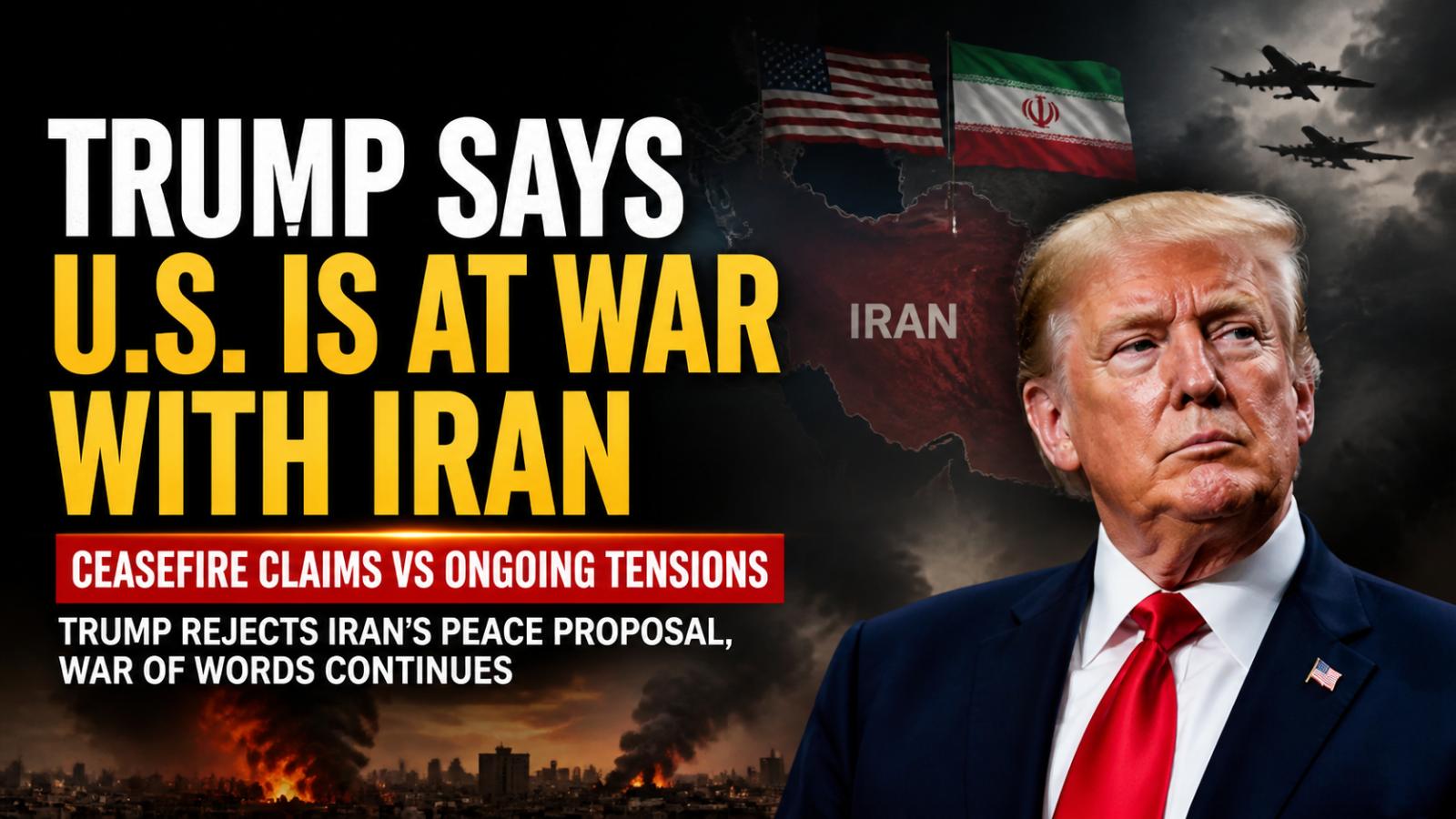
Trump declares war with Iran over nuclear threat President Donald Trump has reaffirmed his stance on the ongoing US-Iran conflict, declaring that the US is at war with Iran to prevent the country from acquiring nuclear weapons. In a statement made during a Florida event, Trump expressed his belief that Iran’s leadership poses a significant threat to global security, stating that "lunatics can't have a nuclear weapon." His comments come at a time when his administration has informed the US Congress that the war has reached its conclusion, though the situation remains tense. Trump emphasizes the importance of military action against Iran Trump explained that the US military action against Iran was crucial in preventing a nuclear-armed nation from destabilizing the Middle East. He credited US airstrikes with B2 bombers for preventing Iran from obtaining a nuclear weapon, which could have led to catastrophic consequences for Israel, the Middle East, and Europe. “If we didn’t do that, they would have had a nuclear weapon,” Trump added, emphasizing the urgency of the situation. He claimed that Iran's military capabilities have been severely diminished, stating that the country no longer has a navy, air force, anti-aircraft systems, or effective radar defenses. Trump rejects Iran's ceasefire proposal In a direct response to Iran’s proposal for a ceasefire, Trump made it clear that the US would not end the conflict prematurely. “We’re not going to leave early and have this kind of problem arise in three more years,” he said, reinforcing his position on the need for a strong and comprehensive resolution. Trump blamed Iran's leadership for the ongoing conflict, criticizing their fractured decision-making. “It’s a very disjointed leadership,” he remarked, indicating that despite their willingness to negotiate, Iran’s leaders are unable to reach a viable agreement. The ceasefire proposal is dismissed The ceasefire proposal, delivered by Pakistan on behalf of Iran, was quickly dismissed by the US. Despite this, a fragile ceasefire between the two nations has held, albeit with mutual accusations of violations. Tensions remain high, especially in the Strait of Hormuz, where a significant portion of the world’s oil and gas passes through. Trump outlined two potential paths forward: either continuing the conflict to decisively end Iran’s nuclear ambitions, or attempting to secure a deal. “Do we want to go and just blast the hell out of them and finish them forever? Or do we want to try and make a deal?” he questioned. Iran’s diplomatic efforts and continued tension Iran’s Foreign Minister, Abbas Araghchi, has been actively engaged in diplomatic efforts to resolve the war. He held discussions with several regional counterparts, including Turkey, Saudi Arabia, and Qatar, to brief them on Iran’s latest peace initiatives. However, the rounds of talks held in Pakistan have yielded no substantial progress. Trump expressed frustration over the lack of direct communication, stating, “No more 18-hour flights” for US envoys. What lies ahead for US-Iran relations? As the situation evolves, it remains uncertain whether further diplomatic efforts will lead to a resolution or whether military action will continue to dominate the US-Iran relationship. With both sides unwilling to compromise, the world watches closely, particularly in regard to the ongoing instability in the Strait of Hormuz. Will Iran’s diplomatic efforts succeed, or will the US pursue a more aggressive approach? The answer remains unclear as the two nations continue to grapple with the possibility of conflict or peace.
US-Iran conflict: Trump speaks on war, rejects Iran’s ceasefire deal
Trump declares war with Iran over nuclear threat President Donald Trump has reaffirmed his stance on the ongoing US-Iran conflict, declaring that the US is at war with Iran to prevent the country from acquiring nuclear weapons. In a statement made during a Florida event, Trump expressed his belief that Iran’s leadership poses a significant threat to global security, stating that "lunatics can't have a nuclear weapon." His comments come at a time when his administration has informed the US Congress that the war has reached its conclusion, though the situation remains tense. Trump emphasizes the importance of military action against Iran Trump explained that the US military action against Iran was crucial in preventing a nuclear-armed nation from destabilizing the Middle East. He credited US airstrikes with B2 bombers for preventing Iran from obtaining a nuclear weapon, which could have led to catastrophic consequences for Israel, the Middle East, and Europe. “If we didn’t do that, they would have had a nuclear weapon,” Trump added, emphasizing the urgency of the situation. He claimed that Iran's military capabilities have been severely diminished, stating that the country no longer has a navy, air force, anti-aircraft systems, or effective radar defenses. Trump rejects Iran's ceasefire proposal In a direct response to Iran’s proposal for a ceasefire, Trump made it clear that the US would not end the conflict prematurely. “We’re not going to leave early and have this kind of problem arise in three more years,” he said, reinforcing his position on the need for a strong and comprehensive resolution. Trump blamed Iran's leadership for the ongoing conflict, criticizing their fractured decision-making. “It’s a very disjointed leadership,” he remarked, indicating that despite their willingness to negotiate, Iran’s leaders are unable to reach a viable agreement. The ceasefire proposal is dismissed The ceasefire proposal, delivered by Pakistan on behalf of Iran, was quickly dismissed by the US. Despite this, a fragile ceasefire between the two nations has held, albeit with mutual accusations of violations. Tensions remain high, especially in the Strait of Hormuz, where a significant portion of the world’s oil and gas passes through. Trump outlined two potential paths forward: either continuing the conflict to decisively end Iran’s nuclear ambitions, or attempting to secure a deal. “Do we want to go and just blast the hell out of them and finish them forever? Or do we want to try and make a deal?” he questioned. Iran’s diplomatic efforts and continued tension Iran’s Foreign Minister, Abbas Araghchi, has been actively engaged in diplomatic efforts to resolve the war. He held discussions with several regional counterparts, including Turkey, Saudi Arabia, and Qatar, to brief them on Iran’s latest peace initiatives. However, the rounds of talks held in Pakistan have yielded no substantial progress. Trump expressed frustration over the lack of direct communication, stating, “No more 18-hour flights” for US envoys. What lies ahead for US-Iran relations? As the situation evolves, it remains uncertain whether further diplomatic efforts will lead to a resolution or whether military action will continue to dominate the US-Iran relationship. With both sides unwilling to compromise, the world watches closely, particularly in regard to the ongoing instability in the Strait of Hormuz. Will Iran’s diplomatic efforts succeed, or will the US pursue a more aggressive approach? The answer remains unclear as the two nations continue to grapple with the possibility of conflict or peace.
US President Says No Plans for Nuclear Strike on Iran
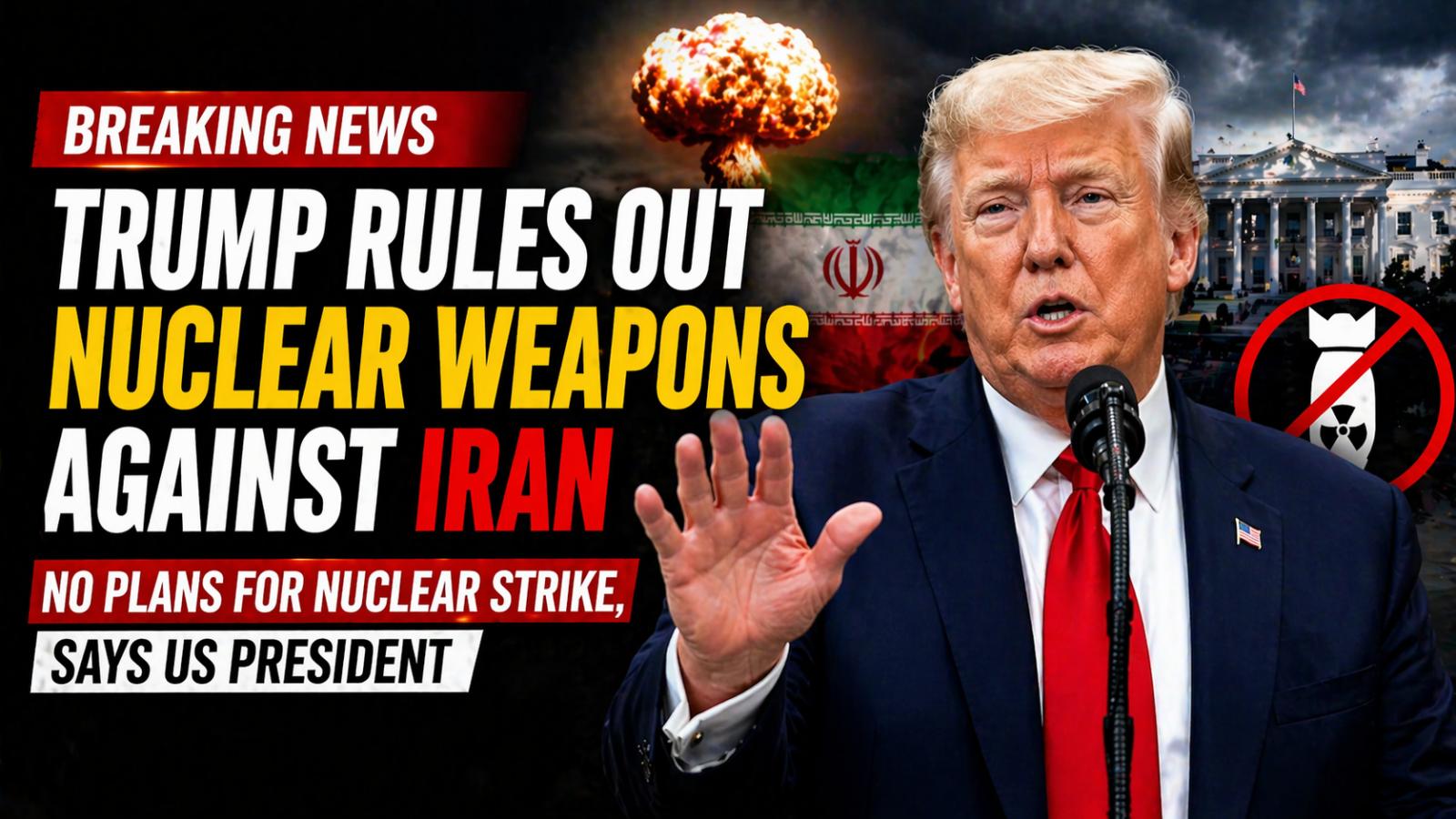
Donald Trump stated that the United States currently has no intention of using nuclear weapons against Iran, offering clarity on a key concern amid ongoing geopolitical tensions. Speaking to reporters at the White House, Trump emphasized that conventional military actions had already achieved significant results without the need for nuclear escalation. Addressing recent speculation, Trump said there was no justification for deploying nuclear weapons, noting that existing strategies had been effective. His remarks come after earlier statements that had drawn international attention, where strong rhetoric raised concerns about the potential use of extreme measures during the conflict that began earlier this year. The president reiterated that nuclear weapons should not be used by any nation, signaling a shift toward a more restrained public stance. At the same time, he underscored the administration’s objective of preventing Iran from developing nuclear capabilities that could pose a threat to regional and global security. Comments from senior officials have also contributed to the broader discussion. JD Vance had previously indicated that the United States was prepared to escalate its response if necessary, though the White House clarified that such remarks did not imply nuclear action. Trump’s latest statement appears to balance deterrence with reassurance, highlighting a focus on maintaining pressure through conventional means while avoiding the risks associated with nuclear engagement. As tensions persist, the administration continues to stress its commitment to preventing further escalation while safeguarding national interests and stability in the region.
US President Says No Plans for Nuclear Strike on Iran
Donald Trump stated that the United States currently has no intention of using nuclear weapons against Iran, offering clarity on a key concern amid ongoing geopolitical tensions. Speaking to reporters at the White House, Trump emphasized that conventional military actions had already achieved significant results without the need for nuclear escalation. Addressing recent speculation, Trump said there was no justification for deploying nuclear weapons, noting that existing strategies had been effective. His remarks come after earlier statements that had drawn international attention, where strong rhetoric raised concerns about the potential use of extreme measures during the conflict that began earlier this year. The president reiterated that nuclear weapons should not be used by any nation, signaling a shift toward a more restrained public stance. At the same time, he underscored the administration’s objective of preventing Iran from developing nuclear capabilities that could pose a threat to regional and global security. Comments from senior officials have also contributed to the broader discussion. JD Vance had previously indicated that the United States was prepared to escalate its response if necessary, though the White House clarified that such remarks did not imply nuclear action. Trump’s latest statement appears to balance deterrence with reassurance, highlighting a focus on maintaining pressure through conventional means while avoiding the risks associated with nuclear engagement. As tensions persist, the administration continues to stress its commitment to preventing further escalation while safeguarding national interests and stability in the region.
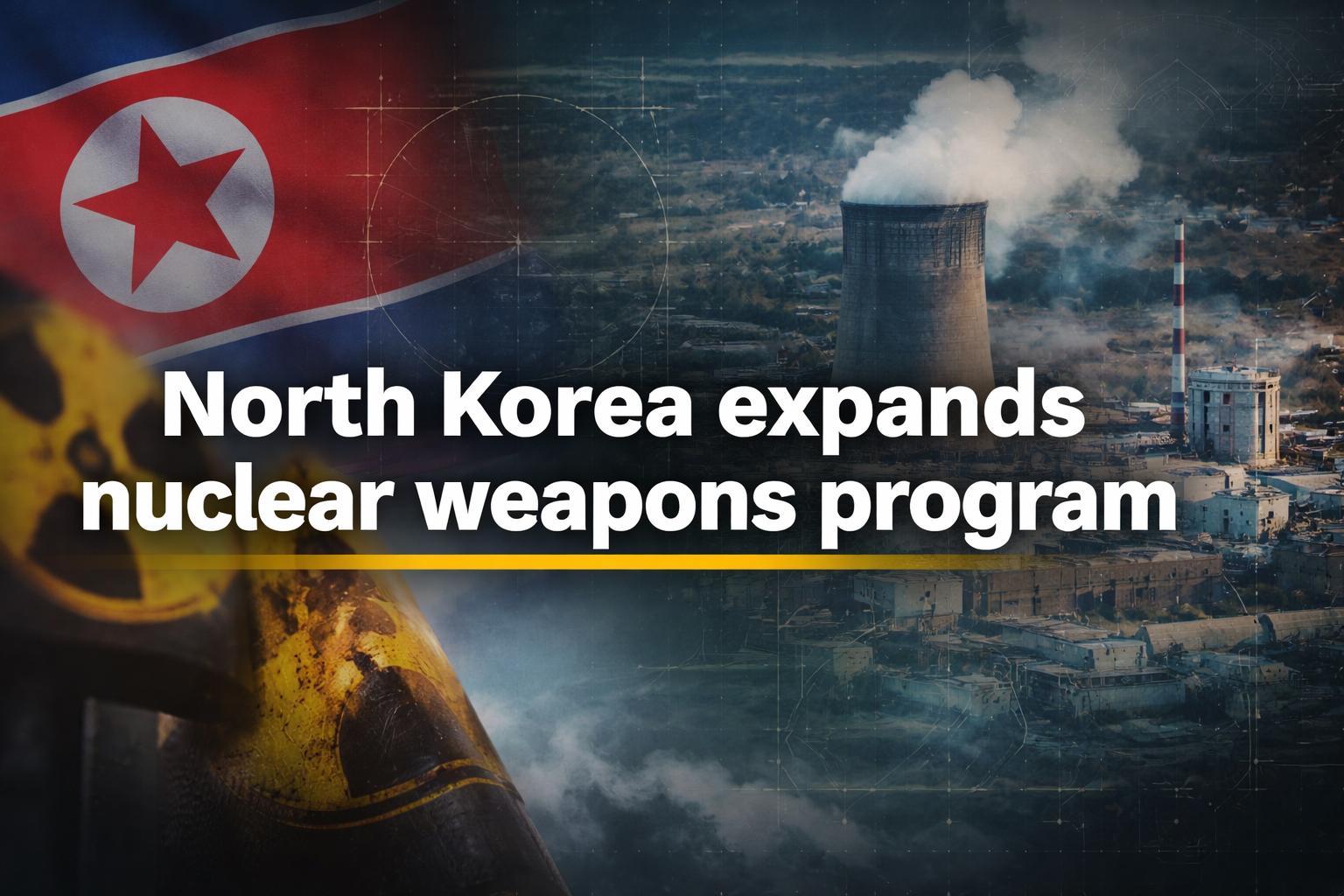
North Korea’s nuclear capabilities surge amid rising activity at Yongbyon
The International Atomic Energy Agency (IAEA) has raised concerns over North Korea’s increasing nuclear capabilities, citing a significant rise in activity at the Yongbyon nuclear complex. Rafael Grossi, the head of the IAEA, confirmed during his visit to Seoul that the agency has observed intensified operations at the five-megawatt reactor and the reprocessing unit at Yongbyon. Grossi noted that these developments signal a troubling expansion of North Korea’s nuclear weapons production c
North Korea’s nuclear capabilities surge amid rising activity at Yongbyon
The International Atomic Energy Agency (IAEA) has raised concerns over North Korea’s increasing nuclear capabilities, citing a significant rise in activity at the Yongbyon nuclear complex. Rafael Grossi, the head of the IAEA, confirmed during his visit to Seoul that the agency has observed intensified operations at the five-megawatt reactor and the reprocessing unit at Yongbyon. Grossi noted that these developments signal a troubling expansion of North Korea’s nuclear weapons production c
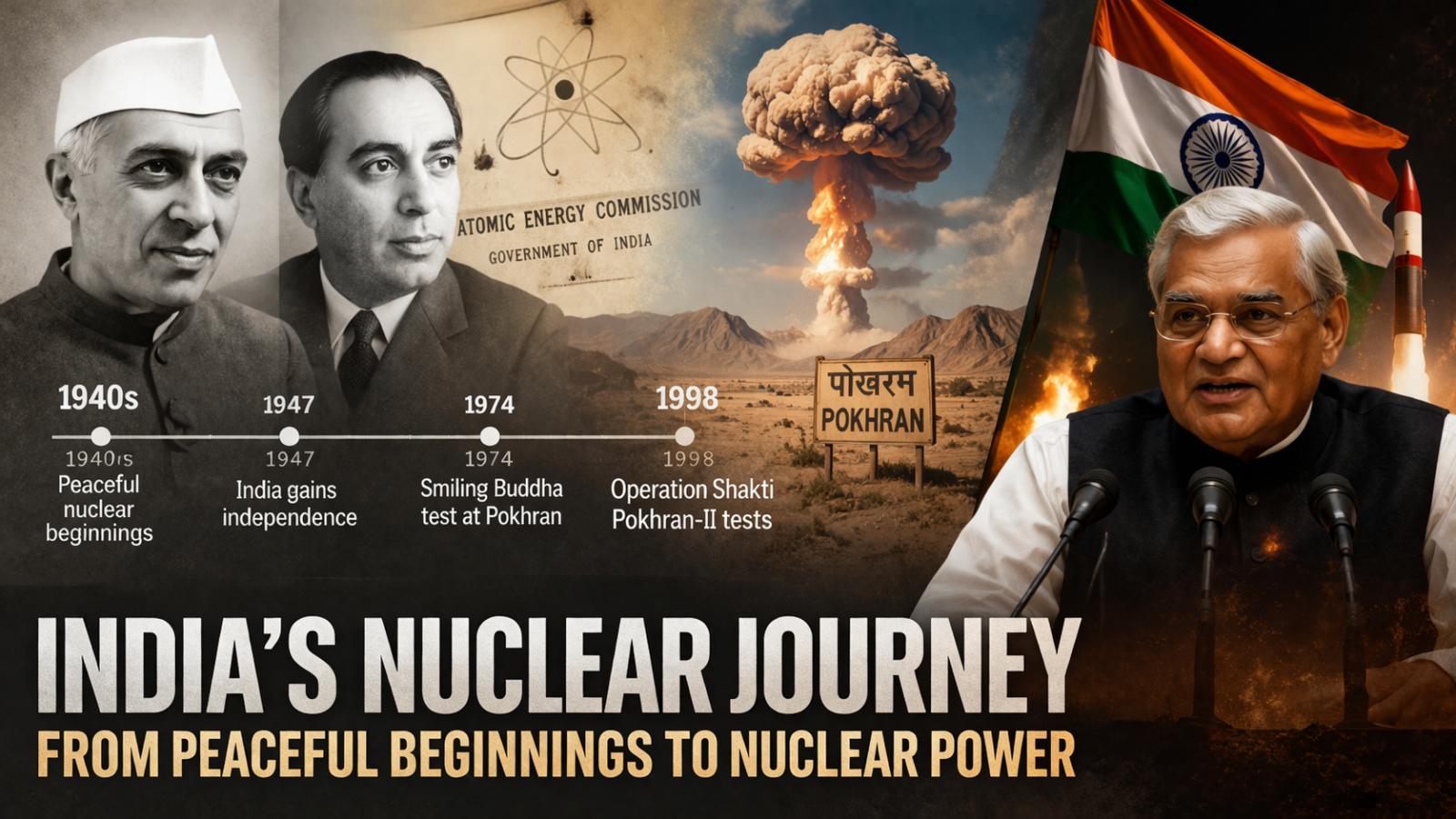
India's nuclear program: From Smiling Buddha to Operation Shakti
India's journey into nuclear weapons began in the early 1940s under British colonial rule. Following independence in 1947, the country embarked on a peaceful nuclear program primarily focused on energy production. At the helm of the program was Prime Minister Jawaharlal Nehru, who aimed to harness nuclear energy for civilian use, emphasizing the peaceful applications of atomic power. However, the political landscape began shifting in the 1960s as India faced mounting security concerns, partic
India's nuclear program: From Smiling Buddha to Operation Shakti
India's journey into nuclear weapons began in the early 1940s under British colonial rule. Following independence in 1947, the country embarked on a peaceful nuclear program primarily focused on energy production. At the helm of the program was Prime Minister Jawaharlal Nehru, who aimed to harness nuclear energy for civilian use, emphasizing the peaceful applications of atomic power. However, the political landscape began shifting in the 1960s as India faced mounting security concerns, partic
Global nuclear weapons control faces rising risks and new arms race
The global system governing nuclear weapons is not anchored in a single treaty but rather a web of agreements, arms-control arrangements, and regional initiatives, each designed to address different facets of nuclear security. While some agreements restrict which nations can possess nuclear weapons, others focus on halting tests, limiting arsenals, or even striving to establish nuclear-weapon-free zones. As of 2025, nine countries—led by the United States and Russia—currently mainta
Global nuclear weapons control faces rising risks and new arms race
The global system governing nuclear weapons is not anchored in a single treaty but rather a web of agreements, arms-control arrangements, and regional initiatives, each designed to address different facets of nuclear security. While some agreements restrict which nations can possess nuclear weapons, others focus on halting tests, limiting arsenals, or even striving to establish nuclear-weapon-free zones. As of 2025, nine countries—led by the United States and Russia—currently mainta
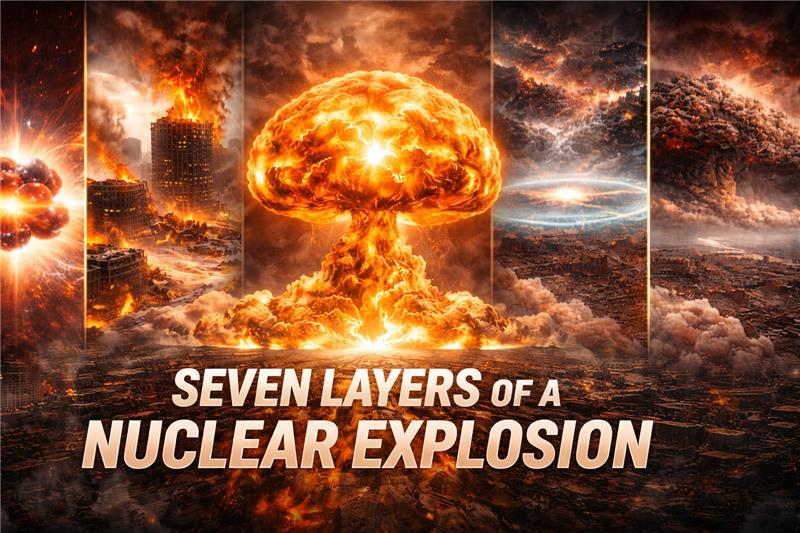
The Destructive Effects of a Nuclear Explosion: What Happens Step by Step
A nuclear weapon explosion unleashes an overwhelming amount of energy through either nuclear fission or fusion, resulting in devastating consequences that can persist for decades. Upon detonation, a rapid chain reaction occurs, converting a tiny amount of mass into an enormous amount of energy, based on Einstein’s Mass–energy equivalence principle. This energy is released in multiple destructive layers, each contributing to the profound impact on the environment and living organisms
The Destructive Effects of a Nuclear Explosion: What Happens Step by Step
A nuclear weapon explosion unleashes an overwhelming amount of energy through either nuclear fission or fusion, resulting in devastating consequences that can persist for decades. Upon detonation, a rapid chain reaction occurs, converting a tiny amount of mass into an enormous amount of energy, based on Einstein’s Mass–energy equivalence principle. This energy is released in multiple destructive layers, each contributing to the profound impact on the environment and living organisms
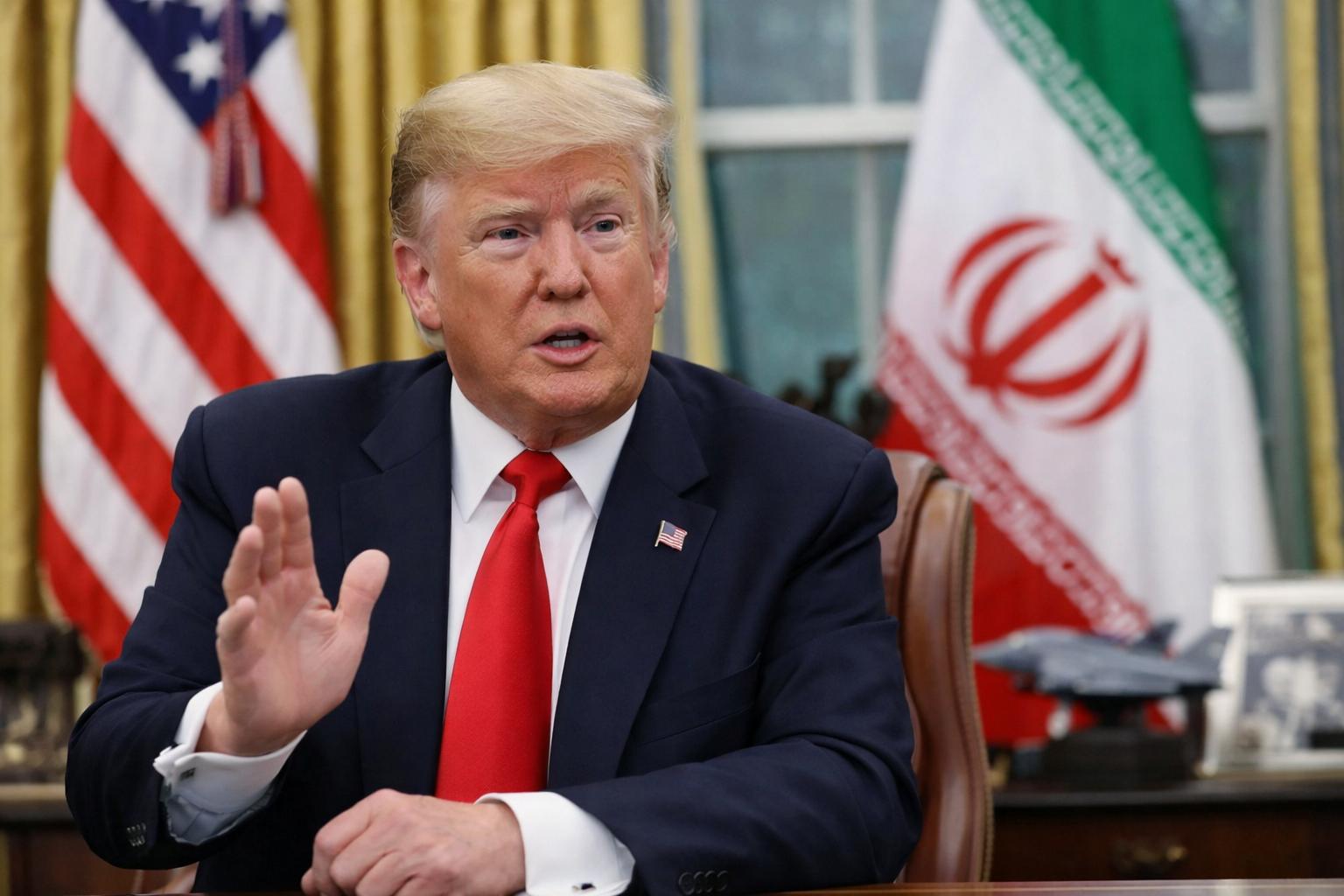
US–Israel–Iran War |Trump says Iran agrees to never develop nuclear weapons amid ongoing conflict
US President Donald Trump has stated that Iran has agreed to never develop nuclear weapons, describing the development as a sign of progress in ongoing diplomatic engagement between the two countries. His remarks come at a time when tensions in the Middle East remain high, with regional conflict continuing to shape the broader geopolitical landscape. Speaking to reporters at the Oval Office, Trump adopted an optimistic tone, indicating that backchannel communicati
US–Israel–Iran War |Trump says Iran agrees to never develop nuclear weapons amid ongoing conflict
US President Donald Trump has stated that Iran has agreed to never develop nuclear weapons, describing the development as a sign of progress in ongoing diplomatic engagement between the two countries. His remarks come at a time when tensions in the Middle East remain high, with regional conflict continuing to shape the broader geopolitical landscape. Speaking to reporters at the Oval Office, Trump adopted an optimistic tone, indicating that backchannel communicati
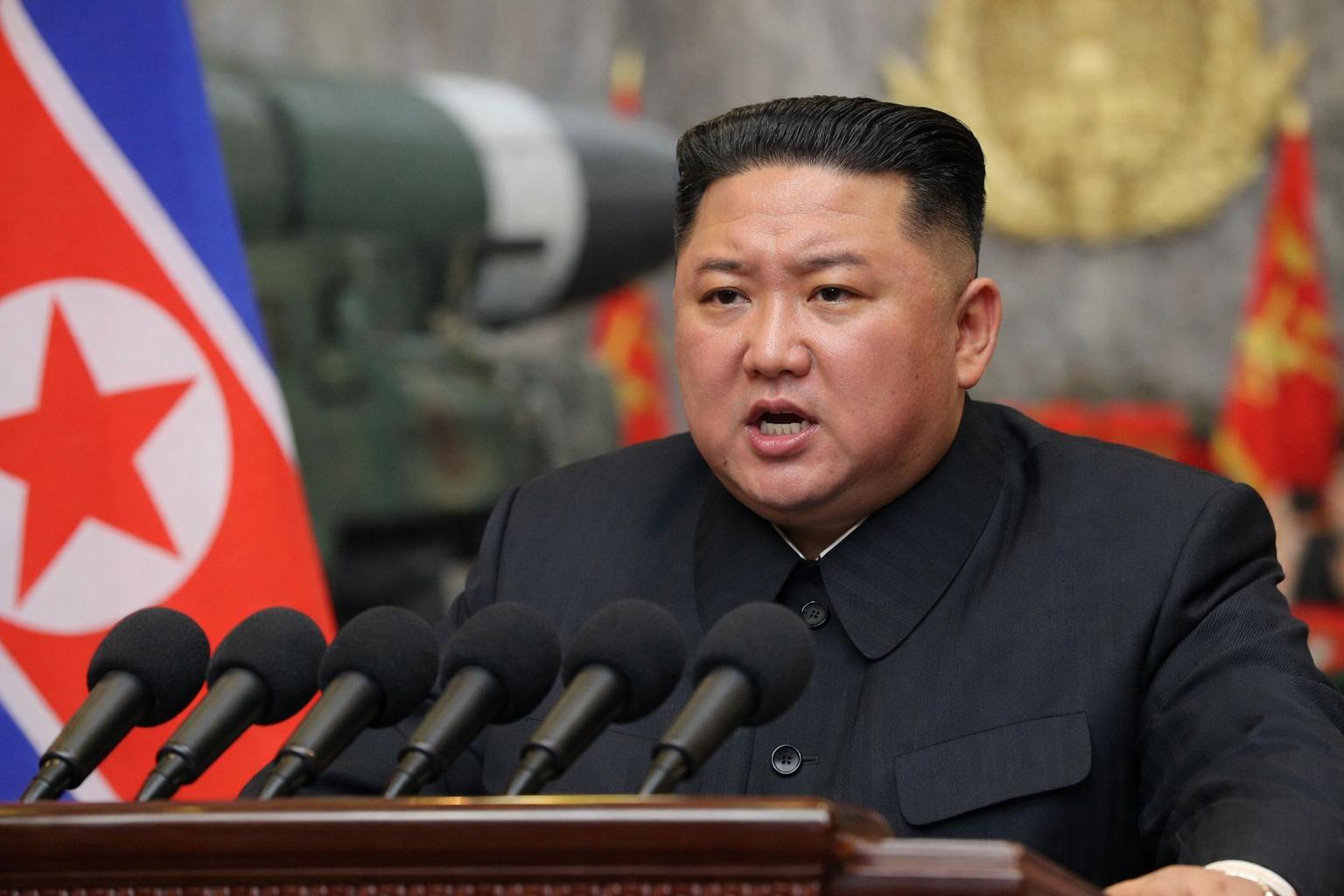
North Korea declares nuclear status irreversible, Kim Jong Un warns of expansion
North Korean leader Kim Jong Un has reaffirmed that his country will not abandon its nuclear weapons programme, declaring its status as a nuclear-armed state “irreversible” in a strongly worded address delivered to the nation’s legislature. The remarks came shortly after his reappointment as chairman of the State Affairs Commission, consolidating his leadership over the country’s highest decision-making body. According to official reports released on March 24, Kim outlined an intensified strategy to expand North Korea’s nuclear arsenal, framing the move as essential for national security and constitutional responsibility. He stated that Pyongyang would continue to strengthen its nuclear deterrent and advance its capabilities in response to what he described as ongoing threats from hostile forces. The leader emphasized that maintaining and enhancing nuclear readiness was a key priority, ensuring that the country remains prepared to counter strategic challenges. Kim portrayed the development of nuclear weapons as a justified and defensive measure, asserting that the programme aligns with the country’s long-term security goals. He indicated that North Korea would pursue both quantitative and qualitative improvements in its nuclear forces, underscoring a commitment to sustained military advancement amid rising geopolitical tensions in the region. The speech also included sharp criticism of South Korea, which Kim labelled as the “most hostile state.” He warned that any perceived provocation or infringement on North Korea’s sovereignty would be met with a decisive and uncompromising response. The language used signalled a continuation of strained inter-Korean relations, with little indication of near-term diplomatic engagement. Kim’s address covered broader policy areas, including defence, economic priorities, and relations with the United States, though nuclear policy remained the central focus. His remarks highlight an ongoing shift toward a more assertive security posture, raising concerns among regional and global observers about the future trajectory of East Asia’s security environment.
North Korea declares nuclear status irreversible, Kim Jong Un warns of expansion
North Korean leader Kim Jong Un has reaffirmed that his country will not abandon its nuclear weapons programme, declaring its status as a nuclear-armed state “irreversible” in a strongly worded address delivered to the nation’s legislature. The remarks came shortly after his reappointment as chairman of the State Affairs Commission, consolidating his leadership over the country’s highest decision-making body. According to official reports released on March 24, Kim outlined an intensified strategy to expand North Korea’s nuclear arsenal, framing the move as essential for national security and constitutional responsibility. He stated that Pyongyang would continue to strengthen its nuclear deterrent and advance its capabilities in response to what he described as ongoing threats from hostile forces. The leader emphasized that maintaining and enhancing nuclear readiness was a key priority, ensuring that the country remains prepared to counter strategic challenges. Kim portrayed the development of nuclear weapons as a justified and defensive measure, asserting that the programme aligns with the country’s long-term security goals. He indicated that North Korea would pursue both quantitative and qualitative improvements in its nuclear forces, underscoring a commitment to sustained military advancement amid rising geopolitical tensions in the region. The speech also included sharp criticism of South Korea, which Kim labelled as the “most hostile state.” He warned that any perceived provocation or infringement on North Korea’s sovereignty would be met with a decisive and uncompromising response. The language used signalled a continuation of strained inter-Korean relations, with little indication of near-term diplomatic engagement. Kim’s address covered broader policy areas, including defence, economic priorities, and relations with the United States, though nuclear policy remained the central focus. His remarks highlight an ongoing shift toward a more assertive security posture, raising concerns among regional and global observers about the future trajectory of East Asia’s security environment.
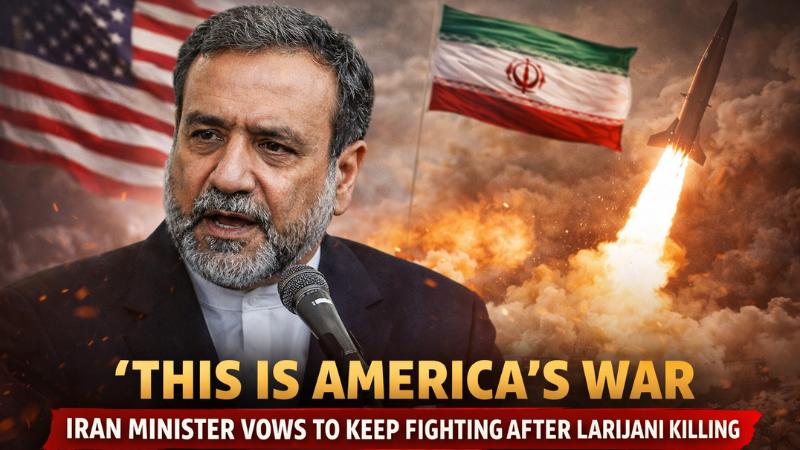
Iran Vows to Keep Fighting After Larijani Killing, Holds US and Israel Responsible
Iran has vowed to continue its fight against the United States and Israel following the killing of Ali Larijani, one of Iran's most influential political figures, in an Israeli airstrike. Iranian foreign minister Syed Abbas Araghchi made a bold statement, declaring that Iran’s political and economic structure would remain intact despite the loss of Larijani, the head of the Supreme National Security Council, who was killed alongside his family members and bodyguards near Tehran. I
Iran Vows to Keep Fighting After Larijani Killing, Holds US and Israel Responsible
Iran has vowed to continue its fight against the United States and Israel following the killing of Ali Larijani, one of Iran's most influential political figures, in an Israeli airstrike. Iranian foreign minister Syed Abbas Araghchi made a bold statement, declaring that Iran’s political and economic structure would remain intact despite the loss of Larijani, the head of the Supreme National Security Council, who was killed alongside his family members and bodyguards near Tehran. I
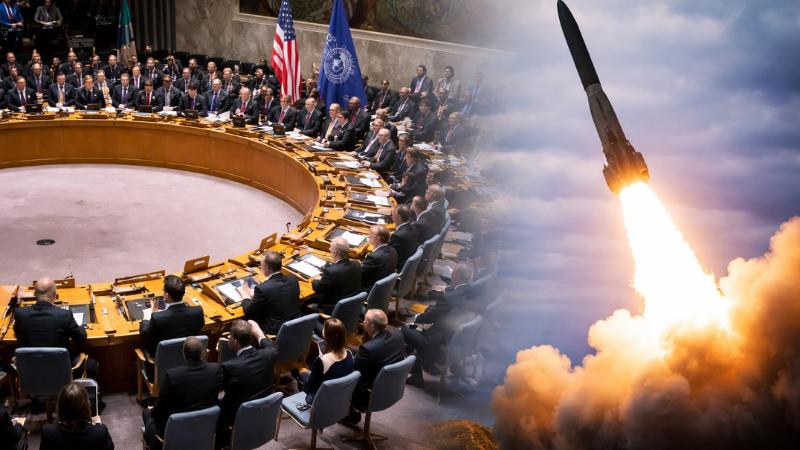
US condemns Russia over nuclear-capable Oreshnik missile use in Ukraine
The United States sharply criticised Russia on Monday, January 12, for its use of a nuclear-capable Oreshnik ballistic missile in Ukraine, describing the launch as a dangerous and unjustified escalation of the ongoing conflict. The condemnation was delivered during an emergency meeting of the United Nations Security Council convened to address the latest developments in the war. Addressing the council, US Deputy Ambassador to the United Nations Tammy Bruce said Russia’s decision t
US condemns Russia over nuclear-capable Oreshnik missile use in Ukraine
The United States sharply criticised Russia on Monday, January 12, for its use of a nuclear-capable Oreshnik ballistic missile in Ukraine, describing the launch as a dangerous and unjustified escalation of the ongoing conflict. The condemnation was delivered during an emergency meeting of the United Nations Security Council convened to address the latest developments in the war. Addressing the council, US Deputy Ambassador to the United Nations Tammy Bruce said Russia’s decision t
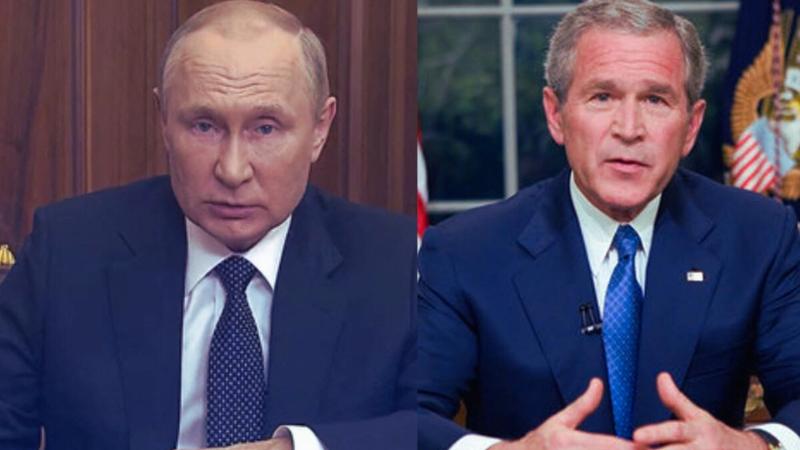
Putin warned Bush in 2001 over Pakistan nuclear threat, transcripts reveal
Newly released diplomatic transcripts have revealed that Russian President Vladimir Putin had expressed serious concerns to the United States as early as 2001 over Pakistan’s nuclear weapons programme, questioning why the West appeared largely unconcerned about a country without democratic governance possessing nuclear arms. The remarks were made during a private meeting with then US President
Putin warned Bush in 2001 over Pakistan nuclear threat, transcripts reveal
Newly released diplomatic transcripts have revealed that Russian President Vladimir Putin had expressed serious concerns to the United States as early as 2001 over Pakistan’s nuclear weapons programme, questioning why the West appeared largely unconcerned about a country without democratic governance possessing nuclear arms. The remarks were made during a private meeting with then US President
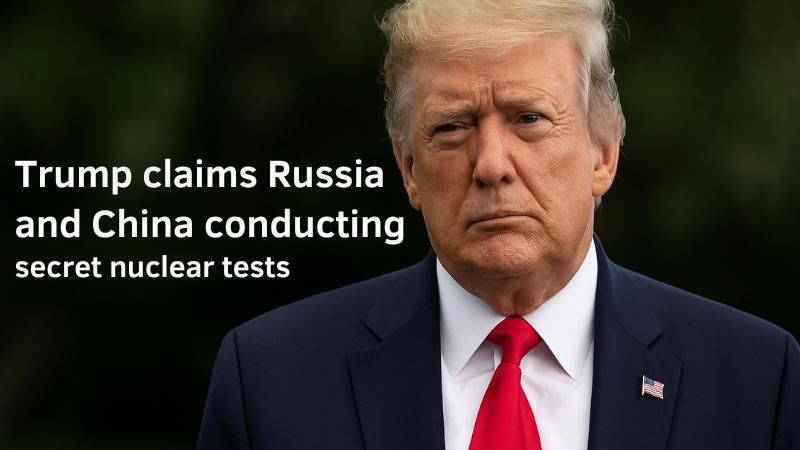
Trump claims Russia and China conducting secret underground nuclear tests
US President Donald Trump has alleged that Russia and China have been secretly conducting underground nuclear tests, accusing the two countries of violating global norms while defending his decision to restart nuclear testing in the United States after more than three decades. The statement has reignited debate over nuclear deterrence, global security, and the risks of renewed arms competition among the world’s leading powers. Speaking during an interview on Sunday, Trump claimed
Trump claims Russia and China conducting secret underground nuclear tests
US President Donald Trump has alleged that Russia and China have been secretly conducting underground nuclear tests, accusing the two countries of violating global norms while defending his decision to restart nuclear testing in the United States after more than three decades. The statement has reignited debate over nuclear deterrence, global security, and the risks of renewed arms competition among the world’s leading powers. Speaking during an interview on Sunday, Trump claimed
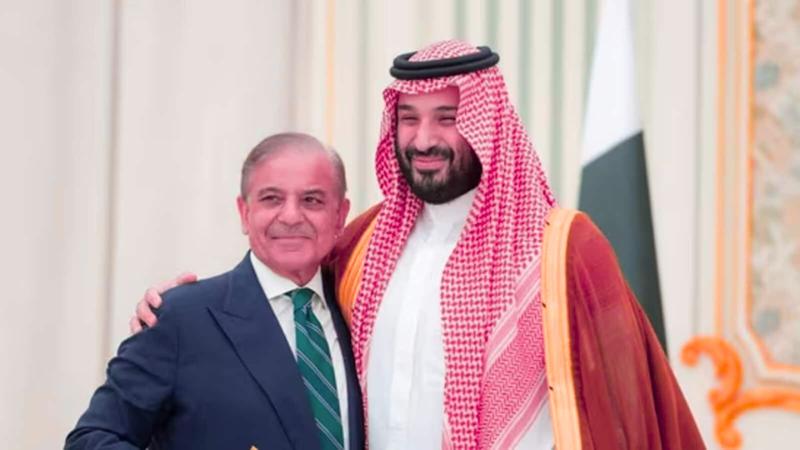
Saudi Arabia–Pakistan Defence Pact: Will Riyadh Stand With Islamabad Against India
Saudi Arabia’s decision to sign a Strategic Mutual Defence Agreement with Pakistan has stirred debates across South Asia and the Middle East. The pact, which promises that an attack on one country will be treated as an attack on both, resembles a NATO-style commitment. For Pakistan, struggling with economic and diplomatic challenges, this deal is seen as a significant political win and a potential deterrence against India. Yet, beneath the surface, exper
Saudi Arabia–Pakistan Defence Pact: Will Riyadh Stand With Islamabad Against India
Saudi Arabia’s decision to sign a Strategic Mutual Defence Agreement with Pakistan has stirred debates across South Asia and the Middle East. The pact, which promises that an attack on one country will be treated as an attack on both, resembles a NATO-style commitment. For Pakistan, struggling with economic and diplomatic challenges, this deal is seen as a significant political win and a potential deterrence against India. Yet, beneath the surface, exper










