US Iran Sanctions Expand as Military Strikes Intensify
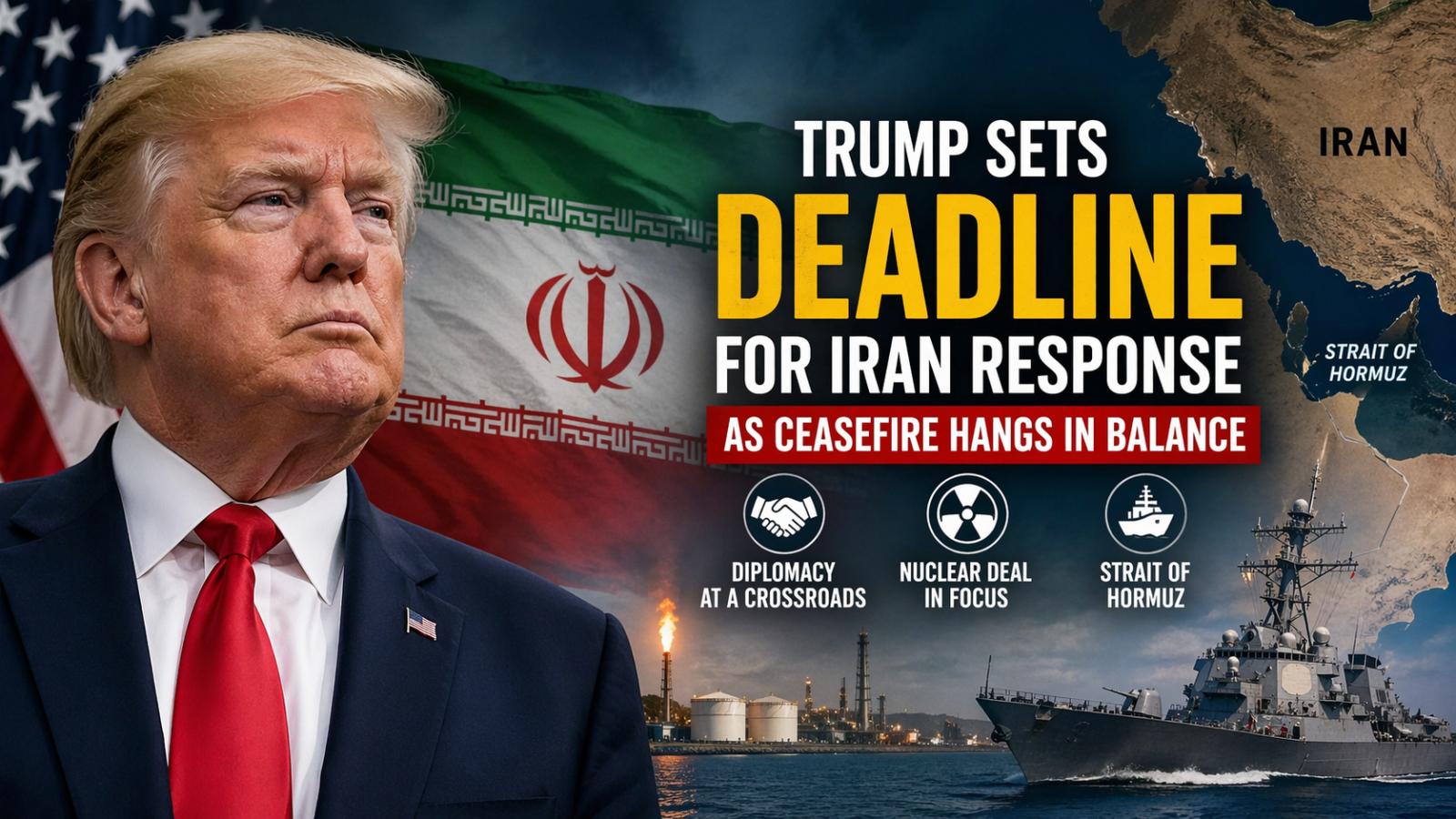
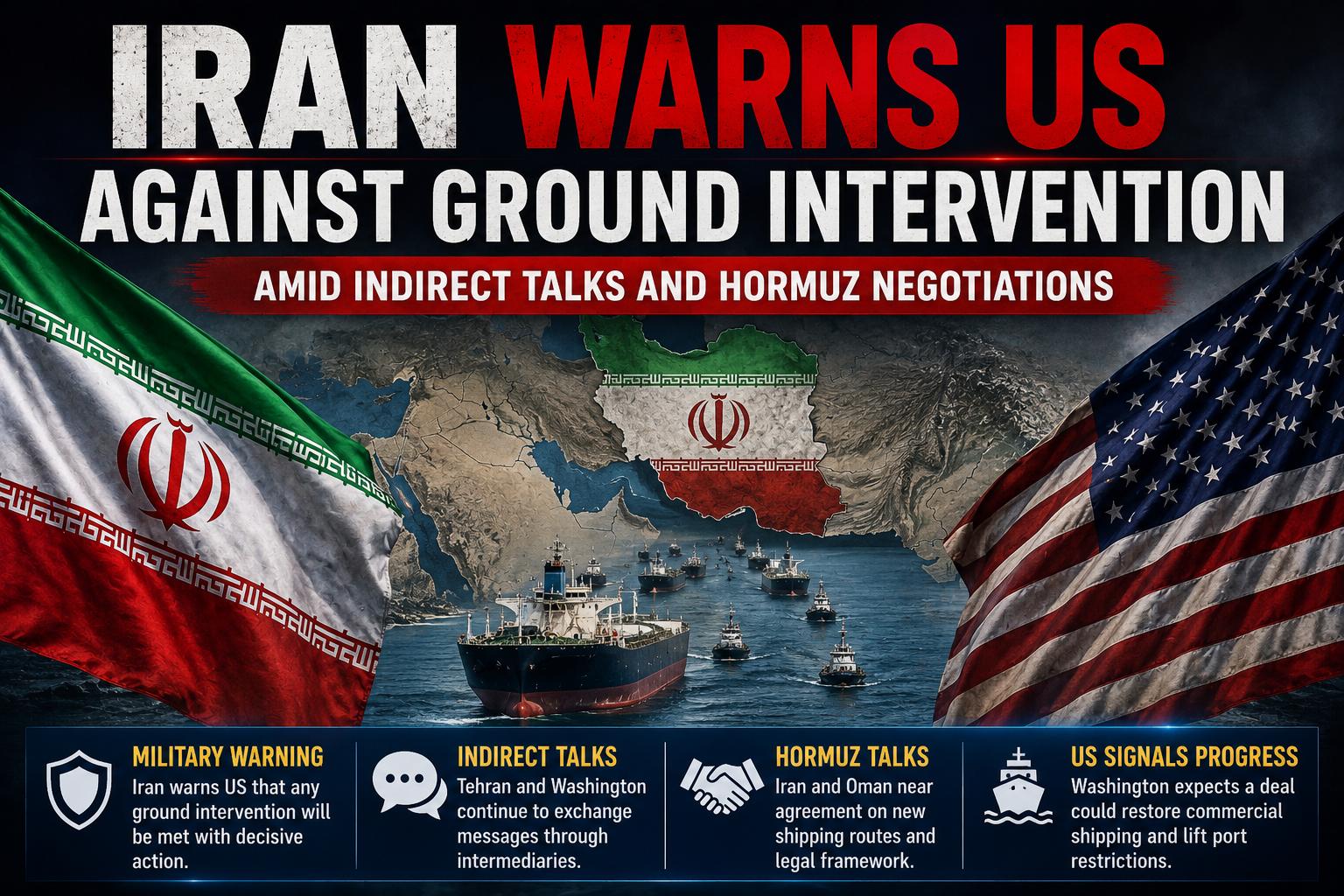
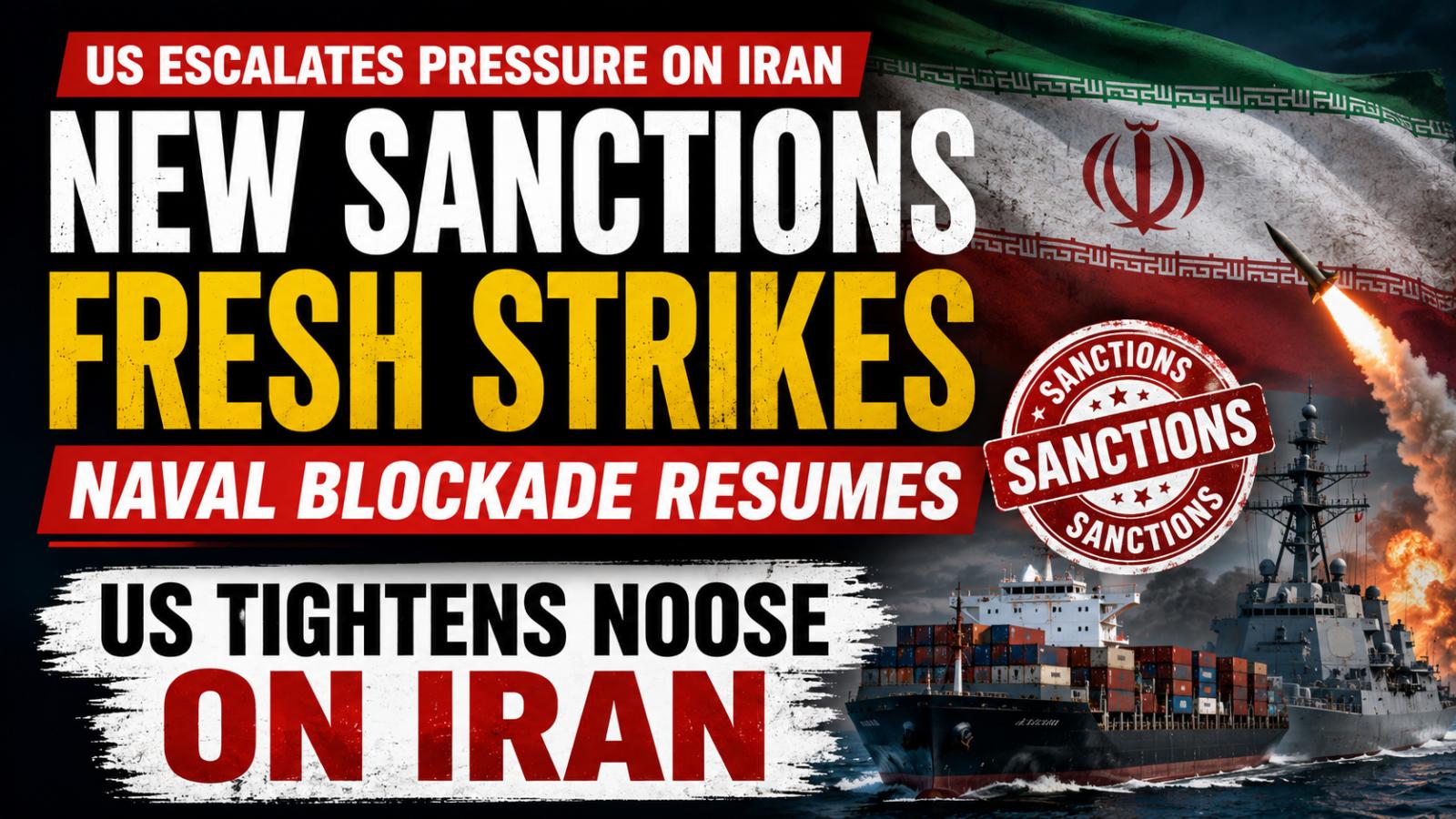
The United States imposed fresh Iran sanctions on Tuesday, July 14, targeting a major shipping and oil-trading network as American forces launched additional military strikes and moved to resume a naval blockade. The measures combine financial pressure with expanded military action amid a widening conflict involving commercial shipping and the Strait of Hormuz.
US Iran sanctions target Shamkhani shipping network
The US Treasury Department’s Office of Foreign Assets Control announced sanctions against more than 50 individuals, companies and vessels connected to a shipping network associated with Ali Shamkhani, a senior adviser to Iran’s leadership.
Treasury said the network helped Iran move oil and other commodities through shipping companies, intermediaries and vessels operating across several jurisdictions. According to the department, the July 14 action brought the number of people, entities and vessels sanctioned under Shamkhani’s alleged patronage to more than 200.
The designations generally block property and financial interests held within the United States or controlled by US persons. They also restrict transactions involving companies that sanctioned parties own by 50% or more.
OFAC licence permits limited wind-down activities
Alongside the sanctions, OFAC issued Iran General License Z. The licence authorises specific transactions involving people and vessels sanctioned on July 14 through September 12, 2026.
Permitted activities include winding down existing financial transactions, protecting vessel crews, conducting emergency repairs and addressing environmental risks. It also allows eligible vessels to dock at or depart from certain ports outside Iran and Russia.
The licence permits delivery and offloading of cargo loaded on or before July 14, provided the activity does not take place at ports in Iran, Russia or territories controlled by their governments. Payments to blocked parties must generally enter blocked, interest-bearing accounts in the United States.
General License Z is therefore a narrow operational exemption, not a reversal of the sanctions. Its purpose is to prevent abrupt disruptions from creating safety, environmental or commercial hazards while the restrictions take effect.
CENTCOM launches additional Iran strikes
US Central Command said American forces began another round of strikes against targets in Iran on Tuesday afternoon. CENTCOM said the operation focused on capabilities allegedly used to threaten or attack commercial shipping near the Strait of Hormuz.
The US military has carried out several rounds of strikes during the conflict, describing them as responses to attacks on American assets and international shipping. Iran has disputed Washington’s account of the hostilities and has accused the United States of escalating the regional crisis.
Claims about individual targets, damage and casualties require independent confirmation because military statements from parties involved in an active conflict may reflect operational assessments that remain incomplete.
Naval blockade raises shipping concerns
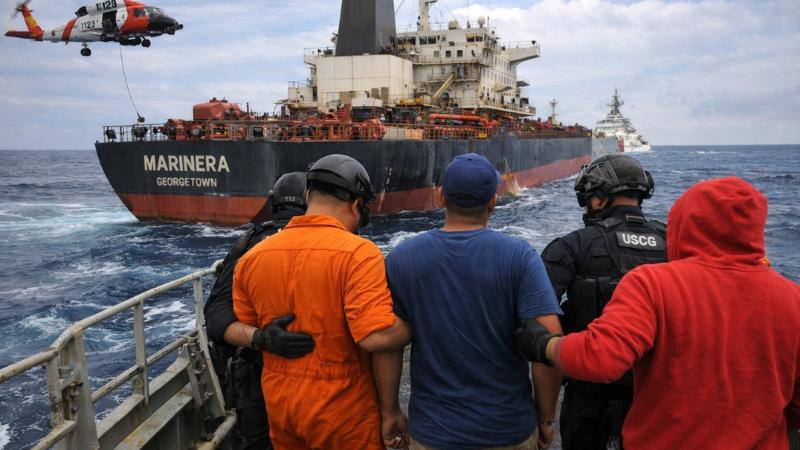
CENTCOM also announced the resumption of a blockade involving ships entering or leaving Iranian ports. The US military had previously enforced blockade measures against vessels suspected of attempting to reach Iran and said it had redirected commercial ships during earlier operations.
The renewed action could increase risks for shipping companies, insurers and energy traders operating near the Gulf of Oman and Strait of Hormuz. The waterway remains vital to global energy trade, making any disruption capable of affecting freight costs, insurance premiums and oil-market confidence.
The sanctions, limited OFAC licence, military strikes and naval blockade show Washington pursuing a coordinated strategy against Iran’s revenue networks and maritime capabilities. However, the escalating campaign also increases the risk of further retaliation, commercial disruption and a broader regional confrontation.