









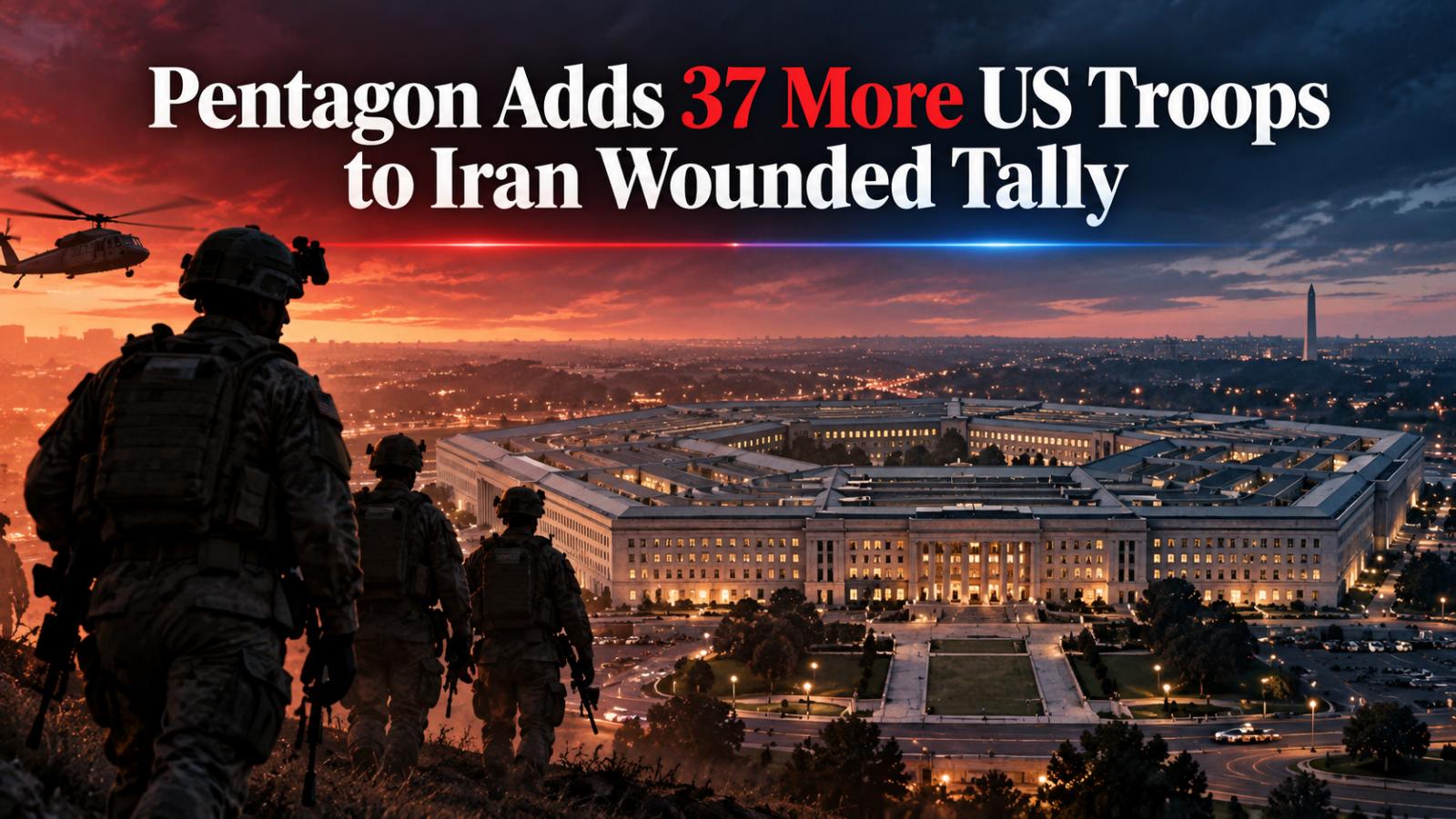
Pentagon Iran Casualty Update Adds 29 Sailors, 8 Marines
The latest Iran casualty update shows the Pentagon’s public wounded count rising by 37 service members, taking the recorded total to 861. The additions include Navy and Marine personnel, while the DCAS data does not publicly explain when or how the newly listed injuries occurred. Navy toll rises with 29 sailors added The latest change includes 29 Navy sailors. A Navy official said the sailors
Pentagon Iran Casualty Update Adds 29 Sailors, 8 Marines
The latest Iran casualty update shows the Pentagon’s public wounded count rising by 37 service members, taking the recorded total to 861. The additions include Navy and Marine personnel, while the DCAS data does not publicly explain when or how the newly listed injuries occurred. Navy toll rises with 29 sailors added The latest change includes 29 Navy sailors. A Navy official said the sailors
US Releases Video of Iranian Tanker Sinking in Gulf of Oman
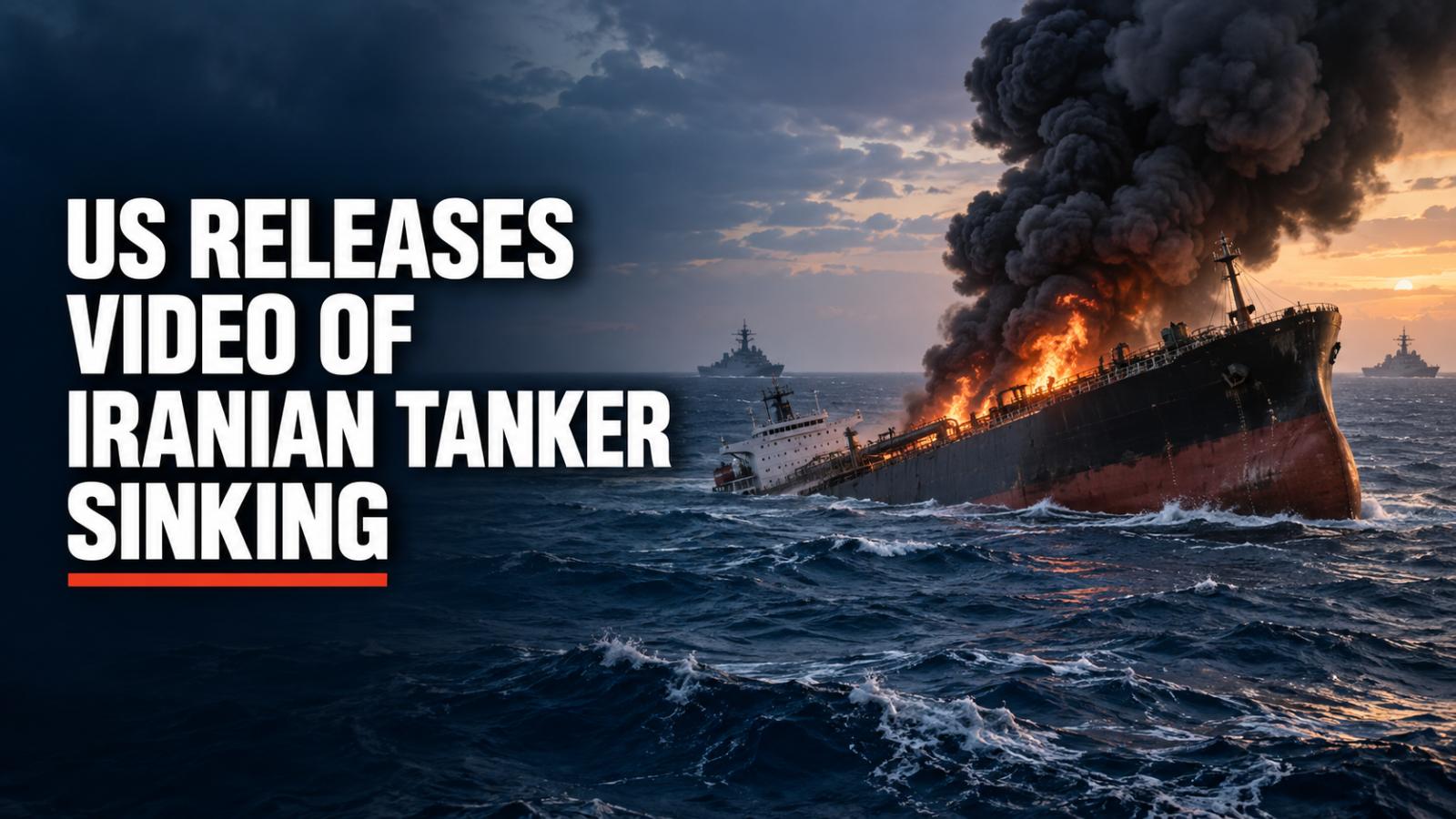
CENTCOM released footage on Sunday, September 6, 2026, showing the M/T Kylo burning and sinking in the Gulf of Oman after a US strike. The incident followed US attacks on three Iranian tankers and intensified fears over regional shipping and oil trade. United States Central Command has released video showing the M/T Kylo, an Iranian-linked oil tanker also known as the Noxen, burning and sinking in the Gulf of Oman followi
US Releases Video of Iranian Tanker Sinking in Gulf of Oman
CENTCOM released footage on Sunday, September 6, 2026, showing the M/T Kylo burning and sinking in the Gulf of Oman after a US strike. The incident followed US attacks on three Iranian tankers and intensified fears over regional shipping and oil trade. United States Central Command has released video showing the M/T Kylo, an Iranian-linked oil tanker also known as the Noxen, burning and sinking in the Gulf of Oman followi
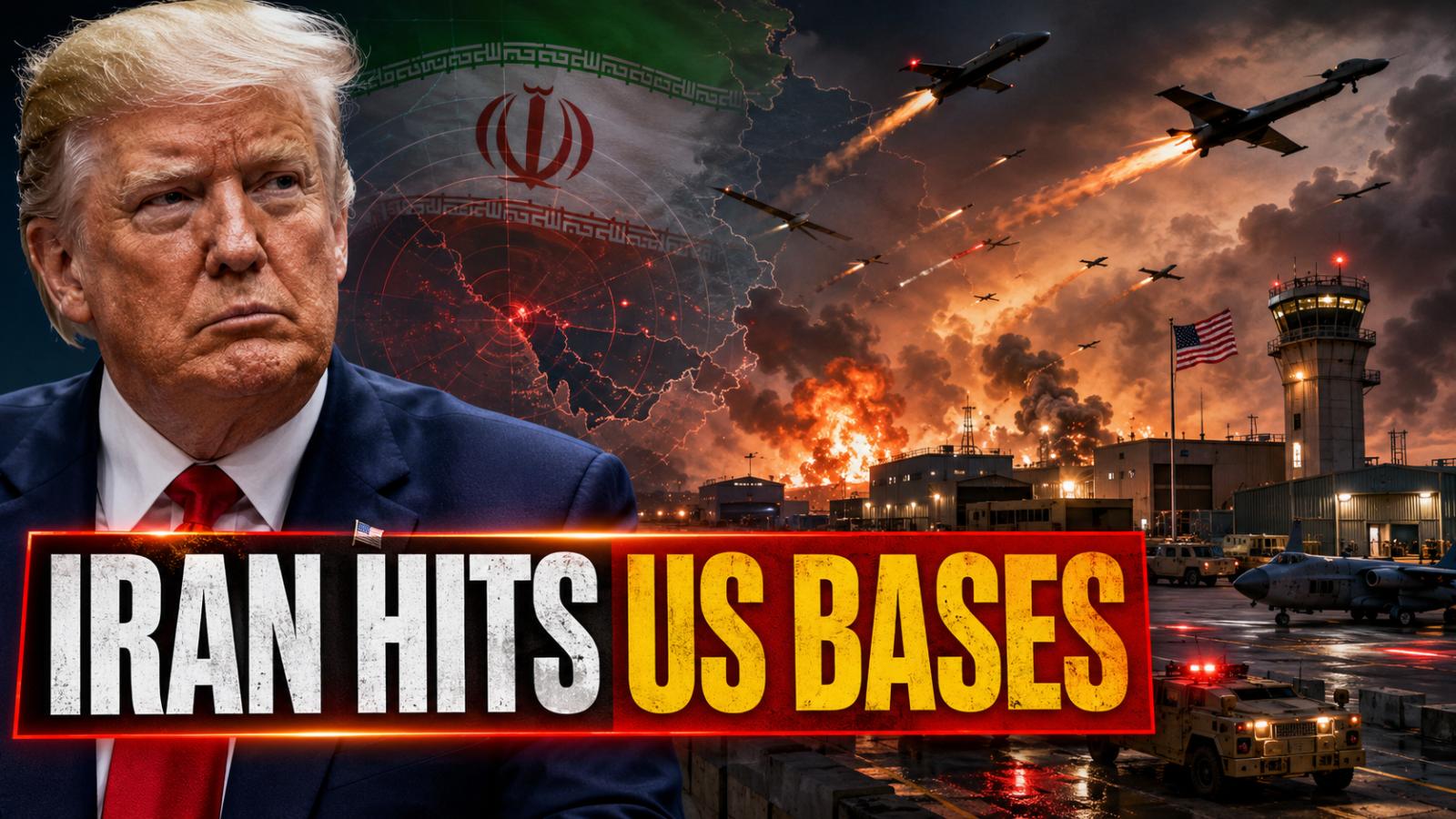
Iran strikes US bases in Kuwait as Trump warns of more attacks
The US-Iran conflict has entered another dangerous phase after Tehran launched a fresh wave of missile and drone attacks against American-linked military facilities across the Gulf. The retaliation followed renewed US strikes on Iranian military targets, while President Donald Trump warned that Washington remains ready to attack again. Iran strikes US bases after renewed American attacks Iran l
Iran strikes US bases in Kuwait as Trump warns of more attacks
The US-Iran conflict has entered another dangerous phase after Tehran launched a fresh wave of missile and drone attacks against American-linked military facilities across the Gulf. The retaliation followed renewed US strikes on Iranian military targets, while President Donald Trump warned that Washington remains ready to attack again. Iran strikes US bases after renewed American attacks Iran l
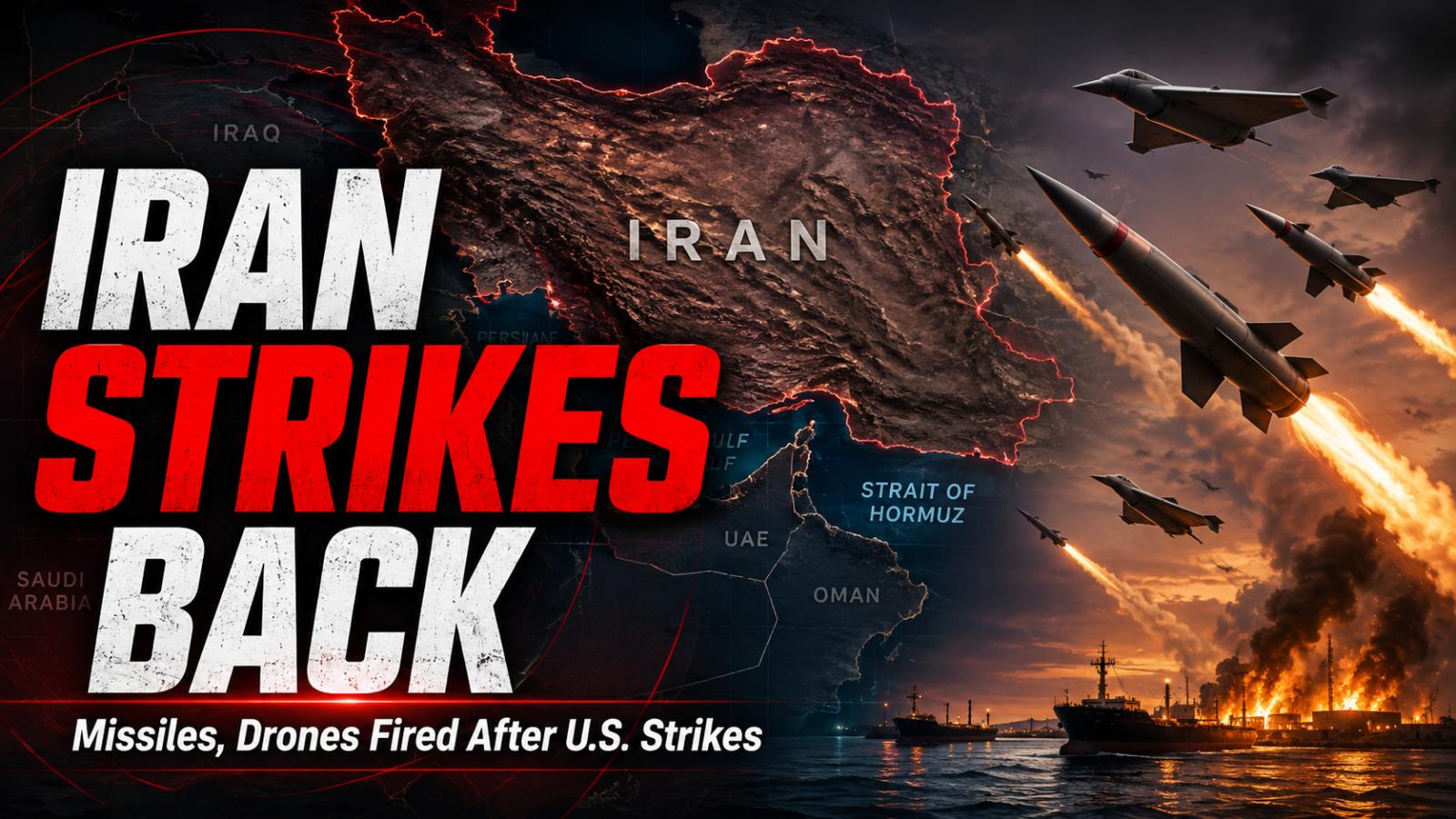
Iran Retaliation Begins After Fresh US Strikes on IRGC Targets
Iran launched missile and drone attacks against US-linked military targets after American forces carried out a new wave of strikes on Islamic Revolutionary Guard Corps facilities across southern Iran. The Iran retaliation marks the sharpest escalation in weeks and has again placed the Strait of Hormuz and regional US bases at the centre of the conflict. US Iran Strikes US Central Command confirmed that American forces carried out coordinated strikes on September 1 against IRGC military targets. CENTCOM said the operation hit air-defence sites, radar systems, maritime assets, mine-laying capabilities and communications facilities. The command said the strikes followed attempted Iranian attacks against commercial shipping in the Strait of Hormuz and American service members in the region. The strikes were concentrated around southern Iran and the strategically important Hormuz region. Separate reporting said Iranian areas including Bandar Abbas, Qeshm, Jask and other coastal locations were among those affected as the conflict returned to a more intense phase. IRGC Response Iranian forces responded with missiles and drones aimed at US assets across the region. Iranian state-linked media described the attacks as retaliation for the latest American operation, while the IRGC promised what it called severe punishment for further strikes. Jordan and Bahrain reported intercepting Iranian missiles and drones, while Iranian sources also claimed strikes against US positions in Iraq. Claims of American casualties made by Tehran had not been independently confirmed by US officials at the time of reporting. The renewed exchanges show that both sides remain willing to use direct military force despite earlier efforts to reduce hostilities. Hormuz Crisis The Strait of Hormuz remains the most sensitive flashpoint. Washington says its latest operation followed Iranian attempts to threaten commercial shipping and deploy mine-laying capabilities near the waterway. CENTCOM has repeatedly described freedom of navigation through the strait as a key US military objective. The escalation immediately affected energy markets. Brent crude rose toward $96 a barrel as traders reacted to the possibility of renewed disruption in a route responsible for a major share of global oil exports. Any sustained attacks on shipping, ports or energy infrastructure could therefore have economic consequences far beyond the Middle East. Trump Warns Iran President Donald Trump defended the latest US strikes and warned Tehran that further retaliation could trigger an even stronger American response. He said the operation was justified by Iranian attempts to place mines in the Strait of Hormuz and previous attacks directed at US forces. Trump’s warning came even as Iranian officials insisted they would continue responding to attacks on their territory. The competing threats have sharply reduced hopes that the current exchange will quickly return to the relative calm seen during parts of August. Regional Escalation Risk The latest fighting follows the August 30 US strike on two Iranian launchers on Larak Island, which American officials said were preparing to deploy sea mines. Iran answered that operation with ballistic missile attacks against US forces in Jordan. With fresh American strikes now followed by a broader Iranian missile and drone response, the conflict appears to be entering another dangerous phase. The immediate question is whether both governments contain the exchanges or allow retaliation to expand across US bases, Iranian military facilities and shipping routes around the Strait of Hormuz.
Iran Retaliation Begins After Fresh US Strikes on IRGC Targets
Iran launched missile and drone attacks against US-linked military targets after American forces carried out a new wave of strikes on Islamic Revolutionary Guard Corps facilities across southern Iran. The Iran retaliation marks the sharpest escalation in weeks and has again placed the Strait of Hormuz and regional US bases at the centre of the conflict. US Iran Strikes US Central Command confirmed that American forces carried out coordinated strikes on September 1 against IRGC military targets. CENTCOM said the operation hit air-defence sites, radar systems, maritime assets, mine-laying capabilities and communications facilities. The command said the strikes followed attempted Iranian attacks against commercial shipping in the Strait of Hormuz and American service members in the region. The strikes were concentrated around southern Iran and the strategically important Hormuz region. Separate reporting said Iranian areas including Bandar Abbas, Qeshm, Jask and other coastal locations were among those affected as the conflict returned to a more intense phase. IRGC Response Iranian forces responded with missiles and drones aimed at US assets across the region. Iranian state-linked media described the attacks as retaliation for the latest American operation, while the IRGC promised what it called severe punishment for further strikes. Jordan and Bahrain reported intercepting Iranian missiles and drones, while Iranian sources also claimed strikes against US positions in Iraq. Claims of American casualties made by Tehran had not been independently confirmed by US officials at the time of reporting. The renewed exchanges show that both sides remain willing to use direct military force despite earlier efforts to reduce hostilities. Hormuz Crisis The Strait of Hormuz remains the most sensitive flashpoint. Washington says its latest operation followed Iranian attempts to threaten commercial shipping and deploy mine-laying capabilities near the waterway. CENTCOM has repeatedly described freedom of navigation through the strait as a key US military objective. The escalation immediately affected energy markets. Brent crude rose toward $96 a barrel as traders reacted to the possibility of renewed disruption in a route responsible for a major share of global oil exports. Any sustained attacks on shipping, ports or energy infrastructure could therefore have economic consequences far beyond the Middle East. Trump Warns Iran President Donald Trump defended the latest US strikes and warned Tehran that further retaliation could trigger an even stronger American response. He said the operation was justified by Iranian attempts to place mines in the Strait of Hormuz and previous attacks directed at US forces. Trump’s warning came even as Iranian officials insisted they would continue responding to attacks on their territory. The competing threats have sharply reduced hopes that the current exchange will quickly return to the relative calm seen during parts of August. Regional Escalation Risk The latest fighting follows the August 30 US strike on two Iranian launchers on Larak Island, which American officials said were preparing to deploy sea mines. Iran answered that operation with ballistic missile attacks against US forces in Jordan. With fresh American strikes now followed by a broader Iranian missile and drone response, the conflict appears to be entering another dangerous phase. The immediate question is whether both governments contain the exchanges or allow retaliation to expand across US bases, Iranian military facilities and shipping routes around the Strait of Hormuz.
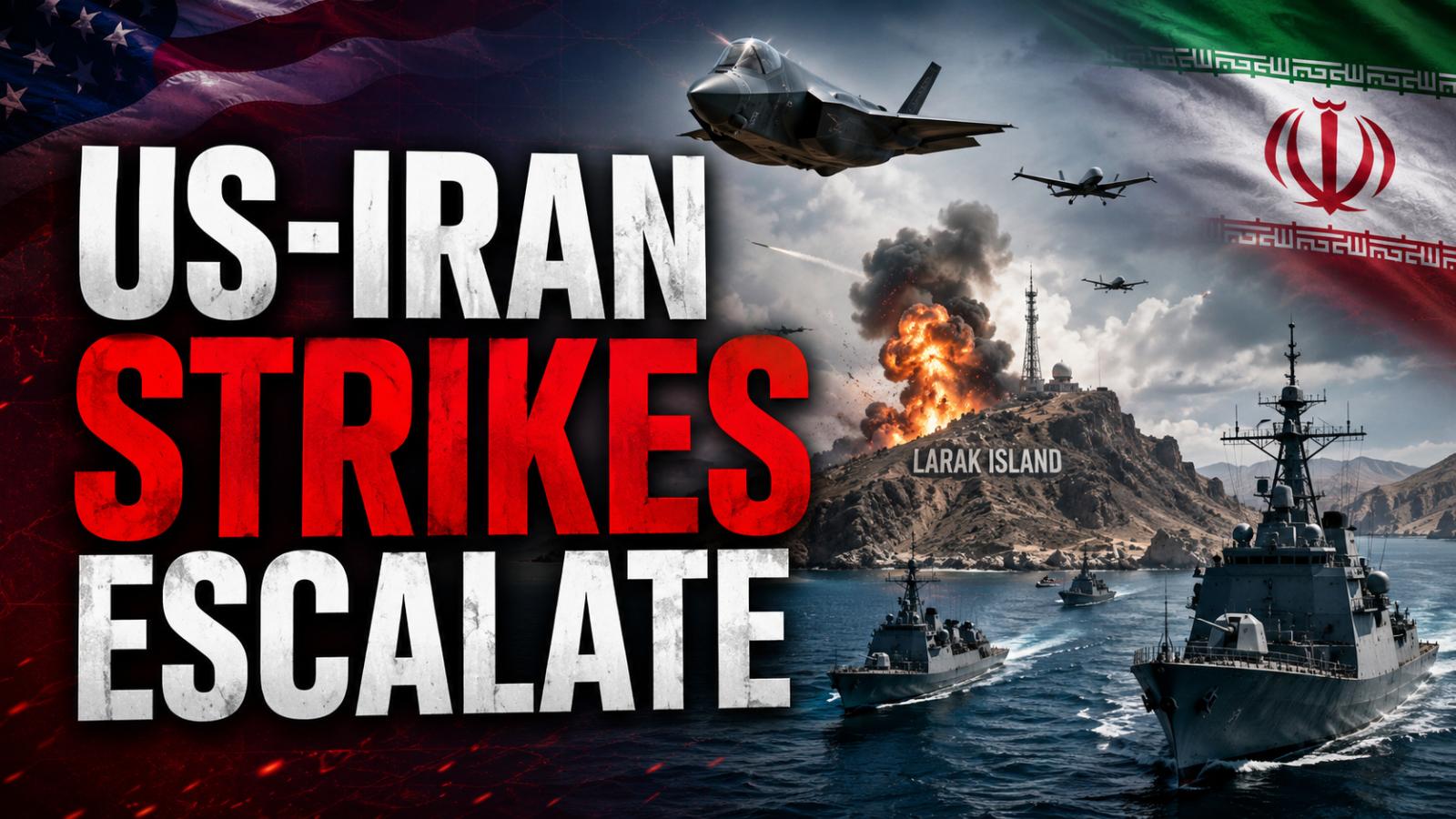
US-Iran Strikes Resume as Larak Attack Triggers Retaliation
The US-Iran confrontation has entered another tense phase after American forces struck Iranian launchers on Larak Island near the Strait of Hormuz. Iran responded with claims of attacks on US-linked bases in the region, while diplomatic efforts continued in Bishkek, where Prime Minister Narendra Modi met Iranian President Masoud Pezeshkian. Larak Island Strike
US-Iran Strikes Resume as Larak Attack Triggers Retaliation
The US-Iran confrontation has entered another tense phase after American forces struck Iranian launchers on Larak Island near the Strait of Hormuz. Iran responded with claims of attacks on US-linked bases in the region, while diplomatic efforts continued in Bishkek, where Prime Minister Narendra Modi met Iranian President Masoud Pezeshkian. Larak Island Strike
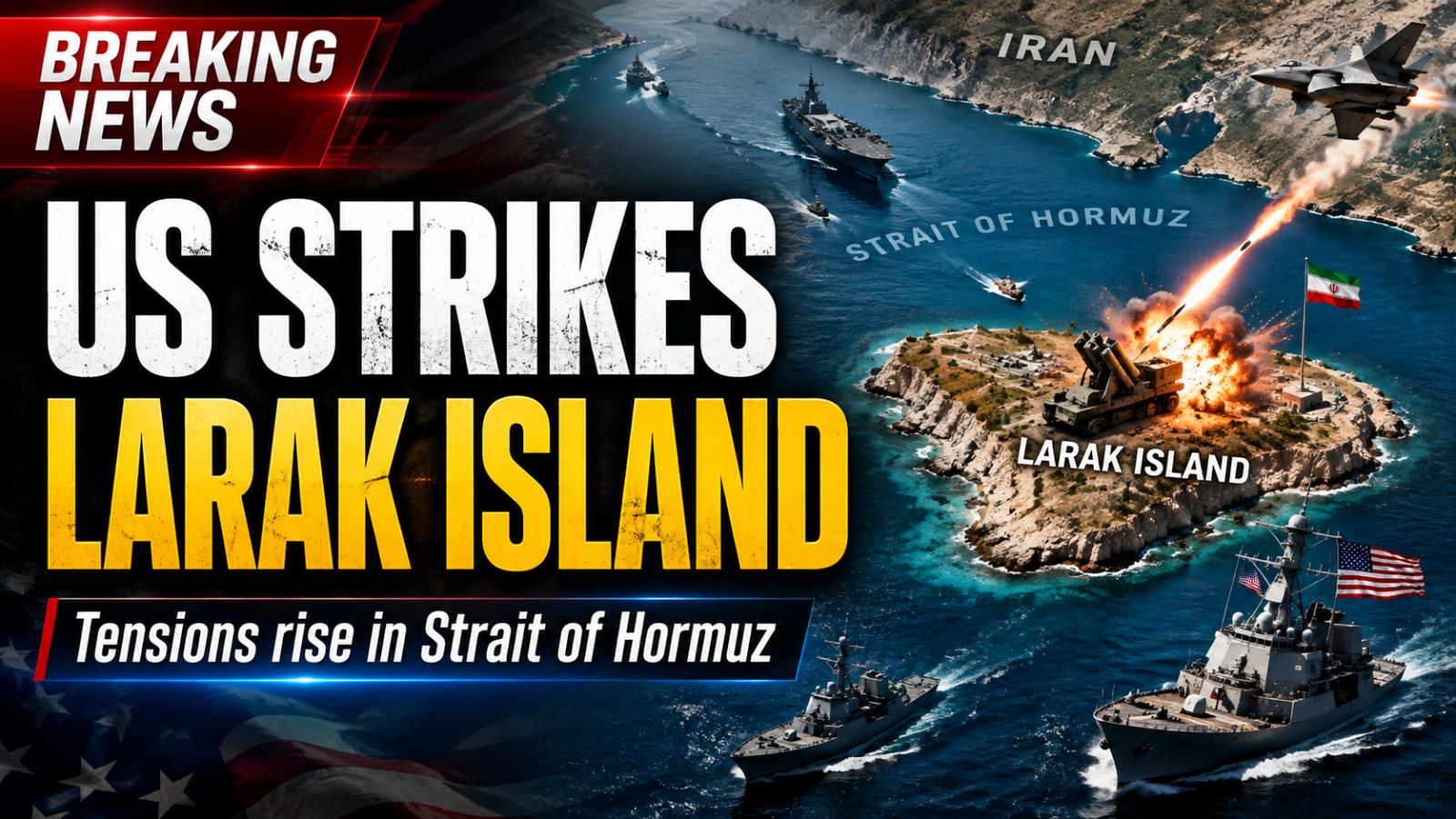
US Strike on Larak Island Targets Iranian Rocket Launchers
US forces struck two Iranian rocket launchers on Larak Island near the Strait of Hormuz on Sunday, according to reports citing American officials. The US strike on Larak Island marked the first known American attack inside Iran in more than a month and immediately raised fears of renewed escalation around the vital shipping route. Iran Rocket Launchers US officials said Islamic Revolutionary Guard Corps forces had been observed preparing rocket systems that could be used to deploy sea mines into the Strait of Hormuz. The alleged activity prompted American forces to target two launchers on Larak Island before they could be used. Iranian media also reported an explosion near the island, although initial accounts differed over the scale and method of the attack. Larak sits near Bandar Abbas and close to several islands controlling access to the strait, giving it strategic importance for both Iran and international shipping. Strait of Hormuz Mine Threat The strike came shortly after US Central Command completed an operation aimed at clearing sea mines from international shipping lanes in the Strait of Hormuz. American officials said forces remained prepared to protect commercial traffic through the waterway. The strait is one of the world’s most important energy corridors. Any renewed mine activity could threaten tankers, disrupt insurance and shipping schedules, and raise energy-market concerns far beyond the Gulf. President Donald Trump had previously warned that any vessel involved in laying new mines would be targeted. He described the policy as one of “zero tolerance” toward additional mine placement. IRGC Response Iran’s Revolutionary Guards responded sharply after the attack. Iranian reports said the strike killed two people and wounded two others, while the IRGC later said Iranian fighters and civilians had been killed or injured. The Guards promised retaliation, saying those responsible for the attack would face punishment. The statement signalled that Tehran does not view the Larak strike as a limited tactical incident, raising concern that the confrontation could trigger another cycle of attacks and counterattacks. Hormuz Strike After Month-Long Pause The attack was described in the source material as the first known US strike inside Iran since late July, when Washington paused an earlier military campaign around the Strait of Hormuz. That pause had reduced direct exchanges, but tensions over mining activity and freedom of navigation remained unresolved. The latest strike therefore carries significance beyond the destruction of two launchers. It shows that Washington is prepared to resume direct military action if it believes Iranian forces are preparing to threaten shipping lanes. Shipping Security in Focus For global markets, the immediate question is whether the incident remains contained. The Strait of Hormuz connects Gulf energy exporters with world markets, and even a limited military confrontation can affect oil prices, tanker movements and freight costs. US forces say they are monitoring the area closely, while Iran has warned of retaliation. Until either side signals restraint, the Larak Island strike is likely to keep military planners, shipping companies and energy traders focused on the risk of renewed disruption in the Strait of Hormuz.
US Strike on Larak Island Targets Iranian Rocket Launchers
US forces struck two Iranian rocket launchers on Larak Island near the Strait of Hormuz on Sunday, according to reports citing American officials. The US strike on Larak Island marked the first known American attack inside Iran in more than a month and immediately raised fears of renewed escalation around the vital shipping route. Iran Rocket Launchers US officials said Islamic Revolutionary Guard Corps forces had been observed preparing rocket systems that could be used to deploy sea mines into the Strait of Hormuz. The alleged activity prompted American forces to target two launchers on Larak Island before they could be used. Iranian media also reported an explosion near the island, although initial accounts differed over the scale and method of the attack. Larak sits near Bandar Abbas and close to several islands controlling access to the strait, giving it strategic importance for both Iran and international shipping. Strait of Hormuz Mine Threat The strike came shortly after US Central Command completed an operation aimed at clearing sea mines from international shipping lanes in the Strait of Hormuz. American officials said forces remained prepared to protect commercial traffic through the waterway. The strait is one of the world’s most important energy corridors. Any renewed mine activity could threaten tankers, disrupt insurance and shipping schedules, and raise energy-market concerns far beyond the Gulf. President Donald Trump had previously warned that any vessel involved in laying new mines would be targeted. He described the policy as one of “zero tolerance” toward additional mine placement. IRGC Response Iran’s Revolutionary Guards responded sharply after the attack. Iranian reports said the strike killed two people and wounded two others, while the IRGC later said Iranian fighters and civilians had been killed or injured. The Guards promised retaliation, saying those responsible for the attack would face punishment. The statement signalled that Tehran does not view the Larak strike as a limited tactical incident, raising concern that the confrontation could trigger another cycle of attacks and counterattacks. Hormuz Strike After Month-Long Pause The attack was described in the source material as the first known US strike inside Iran since late July, when Washington paused an earlier military campaign around the Strait of Hormuz. That pause had reduced direct exchanges, but tensions over mining activity and freedom of navigation remained unresolved. The latest strike therefore carries significance beyond the destruction of two launchers. It shows that Washington is prepared to resume direct military action if it believes Iranian forces are preparing to threaten shipping lanes. Shipping Security in Focus For global markets, the immediate question is whether the incident remains contained. The Strait of Hormuz connects Gulf energy exporters with world markets, and even a limited military confrontation can affect oil prices, tanker movements and freight costs. US forces say they are monitoring the area closely, while Iran has warned of retaliation. Until either side signals restraint, the Larak Island strike is likely to keep military planners, shipping companies and energy traders focused on the risk of renewed disruption in the Strait of Hormuz.
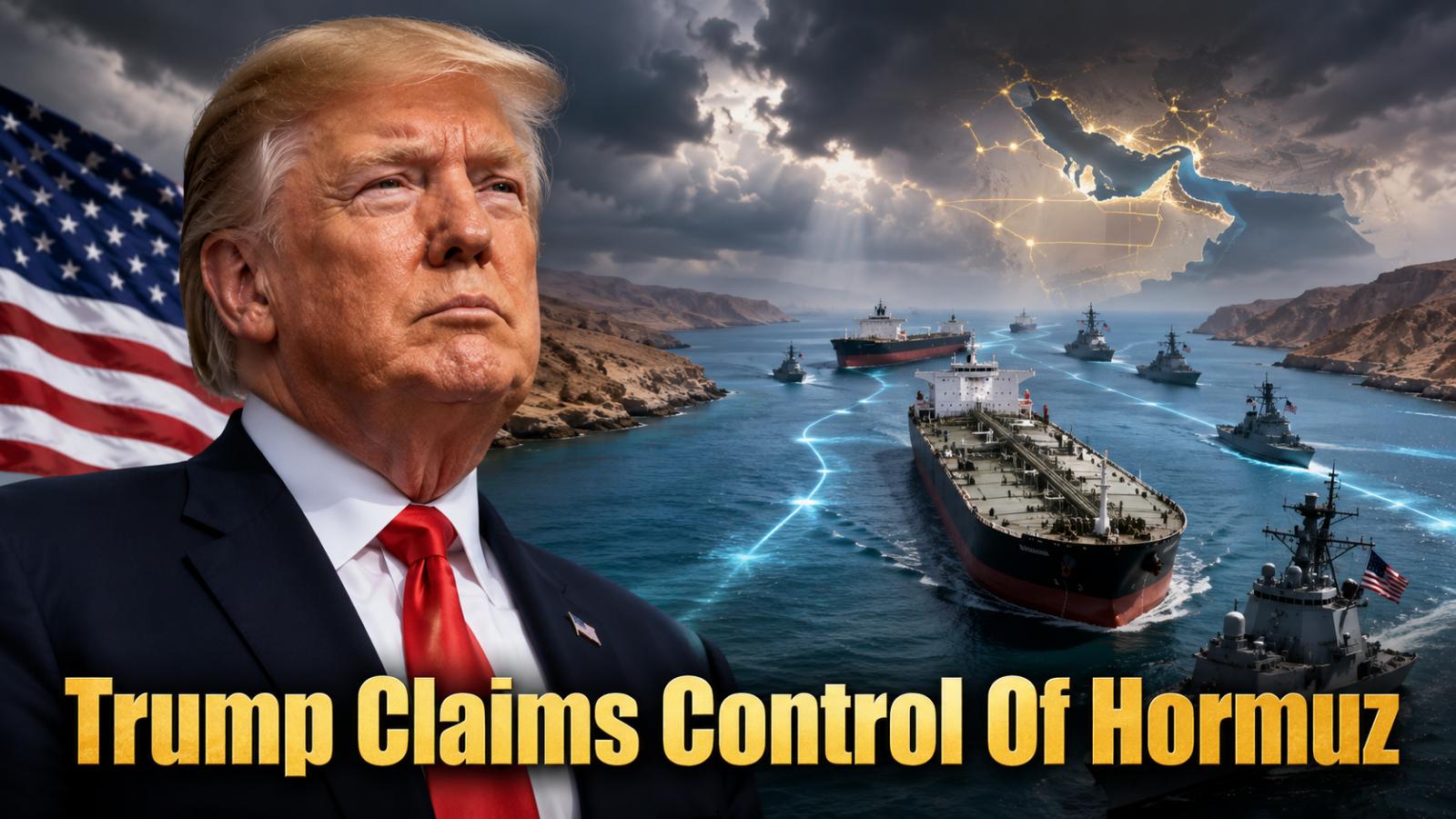
Trump Claims US Control of Strait of Hormuz as Oil Flows Rise
President Donald Trump has renewed his US Hormuz control claim, saying Washington has “complete control” of the Strait of Hormuz as more oil tankers move through the strategic waterway. Shipping remains well below normal levels, however, while Iran continues to dispute American claims of control. Trump Hormuz claim Trump told reporters on Wednesday that a large number of vessels had recentl
Trump Claims US Control of Strait of Hormuz as Oil Flows Rise
President Donald Trump has renewed his US Hormuz control claim, saying Washington has “complete control” of the Strait of Hormuz as more oil tankers move through the strategic waterway. Shipping remains well below normal levels, however, while Iran continues to dispute American claims of control. Trump Hormuz claim Trump told reporters on Wednesday that a large number of vessels had recentl
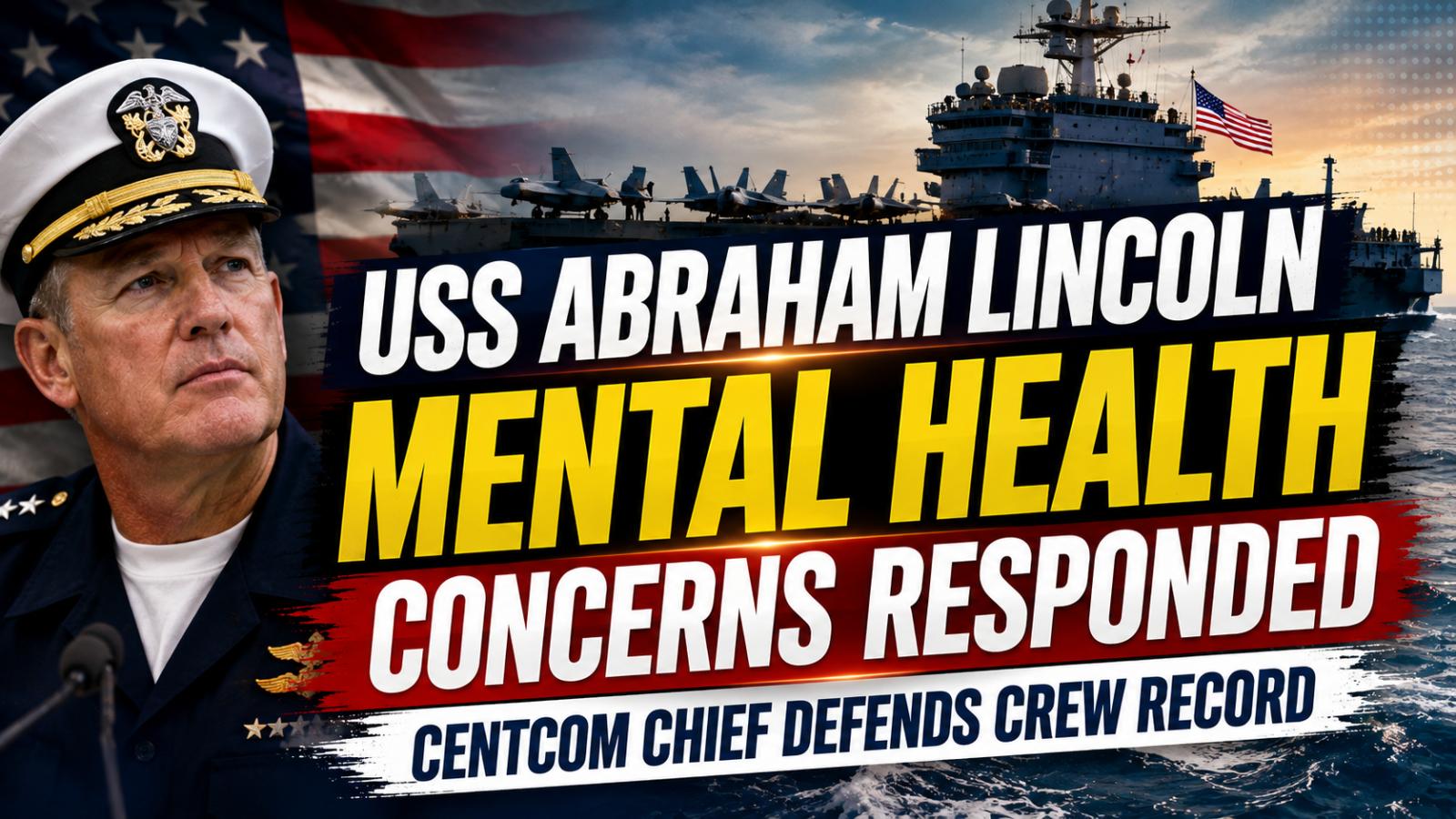
USS Abraham Lincoln Mental Health Concerns Draw CENTCOM Response
USS Abraham Lincoln mental health concerns are drawing scrutiny after its unusually long deployment, prompting CENTCOM commander Adm. Brad Cooper to defend the crew's resilience. Cooper said the carrier has among the Navy's lowest number of reported mental health cases while acknowledging the strain of prolonged service at sea. CENTCOM response addresses menta
USS Abraham Lincoln Mental Health Concerns Draw CENTCOM Response
USS Abraham Lincoln mental health concerns are drawing scrutiny after its unusually long deployment, prompting CENTCOM commander Adm. Brad Cooper to defend the crew's resilience. Cooper said the carrier has among the Navy's lowest number of reported mental health cases while acknowledging the strain of prolonged service at sea. CENTCOM response addresses menta
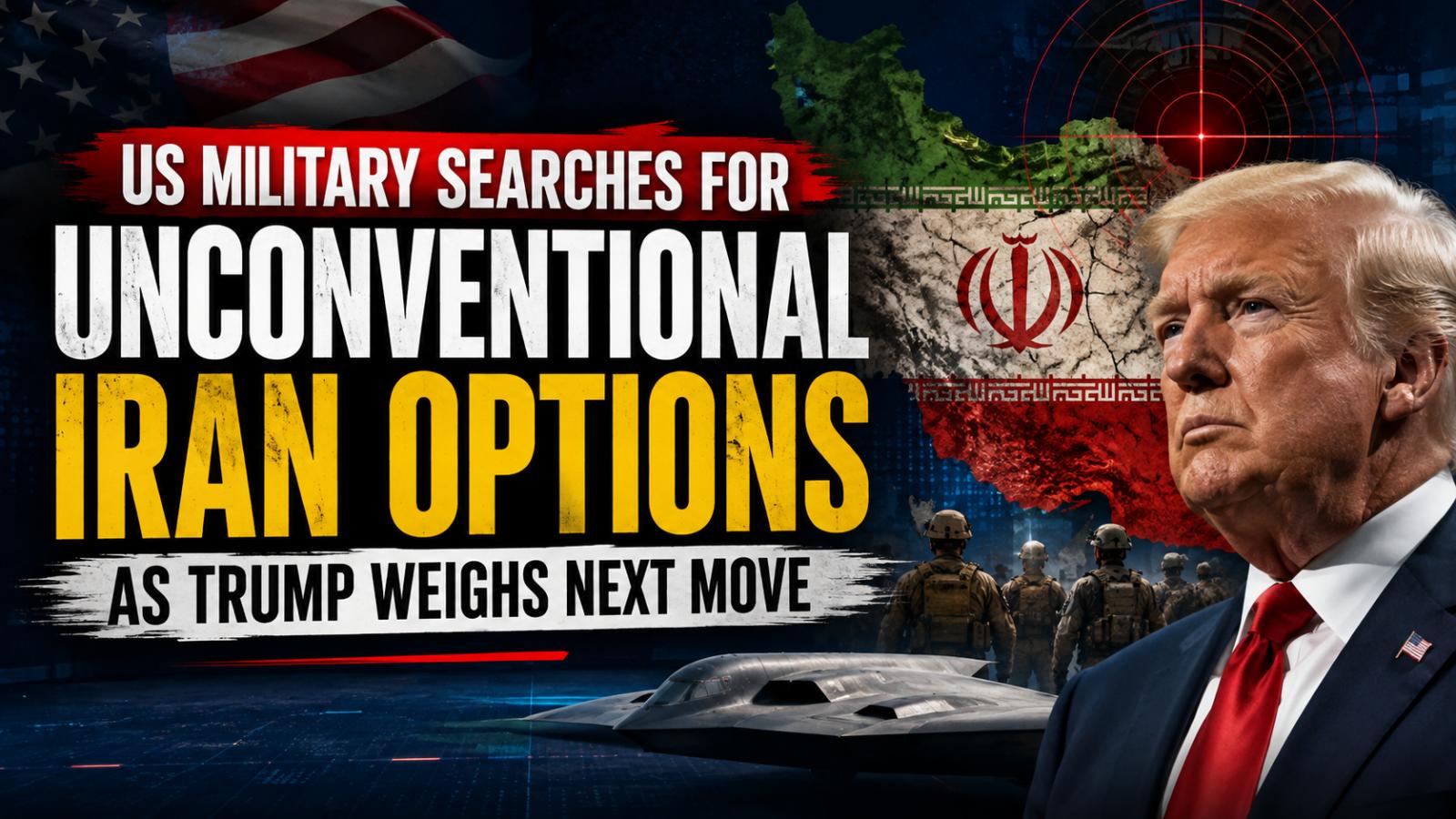
US Military Seeks Unconventional Iran Pressure Options
US Military Seeks Unconventional Iran Pressure Options US Iran military options are reportedly under review as CENTCOM seeks creative ways to pressure Tehran without launching a ground war. The strategy search comes as Trump alternates between strike threats and diplomacy over Iran’s nuclear sites and the Strait of Hormuz. CENTCOM Iran Strategy The US military has
US Military Seeks Unconventional Iran Pressure Options
US Military Seeks Unconventional Iran Pressure Options US Iran military options are reportedly under review as CENTCOM seeks creative ways to pressure Tehran without launching a ground war. The strategy search comes as Trump alternates between strike threats and diplomacy over Iran’s nuclear sites and the Strait of Hormuz. CENTCOM Iran Strategy The US military has
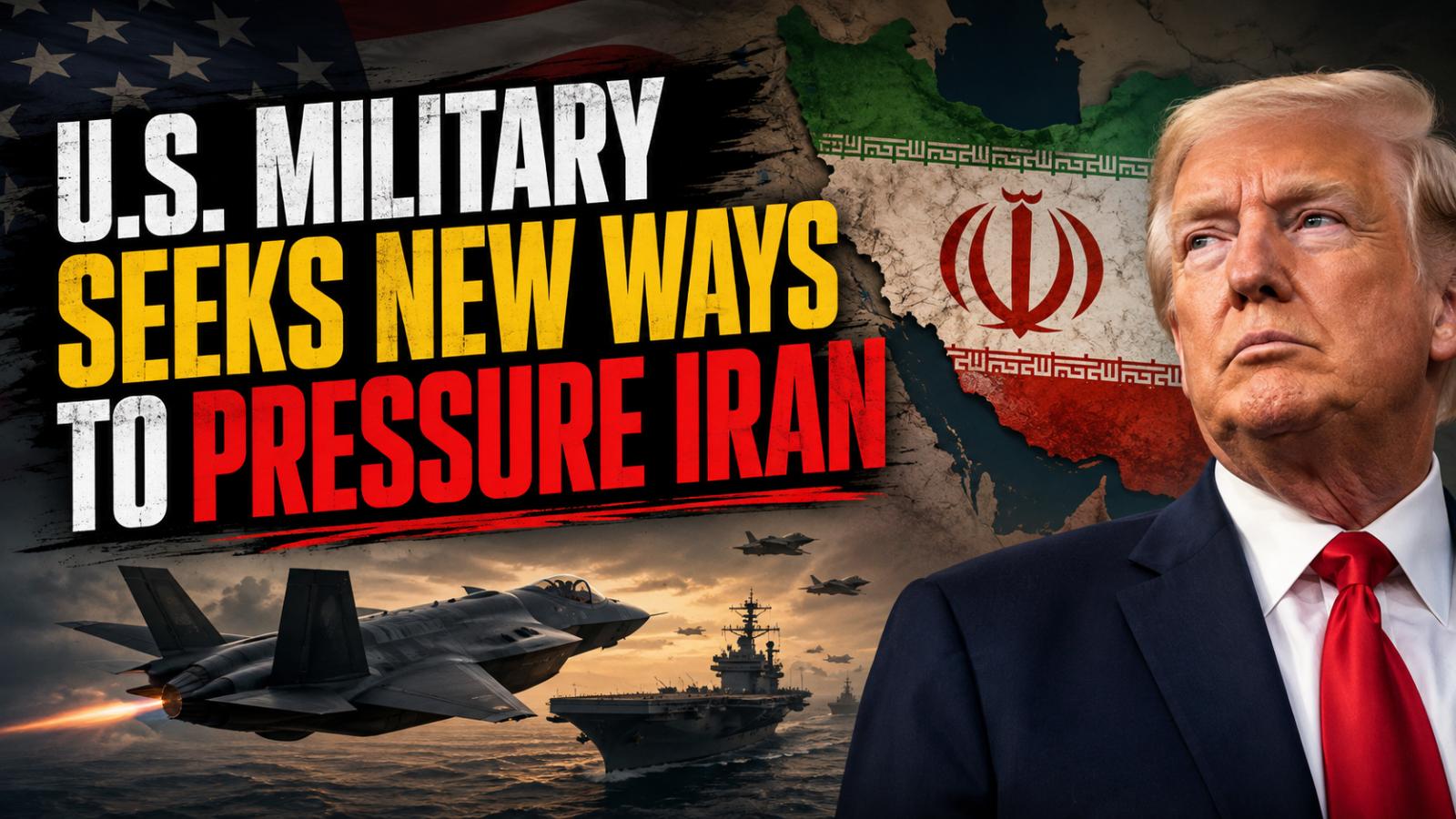
Trump Iran Strategy: CENTCOM Seeks New Ways to Pressure Tehran
The Trump Iran pressure strategy has entered a new phase after reports that US Central Command asked military analysts for unconventional ideas to increase pressure on Tehran. The move comes amid continued military operations, stalled negotiations and renewed efforts to reshape US policy toward Iran. CENTCOM Email Requests New Ideas A senio
Trump Iran Strategy: CENTCOM Seeks New Ways to Pressure Tehran
The Trump Iran pressure strategy has entered a new phase after reports that US Central Command asked military analysts for unconventional ideas to increase pressure on Tehran. The move comes amid continued military operations, stalled negotiations and renewed efforts to reshape US policy toward Iran. CENTCOM Email Requests New Ideas A senio
US-Iran Strikes Escalate After Attacks on American Forces
The United States launched a fresh round of strikes against Iran on Wednesday, July 29, following reported Iranian attacks targeting American military personnel in the Middle East. The latest US-Iran strikes mark the first acknowledged American attacks on Iranian territory in nearly a week and signal another dangerous escalation in the regional conflict. According to a statement attributed to US Central Command, the milita
US-Iran Strikes Escalate After Attacks on American Forces
The United States launched a fresh round of strikes against Iran on Wednesday, July 29, following reported Iranian attacks targeting American military personnel in the Middle East. The latest US-Iran strikes mark the first acknowledged American attacks on Iranian territory in nearly a week and signal another dangerous escalation in the regional conflict. According to a statement attributed to US Central Command, the milita
Trump Iran Air War Plan Could Expand Into Two-Week Campaign
US President Donald Trump is considering a renewed Trump Iran air war as military officials prepare options for a potentially intensive two-week operation. The reported US air plan would focus on Iran’s missile capabilities, although Trump has not announced a final decision. US air plan The Wall Street Journal reported that US military planners have developed a two-week air campaign intended to weaken Iran’s ability to produce, store and launch missiles. The proposal would represent a wider and more sustained operation than the limited retaliatory strikes conducted during earlier stages of the confrontation. People familiar with the discussions told the newspaper that Trump is examining several military choices. One option involves a concentrated campaign against a broader range of Iranian missile facilities. Another would limit the scale of US action and leave greater room for negotiations with Tehran. The president has not publicly approved the reported campaign. The absence of a final decision remains important because planning by the Pentagon does not automatically mean that military action will take place. CENTCOM Admiral Brad Cooper, the commander of US Central Command, reportedly developed the more intensive proposal. CENTCOM oversees American military activity across West Asia and has already directed US operations involving Iran, regional missile defence and maritime security. According to the report, Cooper believes sustained strikes could severely reduce Iran’s offensive missile capacity and ease pressure on US defensive systems. However, senior officials are also considering the strain that an expanded campaign could place on American interceptor supplies and military resources needed in other regions. Official CENTCOM material confirms that Cooper currently leads the command and has overseen recent US operations involving Iran. However, CENTCOM has not publicly released the reported two-week proposal. Iran arms Iran’s missile infrastructure remains central to Washington’s calculations. Previous US and allied strikes damaged launchers, storage areas and production facilities, but assessments cited in recent reporting suggest that Tehran still retains missiles and can rebuild parts of its military network. Iran has also continued launching missiles and drones despite months of military pressure. That resilience has raised questions about whether air power alone can permanently remove the threat or merely delay Iran’s ability to restore its arsenal. A wider campaign could target launch systems, underground facilities, command centres and manufacturing sites. Such an operation would also carry substantial risks, including retaliation against US forces, Gulf partners, energy facilities and commercial shipping routes. Trump call The final Trump call will determine whether Washington chooses a major escalation or a narrower response. The president has recently promised strong retaliation following Iranian attacks, but he has also paused military action at different stages to allow diplomatic efforts to continue. The White House and Pentagon had not publicly confirmed the specific two-week plan when the report emerged. Any article describing the proposal should therefore present it as a reported option under consideration, not as an approved military operation. Iran talks Iran talks remain a possible alternative even as military preparations continue. Washington and Tehran remain divided over Iran’s nuclear programme, missile forces, regional activities and support for armed groups. A limited US response could preserve space for intermediaries to pursue negotiations. A prolonged air campaign, however, could trigger another cycle of Iranian retaliation and American strikes, increasing the danger of a wider regional conflict. Trump now faces a difficult choice: attempt to reduce Iran’s missile threat through sustained military force or pursue a more restrained response that keeps diplomacy alive. The Pentagon can prepare options, but the political and strategic consequences will depend on the decision made by the White House.
Trump Iran Air War Plan Could Expand Into Two-Week Campaign
US President Donald Trump is considering a renewed Trump Iran air war as military officials prepare options for a potentially intensive two-week operation. The reported US air plan would focus on Iran’s missile capabilities, although Trump has not announced a final decision. US air plan The Wall Street Journal reported that US military planners have developed a two-week air campaign intended to weaken Iran’s ability to produce, store and launch missiles. The proposal would represent a wider and more sustained operation than the limited retaliatory strikes conducted during earlier stages of the confrontation. People familiar with the discussions told the newspaper that Trump is examining several military choices. One option involves a concentrated campaign against a broader range of Iranian missile facilities. Another would limit the scale of US action and leave greater room for negotiations with Tehran. The president has not publicly approved the reported campaign. The absence of a final decision remains important because planning by the Pentagon does not automatically mean that military action will take place. CENTCOM Admiral Brad Cooper, the commander of US Central Command, reportedly developed the more intensive proposal. CENTCOM oversees American military activity across West Asia and has already directed US operations involving Iran, regional missile defence and maritime security. According to the report, Cooper believes sustained strikes could severely reduce Iran’s offensive missile capacity and ease pressure on US defensive systems. However, senior officials are also considering the strain that an expanded campaign could place on American interceptor supplies and military resources needed in other regions. Official CENTCOM material confirms that Cooper currently leads the command and has overseen recent US operations involving Iran. However, CENTCOM has not publicly released the reported two-week proposal. Iran arms Iran’s missile infrastructure remains central to Washington’s calculations. Previous US and allied strikes damaged launchers, storage areas and production facilities, but assessments cited in recent reporting suggest that Tehran still retains missiles and can rebuild parts of its military network. Iran has also continued launching missiles and drones despite months of military pressure. That resilience has raised questions about whether air power alone can permanently remove the threat or merely delay Iran’s ability to restore its arsenal. A wider campaign could target launch systems, underground facilities, command centres and manufacturing sites. Such an operation would also carry substantial risks, including retaliation against US forces, Gulf partners, energy facilities and commercial shipping routes. Trump call The final Trump call will determine whether Washington chooses a major escalation or a narrower response. The president has recently promised strong retaliation following Iranian attacks, but he has also paused military action at different stages to allow diplomatic efforts to continue. The White House and Pentagon had not publicly confirmed the specific two-week plan when the report emerged. Any article describing the proposal should therefore present it as a reported option under consideration, not as an approved military operation. Iran talks Iran talks remain a possible alternative even as military preparations continue. Washington and Tehran remain divided over Iran’s nuclear programme, missile forces, regional activities and support for armed groups. A limited US response could preserve space for intermediaries to pursue negotiations. A prolonged air campaign, however, could trigger another cycle of Iranian retaliation and American strikes, increasing the danger of a wider regional conflict. Trump now faces a difficult choice: attempt to reduce Iran’s missile threat through sustained military force or pursue a more restrained response that keeps diplomacy alive. The Pentagon can prepare options, but the political and strategic consequences will depend on the decision made by the White House.
Oil Prices Surge After Iran Missile Attack on US Forces
Oil prices surged in early Asian trading on Wednesday after Iran launched multiple ballistic missiles at US forces in the Middle East. The renewed military exchange pushed Brent and WTI crude higher as traders reassessed supply risks linked to the conflict and the Strait of Hormuz. Oil Prices Surge in Asian Trading Global oil prices climbed by more than 3 per cent during early trading on July 29 as renewed fighting between Iran and the U
Oil Prices Surge After Iran Missile Attack on US Forces
Oil prices surged in early Asian trading on Wednesday after Iran launched multiple ballistic missiles at US forces in the Middle East. The renewed military exchange pushed Brent and WTI crude higher as traders reassessed supply risks linked to the conflict and the Strait of Hormuz. Oil Prices Surge in Asian Trading Global oil prices climbed by more than 3 per cent during early trading on July 29 as renewed fighting between Iran and the U
Strait of Hormuz Shipping Deal Rules Out Transit Tolls
A proposed Strait of Hormuz shipping deal will not impose tolls or transit charges on commercial vessels, according to a US official familiar with negotiations involving Washington, Iran and Oman. The discussions seek to protect ship transit and restore confidence in the strategic waterway after conflict-related disruptions. Strait of Hormuz Shipping Deal Excludes Tolls Commercial ships passing
Strait of Hormuz Shipping Deal Rules Out Transit Tolls
A proposed Strait of Hormuz shipping deal will not impose tolls or transit charges on commercial vessels, according to a US official familiar with negotiations involving Washington, Iran and Oman. The discussions seek to protect ship transit and restore confidence in the strategic waterway after conflict-related disruptions. Strait of Hormuz Shipping Deal Excludes Tolls Commercial ships passing
Iran missile attack targets US forces after Trump pause
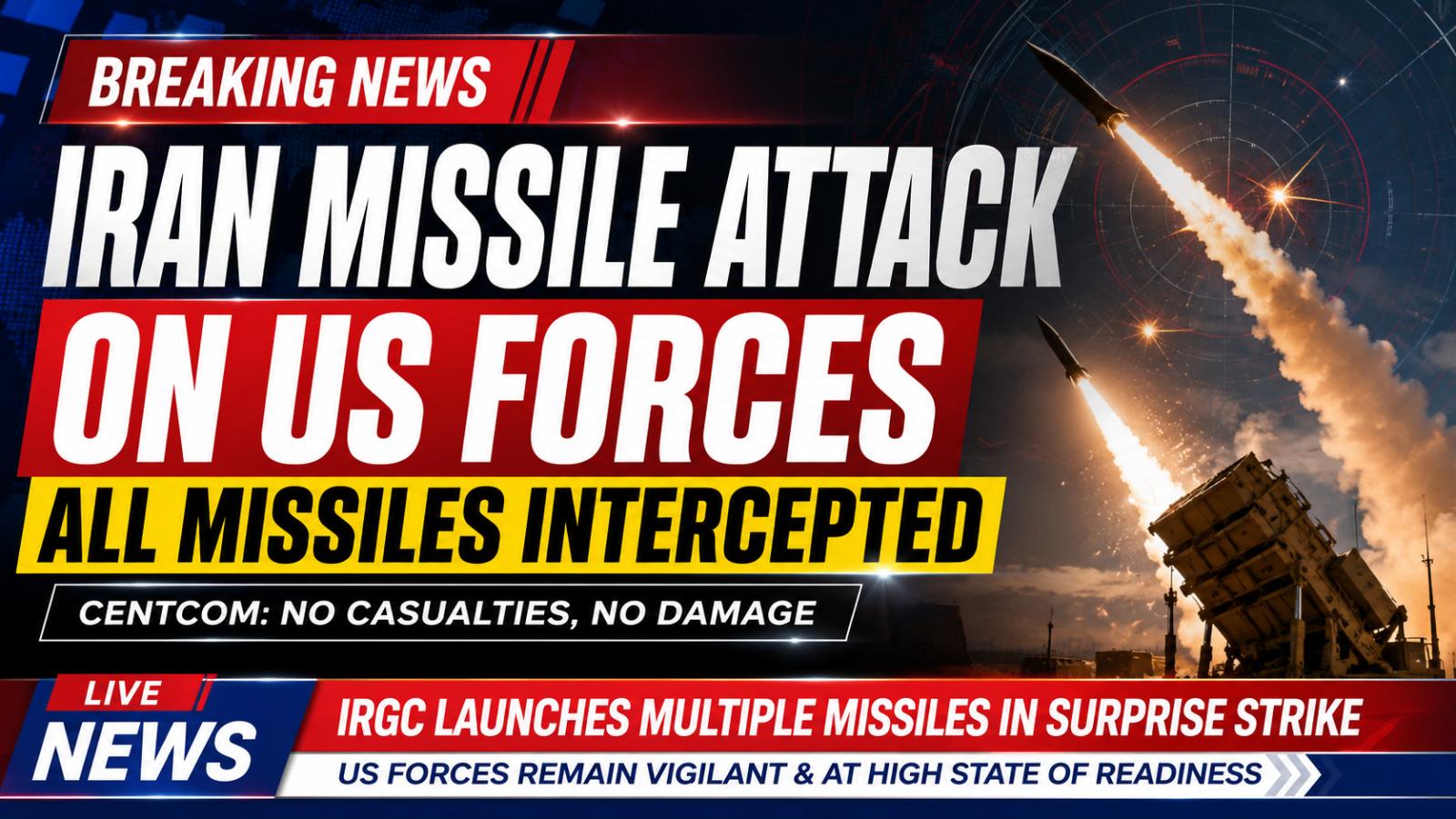
Iran ballistic missile attack dominated global headlines after the Islamic Revolutionary Guard Corps (IRGC) launched multiple missiles targeting US forces in the Middle East. According to CENTCOM, every missile was intercepted successfully, preventing casualties while raising concerns about renewed tensions between Tehran and Washington. CENTCOM Reports Succes
Iran missile attack targets US forces after Trump pause
Iran ballistic missile attack dominated global headlines after the Islamic Revolutionary Guard Corps (IRGC) launched multiple missiles targeting US forces in the Middle East. According to CENTCOM, every missile was intercepted successfully, preventing casualties while raising concerns about renewed tensions between Tehran and Washington. CENTCOM Reports Succes
US Launches 12th Consecutive Strikes on Iranian Military Targets
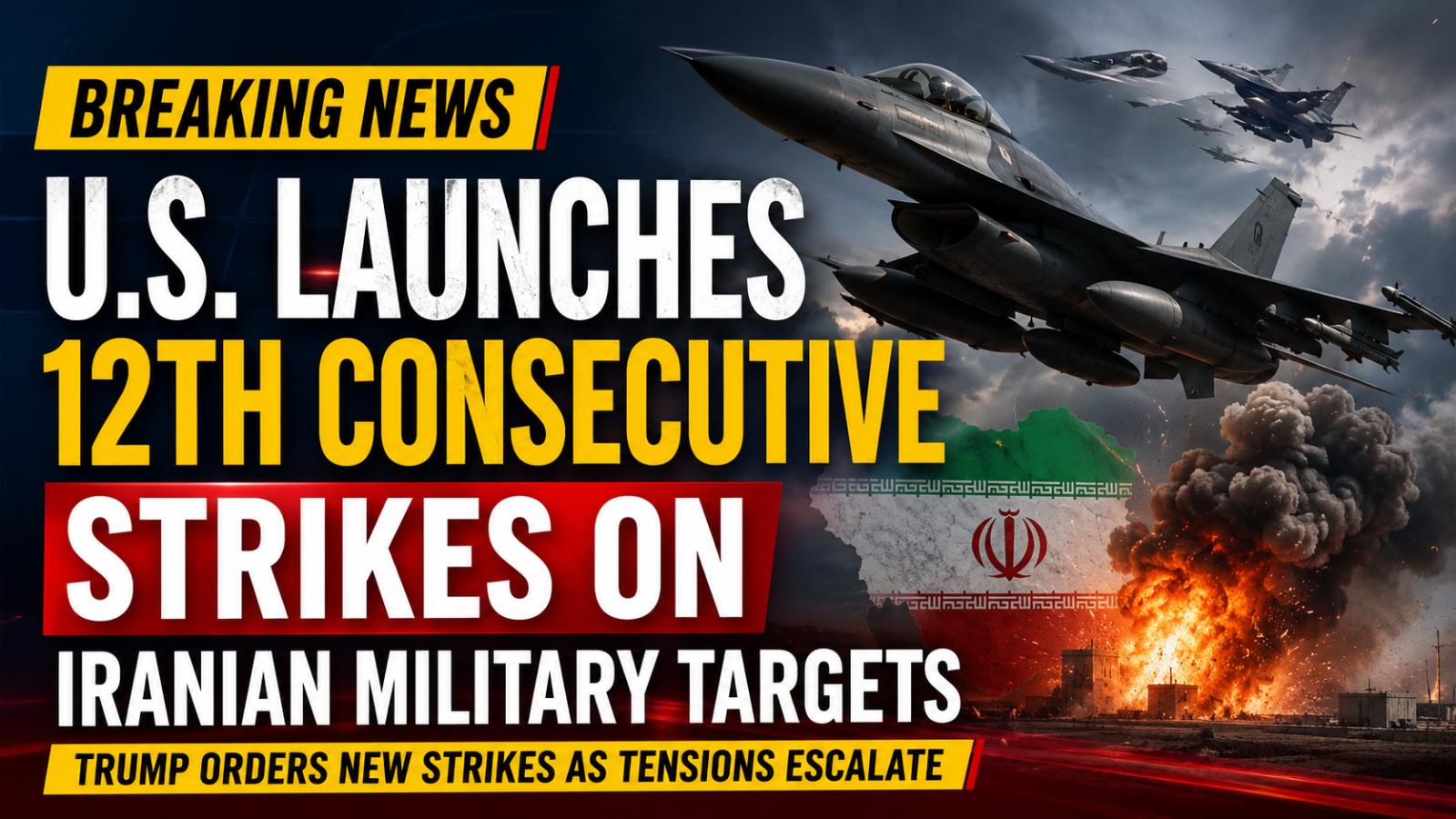
US launches 12th consecutive strikes on Iranian military targets as CENTCOM expands its military campaign against Iran under President Donald Trump's direction. The latest operation aims to reduce threats to commercial vessels and regional maritime security while tensions between Washington and Tehran continue to rise. US military campaign against Iran continu
US Launches 12th Consecutive Strikes on Iranian Military Targets
US launches 12th consecutive strikes on Iranian military targets as CENTCOM expands its military campaign against Iran under President Donald Trump's direction. The latest operation aims to reduce threats to commercial vessels and regional maritime security while tensions between Washington and Tehran continue to rise. US military campaign against Iran continu
US Iran Strikes Enter 10th Night as Talks Continue
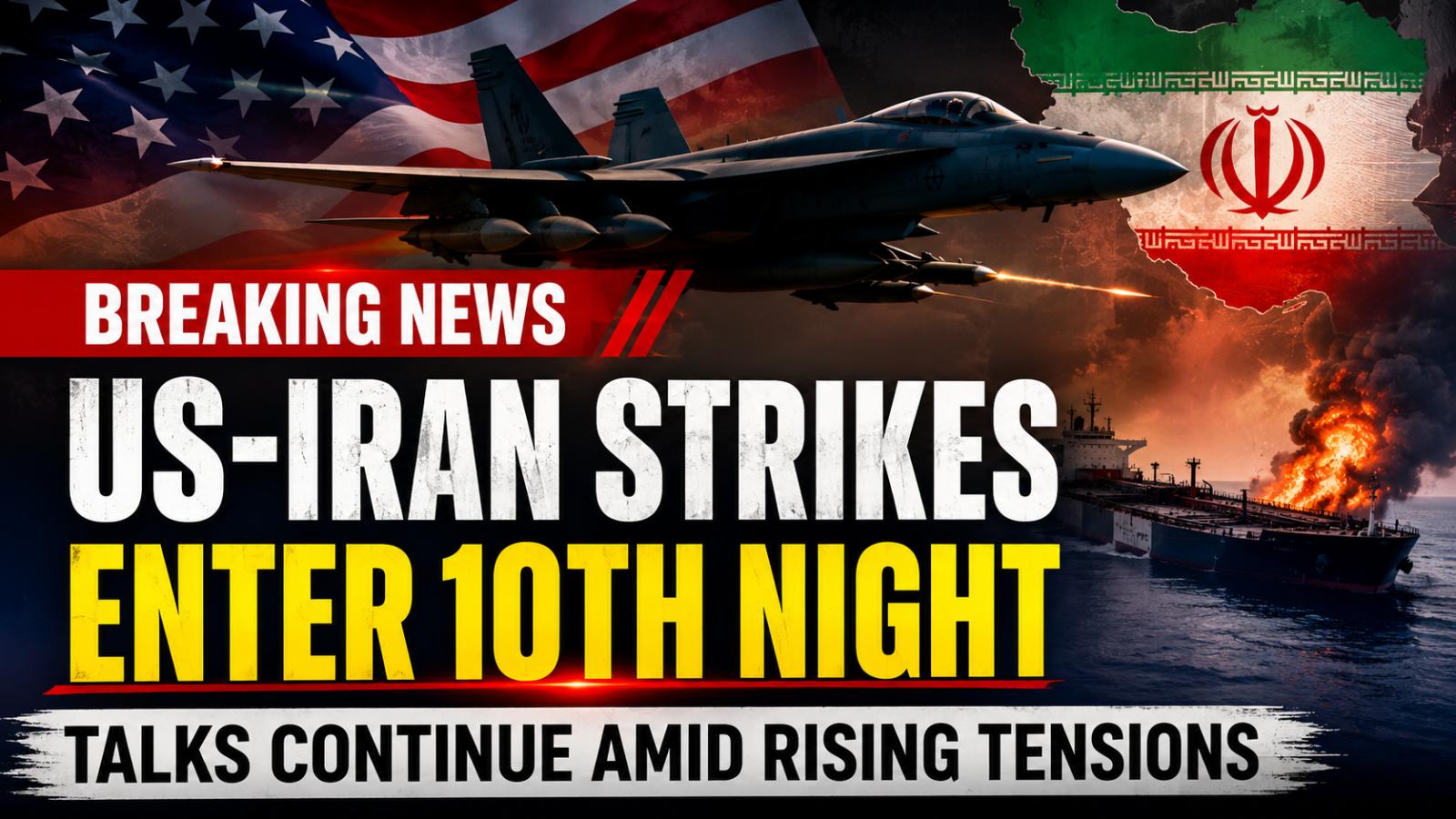
US Iran strikes enter 10th night as Washington continues military operations targeting Iranian capabilities linked to the Strait of Hormuz while diplomatic talks between both countries remain active. The latest developments highlight a dual strategy of military pressure and continued negotiations amid rising regional tensions. US Iran Strikes Enter 10th Night as Talk
US Iran Strikes Enter 10th Night as Talks Continue
US Iran strikes enter 10th night as Washington continues military operations targeting Iranian capabilities linked to the Strait of Hormuz while diplomatic talks between both countries remain active. The latest developments highlight a dual strategy of military pressure and continued negotiations amid rising regional tensions. US Iran Strikes Enter 10th Night as Talk
Trump Says US Strikes on Iran Honour Fallen American Soldiers
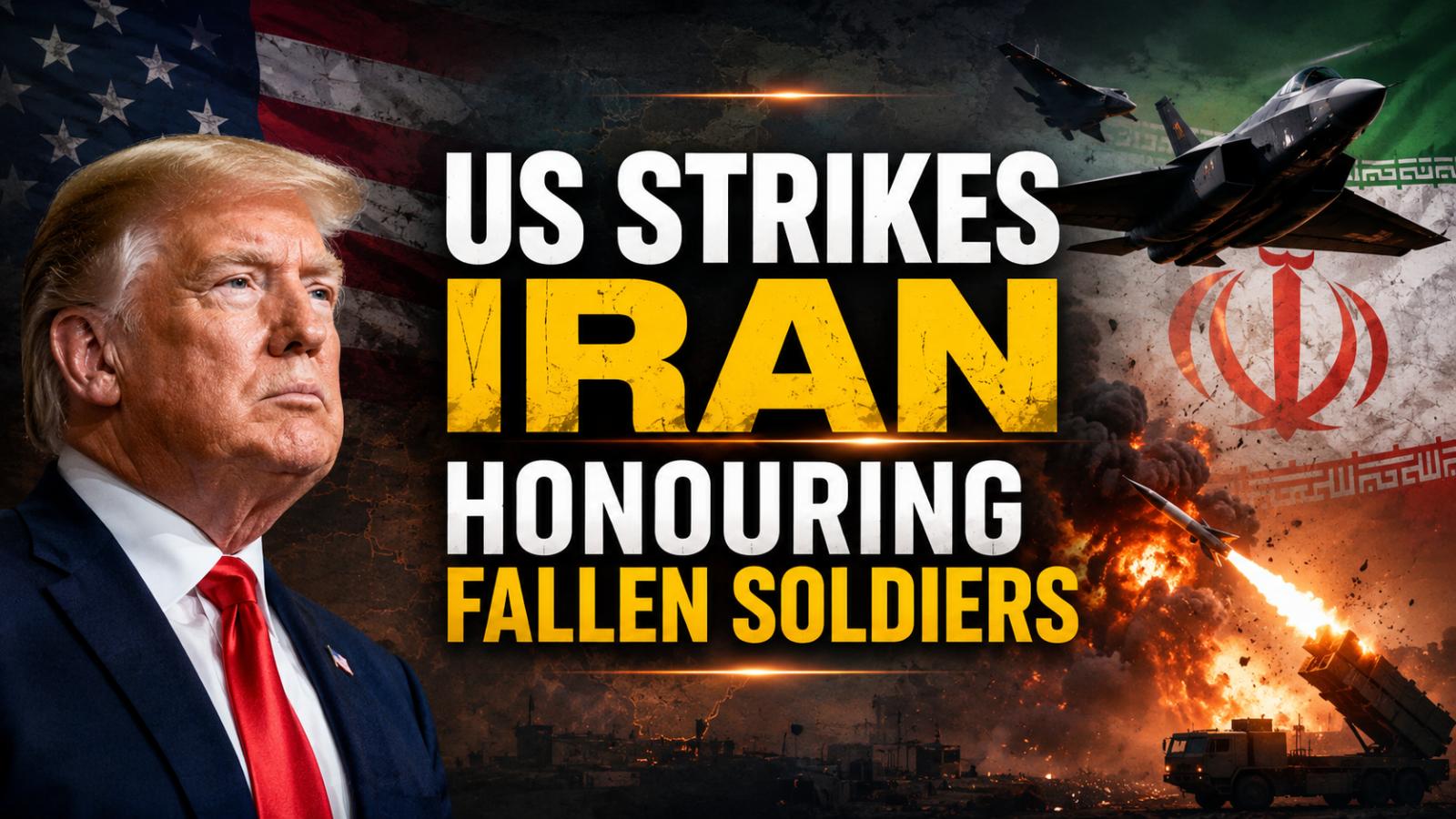
President Donald Trump said the latest US strikes on Iran hit the country “very hard” and were carried out in honour of three American soldiers killed in attacks in Jordan and Iraq. The renewed CENTCOM attacks have intensified the Iran retaliation cycle and raised fresh concerns over the Strait of Hormuz. Trump Iran strikes honour fallen US soldiers Trump said the military operation recogni
Trump Says US Strikes on Iran Honour Fallen American Soldiers
President Donald Trump said the latest US strikes on Iran hit the country “very hard” and were carried out in honour of three American soldiers killed in attacks in Jordan and Iraq. The renewed CENTCOM attacks have intensified the Iran retaliation cycle and raised fresh concerns over the Strait of Hormuz. Trump Iran strikes honour fallen US soldiers Trump said the military operation recogni
US Iran Ninth Night Strikes Raise Strait of Hormuz Risks
The US Iran ninth night strikes deepened the regional crisis as CENTCOM targeted Iranian military capabilities. Missile alerts spread across the Gulf, another US soldier died in Iraq, and rising oil prices reflected growing fears over the Strait of Hormuz. US Iran ninth night strikes announced by CENTCOM The US military launched a ninth consecutive night of attacks against Iran on Sunday, July 19, as the conflict entered another dangerous phase. US Central Command said on X that operations began at 7 p.m. Eastern Time and would continue targeting Iranian capabilities used to attack commercial vessels crossing the Strait of Hormuz. CENTCOM’s website had earlier confirmed eight consecutive nights of strikes through July 18 and listed several rounds of attacks conducted since July 11. It also confirmed that the United States had resumed its naval blockade against Iranian ports on July 13. Iranian state media reported explosions in several cities after the latest operation began, including Tabriz and areas near important ports. Reports from inside Iran also claimed that air-defence forces shot down a drone over the country’s south. These battlefield accounts had not been independently verified when they emerged. US soldier killed by Iranian drone ordnance CENTCOM announced that a US service member died in northern Iraq during a controlled detonation of unexploded ordnance from a downed Iranian one-way attack drone. Another service member suffered a minor injury during the incident. The death brought the reported number of US military fatalities linked to the wider Iran conflict to 17. Recent casualties have included service members killed during Iranian attacks in Jordan and other incidents across the region. The latest death highlights a risk that extends beyond direct missile and drone impacts. Unexploded weapons can remain dangerous after interception or crashing, placing military disposal teams and nearby communities at continued risk. Kuwait attack and Bahrain alerts widen crisis The confrontation also spread further across Gulf states. Bahrain activated warning sirens and instructed residents to seek shelter, while Kuwait said its air defences were responding to Iranian missile and drone attacks. Kuwaiti authorities accused Iran of damaging energy, water and oil-related facilities and causing fires. Gulf governments condemned the attacks as concerns grew that retaliatory operations could draw more countries into direct confrontation. The Strait of Hormuz remains at the centre of the crisis because disruptions there can affect major international energy shipments. CENTCOM says its latest attacks aim to reduce Iran’s ability to threaten vessels using the waterway. The renewed US blockade has added pressure on maritime traffic and increased fears of prolonged supply disruption. Strait of Hormuz crisis pushes oil above $90 Oil markets reacted quickly as fighting continued. Brent crude moved above $90 a barrel, while US crude traded above $84 during Sunday trading. Market reports linked the increase to renewed strikes, Iranian retaliation and uncertainty surrounding shipping through the Strait of Hormuz. The price rise shows how quickly a military escalation can spread beyond the battlefield. Higher crude costs can increase transport, manufacturing and consumer prices, particularly when traders expect shipping delays or damage to regional energy infrastructure. Iran also announced that it was suspending commitments connected to its ceasefire understanding with Washington. Iranian officials accused the United States of violating the arrangement by continuing military attacks. Those claims reflect Tehran’s position and require comparison with the original agreement and statements from all parties. With diplomacy weakening, casualties rising and Gulf infrastructure facing attacks, neither side appears close to de-escalation. The immediate danger is no longer limited to targets inside Iran. It now includes military bases, ports, commercial shipping and essential facilities across the wider region. Relevant internal links include previous coverage of the CENTCOM strikes on Iran, the Chabahar Port attack, Iranian missile interceptions over Gulf states and the full US-Iran conflict timeline.
US Iran Ninth Night Strikes Raise Strait of Hormuz Risks
The US Iran ninth night strikes deepened the regional crisis as CENTCOM targeted Iranian military capabilities. Missile alerts spread across the Gulf, another US soldier died in Iraq, and rising oil prices reflected growing fears over the Strait of Hormuz. US Iran ninth night strikes announced by CENTCOM The US military launched a ninth consecutive night of attacks against Iran on Sunday, July 19, as the conflict entered another dangerous phase. US Central Command said on X that operations began at 7 p.m. Eastern Time and would continue targeting Iranian capabilities used to attack commercial vessels crossing the Strait of Hormuz. CENTCOM’s website had earlier confirmed eight consecutive nights of strikes through July 18 and listed several rounds of attacks conducted since July 11. It also confirmed that the United States had resumed its naval blockade against Iranian ports on July 13. Iranian state media reported explosions in several cities after the latest operation began, including Tabriz and areas near important ports. Reports from inside Iran also claimed that air-defence forces shot down a drone over the country’s south. These battlefield accounts had not been independently verified when they emerged. US soldier killed by Iranian drone ordnance CENTCOM announced that a US service member died in northern Iraq during a controlled detonation of unexploded ordnance from a downed Iranian one-way attack drone. Another service member suffered a minor injury during the incident. The death brought the reported number of US military fatalities linked to the wider Iran conflict to 17. Recent casualties have included service members killed during Iranian attacks in Jordan and other incidents across the region. The latest death highlights a risk that extends beyond direct missile and drone impacts. Unexploded weapons can remain dangerous after interception or crashing, placing military disposal teams and nearby communities at continued risk. Kuwait attack and Bahrain alerts widen crisis The confrontation also spread further across Gulf states. Bahrain activated warning sirens and instructed residents to seek shelter, while Kuwait said its air defences were responding to Iranian missile and drone attacks. Kuwaiti authorities accused Iran of damaging energy, water and oil-related facilities and causing fires. Gulf governments condemned the attacks as concerns grew that retaliatory operations could draw more countries into direct confrontation. The Strait of Hormuz remains at the centre of the crisis because disruptions there can affect major international energy shipments. CENTCOM says its latest attacks aim to reduce Iran’s ability to threaten vessels using the waterway. The renewed US blockade has added pressure on maritime traffic and increased fears of prolonged supply disruption. Strait of Hormuz crisis pushes oil above $90 Oil markets reacted quickly as fighting continued. Brent crude moved above $90 a barrel, while US crude traded above $84 during Sunday trading. Market reports linked the increase to renewed strikes, Iranian retaliation and uncertainty surrounding shipping through the Strait of Hormuz. The price rise shows how quickly a military escalation can spread beyond the battlefield. Higher crude costs can increase transport, manufacturing and consumer prices, particularly when traders expect shipping delays or damage to regional energy infrastructure. Iran also announced that it was suspending commitments connected to its ceasefire understanding with Washington. Iranian officials accused the United States of violating the arrangement by continuing military attacks. Those claims reflect Tehran’s position and require comparison with the original agreement and statements from all parties. With diplomacy weakening, casualties rising and Gulf infrastructure facing attacks, neither side appears close to de-escalation. The immediate danger is no longer limited to targets inside Iran. It now includes military bases, ports, commercial shipping and essential facilities across the wider region. Relevant internal links include previous coverage of the CENTCOM strikes on Iran, the Chabahar Port attack, Iranian missile interceptions over Gulf states and the full US-Iran conflict timeline.
US Strikes Chabahar Port Surveillance Tower in Iran
US strikes Chabahar Port surveillance tower in a major expansion of its military campaign against Iran. CENTCOM says the facility helped the IRGC monitor shipping through the Strait of Hormuz, while Tehran insists the strategically important port remains operational despite the attack. US Strikes Chabahar Port Surveillance Tower in Iran
US Strikes Chabahar Port Surveillance Tower in Iran
US strikes Chabahar Port surveillance tower in a major expansion of its military campaign against Iran. CENTCOM says the facility helped the IRGC monitor shipping through the Strait of Hormuz, while Tehran insists the strategically important port remains operational despite the attack. US Strikes Chabahar Port Surveillance Tower in Iran










