US Military Seeks Unconventional Iran Pressure Options
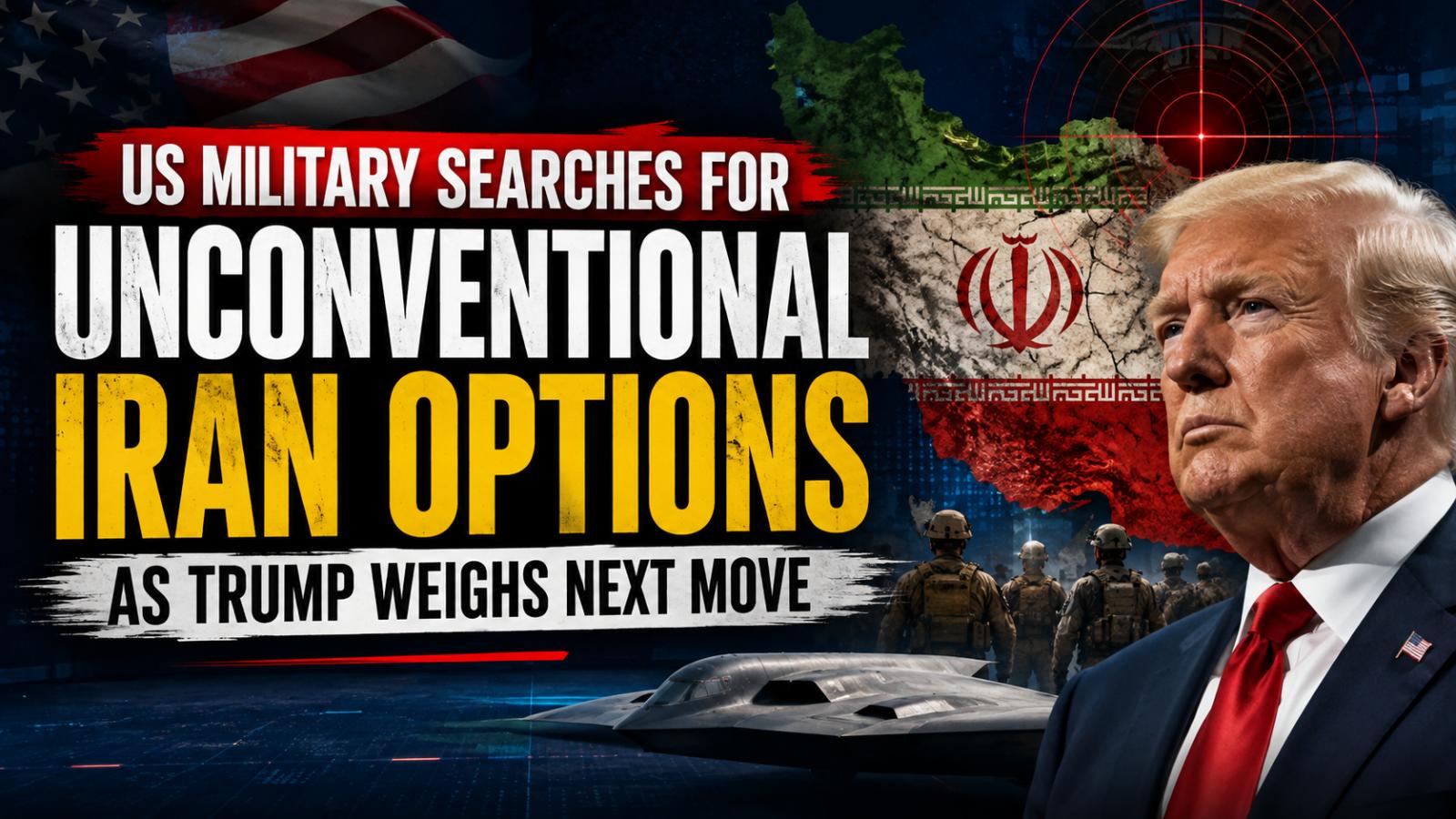
US Iran military options are reportedly under review as CENTCOM seeks creative ways to pressure Tehran without launching a ground war. The strategy search comes as Trump alternates between strike threats and diplomacy over Iran’s nuclear sites and the Strait of Hormuz.
CENTCOM Iran Strategy
The US military has reportedly asked a broad group of analysts to propose “creative and unconventional” methods for increasing pressure on Iran, reflecting an effort to identify options beyond repeated airstrikes. According to reporting based on people familiar with the planning, a senior US Central Command official circulated an email seeking new approaches that could punish Tehran and push it toward negotiations.
CENTCOM did not confirm the contents of the reported email. A command spokesperson said only that the organisation has a long record of developing and applying innovative operational methods. The statement suggests the request may form part of routine military planning, although its timing has drawn attention because it came as President Donald Trump reconsidered another major strike.
The request should not automatically be read as proof that the military has exhausted every conventional option. Military commands regularly request alternative plans during prolonged conflicts. However, the search shows that existing operations have not yet secured Washington’s central goals: restricting Iran’s military capabilities, reopening the Strait of Hormuz and producing an enforceable diplomatic settlement.
Trump Iran Threats
Trump has repeatedly threatened stronger military action while also pausing planned attacks to allow negotiations more time. On August 1, he said the United States would hold off on fresh strikes after speaking with Saudi Crown Prince Mohammed bin Salman and hearing appeals from regional governments concerned about escalation.
By August 3, Trump had again warned Iran that it faced severe consequences unless it accepted a deal. He claimed negotiations were underway with help from Gulf states, while Tehran publicly denied holding direct talks with Washington and said its discussions concerned maritime arrangements with Oman.
This shifting rhetoric gives military planners a difficult task. They must prepare credible strike options while leaving room for diplomacy and avoiding steps that could trigger an open-ended ground campaign. Trump has long criticised prolonged overseas conflicts, making a large occupation politically and militarily costly.
Iran Nuclear Sites
US planners have reportedly considered renewed attacks on remaining Iranian nuclear locations, including facilities associated with Pickaxe Mountain. Several Iranian sites are buried beneath mountains or hardened underground, making them difficult to destroy through conventional air operations. Reports say military and intelligence assessments have raised doubts about whether additional strikes alone would eliminate Iran’s nuclear capacity.
That does not mean airstrikes have had no effect. CENTCOM has announced multiple waves of attacks against Iranian military and Revolutionary Guard targets during the conflict. Yet damaging buildings, entrances and supporting infrastructure is different from permanently eliminating protected underground equipment, technical knowledge and nuclear material.
The strategic problem is therefore larger than selecting another target. Washington must decide what political result it expects from military action and whether that result can be achieved without deeper escalation.
Iran War Casualties
The conflict has already imposed a serious human and financial cost. Public reporting in July placed the number of American service members killed since the war began at 18, with hundreds more wounded. The White House has held dignified transfers for personnel killed in Iranian attacks, while CENTCOM has issued statements on fallen and missing troops.
The Strait of Hormuz remains the central economic pressure point. Continued disruption threatens global energy supplies, shipping insurance and fuel prices, while a wider conflict could destabilise several Gulf states.
The search for unconventional options may produce cyber, economic, intelligence, maritime or diplomatic measures rather than another large bombing campaign. The harder question is whether any new tactic can force concessions without creating another cycle of retaliation. Tactical creativity cannot replace a clear political end state.