US missile stockpile concerns during Iran war
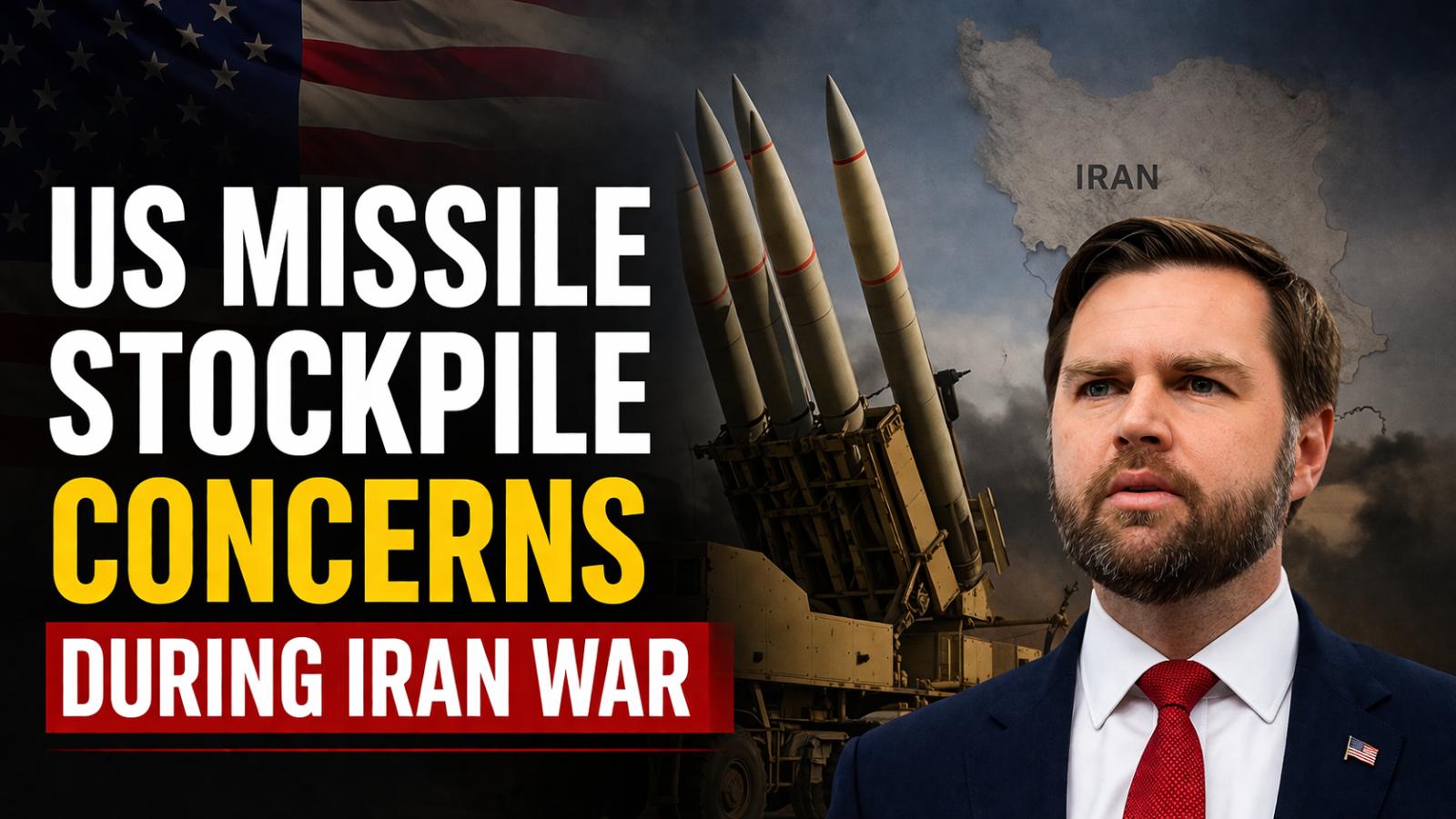
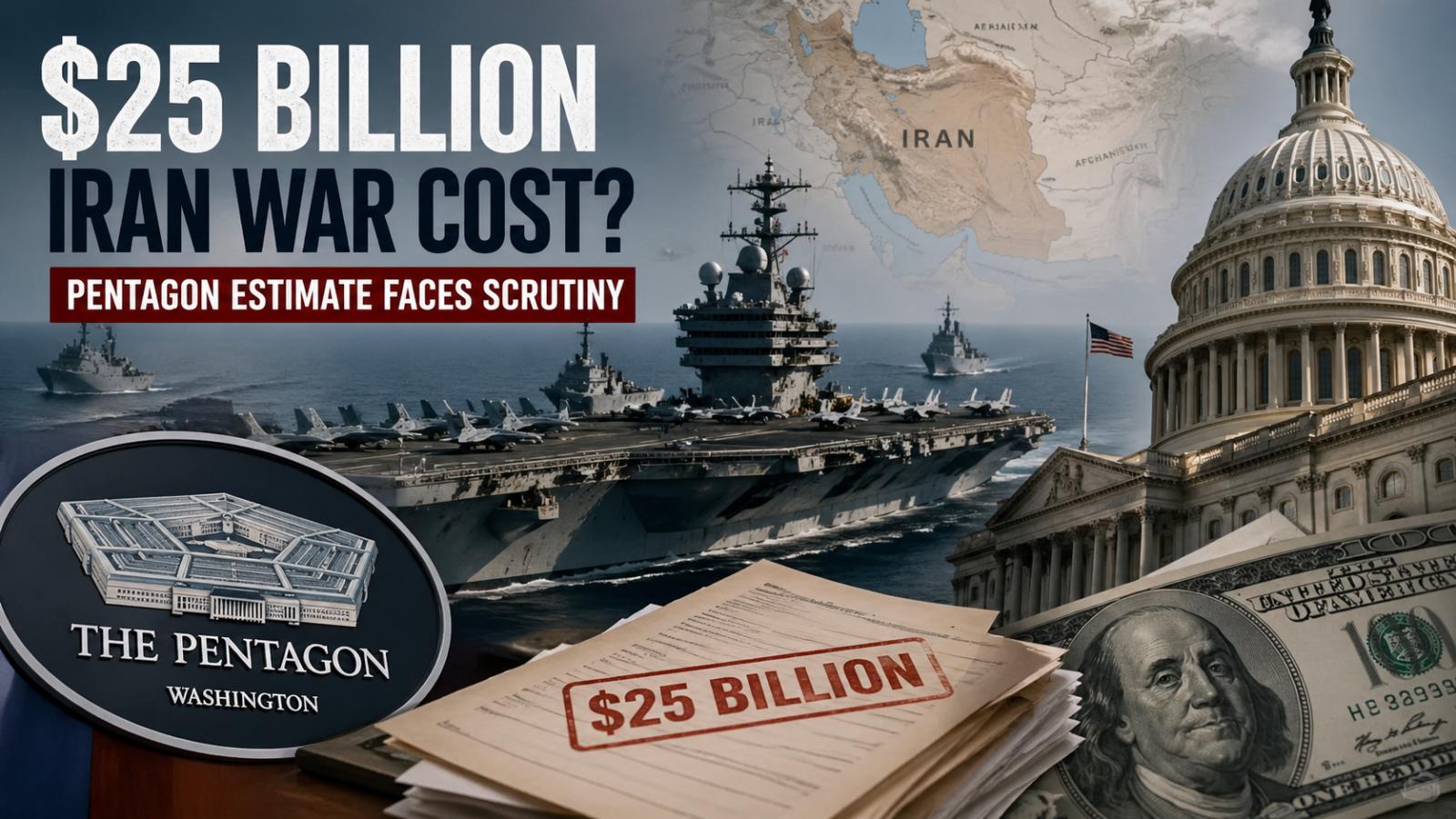
Concerns over the US missile stockpile have surfaced as Vice President JD Vance questions America’s readiness during the ongoing Iran war, raising doubts about the accuracy of Pentagon briefings while officials publicly insist that reserves remain strong. The issue has drawn attention due to the United States’ growing involvement in multiple global conflicts and defense commitments.
Reports indicate that JD Vance has repeatedly sought clarity on the status of US weapons and military reserves during discussions with President Donald Trump. His focus has been on whether the information presented about the Iran war reflects the ground reality, especially as the conflict continues to stretch over several weeks. Sources suggest that Vance is attempting to ensure strategic transparency without creating divisions within the administration.
Senior defense officials, including Secretary of War Pete Hegseth and General Dan Caine, have maintained that the Pentagon report reflects a strong and capable military position. They have highlighted significant damage to Iranian forces and described US stockpiles as robust, reinforcing confidence in current defense strategy. However, some internal concerns suggest that the situation may not be as secure as portrayed publicly.
The broader concern lies in how the United States manages its military resources across multiple regions. If US missile stockpile levels decline, the country may need to divert resources to defend Taiwan against China, support South Korea against North Korea, and maintain commitments in Europe against Russia. This multi-front responsibility has intensified the importance of careful resource planning.
Earlier statements claiming full control of Iranian airspace were challenged when an American fighter jet was downed in April, triggering a high-risk rescue mission. This incident raised fresh questions about operational risks and the sustainability of prolonged military engagement, further fueling debate around defense preparedness.
Despite these concerns, the Trump administration continues to project confidence. Officials have dismissed reports of a weapons shortage, asserting that US military reserves are extensive and capable of supporting long-term conflict if required. Statements from the White House emphasize that the country maintains strategic stockpiles beyond publicly known levels.
The ongoing discussion reflects a deeper issue within national security planning. While public messaging stresses strength and readiness, internal questioning highlights the need for constant evaluation of military resources and defense strategy in an increasingly complex global environment.