










#usdefense
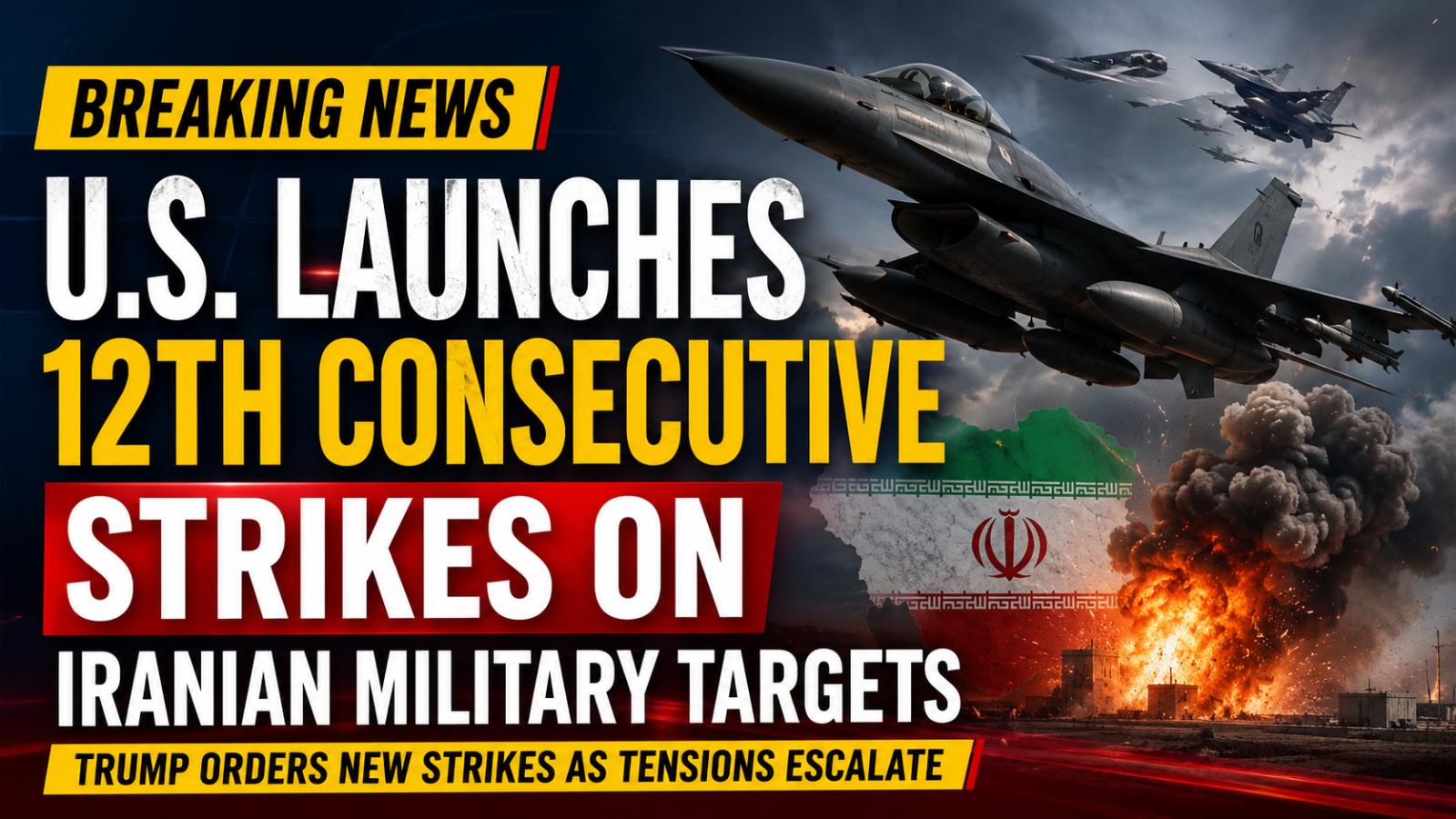
US Launches 12th Consecutive Strikes on Iranian Military Targets
US launches 12th consecutive strikes on Iranian military targets as CENTCOM expands its military campaign against Iran under President Donald Trump's direction. The latest operation aims to reduce threats to commercial vessels and regional maritime security while tensions between Washington and Tehran continue to rise. US military campaign against Iran continu
US Launches 12th Consecutive Strikes on Iranian Military Targets
US launches 12th consecutive strikes on Iranian military targets as CENTCOM expands its military campaign against Iran under President Donald Trump's direction. The latest operation aims to reduce threats to commercial vessels and regional maritime security while tensions between Washington and Tehran continue to rise. US military campaign against Iran continu

Gary Peters Slams Pete Hegseth Over Iran War Strategy
The Trump administration's handling of the Iran conflict came under intense scrutiny during a Senate hearing after a heated confrontation between Senator Gary Peters and Defence Secretary Pete Hegseth. The exchange quickly became the hearing's defining moment as lawmakers debated military strategy, troop support and billions of dollars in additional defence spending. The hearing also examined whether the administration has a clear long-term plan for the
Gary Peters Slams Pete Hegseth Over Iran War Strategy
The Trump administration's handling of the Iran conflict came under intense scrutiny during a Senate hearing after a heated confrontation between Senator Gary Peters and Defence Secretary Pete Hegseth. The exchange quickly became the hearing's defining moment as lawmakers debated military strategy, troop support and billions of dollars in additional defence spending. The hearing also examined whether the administration has a clear long-term plan for the
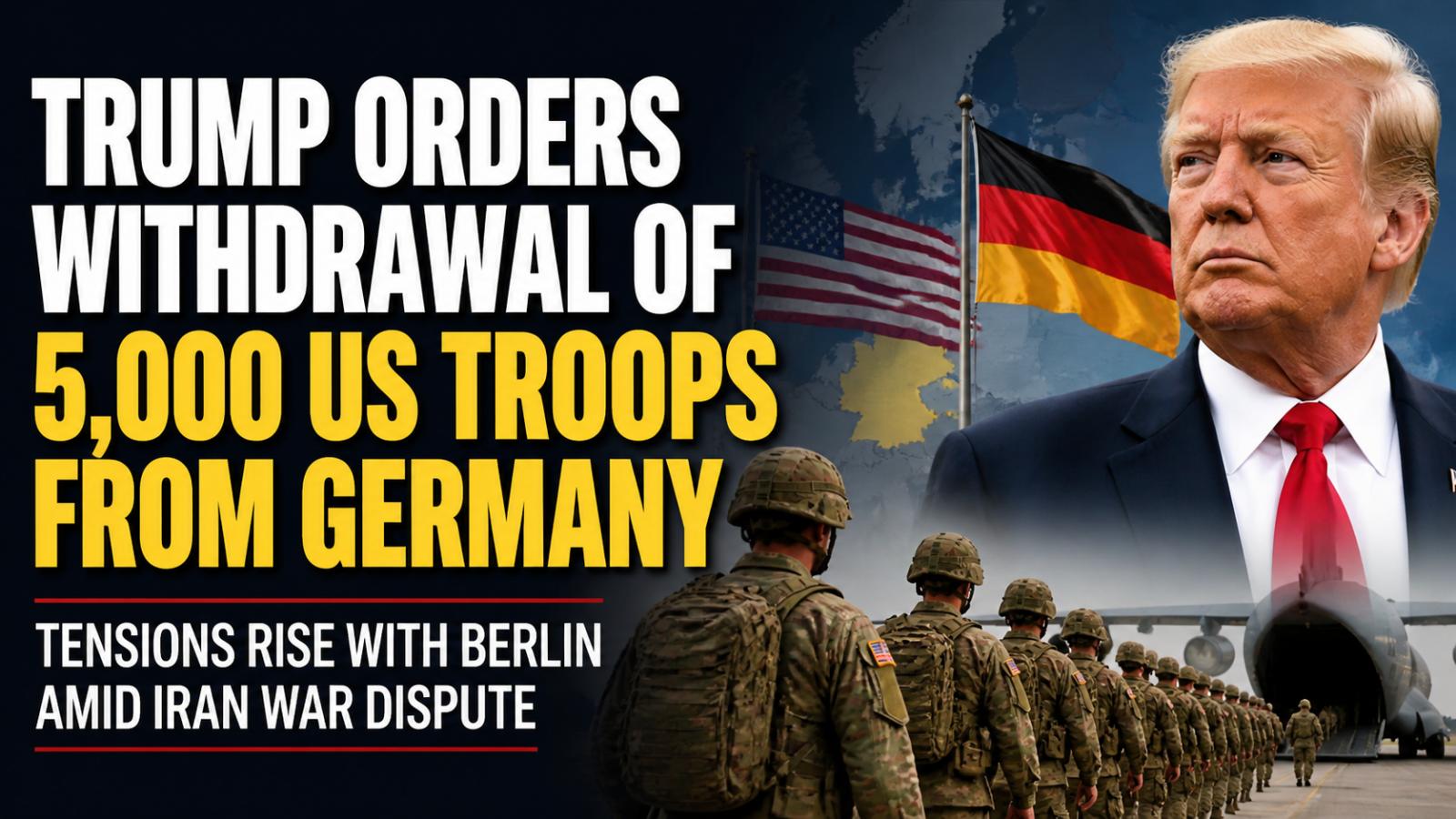
Trump orders the withdrawal of 5,000 US troops from Germany amid rising tensions
Trump Orders US Troops Withdrawal From Germany President Donald Trump has ordered the withdrawal of 5,000 US troops from Germany, escalating tensions with Berlin and NATO allies. This decision comes amid ongoing disagreements over the Iran conflict and US military operations in the Middle East. The Pentagon confirmed the move on Friday, May 1, as part of a broader shift in US military strategy, which seeks to reduce America's pres
Trump orders the withdrawal of 5,000 US troops from Germany amid rising tensions
Trump Orders US Troops Withdrawal From Germany President Donald Trump has ordered the withdrawal of 5,000 US troops from Germany, escalating tensions with Berlin and NATO allies. This decision comes amid ongoing disagreements over the Iran conflict and US military operations in the Middle East. The Pentagon confirmed the move on Friday, May 1, as part of a broader shift in US military strategy, which seeks to reduce America's pres
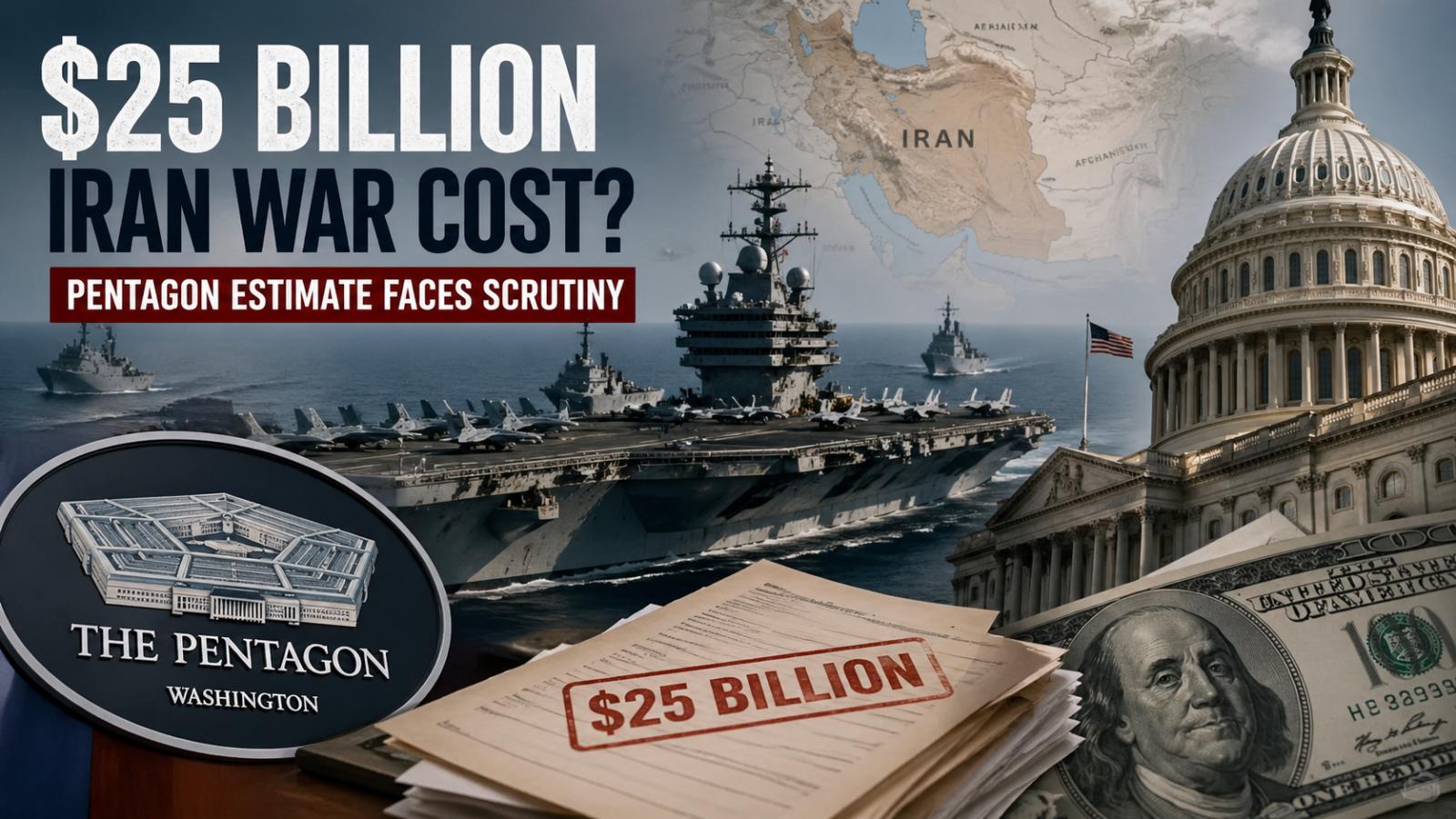
Why is the Pentagon’s $25 billion war cost estimate questioned? Experts say it may be incomplete
The United States Department of Defense has estimated that its ongoing military conflict with Iran has cost approximately $25 billion, but analysts and lawmakers are raising concerns that the figure may significantly understate the true financial burden. The estimate was presented during a congressional hearing on Tuesday, April 29, 2026, where Pentagon officials outlined current war-related expenditures without offering a detailed breakdown. Congressional hearing reveals l
Why is the Pentagon’s $25 billion war cost estimate questioned? Experts say it may be incomplete
The United States Department of Defense has estimated that its ongoing military conflict with Iran has cost approximately $25 billion, but analysts and lawmakers are raising concerns that the figure may significantly understate the true financial burden. The estimate was presented during a congressional hearing on Tuesday, April 29, 2026, where Pentagon officials outlined current war-related expenditures without offering a detailed breakdown. Congressional hearing reveals l
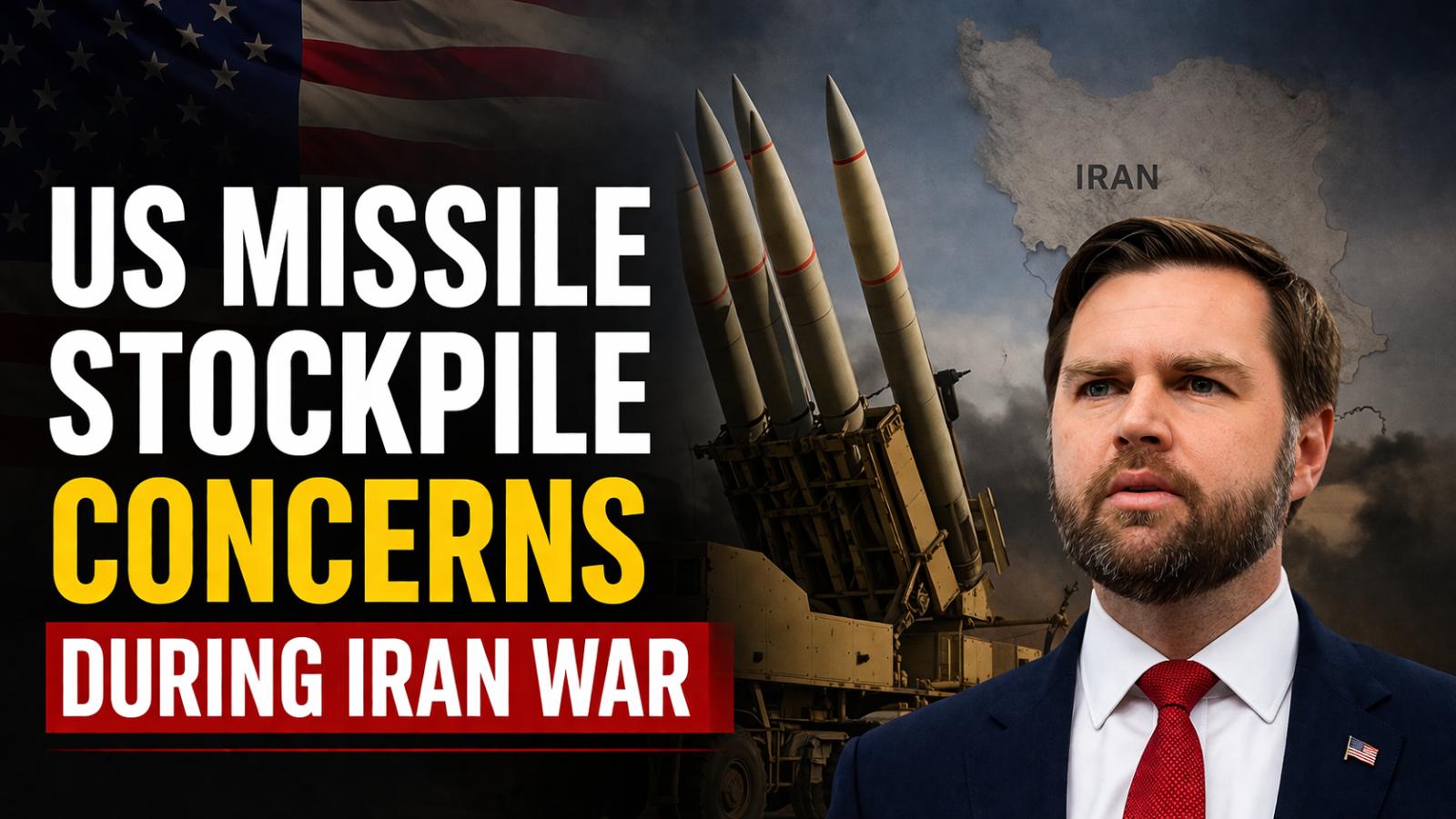
US missile stockpile concerns grow amid iran conflict scrutiny
US missile stockpile concerns during Iran war
US missile stockpile concerns grow amid iran conflict scrutiny
US missile stockpile concerns during Iran war
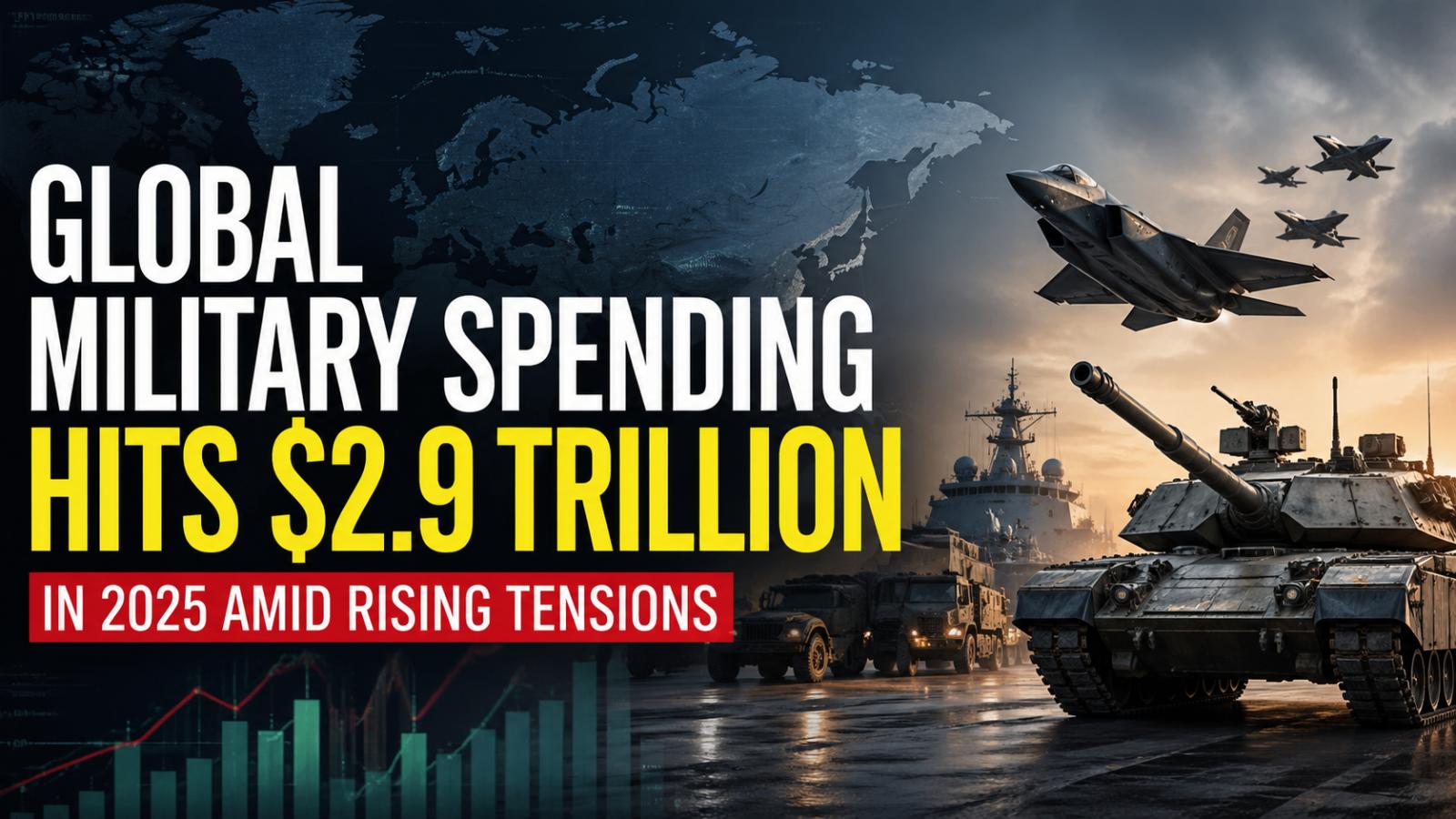
Global military spending hits $2.9 trillion in 2025 amid rising tensions
Global military spending 2025 overview Global military spending in 2025 has reached nearly $2.9 trillion, clearly showing how countries are increasing defence budgets as global tensions continue to rise. The total spending stood at $2887 billion in 2025, marking a 2.9 per cent increase from 2024, highlighting a steady rise in military expenditure trends worldwide. This reflects a world becoming less secure, with nations investing more in defence to protect themselves. The United States, Russia, and China remained the top three military spenders, with a combined total of $1.48 trillion. These nations continue to dominate global defence spending, shaping international security dynamics. Experts say this rise in defence budget growth shows that countries are preparing for both current conflicts and future uncertainties. Europe witnessed a major surge, with military spending increasing by 14 per cent to $864 billion in 2025. This sharp rise is mainly driven by the ongoing Russia-Ukraine war and reduced dependence on the United States for security. Countries like Germany increased spending by 24 per cent to $114 billion, while Spain recorded a significant 50 per cent jump to $40.2 billion, crossing two per cent of GDP for the first time in decades. The United States remained the largest spender despite a decline of 7.5 per cent, bringing its total to $954 billion in 2025. The decrease is linked to reduced financial aid approvals for Ukraine, although future budgets suggest spending could exceed $1 trillion in 2026, indicating a possible rebound. In Eastern Europe, Russia increased its military expenditure by 5.9 per cent to $190 billion, while Ukraine saw a sharp rise of 20 per cent to $84.1 billion. Ukraine’s defence spending now accounts for a large share of its GDP, showing the intensity of the ongoing conflict. Asia and Oceania recorded one of the fastest growth rates, with spending reaching $681 billion in 2025, an 8.5 per cent increase. China led the region with $336 billion, followed by Japan and India. India increased its defence budget by 8.9 per cent to $92.1 billion, making it the fifth-largest military spender globally. This growth highlights rising security concerns across the region. In the Middle East, spending patterns were mixed. Iran’s defence expenditure fell by 5.6 per cent to $7.4 billion, mainly due to high inflation. Israel also saw a decline of 4.9 per cent to $48.3 billion after reducing military operations following a ceasefire in early 2025, although its spending remains significantly higher compared to earlier years. Regional tensions continue to influence defence strategies across the Middle East. Overall, the SIPRI report shows that global military spending is steadily increasing as countries respond to rising geopolitical tensions and conflicts. The trend highlights a shift toward stronger military preparedness, reflecting uncertainty in the global security environment.
Global military spending hits $2.9 trillion in 2025 amid rising tensions
Global military spending 2025 overview Global military spending in 2025 has reached nearly $2.9 trillion, clearly showing how countries are increasing defence budgets as global tensions continue to rise. The total spending stood at $2887 billion in 2025, marking a 2.9 per cent increase from 2024, highlighting a steady rise in military expenditure trends worldwide. This reflects a world becoming less secure, with nations investing more in defence to protect themselves. The United States, Russia, and China remained the top three military spenders, with a combined total of $1.48 trillion. These nations continue to dominate global defence spending, shaping international security dynamics. Experts say this rise in defence budget growth shows that countries are preparing for both current conflicts and future uncertainties. Europe witnessed a major surge, with military spending increasing by 14 per cent to $864 billion in 2025. This sharp rise is mainly driven by the ongoing Russia-Ukraine war and reduced dependence on the United States for security. Countries like Germany increased spending by 24 per cent to $114 billion, while Spain recorded a significant 50 per cent jump to $40.2 billion, crossing two per cent of GDP for the first time in decades. The United States remained the largest spender despite a decline of 7.5 per cent, bringing its total to $954 billion in 2025. The decrease is linked to reduced financial aid approvals for Ukraine, although future budgets suggest spending could exceed $1 trillion in 2026, indicating a possible rebound. In Eastern Europe, Russia increased its military expenditure by 5.9 per cent to $190 billion, while Ukraine saw a sharp rise of 20 per cent to $84.1 billion. Ukraine’s defence spending now accounts for a large share of its GDP, showing the intensity of the ongoing conflict. Asia and Oceania recorded one of the fastest growth rates, with spending reaching $681 billion in 2025, an 8.5 per cent increase. China led the region with $336 billion, followed by Japan and India. India increased its defence budget by 8.9 per cent to $92.1 billion, making it the fifth-largest military spender globally. This growth highlights rising security concerns across the region. In the Middle East, spending patterns were mixed. Iran’s defence expenditure fell by 5.6 per cent to $7.4 billion, mainly due to high inflation. Israel also saw a decline of 4.9 per cent to $48.3 billion after reducing military operations following a ceasefire in early 2025, although its spending remains significantly higher compared to earlier years. Regional tensions continue to influence defence strategies across the Middle East. Overall, the SIPRI report shows that global military spending is steadily increasing as countries respond to rising geopolitical tensions and conflicts. The trend highlights a shift toward stronger military preparedness, reflecting uncertainty in the global security environment.

Bus crash near Pentagon leaves 23 injured including defense personnel
Bus collision near Pentagon on April 24, 2026 injures 23 people, including defense personnel, triggering emergency response, hospital treatment, and an ongoing investigation. Bus crash near Pentagon leaves 23 injured, including Department of War personnel after a collision involving two commuter buses during the morning rush hour on Friday. Officials said the incident involved a Fairfax County Connector bus and a Prince William County OmniRide bus that collided near the Pentagon complex shortly before 7:30 a.m. local time. According to authorities, the crash occurred at approximately 7:20 a.m. on the Metro Access Road near the Pentagon South parking area. The collision resulted in 23 passengers being injured, including 10 individuals identified as Department of War personnel. Emergency teams were immediately dispatched to the location following reports of the crash. Officials confirmed that 18 injured passengers were transported to nearby hospitals for further medical evaluation and treatment. Five additional passengers received first aid at the scene and were released after on-site assessment by emergency responders. The extent of injuries has not been fully disclosed, but authorities stated that all injured individuals are receiving appropriate care. Multiple law enforcement and fire department units from surrounding areas assisted in managing the emergency response and supported the initial investigation into the cause of the collision. The crash led to temporary disruptions in transit operations near the Pentagon, with emergency crews working to clear the scene and assess the damage. For a short period after the incident, the Pentagon Metro station and adjacent transit center were closed to allow for investigation and emergency operations. Authorities continue to examine the circumstances surrounding the collision, with further details expected as the investigation moves forward.
Bus crash near Pentagon leaves 23 injured including defense personnel
Bus collision near Pentagon on April 24, 2026 injures 23 people, including defense personnel, triggering emergency response, hospital treatment, and an ongoing investigation. Bus crash near Pentagon leaves 23 injured, including Department of War personnel after a collision involving two commuter buses during the morning rush hour on Friday. Officials said the incident involved a Fairfax County Connector bus and a Prince William County OmniRide bus that collided near the Pentagon complex shortly before 7:30 a.m. local time. According to authorities, the crash occurred at approximately 7:20 a.m. on the Metro Access Road near the Pentagon South parking area. The collision resulted in 23 passengers being injured, including 10 individuals identified as Department of War personnel. Emergency teams were immediately dispatched to the location following reports of the crash. Officials confirmed that 18 injured passengers were transported to nearby hospitals for further medical evaluation and treatment. Five additional passengers received first aid at the scene and were released after on-site assessment by emergency responders. The extent of injuries has not been fully disclosed, but authorities stated that all injured individuals are receiving appropriate care. Multiple law enforcement and fire department units from surrounding areas assisted in managing the emergency response and supported the initial investigation into the cause of the collision. The crash led to temporary disruptions in transit operations near the Pentagon, with emergency crews working to clear the scene and assess the damage. For a short period after the incident, the Pentagon Metro station and adjacent transit center were closed to allow for investigation and emergency operations. Authorities continue to examine the circumstances surrounding the collision, with further details expected as the investigation moves forward.
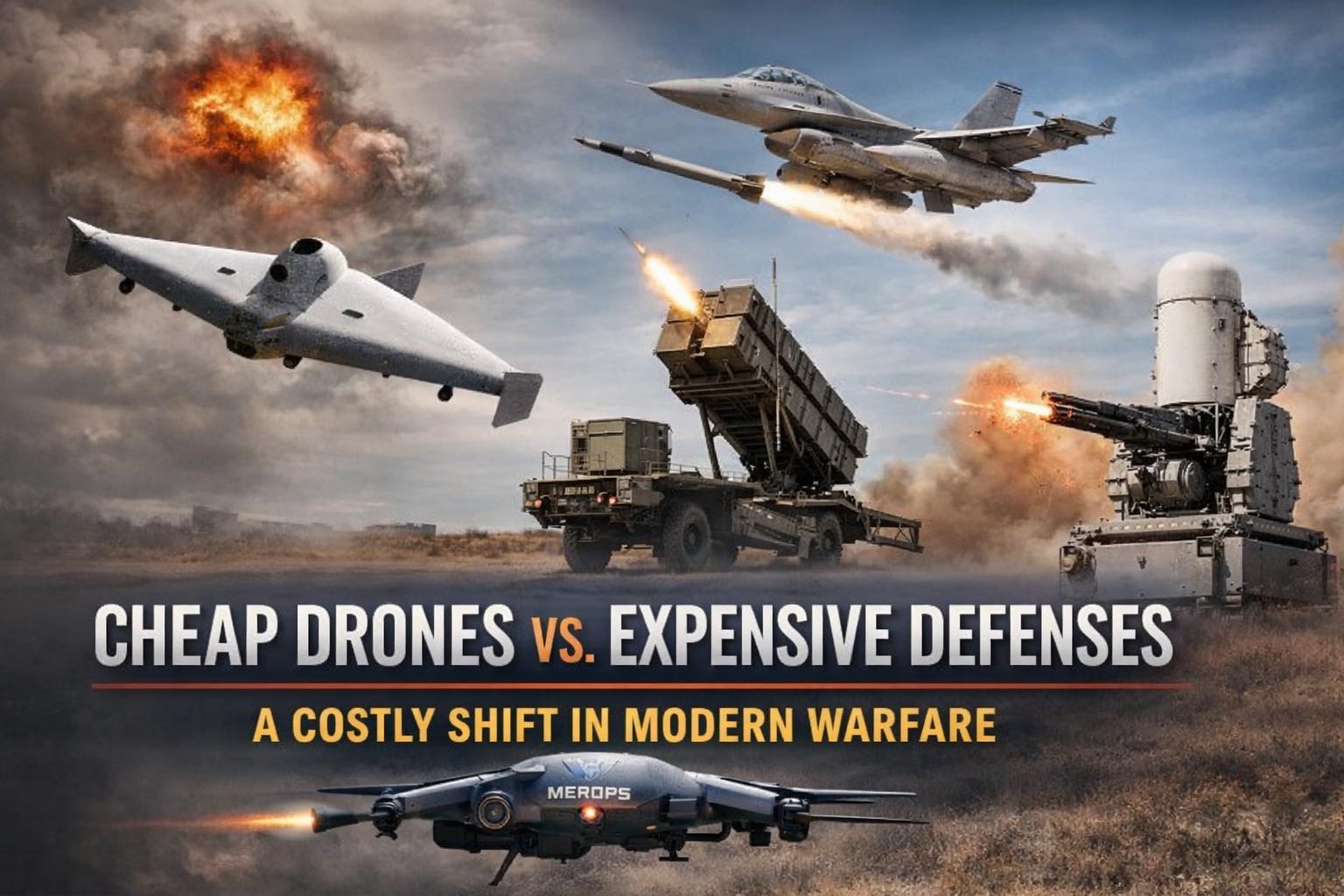
How Iran’s affordable drones are challenging America’s expensive interceptors
One of the most striking lessons from the war with Iran is how a relatively low-cost adversary has exposed vulnerabilities in U.S. defense strategy. Iran has demonstrated both a willingness to go on the offensive and an ability to leverage inexpensive drone technology at scale. These drones, often built with commercial-grade components, cost roughly $35,000 each—far less than the high-end interceptors used to destroy them. This imbalance has forced the United States and its allies to confront a new reality: modern warfare is no longer dominated solely by precision and sophistication, but also by affordability and volume. Cheap drones had already reshaped the battlefield in Ukraine, and Iran has now applied similar tactics in the Middle East, exploiting a long-standing gap in U.S. defense investments that favored fewer, more expensive systems over scalable solutions. Why are U.S. defenses struggling with cost efficiency? Because interceptors far exceed drone prices The financial mismatch is stark. In just the first six days of the conflict, the U.S. spent $11.3 billion, with estimates later rising to between $25 billion and $35 billion. A significant portion of that cost comes from interceptor missiles used to shoot down relatively inexpensive drones. Despite years of Pentagon focus on counter-drone capabilities, experts like Michael C. Horowitz note that there has been little urgency to scale affordable solutions. The result is a defense strategy where each engagement can cost far more than the threat itself—an unsustainable model in prolonged conflicts. How do air-based defenses work against drones? By using early detection and precision strikes—when available In an ideal scenario, airborne early warning systems detect drones hundreds of miles away. Fighter jets such as the F-16 Fighting Falcon are then deployed to intercept them using relatively cheaper rocket systems like APKWS II. This method is among the most cost-efficient, but it depends heavily on maintaining constant air patrols and intact detection systems. Iran has targeted these early warning assets, limiting their effectiveness and reducing the availability of this optimal defense approach. What role do ground and naval systems play? They offer range and reliability but at a steep price When air defenses are unavailable, the U.S. relies on ground- and sea-based systems. These include: Short-range systems like the Coyote, designed specifically for drones and relatively cost-effective—but in short supply. Naval destroyers using radar and SM-2 interceptors, which are powerful but expensive and designed for larger threats. The Patriot missile system, capable of intercepting drones from long distances using costly PAC-3 missiles. These systems were originally built to counter high-end threats like ballistic missiles, not swarms of cheap drones. As a result, they are often overkill—both technologically and financially—for the task at hand. Still, their use can be justified when defending high-value assets, such as billion-dollar radar installations or critical military infrastructure. What are the emerging solutions to counter drones? AI interceptors and lasers show promise but remain unproven New approaches aim to fix the cost imbalance. AI-powered interceptor drones, such as the Merops system developed by a company founded by Eric Schmidt, represent a potential shift toward cheaper, scalable defenses. These systems have been tested in collaboration with Ukrainian forces experienced in countering Iranian drones. The U.S. has already sent thousands of these units to the Middle East and begun training troops, though it remains unclear whether they have been deployed in combat. Meanwhile, the Pentagon has invested heavily in directed energy weapons—lasers that could cost as little as $3 per shot and reach targets up to 12 miles away. However, these systems have yet to be fielded in real-world combat. Why is ammunition depletion a growing concern? Because stockpiles may run out faster than they can be replaced Beyond cost, a more immediate concern is supply. Experts warn that interceptor stockpiles are being depleted at an alarming rate. As Tom Karako explains, the issue is not just affordability but availability: the U.S. risks running out of munitions before it can replenish them. This highlights a deeper strategic challenge. Modern conflicts—defined by mass-produced, low-cost threats—require not just advanced technology, but also sustainable production and scalable defense systems.
How Iran’s affordable drones are challenging America’s expensive interceptors
One of the most striking lessons from the war with Iran is how a relatively low-cost adversary has exposed vulnerabilities in U.S. defense strategy. Iran has demonstrated both a willingness to go on the offensive and an ability to leverage inexpensive drone technology at scale. These drones, often built with commercial-grade components, cost roughly $35,000 each—far less than the high-end interceptors used to destroy them. This imbalance has forced the United States and its allies to confront a new reality: modern warfare is no longer dominated solely by precision and sophistication, but also by affordability and volume. Cheap drones had already reshaped the battlefield in Ukraine, and Iran has now applied similar tactics in the Middle East, exploiting a long-standing gap in U.S. defense investments that favored fewer, more expensive systems over scalable solutions. Why are U.S. defenses struggling with cost efficiency? Because interceptors far exceed drone prices The financial mismatch is stark. In just the first six days of the conflict, the U.S. spent $11.3 billion, with estimates later rising to between $25 billion and $35 billion. A significant portion of that cost comes from interceptor missiles used to shoot down relatively inexpensive drones. Despite years of Pentagon focus on counter-drone capabilities, experts like Michael C. Horowitz note that there has been little urgency to scale affordable solutions. The result is a defense strategy where each engagement can cost far more than the threat itself—an unsustainable model in prolonged conflicts. How do air-based defenses work against drones? By using early detection and precision strikes—when available In an ideal scenario, airborne early warning systems detect drones hundreds of miles away. Fighter jets such as the F-16 Fighting Falcon are then deployed to intercept them using relatively cheaper rocket systems like APKWS II. This method is among the most cost-efficient, but it depends heavily on maintaining constant air patrols and intact detection systems. Iran has targeted these early warning assets, limiting their effectiveness and reducing the availability of this optimal defense approach. What role do ground and naval systems play? They offer range and reliability but at a steep price When air defenses are unavailable, the U.S. relies on ground- and sea-based systems. These include: Short-range systems like the Coyote, designed specifically for drones and relatively cost-effective—but in short supply. Naval destroyers using radar and SM-2 interceptors, which are powerful but expensive and designed for larger threats. The Patriot missile system, capable of intercepting drones from long distances using costly PAC-3 missiles. These systems were originally built to counter high-end threats like ballistic missiles, not swarms of cheap drones. As a result, they are often overkill—both technologically and financially—for the task at hand. Still, their use can be justified when defending high-value assets, such as billion-dollar radar installations or critical military infrastructure. What are the emerging solutions to counter drones? AI interceptors and lasers show promise but remain unproven New approaches aim to fix the cost imbalance. AI-powered interceptor drones, such as the Merops system developed by a company founded by Eric Schmidt, represent a potential shift toward cheaper, scalable defenses. These systems have been tested in collaboration with Ukrainian forces experienced in countering Iranian drones. The U.S. has already sent thousands of these units to the Middle East and begun training troops, though it remains unclear whether they have been deployed in combat. Meanwhile, the Pentagon has invested heavily in directed energy weapons—lasers that could cost as little as $3 per shot and reach targets up to 12 miles away. However, these systems have yet to be fielded in real-world combat. Why is ammunition depletion a growing concern? Because stockpiles may run out faster than they can be replaced Beyond cost, a more immediate concern is supply. Experts warn that interceptor stockpiles are being depleted at an alarming rate. As Tom Karako explains, the issue is not just affordability but availability: the U.S. risks running out of munitions before it can replenish them. This highlights a deeper strategic challenge. Modern conflicts—defined by mass-produced, low-cost threats—require not just advanced technology, but also sustainable production and scalable defense systems.

Hegseth claims major US victory as Iran’s military capabilities weakened
U.S. Secretary of Defense Pete Hegseth stated on Wednesday, April 8, 2026, that Iran had sought a ceasefire following what he described as a decisive U.S. military campaign known as Operation Epic Fury. Speaking during a Pentagon briefing, Hegseth characterized the operation as a “historic and overwhelming victory,” attributing its outcome to leadership under President Donald Trump. Hegseth said Iran’s leadership had “begged for a ceasefire,” asserting that the scale of the military impact left Tehran with limited options. He emphasized that the operation significantly degraded Iran’s conventional military capabilities, particularly across its naval, air, and missile forces. According to the defense secretary, Iran’s navy suffered extensive losses, claiming it had effectively been neutralized. He further stated that Iran’s air force had been rendered inoperable and that its broader air defense infrastructure no longer functioned as a cohesive system. Hegseth also asserted that Iran’s missile program had been “functionally destroyed,” suggesting a substantial setback to the country’s strategic deterrence capabilities. The remarks were delivered as part of an official Pentagon briefing outlining the outcomes of recent military actions. While Hegseth presented the operation as a clear U.S. victory, his statements reflect the administration’s assessment of the situation and have not been independently verified within the briefing. The comments signal a significant escalation in rhetoric surrounding U.S.-Iran tensions and underscore the broader geopolitical implications of Operation Epic Fury. Further developments are expected as international observers and regional stakeholders assess the long-term consequences of the reported military actions.
Hegseth claims major US victory as Iran’s military capabilities weakened
U.S. Secretary of Defense Pete Hegseth stated on Wednesday, April 8, 2026, that Iran had sought a ceasefire following what he described as a decisive U.S. military campaign known as Operation Epic Fury. Speaking during a Pentagon briefing, Hegseth characterized the operation as a “historic and overwhelming victory,” attributing its outcome to leadership under President Donald Trump. Hegseth said Iran’s leadership had “begged for a ceasefire,” asserting that the scale of the military impact left Tehran with limited options. He emphasized that the operation significantly degraded Iran’s conventional military capabilities, particularly across its naval, air, and missile forces. According to the defense secretary, Iran’s navy suffered extensive losses, claiming it had effectively been neutralized. He further stated that Iran’s air force had been rendered inoperable and that its broader air defense infrastructure no longer functioned as a cohesive system. Hegseth also asserted that Iran’s missile program had been “functionally destroyed,” suggesting a substantial setback to the country’s strategic deterrence capabilities. The remarks were delivered as part of an official Pentagon briefing outlining the outcomes of recent military actions. While Hegseth presented the operation as a clear U.S. victory, his statements reflect the administration’s assessment of the situation and have not been independently verified within the briefing. The comments signal a significant escalation in rhetoric surrounding U.S.-Iran tensions and underscore the broader geopolitical implications of Operation Epic Fury. Further developments are expected as international observers and regional stakeholders assess the long-term consequences of the reported military actions.
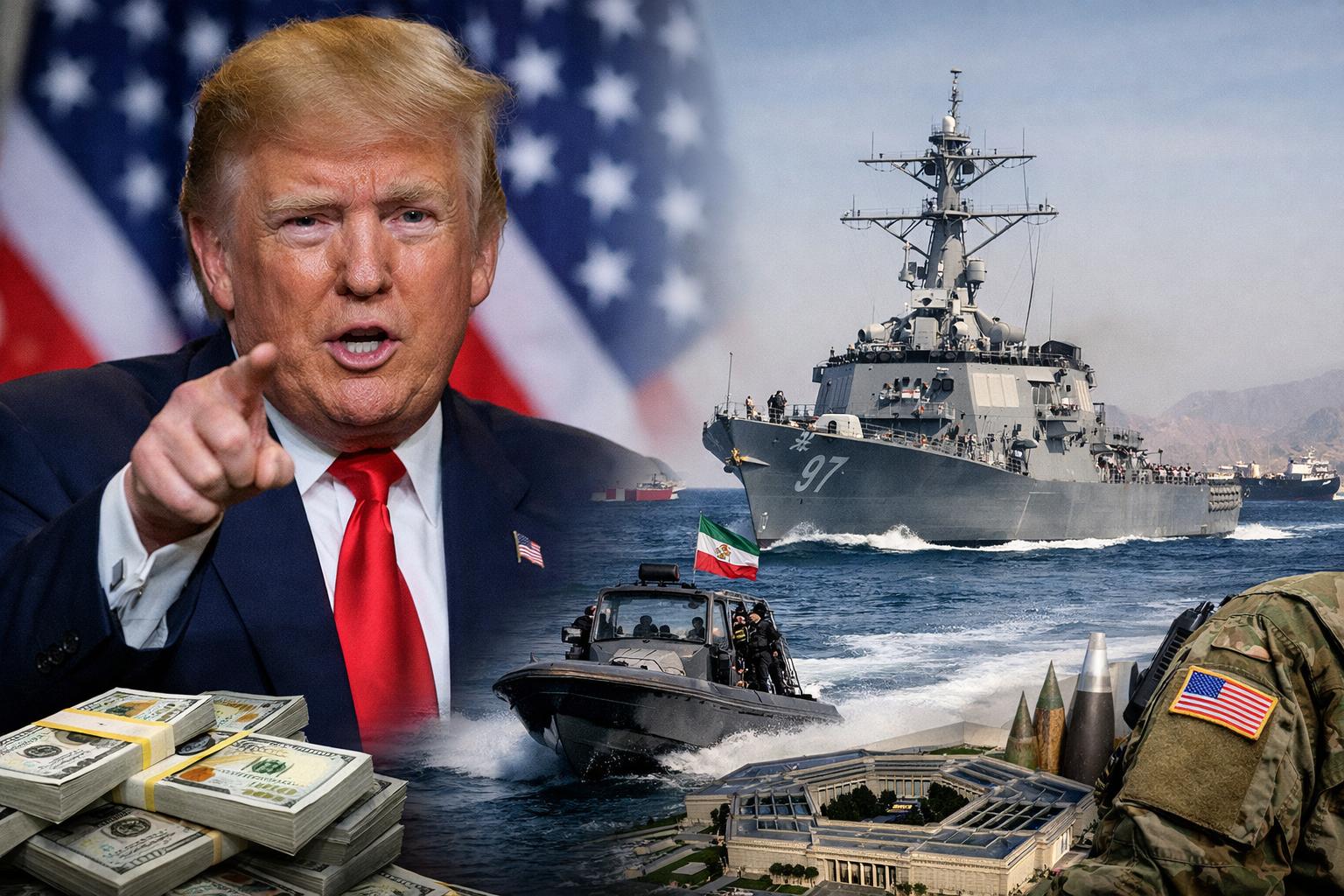
Trump floats Hormuz strategy as Pentagon seeks record war funding
US President Donald Trump said on Friday, April 3, 2026, that the United States could potentially “open” the Strait of Hormuz and seize oil resources if given additional time, as tensions continue to escalate in the ongoing Iran war. The remarks, posted on his Truth Social platform, come amid growing concerns over global energy security and disruptions to one of the world’s most critical shipping routes. Trump’s statement suggested a more aggressive approach to the strategic
Trump floats Hormuz strategy as Pentagon seeks record war funding
US President Donald Trump said on Friday, April 3, 2026, that the United States could potentially “open” the Strait of Hormuz and seize oil resources if given additional time, as tensions continue to escalate in the ongoing Iran war. The remarks, posted on his Truth Social platform, come amid growing concerns over global energy security and disruptions to one of the world’s most critical shipping routes. Trump’s statement suggested a more aggressive approach to the strategic
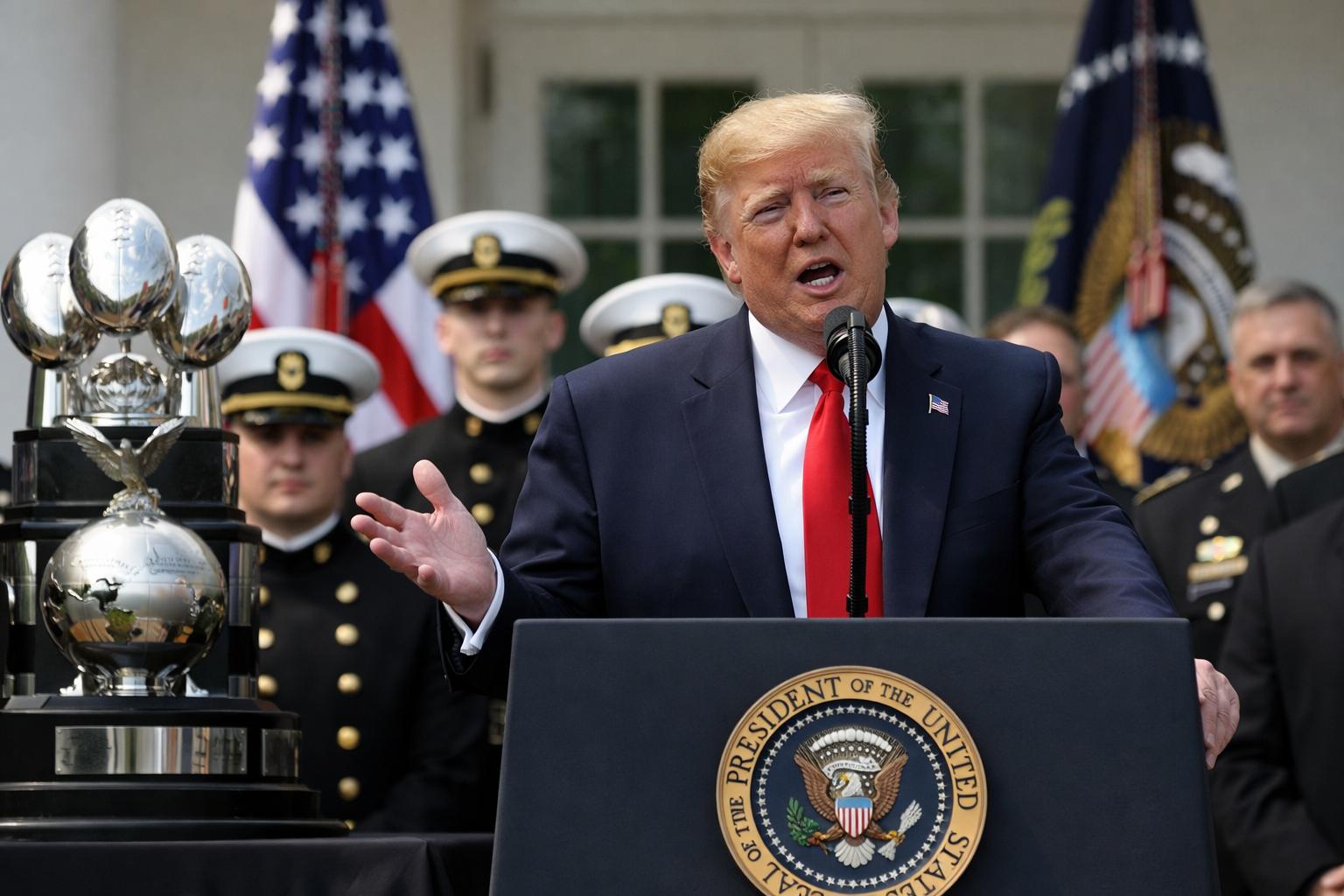
Trump claims major US military success against Iran at White House event
US President Donald Trump on Friday said the United States was “doing extremely well in Iran,” making a series of sweeping claims about the country’s military capabilities during a ceremony at the White House. Speaking while presenting the Commander-in-Chief’s Trophy, Trump asserted that Iran’s naval forces had effectively been neutralised, stating that the country now has “no navy anymo
Trump claims major US military success against Iran at White House event
US President Donald Trump on Friday said the United States was “doing extremely well in Iran,” making a series of sweeping claims about the country’s military capabilities during a ceremony at the White House. Speaking while presenting the Commander-in-Chief’s Trophy, Trump asserted that Iran’s naval forces had effectively been neutralised, stating that the country now has “no navy anymo










